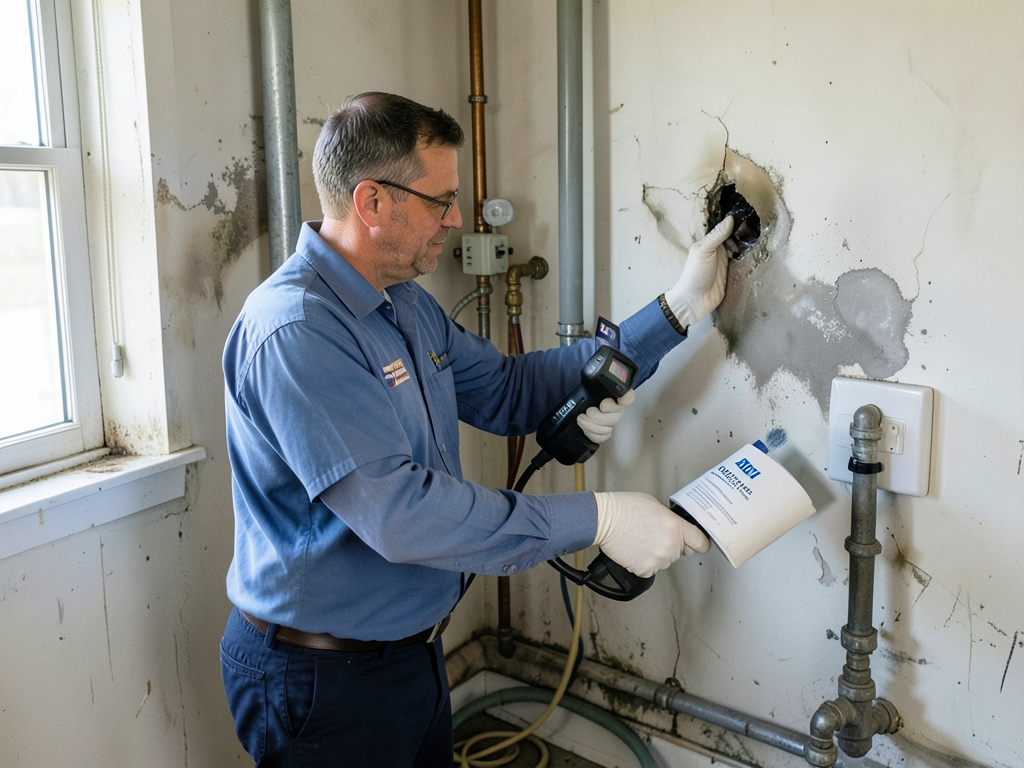
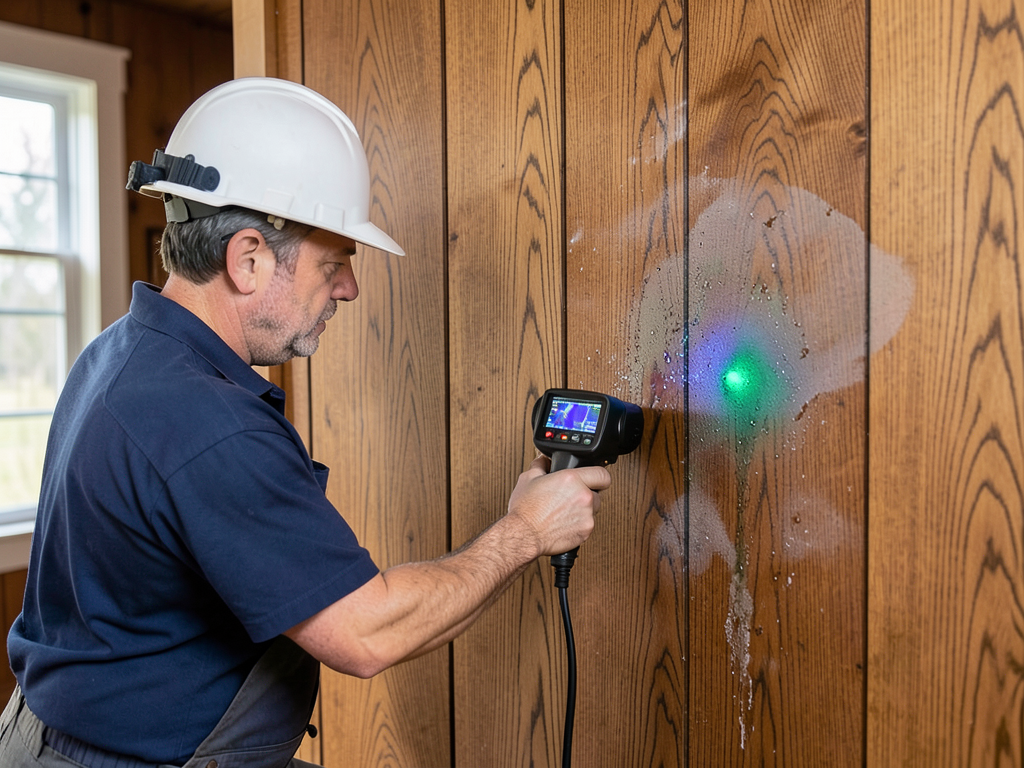
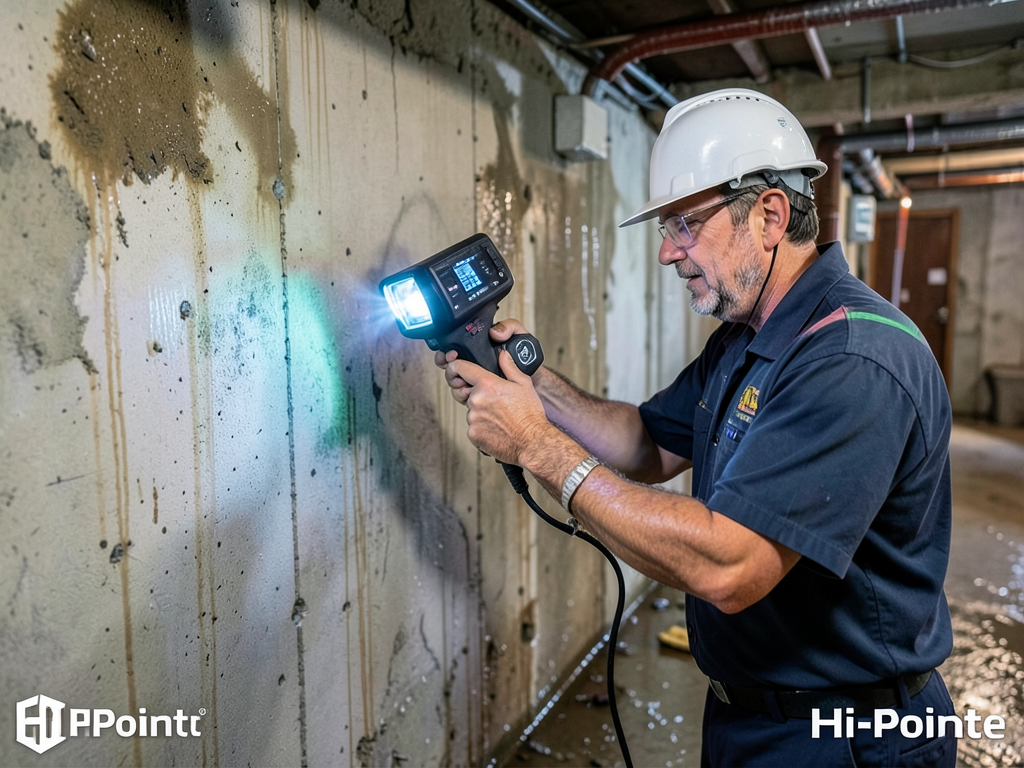
St. Louis averages 65 percent relative humidity year-round, spiking above 80 percent in summer. When fire suppression water saturates wood framing, drywall, and insulation, this humidity prevents natural drying and accelerates mold colonization. The city's prevalence of brick veneer construction with wood stud framing creates hidden moisture traps where water pools behind masonry facades. Historic districts like Lafayette Square and Benton Park feature plaster walls over wood lath, which absorb water and crumble when dried improperly. These conditions demand aggressive moisture control and antimicrobial treatment that standard fire recovery protocols often overlook. Post-fire safety steps in St. Louis must account for rapid mold onset and material-specific drying techniques to prevent permanent structural damage.
Patriot Water Damage Restoration St. Louis works within the city's building code framework, including Chapter 8 requirements for fire-damaged structures and historic preservation standards enforced by the Cultural Resources Office. We coordinate with city inspectors to ensure post-fire repairs meet current code while respecting the architectural integrity of older homes. Our technicians understand local construction methods, from the balloon framing common in pre-1940s homes to the brick-and-block construction typical of mid-century builds. This expertise ensures our fire damage safety protocol addresses St. Louis-specific vulnerabilities rather than applying generic national standards. When you hire local, you get professionals who know your building's history and the regulatory environment governing its restoration.