menu

Emergency Mold Containment in St. Louis – 24/7 Rapid Response Teams Dispatched Within 60 Minutes

When mold threatens your St. Louis property, every minute counts. Patriot Water Damage Restoration St. Louis deploys certified containment specialists around the clock to stop spore spread, protect your family's health, and prevent structural damage before it escalates.

Slider Image 1
Slider Image 2
Slider Image 3
Slider Image 4
Slider Image 5
Slider Image 7
Slider Image 8
Slider Image 9
Slider Image 10
Slider Image 11

Why St. Louis Properties Face Critical Mold Threats After Water Events

St. Louis sits in a high-risk zone for explosive mold growth. The Mississippi River Valley creates persistent humidity levels above 70 percent from May through September. Add the city's aging housing stock, many homes built before modern vapor barriers existed, and you create perfect conditions for rapid mold colonization.

When a pipe bursts in your Clayton bungalow or a roof leak floods your Tower Grove Victorian, you have 24 to 48 hours before mold spores activate. After 72 hours, a small water event becomes a full-scale contamination crisis requiring urgent mold isolation and emergency mold abatement.

The clay soil common throughout St. Louis County shifts with seasonal moisture changes. This movement cracks foundations in homes across Kirkwood and Webster Groves. Water seeps through these cracks during spring storms. It saturates organic materials in wall cavities where you cannot see it. By the time you smell that musty odor or see surface growth, mold has colonized behind drywall and under flooring.

Immediate mold mitigation stops this progression. Professional containment creates negative air pressure zones that prevent spore migration to clean areas. HEPA filtration captures airborne particles. Antimicrobial barriers halt active growth. Without rapid mold containment services, a single wet wall cavity can contaminate an entire floor within a week.

You need 24/7 mold damage containment the moment you discover water intrusion. Waiting until Monday morning or after the weekend turns a manageable problem into a total loss scenario.

Why St. Louis Properties Face Critical Mold Threats After Water Events
How Professional Containment Stops Mold Migration in Real Time

How Professional Containment Stops Mold Migration in Real Time

Emergency mold containment is not cleanup. It is immediate tactical isolation that prevents a localized contamination event from becoming a whole-structure crisis.

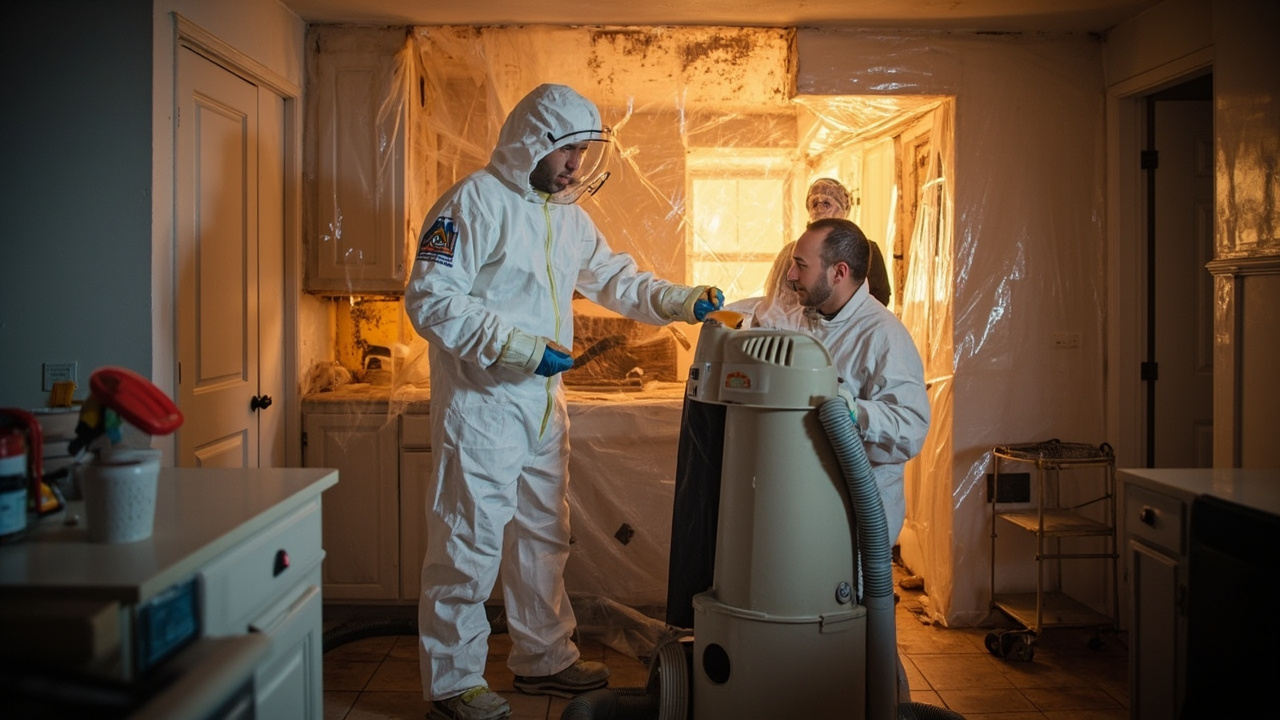
We deploy negative air machines that create pressure differentials between contaminated and clean zones. Air flows into the affected area but cannot flow out. This physics-based approach stops spores from traveling through HVAC systems or open doorways into bedrooms and living spaces.

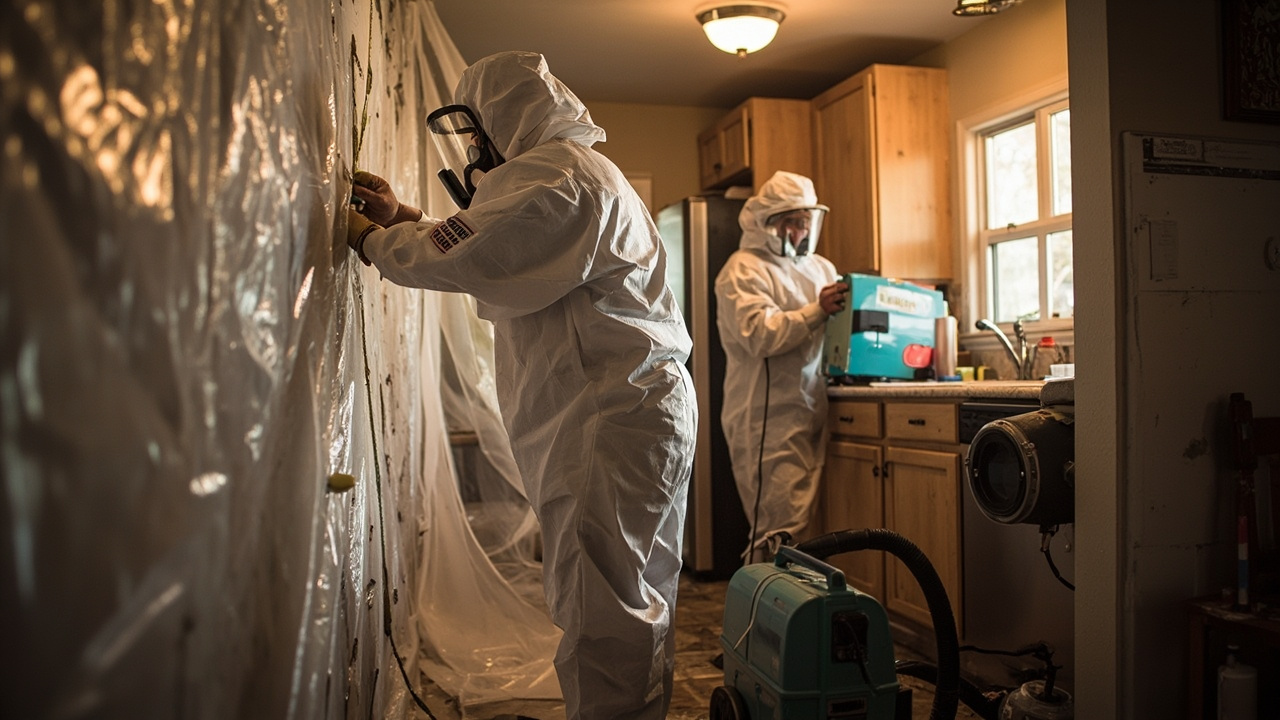
Polyethylene barriers seal off the hot zone. We use 6-mil fire-rated sheeting anchored with mechanical fasteners, not tape that fails in humid conditions. Entry and exit occur through decontamination chambers equipped with sticky mats and HEPA-filtered air scrubbers.

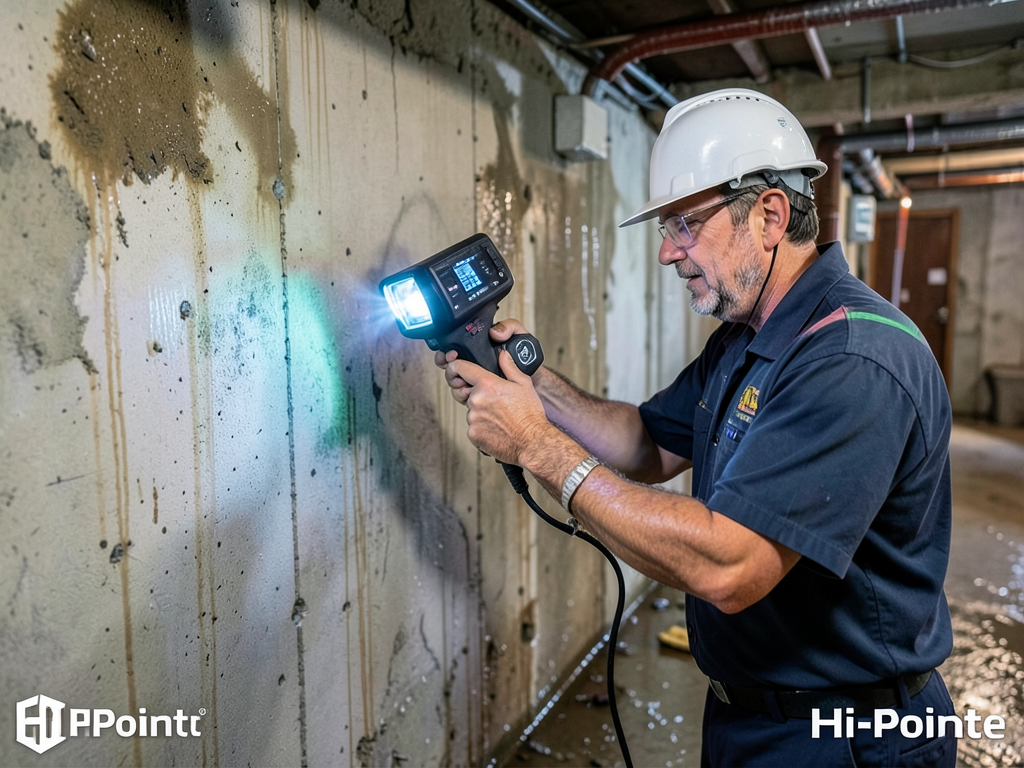
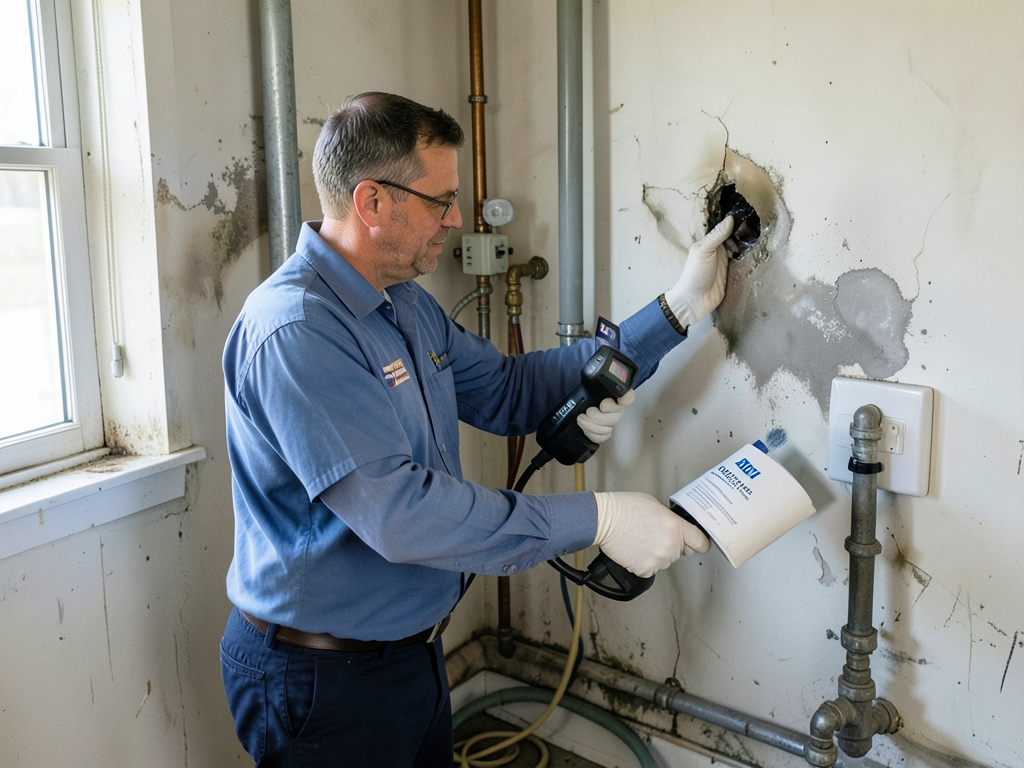
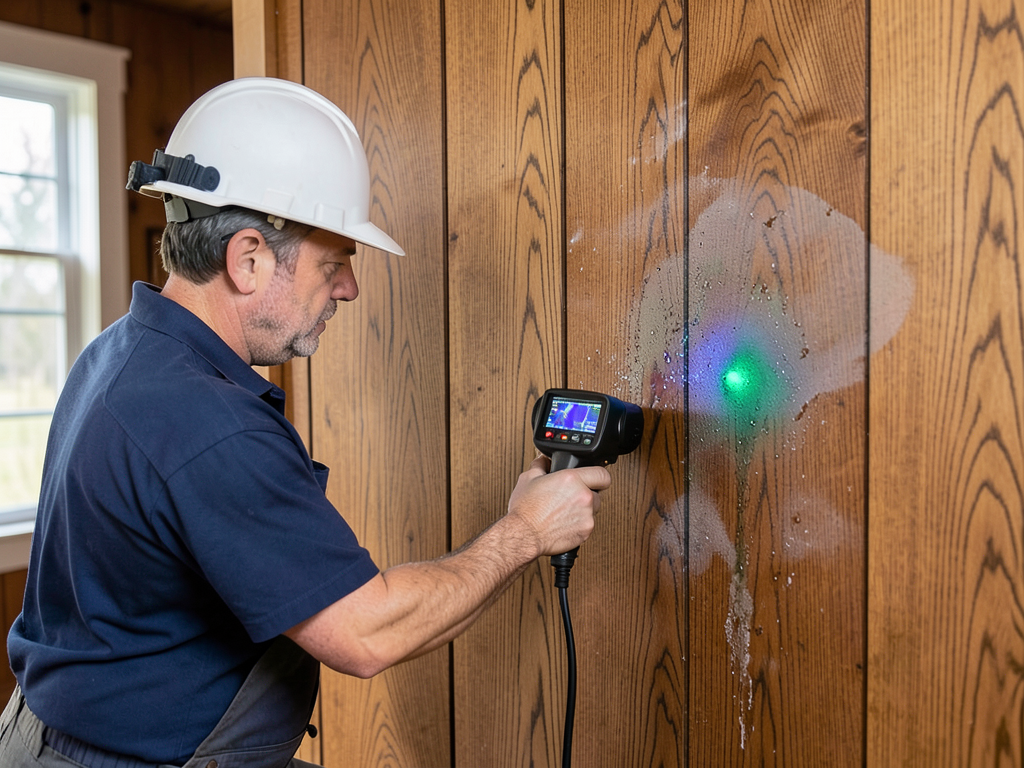
Before we touch anything, moisture mapping identifies all affected materials. Infrared cameras detect hidden saturation inside walls and ceilings. Penetrating pin meters measure moisture content in wood framing. This data tells us exactly where mold has established colonies and where it will appear next without intervention.

Source water elimination happens first. We cannot contain mold while water continues feeding it. Our technicians shut off supply lines, patch roof penetrations, or pump out flooded crawlspaces before containment barriers go up.

Air scrubbers equipped with HEPA filters process contaminated air through multiple stages. Pre-filters catch large particles. HEPA media captures 99.97 percent of particles down to 0.3 microns. Activated carbon removes volatile organic compounds that create the musty smell associated with mold growth.

Antimicrobial application creates a chemical barrier on all surfaces within the containment zone. This step halts active growth while we extract water and remove saturated materials. We use EPA-registered products effective against Stachybotrys, Aspergillus, and Penicillium species common in St. Louis water damage scenarios.

What Happens When You Call for Emergency Containment

Emergency Mold Containment in St. Louis – 24/7 Rapid Response Teams Dispatched Within 60 Minutes
01

Immediate Dispatch and Assessment

Our phone lines route to live technicians, not answering services. Within 15 minutes of your call, a two-person containment crew leaves our facility with full equipment. Upon arrival, we photograph all affected areas, document moisture readings, and identify the contamination perimeter. You receive a verbal action plan before we move any equipment inside. This assessment determines containment scope and establishes baseline conditions for insurance documentation.
02

Containment Barrier Installation

Physical isolation begins immediately after assessment approval. We seal HVAC registers with magnetic covers to prevent spore distribution through ductwork. Polyethylene barriers attach to ceiling joists and wall studs, creating an airtight envelope around contaminated zones. Negative air machines activate before we disturb any materials, establishing controlled airflow patterns. Entry points receive zippered doors and decontamination chambers. This containment infrastructure stays active throughout the entire mitigation process, typically 3 to 7 days depending on contamination severity.
03

Controlled Material Removal

With containment active, we remove all porous materials that absorbed water and cannot be salvaged. Drywall comes down in controlled sections, not torn apart, which would release spore clouds. Insulation gets bagged inside the containment zone before transport to exterior dumpsters. Wood framing receives HEPA vacuuming and antimicrobial treatment if moisture readings drop below 15 percent. We continue air scrubbing for 24 hours after the final material exits the property. Post-remediation air quality testing confirms spore counts match or fall below outdoor baseline levels.

Why St. Louis Property Owners Trust Local Containment Expertise

Mold containment done wrong creates bigger problems than the original water damage. National franchise crews follow scripts. They do not understand how St. Louis's specific building characteristics affect contamination spread.

We know the difference between a 1920s brick four-family in South City, where balloon framing allows vertical spore migration between floors, and a 1980s ranch in Chesterfield with proper fire-stops that naturally compartmentalize contamination. This knowledge determines containment strategy.

St. Louis County and the City of St. Louis enforce different building codes for demolition and disposal of contaminated materials. We maintain current permits for both jurisdictions. Our crews understand when work requires notification to local health departments versus when it falls under standard remediation protocols.

Insurance claim success depends on proper documentation from hour one. We photograph every stage of containment using time-stamped images that prove rapid response and appropriate scope. Our moisture logs show declining readings that demonstrate effective drying. This documentation satisfies adjuster requirements and prevents claim denials based on insufficient evidence.

Patriot Water Damage Restoration St. Louis operates from a local facility, not a regional hub three states away. Our equipment stays ready for immediate deployment. We do not wait for corporate approval to dispatch crews or rent specialized equipment. When you call at 2 a.m. because you smell mold after a pipe burst, we arrive with everything needed to establish containment before you go back to bed.

We understand St. Louis construction. Homes in Soulard have rubble-stone foundations that wick moisture. Properties near Forest Park face elevated humidity from the park's lake effect. Office buildings downtown deal with HVAC condensation issues from aging mechanical systems. This local knowledge shapes our containment approach for maximum effectiveness.

What Emergency Containment Delivers for Your St. Louis Property

60-Minute Response Time

We guarantee technician arrival within 60 minutes for all St. Louis city and county emergency calls. Our crews work rotating shifts to maintain 24/7 availability every day of the year. Holiday weekends and severe weather do not delay our response. Equipment rides ready on every truck. No rental delays. No waiting for corporate authorization. You call, we roll. Initial containment barriers typically achieve full operation within 90 minutes of arrival, stopping spore spread before it contaminates additional rooms. This speed prevents minor incidents from becoming total property losses.

Comprehensive Contamination Mapping

Visual inspection misses 60 percent of actual mold growth. We use thermal imaging to detect temperature differentials that indicate hidden moisture. Penetrating moisture meters measure water content inside wall cavities without destructive testing. Air sampling captures baseline spore counts before containment begins. This data-driven approach identifies every contaminated surface, not just obvious growth patterns. You receive a written assessment that documents affected areas with measurements and photographs. This report serves as your evidence package for insurance claims and prevents future disputes about contamination scope or proper remediation protocols.

Verified Air Quality Results

Containment ends only after independent testing confirms your property meets safe occupancy standards. We coordinate third-party air quality sampling that measures spore counts in previously contaminated areas against outdoor control samples. Results must show indoor counts equal to or lower than outdoor baseline readings. If testing reveals elevated spore levels, containment and air scrubbing continue until standards are met. You receive certified lab reports documenting safe conditions before we remove barriers and return the property to service. This verification protects your family and satisfies insurance requirements for claim closure.

Post-Containment Monitoring Protocol

Mold does not disappear because you removed visible growth. Spores remain dormant until moisture returns. We install monitoring equipment that tracks humidity levels in previously affected areas. You receive access to real-time data through a mobile app that alerts you to elevated moisture before new growth begins. Our technicians return at 30 and 90 days post-containment to verify conditions remain stable. These follow-up visits include moisture testing in wall cavities and visual inspection of high-risk areas. This monitoring program catches moisture intrusion early when simple drying solves the problem instead of requiring full containment again.

Frequently Asked Questions

You Have Questions,
We Have Answers

What is the proper containment for mold? +

Proper mold containment uses polyethylene sheeting to seal off the affected area from clean zones. This creates a negative air pressure environment using HEPA-filtered air scrubbers that pull spores inward and prevent cross-contamination. In St. Louis homes, high humidity from the Mississippi River and Missouri River valleys makes containment urgent. We seal doorways, vents, and gaps with heavy-duty plastic and tape. Critical containment zones require airlock entry chambers. All contaminated materials exit through a decontamination chamber. This prevents mold from spreading to unaffected rooms during demolition and removal.

What plant removes 78% of airborne mold? +

The English Ivy plant removes 78% of airborne mold spores in controlled studies. This houseplant absorbs mold particles through its leaves and breaks them down. While English Ivy can help reduce background spore counts in St. Louis homes with basement moisture issues, it does not replace professional remediation. Active mold growth requires physical removal and moisture control. Plants alone cannot address the root cause. If you see visible mold in your Soulard or Tower Grove home, call a remediation specialist immediately. Plants are supplemental, not a solution.

Does FEMA pay for mold remediation? +

FEMA does not typically pay for mold remediation unless it results directly from a federally declared disaster and you can prove the connection. After Missouri River flooding in St. Louis County, FEMA may cover water damage repairs, but mold that grows weeks later from unaddressed moisture often falls outside their scope. Your homeowners insurance is the first line of defense. Document everything immediately after water intrusion. If FEMA denies your claim, review your policy carefully. Many St. Louis residents miss coverage because they wait too long to file.

Is mold an OSHA violation? +

Yes, mold can trigger OSHA violations in commercial properties. OSHA does not have a specific mold standard, but it enforces general duty clauses requiring safe workplaces. If employees in your Clayton or downtown St. Louis office report respiratory symptoms and visible mold exists, you risk citations. OSHA references exposure limits and mandates respiratory protection during remediation work. Businesses must provide proper PPE and training. If you discover mold in a commercial space, containment and removal must follow OSHA guidelines to protect workers and avoid penalties.

How do Japanese bathrooms not get mold? +

Japanese bathrooms prevent mold through superior ventilation, quick-drying materials, and daily maintenance habits. They use exhaust fans that run continuously, moisture-resistant wall panels, and squeegee all surfaces after each shower. St. Louis bathrooms face high humidity year-round, which accelerates mold growth on grout and caulk. You can adopt these habits by running your bathroom fan for 30 minutes post-shower, wiping down tile walls, and fixing leaky faucets immediately. Install a dehumidifier in bathrooms without windows. Prevention stops mold before containment becomes necessary.

What kills mold permanently? +

Nothing kills mold permanently if moisture remains. You must remove the mold physically and eliminate the water source. EPA-registered antimicrobial solutions kill surface mold on non-porous materials like glass or metal. Porous materials like drywall and insulation must be removed and discarded. In St. Louis basements with groundwater seepage or foundation cracks, killing visible mold without fixing the leak guarantees regrowth. Bleach works on hard surfaces but does not penetrate porous substrates. Professional remediation combines physical removal, HEPA vacuuming, antimicrobial treatment, and moisture control to prevent recurrence.

What pulls mold out of the air? +

HEPA air scrubbers and purifiers pull mold spores from the air. HEPA filters capture 99.97% of particles 0.3 microns or larger, including mold spores. During emergency containment in St. Louis homes, professionals use commercial-grade HEPA air scrubbers to create negative pressure and filter contaminated air before exhausting it outside. Portable HEPA purifiers help reduce airborne spores in living spaces. Replace filters regularly. Air scrubbers do not remove mold growing on surfaces. They control airborne contamination during active remediation. Combine air filtration with source removal for complete mold elimination.

Is it true that English Ivy absorbs mold? +

Yes, English Ivy absorbs airborne mold spores in lab settings, removing up to 78% within 12 hours. The plant captures particles on its leaves and breaks them down through natural processes. While English Ivy can reduce background spore counts in St. Louis homes, it does not remediate active mold colonies. If you see black or green growth on walls, ceilings, or crawl spaces in Lafayette Square or Dogtown, you need professional containment and removal. Plants help maintain air quality after remediation but cannot replace physical mold removal and moisture correction.

How long do airborne mold spores last? +

Airborne mold spores can survive indefinitely in the right conditions, remaining dormant until they find moisture and organic material. After disturbance during cleaning or demolition, spores stay airborne for hours to days depending on air movement and humidity. In St. Louis homes with poor ventilation, spores settle on surfaces within 24 hours but become airborne again when disturbed. This is why professional containment uses negative air pressure and HEPA filtration during removal. Spores do not die quickly. They wait for the next moisture event to colonize and grow.

What to do if I can't afford mold removal? +

If you cannot afford full mold removal, start with moisture control to stop growth. Fix leaks, run dehumidifiers, and increase ventilation immediately. Clean small surface mold on non-porous materials yourself using detergent and water. Bag and discard contaminated porous items. Many St. Louis homeowners insurance policies cover mold if it results from a covered peril like burst pipes. File a claim before attempting DIY work. Check if your city offers emergency repair assistance programs. Delaying professional help worsens damage and costs. Contact a remediation company for a free inspection and financing options.

How Mississippi River Valley Humidity Accelerates Mold Growth in St. Louis Properties

St. Louis averages 40 inches of annual rainfall with humidity regularly exceeding 75 percent during summer months. This moisture-saturated environment allows mold spores to activate within 24 hours after water exposure. Properties near the Mississippi River floodplain or in low-lying areas like Carondelet and Lemay face even higher risk. The combination of aging housing stock, many homes built before 1960 without proper moisture barriers, and extreme humidity creates perfect conditions for rapid colonization. Emergency mold abatement must begin immediately after any water event because the 48-hour window for preventing growth shrinks to 24 hours in high-humidity conditions.

St. Louis building code requires specific protocols for mold remediation in structures built before 1978 because of lead paint concerns. Our technicians maintain current lead-safe certifications and follow EPA RRP rules during containment work in older properties. We understand the permit requirements for the City of St. Louis versus St. Louis County jurisdictions. This local regulatory knowledge prevents code violations that delay reconstruction and create liability issues. Insurance companies recognize our documentation standards because we follow local adjuster requirements specific to Missouri claims processing. Choosing a containment company that understands St. Louis regulations protects your investment and prevents costly compliance failures.
Water Damage Restoration Services in The St. Louis Area

We are proud to be the trusted local choice for water damage restoration across the greater St. Louis region. This map highlights our primary service zone, demonstrating our commitment to rapid, localized response across every neighborhood and business district within the area. We invite all users to view our service area and then contact us directly for immediate deployment to your specific address within the St. Louis community.

Address:
Patriot Water Damage Restoration St. Louis, 710 N Tucker Blvd, St. Louis, MO, 63101

Additional Services We Offer

Our news updates

Latest Articles & News from The Blogs

What to Do When Your Water Softener Leaks and Floods Your Affton Utility Room A leaking water softener can release…

What to Do When Your Water Softener Leaks and Floods Your Affton Utility Room

What to Do When Your Water Softener Leaks and Floods Your Affton Utility Room A leaking water softener can release…

Restoring a Water Damaged Mid-Century Modern Home in Warson Woods

Restoring a Water Damaged Mid-Century Modern Home in Warson Woods Water damage in a mid-century modern home requires specialized knowledge…

Why Your Walk-Out Basement in Hi-Pointe is Vulnerable to Heavy Rain Runoff

Why Your Walk-Out Basement in Hi-Pointe is Vulnerable to Heavy Rain Runoff Your walk-out basement in Hi-Pointe faces unique flooding…

Contact Us

Every hour delays spore migration into clean areas. Call Patriot Water Damage Restoration St. Louis at (314) 428-9977 for immediate containment crew dispatch. We answer 24/7 and arrive within 60 minutes to stop contamination before it destroys your property.