


Chesterfield sits in the Missouri River floodplain where heavy spring rains and summer storms dump inches of water in hours. The clay-heavy soil common throughout West County drains poorly, pushing groundwater against basement foundations in neighborhoods like Wildhorse Creek Valley and Stone Mill Estates. When municipal storm systems overflow during flash floods, properties near Spirit of St. Louis Boulevard and Clarkson Road face water intrusion from multiple sources at once.
Missouri's humid continental climate creates another problem. Summer humidity over 70 percent combined with temperature swings means condensation forms inside walls and HVAC systems. Homes in Chesterfield Valley built on former floodplain soil face elevated moisture levels year-round. Burst pipes during winter freezes are common when temperatures drop below 20 degrees, which happens multiple times each season.
The combination of clay soil, storm severity, and humidity makes water damage remediation more complex here than in drier climates. Water doesn't just sit on the surface. It penetrates deep into building materials, requiring industrial extraction equipment and dehumidification to prevent structural damage and mold colonization within 48 hours.
We built our reputation responding to Chesterfield emergencies at 3 AM when basements flood and families panic. Our dispatch center operates 24 hours with crews stationed throughout West County, which means we arrive at properties in Monarch Fire Protection District and Central County Fire and Rescue territory within 60 minutes of your call. Speed matters because water damage accelerates exponentially in the first hours.
Our technicians hold IICRC certifications in water damage restoration and applied structural drying. We use thermal imaging cameras to find hidden moisture inside walls and under flooring that standard meters miss. This prevents callbacks for mold growth weeks after we leave. Every job follows a documented drying protocol with daily moisture readings until materials return to normal levels, which we define as below 15 percent moisture content for wood framing.
We work as your advocate with insurance companies. Our estimators photograph damage, document pre-loss conditions, and submit detailed scope reports that adjusters accept without the endless back-and-forth that delays your claim. Most Chesterfield homeowners pay only their deductible. We bill insurers directly and handle the paperwork.
What separates us from restoration franchises is our local ownership. We live in the same postal codes we serve. Our crews know which Chesterfield subdivisions have main water line issues, which streets flood first during storms, and how different construction types common to this area respond to water exposure. That knowledge speeds up diagnosis and prevents unnecessary demolition.

Our crews stage equipment throughout West County for rapid deployment. When you call our emergency line, we dispatch the nearest truck to your Chesterfield address. Most properties get a technician on-site within one hour, often faster during daylight. We start water extraction immediately to minimize damage.

We handle all insurance communication from first claim call to final payment. Our estimators document damage with photo evidence and moisture readings that adjusters require. You pay your deductible, we collect from the carrier. No surprise bills or payment disputes after the work finishes.
Every crew member completes Institute of Inspection Cleaning and Restoration Certification training in water damage restoration and applied structural drying. We follow industry standards for moisture removal and use calibrated equipment to verify complete drying. This prevents mold growth and structural damage after we leave.
We know Chesterfield construction types, soil conditions, and flood patterns from years serving this community. Our technicians understand which neighborhoods face recurring issues and how local building methods affect water damage response. This knowledge speeds restoration and prevents guesswork that costs you time and money.
Water damage takes many forms and each requires different equipment and methods. A basement flood from a sump pump failure needs different treatment than a slow pipe leak behind a shower wall. We provide the full spectrum of water damage restoration services from emergency extraction through final reconstruction.
Our approach starts with immediate water removal to stop damage progression. We then move to structural drying using commercial dehumidifiers and air movers positioned based on moisture readings. The final phase addresses any contamination, odor, or damage to building materials. Many jobs require all three service categories. Others need just emergency mitigation. We customize our response to your specific situation.
We separate our services into emergency response, structural drying and remediation, and reconstruction. This lets us scale our response to match your damage severity. A small bathroom leak might only need drying equipment for three days. A finished basement flood requires extraction, antimicrobial treatment, demolition of damaged materials, and full rebuild. Understanding these categories helps you know what to expect when we arrive.
When water floods your property, we arrive with truck-mounted extractors and portable pumps to remove standing water immediately. Our crews extract water from carpets, pad, and flooring, then begin emergency board-up or roof tarping if needed. We move furniture to dry areas, remove soaked materials that cannot be saved, and set up temporary power if your electrical system is compromised. This emergency response happens day or night because water damage accelerates every hour. Speed during this phase determines how much of your property we can save.
After extraction, moisture remains inside walls, subfloors, and framing. We position commercial dehumidifiers and air movers to create controlled drying conditions, then monitor progress with thermal imaging and moisture meters. Drying typically takes three to seven days depending on materials affected and humidity levels. We visit daily to take readings and adjust equipment. The job is not complete until moisture content returns to normal, which prevents mold growth and wood rot. We document the entire drying process for your insurance claim.
Severe water damage requires removing drywall, insulation, flooring, and sometimes framing components. Once the structure is dry, we rebuild everything we removed. Our crews handle demolition, framing, drywall installation, texture matching, painting, and flooring replacement. We coordinate with electricians and plumbers if systems need repair. This single-source approach means you work with one company from emergency call through final walkthrough. No coordination headaches between multiple contractors. We manage the entire project and guarantee the results.
Water finds its way into Chesterfield buildings through dozens of pathways. Storm-related flooding gets attention, but most water damage calls we run come from plumbing failures, appliance leaks, and HVAC condensation. The age of housing stock in established neighborhoods means original plumbing and water heaters near end of service life. Newer construction in Chesterfield Valley faces different issues related to soil settlement and grading that directs water toward foundations.
Understanding common failure points helps property owners spot problems early. A small leak behind a refrigerator ice maker can saturate subflooring for months before anyone notices. Slow drips from second-floor bathrooms migrate down through ceiling cavities and appear as stains in first-floor rooms far from the source. These hidden leaks cause more total damage than dramatic floods because they operate undetected.
Chesterfield's clay soil and high water table create chronic moisture pressure against basement walls. Even properly waterproofed foundations can develop seepage during sustained rain when the ground becomes fully saturated. Sump pumps fail during power outages exactly when they are needed most. These issues are predictable and preventable with the right preparation.
When sump pumps fail during storms, basements flood fast. Clay soil around Chesterfield properties drains slowly, which means water pressure builds against foundation walls during heavy rain. A failed pump can flood a finished basement with six inches of water in under an hour. Battery backup systems prevent most failures, but many homes lack this protection.
Missouri winter temperatures regularly drop below 20 degrees, which freezes pipes in exterior walls and unheated spaces. When pipes burst, they release gallons per minute until someone shuts off the main supply. The damage happens fast and affects multiple rooms. Homes with poor insulation in attic spaces face the highest risk during cold snaps.
Tank water heaters last 10 to 12 years before corrosion causes leaks or catastrophic failure. A failed 50-gallon tank dumps its entire contents plus continuous supply line flow until discovered. Water heaters in finished basements or second-floor closets cause extensive damage. Most failures happen without warning, though rusty water and tank corrosion provide early signs.
Slow plumbing leaks inside walls go unnoticed for months while saturating insulation and framing. The first sign is often mold smell or water stains far from the leak source. These hidden failures cause more structural damage than obvious floods because moisture persists long enough to rot wood and destroy building materials before discovery.
Water damage creates chaos. You need clear answers about what happens next, how long restoration takes, and what costs to expect. We eliminate confusion by walking you through our process during the first phone call. Our dispatch team asks specific questions about damage severity, water source, and safety concerns. This helps us send the right equipment and correctly sized crew.
When our technicians arrive, they perform a damage assessment before starting work. You get a verbal explanation of what they found, what equipment they will use, and how long drying should take. If insurance covers the damage, we photograph everything and begin claim documentation immediately. No surprise bills appear weeks later. You know the scope and cost before we start.
Communication continues throughout the job. We visit daily during drying to take moisture readings and adjust equipment. You receive updates by phone or text based on your preference. When drying is complete, we provide documentation showing moisture levels returned to normal. If reconstruction is needed, you get a detailed estimate before any demolition begins. This transparency eliminates the anxiety most people feel when facing water damage.
Our dispatch center operates 24 hours with crews ready to respond. When you call, we provide an estimated arrival time based on current crew locations. Most Chesterfield properties get service within 60 minutes. We text you when the crew is 15 minutes out so you can prepare. No waiting all day wondering when help will arrive. You get real-time updates from dispatch to arrival.
Drying takes multiple days and requires daily equipment adjustments. Our technicians visit your property each day to take moisture readings and document progress. We move air movers and dehumidifiers as needed and keep you informed about timeline changes. You receive text or phone updates after each visit. This daily contact ensures you know exactly when drying will finish and normal life can resume.
Insurance companies require specific documentation to pay claims. We photograph all damage, create detailed equipment logs, and provide moisture readings that prove proper drying occurred. Our estimates include line-item pricing and material specifications adjusters need. You receive copies of everything for your records. This documentation eliminates claim delays and reduces the chance of underpayment or denial.
We structure every job around three distinct phases that move from emergency response through complete restoration. This systematic approach ensures nothing gets missed and you understand where we are in the process at any time.
Our crew arrives and performs a complete damage assessment using moisture meters and thermal cameras. We identify all affected areas including hidden moisture in walls and subfloors. You receive a verbal explanation of what we found and the equipment we will use. We then extract standing water, remove unsalvageable materials, and set up drying equipment. This emergency phase typically takes four to six hours depending on damage severity.
Commercial dehumidifiers and air movers run continuously to remove moisture from building materials. We visit daily to take readings and adjust equipment placement. Drying takes three to seven days for most jobs. Materials must reach normal moisture content below 15 percent to prevent mold growth and structural damage. We document the entire process with daily logs that prove proper drying occurred.
Once drying is complete, we remove equipment and begin reconstruction if needed. This includes drywall replacement, painting, flooring installation, and any other repairs required to restore your property to pre-loss condition. We handle all trades in-house to eliminate coordination delays. You get a final walkthrough to approve all work before we consider the job complete.
Water damage restoration follows specific protocols established by the Institute of Inspection Cleaning and Restoration Certification. These standards exist because water behaves predictably based on material porosity, temperature, and relative humidity. Professional restoration is not just running fans and hoping materials dry. It requires understanding psychrometrics, which is the science of air and moisture interaction.
When water contacts porous materials like drywall, wood, and insulation, it migrates through capillary action and vapor pressure. Simply removing standing water leaves moisture trapped inside building components. This moisture must be extracted through controlled evaporation using dehumidification and air movement. The goal is to create conditions where moisture evaporates from materials faster than the environment can hold it.
We measure this using grain depression, which compares moisture in the air to moisture in affected materials. Proper drying maintains specific grains per pound targets that change as the job progresses. We also monitor temperature because warm air holds more moisture than cold air. Keeping the environment between 70 and 80 degrees speeds evaporation.
Material type determines drying time. Hardwood flooring dries differently than carpet, which dries differently than concrete. Each material has a target moisture content we must achieve before restoration is complete. For wood framing, that target is below 15 percent. For concrete, below 4 percent. We use penetrating moisture meters to measure these levels and document when targets are reached.
Water is also classified by contamination level. Clean water from supply lines is Category 1. Gray water from appliances is Category 2. Black water from sewage or flooding is Category 3. Each category requires different treatment protocols and safety equipment. Category 3 water requires antimicrobial treatment and often disposal of porous materials that cannot be safely cleaned. These classifications dictate our response and affect insurance coverage.
Missouri requires no state licensing for water damage restoration, but IICRC certification is the industry standard for proving competence. Our technicians complete Water Damage Restoration Technician and Applied Structural Drying courses that cover psychrometrics, equipment operation, and documentation requirements. This training ensures we follow proven protocols instead of guessing.
The IICRC publishes the S500 Standard for water damage restoration that defines proper procedures for assessment, water removal, drying, and documentation. We follow these protocols on every job. This includes using calibrated moisture meters, maintaining daily logs, and achieving specific drying targets before equipment removal. Adherence to S500 standards protects you from improper restoration and mold growth.
Cost depends on water volume, affected square footage, material types, and contamination category. A clean water toilet supply line leak costs less to remediate than a sewage backup because Category 3 water requires antimicrobial treatment and disposal of porous materials. Finished basements cost more than unfinished spaces because we must remove and replace drywall, flooring, and trim. Equipment rental time also affects cost since longer drying periods require more days.
Most water damage drying takes three to seven days depending on material saturation and environmental conditions. Hardwood floors need longer drying times than carpet. High humidity slows evaporation. We cannot accurately predict exact completion dates until we measure initial moisture levels, but we provide range estimates. Trying to speed the process by removing equipment early leads to mold growth and structural damage within weeks.
Category 1 water from supply lines requires extraction and drying. Category 2 gray water from dishwashers or washing machines needs antimicrobial treatment. Category 3 black water from sewage or flooding requires protective equipment, disposal of porous materials, and thorough disinfection. These categories determine safety protocols and restoration methods. Category 3 water always requires more extensive work and costs more to remediate properly.
This video covers water damage restoration services in Chesterfield, Missouri. Topics include emergency water extraction, structural drying protocols, insurance claim documentation, and common causes of water damage in West County properties. Viewers learn about IICRC drying standards, moisture testing procedures, and realistic restoration timelines. The video explains why Chesterfield's clay soil and climate create unique water remediation challenges and how professional restoration prevents mold growth and structural damage.
We dispatch crews throughout Chesterfield and the broader West County area from Clarkson Road west to Highway 109. Our response territory covers established neighborhoods like Wildhorse Creek Valley where homes date back to the 1980s and face aging plumbing issues. We serve properties throughout the Chesterfield Valley commercial district where businesses along Long Road and Olive Boulevard need fast water damage response to minimize downtime and inventory loss.
The Monarch Fire Protection District covers much of central Chesterfield where we respond to basement floods in Stone Mill Estates and the Lakes of Chesterfield subdivisions. These neighborhoods sit on former agricultural land with clay soil that holds water against foundations during spring storms. Homes built in the 1990s here often have original sump pumps reaching end of service life, which leads to basement flooding during power outages.
We also serve properties in the Central County Fire and Rescue jurisdiction along Highway 40 and throughout the Ladue Road corridor. This area includes both residential and commercial properties that face water damage from roof leaks, HVAC condensation, and plumbing failures. The mix of building ages and types requires crews familiar with different construction methods and materials common to West County.
Our service area extends to Ballwin, Wildwood, and Ellisville where Chesterfield borders adjacent municipalities. Water damage does not respect city limits. We respond to properties throughout the 63005, 63006, 63017, and 63141 zip codes that make up greater Chesterfield. This geographic coverage means residents never need to search for restoration companies outside their immediate area.
Properties near the Missouri River floodplain face elevated flood risk during spring runoff and summer storms. We know which streets flood first when Creve Coeur Creek overflows and how to access properties when Spirit of St. Louis Boulevard becomes impassable. This local knowledge speeds our response during widespread flooding events when multiple properties need service simultaneously.
The Chesterfield Valley redevelopment transformed former floodplain into commercial and residential development. While modern flood control systems protect most properties, the area still faces groundwater issues and storm drainage challenges during severe weather. We understand how water moves through this landscape and which properties face recurring moisture problems that require specialized solutions beyond basic water extraction.
Water damage restoration in Chesterfield MO takes 3 to 7 days for most residential properties. Simple jobs like single-room flooding finish in 2 to 3 days. Extensive damage affecting multiple floors or structural elements needs 1 to 2 weeks. Drying time depends on water volume, affected materials, and humidity levels. Weather conditions in Chesterfield affect drying speed. Professional equipment speeds up the process significantly. Your restoration team provides a specific timeline after inspecting your property. Most homeowners return to normal within one week.
Water damage restoration pricing in Chesterfield varies based on damage severity and property size. Minor incidents affecting one room fall at the lower end. Major flooding spanning multiple rooms or floors costs more. The extent of structural damage affects your total expense. Water category matters. Clean water from supply lines costs less to remediate than contaminated water from sewage. Your insurance coverage typically reduces your out-of-pocket expenses. Most restoration companies offer free inspections and work directly with insurers to simplify billing for Chesterfield homeowners.
Most homeowners insurance policies in Chesterfield cover sudden and accidental water damage. Burst pipes, appliance malfunctions, and storm damage typically qualify for coverage. Your policy excludes flood damage from external sources. Flood insurance requires separate coverage through the National Flood Insurance Program. Neglect and maintenance issues receive no coverage. Document everything with photos and videos. Contact your insurance company immediately after water damage occurs. Restoration companies in Chesterfield work with your adjuster to process claims. Review your policy to understand your deductible and coverage limits.
Water damage restoration in Chesterfield MO takes 3 to 7 days for most residential properties. Simple jobs like single-room flooding finish in 2 to 3 days. Extensive damage affecting multiple floors or structural elements needs 1 to 2 weeks. Drying time depends on water volume, affected materials, and humidity levels. Weather conditions in Chesterfield affect drying speed. Professional equipment speeds up the process significantly. Your restoration team provides a specific timeline after inspecting your property. Most homeowners return to normal within one week.
Water damage restoration pricing in Chesterfield varies based on damage severity and property size. Minor incidents affecting one room fall at the lower end. Major flooding spanning multiple rooms or floors costs more. The extent of structural damage affects your total expense. Water category matters. Clean water from supply lines costs less to remediate than contaminated water from sewage. Your insurance coverage typically reduces your out-of-pocket expenses. Most restoration companies offer free inspections and work directly with insurers to simplify billing for Chesterfield homeowners.
Most homeowners insurance policies in Chesterfield cover sudden and accidental water damage. Burst pipes, appliance malfunctions, and storm damage typically qualify for coverage. Your policy excludes flood damage from external sources. Flood insurance requires separate coverage through the National Flood Insurance Program. Neglect and maintenance issues receive no coverage. Document everything with photos and videos. Contact your insurance company immediately after water damage occurs. Restoration companies in Chesterfield work with your adjuster to process claims. Review your policy to understand your deductible and coverage limits.
You need water damage restoration in your Chesterfield home when you notice visible water accumulation, wet walls, or ceiling stains. Musty odors indicate hidden moisture problems. Warped flooring, bubbling paint, and soft drywall signal water damage. Listen for dripping sounds behind walls. Check for increased humidity levels and condensation on windows. Water spots or discoloration on surfaces require immediate attention. Mold growth appears within 24 to 48 hours of water exposure. Professional inspection finds hidden damage behind walls and under floors. Act fast to prevent structural damage and health risks.
You might stay in your Chesterfield home during water damage restoration depending on damage severity. Minor repairs affecting one room allow you to remain home. Extensive damage requiring multiple rooms or whole floors necessitates temporary relocation. Safety concerns like structural instability, electrical hazards, or mold contamination force evacuation. Restoration equipment creates noise and disruption. Industrial dehumidifiers and air movers run 24 hours daily. Your restoration company assesses safety and provides recommendations. Many Chesterfield homeowners stay with family or in hotels. Check your insurance policy for temporary living expense coverage during major restoration work.
Water damage restoration in Chesterfield MO follows a systematic process. Technicians inspect your property and assess damage severity. They extract standing water using pumps and vacuums. Next, they remove wet materials like carpeting, drywall, and insulation. Industrial dehumidifiers and air movers dry remaining structures. Teams monitor moisture levels daily using specialized meters. They clean and sanitize affected areas to prevent mold growth. Technicians apply antimicrobial treatments when needed. Finally, they restore your property by replacing removed materials and repairing damaged structures. Documentation occurs throughout for insurance purposes.
Call for water damage restoration in Chesterfield immediately after discovering water damage. Every hour counts in preventing secondary damage. Mold begins growing within 24 to 48 hours of water exposure. Structural materials weaken as water soaks in longer. Quick action reduces restoration time and expenses. Water spreads rapidly through porous materials and into adjacent rooms. Professional restoration companies in Chesterfield offer 24-hour emergency response. They arrive within hours to begin mitigation. Early intervention saves belongings, prevents mold, and reduces overall damage. Never wait to address water damage in your home.
Yes, water damage restoration companies in Chesterfield work directly with insurance companies. They understand claims processes and documentation requirements. Most offer free insurance claim assistance as part of their service. Restoration professionals communicate with adjusters, provide detailed estimates, and submit required paperwork. They photograph damage and create comprehensive reports for your claim. Many companies bill insurance directly after you pay your deductible. This partnership streamlines the claims process for Chesterfield homeowners. Your restoration team advocates for complete coverage of necessary repairs. Choose a company experienced in insurance work for smoother claim resolution.
Chesterfield water damage restoration companies use industrial-grade equipment for effective drying. Truck-mounted extractors remove thousands of gallons of standing water quickly. Commercial dehumidifiers pull moisture from air and materials. High-velocity air movers create airflow for faster evaporation. Moisture meters and thermal imaging cameras detect hidden water pockets. Professionals use HEPA air scrubbers to remove airborne contaminants and mold spores. Specialized injection drying systems target water trapped in wall cavities. Hygrometers measure humidity levels throughout the process. This professional equipment works faster and more thoroughly than consumer-grade options from rental stores.
Prevent mold after water damage in your Chesterfield home by acting within 24 hours. Remove standing water immediately using pumps or wet vacuums. Increase air circulation with fans and open windows when weather permits. Run dehumidifiers to reduce indoor humidity below 50 percent. Remove and discard porous materials like carpeting, insulation, and drywall if soaked. Clean hard surfaces with antimicrobial solutions. Monitor affected areas for musty odors or visible growth. Professional restoration companies apply preventative treatments during the drying process. Address the water source to prevent recurring moisture problems in your home.
You need water damage restoration in your Chesterfield home when you notice visible water accumulation, wet walls, or ceiling stains. Musty odors indicate hidden moisture problems. Warped flooring, bubbling paint, and soft drywall signal water damage. Listen for dripping sounds behind walls. Check for increased humidity levels and condensation on windows. Water spots or discoloration on surfaces require immediate attention. Mold growth appears within 24 to 48 hours of water exposure. Professional inspection finds hidden damage behind walls and under floors. Act fast to prevent structural damage and health risks.
You might stay in your Chesterfield home during water damage restoration depending on damage severity. Minor repairs affecting one room allow you to remain home. Extensive damage requiring multiple rooms or whole floors necessitates temporary relocation. Safety concerns like structural instability, electrical hazards, or mold contamination force evacuation. Restoration equipment creates noise and disruption. Industrial dehumidifiers and air movers run 24 hours daily. Your restoration company assesses safety and provides recommendations. Many Chesterfield homeowners stay with family or in hotels. Check your insurance policy for temporary living expense coverage during major restoration work.
Water damage restoration in Chesterfield MO follows a systematic process. Technicians inspect your property and assess damage severity. They extract standing water using pumps and vacuums. Next, they remove wet materials like carpeting, drywall, and insulation. Industrial dehumidifiers and air movers dry remaining structures. Teams monitor moisture levels daily using specialized meters. They clean and sanitize affected areas to prevent mold growth. Technicians apply antimicrobial treatments when needed. Finally, they restore your property by replacing removed materials and repairing damaged structures. Documentation occurs throughout for insurance purposes.
Call for water damage restoration in Chesterfield immediately after discovering water damage. Every hour counts in preventing secondary damage. Mold begins growing within 24 to 48 hours of water exposure. Structural materials weaken as water soaks in longer. Quick action reduces restoration time and expenses. Water spreads rapidly through porous materials and into adjacent rooms. Professional restoration companies in Chesterfield offer 24-hour emergency response. They arrive within hours to begin mitigation. Early intervention saves belongings, prevents mold, and reduces overall damage. Never wait to address water damage in your home.
Yes, water damage restoration companies in Chesterfield work directly with insurance companies. They understand claims processes and documentation requirements. Most offer free insurance claim assistance as part of their service. Restoration professionals communicate with adjusters, provide detailed estimates, and submit required paperwork. They photograph damage and create comprehensive reports for your claim. Many companies bill insurance directly after you pay your deductible. This partnership streamlines the claims process for Chesterfield homeowners. Your restoration team advocates for complete coverage of necessary repairs. Choose a company experienced in insurance work for smoother claim resolution.
Chesterfield water damage restoration companies use industrial-grade equipment for effective drying. Truck-mounted extractors remove thousands of gallons of standing water quickly. Commercial dehumidifiers pull moisture from air and materials. High-velocity air movers create airflow for faster evaporation. Moisture meters and thermal imaging cameras detect hidden water pockets. Professionals use HEPA air scrubbers to remove airborne contaminants and mold spores. Specialized injection drying systems target water trapped in wall cavities. Hygrometers measure humidity levels throughout the process. This professional equipment works faster and more thoroughly than consumer-grade options from rental stores.
Prevent mold after water damage in your Chesterfield home by acting within 24 hours. Remove standing water immediately using pumps or wet vacuums. Increase air circulation with fans and open windows when weather permits. Run dehumidifiers to reduce indoor humidity below 50 percent. Remove and discard porous materials like carpeting, insulation, and drywall if soaked. Clean hard surfaces with antimicrobial solutions. Monitor affected areas for musty odors or visible growth. Professional restoration companies apply preventative treatments during the drying process. Address the water source to prevent recurring moisture problems in your home.
We are proud to be the trusted local choice for water damage restoration across the greater St. Louis region. This map highlights our primary service zone, demonstrating our commitment to rapid, localized response across every neighborhood and business district within the area. We invite all users to view our service area and then contact us directly for immediate deployment to your specific address within the St. Louis community.
Address:
Chesterfield, MO, 63005

Why High Humidity in Your Tower Grove East Attic Can Lead to Structural Wood Rot Attic wood rot starts with moisture. In Tower Grove East, the combination of old homes and St. Louis's humid summers…
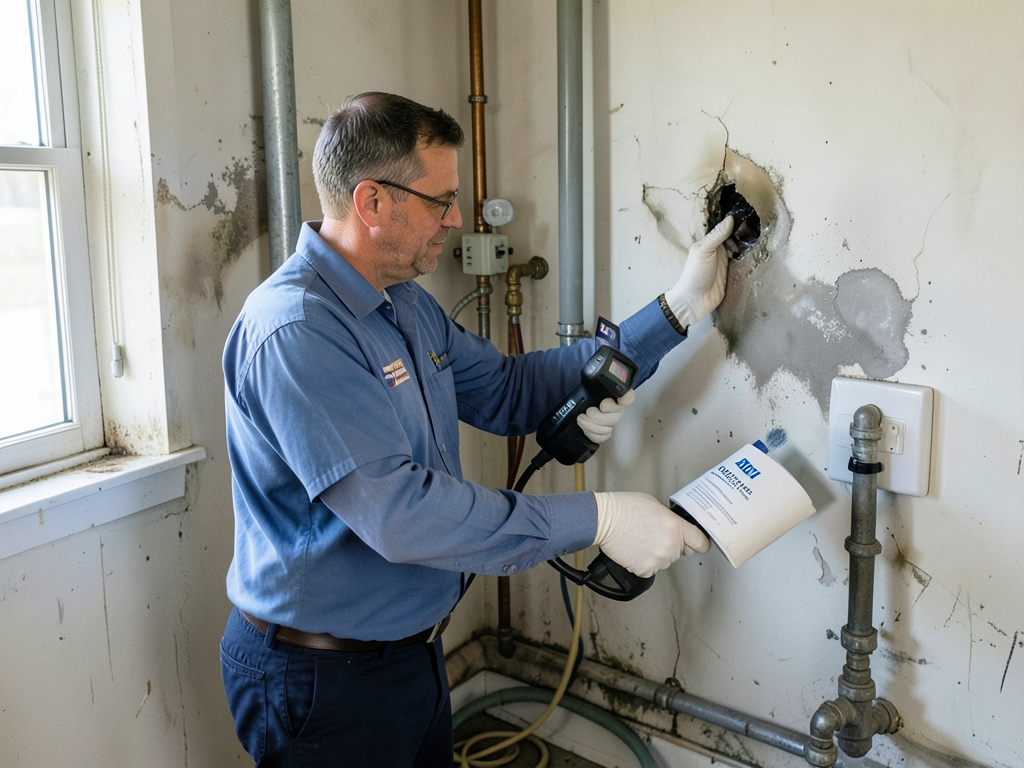
What to Do When Your Water Softener Leaks and Floods Your Affton Utility Room A…
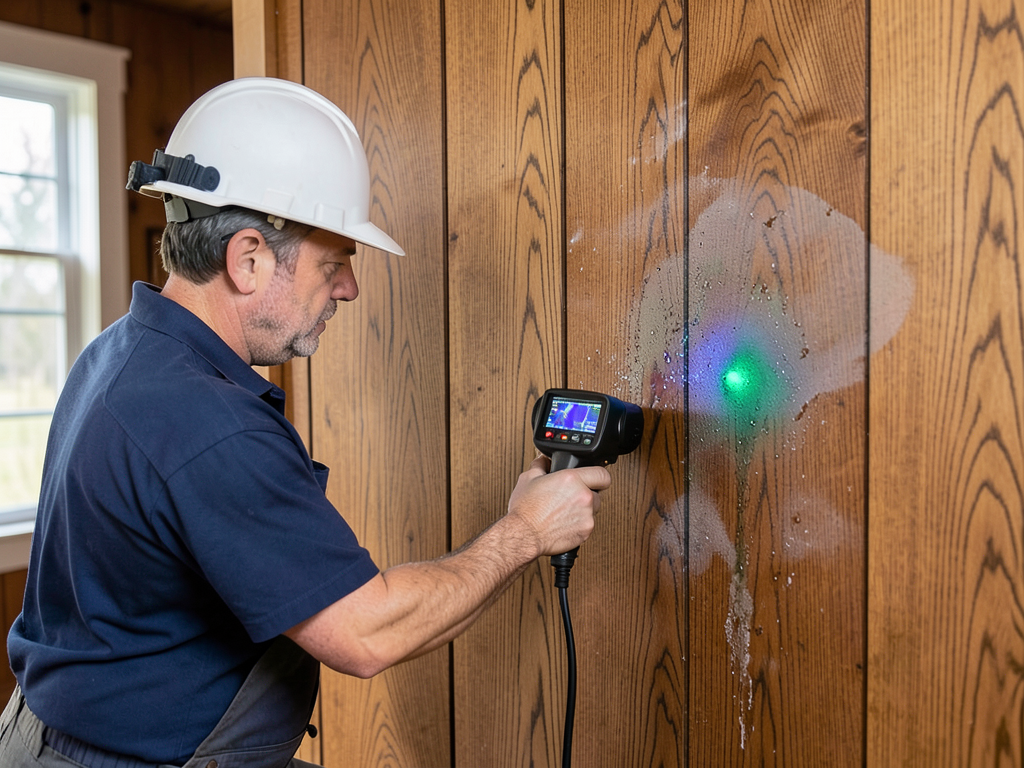
Restoring a Water Damaged Mid-Century Modern Home in Warson Woods Water damage in a mid-century…
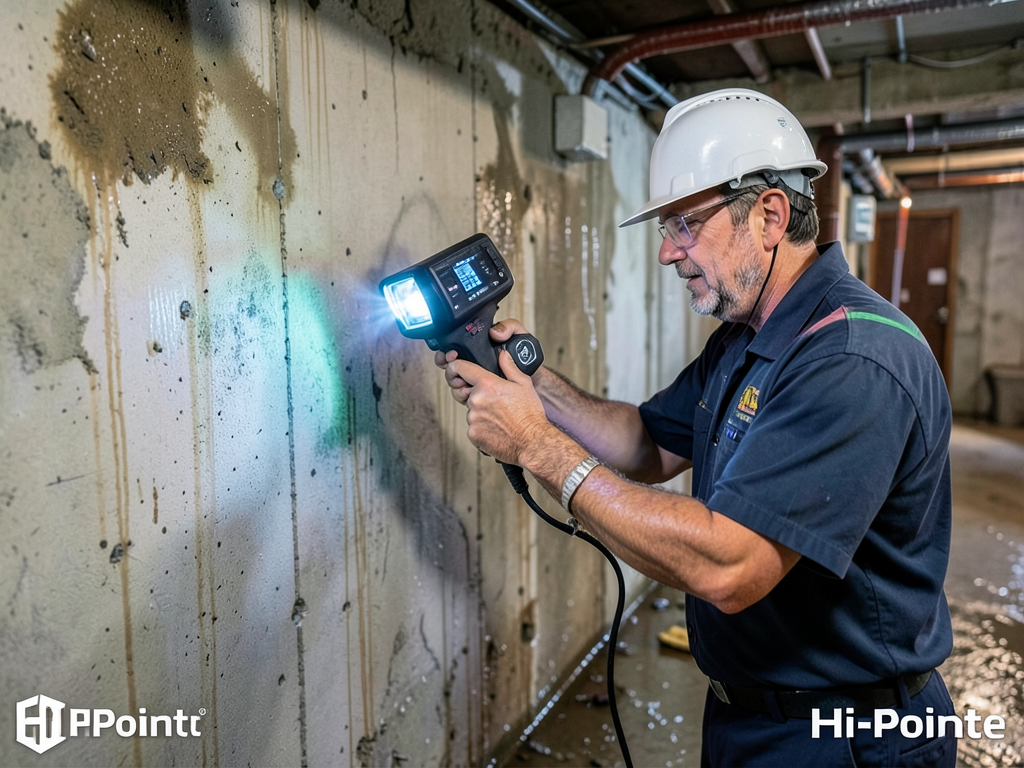
Why Your Walk-Out Basement in Hi-Pointe is Vulnerable to Heavy Rain Runoff Your walk-out basement…
Every hour water sits in your property causes more damage and higher restoration costs. Our crews are ready to respond 24 hours a day throughout Chesterfield. Call (314) 428-9977 now to dispatch emergency service to your address. We answer the phone day and night.