menu

Flood Cleanup & Extraction in St. Louis | 24/7 Emergency Response to Stop Water Damage Fast

When floodwater invades your St. Louis property, every minute counts. Our rapid-response flood cleanup and extraction teams deploy immediately to remove standing water, prevent structural damage, and protect your home or business from mold and long-term devastation.

Slider Image 1
Slider Image 2
Slider Image 3
Slider Image 4
Slider Image 5
Slider Image 7
Slider Image 8
Slider Image 9
Slider Image 10
Slider Image 11

Why St. Louis Properties Face Serious Flood Risks Year-Round

St. Louis sits at the confluence of the Mississippi and Missouri Rivers, making flooding a constant threat. When spring rains combine with snowmelt, neighborhoods from Soulard to Clayton experience flash flooding that can turn basements into swimming pools in under an hour. The region's heavy clay soil does not absorb water quickly, so runoff pools around foundations, seeps through cracks, and saturates crawl spaces.

Summer storms bring torrential downpours that overwhelm aging storm drains in historic districts like Lafayette Square and Tower Grove. Your sump pump runs constantly, but when it fails during a severe storm, you have minutes before water climbs your basement stairs. Commercial properties along the riverfront face unique challenges with groundwater intrusion and outdated drainage infrastructure.

Emergency water extraction is not just about removing visible water. The clay-rich soil beneath St. Louis homes holds moisture against foundations for weeks after the initial flood, creating hidden pockets of saturation that lead to mold growth, wood rot, and foundation movement. Professional flood damage restoration addresses both the immediate crisis and the lingering moisture that your shop vac cannot reach.

Water mitigation services begin the moment you call, not when the adjuster approves the claim. Patriot Water Damage Restoration St. Louis understands that waiting 48 hours in this humidity guarantees mold colonization. Our water removal services target structural cavities, subfloors, and wall assemblies where moisture hides and destroys your property from the inside out.

Why St. Louis Properties Face Serious Flood Risks Year-Round
Our Flood Cleanup Process Removes Water and Prevents Hidden Damage

Our Flood Cleanup Process Removes Water and Prevents Hidden Damage

Generic water damage cleanup misses the engineering fundamentals that determine whether your property survives a flood or requires major reconstruction. We deploy truck-mounted extraction units that pull water from carpet pad, subfloor, and the space between your foundation and finished floor. Portable extractors cannot match this level of suction, which is why amateur cleanup jobs often result in buckled hardwood and delaminated subflooring weeks later.

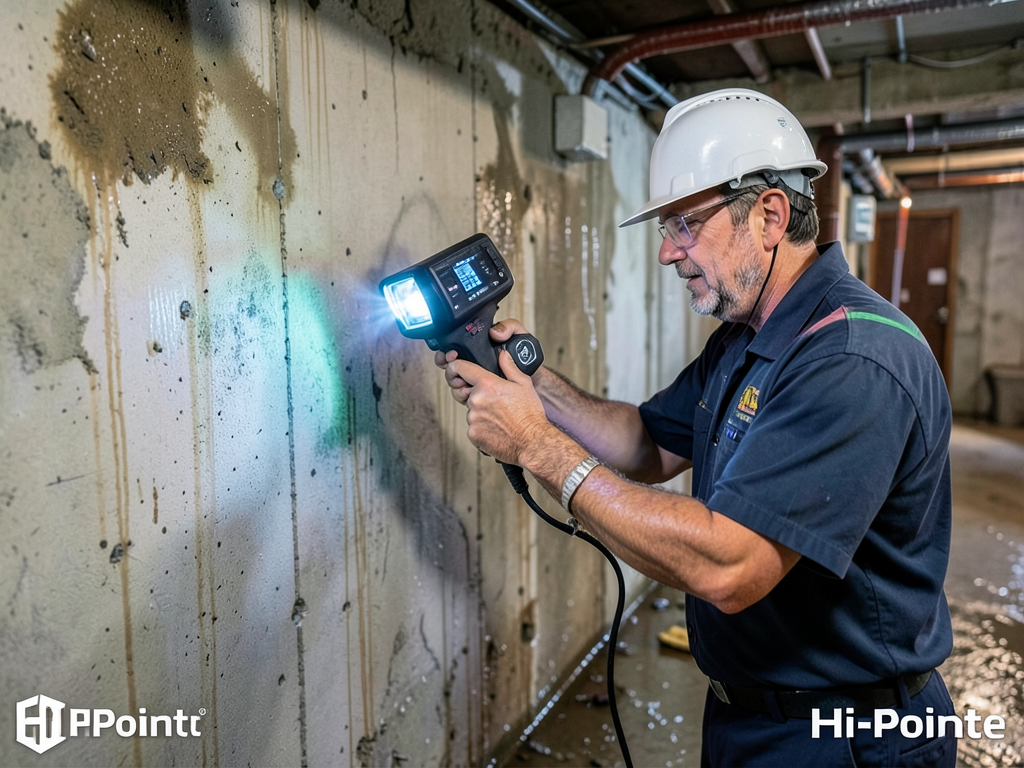
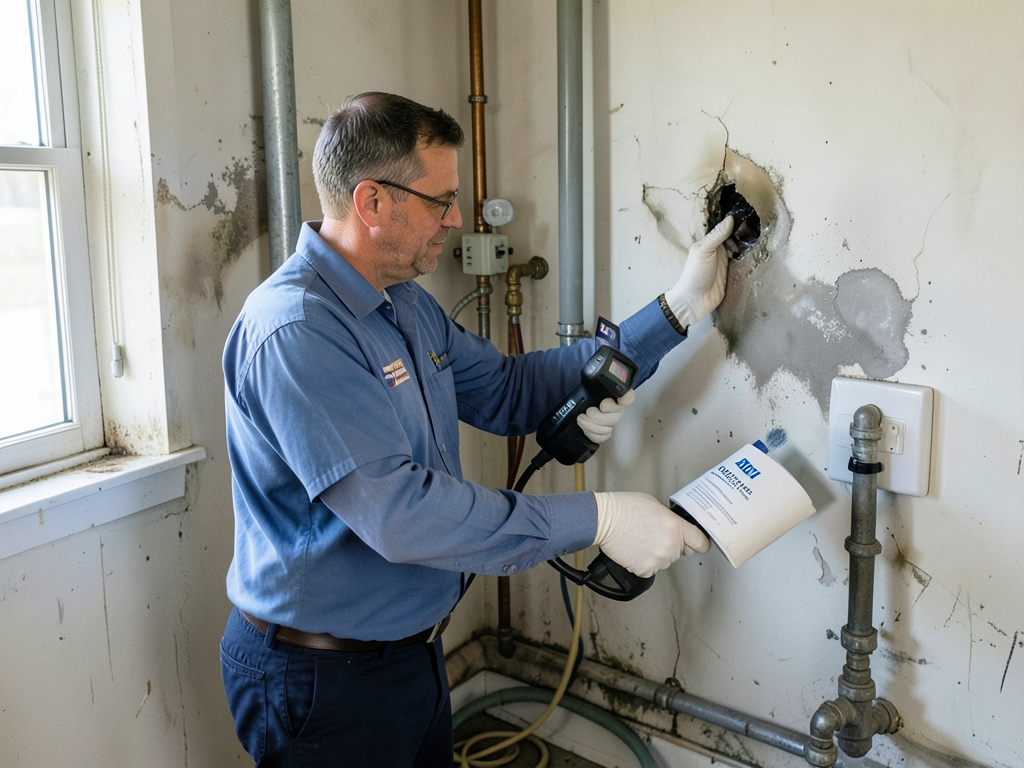
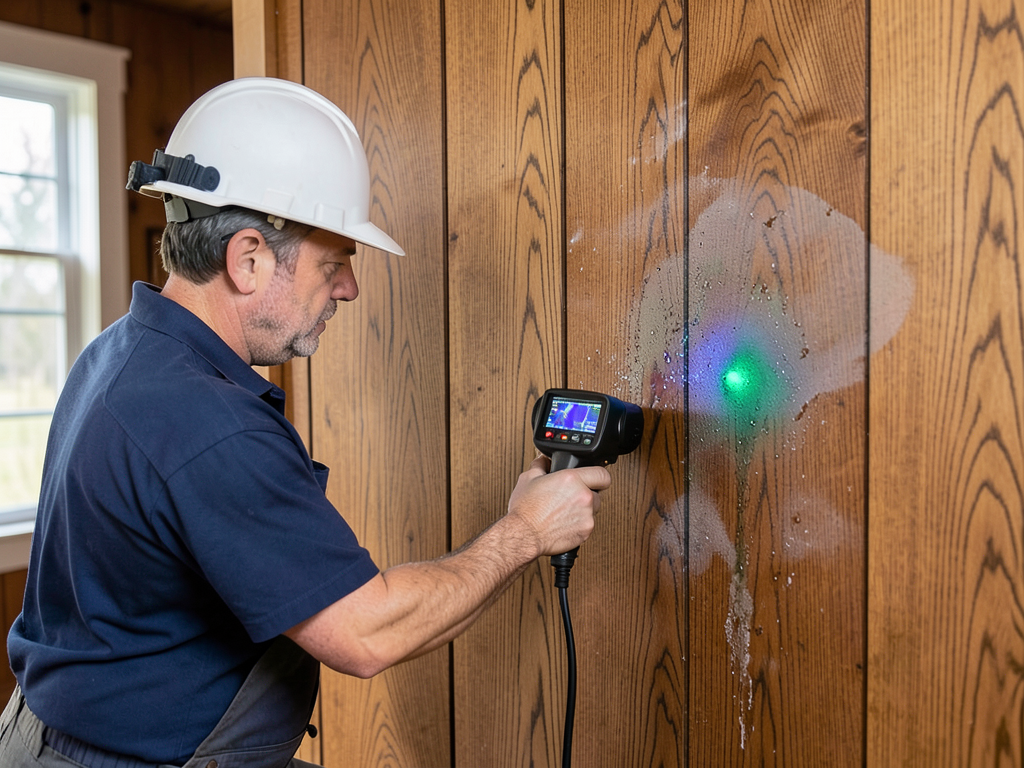
After extraction, we measure moisture content in structural materials using penetrating pin meters and non-invasive infrared sensors. Your drywall might look dry, but if the studs behind it read 18 percent moisture content, mold will grow. We document these readings for insurance purposes and to guide our drying strategy. Commercial-grade dehumidifiers and air movers create the psychrometric conditions needed to pull moisture from dense materials like plaster, brick, and hardwood.

St. Louis's high summer humidity slows natural evaporation to a crawl. Your basement might stay damp for months without mechanical drying. We calculate grain depression and vapor pressure differentials to determine equipment placement and runtime. This is not guesswork. It is building science applied to water damage restoration.

Antimicrobial treatments address contamination from sewer backups and river floodwater, which carry bacteria, chemicals, and organic waste. We apply EPA-registered disinfectants to all affected surfaces and remove porous materials like insulation and carpet pad that cannot be properly sanitized. Your health depends on this step, but many fly-by-night operators skip it to save time.

What Happens When You Call for Emergency Flood Extraction

Flood Cleanup & Extraction in St. Louis | 24/7 Emergency Response to Stop Water Damage Fast
01

Immediate Dispatch and Assessment

Our technicians arrive within 60 to 90 minutes of your call, equipped with extraction equipment and moisture meters. We identify the water source, stop active intrusion if possible, and assess the category of water contamination. You receive a verbal action plan before we start equipment, including what we can save and what requires removal. This initial assessment determines whether you need basic extraction or full emergency water mitigation services.
02

High-Volume Water Removal

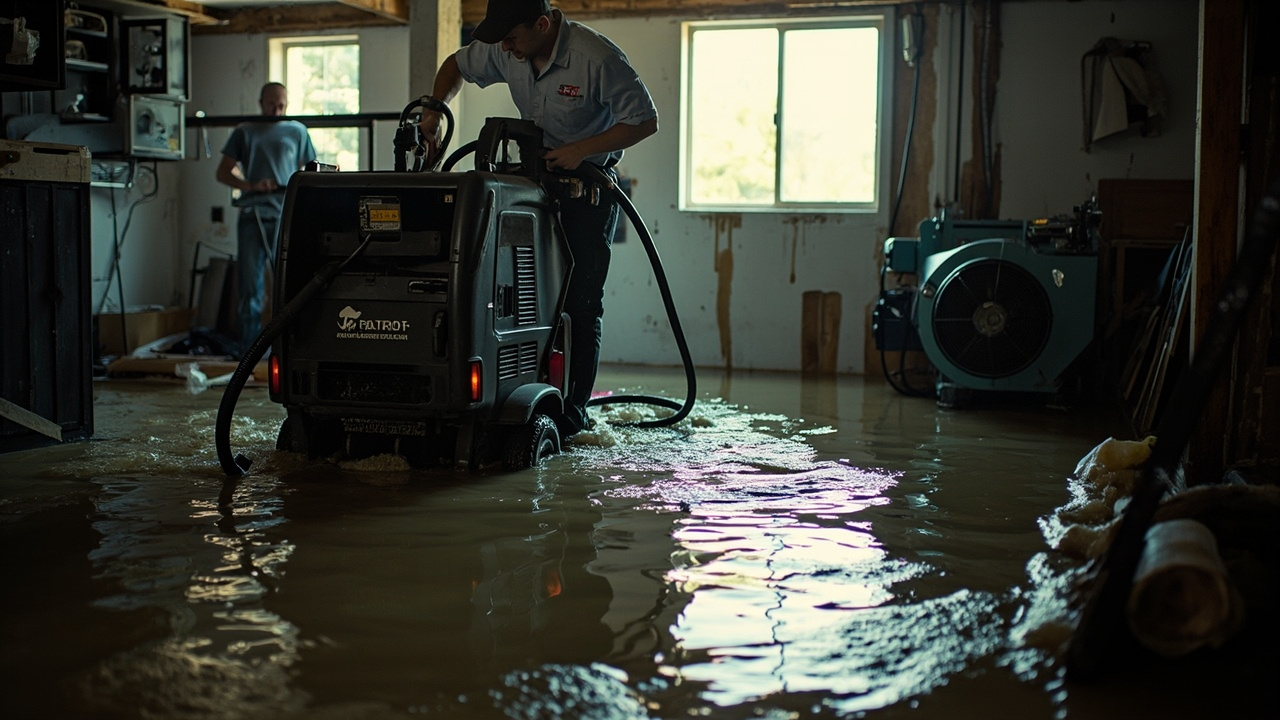
Truck-mounted extractors remove standing water at rates exceeding 200 gallons per minute, clearing flooded basements in a fraction of the time required by shop vacs. We extract water from carpet, pad, and subflooring using weighted extraction tools that compress materials and force water to the surface. Furniture gets elevated on blocks to prevent wicking. Air movers begin drying vertical surfaces immediately while extraction continues on floors and structural cavities.
03

Structural Drying and Monitoring

Industrial dehumidifiers run continuously for three to seven days, depending on the extent of saturation and outdoor humidity levels. We return daily to take moisture readings in walls, floors, and structural framing. You receive documentation of drying progress that satisfies insurance requirements. Once materials reach acceptable moisture levels, we remove equipment and provide a final report confirming your property is dry and safe from secondary water damage and mold growth.

Why St. Louis Property Owners Choose Local Flood Restoration Experts

National franchise operators do not understand the specific challenges of St. Louis construction. Many historic homes in neighborhoods like Compton Heights and the Central West End feature lath-and-plaster walls, hardwood floors over skip-sheathing, and limestone foundations. These materials require different drying strategies than modern drywall and OSB subfloors. We have restored flood damage in century-old brick homes and modern commercial buildings, so we adjust our approach based on your building's construction type.

Local knowledge matters when dealing with insurance carriers operating in St. Louis. We document damage using the standards adjusters expect, photograph moisture readings, and provide detailed estimates that align with Xactimate pricing. This prevents the frustrating back-and-forth that delays payment and leaves you fronting repair costs. We work directly with your adjuster and provide the technical documentation that supports your claim.

Our water removal services include direct billing to insurance companies, so you do not have to manage the financial side of a flood emergency. We handle the paperwork while you focus on getting your life back to normal. This matters during a crisis when you are dealing with displaced family members, disrupted business operations, and the emotional stress of property damage.

Patriot Water Damage Restoration St. Louis maintains staging locations throughout the metro area, which is why we reach your property faster than regional operators dispatching crews from Illinois or Kansas. Speed directly impacts the total cost of restoration. Water that sits for six hours causes exponentially more damage than water extracted within two hours. We minimize your loss by responding immediately, not when it fits a dispatcher's schedule three states away.

What to Expect During Professional Flood Cleanup and Extraction

Emergency Response Time

We dispatch technicians to your St. Louis property within 60 to 90 minutes of your initial call, regardless of the time or day. Nights, weekends, and holidays receive the same priority response. Our trucks carry extraction equipment, air movers, dehumidifiers, and moisture detection tools, so we start mitigation immediately upon arrival. You do not wait for equipment delivery or secondary crews. Everything needed for emergency water extraction arrives in the first response vehicle, and we begin removing water within minutes of walking through your door.

Property Assessment and Documentation

Before we move equipment or remove materials, we photograph all damage, measure moisture levels in structural components, and document the scope of water intrusion. This creates the paper trail your insurance company requires for claim approval. We identify the category of water contamination, which determines what materials can be saved and what requires disposal due to health risks. You receive a written scope of work that explains our mitigation strategy, estimated timeline, and what happens at each phase of the restoration process.

Complete Water Removal and Drying

Our flood damage restoration process does not end when standing water disappears. Structural drying continues for three to seven days, depending on the materials affected and the severity of saturation. You receive daily progress updates with moisture readings that show drying trends. We adjust equipment placement and runtime based on these measurements, not arbitrary timelines. Your property reaches safe moisture levels that prevent mold growth and secondary damage. We provide final documentation confirming successful drying, which protects you from future liability if moisture problems emerge.

Post-Restoration Monitoring and Support

After equipment removal, we provide guidance on preventing future flood damage, including sump pump maintenance, grading improvements, and foundation waterproofing options. If your property requires reconstruction after water damage cleanup, we coordinate with licensed contractors who understand moisture-related building failures. You receive a detailed report of all services performed, moisture readings throughout the drying process, and documentation suitable for insurance records. We remain available to answer questions as your property returns to normal use and to address any concerns that arise during the reconstruction phase.

Frequently Asked Questions

You Have Questions,
We Have Answers

How much does flood removal cost? +

Flood removal cost depends on water category, affected square footage, and extraction complexity. Clean water from a supply line costs less than Category 3 blackwater from Mississippi River backups or sewer overflows. A typical St. Louis basement flood ranges from a few hundred to several thousand dollars. Factors include extraction equipment needs, drying time, antimicrobial treatment, and structural drying in older brick homes common to South City and Tower Grove. Most restoration companies offer free inspections and work directly with your insurance adjuster to document losses and streamline claims.

How much does it cost to clean a basement after a flood? +

Basement flood cleanup cost varies by water volume, contamination level, and structural damage. A small St. Louis basement with clean water may cost less than a full walkout basement flooded by sewage backup during spring storms. Expect costs to include water extraction, dehumidification, antimicrobial treatment, and disposal of damaged materials. Older basements in neighborhoods like Lafayette Square often require longer drying times due to stone foundations and poor ventilation. Get multiple estimates and verify the company uses EPA-registered disinfectants and IICRC-certified technicians.

How much does Servpro charge to clean a basement? +

Servpro pricing varies by franchise location, job scope, and water damage category. Each Servpro franchise sets its own rates based on local market conditions. In St. Louis, expect estimates to include extraction, drying equipment rental, labor, and antimicrobial treatment. Request a detailed written estimate before work begins. Compare at least three local restoration companies to ensure competitive pricing. Ask about insurance billing procedures and whether they offer direct insurance billing to reduce out-of-pocket expenses during the claims process.

Does flood insurance pay for clean-up? +

Flood insurance typically covers cleanup and restoration costs after a covered flood event. National Flood Insurance Program policies and private flood policies pay for debris removal, structural drying, and necessary demolition of flood-damaged materials. Coverage limits depend on your policy. St. Louis homeowners near the Mississippi or Meramec Rivers should review their policies annually. Document all damage with photos and keep receipts. Flood insurance does not cover personal property cleanup unless you purchased contents coverage separately from your building coverage.

Is flood damage covered under homeowners insurance? +

Standard homeowners insurance excludes flood damage from rising water, river overflow, or storm surge. Your homeowners policy may cover water damage from burst pipes, roof leaks, or appliance malfunctions, but not flooding from external sources. St. Louis sits at the confluence of major rivers, making flood insurance essential for properties in flood zones. Even homes outside mapped flood zones face risk from flash flooding during severe Midwest storms. Purchase separate flood insurance through NFIP or private insurers to protect your investment.

How much does it cost to lift a house in a flood zone? +

House lifting in flood zones costs tens of thousands of dollars and depends on foundation type, home size, and elevation requirements. St. Louis homes built on slab foundations or with full basements require extensive structural engineering. Pier and beam systems may cost less than full elevation projects. FEMA offers grants for eligible properties through the Hazard Mitigation Grant Program. Factor in permit costs, temporary relocation expenses, and utility disconnection. Consult structural engineers familiar with St. Louis soil conditions and local building codes before committing to elevation projects.

Will insurance pay for a flooded basement? +

Insurance coverage for flooded basements depends on the water source. Homeowners policies typically cover sudden internal water damage from burst pipes or sump pump failures but exclude groundwater seepage or river flooding. St. Louis homeowners need separate flood insurance for rising water from storms or Mississippi River overflow. Review your policy declarations page and check for sewer backup endorsements. Document damage immediately with photos and contact your agent within 24 hours. Delayed reporting may complicate claims approval and reimbursement.

How much does it cost to finish a 2000 sq ft basement? +

This question addresses basement finishing, not flood cleanup. Finishing costs vary widely based on materials, electrical work, and plumbing additions. If you need flood restoration before finishing a St. Louis basement, address water damage first. Proper waterproofing, drainage corrections, and moisture barriers prevent future flooding. Many Tower Grove and Soulard basements require foundation repairs before finishing work begins. Consult a water damage restoration specialist to assess structural integrity and moisture levels before investing in finishes that could be destroyed by future flooding.

How much should I charge to deep clean a 1000 sq ft house? +

This question addresses general house cleaning, not flood cleanup. Deep cleaning rates differ completely from water damage restoration. Flood cleanup requires specialized extraction equipment, structural drying, antimicrobial treatment, and IICRC-certified technicians. A flooded 1000 square foot area needs industrial dehumidifiers, air movers, moisture meters, and contamination protocols. If you experienced flooding in your St. Louis home, contact a water damage restoration company immediately. Waiting 24 to 48 hours allows mold growth and increases restoration costs significantly.

How long does it take to deep clean a 2000 sq ft house? +

This question addresses general house cleaning, not flood restoration timelines. Flood cleanup timelines depend on water category, saturation depth, and humidity levels. A 2000 square foot St. Louis home with standing water may require three to five days of drying with commercial equipment. Homes with crawl spaces or poor ventilation take longer. Summer humidity slows drying in older homes without climate control. Professional restoration uses moisture mapping and daily monitoring to track progress. Rushing the drying process causes mold growth and structural damage that increases long-term costs.

How St. Louis River Proximity and Clay Soil Create Unique Flood Risks

The Mississippi and Missouri Rivers define St. Louis geography, but they also create persistent flood risks that extend far beyond the obvious riverfront properties. Spring flooding sends groundwater levels surging upward, which saturates the clay soil throughout the metro area. This creates hydrostatic pressure against basement walls and foundation slabs, forcing water through cracks, cold joints, and aging waterproofing membranes. Unlike sandy soils that drain quickly, St. Louis clay holds moisture for weeks after the initial flood event. Professional water mitigation services address this lingering saturation that causes foundation movement, basement wall cracks, and chronic moisture problems.

St. Louis building codes have evolved significantly over the decades, which means flood cleanup strategies must adapt to each property's construction era. Historic homes in Shaw and Benton Park feature limestone foundations and balloon framing that require careful drying to prevent permanent damage. Modern commercial buildings use concrete and steel that tolerate moisture differently. Patriot Water Damage Restoration St. Louis trains technicians on these local construction methods, so we apply the correct restoration approach for your specific building. This expertise prevents the costly mistakes that occur when out-of-state operators treat every flood cleanup and extraction job identically.
Water Damage Restoration Services in The St. Louis Area

We are proud to be the trusted local choice for water damage restoration across the greater St. Louis region. This map highlights our primary service zone, demonstrating our commitment to rapid, localized response across every neighborhood and business district within the area. We invite all users to view our service area and then contact us directly for immediate deployment to your specific address within the St. Louis community.

Address:
Patriot Water Damage Restoration St. Louis, 710 N Tucker Blvd, St. Louis, MO, 63101

Additional Services We Offer

Our news updates

Latest Articles & News from The Blogs

What to Do When Your Water Softener Leaks and Floods Your Affton Utility Room A leaking water softener can release…

What to Do When Your Water Softener Leaks and Floods Your Affton Utility Room

What to Do When Your Water Softener Leaks and Floods Your Affton Utility Room A leaking water softener can release…

Restoring a Water Damaged Mid-Century Modern Home in Warson Woods

Restoring a Water Damaged Mid-Century Modern Home in Warson Woods Water damage in a mid-century modern home requires specialized knowledge…

Why Your Walk-Out Basement in Hi-Pointe is Vulnerable to Heavy Rain Runoff

Why Your Walk-Out Basement in Hi-Pointe is Vulnerable to Heavy Rain Runoff Your walk-out basement in Hi-Pointe faces unique flooding…

Contact Us

Floodwater does not wait, and neither should you. Call Patriot Water Damage Restoration St. Louis at (314) 428-9977 right now for emergency water extraction and professional flood damage restoration. Our crews are standing by 24/7 to protect your St. Louis property from permanent water damage.