menu

Attic Water Damage Cleanup in St. Louis – Fast Response for Hidden Leaks and Flood Damage

Patriot Water Damage Restoration St. Louis delivers comprehensive attic water damage cleanup with immediate dispatch, advanced drying systems, and complete structural restoration to protect your home from mold and collapse.

Slider Image 1
Slider Image 2
Slider Image 3
Slider Image 4
Slider Image 5
Slider Image 7
Slider Image 8
Slider Image 9
Slider Image 10
Slider Image 11

Why St. Louis Attics Face Constant Water Damage Threats

St. Louis homes face a perfect storm of attic water damage risks. The region's high humidity levels, combined with intense summer thunderstorms and winter freeze-thaw cycles, create persistent threats to attic integrity. When temperatures plunge below freezing, ice dams form along roof edges, forcing meltwater under shingles and directly into attic spaces. Summer storms bring wind-driven rain that exploits even minor flashing failures around chimneys and vent pipes.

Older homes in neighborhoods like Tower Grove and Soulard feature traditional rafter construction with limited ventilation, which traps moisture and accelerates wood rot. When you discover water pooling on attic floorboards or staining on ceiling drywall below, the damage has already spread beyond what you can see. Saturated insulation loses its R-value completely and becomes a breeding ground for mold colonies within 48 hours.

Attic water damage restoration requires more than drying visible surfaces. Water migrates through ceiling joists, follows electrical conduit paths, and saturates wall cavities. Delayed attic water removal services lead to compromised structural lumber, ruined insulation batts, and widespread microbial growth. The clay soil throughout the St. Louis metro causes foundation settling that creates roof plane shifts, which crack flashing seals and allow water intrusion during every rain event.

Effective attic leak cleanup addresses both the immediate water extraction and the underlying entry point. Attic flood restoration must account for the specific construction methods common in St. Louis housing stock, from balloon framing in pre-war homes to truss systems in newer construction.

Why St. Louis Attics Face Constant Water Damage Threats
Our Technical Approach to Attic Water Damage Repair

Our Technical Approach to Attic Water Damage Repair

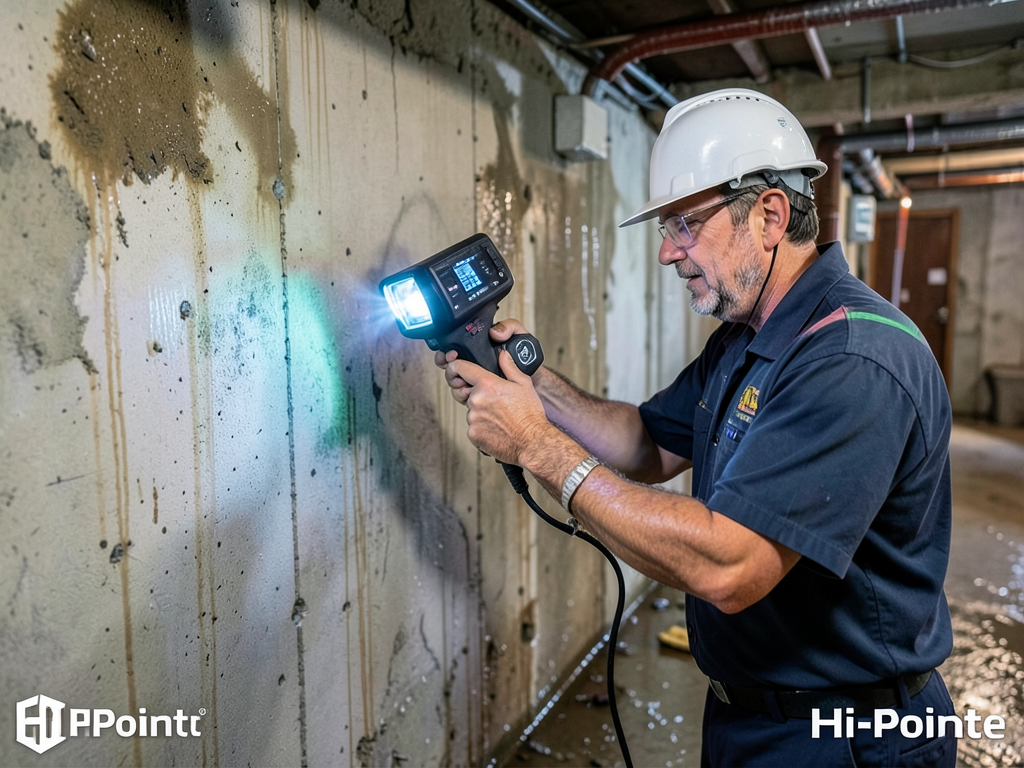
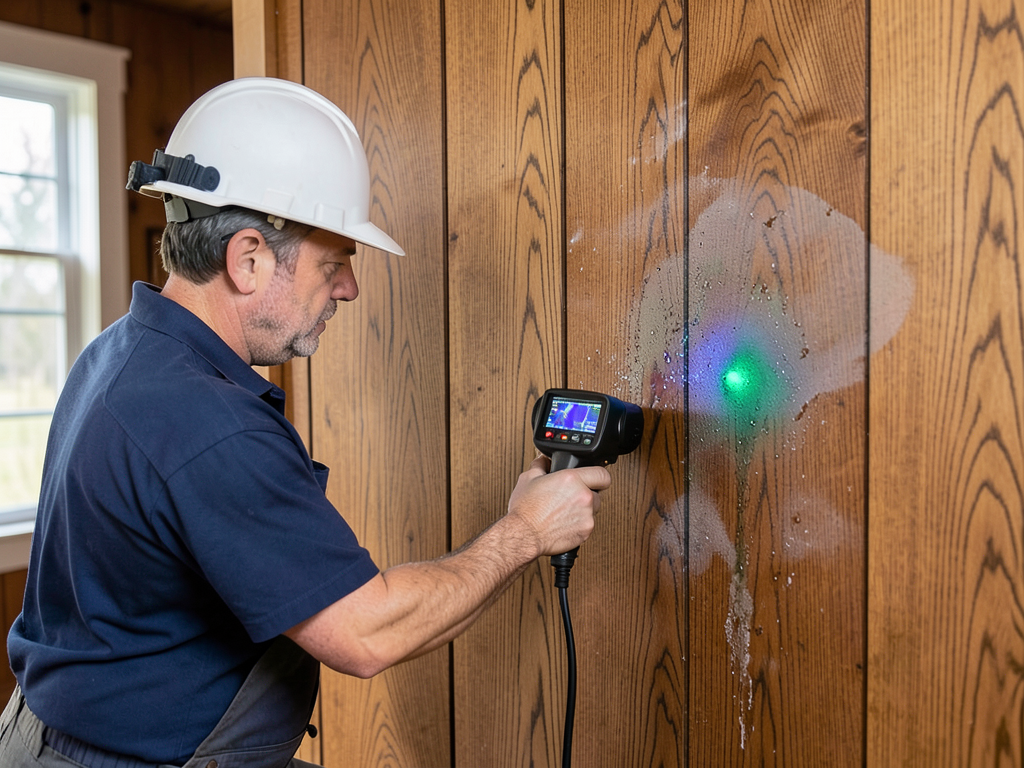
Patriot Water Damage Restoration St. Louis uses a systematic methodology that separates us from general contractors attempting water work. We deploy thermal imaging cameras to map the full extent of moisture penetration through ceiling assemblies and wall cavities. This technology reveals hidden saturation patterns invisible to visual inspection, preventing incomplete drying that leads to secondary damage.

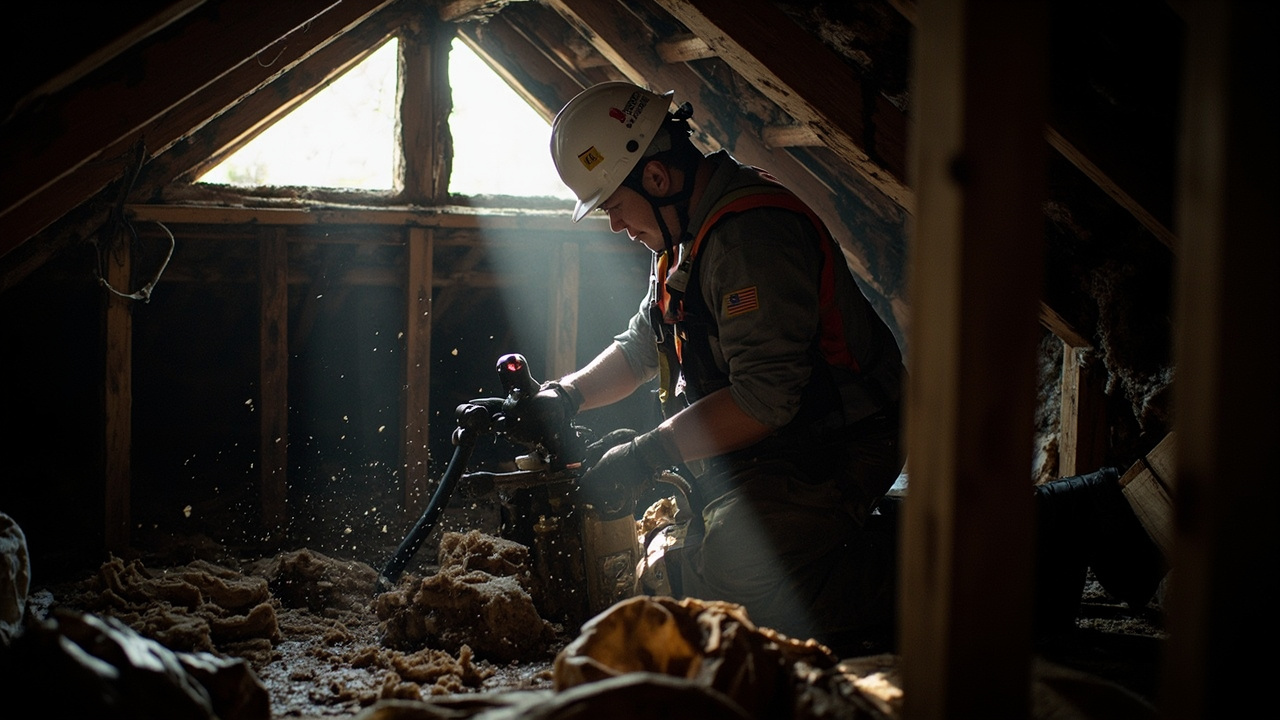
Our extraction process begins with truck-mounted pumps rated at 200+ CFM for standing water removal, followed by commercial dehumidifiers positioned based on psychrometric calculations. We do not guess at drying capacity. We measure grain depression and use specific humidity targets based on your attic's cubic footage and construction materials. Wood framing members must reach below 15% moisture content before we consider the structure stabilized.

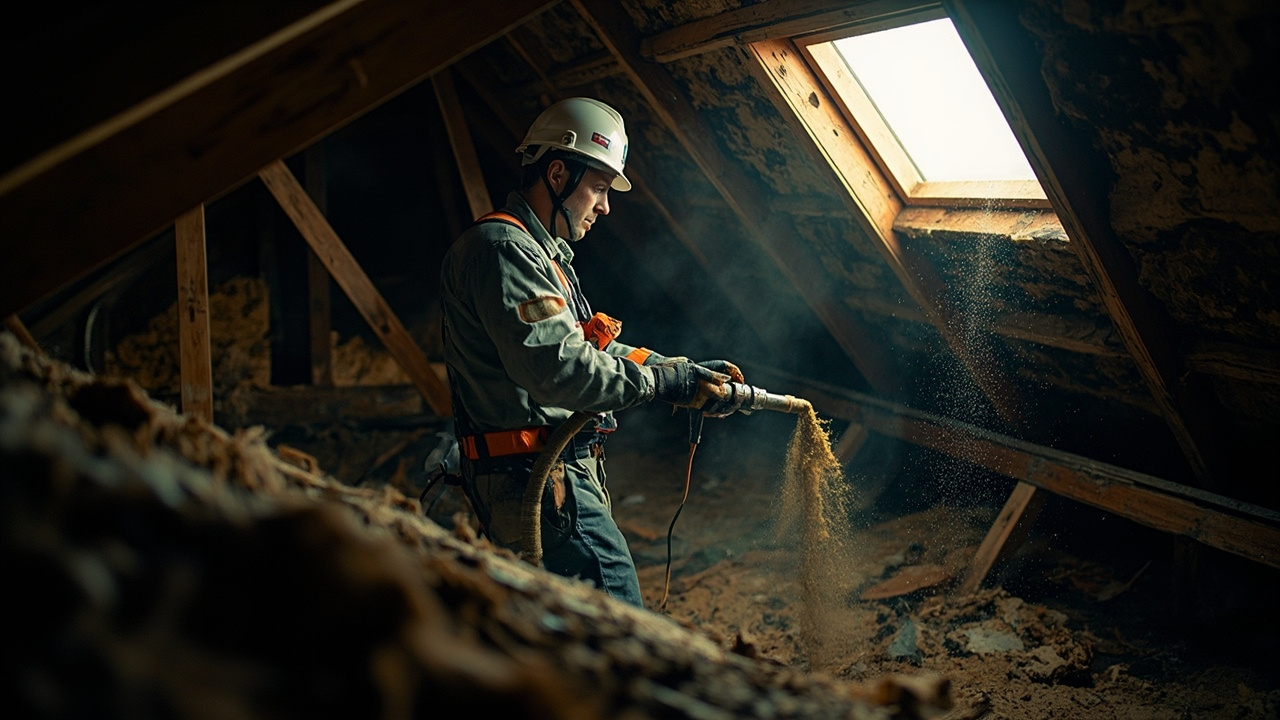
For insulation, we perform containment removal of saturated batts to prevent cross-contamination. Blown-in cellulose and fiberglass lose structural integrity when wet and cannot be salvaged. We document pre-loss insulation R-values for accurate replacement specifications. Attic water damage restoration includes treating all exposed lumber with EPA-registered antimicrobial solutions to prevent mold spores from colonizing during the drying phase.

We coordinate with roofing specialists to address the source intrusion, whether that involves replacing deteriorated valley flashing, resealing pipe boots, or correcting improper ridge vent installation. Our attic water removal services include complete documentation for insurance claims, with moisture readings logged at 24-hour intervals and photographic evidence of all affected areas. You receive a detailed scope of loss that matches insurance adjuster requirements, eliminating claim disputes and delays.

How We Execute Complete Attic Water Extraction and Restoration

Attic Water Damage Cleanup in St. Louis – Fast Response for Hidden Leaks and Flood Damage
01

Emergency Assessment and Containment

Within 60 minutes of your call, our technicians arrive with moisture detection equipment and thermal cameras. We establish the water source, measure moisture levels in all structural components, and deploy emergency tarping if roof integrity is compromised. You receive a preliminary damage assessment and immediate containment to prevent further migration into living spaces. We document everything for your insurance claim from the first moment.
02

Water Extraction and Structural Drying

We remove standing water using truck-mounted extractors, then position industrial air movers and dehumidifiers based on your attic's specific cubic footage and ventilation. Our technicians monitor drying progress with daily moisture readings in joists, rafters, and sheathing. We remove and dispose of contaminated insulation properly, treat all exposed wood surfaces with antimicrobial agents, and maintain optimal drying conditions until all materials reach acceptable moisture content levels.
03

Restoration and Prevention

After complete structural drying, we coordinate roof repairs to eliminate the intrusion source, replace insulation to match or exceed original R-values, and restore any damaged ceiling drywall or attic flooring. You receive detailed documentation of all moisture readings, photos of the restoration process, and recommendations for ventilation improvements or maintenance to prevent future incidents. Your attic returns to pre-loss condition with enhanced protection against St. Louis weather extremes.

Why St. Louis Homeowners Trust Our Attic Water Damage Expertise

Patriot Water Damage Restoration St. Louis understands the specific vulnerabilities in local housing construction. We have restored attics in century-old brick homes in Lafayette Square, mid-century ranches in Affton, and modern construction in Wildwood. Each era of construction presents unique challenges, from knob-and-tube wiring concerns in older homes to complex truss systems in newer builds.

Our familiarity with St. Louis building codes means we know exactly what inspectors require for structural repairs and insulation replacement. We maintain relationships with local roofing contractors who understand the specific flashing details required for the steep-pitched roofs common in German-influenced architecture throughout the city. When we coordinate repairs, you get contractors who know local building standards and material availability.

We also understand the insurance landscape in the St. Louis metro. Local carriers have specific documentation requirements and preferred vendor lists. Our detailed moisture logs, thermal images, and scope-of-loss reports match what adjusters expect to see, which accelerates your claim processing and reduces the chance of disputed coverage. We have worked with every major carrier servicing the area and know how to present documentation that supports full claim approval.

The clay soil throughout St. Louis causes ongoing foundation movement that stresses roof structures. We do not just fix the immediate water damage. We identify the underlying cause, whether that involves foundation settlement creating roof plane changes, inadequate attic ventilation causing condensation, or aging materials that have reached the end of their service life. You receive honest assessment of what needs immediate attention and what represents normal wear requiring future monitoring.

What You Can Expect From Our Attic Cleanup Process

Rapid Response Timeline

We dispatch crews within 60 minutes of your call, regardless of time or day. Emergency attic water damage requires immediate containment to prevent mold growth and progressive structural damage. Our trucks carry all necessary extraction equipment, drying systems, and moisture detection tools for complete first-visit deployment. Most water extraction completes within the first 24 hours, with structural drying typically requiring three to five days depending on saturation levels. You receive daily updates on moisture readings and drying progress, with clear timelines for each restoration phase.

Comprehensive Damage Assessment

Your initial evaluation includes thermal imaging of all attic surfaces, moisture readings in rafters and joists, insulation saturation assessment, and identification of the water intrusion source. We inspect roof decking from the interior, check for compromised electrical systems, and evaluate whether ceiling drywall below requires replacement. You receive a written scope detailing every affected component, moisture content readings, and recommended remediation steps. This documentation serves as your insurance claim foundation and provides transparency on the full extent of required work before we begin restoration.

Complete Structural Restoration

Our work does not end when the attic dries. We coordinate all necessary repairs to return your home to pre-loss condition, which includes roof penetration sealing, damaged sheathing replacement, new insulation installation matching original R-values, and ceiling repair if water migrated into living spaces. All structural lumber receives antimicrobial treatment to prevent future mold growth. You get proper restoration, not quick fixes that hide problems. Final moisture verification ensures every material has returned to normal levels before we consider the project complete.

Post-Restoration Support and Prevention

After restoration completes, we provide detailed recommendations for preventing future attic water damage, including ventilation improvements, maintenance schedules for roof inspections, and signs to watch for that indicate new problems. You receive documentation of all work performed, final moisture readings, photos of the restored space, and material specifications for any replaced components. We remain available for questions as your insurance claim processes and can provide supplemental documentation if your adjuster requires additional information. Our goal is complete resolution, not just immediate repair.

Frequently Asked Questions

You Have Questions,
We Have Answers

How to fix water damage in an attic? +

Fixing attic water damage starts with stopping the source, whether that's a roof leak, plumbing failure, or ice dam. Remove standing water immediately using pumps or wet vacuums. Pull out wet insulation, as it loses R-value and harbors mold. Dry the space completely with industrial fans and dehumidifiers. In St. Louis, high summer humidity slows drying, so professional equipment speeds recovery. Inspect framing for rot or staining. Treat affected wood with antimicrobial solutions. Replace damaged insulation and repair the roof or flashing. Document everything for insurance. Attic water damage spreads fast, so act within 24 hours to prevent mold growth and structural issues.

What is the 7 and 7 rule for a finished attic? +

The 7 and 7 rule applies to finished attics used as living space. At least half the floor area must have ceilings 7 feet high or more, and habitable space requires a minimum width of 7 feet. This building code standard ensures the attic is safe and functional. In St. Louis, older homes with steep rooflines often meet this threshold naturally, while ranch-style homes may not. If you plan to finish your attic after water damage restoration, verify ceiling height before investing. This rule affects property value and legal occupancy. Always check local St. Louis County or City building codes before converting attic space.

How much does it cost to repair water damage in the attic? +

Attic water damage repair costs vary widely based on damage extent, materials affected, and access difficulty. Minor leaks affecting small areas may run a few hundred dollars for drying and insulation replacement. Severe damage with structural rot, mold remediation, and roof repairs can reach several thousand dollars. In St. Louis, moisture from humidity and summer storms often worsens damage before discovery, increasing costs. Insurance coverage reduces out-of-pocket expenses if the loss qualifies. Factors include insulation type, whether framing needs replacement, and if mold testing is required. Get a detailed estimate before work begins. Acting quickly limits damage and keeps costs lower.

How much does water damage remediation cost? +

Water damage remediation costs depend on water category, affected area size, and materials involved. Clean water extraction and drying for small areas may cost less, while contaminated water requiring antimicrobial treatment and disposal costs more. Attic spaces with insulation removal, structural drying, and mold prevention run higher due to access challenges. In St. Louis, homes with older ventilation systems or poor attic airflow face longer drying times, increasing labor costs. Most professionals charge based on square footage, water type, and necessary equipment. Insurance often covers sudden damage from storms or pipe bursts. Get written estimates from certified technicians to understand the full scope.

Will homeowners insurance cover water damage from a roof leak? +

Homeowners insurance typically covers water damage from roof leaks if the damage is sudden and accidental, such as storm damage or fallen tree limbs. Coverage excludes damage from neglect or deferred maintenance, like aging shingles you ignored. In St. Louis, where freeze-thaw cycles and summer hailstorms stress roofing, insurers scrutinize roof age and condition closely. If your roof was properly maintained and the leak results from a covered peril, your claim will likely be approved. Document damage with photos, get repair estimates, and file promptly. Review your policy for exclusions, deductibles, and whether it covers interior damage separately from the roof itself.

Will a one-time water leak cause mold? +

Yes, a one-time water leak can cause mold if conditions allow spores to colonize. Mold needs moisture, organic material, and warmth. In St. Louis, summer humidity creates perfect conditions for growth within 24 to 48 hours after water exposure. Attic insulation, wood framing, and drywall provide food sources for mold. Even if you dry visible water, trapped moisture in insulation or between layers lets mold thrive. Quick action prevents colonization. Remove wet materials, dry the space completely with dehumidifiers, and monitor humidity levels. If musty odors develop or you see discoloration, call a professional. One leak does not guarantee mold, but delayed response increases risk significantly.

What happens if you finish an attic without a permit? +

Finishing an attic without a permit in St. Louis risks fines, safety hazards, and resale complications. Building codes require permits for structural changes, electrical work, and habitable space conversions. Unpermitted work may not meet fire safety, egress, or load-bearing standards, putting occupants at risk. During a home sale, inspectors flag unpermitted renovations, forcing you to tear out work or legalize it retroactively at high cost. Insurance may deny claims if unpermitted construction contributed to damage. St. Louis County and City enforce permitting strictly. If you finish an attic after water damage restoration, pull permits first. The paperwork protects your investment and keeps your home legally compliant.

How much does it cost to renovate an attic? +

Attic renovation costs depend on the project scope, from basic insulation upgrades to full conversions into living space. Simple finishing with flooring, drywall, and lighting may cost a few thousand dollars. Full conversions including HVAC extensions, dormers, egress windows, and bathrooms run significantly higher. In St. Louis, older homes often need electrical upgrades and better ventilation to meet code, adding expense. If you are renovating after water damage, budget for repairs first, then upgrades. Labor costs vary based on access difficulty and ceiling height. Get detailed bids from licensed contractors and factor in permit fees. Renovations increase home value if done correctly and legally.

Is attic restoration worth it? +

Attic restoration is worth it if damage threatens your home's structure, energy efficiency, or indoor air quality. Water damage left untreated rots framing, ruins insulation, and allows mold to spread into living areas below. In St. Louis, where summer heat and winter cold stress attics, proper insulation and ventilation save on energy bills year-round. Restoration also protects resale value. Buyers avoid homes with deferred maintenance or hidden damage. If your attic suffered a leak, restoration prevents bigger problems and keeps your home safe. The cost is an investment in structural integrity and comfort. Ignoring attic damage costs more long-term than fixing it now.

Will homeowners insurance cover water damage to a ceiling? +

Homeowners insurance usually covers water damage to ceilings if the cause is sudden and accidental, such as a burst pipe or storm-damaged roof. Coverage excludes gradual leaks from poor maintenance or aging systems. In St. Louis, where attic condensation and ice dams occur, insurers review the timeline closely. If water seeped over months, your claim may be denied. Sudden attic pipe bursts or roof punctures from fallen branches typically qualify. File your claim quickly, document damage with photos, and provide repair estimates. Review your policy for coverage limits and deductibles. Ceiling damage often signals attic issues above, so inspect both areas thoroughly before repairs begin.

How St. Louis Humidity and Storm Patterns Accelerate Attic Damage

St. Louis sits at the confluence of the Mississippi and Missouri rivers, creating persistently high humidity levels that remain above 70% for much of the year. This moisture-saturated air infiltrates attics through soffit vents and ridge openings, where temperature differentials cause condensation on roof sheathing and framing. When storm systems move up from the Gulf, they bring intense rainfall rates that overwhelm aging gutter systems and exploit even minor roof vulnerabilities. The region averages over 40 inches of annual precipitation, with severe thunderstorms capable of depositing two inches per hour. These conditions make attic water damage restoration a recurring need for homes with inadequate ventilation or compromised roofing materials.

Patriot Water Damage Restoration St. Louis maintains relationships with local building inspectors and understands the specific code requirements in St. Louis County, St. Charles County, and Jefferson County jurisdictions. We know which municipalities require permits for insulation replacement, what documentation the City of St. Louis building division expects for structural repairs, and how to navigate historic district restrictions in areas like Soulard and Lafayette Square. This local expertise prevents project delays and ensures all attic water damage repair work meets current code standards. You get a restoration partner who knows the regulatory landscape and can move your project through approvals efficiently.
Water Damage Restoration Services in The St. Louis Area

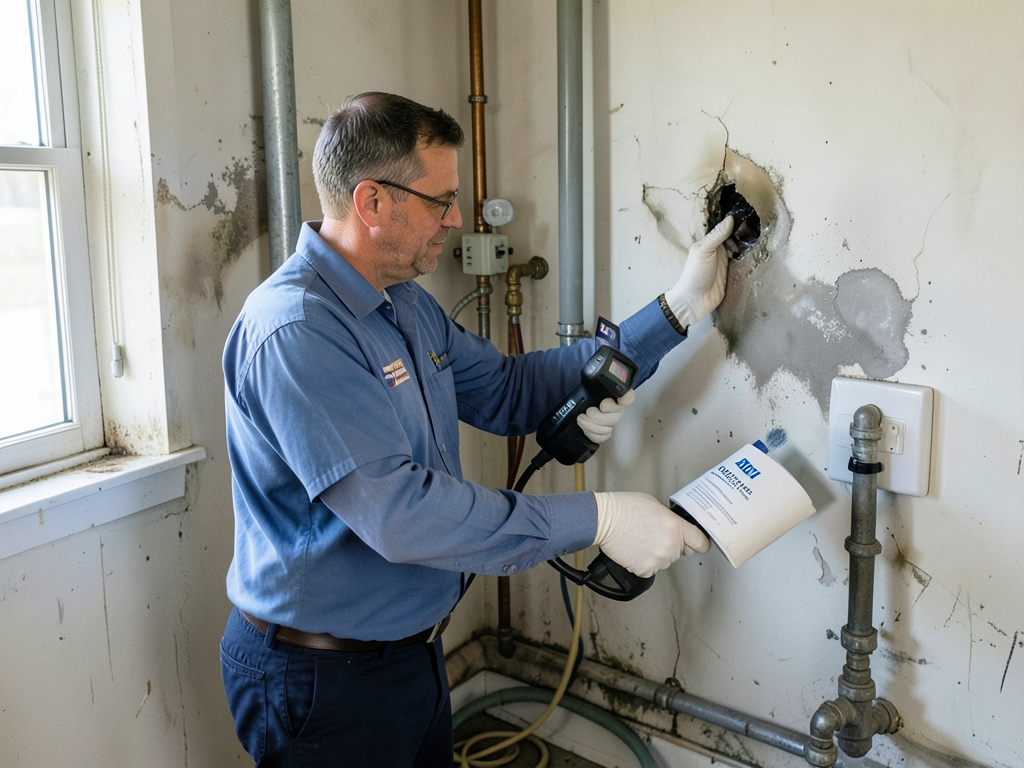
We are proud to be the trusted local choice for water damage restoration across the greater St. Louis region. This map highlights our primary service zone, demonstrating our commitment to rapid, localized response across every neighborhood and business district within the area. We invite all users to view our service area and then contact us directly for immediate deployment to your specific address within the St. Louis community.

Address:
Patriot Water Damage Restoration St. Louis, 710 N Tucker Blvd, St. Louis, MO, 63101

Additional Services We Offer

Our news updates

Latest Articles & News from The Blogs

What to Do When Your Water Softener Leaks and Floods Your Affton Utility Room A leaking water softener can release…

What to Do When Your Water Softener Leaks and Floods Your Affton Utility Room

What to Do When Your Water Softener Leaks and Floods Your Affton Utility Room A leaking water softener can release…

Restoring a Water Damaged Mid-Century Modern Home in Warson Woods

Restoring a Water Damaged Mid-Century Modern Home in Warson Woods Water damage in a mid-century modern home requires specialized knowledge…

Why Your Walk-Out Basement in Hi-Pointe is Vulnerable to Heavy Rain Runoff

Why Your Walk-Out Basement in Hi-Pointe is Vulnerable to Heavy Rain Runoff Your walk-out basement in Hi-Pointe faces unique flooding…

Contact Us

Do not let attic water damage compromise your home's structure and safety. Call Patriot Water Damage Restoration St. Louis now at (314) 428-9977 for immediate dispatch and expert restoration. We respond 24/7 with the equipment and experience to protect your property.