
Why Your Jennings Rental Property Needs a Professional Moisture Inspection Between Tenants
Hidden moisture damage in Jennings rental properties can cost thousands in repairs and lost rental income. Between tenants is the perfect time to catch problems before they escalate into major structural issues or health hazards. EPA Mold Information.
Jennings rental properties face unique moisture challenges due to the area’s aging housing stock and clay soil conditions. Many homes built in the 1950s-1970s have original plumbing that’s nearing the end of its lifespan. When tenants move out, these properties need more than just cleaning and painting.
Common Moisture Problems in Jennings Rental Properties
Jennings sits in North County where older brick ranch homes and split-levels dominate the rental market. These structures have specific vulnerabilities that newer construction doesn’t face.
The heavy clay soil in Jennings expands when wet and contracts when dry. This constant movement puts pressure on foundation walls and can cause hairline cracks that allow moisture intrusion. Many Jennings basements show efflorescence – that white powdery substance on concrete walls – which indicates ongoing moisture problems. Efflorescence on Concrete.
Older plumbing in Jennings homes often develops pinhole leaks in copper pipes or fails at soldered joints. These slow leaks can run for months without detection, especially behind walls or under floors where tenants might not notice them immediately. Who to Call When Your Pipes Burst in Kirkwood This Winter.
The Jennings Climate Factor
St. Louis experiences extreme humidity swings between summer and winter. Jennings properties face additional challenges from the area’s proximity to the Missouri River floodplain. Spring thunderstorms frequently cause power outages that disable sump pumps, leading to basement flooding. How to Get Your St. Louis Home Insurance to Actually Pay for Water Damage.
Freeze-thaw cycles common in Jennings can cause pipes to burst when temperatures fluctuate rapidly. A tenant moving out in February might leave the heat off, creating conditions for frozen pipes that burst days later.
Professional Moisture Detection Technology
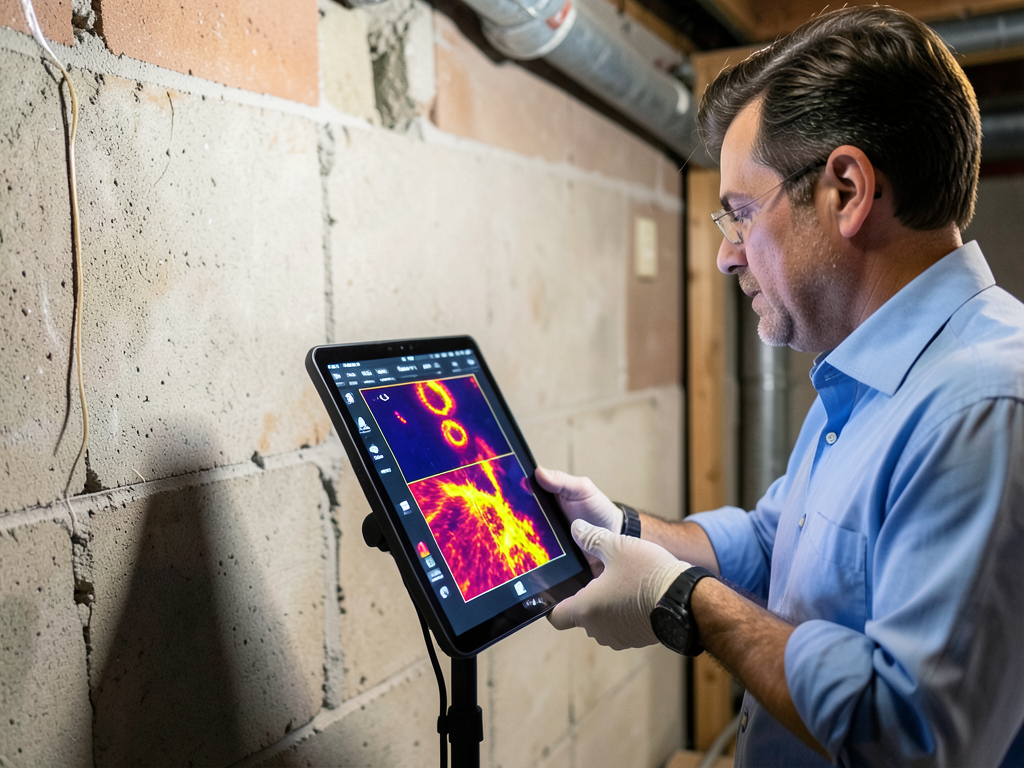
Professional moisture inspections use advanced tools that go far beyond visual checks. Thermal imaging cameras detect temperature differences that indicate moisture presence behind walls. These FLIR cameras can scan an entire room in minutes and identify problem areas without destructive testing. Professional Water Extraction and Drying for St. Charles Residents.
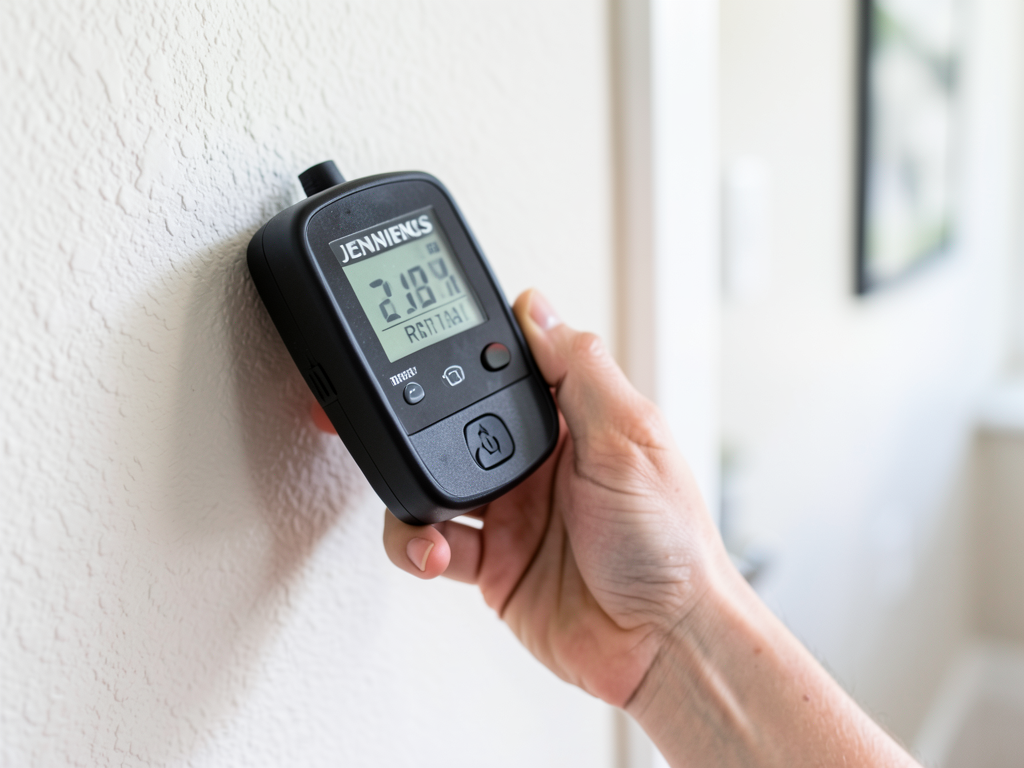
Non-invasive moisture meters measure moisture content in materials without causing damage. These devices use electromagnetic signals to detect moisture levels up to 3/4 inch deep in walls, floors, and ceilings. They can identify hidden leaks in areas tenants never accessed. Water Damage Restoration Manchester.
Penetrating moisture meters with pins can test specific materials when non-invasive methods suggest problems. These provide exact moisture percentages that help determine if drying is complete or if materials need replacement.
Why Between-Tenant Inspections Matter
When a tenant moves out, you have a unique opportunity to inspect every square foot of the property. Furniture and personal belongings that might have hidden moisture issues are gone. This is when professional moisture detection equipment can find problems that would remain hidden during normal occupancy.
Moisture left unchecked between tenants can lead to mold growth within 24-48 hours. By the time the next tenant moves in, you could have a serious mold problem that requires expensive remediation and potentially makes the unit uninhabitable.
Structural Drying Standards
Professional moisture inspections follow IICRC S500 standards for water damage restoration. These standards specify moisture content levels that materials must reach for proper drying. For example, drywall should be below 12% moisture content, while wood framing should be below 15%. IICRC Standards.
Without professional testing, you might think a unit is dry when it’s actually holding moisture that will cause problems later. This is especially important in Jennings where the humid climate makes natural drying difficult.
Cost-Benefit Analysis for Jennings Landlords
A professional moisture inspection between tenants typically costs $200-400 for an average Jennings rental home. Compare this to the potential costs of undetected moisture problems:
| Problem | Potential Cost | Detection Likelihood Without Inspection |
|---|---|---|
| Hidden plumbing leak | $2,000-5,000 | Low |
| Mold remediation | $3,000-10,000 | Very Low |
| Structural damage | $5,000-15,000 | Very Low |
| Lost rental income | $1,000-3,000/month | Low |
The inspection cost is minimal compared to the potential losses from undetected moisture problems.
Jennings-Specific Inspection Checklist
Professional moisture inspectors in Jennings know to check these specific areas:
- Basement foundation walls for efflorescence and hairline cracks
- Plumbing connections in kitchens and bathrooms, especially at shut-off valves
- Water heater areas for slow leaks or corrosion
- Attic spaces for roof leaks around chimneys and vents
- Crawl spaces for groundwater seepage
Insurance and Liability Considerations
Many Jennings landlords don’t realize that insurance companies expect reasonable maintenance and inspection practices. If you can show you had professional moisture inspections between tenants, you strengthen your position if a water damage claim arises later.
Some insurance policies offer premium discounts for documented preventative maintenance programs that include moisture inspections.
Documentation Benefits
Professional moisture inspections provide detailed reports with photos, moisture readings, and recommendations. This documentation serves multiple purposes:
- Proof of due diligence for insurance claims
- Baseline data for comparing future inspections
- Evidence for security deposit disputes
- Marketing tool showing property maintenance to prospective tenants
Timing Your Inspection
The best time for a moisture inspection is immediately after a tenant moves out but before any cleaning or repairs begin. This allows the inspector to see the property in its true condition.
If you’re doing renovations between tenants, schedule the inspection before work begins. Construction dust and debris can interfere with accurate moisture readings.
Choosing the Right Inspector
Not all moisture inspectors have experience with Jennings’ specific challenges. Look for professionals who:
- Hold IICRC certifications in water damage restoration
- Have experience with North County’s older housing stock
- Use thermal imaging and multiple types of moisture meters
- Provide detailed written reports
- Offer remediation services if problems are found
Common Misconceptions
Many Jennings landlords believe they can detect moisture problems through smell or visual inspection alone. While these methods can identify obvious problems, they miss the hidden issues that cause the most expensive damage.
Another misconception is that newer properties don’t need moisture inspections. Even homes built in the last 10 years can have construction defects or installation errors that lead to moisture problems.
Long-Term Property Value Protection
Regular moisture inspections between tenants help maintain your property’s value by preventing the slow deterioration that occurs when moisture problems go unchecked. This is especially important in Jennings where property values are closely tied to condition and maintenance history.
Properties with documented maintenance histories typically command higher rents and have lower vacancy rates than those without such documentation.
Integration with Other Maintenance
Moisture inspections work best as part of a comprehensive between-tenant maintenance program. Schedule them alongside other critical inspections like HVAC servicing, roof checks, and pest control.
Emergency Response Planning
Even with preventative inspections, emergencies can happen. Choose a moisture inspection company that also offers 24/7 emergency water damage response. This ensures you have a trusted professional ready to respond if a pipe bursts or a storm causes flooding.
Building Code Compliance
St. Louis County building codes require proper moisture management in all structures. Professional moisture inspections help ensure your Jennings rental property remains in compliance with these requirements, avoiding potential fines or mandatory remediation orders.
Tenant Health and Safety
Beyond property protection, moisture inspections protect your tenants’ health. Mold growth from undetected moisture can cause respiratory problems, allergic reactions, and other health issues. Regular inspections demonstrate your commitment to providing safe, healthy living environments.
Market Differentiation
Jennings landlords who implement professional moisture inspection programs between tenants can market this as a premium feature. Prospective tenants appreciate knowing the property has been thoroughly inspected and maintained.
Cost Recovery Strategies
While moisture inspections are an expense, consider these cost recovery strategies:
- Slightly increase rent to cover the inspection cost
- Include inspection documentation in marketing materials to justify premium pricing
- Reduce other maintenance costs through early problem detection
- Lower insurance premiums through documented risk reduction
Local Success Stories
Jennings property managers who implement regular moisture inspections report fewer emergency repairs, lower overall maintenance costs, and higher tenant satisfaction scores. Some have documented 30% reductions in water-related maintenance calls after implementing inspection programs.
Technology Advancements
Modern moisture detection technology continues to improve. Today’s thermal cameras can detect moisture through multiple layers of building materials. Some inspectors now use drones with thermal cameras to inspect hard-to-reach areas like roofs and upper-story walls.
Environmental Considerations
Proper moisture management also benefits the environment. Preventing water damage reduces construction waste from premature material replacement. It also prevents mold growth that can release spores into the local environment.
Future-Proofing Your Investment
As climate patterns change, Jennings can expect more frequent heavy rainfall events and more extreme temperature swings. Properties that undergo regular moisture inspections are better prepared to handle these changing conditions.
Getting Started
Implementing a moisture inspection program between tenants is straightforward:
- Find a qualified inspector with Jennings experience
- Schedule your first inspection after the next tenant move-out
- Review the inspection report and address any issues found
- Document the inspection for your records
- Plan regular inspections as part of your maintenance schedule
Final Thoughts
Professional moisture inspections between tenants are not an expense – they’re an investment in your Jennings rental property’s longevity and profitability. The small cost of prevention pales compared to the potential losses from undetected moisture problems.
Frequently Asked Questions
How long does a moisture inspection take?
A typical moisture inspection for a Jennings rental home takes 1-2 hours, depending on the property size and number of moisture-prone areas.
What if the inspection finds problems?
If issues are found, your inspector should provide recommendations for remediation. Many inspection companies also offer repair services or can refer you to qualified contractors.
How often should I have moisture inspections?
For Jennings rental properties, annual inspections are recommended. However, always inspect between tenants, as this provides the most thorough opportunity for detection.
Are moisture inspections covered by insurance?
Standard property insurance policies don’t cover preventative inspections, but some offer premium discounts for documented maintenance programs that include moisture inspections.
Protect Your Jennings Rental Investment Today
Don’t wait for moisture problems to become emergencies. A professional moisture inspection between tenants can save you thousands in repairs and protect your rental income. Call (314) 428-9977 today to schedule your Jennings rental property inspection. Our certified technicians use advanced thermal imaging and moisture detection equipment to find problems before they become costly disasters. Available 24/7 for emergency response throughout Jennings and North St. Louis County.
You may also find this helpful. Why Your HVAC Condensate Pan is Overflowing in Your Forest Park Southeast Apartment.
{
“@context”: “https://schema.org”,
“@type”: “BlogPosting”,
“headline”: “Why Your Jennings Rental Property Needs a Professional Moisture Inspection Between Tenants”,
“description”: “Protect your Jennings rental investment with professional moisture inspections. Discover hidden leaks, prevent mold growth, and maintain property value between tenants.”,
“wordCount”: 1737,
“datePublished”: “2026-04-02T13:34:00.000Z”,
“dateModified”: “2026-04-02T13:34:00.000Z”,
“inLanguage”: “en-US”,
“mainEntityOfPage”: {
“@type”: “WebPage”,
“@id”: “https://patriotwaterdamagerestorationstlouis.com”
},
“publisher”: {
“@type”: “LocalBusiness”,
“name”: “Patriot Water Damage Restoration St. Louis”,
“url”: “https://patriotwaterdamagerestorationstlouis.com”
},
“author”: {
“@type”: “Organization”,
“name”: “Patriot Water Damage Restoration St. Louis”,
“url”: “https://patriotwaterdamagerestorationstlouis.com”
},
“image”: {
“@type”: “ImageObject”,
“url”: “https://patriotwaterdamagerestorationstlouis.com/wp-content/uploads/2026/03/why-your-jennings-rental-property-needs-a-professi-1.png”
}
}
{
“@context”: “https://schema.org”,
“@type”: “LocalBusiness”,
“name”: “Patriot Water Damage Restoration St. Louis”,
“url”: “https://patriotwaterdamagerestorationstlouis.com”,
“address”: {
“@type”: “PostalAddress”,
“addressLocality”: “St. Louis”
},
“areaServed”: {
“@type”: “City”,
“name”: “St. Louis”
}
}
{
“@context”: “https://schema.org”,
“@type”: “FAQPage”,
“mainEntity”: [
{
“@type”: “Question”,
“name”: “How long does a moisture inspection take?”,
“acceptedAnswer”: {
“@type”: “Answer”,
“text”: “A typical moisture inspection for a Jennings rental home takes 1-2 hours, depending on the property size and number of moisture-prone areas.”
}
},
{
“@type”: “Question”,
“name”: “What if the inspection finds problems?”,
“acceptedAnswer”: {
“@type”: “Answer”,
“text”: “If issues are found, your inspector should provide recommendations for remediation. Many inspection companies also offer repair services or can refer you to qualified contractors.”
}
},
{
“@type”: “Question”,
“name”: “Are moisture inspections covered by insurance?”,
“acceptedAnswer”: {
“@type”: “Answer”,
“text”: “Standard property insurance policies don’t cover preventative inspections, but some offer premium discounts for documented maintenance programs that include moisture inspections.”
}
}
]
}
{
“@context”: “https://schema.org”,
“@type”: “BreadcrumbList”,
“itemListElement”: [
{
“@type”: “ListItem”,
“position”: 1,
“name”: “Home”,
“item”: “https://patriotwaterdamagerestorationstlouis.com”
},
{
“@type”: “ListItem”,
“position”: 2,
“name”: “Blog”,
“item”: “https://patriotwaterdamagerestorationstlouis.com/blog”
},
{
“@type”: “ListItem”,
“position”: 3,
“name”: “Why Your Jennings Rental Property Needs a Professional Moisture Inspection Between Tenants”
}
]
}
{
“@context”: “https://schema.org”,
“@type”: “Service”,
“serviceType”: “Water Damage Restoration”,
“provider”: {
“@type”: “LocalBusiness”,
“name”: “Patriot Water Damage Restoration St. Louis”,
“url”: “https://patriotwaterdamagerestorationstlouis.com”
},
“areaServed”: {
“@type”: “City”,
“name”: “St. Louis”
},
“description”: “Protect your Jennings rental investment with professional moisture inspections. Discover hidden leaks, prevent mold growth, and maintain property value between tenants.”
}