
Why You Should Never Clean Up a Sewage Backup in Your Florissant Home Yourself
Raw sewage backing up into your Florissant basement is more than a disgusting mess. It is a serious biohazard that can make you and your family sick. The water contains dangerous bacteria, viruses, and parasites that can cause severe illness. Professional cleanup is not a luxury. It is a necessity for your health and safety. Professional Water Extraction and Drying for St. Charles Residents.
Florissant homes often sit on Missouri clay soil that expands and contracts with moisture changes. This puts pressure on aging sewer lines. When heavy rains overwhelm the Metropolitan Sewer District system, sewage can back up through floor drains and toilets. The resulting black water is Category 3, the most dangerous type of water damage. It requires specialized equipment, protective gear, and antimicrobial treatments that only certified professionals should handle. Water Damage Restoration Manchester.
Attempting to clean up sewage yourself puts you at risk for exposure to E. coli, hepatitis, and other pathogens. You also risk spreading contamination to other areas of your home. Professional restoration teams follow IICRC S500 standards for safe removal and sanitization. They use industrial-grade extraction equipment and EPA-registered disinfectants to ensure your home is truly clean and safe again. IICRC S500 Standard for water damage restoration.
The Hidden Dangers of Sewage Backup in Florissant Homes
Many Florissant homeowners underestimate what sewage backup really means. The water you see is only part of the problem. Sewage contains thousands of microorganisms per milliliter. These include bacteria like Salmonella and E. coli, viruses such as hepatitis A, and parasites like Giardia. When this contaminated water soaks into your carpet, drywall, or wood flooring, it creates a breeding ground for disease. EPA guidelines for water disinfection.
The Missouri Department of Health warns that Category 3 water can cause serious illness through skin contact, inhalation, or accidental ingestion. Children, elderly family members, and those with weakened immune systems face the highest risk. Even brief exposure can lead to gastrointestinal illness, skin infections, and respiratory problems. Water Damage Restoration Florissant.
Beyond health risks, sewage backup causes extensive property damage. The contaminated water breaks down building materials and creates ideal conditions for mold growth. Within 24 to 48 hours, mold spores can begin colonizing damp areas. This secondary damage often costs more to repair than the original backup. Professional restoration prevents both health hazards and structural damage.
Why Florissant Sewer Systems Are Prone to Backup
Florissant sits in north St. Louis County where the soil contains heavy clay deposits. This Missouri clay expands when wet and contracts when dry. The constant movement puts stress on underground pipes. Over time, this causes cracks, separations, and complete pipe failures. Many Florissant homes were built between the 1950s and 1970s when these materials were standard. How to Get Your St. Louis Home Insurance to Actually Pay for Water Damage.
The Metropolitan Sewer District serves Florissant through a combined sewer system. During heavy rainfall, stormwater runoff enters the same pipes that carry household waste. When the system reaches capacity, sewage has nowhere to go but back into homes. This happens frequently in areas like Florissant where the system was not designed for current population density and rainfall patterns. Who to Call When Your Pipes Burst in Kirkwood This Winter.
Local building codes require proper drainage away from foundations, but many older Florissant homes need updates. Poor grading, clogged gutters, and downspouts that discharge too close to the house all contribute to basement flooding. When sewage backs up through floor drains, it often indicates a larger infrastructure problem that requires professional assessment and repair.
The Professional Restoration Process for Sewage Cleanup
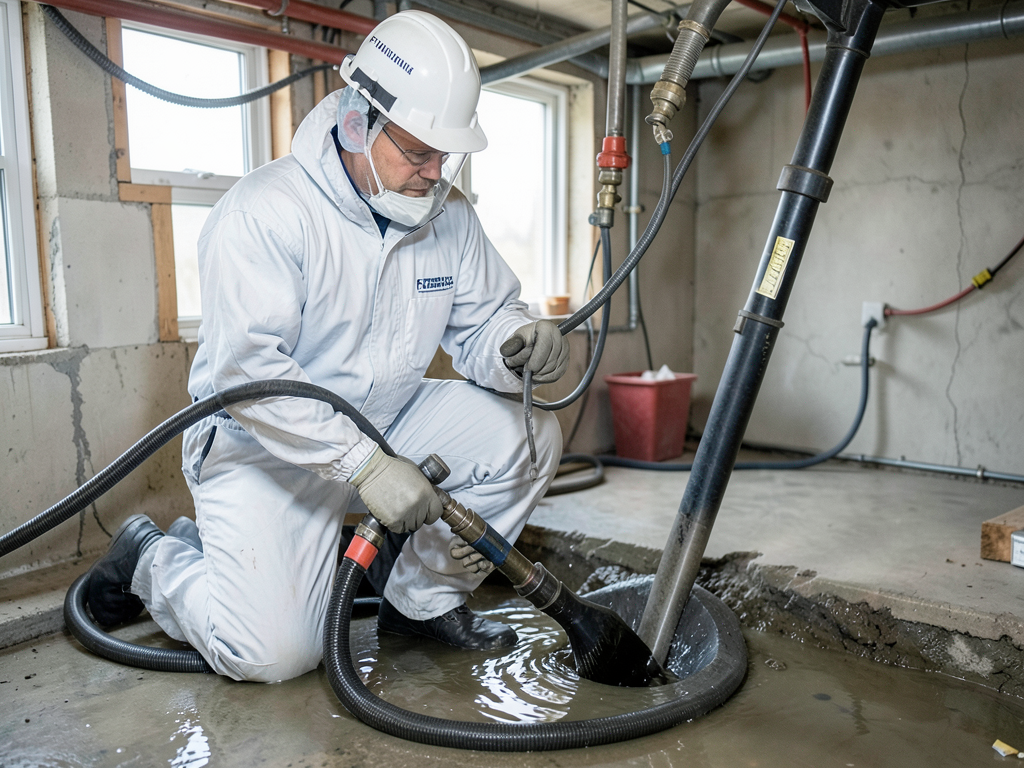
Professional sewage cleanup follows a specific protocol to ensure complete decontamination. The process begins with emergency extraction using truck-mounted vacuum systems that can remove thousands of gallons per hour. Technicians wear full personal protective equipment including respirators, chemical-resistant suits, and waterproof boots. This protects them from exposure while they work.
After water removal, the team assesses which materials must be removed. Porous items like carpet, padding, and drywall that contacted sewage cannot be salvaged. These materials absorb contaminants and cannot be effectively disinfected. Non-porous surfaces receive thorough cleaning with industrial-strength antimicrobial solutions that kill remaining pathogens.
The drying phase uses commercial dehumidifiers and air movers to remove moisture from structural materials. This prevents mold growth and further damage. Technicians monitor moisture levels with specialized meters until materials reach safe drying standards. The final step involves applying EPA-registered disinfectants and deodorizing agents to eliminate odors and ensure the area is safe for reoccupation.
Equipment and Technology Used in Professional Sewage Cleanup
Professional restoration companies use specialized equipment that homeowners cannot rent or purchase. Truck-mounted extraction units provide powerful suction to remove contaminated water quickly. These systems can extract water from deep within carpet fibers and padding where shop vacuums cannot reach. The contaminated water goes directly into a sealed tank for proper disposal.
Air scrubbers with HEPA filters remove airborne contaminants during the cleanup process. These units capture mold spores, bacteria, and other particles as small as 0.3 microns. Negative air machines create pressure differentials that prevent contaminated air from spreading to clean areas of the home. This containment is critical for preventing cross-contamination.
Moisture detection technology helps identify hidden water pockets behind walls and under floors. Thermal imaging cameras show temperature differences that indicate moisture presence. Penetrating moisture meters measure water content in wood and drywall to determine if materials can be saved or must be removed. This diagnostic approach ensures no contaminated areas are missed.
Health Risks of DIY Sewage Cleanup
Many homeowners think they can handle sewage cleanup with bleach and a wet vacuum. This approach is dangerous and ineffective. Household bleach cannot penetrate porous materials where bacteria hide. It also creates toxic fumes when mixed with other cleaning products commonly found under kitchen sinks. The physical act of cleaning exposes you to direct contact with contaminated water and surfaces.
Without proper protective equipment, you risk skin infections, eye irritation, and respiratory problems. Even if you feel fine immediately after cleanup, symptoms can develop days later. Gastrointestinal illness, fever, and severe headaches are common reactions to sewage exposure. Some pathogens can cause long-term health effects that may not appear for weeks or months.
DIY cleanup also fails to address the root cause of the backup. A plumber can fix a broken pipe, but they are not trained in biohazard remediation. Without proper sanitization, your home remains contaminated. The smell may fade, but dangerous bacteria can survive for weeks. Professional restoration ensures your home is truly safe for your family.
Insurance Coverage for Sewage Backup in Florissant
Standard homeowners insurance policies in Missouri often exclude sewage backup damage. You need a specific rider or endorsement to cover this type of loss. The cost of adding this coverage is minimal compared to the potential repair costs. A typical sewage backup can cause thousands of dollars in damage to flooring, walls, and personal belongings.
When filing a claim for sewage damage, documentation is critical. Take photos and videos of all affected areas before any cleanup begins. Keep receipts for any emergency services you hire. Professional restoration companies can often bill insurance directly and provide the detailed documentation adjusters require. This simplifies the claims process during a stressful time.
Some Florissant homeowners find their insurance covers pipe repair but not the resulting damage. This is why working with a company that handles both aspects is valuable. They can coordinate with plumbers to fix the source while simultaneously beginning the cleanup process. This integrated approach minimizes damage and reduces your out-of-pocket expenses.
Preventing Future Sewage Backups in Your Florissant Home
Prevention starts with understanding your home’s vulnerabilities. Have a professional inspect your sewer line every few years, especially if your home is over 30 years old. They can use video inspection to identify cracks, tree root intrusion, or blockages before they cause a backup. Early detection saves money and prevents emergencies.
Install a backwater valve on your main sewer line. This one-way valve allows waste to exit but prevents sewage from flowing back into your home. Many Florissant homes built before modern building codes lack this protection. Installation typically costs between $1,000 and $2,000 but can save you tens of thousands in potential damage.
Maintain your plumbing system to prevent clogs that can contribute to backups. Never pour grease down drains, as it solidifies and blocks pipes. Use hair catchers in showers and tubs. Consider annual professional drain cleaning for older homes. These simple steps reduce the risk of both backups and the need for emergency services.
What to Do Immediately After a Sewage Backup
Your actions in the first 60 minutes after discovering sewage backup can minimize damage. First, ensure everyone in the home stays away from the affected area. Sewage contains pathogens that can cause serious illness through skin contact or inhalation. Keep children and pets away from contaminated zones.
Next, if it is safe to do so, shut off the water supply to prevent additional flooding. Locate your main water shutoff valve, typically near where the water line enters your home. Also, turn off electricity to the affected area if water has reached electrical outlets or devices. This prevents shock hazards.
Document the damage with photos and videos before any cleanup begins. This evidence is crucial for insurance claims. Then call a professional restoration company immediately. Time matters because contaminated water continues causing damage and mold can begin growing within 24 to 48 hours. Quick professional response limits both health risks and property damage.
Why Local Expertise Matters for Sewage Cleanup
Florissant’s unique combination of clay soil, aging infrastructure, and weather patterns creates specific challenges for sewage cleanup. Local restoration companies understand these factors and how they affect the cleanup process. They know which building materials are common in Florissant homes and how they respond to water damage. This knowledge guides their restoration approach.
Local companies also have relationships with area plumbers, insurance adjusters, and municipal authorities. This network speeds up the restoration process. They can coordinate pipe repairs, insurance documentation, and permit requirements efficiently. Their familiarity with local building codes ensures all work meets Florissant and St. Louis County requirements.
Emergency response time matters during sewage backups. Local companies can typically arrive within an hour, while national chains may take much longer. Quick response limits damage spread and reduces the risk of mold growth. When you call (314) 428-9977, you reach a team that understands Florissant’s specific needs and can respond immediately.
The Cost of Professional vs. DIY Sewage Cleanup
DIY sewage cleanup might seem cheaper initially, but it often costs more in the long run. Professional cleanup for a typical Florissant basement ranges from $2,000 to $5,000 depending on the extent of damage. This includes water extraction, material removal, cleaning, drying, and sanitization. While this seems expensive, it prevents much costlier problems.
DIY attempts frequently lead to incomplete cleanup. Hidden moisture in walls and under floors continues causing damage. Mold growth requires expensive remediation that insurance may not cover if caused by delayed professional response. Health issues from exposure can result in medical bills and lost work time. The true cost of DIY often exceeds professional service fees.
Professional companies provide detailed estimates and often work directly with insurance companies. Many offer payment plans or can bill insurance directly, reducing your upfront costs. When you consider the equipment, protective gear, cleaning products, and your time required for DIY cleanup, professional service becomes the more economical choice.
Common Misconceptions About Sewage Cleanup
One common myth is that bleach kills all sewage contaminants. While bleach is a disinfectant, it cannot penetrate porous materials where bacteria hide. It also produces toxic fumes when mixed with other cleaners. Professional antimicrobial solutions are specifically formulated to kill a broader spectrum of pathogens and are safe for use in homes.
Another misconception is that if water looks clear, it is safe. Category 3 water can appear clean but still contain dangerous microorganisms. The clarity of water has no relationship to its contamination level. Only professional testing can determine if an area is truly safe after sewage exposure.
Some homeowners believe they can save money by doing the initial water removal themselves before calling professionals. This actually increases costs because contaminated water spreads during DIY attempts. It also delays professional treatment, allowing more damage to occur. Professional teams are equipped to handle the entire process safely and efficiently from the start.
24/7 Emergency Response for Florissant Sewage Backups
Sewer backups do not wait for business hours. That is why professional restoration companies offer 24/7 emergency response. When you discover sewage in your Florissant home at midnight or during a holiday, you need immediate help. Quick response prevents damage from spreading and reduces health risks to your family.
Emergency response teams arrive with fully stocked trucks containing all necessary equipment and protective gear. They assess the situation, develop a cleanup plan, and begin work immediately. This rapid response can mean the difference between saving your flooring and having to replace it. It also prevents the spread of contamination to other areas of your home.
When you call (314) 428-9977 for emergency sewage cleanup, you reach trained professionals who understand the urgency. They will arrive quickly, assess the situation, and begin the restoration process immediately. Their goal is to make your home safe and clean as quickly as possible while minimizing disruption to your life.
Frequently Asked Questions
How long does sewage cleanup take?
Most sewage cleanup projects in Florissant homes take between one to three days. The first day involves emergency water extraction and damage assessment. Material removal and initial cleaning occur on day two. Final sanitization, deodorizing, and drying typically complete on day three. Complex cases involving structural damage may take longer.
Can I stay in my home during sewage cleanup?
Usually not. Sewage contamination creates serious health hazards that make staying in the home unsafe. The affected area must be sealed off during cleanup, and airborne contaminants may spread through your HVAC system. Professionals can advise on whether limited occupancy is possible based on the extent and location of the backup.
Will my insurance cover sewage backup cleanup?
Standard homeowners policies typically exclude sewage backup. You need a specific endorsement or rider to cover this damage. Many Florissant homeowners discover this gap in coverage only after an incident occurs. Review your policy or contact your insurance agent to confirm your coverage before an emergency happens.
How can I tell if water is contaminated with sewage?
Never assume water is safe based on appearance. Clear water can contain dangerous pathogens. Signs of sewage contamination include foul odors, dark coloration, or visible waste material. However, the only way to be certain is through professional testing. Always treat unknown water as contaminated and keep people and pets away.
What documents do I need for insurance claims?
Take photos and videos of all damage before any cleanup begins. Keep receipts for emergency services and temporary housing if needed. Professional restoration companies provide detailed documentation including moisture readings, material lists, and before/after photos. This comprehensive documentation supports your insurance claim and speeds up the process.
How soon can I use my basement again after cleanup?
Most Florissant basements are safe for limited use within 24 to 48 hours after professional cleanup. However, complete restoration including repairs to flooring, walls, and other structures may take several weeks. Your restoration company will provide specific timelines based on your situation and confirm when the area is safe for full use.
Do I need to replace everything that got wet?
Porous materials that contacted sewage must be removed and replaced. This includes carpet, padding, upholstered furniture, and drywall. Non-porous items can often be cleaned and disinfected. Your restoration team will test materials and advise which items can be saved. They use moisture meters and visual inspection to make these determinations.
What causes sewage to back up into homes?
Common causes include clogged sewer lines, heavy rainfall overwhelming municipal systems, broken pipes, and tree root intrusion. Florissant’s clay soil and aging infrastructure increase these risks. A professional inspection can identify your home’s specific vulnerabilities and recommend preventive measures to reduce future backup risks.
How much does professional sewage cleanup cost?
Costs vary based on damage extent, but most Florissant homeowners pay between $2,000 and $5,000 for professional sewage cleanup. This includes water extraction, material removal, cleaning, drying, and sanitization. While this seems expensive, it prevents much costlier problems like mold growth and structural damage that often result from incomplete DIY cleanup.
Can mold grow after sewage backup?
Yes, mold can begin growing within 24 to 48 hours after sewage exposure. The combination of moisture, organic material, and warm temperatures creates ideal conditions for rapid mold growth. Professional drying and dehumidification prevent this secondary damage. Without proper treatment, mold can spread throughout your home, causing additional health risks and repair costs.
Protecting Your Florissant Home from Sewage Disasters
Understanding the risks of sewage backup helps you make informed decisions about your home’s safety. The combination of Florissant’s clay soil, aging infrastructure, and weather patterns creates unique vulnerabilities that require professional attention. DIY cleanup attempts put your health at risk and often lead to more expensive problems down the road.
Professional restoration companies bring expertise, equipment, and safety protocols that homeowners cannot match. They follow IICRC S500 standards for biohazard cleanup, use industrial-grade equipment, and apply EPA-registered disinfectants. This comprehensive approach ensures your home is truly clean and safe for your family.
When sewage backs up into your Florissant home, do not risk your health or waste time with ineffective DIY methods. Call (314) 428-9977 for 24/7 emergency response from trained professionals who understand local conditions and can restore your home safely and efficiently. Your family’s health and your home’s safety are worth professional care.
Take Action Now to Protect Your Family
Raw sewage in your home creates an immediate health emergency that requires professional attention. Every hour you wait allows contamination to spread and mold to begin growing. Do not risk your family’s health with DIY cleanup attempts that cannot fully address the biohazard.
Professional restoration teams have the training, equipment, and protective gear to handle sewage safely. They follow strict protocols that ensure complete decontamination and prevent cross-contamination to clean areas of your home. Their rapid response limits damage and gets your life back to normal faster.
Call (314) 428-9977 now for emergency sewage cleanup in Florissant. Our trained technicians will arrive quickly, assess the situation, and begin the restoration process immediately. We work directly with your insurance company and provide the documentation needed for your claim. Do not wait until a small problem becomes a major disaster. Pick up the phone and call (314) 428-9977 before the next storm hits. For more information, visit CDC guidelines on sewage-related diseases.
{
“@context”: “https://schema.org”,
“@type”: “BlogPosting”,
“headline”: “Why You Should Never Clean Up a Sewage Backup in Your Florissant Home Yourself”,
“description”: “Learn why DIY sewage cleanup in Florissant is dangerous. Professional biohazard remediation protects your health and property. Call (314) 428-9977 for 24/7 emergency service.”,
“wordCount”: 3145,
“datePublished”: “2026-02-26T15:18:00.000Z”,
“dateModified”: “2026-02-26T15:18:00.000Z”,
“inLanguage”: “en-US”,
“mainEntityOfPage”: {
“@type”: “WebPage”,
“@id”: “https://patriotwaterdamagerestorationstlouis.com”
},
“publisher”: {
“@type”: “LocalBusiness”,
“name”: “Patriot Water Damage Restoration St. Louis”,
“url”: “https://patriotwaterdamagerestorationstlouis.com”
},
“author”: {
“@type”: “Organization”,
“name”: “Patriot Water Damage Restoration St. Louis”,
“url”: “https://patriotwaterdamagerestorationstlouis.com”
},
“image”: {
“@type”: “ImageObject”,
“url”: “https://patriotwaterdamagerestorationstlouis.com/wp-content/uploads/2026/03/why-you-should-never-clean-up-a-sewage-backup-in-y-1.png”
}
}
{
“@context”: “https://schema.org”,
“@type”: “LocalBusiness”,
“name”: “Patriot Water Damage Restoration St. Louis”,
“url”: “https://patriotwaterdamagerestorationstlouis.com”,
“address”: {
“@type”: “PostalAddress”,
“addressLocality”: “St. Louis”
},
“areaServed”: {
“@type”: “City”,
“name”: “St. Louis”
}
}
{
“@context”: “https://schema.org”,
“@type”: “FAQPage”,
“mainEntity”: [
{
“@type”: “Question”,
“name”: “How long does sewage cleanup take?”,
“acceptedAnswer”: {
“@type”: “Answer”,
“text”: “Most sewage cleanup projects in Florissant homes take between one to three days. The first day involves emergency water extraction and damage assessment. Material removal and initial cleaning occur on day two. Final sanitization, deodorizing, and drying typically complete on day three. Complex cases involving structural damage may take longer.”
}
},
{
“@type”: “Question”,
“name”: “Can I stay in my home during sewage cleanup?”,
“acceptedAnswer”: {
“@type”: “Answer”,
“text”: “Usually not. Sewage contamination creates serious health hazards that make staying in the home unsafe. The affected area must be sealed off during cleanup, and airborne contaminants may spread through your HVAC system. Professionals can advise on whether limited occupancy is possible based on the extent and location of the backup.”
}
},
{
“@type”: “Question”,
“name”: “Will my insurance cover sewage backup cleanup?”,
“acceptedAnswer”: {
“@type”: “Answer”,
“text”: “Standard homeowners policies typically exclude sewage backup. You need a specific endorsement or rider to cover this damage. Many Florissant homeowners discover this gap in coverage only after an incident occurs. Review your policy or contact your insurance agent to confirm your coverage before an emergency happens.”
}
},
{
“@type”: “Question”,
“name”: “How can I tell if water is contaminated with sewage?”,
“acceptedAnswer”: {
“@type”: “Answer”,
“text”: “Never assume water is safe based on appearance. Clear water can contain dangerous pathogens. Signs of sewage contamination include foul odors, dark coloration, or visible waste material. However, the only way to be certain is through professional testing. Always treat unknown water as contaminated and keep people and pets away.”
}
},
{
“@type”: “Question”,
“name”: “What documents do I need for insurance claims?”,
“acceptedAnswer”: {
“@type”: “Answer”,
“text”: “Take photos and videos of all damage before any cleanup begins. Keep receipts for emergency services and temporary housing if needed. Professional restoration companies provide detailed documentation including moisture readings, material lists, and before/after photos. This comprehensive documentation supports your insurance claim and speeds up the process.”
}
},
{
“@type”: “Question”,
“name”: “How soon can I use my basement again after cleanup?”,
“acceptedAnswer”: {
“@type”: “Answer”,
“text”: “Most Florissant basements are safe for limited use within 24 to 48 hours after professional cleanup. However, complete restoration including repairs to flooring, walls, and other structures may take several weeks. Your restoration company will provide specific timelines based on your situation and confirm when the area is safe for full use.”
}
},
{
“@type”: “Question”,
“name”: “Do I need to replace everything that got wet?”,
“acceptedAnswer”: {
“@type”: “Answer”,
“text”: “Porous materials that contacted sewage must be removed and replaced. This includes carpet, padding, upholstered furniture, and drywall. Non-porous items can often be cleaned and disinfected. Your restoration team will test materials and advise which items can be saved. They use moisture meters and visual inspection to make these determinations.”
}
},
{
“@type”: “Question”,
“name”: “What causes sewage to back up into homes?”,
“acceptedAnswer”: {
“@type”: “Answer”,
“text”: “Common causes include clogged sewer lines, heavy rainfall overwhelming municipal systems, broken pipes, and tree root intrusion. Florissant’s clay soil and aging infrastructure increase these risks. A professional inspection can identify your home’s specific vulnerabilities and recommend preventive measures to reduce future backup risks.”
}
},
{
“@type”: “Question”,
“name”: “How much does professional sewage cleanup cost?”,
“acceptedAnswer”: {
“@type”: “Answer”,
“text”: “Costs vary based on damage extent, but most Florissant homeowners pay between $2,000 and $5,000 for professional sewage cleanup. This includes water extraction, material removal, cleaning, drying, and sanitization. While this seems expensive, it prevents much costlier problems like mold growth and structural damage that often result from incomplete DIY cleanup.”
}
},
{
“@type”: “Question”,
“name”: “Can mold grow after sewage backup?”,
“acceptedAnswer”: {
“@type”: “Answer”,
“text”: “Yes, mold can begin growing within 24 to 48 hours after sewage exposure. The combination of moisture, organic material, and warm temperatures creates ideal conditions for rapid mold growth. Professional drying and dehumidification prevent this secondary damage. Without proper treatment, mold can spread throughout your home, causing additional health risks and repair costs.”
}
}
]
}
{
“@context”: “https://schema.org”,
“@type”: “BreadcrumbList”,
“itemListElement”: [
{
“@type”: “ListItem”,
“position”: 1,
“name”: “Home”,
“item”: “https://patriotwaterdamagerestorationstlouis.com”
},
{
“@type”: “ListItem”,
“position”: 2,
“name”: “Blog”,
“item”: “https://patriotwaterdamagerestorationstlouis.com/blog”
},
{
“@type”: “ListItem”,
“position”: 3,
“name”: “Why You Should Never Clean Up a Sewage Backup in Your Florissant Home Yourself”
}
]
}
{
“@context”: “https://schema.org”,
“@type”: “Service”,
“serviceType”: “Water Damage Restoration”,
“provider”: {
“@type”: “LocalBusiness”,
“name”: “Patriot Water Damage Restoration St. Louis”,
“url”: “https://patriotwaterdamagerestorationstlouis.com”
},
“areaServed”: {
“@type”: “City”,
“name”: “St. Louis”
},
“description”: “Learn why DIY sewage cleanup in Florissant is dangerous. Professional biohazard remediation protects your health and property. Call (314) 428-9977 for 24/7 emergency service.”
}