
Signs You Might Have a Slab Leak Under Your Eureka Home Foundation
If you live in a Eureka home built on a concrete slab, the ground beneath your feet could be hiding a serious problem. Slab leaks occur when water pipes beneath your foundation crack or corrode, allowing water to seep into the concrete. In St. Louis, expansive clay soil puts extra pressure on foundations, making slab leaks more common than you might think. How to Get Your St. Louis Home Insurance to Actually Pay for Water Damage.
The first sign is often subtle. You might notice warm spots on your floor where hot water lines are leaking. Or you could hear the sound of running water when all fixtures are turned off. These symptoms mean water is escaping somewhere it shouldn’t be, and the damage is already happening beneath your home. Professional Water Extraction and Drying for St. Charles Residents.
Don’t wait for visible puddles or foundation cracks to appear. By then, the water has already compromised your home’s structural integrity and created the perfect environment for mold growth. The longer you wait, the more expensive the repairs become. EPA mold information.
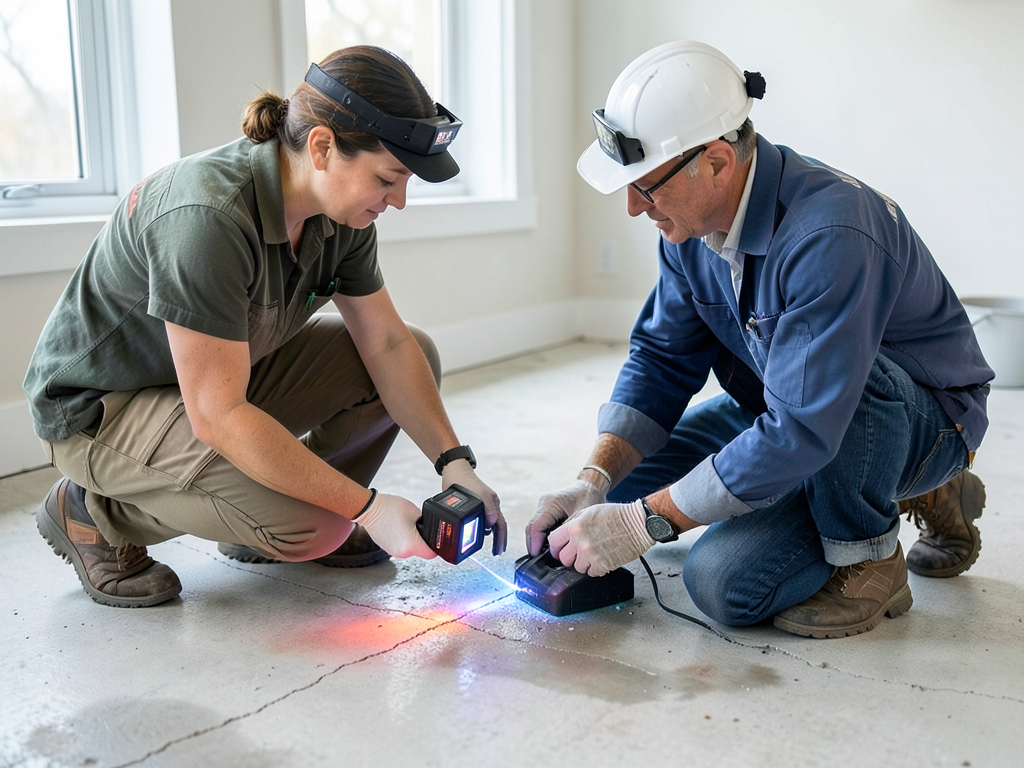
Call (314) 428-9977 today for a professional slab leak inspection. Our technicians use thermal imaging and acoustic detection equipment to find leaks without tearing up your floors.
7 Warning Signs of a Slab Leak in Your St. Louis Home
Understanding what to look for can help you catch a slab leak early. Here are the most common symptoms homeowners in Eureka and surrounding areas experience:
1. Unexplained High Water Bills
When water continuously leaks beneath your slab, your water meter keeps running even when you’re not using any fixtures. If your Missouri American Water bill suddenly spikes without explanation, you could have a hidden leak. The average household uses about 80-100 gallons per person daily, so any significant increase warrants investigation. Missouri soil testing information.
2. Warm or Hot Spots on Floors
Hot water line leaks create temperature variations you can feel through carpet, tile, or hardwood flooring. These spots often feel like a heating pad left on too long. In Eureka’s slab homes, these warm areas typically appear in bathrooms, kitchens, or laundry rooms where plumbing runs are concentrated. Water Damage Restoration Manchester.
3. Sound of Running Water
Place your ear against a wall or floor in a quiet room. If you hear water running when all taps are off, that’s a clear indicator of a leak. The sound might be faint or pronounced depending on the leak’s size and location beneath your foundation.. Read more about Finding the source of water coming under your McKinley Heights basement door.
4. Foundation Cracks or Shifts
Water eroding soil beneath your slab causes the foundation to settle unevenly. You might notice diagonal cracks in walls, doors that stick or won’t close properly, or visible gaps where walls meet floors. These structural changes often appear in homes over 15 years old in areas with heavy clay soil.
5. Damp Carpets or Baseboards
Water rising through concrete can make carpets feel damp or cause baseboards to swell and warp. You might also see efflorescence – a white, chalky substance on concrete floors where minerals are left behind as water evaporates. Efflorescence on Concrete.
6. Mold or Mildew Odors
Persistent musty smells in lower levels often indicate hidden moisture. Mold can grow within 24-48 hours of water exposure, and slab leaks create the perfect dark, damp environment for rapid growth. These odors are especially noticeable in finished basements or lower-level living spaces.
7. Low Water Pressure
If multiple fixtures experience reduced pressure simultaneously, a leak might be diverting water before it reaches your taps. This symptom often accompanies other signs like high bills or warm floor spots.
The Water Meter Test: Check for Leaks Yourself
Before calling a professional, you can perform a simple test to confirm whether you have a leak. Here’s how to do it:
- Turn Off All Water
Make sure no one uses any water for at least 30 minutes. This includes toilets, washing machines, ice makers, and outdoor spigots.
- Locate Your Water Meter
Most Eureka homes have meters in a ground-level box near the street or in a utility closet.
- Record the Initial Reading
Write down all numbers on the meter display, including the leak indicator (usually a small triangle or wheel).
- Wait 30 Minutes
Don’t use any water during this time.
- Check the Meter Again
If any numbers have changed or the leak indicator is moving, you have a leak somewhere in your system.
This test confirms a leak exists but doesn’t locate it. For that, you need professional electronic detection equipment.
Why St. Louis Homes Are at Risk: Local Soil and Climate Factors
Eureka sits in an area where Missouri’s clay-rich soil creates unique challenges for homeowners. This expansive clay absorbs water and swells, then dries and contracts with seasonal changes. This constant movement puts tremendous pressure on concrete slabs and the pipes beneath them. Who to Call When Your Pipes Burst in Kirkwood This Winter.
During wet seasons, the clay expands and pushes upward against your foundation. When it dries, it creates voids that allow pipes to shift and crack. The freeze-thaw cycles common in St. Louis winters compound this problem, causing pipes to expand and contract until they fail.
According to the Missouri Department of Natural Resources, many areas in St. Louis County have high water tables, especially near the Meramec River basin. This means groundwater is already close to the surface, increasing hydrostatic pressure on your foundation from below.
Older homes in Eureka often have copper pipes that corrode over time, especially when in contact with certain soil types. The combination of age, soil chemistry, and constant pressure creates the perfect conditions for slab leaks.
The Dangers of Delay: What Happens If You Ignore the Signs
Many homeowners make the mistake of waiting to see if the problem resolves itself. Here’s what actually happens when you delay slab leak repairs:
Structural Damage: Water erodes the soil supporting your foundation, causing uneven settling. What starts as a small leak can lead to major foundation repairs costing $10,000-$30,000 or more.
Mold Growth: Within 24-48 hours, mold begins growing in damp areas. Mold remediation can cost $2,000-$6,000 and poses serious health risks, especially for children and those with respiratory conditions.
Increased Repair Costs: A small leak that could be fixed for a few hundred dollars can turn into a major restoration project costing thousands if left unaddressed.
Property Value Impact: Unresolved water damage and foundation issues can reduce your home’s value by 10-30% and make it difficult to sell.
Insurance Complications: Many policies require prompt reporting of water damage. Delay can result in claim denial for secondary damage like mold.
What Happens Next: Professional Leak Detection and Restoration
When you call Patriot Water Damage Restoration, here’s what you can expect:
Step 1: Electronic Leak Detection
Our technicians use specialized equipment including:
- Acoustic sensors that listen for the sound of water escaping pipes
- Thermal imaging cameras that detect temperature variations caused by hot water leaks
- Moisture meters that measure water content in walls and floors
This non-invasive approach pinpoints the exact location of leaks without destructive testing.
Step 2: Damage Assessment
Once we locate the leak, we assess the extent of water damage using IICRC S500 standards for water damage restoration. This includes checking for:
- Moisture levels in subflooring and wall cavities
- Potential mold growth areas
- Structural integrity of the affected area
Step 3: Restoration Planning
We create a comprehensive plan that addresses both the plumbing repair and the water damage restoration. This might include:
- Water extraction and drying
- Mold remediation if needed
- Structural repairs
- Reconstruction of damaged areas
Call (314) 428-9977 now to schedule your emergency inspection. We offer 24/7 service throughout St. Louis County and can typically arrive within 2 hours of your call.
Frequently Asked Questions
How much does slab leak repair cost in St. Louis?
Repair costs vary widely depending on leak location and damage extent. Simple repairs might cost $500-$1,500, while major restoration projects can exceed $10,000. We provide free estimates after our initial inspection.
Does homeowners insurance cover slab leaks?
Coverage depends on your policy and the leak’s cause. Sudden pipe failures are often covered, but damage from corrosion or wear might not be. We can help you understand your coverage and work with your insurance company throughout the process.
How long does slab leak repair take?
Detection typically takes 1-2 hours. Repairs can range from a few hours for simple fixes to several days for major restoration work. We’ll give you a clear timeline after our initial assessment.
Can I stay in my home during repairs?
In most cases, yes. We work to minimize disruption and can often isolate work areas so you can remain in your home. For major projects, we’ll discuss temporary living arrangements if needed.
How can I prevent future slab leaks?
Regular plumbing inspections, maintaining consistent moisture levels around your foundation, and addressing small issues promptly can help prevent major problems. We also recommend annual foundation checks, especially for homes over 15 years old.
Don’t Let a Small Leak Become a Big Problem
Slab leaks are like silent destroyers – they work slowly but can cause catastrophic damage if left unchecked. The signs might seem minor at first: a slightly higher water bill, a warm spot on the floor, or a musty smell in the basement. But these are your home’s way of telling you something is wrong.
In Eureka’s clay-rich soil conditions, slab leaks are particularly common and particularly destructive. The longer you wait, the more extensive and expensive the damage becomes. What could be a simple repair today might require major foundation work next month.
Don’t gamble with your home’s structural integrity. Call (314) 428-9977 for a professional slab leak inspection. Our experienced technicians use state-of-the-art detection equipment to find and fix leaks quickly, minimizing damage and getting your home back to normal.
We serve all of St. Louis County, including Eureka, Wildwood, and surrounding areas. With 24/7 emergency service and a commitment to quality workmanship, Patriot Water Damage Restoration is your trusted partner in protecting your home from water damage.
Remember: the best time to address a slab leak is before it causes visible damage. If you’re experiencing any of the symptoms described in this article, don’t wait. Call us today and let our experts protect your home and your peace of mind.
{
“@context”: “https://schema.org”,
“@type”: “BlogPosting”,
“headline”: “Signs You Might Have a Slab Leak Under Your Eureka Home Foundation”,
“description”: “Spot the warning signs of a slab leak before it destroys your Eureka home. Learn the symptoms, causes, and why St. Louis clay soil makes your foundation vulnerable.”,
“wordCount”: 1738,
“datePublished”: “2026-03-23T07:08:00.000Z”,
“dateModified”: “2026-03-23T07:08:00.000Z”,
“inLanguage”: “en-US”,
“mainEntityOfPage”: {
“@type”: “WebPage”,
“@id”: “https://patriotwaterdamagerestorationstlouis.com”
},
“publisher”: {
“@type”: “LocalBusiness”,
“name”: “Patriot Water Damage Restoration St. Louis”,
“url”: “https://patriotwaterdamagerestorationstlouis.com”
},
“author”: {
“@type”: “Organization”,
“name”: “Patriot Water Damage Restoration St. Louis”,
“url”: “https://patriotwaterdamagerestorationstlouis.com”
},
“image”: {
“@type”: “ImageObject”,
“url”: “https://patriotwaterdamagerestorationstlouis.com/wp-content/uploads/2026/03/signs-you-might-have-a-slab-leak-under-your-eureka-1.png”
}
}
{
“@context”: “https://schema.org”,
“@type”: “LocalBusiness”,
“name”: “Patriot Water Damage Restoration St. Louis”,
“url”: “https://patriotwaterdamagerestorationstlouis.com”,
“address”: {
“@type”: “PostalAddress”,
“addressLocality”: “St. Louis”
},
“areaServed”: {
“@type”: “City”,
“name”: “St. Louis”
}
}
{
“@context”: “https://schema.org”,
“@type”: “FAQPage”,
“mainEntity”: [
{
“@type”: “Question”,
“name”: “How much does slab leak repair cost in St. Louis?”,
“acceptedAnswer”: {
“@type”: “Answer”,
“text”: “Repair costs vary widely depending on leak location and damage extent. Simple repairs might cost $500-$1,500, while major restoration projects can exceed $10,000. We provide free estimates after our initial inspection.”
}
},
{
“@type”: “Question”,
“name”: “Does homeowners insurance cover slab leaks?”,
“acceptedAnswer”: {
“@type”: “Answer”,
“text”: “Coverage depends on your policy and the leak’s cause. Sudden pipe failures are often covered, but damage from corrosion or wear might not be. We can help you understand your coverage and work with your insurance company throughout the process.”
}
},
{
“@type”: “Question”,
“name”: “How long does slab leak repair take?”,
“acceptedAnswer”: {
“@type”: “Answer”,
“text”: “Detection typically takes 1-2 hours. Repairs can range from a few hours for simple fixes to several days for major restoration work. We’ll give you a clear timeline after our initial assessment.”
}
},
{
“@type”: “Question”,
“name”: “Can I stay in my home during repairs?”,
“acceptedAnswer”: {
“@type”: “Answer”,
“text”: “In most cases, yes. We work to minimize disruption and can often isolate work areas so you can remain in your home. For major projects, we’ll discuss temporary living arrangements if needed.”
}
},
{
“@type”: “Question”,
“name”: “How can I prevent future slab leaks?”,
“acceptedAnswer”: {
“@type”: “Answer”,
“text”: “Regular plumbing inspections, maintaining consistent moisture levels around your foundation, and addressing small issues promptly can help prevent major problems. We also recommend annual foundation checks, especially for homes over 15 years old.”
}
}
]
}
{
“@context”: “https://schema.org”,
“@type”: “HowTo”,
“name”: “Water Meter Leak Detection”,
“step”: [
{
“@type”: “HowToStep”,
“position”: 1,
“name”: “Turn Off All Water”,
“text”: “Make sure no one uses any water for at least 30 minutes. This includes toilets, washing machines, ice makers, and outdoor spigots.”
},
{
“@type”: “HowToStep”,
“position”: 2,
“name”: “Locate Your Water Meter”,
“text”: “Most Eureka homes have meters in a ground-level box near the street or in a utility closet.”
},
{
“@type”: “HowToStep”,
“position”: 3,
“name”: “Record the Initial Reading”,
“text”: “Write down all numbers on the meter display, including the leak indicator (usually a small triangle or wheel).”
},
{
“@type”: “HowToStep”,
“position”: 4,
“name”: “Wait 30 Minutes”,
“text”: “Don’t use any water during this time.”
},
{
“@type”: “HowToStep”,
“position”: 5,
“name”: “Check the Meter Again”,
“text”: “If any numbers have changed or the leak indicator is moving, you have a leak somewhere in your system.”
}
],
“image”: “https://patriotwaterdamagerestorationstlouis.com/wp-content/uploads/2026/03/signs-you-might-have-a-slab-leak-under-your-eureka-1.png”
}
{
“@context”: “https://schema.org”,
“@type”: “BreadcrumbList”,
“itemListElement”: [
{
“@type”: “ListItem”,
“position”: 1,
“name”: “Home”,
“item”: “https://patriotwaterdamagerestorationstlouis.com”
},
{
“@type”: “ListItem”,
“position”: 2,
“name”: “Blog”,
“item”: “https://patriotwaterdamagerestorationstlouis.com/blog”
},
{
“@type”: “ListItem”,
“position”: 3,
“name”: “Signs You Might Have a Slab Leak Under Your Eureka Home Foundation”
}
]
}
{
“@context”: “https://schema.org”,
“@type”: “Service”,
“serviceType”: “Water Damage Restoration”,
“provider”: {
“@type”: “LocalBusiness”,
“name”: “Patriot Water Damage Restoration St. Louis”,
“url”: “https://patriotwaterdamagerestorationstlouis.com”
},
“areaServed”: {
“@type”: “City”,
“name”: “St. Louis”
},
“description”: “Spot the warning signs of a slab leak before it destroys your Eureka home. Learn the symptoms, causes, and why St. Louis clay soil makes your foundation vulnerable.”
}