
Why You Need to Check the Crawlspace Under Your Oakville Home for Standing Water Right Now
Standing water under your crawlspace is not just a nuisance. It is a structural threat that can cause thousands in damage before you even notice it. In Oakville Missouri the combination of heavy clay soil and frequent rain creates the perfect conditions for crawlspace flooding. If you have not checked under your home recently now is the time to act before mold spreads wood rots and your foundation shifts. Professional Water Extraction and Drying for St. Charles Residents.
The crawlspace under your home is like the lungs of your house. When it fills with water the damage spreads upward through the stack effect contaminating the air you breathe and weakening the structure above. Missouri’s clay-heavy soil expands when wet putting pressure on your foundation walls and creating cracks where more water can seep in. This cycle does not stop on its own. Without intervention standing water becomes a breeding ground for termites mold and rot.
Right now the risk is higher than ever. Recent storms have saturated the ground and the water table in Oakville remains elevated. Homes near the Meramec River corridor are especially vulnerable to sudden groundwater rise. Even if your crawlspace has never flooded before changing weather patterns and aging drainage systems mean today’s dry space could be tomorrow’s disaster zone.
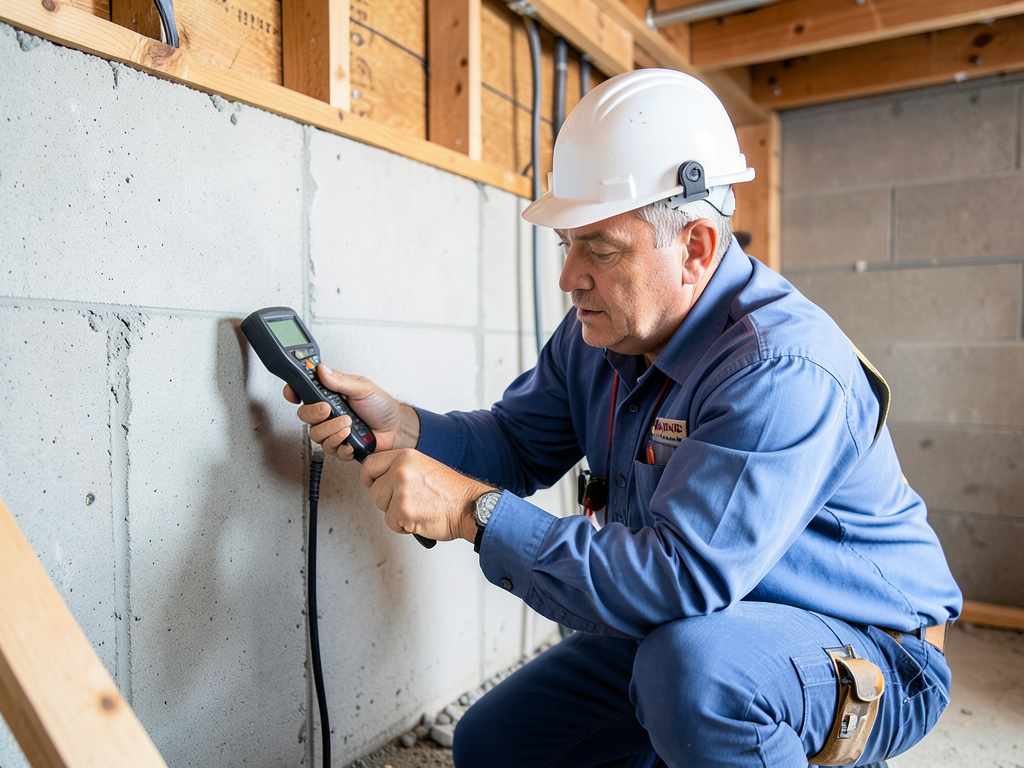
The good news is that early detection prevents most of the damage. A quick inspection with a flashlight can reveal standing water white mineral deposits (efflorescence) or damp insulation. If you see any of these signs professional drying and waterproofing can stop the damage before it spreads. The longer you wait the more expensive the repair becomes. Efflorescence on Concrete.
Do not let a hidden flood destroy your home from below. Call (314) 428-9977 for a free crawlspace inspection and keep your Oakville home safe and dry.
Immediate Triage What to Do If You Find Water Today
Finding standing water under your home can be alarming. Your first priority is safety. Never enter a flooded crawlspace without turning off electricity to that area. Water and electricity create a lethal combination. If you can access the crawlspace safely use a bright flashlight to assess the situation. Look for the source of the water and estimate the depth. Even a few inches can cause serious damage.
Document everything with photos. This evidence helps with insurance claims and gives professionals a clear starting point. If the water covers electrical outlets or you smell gas evacuate immediately and call emergency services. Do not attempt to pump out large volumes of water yourself. Improper removal can cause foundation walls to collapse due to sudden pressure changes. How to Get Your St. Louis Home Insurance to Actually Pay for Water Damage.
Place a call to (314) 428-9977 right away. Our team arrives within hours with commercial-grade pumps and moisture meters. We will assess the damage extract the water and begin the drying process before mold has a chance to establish. Time is critical. Mold can begin growing within 24 to 48 hours in a damp crawlspace.
While waiting for help you can improve ventilation by opening any existing vents. This helps reduce humidity but will not solve the underlying water problem. Avoid using household fans which can spread mold spores throughout your home. Our professional drying equipment includes HEPA filtration to contain contaminants.
If you must delay professional help place moisture-absorbing products like desiccants near the affected area. These will not fix the problem but can slow additional damage. Remember that visible water is often just the tip of the iceberg. Moisture can hide in insulation wood framing and soil creating ongoing problems even after surface water disappears.
Common Causes of Crawlspace Flooding in St. Louis
Understanding why your crawlspace floods helps prevent future problems. In Oakville and surrounding St. Louis County the primary culprit is our expansive clay soil. This soil type known locally as Missouri red clay absorbs water like a sponge and expands dramatically. When it rains the soil swells and pushes against foundation walls. When it dries it contracts creating gaps where water can enter. St. Louis County building codes.
Hydrostatic pressure builds when the ground becomes saturated. Water seeks the path of least resistance often finding its way through tiny cracks in your foundation. Over time these cracks widen allowing more water to enter with each rainfall. The problem compounds because wet soil stays wet longer in shaded crawlspaces with poor ventilation.
Gutter and downspout failures contribute significantly to crawlspace flooding. When downspouts discharge water within five feet of your foundation that water seeps directly into the soil surrounding your crawlspace. Clogged gutters overflow dumping hundreds of gallons near your foundation during a single storm. Proper drainage directs water at least ten feet away from your home.
Plumbing leaks from supply lines or drain pipes create another common source of crawlspace water. A small drip under your bathroom or kitchen can saturate the soil beneath your home for months before you notice. By the time you see water the damage is already extensive. Regular plumbing inspections catch these problems early. Who to Call When Your Pipes Burst in Kirkwood This Winter.
High water table conditions affect homes near the Meramec River and its tributaries. During wet seasons groundwater rises and can seep up through the crawlspace floor. This natural phenomenon requires specialized solutions like sump pumps and French drains. Without proper mitigation seasonal flooding becomes a recurring problem that damages your home year after year.
The Risks of Ignoring Standing Water
Standing water under your home creates a cascade of problems that affect your entire house. The first and most immediate risk is structural damage. Water weakens wooden floor joists and beams causing them to rot and lose their load-bearing capacity. This can lead to sagging floors cracked walls and doors that no longer close properly.
Mold growth represents another serious threat to your health and home value. The dark damp environment of a flooded crawlspace provides ideal conditions for mold and mildew. These fungi release spores that travel through your home via the stack effect potentially causing respiratory problems allergic reactions and other health issues. Black mold in particular can be toxic and expensive to remediate.
Pest infestations often follow water damage. Termites are attracted to damp wood and can cause catastrophic structural damage if left unchecked. Other pests like carpenter ants rodents and silverfish also thrive in moist environments. Once established these pests are difficult to eliminate and can spread throughout your home.
Foundation problems develop gradually but can become severe quickly. Water erodes soil beneath your foundation creating voids that cause settling and cracking. In freeze-thaw cycles common to St. Louis water in cracks expands when frozen widening the damage each winter. This process can compromise your home’s structural integrity within a few seasons.
Decreased property value is another consequence of crawlspace water damage. Potential buyers and home inspectors flag water issues immediately. Even if you have repaired the damage the history of flooding can reduce your home’s market value and make it harder to sell. Professional documentation of repairs helps but does not completely erase the stigma of past water problems.
Professional Remediation Process
When you call (314) 428-9977 for crawlspace water damage we follow a systematic process that addresses both immediate and long-term concerns. Our first step is a comprehensive assessment using moisture meters thermal imaging cameras and visual inspection. We identify all sources of water intrusion not just the obvious ones. This thorough approach prevents recurring problems.
Water extraction begins immediately using commercial-grade submersible pumps and truck-mounted extraction units. We remove standing water quickly to prevent further absorption into building materials. Our equipment can extract thousands of gallons per hour significantly faster than rental units available to homeowners. Speed matters because every hour of delay increases the risk of mold growth.
Drying involves industrial air movers and dehumidifiers placed strategically throughout the crawlspace. We monitor moisture levels daily using professional-grade meters until wood moisture content drops below 16 percent the threshold for preventing mold growth. This process typically takes three to five days depending on the extent of saturation and current weather conditions.
Antimicrobial treatment follows the drying phase. We apply EPA-registered fungicides and antimicrobial solutions to all affected surfaces. This prevents mold spores from establishing colonies in the newly dried environment. Our treatments are safe for your home but lethal to mold bacteria and other microorganisms that thrive in damp conditions.
Structural repairs address any damage discovered during the assessment. This may include replacing rotted wood reinforcing weakened joists or repairing foundation cracks. We use pressure-treated lumber and moisture-resistant materials to prevent future problems. All repairs comply with St. Louis County building codes and are documented for your records.
Preventative solutions complete the process. We install vapor barriers on crawlspace floors seal foundation vents if needed and recommend drainage improvements outside your home. Many customers also opt for sump pump installation with battery backup systems. These measures protect your investment and provide peace of mind during future storms.
Preventative Solutions for Missouri Homeowners
Preventing crawlspace flooding is more cost-effective than repairing damage after the fact. The most comprehensive solution is crawlspace encapsulation. This process involves sealing the entire crawlspace with heavy-duty vapor barriers insulating walls and installing a dehumidifier. Encapsulation transforms your crawlspace from a liability into a controlled environment that protects your home.
Sump pump systems provide active water removal when flooding occurs. A properly installed sump pump with a battery backup can handle thousands of gallons of water automatically. We recommend dual-pump systems for added redundancy. One pump serves as a primary unit while the second activates if the first fails or cannot keep up with inflow volume.
French drains redirect groundwater away from your foundation before it can enter your crawlspace. These underground drainage systems consist of perforated pipes surrounded by gravel installed along the foundation perimeter. Water flows into the pipes and is carried away from your home to a safe discharge point. French drains work especially well in areas with high clay content soil.
Proper grading around your home ensures water flows away from not toward your foundation. The ground should slope away from your house at a minimum of six inches over ten feet. This simple fix costs little but prevents countless water problems. We often discover improper grading during our inspections and can correct it as part of our remediation services.
Regular maintenance prevents many crawlspace problems before they start. Clean your gutters twice yearly extend downspouts at least ten feet from your foundation and inspect your crawlspace every few months. Look for new cracks water stains or changes in humidity levels. Early detection allows for simple fixes rather than major repairs.
Professional inspections provide peace of mind and catch problems you might miss. Our technicians are trained to spot early warning signs of water damage pest activity and structural issues. We provide detailed reports with photos and recommendations helping you make informed decisions about your home’s maintenance and protection.
Understanding Your Insurance Coverage
Water damage insurance coverage can be confusing especially when it comes to crawlspace flooding. Most standard homeowners policies cover sudden and accidental water damage but exclude gradual seepage or flooding from external sources. This distinction is critical because many crawlspace problems develop slowly over time.
Seepage through foundation walls typically falls under the category of excluded damage. Insurance companies consider this a maintenance issue rather than a sudden event. However if a pipe bursts and floods your crawlspace that sudden discharge is usually covered. Understanding these nuances helps you make informed decisions about prevention and documentation.
Flood insurance through the National Flood Insurance Program covers rising water from external sources like rivers or storm surge. However it does not cover water that enters through foundation walls or floor cracks. For comprehensive protection you may need both a standard homeowners policy and a separate flood insurance policy depending on your location and risk factors. National Flood Insurance Program.
Documentation is crucial when filing water damage claims. Take photos immediately when you discover the problem keep receipts for any emergency measures you take and maintain records of previous inspections and repairs. This paper trail helps establish the sudden nature of the damage and supports your claim for coverage.
Professional water damage companies often assist with insurance claims. We provide detailed damage assessments repair estimates and documentation that insurance companies require. Our experience with local insurance providers helps streamline the claims process and ensures you receive fair compensation for covered damages.
Prevention can also affect your insurance rates. Some companies offer discounts for homes with sump pumps French drains or other water mitigation systems. These discounts can offset the cost of preventative measures over time. Ask your insurance agent about available discounts and whether your current coverage adequately protects against crawlspace flooding risks.
Local Building Codes and Requirements
St. Louis County and the state of Missouri have specific building code requirements that affect crawlspace construction and repair. The International Residential Code (IRC) Section R408 governs crawlspace construction requiring minimum clearance heights ventilation standards and access requirements. Local amendments may add additional requirements for our region’s specific conditions.
Vapor barrier requirements are particularly important in our humid climate. The IRC mandates a minimum six-mil polyethylene vapor barrier on crawlspace floors but many professionals recommend heavier 12-mil or 20-mil barriers for better durability and moisture protection. The barrier must cover the entire floor and extend up foundation walls at least six inches.
Ventilation requirements have evolved as building science has advanced. Traditional codes required one square foot of ventilation for every 150 square feet of crawlspace. However recent research shows that in humid climates like ours ventilation can actually increase moisture problems by introducing humid outdoor air. Many modern installations seal vents and use mechanical dehumidification instead.
Electrical requirements for sump pumps and dehumidifiers are governed by the National Electrical Code (NEC). All crawlspace electrical installations must include GFCI protection due to the damp environment. Wiring must be rated for damp locations and all connections must be accessible for inspection and maintenance.
Permitting requirements vary by municipality but generally apply to structural repairs electrical work and major waterproofing projects. St. Louis County requires permits for most crawlspace modifications that affect the home’s structure or systems. Working with licensed professionals ensures your project complies with all applicable codes and passes inspection.
Historic district considerations may affect crawlspace work in older Oakville neighborhoods. If your home is in a designated historic area modifications may require additional approvals to ensure they do not compromise the home’s historical character. Professional contractors familiar with local historic preservation guidelines can navigate these requirements successfully. Removing Mold from Historic Central West End Homes Without Damaging the Architecture.
The Cost of Professional vs. DIY Solutions
Many homeowners consider DIY solutions for crawlspace water problems to save money. While some preventive measures like gutter cleaning are suitable for DIY water damage remediation requires professional equipment and expertise. The cost difference between professional and DIY solutions often reflects the difference in effectiveness and long-term results.
Professional water extraction equipment can remove water much faster than household pumps. A commercial-grade submersible pump can move 3000 to 5000 gallons per hour while a typical rental unit manages only 500 to 1000 gallons per hour. This speed difference can mean the difference between salvageable materials and total loss.
Moisture detection technology used by professionals identifies hidden water that DIY methods miss. Thermal imaging cameras reveal temperature differences that indicate moisture behind walls or under floors. Moisture meters provide quantitative data about drying progress. Without these tools you might think your crawlspace is dry when significant moisture remains trapped in materials.
Professional antimicrobial treatments use commercial-grade products that are more effective than consumer alternatives. These treatments not only kill existing mold but also prevent its return for extended periods. DIY treatments often provide only temporary relief and may not address the underlying moisture problem that allows mold to return.
The cost of professional remediation varies based on the extent of damage but most homeowners find it worthwhile compared to the cost of DIY failure. A typical crawlspace drying and treatment project ranges from $1500 to $5000 depending on size and severity. This investment prevents much more expensive structural repairs and health problems down the road.
Insurance considerations also affect the cost equation. Many insurance policies require professional remediation to validate claims. DIY attempts might void coverage or result in claim denials. Professional companies also provide documentation that satisfies insurance requirements and helps you recover your costs through your policy.
Time is another cost factor often overlooked in DIY calculations. What might take a homeowner several weekends to accomplish professionals can complete in a few days. This faster restoration means less disruption to your life and quicker return to normal use of your home. For many busy homeowners the time savings alone justify professional service.
Choosing the Right Professional
Not all water damage restoration companies have the same level of expertise or equipment. When selecting a professional for your crawlspace water problems look for specific qualifications and experience. IICRC (Institute of Inspection Cleaning and Restoration Certification) certification indicates that technicians have completed rigorous training in water damage restoration techniques. IICRC certification.
Local experience matters significantly in our climate. Companies familiar with St. Louis’s clay soil humidity patterns and building practices understand the unique challenges our area presents. They know which solutions work best in our specific conditions and can anticipate problems that out-of-area companies might miss.
Equipment quality directly affects results. Professional companies invest in commercial-grade extraction pumps industrial dehumidifiers and specialized drying equipment. Ask potential contractors about their equipment and whether they own it or rent it for each job. Companies that invest in their own equipment demonstrate commitment to the industry and ability to respond quickly to emergencies.
Insurance and licensing protect you as a homeowner. Verify that any contractor you hire carries both general liability and workers’ compensation insurance. Check their license status with the Missouri Department of Commerce and Insurance. These protections ensure you will not be liable for accidents or damage that occur during the remediation process.
References and reviews provide insight into a company’s reliability and quality of work. Look for companies with consistent positive feedback about their responsiveness professionalism and results. Be wary of companies with only perfect reviews as these may be fabricated. A mix of reviews with thoughtful responses to negative feedback often indicates a company that stands behind its work.
Written estimates and guarantees demonstrate professionalism and accountability. A reputable company provides detailed written estimates that break down all costs and explain the proposed work. They should also offer guarantees on their work typically covering mold prevention for a specified period after treatment. These written commitments protect your investment and ensure you receive the promised service.
Long-Term Maintenance and Monitoring
After addressing immediate water problems establishing a long-term maintenance plan prevents future issues. Regular crawlspace inspections every three to six months allow you to catch problems early. Look for new water stains changes in humidity levels or signs of pest activity. A flashlight moisture meter and good camera help document conditions over time.
Dehumidifier maintenance ensures continued protection in encapsulated crawlspaces. Most units require filter changes every few months and annual professional servicing. Check the collection bucket regularly and monitor humidity readings to ensure the unit maintains levels below 60 percent relative humidity. Higher humidity encourages mold growth even in sealed environments.
Sump pump testing should occur quarterly to ensure reliability when needed. Pour water into the sump pit to verify the pump activates automatically. Check the discharge pipe for blockages and ensure it directs water away from your foundation. Battery backup systems require periodic testing and battery replacement every two to three years.
Exterior maintenance complements interior protection. Keep gutters clean and free-flowing extend downspouts as needed and maintain proper grading around your home. These measures reduce the water load on your foundation and crawlspace protection systems. Simple actions like these often prevent the majority of crawlspace water problems.
Seasonal considerations affect crawlspace conditions throughout the year. Spring rains bring the highest risk of flooding while summer humidity increases mold growth potential. Fall is ideal for inspections and maintenance before winter freeze-thaw cycles can cause new problems. Winter cold can cause pipes to freeze and burst creating sudden water emergencies.
Professional monitoring services provide ongoing protection for high-risk homes. Some companies offer annual or semi-annual inspection contracts that include moisture readings pest checks and system testing. These proactive services catch developing problems before they cause damage often saving homeowners significant repair costs over time.
Documentation helps track your crawlspace’s condition over time. Keep records of inspections repairs and maintenance activities. Note any changes in humidity levels water intrusion patterns or structural conditions. This information helps professionals diagnose problems more quickly and provides valuable context if you ever need to file an insurance claim.
Frequently Asked Questions
How much does it cost to fix standing water in a crawlspace?
The cost varies widely based on the extent of damage and required repairs. Simple water extraction might cost $500 to $1500 while comprehensive remediation including drying mold treatment and structural repairs typically ranges from $2000 to $6000. Encapsulation projects cost $5000 to $15000 but provide long-term protection.
Can I fix crawlspace water problems myself?
Minor issues like cleaning gutters or extending downspouts are suitable for DIY. However standing water mold remediation and structural repairs require professional equipment and expertise. DIY attempts often miss hidden moisture leading to recurring problems and potentially higher costs than professional service would have been initially.
How long does it take for mold to grow in standing water?
Mold can begin growing within 24 to 48 hours in a damp crawlspace environment. Once established mold colonies spread rapidly through spore production. This quick growth timeline makes immediate water removal critical for preventing mold problems that are much more expensive to remediate than the original water damage.
Will my homeowners insurance cover crawlspace flooding?
Coverage depends on the water source. Sudden pipe bursts are usually covered while gradual seepage through foundation walls is typically excluded as a maintenance issue. External flooding may require separate flood insurance. Check your policy details and consider additional coverage if you are in a high-risk area.
How can I tell if my crawlspace has water damage if I cannot see it?
Signs include musty odors in your home increased humidity levels sagging floors or higher than normal heating and cooling costs. Professional moisture meters and thermal imaging can detect hidden water damage. If you suspect problems but cannot verify them a professional inspection provides definitive answers.
What is the best way to prevent crawlspace flooding?
The most effective prevention combines exterior drainage improvements with interior protection systems. This includes proper grading functional gutters and downspouts French drains if needed and a sump pump with battery backup. For maximum protection consider crawlspace encapsulation with a dehumidifier to control moisture levels year-round.
How often should I check my crawlspace for water problems?
Inspect your crawlspace every three to six months with additional checks after heavy rains or seasonal changes. Look for water stains efflorescence damp insulation or changes in humidity levels. If you notice musty odors in your home that is often the first sign of crawlspace moisture problems.
Is standing water in a crawlspace dangerous?
Yes standing water creates multiple hazards. It can cause structural damage promote mold growth that affects your health attract termites and other pests and create electrical safety risks. Even small amounts of standing water can lead to significant problems if left unaddressed for more than a few days.
What should I do if I find standing water in my crawlspace?
First ensure your safety by turning off electricity to that area. Document the damage with photos then call a professional water damage restoration company immediately. Avoid entering the crawlspace yourself as there may be electrical hazards or contaminated water. Quick professional response prevents further damage and mold growth.
How do I know if my crawlspace needs encapsulation?
Consider encapsulation if you have recurring moisture problems live in a high-humidity area or want maximum protection for your home. Signs that suggest encapsulation would help include persistent dampness mold growth high humidity in your living space above or cold floors in winter due to inadequate insulation.
Conclusion
Standing water in your Oakville crawlspace is more than an inconvenience. It is a serious threat to your home’s structure your family’s health and your financial investment. The unique combination of Missouri’s clay soil frequent rainfall and seasonal humidity creates conditions where crawlspace flooding can occur even in well-maintained homes.
The key to protecting your home is awareness and prompt action. Regular inspections can catch problems early when they are less expensive to fix. Understanding the causes of crawlspace flooding helps you implement effective prevention strategies. And knowing when to call professionals can save you thousands in repair costs and prevent health hazards.
Do not wait until you notice sagging floors or musty odors to address crawlspace water problems. By then significant damage has already occurred. Take action today by scheduling a professional inspection of your crawlspace. Our team at Patriot Water Damage Restoration has the experience equipment and local knowledge to protect your Oakville home from water damage.
Remember that water damage does not improve with time. Each day of delay allows moisture to spread deeper into your home’s structure and increases the risk of mold growth. Whether you have just discovered standing water or want to prevent future problems we are here to help.
Call (314) 428-9977 today to schedule your free crawlspace inspection. Our experienced technicians will assess your situation explain your options clearly and provide a detailed plan to keep your home safe and dry. Do not let a hidden flood destroy your home from below. Take action now and protect your investment for years to come.
Your home deserves the best protection available. With professional water damage restoration services from Patriot Water Damage Restoration you can have confidence that your crawlspace and everything above it will remain safe dry and healthy regardless of what Missouri weather brings.
Pick up the phone and call (314) 428-9977 before the next storm hits. Your home’s foundation and your family’s health depend on it.
- Ensure Safety First
Turn off electricity to the crawlspace area before entering. Wear protective clothing including gloves long sleeves and a dust mask. Bring a bright flashlight and moisture meter if available.
- Visual Inspection
Look for standing water water stains on foundation walls or damp insulation. Check for white mineral deposits (efflorescence) which indicate past water intrusion. Examine wood beams for discoloration or soft spots.
- Check Ventilation
Ensure vents are clear of debris and not blocked by insulation or stored items. Poor ventilation contributes to moisture problems even when no standing water is present.
- Document Findings
Take photos of any water stains or damage you discover. Note the date and any recent weather events that might have contributed to the problem. This documentation helps professionals assess the situation.
- Measure Humidity
If you have a hygrometer check the relative humidity. Levels above 60 percent indicate moisture problems that need addressing. Even without visible water high humidity can cause mold growth and wood rot.
- Call for Professional Help
If you find standing water high humidity or signs of damage contact Patriot Water Damage Restoration at (314) 428-9977. Professional assessment and remediation prevent further damage and protect your home’s value.
| Problem Type | DIY Solutions | Professional Solutions | Success Rate |
|---|---|---|---|
| Minor Moisture | Dehumidifier improved ventilation | Professional assessment targeted repairs | 60-70% |
| Standing Water | Household pump fans | Commercial extraction industrial drying | 30-40% |
| Mold Growth | Consumer fungicides | Professional remediation antimicrobial treatment | 20-30% |
| Structural Damage | Limited reinforcement | Code-compliant repairs prevention systems | 10-20% |
| Recurring Problems | Spot fixes | Comprehensive solution encapsulation | 90-95% |
| Equipment Type | DIY Capacity | Professional Capacity | Cost Range |
|---|---|---|---|
| Water Extraction | 500-1000 GPH | 3000-5000 GPH | $50-100 rental vs $2000-5000 service |
| Dehumidification | 30-70 PPD | 150-300 PPD | $200-400 rental vs $1500-3000 service |
| Air Movement | 3-5 fans | Industrial air movers | $100-200 rental vs $500-1000 service |
| Moisture Detection | Basic meter | Thermal imaging multiple meters | $50-100 vs included in service |
| Antimicrobial Treatment | Consumer products | Commercial-grade EPA registered | $100-200 vs $500-1500 service |
{
“@context”: “https://schema.org”,
“@type”: “BlogPosting”,
“headline”: “Why You Need to Check the Crawlspace Under Your Oakville Home for Standing Water Right Now”,
“description”: “Protect your Oakville home from crawlspace flooding. Learn about Missouri clay soil risks, local water table issues, and when to call (314) 428-9977 for professional help.”,
“wordCount”: 4712,
“datePublished”: “2026-03-09T15:56:00.000Z”,
“dateModified”: “2026-03-09T15:56:00.000Z”,
“inLanguage”: “en-US”,
“mainEntityOfPage”: {
“@type”: “WebPage”,
“@id”: “https://patriotwaterdamagerestorationstlouis.com”
},
“publisher”: {
“@type”: “LocalBusiness”,
“name”: “Patriot Water Damage Restoration St. Louis”,
“url”: “https://patriotwaterdamagerestorationstlouis.com”
},
“author”: {
“@type”: “Organization”,
“name”: “Patriot Water Damage Restoration St. Louis”,
“url”: “https://patriotwaterdamagerestorationstlouis.com”
},
“image”: {
“@type”: “ImageObject”,
“url”: “https://patriotwaterdamagerestorationstlouis.com/wp-content/uploads/2026/03/why-you-need-to-check-the-crawlspace-under-your-oa-1.png”
}
}
{
“@context”: “https://schema.org”,
“@type”: “LocalBusiness”,
“name”: “Patriot Water Damage Restoration St. Louis”,
“url”: “https://patriotwaterdamagerestorationstlouis.com”,
“address”: {
“@type”: “PostalAddress”,
“addressLocality”: “St. Louis”
},
“areaServed”: {
“@type”: “City”,
“name”: “St. Louis”
}
}
{
“@context”: “https://schema.org”,
“@type”: “FAQPage”,
“mainEntity”: [
{
“@type”: “Question”,
“name”: “How much does it cost to fix standing water in a crawlspace?”,
“acceptedAnswer”: {
“@type”: “Answer”,
“text”: “The cost varies widely based on the extent of damage and required repairs. Simple water extraction might cost $500 to $1500 while comprehensive remediation including drying mold treatment and structural repairs typically ranges from $2000 to $6000. Encapsulation projects cost $5000 to $15000 but provide long-term protection.”
}
},
{
“@type”: “Question”,
“name”: “Can I fix crawlspace water problems myself?”,
“acceptedAnswer”: {
“@type”: “Answer”,
“text”: “Minor issues like cleaning gutters or extending downspouts are suitable for DIY. However standing water mold remediation and structural repairs require professional equipment and expertise. DIY attempts often miss hidden moisture leading to recurring problems and potentially higher costs than professional service would have been initially.”
}
},
{
“@type”: “Question”,
“name”: “How long does it take for mold to grow in standing water?”,
“acceptedAnswer”: {
“@type”: “Answer”,
“text”: “Mold can begin growing within 24 to 48 hours in a damp crawlspace environment. Once established mold colonies spread rapidly through spore production. This quick growth timeline makes immediate water removal critical for preventing mold problems that are much more expensive to remediate than the original water damage.”
}
},
{
“@type”: “Question”,
“name”: “Will my homeowners insurance cover crawlspace flooding?”,
“acceptedAnswer”: {
“@type”: “Answer”,
“text”: “Coverage depends on the water source. Sudden pipe bursts are usually covered while gradual seepage through foundation walls is typically excluded as a maintenance issue. External flooding may require separate flood insurance. Check your policy details and consider additional coverage if you are in a high-risk area.”
}
},
{
“@type”: “Question”,
“name”: “How can I tell if my crawlspace has water damage if I cannot see it?”,
“acceptedAnswer”: {
“@type”: “Answer”,
“text”: “Signs include musty odors in your home increased humidity levels sagging floors or higher than normal heating and cooling costs. Professional moisture meters and thermal imaging can detect hidden water damage. If you suspect problems but cannot verify them a professional inspection provides definitive answers.”
}
},
{
“@type”: “Question”,
“name”: “What is the best way to prevent crawlspace flooding?”,
“acceptedAnswer”: {
“@type”: “Answer”,
“text”: “The most effective prevention combines exterior drainage improvements with interior protection systems. This includes proper grading functional gutters and downspouts French drains if needed and a sump pump with battery backup. For maximum protection consider crawlspace encapsulation with a dehumidifier to control moisture levels year-round.”
}
},
{
“@type”: “Question”,
“name”: “How often should I check my crawlspace for water problems?”,
“acceptedAnswer”: {
“@type”: “Answer”,
“text”: “Inspect your crawlspace every three to six months with additional checks after heavy rains or seasonal changes. Look for water stains efflorescence damp insulation or changes in humidity levels. If you notice musty odors in your home that is often the first sign of crawlspace moisture problems.”
}
},
{
“@type”: “Question”,
“name”: “Is standing water in a crawlspace dangerous?”,
“acceptedAnswer”: {
“@type”: “Answer”,
“text”: “Yes standing water creates multiple hazards. It can cause structural damage promote mold growth that affects your health attract termites and other pests and create electrical safety risks. Even small amounts of standing water can lead to significant problems if left unaddressed for more than a few days.”
}
},
{
“@type”: “Question”,
“name”: “What should I do if I find standing water in my crawlspace?”,
“acceptedAnswer”: {
“@type”: “Answer”,
“text”: “First ensure your safety by turning off electricity to that area. Document the damage with photos then call a professional water damage restoration company immediately. Avoid entering the crawlspace yourself as there may be electrical hazards or contaminated water. Quick professional response prevents further damage and mold growth.”
}
},
{
“@type”: “Question”,
“name”: “How do I know if my crawlspace needs encapsulation?”,
“acceptedAnswer”: {
“@type”: “Answer”,
“text”: “Consider encapsulation if you have recurring moisture problems live in a high-humidity area or want maximum protection for your home. Signs that suggest encapsulation would help include persistent dampness mold growth high humidity in your living space above or cold floors in winter due to inadequate insulation.”
}
}
]
}
{
“@context”: “https://schema.org”,
“@type”: “HowTo”,
“name”: “How to Check Your Crawlspace for Water”,
“step”: [
{
“@type”: “HowToStep”,
“position”: 1,
“name”: “Ensure Safety First”,
“text”: “Turn off electricity to the crawlspace area before entering. Wear protective clothing including gloves long sleeves and a dust mask. Bring a bright flashlight and moisture meter if available.”
},
{
“@type”: “HowToStep”,
“position”: 2,
“name”: “Visual Inspection”,
“text”: “Look for standing water water stains on foundation walls or damp insulation. Check for white mineral deposits (efflorescence) which indicate past water intrusion. Examine wood beams for discoloration or soft spots.”
},
{
“@type”: “HowToStep”,
“position”: 3,
“name”: “Check Ventilation”,
“text”: “Ensure vents are clear of debris and not blocked by insulation or stored items. Poor ventilation contributes to moisture problems even when no standing water is present.”
},
{
“@type”: “HowToStep”,
“position”: 4,
“name”: “Document Findings”,
“text”: “Take photos of any water stains or damage you discover. Note the date and any recent weather events that might have contributed to the problem. This documentation helps professionals assess the situation.”
},
{
“@type”: “HowToStep”,
“position”: 5,
“name”: “Measure Humidity”,
“text”: “If you have a hygrometer check the relative humidity. Levels above 60 percent indicate moisture problems that need addressing. Even without visible water high humidity can cause mold growth and wood rot.”
},
{
“@type”: “HowToStep”,
“position”: 6,
“name”: “Call for Professional Help”,
“text”: “If you find standing water high humidity or signs of damage contact Patriot Water Damage Restoration at (314) 428-9977. Professional assessment and remediation prevent further damage and protect your home’s value.”
}
],
“image”: “https://patriotwaterdamagerestorationstlouis.com/wp-content/uploads/2026/03/why-you-need-to-check-the-crawlspace-under-your-oa-1.png”
}
{
“@context”: “https://schema.org”,
“@type”: “BreadcrumbList”,
“itemListElement”: [
{
“@type”: “ListItem”,
“position”: 1,
“name”: “Home”,
“item”: “https://patriotwaterdamagerestorationstlouis.com”
},
{
“@type”: “ListItem”,
“position”: 2,
“name”: “Blog”,
“item”: “https://patriotwaterdamagerestorationstlouis.com/blog”
},
{
“@type”: “ListItem”,
“position”: 3,
“name”: “Why You Need to Check the Crawlspace Under Your Oakville Home for Standing Water Right Now”
}
]
}
{
“@context”: “https://schema.org”,
“@type”: “Service”,
“serviceType”: “Water Damage Restoration”,
“provider”: {
“@type”: “LocalBusiness”,
“name”: “Patriot Water Damage Restoration St. Louis”,
“url”: “https://patriotwaterdamagerestorationstlouis.com”
},
“areaServed”: {
“@type”: “City”,
“name”: “St. Louis”
},
“description”: “Protect your Oakville home from crawlspace flooding. Learn about Missouri clay soil risks, local water table issues, and when to call (314) 428-9977 for professional help.”
}