
What to do when the bathroom overflows in a high-rise Clayton condo
Water spreading across your Clayton condo bathroom floor creates immediate panic. You need to act fast to protect your unit and the ones below. This guide walks you through the critical first steps when a toilet, sink, or shower backs up in your high-rise unit. Professional Water Extraction and Drying for St. Charles Residents.
Immediate actions that stop damage fast
Turn off the water supply valve behind the toilet or under the sink. If you cannot locate it, shut off the main valve in your unit. Remove standing water with towels or a wet vacuum if you have one. Do not use electrical devices near the water. Document everything with photos for your insurance claim. How to Get Your St. Louis Home Insurance to Actually Pay for Water Damage.
Why high-rise condo overflows require special handling
Water in a high-rise does not stay contained. Gravity pulls it through ceiling penetrations, light fixtures, and electrical boxes. A Clayton condo bathroom overflow can affect units on floors below within minutes. The shared plumbing stack means a blockage in your unit can back up into others. Water Damage Restoration Manchester.
Clayton building codes require fire-rated walls between units. These walls slow water migration but do not stop it completely. Water finds paths through gaps around pipes, vents, and electrical conduits. The longer water sits, the more it seeps into drywall, hardwood floors, and cabinetry. Who to Call When Your Pipes Burst in Kirkwood This Winter.
Understanding your HOA and insurance responsibilities
Clayton condo associations typically follow the “walls-in” policy. You own and maintain everything inside your unit walls. The association owns and maintains the building exterior and common areas. When bathroom water damages your unit, your HO-6 policy covers repairs to your personal property and interior finishes. HO-6 insurance policy.
If the overflow originates from a common area pipe or affects neighboring units, the association’s master policy may cover structural repairs. Missouri law requires condo associations to maintain adequate insurance for common elements. However, your personal property and upgrades need separate coverage.
Contact your HOA property manager immediately after stopping the water. Clayton buildings have specific protocols for water incidents. Some require you to use approved vendors or follow specific reporting procedures. Failure to comply can delay restoration and create liability issues. Water Damage Restoration Florissant.
Professional water damage restoration process
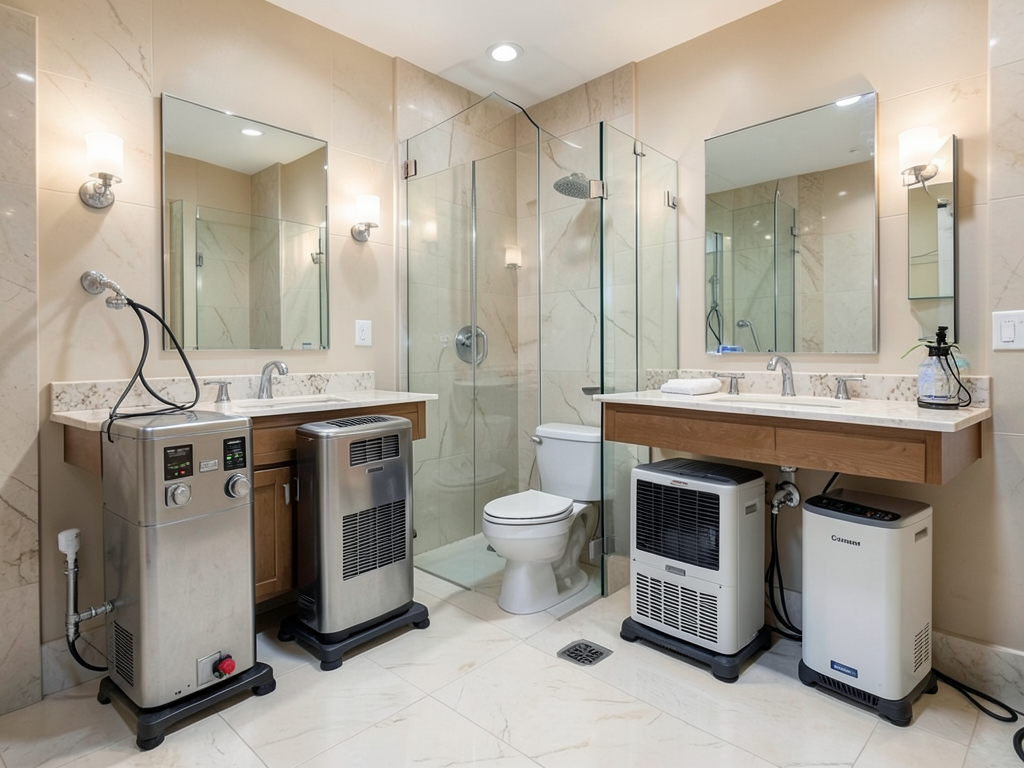
Professional restoration follows a systematic approach. First, technicians extract standing water using truck-mounted or portable extraction units. High-rise buildings often require portable equipment due to elevator size restrictions and parking limitations on Hanley Road.
Next, they set up containment barriers to prevent cross-contamination between units. Clayton condos often have open floor plans where water can spread quickly. Containment also protects neighbors from dust and debris during demolition.
Industrial-grade dehumidifiers and air movers then dry the structure. High-rise units need careful monitoring because shared walls retain moisture longer than single-family homes. Technicians use moisture meters to track progress and ensure complete drying.
Protecting luxury finishes common in Clayton condos
Clayton high-rise units often feature premium materials. Water damages hardwood flooring by causing warping, cupping, and staining. Engineered hardwood can delaminate if moisture penetrates the layers. Custom cabinetry made from solid wood absorbs water and swells at joints.
Natural stone countertops like marble and granite can develop water stains if not sealed properly. Metal fixtures may corrode when exposed to contaminated water. High-end tile installations with custom grout colors require specialized cleaning to avoid discoloration.
Professional restorers use specialized techniques for luxury materials. They may remove and dry hardwood planks individually to prevent permanent damage. Custom cabinetry might require disassembly for thorough drying behind panels where moisture hides.
Category 1, 2, and 3 water classifications
Water damage professionals classify water contamination into three categories. Category 1 water comes from clean sources like broken supply lines. Category 2 water contains significant contamination and can cause discomfort or illness. Category 3 water is grossly contaminated and can cause severe illness or death.
Bathroom overflows often fall into Category 2 or 3. Toilet overflows with urine but no feces classify as Category 2. Overflows containing feces, chemicals, or other contaminants classify as Category 3. This classification determines the restoration approach and safety protocols.
Category 3 water requires complete removal of affected porous materials. Drywall, carpet, and insulation must be discarded. Category 2 water may allow for cleaning and sanitizing some materials. Category 1 water typically permits restoration of most materials if addressed quickly.
Preventing mold growth in shared ventilation systems
Clayton high-rise buildings share HVAC systems between units. Water damage in one unit can affect the entire ventilation network. Mold spores spread through ducts, potentially affecting multiple units and creating liability for the association.
Professional restorers use HEPA air scrubbers to filter airborne contaminants during the drying process. They may seal off affected areas to prevent spore migration. Some situations require duct cleaning to remove moisture and contaminants from the ventilation system.
Missouri humidity levels complicate drying in high-rise buildings. Clayton experiences average relative humidity above 70% during summer months. This slows natural evaporation and requires aggressive dehumidification to prevent mold growth within the critical 24-48 hour window.
Clayton-specific building considerations
Clayton high-rise buildings constructed before 2010 may have different plumbing configurations than newer structures. Older buildings often have cast iron drain stacks that corrode over time. These stacks can develop pinhole leaks that allow water to seep into wall cavities between units.
Post-2010 construction in Clayton follows updated International Building Code requirements. These include improved fire-stopping around plumbing penetrations and better moisture barriers in shared walls. However, even modern buildings experience failures when plumbing connections loosen or appliances malfunction.
Clayton’s building height restrictions affect restoration logistics. Most high-rise buildings in the Central Business District range from 8 to 15 stories. Restoration equipment must navigate elevators and loading docks designed for standard commercial use, not water damage operations.
Emergency response time guarantees
Water damage worsens exponentially with time. Within 24 hours, drywall begins to swell and break down. Wood floors warp and cup. Metal surfaces tarnish. Mold spores activate and begin growing within 48-72 hours.
Professional restoration companies serving Clayton offer emergency response guarantees. Most commit to arrival within 60-90 minutes of your call. This timeline accounts for Clayton traffic patterns, particularly during rush hours on Hanley Road and Brentwood Boulevard.
Nighttime responses require additional coordination. Security personnel must grant after-hours building access. Parking restrictions in Clayton’s Central Business District may limit where restoration vehicles can stage equipment.
Documentation requirements for insurance claims
Insurance companies require specific documentation for water damage claims. Take clear photos of the source, affected areas, and any visible damage before cleanup begins. Keep receipts for emergency measures like wet vac rentals or professional extraction services.
Professional restorers provide detailed scope-of-work documents that itemize damaged materials and restoration procedures. These documents support your insurance claim and help ensure you receive appropriate compensation for repairs.
Clayton condo owners should understand their HO-6 policy details. Some policies exclude certain water damage types or have specific deductibles for water-related claims. Review your policy annually and maintain open communication with your insurance agent.
Common causes of condo bathroom overflows
Toilet blockages from excessive toilet paper or foreign objects cause most bathroom overflows. Older Clayton buildings may have low-flow toilets that clog more easily than modern designs. Tree roots infiltrating sewer lines can create blockages that affect multiple units.
Shower and sink overflows often result from clogged drains or malfunctioning fixtures. Hard water common in St. Louis County builds up in pipes over time, reducing flow capacity. This buildup can cause slow drains that suddenly back up during heavy use.
Appliance failures cause significant damage when they occur on upper floors. Washing machine hoses burst under pressure. Dishwasher supply lines fail. Water heater leaks can flood multiple units if the unit is on an upper floor.
Restoration timeline expectations
Initial water extraction and damage assessment typically complete within 24 hours. Drying equipment runs continuously for 3-5 days on average. Some materials require longer drying times based on density and moisture content.
Reconstruction cannot begin until all materials test dry. This prevents trapping moisture in wall cavities where it causes future problems. Final repairs including painting, flooring replacement, and fixture installation typically require 1-2 weeks after drying completes.
Insurance claim processing adds time to the overall timeline. Some claims approve within days while others require weeks of documentation and negotiation. Working with a restoration company experienced in Clayton condo claims can streamline this process.
Cost factors for high-rise restoration
Restoration costs vary based on damage extent, materials affected, and building access requirements. High-rise restoration often costs more than single-family home restoration due to equipment logistics and containment requirements.
Luxury material restoration adds significant cost. Custom hardwood flooring may require removal and professional drying rather than replacement. High-end cabinetry might need specialized cleaning or component replacement rather than complete removal.
Insurance typically covers sudden, accidental water damage. However, damage from maintenance issues or gradual leaks may not qualify for coverage. Review your policy’s water damage exclusions carefully.
Preventing future bathroom overflows
Install water leak detectors near toilets, under sinks, and behind washing machines. These devices sound alarms when they detect moisture. Some smart detectors send alerts to your phone, allowing you to respond even when away from your unit.
Schedule regular plumbing inspections for your unit. A licensed plumber can identify potential issues before they cause major damage. This is especially important in older Clayton buildings where plumbing systems may be near the end of their service life.
Know the location of your unit’s main water shut-off valve. In an emergency, you need to act within seconds to minimize damage. Consider installing an automatic shut-off valve that stops water flow when it detects unusual patterns.
Choosing the right restoration company
Look for IICRC certification when selecting a restoration company. This certification ensures technicians follow industry best practices for water damage restoration. Verify the company carries appropriate insurance and can provide references from other Clayton condo owners. IICRC certification.
Experience with high-rise buildings matters. Restoration in a high-rise requires different approaches than single-family homes. Technicians must understand elevator restrictions, parking limitations, and building security protocols.
Ask about response time guarantees and after-hours availability. Water damage does not follow business hours. Your restoration company should offer 24/7 emergency service with guaranteed arrival times.
Legal considerations for multi-unit damage
When your bathroom overflow affects neighboring units, legal questions arise about liability and cost responsibility. Missouri law requires condo associations to maintain adequate insurance for common elements. However, individual owners remain responsible for damage originating in their units.
Document everything if your overflow affects others. Take photos, save receipts, and maintain written communication with affected parties. This documentation proves invaluable if disputes arise about responsibility or costs.
Consider consulting with a St. Louis attorney specializing in condo law if significant disputes develop. Some situations require legal intervention to resolve insurance coverage questions or liability issues between owners.
Clayton community resources
The City of Clayton maintains building records that may help identify your unit’s construction details and plumbing configuration. This information helps restoration professionals develop appropriate drying strategies.
Clayton’s Central Business District has specific parking regulations that affect restoration operations. Most buildings provide loading dock access for emergency services, but advance coordination helps ensure smooth operations.
Local building inspectors can provide guidance about restoration work that requires permits. Most water damage restoration does not require permits, but structural repairs or electrical work might need approval.
Final checklist for bathroom overflow response
- Stop the water source immediately
- Remove standing water with towels or wet vacuum
- Document damage with photos before cleanup
- Contact your HOA property manager
- Call a professional restoration company
- Review your insurance policy coverage
- Begin drying process within 24 hours
Acting quickly minimizes damage and reduces restoration costs. Clayton condo owners who respond within the first hour often save thousands in repair expenses compared to those who wait.
Frequently Asked Questions
How long does water damage restoration take in a Clayton condo?
Initial water extraction completes within 24 hours. Complete drying typically requires 3-5 days with equipment running continuously. Final repairs and reconstruction add 1-2 weeks after drying completes. Insurance claim processing may extend the timeline by several weeks.
Will my condo insurance cover bathroom overflow damage?
Your HO-6 policy covers damage to your unit’s interior and personal property. The association’s master policy covers common elements and exterior damage. If the overflow affects multiple units, insurance companies may conduct joint investigations to determine responsibility.
Can I stay in my unit during restoration?
Often yes, but it depends on damage extent and your sensitivity to noise and dust. Restoration equipment runs 24/7 and can be loud. If bathrooms serve multiple units or extensive demolition is required, temporary relocation may be necessary.
What causes bathroom overflows in high-rise condos?
Common causes include toilet blockages from excessive paper or foreign objects, clogged drains from hair and soap buildup, appliance failures like washing machine hose bursts, and plumbing system blockages from tree roots or pipe deterioration.
How do I prevent mold after a bathroom overflow?
Begin drying within 24 hours using professional equipment. Maintain indoor humidity below 60% during restoration. Use HEPA air scrubbers to filter airborne spores. Have professionals test materials for moisture content before reconstruction begins.
Should I try to clean up the water myself?
Remove standing water immediately using towels or a wet vacuum. However, professional restoration is essential for complete drying and preventing secondary damage. Professionals use moisture meters to detect hidden water and industrial equipment that homeowners cannot rent.
What if my overflow affects units below mine?
Notify your HOA immediately and document everything. Your insurance company will investigate to determine responsibility. You may be liable for damage to units below if the overflow originated from your unit’s plumbing or fixtures.
How much does bathroom overflow restoration cost?
Costs range from $1,000 to $10,000+ depending on damage extent, materials affected, and whether you need to replace flooring, drywall, or cabinetry. Luxury material restoration adds significant cost. Insurance typically covers sudden, accidental damage.
Do I need permits for bathroom overflow repairs?
Most water damage restoration does not require permits. However, if you need to replace plumbing, electrical systems, or make structural modifications, permits may be required. Your restoration company can advise about specific requirements.
How do I find a qualified restoration company in Clayton?
Look for IICRC certification, experience with high-rise buildings, 24/7 emergency service, and positive references from other Clayton condo owners. Verify they carry appropriate insurance and can provide detailed written estimates before beginning work.
Water spreading across your Clayton condo bathroom floor creates immediate panic. You need to act fast to protect your unit and the ones below. This guide walks you through the critical first steps when a toilet, sink, or shower backs up in your high-rise unit.
Turn off the water supply valve behind the toilet or under the sink. If you cannot locate it, shut off the main valve in your unit. Remove standing water with towels or a wet vacuum if you have one. Do not use electrical devices near the water. Document everything with photos for your insurance claim.
Clayton condo bathroom overflow? Learn rapid response steps, HOA protocols, and luxury finish restoration. Call (314) 428-9977 for 24/7 emergency service.
Water in a high-rise does not stay contained. Gravity pulls it through ceiling penetrations, light fixtures, and electrical boxes. A Clayton condo bathroom overflow can affect units on floors below within minutes. The shared plumbing stack means a blockage in your unit can back up into others.
Clayton building codes require fire-rated walls between units. These walls slow water migration but do not stop it completely. Water finds paths through gaps around pipes, vents, and electrical conduits. The longer water sits, the more it seeps into drywall, hardwood floors, and cabinetry.
Clayton condo associations typically follow the “walls-in” policy. You own and maintain everything inside your unit walls. The association owns and maintains the building exterior and common areas. When bathroom water damages your unit, your HO-6 policy covers repairs to your personal property and interior finishes.
If the overflow originates from a common area pipe or affects neighboring units, the association’s master policy may cover structural repairs. Missouri law requires condo associations to maintain adequate insurance for common elements. However, your personal property and upgrades need separate coverage.
Contact your HOA property manager immediately after stopping the water. Clayton buildings have specific protocols for water incidents. Some require you to use approved vendors or follow specific reporting procedures. Failure to comply can delay restoration and create liability issues.
Professional restoration follows a systematic approach. First, technicians extract standing water using truck-mounted or portable extraction units. High-rise buildings often require portable equipment due to elevator size restrictions and parking limitations on Hanley Road.
Next, they set up containment barriers to prevent cross-contamination between units. Clayton condos often have open floor plans where water can spread quickly. Containment also protects neighbors from dust and debris during demolition.
Industrial-grade dehumidifiers and air movers then dry the structure. High-rise units need careful monitoring because shared walls retain moisture longer than single-family homes. Technicians use moisture meters to track progress and ensure complete drying.
Clayton high-rise units often feature premium materials. Water damages hardwood flooring by causing warping, cupping, and staining. Engineered hardwood can delaminate if moisture penetrates the layers. Custom cabinetry made from solid wood absorbs water and swells at joints.
Natural stone countertops like marble and granite can develop water stains if not sealed properly. Metal fixtures may corrode when exposed to contaminated water. High-end tile installations with custom grout colors require specialized cleaning to avoid discoloration.
Professional restorers use specialized techniques for luxury materials. They may remove and dry hardwood planks individually to prevent permanent damage. Custom cabinetry might require disassembly for thorough drying behind panels where moisture hides.
Water damage professionals classify water contamination into three categories. Category 1 water comes from clean sources like broken supply lines. Category 2 water contains significant contamination and can cause discomfort or illness. Category 3 water is grossly contaminated and can cause severe illness or death.
Bathroom overflows often fall into Category 2 or 3. Toilet overflows with urine but no feces classify as Category 2. Overflows containing feces, chemicals, or other contaminants classify as Category 3. This classification determines the restoration approach and safety protocols.
Category 3 water requires complete removal of affected porous materials. Drywall, carpet, and insulation must be discarded. Category 2 water may allow for cleaning and sanitizing some materials. Category 1 water typically permits restoration of most materials if addressed quickly.
Clayton high-rise buildings share HVAC systems between units. Water damage in one unit can affect the entire ventilation network. Mold spores spread through ducts, potentially affecting multiple units and creating liability for the association.
Professional restorers use HEPA air scrubbers to filter airborne contaminants during the drying process. They may seal off affected areas to prevent spore migration. Some situations require duct cleaning to remove moisture and contaminants from the ventilation system.
Missouri humidity levels complicate drying in high-rise buildings. Clayton experiences average relative humidity above 70% during summer months. This slows natural evaporation and requires aggressive dehumidification to prevent mold growth within the critical 24-48 hour window.
Clayton high-rise buildings constructed before 2010 may have different plumbing configurations than newer structures. Older buildings often have cast iron drain stacks that corrode over time. These stacks can develop pinhole leaks that allow water to seep into wall cavities between units.
Post-2010 construction in Clayton follows updated International Building Code requirements. These include improved fire-stopping around plumbing penetrations and better moisture barriers in shared walls. However, even modern buildings experience failures when plumbing connections loosen or appliances malfunction.
Clayton’s building height restrictions affect restoration logistics. Most high-rise buildings in the Central Business District range from 8 to 15 stories. Restoration equipment must navigate elevators and loading docks designed for standard commercial use, not water damage operations.
Water damage worsens exponentially with time. Within 24 hours, drywall begins to swell and break down. Wood floors warp and cup. Metal surfaces tarnish. Mold spores activate and begin growing within 48-72 hours.
Professional restoration companies serving Clayton offer emergency response guarantees. Most commit to arrival within 60-90 minutes of your call. This timeline accounts for Clayton traffic patterns, particularly during rush hours on Hanley Road and Brentwood Boulevard.
Nighttime responses require additional coordination. Security personnel must grant after-hours building access. Parking restrictions in Clayton’s Central Business District may limit where restoration vehicles can stage equipment.
Insurance companies require specific documentation for water damage claims. Take clear photos of the source, affected areas, and any visible damage before cleanup begins. Keep receipts for emergency measures like wet vac rentals or professional extraction services.
Professional restorers provide detailed scope-of-work documents that itemize damaged materials and restoration procedures. These documents support your insurance claim and help ensure you receive appropriate compensation for repairs.
Clayton condo owners should understand their HO-6 policy details. Some policies exclude certain water damage types or have specific deductibles for water-related claims. Review your policy annually and maintain open communication with your insurance agent.
Toilet blockages from excessive toilet paper or foreign objects cause most bathroom overflows. Older Clayton buildings may have low-flow toilets that clog more easily than modern designs. Tree roots infiltrating sewer lines can create blockages that affect multiple units.
Shower and sink overflows often result from clogged drains or malfunctioning fixtures. Hard water common in St. Louis County builds up in pipes over time, reducing flow capacity. This buildup can cause slow drains that suddenly back up during heavy use.
Appliance failures cause significant damage when they occur on upper floors. Washing machine hoses burst under pressure. Dishwasher supply lines fail. Water heater leaks can flood multiple units if the unit is on an upper floor.
Initial water extraction and damage assessment typically complete within 24 hours. Drying equipment runs continuously for 3-5 days on average. Some materials require longer drying times based on density and moisture content.
Reconstruction cannot begin until all materials test dry. This prevents trapping moisture in wall cavities where it causes future problems. Final repairs including painting, flooring replacement, and fixture installation typically require 1-2 weeks after drying completes.
Insurance claim processing adds time to the overall timeline. Some claims approve within days while others require weeks of documentation and negotiation. Working with a restoration company experienced in Clayton condo claims can streamline this process.
Restoration costs vary based on damage extent, materials affected, and building access requirements. High-rise restoration often costs more than single-family home restoration due to equipment logistics and containment requirements.
Luxury material restoration adds significant cost. Custom hardwood flooring may require removal and professional drying rather than replacement. High-end cabinetry might need specialized cleaning or component replacement rather than complete removal.
Insurance typically covers sudden, accidental water damage. However, damage from maintenance issues or gradual leaks may not qualify for coverage. Review your policy’s water damage exclusions carefully.
Install water leak detectors near toilets, under sinks, and behind washing machines. These devices sound alarms when they detect moisture. Some smart detectors send alerts to your phone, allowing you to respond even when away from your unit.
Schedule regular plumbing inspections for your unit. A licensed plumber can identify potential issues before they cause major damage. This is especially important in older Clayton buildings where plumbing systems may be near the end of their service life.
Know the location of your unit’s main water shut-off valve. In an emergency, you need to act within seconds to minimize damage. Consider installing an automatic shut-off valve that stops water flow when it detects unusual patterns.
Look for IICRC certification when selecting a restoration company. This certification ensures technicians follow industry best practices for water damage restoration. Verify the company carries appropriate insurance and can provide references from other Clayton condo owners.
Experience with high-rise buildings matters. Restoration in a high-rise requires different approaches than single-family homes. Technicians must understand elevator restrictions, parking limitations, and building security protocols.
Ask about response time guarantees and after-hours availability. Water damage does not follow business hours. Your restoration company should offer 24/7 emergency service with guaranteed arrival times.
When your bathroom overflow affects neighboring units, legal questions arise about liability and cost responsibility. Missouri law requires condo associations to maintain adequate insurance for common elements. However, individual owners remain responsible for damage originating in their units.
Document everything if your overflow affects others. Take photos, save receipts, and maintain written communication with affected parties. This documentation proves invaluable if disputes arise about responsibility or costs.
Consider consulting with a St. Louis attorney specializing in condo law if significant disputes develop. Some situations require legal intervention to resolve insurance coverage questions or liability issues between owners.
The City of Clayton maintains building records that may help identify your unit’s construction details and plumbing configuration. This information helps restoration professionals develop appropriate drying strategies.
Clayton’s Central Business District has specific parking regulations that affect restoration operations. Most buildings provide loading dock access for emergency services, but advance coordination helps ensure smooth operations.
Local building inspectors can provide guidance about restoration work that requires permits. Most water damage restoration does not require permits, but structural repairs or electrical work might need approval.
- Stop the water source immediately
- Remove standing water with towels or wet vacuum
- Document damage with photos before cleanup
- Contact your HOA property manager
- Call a professional restoration company
- Review your insurance policy coverage
- Begin drying process within 24 hours
Acting quickly minimizes damage and reduces restoration costs. Clayton condo owners who respond within the first hour often save thousands in repair expenses compared to those who wait.
Clayton condo bathroom overflow? Learn rapid response steps, HOA protocols, and luxury finish restoration. Call (314) 428-9977 for 24/7 emergency service.
Stop the panic and take control of your bathroom overflow emergency. Every minute counts when water threatens your Clayton condo and the units below. Turn off the water supply, remove standing water, and call (314) 428-9977 immediately. Our IICRC-certified technicians arrive within 60 minutes with the equipment and expertise to protect your investment and restore your home quickly. Don’t let a small overflow become a major disaster. Pick up the phone and call (314) 428-9977 before the next storm hits or the next toilet backs up.

{
“@context”: “https://schema.org”,
“@type”: “BlogPosting”,
“headline”: “What to do when the bathroom overflows in a high-rise Clayton condo”,
“description”: “Clayton condo bathroom overflow? Learn rapid response steps, HOA protocols, and luxury finish restoration. Call (314) 428-9977 for 24/7 emergency service.”,
“wordCount”: 4393,
“datePublished”: “2026-04-18T07:00:00.000Z”,
“dateModified”: “2026-04-18T07:00:00.000Z”,
“inLanguage”: “en-US”,
“mainEntityOfPage”: {
“@type”: “WebPage”,
“@id”: “https://patriotwaterdamagerestorationstlouis.com”
},
“publisher”: {
“@type”: “LocalBusiness”,
“name”: “Patriot Water Damage Restoration St. Louis”,
“url”: “https://patriotwaterdamagerestorationstlouis.com”
},
“author”: {
“@type”: “Organization”,
“name”: “Patriot Water Damage Restoration St. Louis”,
“url”: “https://patriotwaterdamagerestorationstlouis.com”
},
“image”: {
“@type”: “ImageObject”,
“url”: “https://patriotwaterdamagerestorationstlouis.com/wp-content/uploads/2026/03/what-to-do-when-the-bathroom-overflows-in-a-high-r-1.png”
}
}
{
“@context”: “https://schema.org”,
“@type”: “LocalBusiness”,
“name”: “Patriot Water Damage Restoration St. Louis”,
“url”: “https://patriotwaterdamagerestorationstlouis.com”,
“address”: {
“@type”: “PostalAddress”,
“addressLocality”: “St. Louis”
},
“areaServed”: {
“@type”: “City”,
“name”: “St. Louis”
}
}
{
“@context”: “https://schema.org”,
“@type”: “FAQPage”,
“mainEntity”: [
{
“@type”: “Question”,
“name”: “How long does water damage restoration take in a Clayton condo?”,
“acceptedAnswer”: {
“@type”: “Answer”,
“text”: “Initial water extraction completes within 24 hours. Complete drying typically requires 3-5 days with equipment running continuously. Final repairs and reconstruction add 1-2 weeks after drying completes. Insurance claim processing may extend the timeline by several weeks.”
}
},
{
“@type”: “Question”,
“name”: “Will my condo insurance cover bathroom overflow damage?”,
“acceptedAnswer”: {
“@type”: “Answer”,
“text”: “Your HO-6 policy covers damage to your unit’s interior and personal property. The association’s master policy covers common elements and exterior damage. If the overflow affects multiple units, insurance companies may conduct joint investigations to determine responsibility.”
}
},
{
“@type”: “Question”,
“name”: “Can I stay in my unit during restoration?”,
“acceptedAnswer”: {
“@type”: “Answer”,
“text”: “Often yes, but it depends on damage extent and your sensitivity to noise and dust. Restoration equipment runs 24/7 and can be loud. If bathrooms serve multiple units or extensive demolition is required, temporary relocation may be necessary.”
}
},
{
“@type”: “Question”,
“name”: “What causes bathroom overflows in high-rise condos?”,
“acceptedAnswer”: {
“@type”: “Answer”,
“text”: “Common causes include toilet blockages from excessive paper or foreign objects, clogged drains from hair and soap buildup, appliance failures like washing machine hose bursts, and plumbing system blockages from tree roots or pipe deterioration.”
}
},
{
“@type”: “Question”,
“name”: “How do I prevent mold after a bathroom overflow?”,
“acceptedAnswer”: {
“@type”: “Answer”,
“text”: “Begin drying within 24 hours using professional equipment. Maintain indoor humidity below 60% during restoration. Use HEPA air scrubbers to filter airborne spores. Have professionals test materials for moisture content before reconstruction begins.”
}
},
{
“@type”: “Question”,
“name”: “Should I try to clean up the water myself?”,
“acceptedAnswer”: {
“@type”: “Answer”,
“text”: “Remove standing water immediately using towels or a wet vacuum. However, professional restoration is essential for complete drying and preventing secondary damage. Professionals use moisture meters to detect hidden water and industrial equipment that homeowners cannot rent.”
}
},
{
“@type”: “Question”,
“name”: “What if my overflow affects units below mine?”,
“acceptedAnswer”: {
“@type”: “Answer”,
“text”: “Notify your HOA immediately and document everything. Your insurance company will investigate to determine responsibility. You may be liable for damage to units below if the overflow originated from your unit’s plumbing or fixtures.”
}
},
{
“@type”: “Question”,
“name”: “How much does bathroom overflow restoration cost?”,
“acceptedAnswer”: {
“@type”: “Answer”,
“text”: “Costs range from $1,000 to $10,000+ depending on damage extent, materials affected, and whether you need to replace flooring, drywall, or cabinetry. Luxury material restoration adds significant cost. Insurance typically covers sudden, accidental damage.”
}
},
{
“@type”: “Question”,
“name”: “Do I need permits for bathroom overflow repairs?”,
“acceptedAnswer”: {
“@type”: “Answer”,
“text”: “Most water damage restoration does not require permits. However, if you need to replace plumbing, electrical systems, or make structural modifications, permits may be required. Your restoration company can advise about specific requirements.”
}
},
{
“@type”: “Question”,
“name”: “How do I find a qualified restoration company in Clayton?”,
“acceptedAnswer”: {
“@type”: “Answer”,
“text”: “Look for IICRC certification, experience with high-rise buildings, 24/7 emergency service, and positive references from other Clayton condo owners. Verify they carry appropriate insurance and can provide detailed written estimates before beginning work.”
}
}
]
}
{
“@context”: “https://schema.org”,
“@type”: “BreadcrumbList”,
“itemListElement”: [
{
“@type”: “ListItem”,
“position”: 1,
“name”: “Home”,
“item”: “https://patriotwaterdamagerestorationstlouis.com”
},
{
“@type”: “ListItem”,
“position”: 2,
“name”: “Blog”,
“item”: “https://patriotwaterdamagerestorationstlouis.com/blog”
},
{
“@type”: “ListItem”,
“position”: 3,
“name”: “What to do when the bathroom overflows in a high-rise Clayton condo”
}
]
}
{
“@context”: “https://schema.org”,
“@type”: “Service”,
“serviceType”: “Water Damage Restoration”,
“provider”: {
“@type”: “LocalBusiness”,
“name”: “Patriot Water Damage Restoration St. Louis”,
“url”: “https://patriotwaterdamagerestorationstlouis.com”
},
“areaServed”: {
“@type”: “City”,
“name”: “St. Louis”
},
“description”: “Clayton condo bathroom overflow? Learn rapid response steps, HOA protocols, and luxury finish restoration. Call (314) 428-9977 for 24/7 emergency service.”
}