
How to Tell if the Water on Your Windows is Simple Condensation or a Serious Leak in Cottleville
Water dripping down your windows can cause immediate panic. You might wonder if it is just normal condensation from St. Louis humidity or a sign of a serious leak that could lead to mold growth and structural damage. This guide will help you understand the difference and know when to call a professional. How to Get Your St. Louis Home Insurance to Actually Pay for Water Damage.
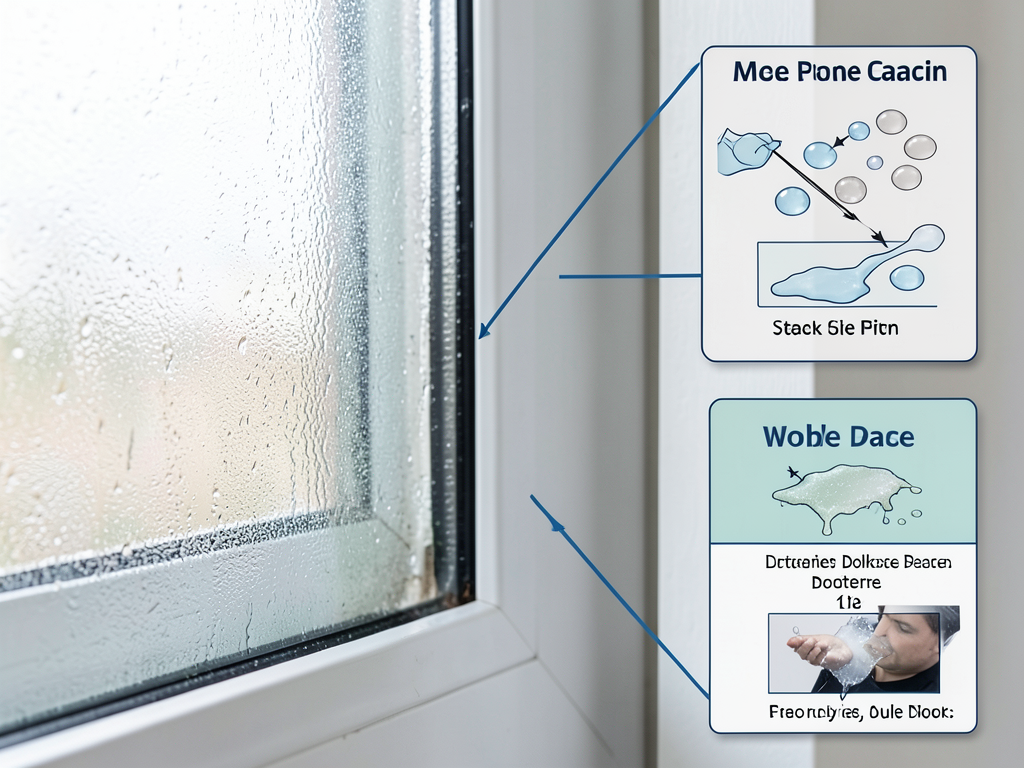
Condensation appears as moisture on the glass surface when warm indoor air meets a cold window. A leak happens when water enters through cracks, failed seals, or damaged flashing. Understanding these differences can save you time and money. Professional Water Extraction and Drying for St. Charles Residents.
Key Differences Between Condensation and Window Leaks
Condensation forms on the glass when warm, moist air contacts a cold surface. This is common in Cottleville during winter when indoor heating creates a large temperature difference. You will see water droplets or fog on the glass. It often appears on the inside surface of windows in kitchens, bathrooms, or bedrooms. Water Damage Restoration Manchester.
A window leak usually shows up as water stains on walls, peeling paint, or damaged drywall around the window frame. The water might run down the wall or collect on the windowsill. You might notice the problem after heavy rain or snow. Leaks can cause wood rot, mold growth, and damage to insulation. Water Damage Restoration Florissant.
Condensation is usually uniform across the glass. A leak often creates water trails or spots in specific areas. Condensation disappears when humidity drops or temperatures equalize. A leak continues until the source is repaired. EPA Mold Guidelines.
Common Signs of Window Leaks in Cottleville Homes
Window leaks in Cottleville often show up as discolored drywall around the frame. You might see bubbling paint or peeling wallpaper. Water might run down the wall when it rains. In severe cases, you might notice a musty smell or see black mold spots near the window.. Read more about Why Your Princeton Heights Window Wells Keep Flooding During Heavy Rains.
Look for water pooling on the windowsill after storms. Check for swollen wood trim or rotting window sills. Sometimes you can see daylight through gaps in the frame. These are signs that water is getting past your window’s protective barriers.. Read more about Managing Water Damage and Moisture in Your Mount Pleasant Guest House or ADU.
Ice damming can also cause window leaks in Cottleville. When snow melts on your roof and refreezes at the edge, it creates a barrier. Water backs up under shingles and can travel down walls to windows. This is common in older homes with poor attic insulation.
How St. Louis Weather Affects Window Moisture
Cottleville experiences extreme temperature swings that affect window performance. Winter temperatures often drop below freezing while indoor temperatures stay around 70 degrees. This creates perfect conditions for condensation when humidity is high. Summer brings high humidity levels that can cause condensation even when outdoor temperatures are warm.
The freeze-thaw cycles common in St. Louis put stress on window seals. Water expands when it freezes, creating tiny gaps that grow larger over time. This can lead to seal failure in double-pane windows. Once the seal fails, moisture gets between the glass panes and causes fogging.
St. Louis summers often see humidity levels above 70 percent. When this moist air contacts cold air-conditioned glass, condensation forms. Homes with poor ventilation or high indoor humidity from cooking, bathing, or houseplants are especially prone to this problem.
Simple Tests to Diagnose Window Moisture
Try the tissue test first. Place a tissue on the windowsill for 24 hours. If the tissue is wet on the bottom but dry on top, you likely have condensation. If the tissue is wet on both sides or shows water trails, you might have a leak.
Check the timing of moisture appearance. Condensation usually forms during temperature changes, like early morning or when you turn on the heat. A leak often appears during or after rain. If moisture appears only when it rains, that points to a leak rather than condensation.
Use a flashlight at night to check for light gaps around the window frame. Have someone shine a light around the outside while you look for light coming through from inside. Gaps where light shows through can also let water in.
Understanding Window Seal Failure
Modern windows use double or triple-pane glass with insulating gas between the panes. A seal failure allows this gas to escape and moisture to enter. You will see fogging or condensation between the glass panes that you cannot wipe away. This is different from surface condensation.
Seal failure often starts as small gaps that grow over time. The St. Louis climate accelerates this process with its temperature extremes. Once a seal fails, the window loses its insulating value and becomes more prone to condensation on the remaining glass surface.
Argon or krypton gas between panes provides insulation. When this gas escapes through a failed seal, your window becomes less energy efficient. You might notice higher heating and cooling bills along with the visual fogging.
When Condensation Becomes a Serious Problem
Surface condensation itself is not harmful, but it can lead to problems if it occurs regularly. When water sits on wood windowsills or walls, it creates conditions for mold growth. Mold can start growing within 24 to 48 hours in the right conditions.
Chronic condensation can damage paint, wallpaper, and drywall. Water can seep into wall cavities and damage insulation. Over time, this moisture can cause wood rot in window frames and surrounding structures. The damage might extend beyond the window to adjacent walls and floors.
Black mold often grows in the corners where windows meet walls. This mold feeds on the organic materials in paint, drywall, and wood. If you see black spots that return after cleaning, you likely have a moisture problem that needs addressing.
Professional Diagnostic Tools for Window Moisture
Water damage professionals use moisture meters to detect hidden water in walls and window frames. These tools can find moisture that is not visible to the eye. A moisture reading above 15 percent in wood or 20 percent in drywall indicates a problem.
Thermal imaging cameras can show temperature differences that indicate moisture or air leaks. Cold spots on walls near windows might indicate where water is entering or where condensation is forming. These cameras can see through walls to find the source of leaks.
Professionals also use borescopes to look inside wall cavities around windows. This allows them to see damage to framing, insulation, and sheathing that might be causing or resulting from window leaks.
Building Codes and Window Installation Standards
St. Louis County requires proper flashing and sealing around windows to prevent water intrusion. The International Residential Code Section R613.1 specifies that windows must be installed according to manufacturer instructions and with proper weatherproofing. Flashing must direct water away from the window opening.
Window rough openings must include a sill pan or similar water management system. This creates a path for any water that penetrates the window assembly to drain outside rather than into the wall cavity. Missing or improperly installed flashing is a common cause of window leaks.
The code also requires proper integration with the water-resistive barrier and building paper. These layers work together to protect your home from water damage. When any component is missing or improperly installed, leaks can occur.
Health Risks from Window Moisture Problems
Chronic moisture from window leaks or condensation can lead to mold growth. Stachybotrys chartarum, commonly called black mold, thrives in damp environments. This mold can cause respiratory problems, allergic reactions, and other health issues, especially in children, elderly people, and those with compromised immune systems.
Even non-toxic molds can trigger asthma attacks and allergic reactions. Symptoms include coughing, sneezing, runny nose, and eye irritation. Some people experience skin rashes or headaches when exposed to mold spores.
Wood rot from chronic moisture can attract termites and other wood-destroying insects. These pests can cause extensive structural damage that goes beyond the original moisture problem.
Prevention Strategies for Cottleville Homes
Control indoor humidity to reduce condensation. Use exhaust fans in bathrooms and kitchens. Run a dehumidifier if indoor humidity stays above 50 percent. Fix plumbing leaks promptly. These steps reduce the moisture that causes condensation on windows.
Improve ventilation in your home. Open curtains and blinds during the day to allow air circulation around windows. Use ceiling fans to move air and reduce cold spots where condensation forms. Make sure your attic has proper ventilation to prevent ice dams.
Check window seals annually. Look for cracks in caulking, gaps in weatherstripping, and signs of wear. Reapply exterior caulk every 5 to 7 years or when it begins to crack. Replace weatherstripping when it becomes brittle or compressed.
When to Call a Professional
Call a professional if you see water stains spreading beyond the window frame. This indicates water is getting into wall cavities. Also call if you notice mold growth that returns after cleaning or if you smell musty odors near windows.
Professional help is needed when you see structural damage like rotting wood, crumbling drywall, or soft spots around windows. These signs indicate the problem has progressed beyond simple moisture and requires structural repair.
If you are unsure whether you have condensation or a leak, a professional can use diagnostic tools to find the source. This prevents unnecessary window replacement when the real problem might be flashing or siding issues.
DIY Temporary Solutions
If you confirm condensation is the issue, improve air circulation around windows. Open window treatments during the day. Use a small fan to move air across the glass. These steps can reduce surface moisture.
For minor leaks, apply exterior caulk around the window frame. Make sure the surface is clean and dry before applying. Use high-quality exterior caulk designed for windows and doors. This is only a temporary fix until permanent repairs can be made.
Place moisture-absorbing products like silica gel packets on windowsills during humid months. These can help reduce surface condensation but do not address the underlying humidity problem.
The Cost of Ignoring Window Moisture
Small moisture problems can become expensive repairs if ignored. What starts as condensation can lead to mold remediation costs of $2,000 to $6,000. Window leak repairs might require replacing drywall, insulation, and even structural framing.
Insurance often does not cover damage from long-term moisture problems. Most policies consider this a maintenance issue rather than a sudden accident. This means you would pay for repairs out of pocket.
Energy costs increase when window seals fail. You might see heating and cooling bills rise by 10 to 25 percent as your HVAC system works harder to compensate for the lost insulation.
Professional Assessment Process
A professional assessment starts with a visual inspection of the interior and exterior of your windows. The technician looks for signs of water damage, seal failure, and installation issues. They check the surrounding walls and roof for related problems.
Moisture testing determines if water has penetrated into wall cavities. The technician uses a moisture meter to check drywall, wood, and other materials around the window. Readings above normal levels indicate water intrusion.
Thermal imaging can reveal hidden moisture, air leaks, and insulation problems. This non-invasive technique shows temperature differences that indicate where water might be entering or where condensation is forming.
Repair vs. Replacement Decisions
Minor condensation issues often can be fixed with humidity control and improved ventilation. Seal failure in double-pane windows usually requires glass replacement or full window replacement. The age and condition of the entire window assembly factor into this decision.
Structural damage around windows requires more extensive repairs. This might include replacing rotted framing, damaged sheathing, and water-damaged drywall. The cost of these repairs often exceeds the cost of new windows.
Energy efficiency improvements might justify window replacement even if the current windows are functional. New windows with better insulation can reduce heating and cooling costs by 15 to 30 percent.
Local Building Considerations in Cottleville
Cottleville homes built before 2000 often have different window installation methods than newer homes. Older homes might lack the proper flashing and water management systems required by current building codes. This makes them more susceptible to window leaks.
The clay soil common in St. Charles County can cause foundation movement that affects window frames. As foundations settle or shift, window seals can break and frames can become misaligned. This creates gaps where water can enter.
Many Cottleville homes have basements with below-grade windows. These windows face additional water pressure during heavy rains. Proper drainage and window well covers are essential to prevent leaks in these installations.
Emergency Response for Water Damage
If you discover a major window leak, act quickly to minimize damage. Place towels or buckets to catch water. Move furniture and valuables away from the affected area. If water is actively entering, you might need to cover the window with plastic sheeting.
Turn off HVAC systems if water has entered ducts or near equipment. Water in HVAC systems can spread moisture throughout your home and create mold problems in multiple rooms.
Document the damage with photos for insurance purposes. This documentation is important if you need to file a claim or if the damage is related to a construction defect.
Insurance Considerations
Homeowners insurance typically covers sudden and accidental water damage but not damage from long-term moisture problems. A tree branch breaking a window during a storm would likely be covered. Condensation or gradual leaks from poor maintenance usually are not covered.
Review your policy to understand what is covered. Some policies offer endorsements for water damage that provide broader coverage. Document the condition of your windows and any maintenance you perform. This can be important if you need to file a claim.
If a contractor or window manufacturer is responsible for the damage, you might have recourse through their warranty or insurance. Keep records of all communications and repairs related to your windows.
Maintaining Window Health Long-Term
Regular maintenance prevents most window moisture problems. Clean window tracks and weep holes annually to ensure proper drainage. Check caulking and weatherstripping seasonally and replace as needed. These simple steps can extend the life of your windows.
Monitor indoor humidity levels with a hygrometer. Keep humidity between 30 and 50 percent to reduce condensation. Use exhaust fans when cooking or showering. Fix plumbing leaks promptly to prevent excess moisture in your home.
Have your roof and siding inspected every few years. Damaged roofing or siding can allow water to travel down walls and enter around windows. These inspections can catch problems before they cause window damage.
Advanced Moisture Detection Methods
Professionals use pin-type moisture meters that penetrate the surface to measure moisture content in wood and drywall. These meters give accurate readings that help determine if materials need to be replaced or can be dried in place.
Non-invasive moisture scanners use radio frequency to detect moisture without damaging surfaces. These tools are useful for scanning large areas quickly to find moisture patterns that indicate leaks or condensation problems.
Relative humidity and temperature data loggers can track conditions around windows over time. This data helps identify when and why condensation forms, allowing for targeted solutions rather than trial and error.
Common Mistakes in Window Moisture Diagnosis
Many homeowners assume all window moisture is condensation and ignore signs of leaks. This can allow water damage to progress unnoticed. Others mistake condensation for a leak and replace windows unnecessarily when humidity control would solve the problem.
Using bleach to clean mold without addressing the moisture source allows mold to return. The mold is a symptom, not the cause. Without fixing the moisture problem, cleaning is only a temporary solution.
Applying interior caulk to fix exterior leaks is another common mistake. Water entering from outside needs to be stopped at the source. Interior sealants trap water inside walls, potentially making the problem worse.
Environmental Factors in St. Louis
St. Louis ranks among the most humid metropolitan areas in the United States. The combination of the Mississippi River, Missouri River, and local climate patterns creates high humidity levels that persist throughout much of the year. This makes window condensation more common than in drier climates.
The urban heat island effect in St. Louis can create temperature differences between city and suburban areas like Cottleville. These temperature variations can affect window performance and condensation patterns.
Seasonal pollen and dust in St. Louis can accumulate on window surfaces and in tracks. This organic material can hold moisture and provide a food source for mold, making condensation problems worse.
Energy Efficiency and Moisture
Tight, energy-efficient homes can have more condensation problems than older, drafty homes. While energy efficiency is beneficial, it reduces natural air exchange that helps remove moisture. This makes proper ventilation even more important in modern homes.
Low-emissivity window coatings can reduce heat transfer but might also reduce the temperature of the interior glass surface. In some cases, this can increase condensation potential if indoor humidity is not controlled.
Proper insulation around windows is crucial. Missing or inadequate insulation allows cold air to create cold spots where condensation forms. This is especially common in older Cottleville homes where insulation standards were less stringent.
Final Thoughts on Window Moisture
Understanding whether you have condensation or a leak is the first step in solving window moisture problems. Condensation is usually manageable with humidity control and ventilation. Leaks require finding and fixing the source of water entry.
Both condensation and leaks can lead to mold growth and structural damage if left unaddressed. The key is identifying the problem early and taking appropriate action. Regular maintenance and monitoring can prevent most serious issues.
If you are unsure about the source of window moisture or if you see signs of water damage, professional assessment can save you time and money. The cost of an inspection is small compared to the expense of repairing advanced water damage.
Frequently Asked Questions
How can I tell if moisture on my window is condensation or a leak?
Condensation appears as uniform moisture on the glass surface, often during temperature changes. It disappears when humidity drops. A leak shows as water stains on walls, peeling paint, or damage around the window frame. Leaks often appear during or after rain and may run down walls.
Is window condensation dangerous?
Surface condensation itself is not dangerous, but chronic condensation can lead to mold growth, wood rot, and structural damage. If condensation occurs regularly, it needs to be addressed to prevent these secondary problems.
How do I stop condensation on my windows?
Control indoor humidity by using exhaust fans, running a dehumidifier, and fixing plumbing leaks. Improve ventilation by opening window treatments and using fans. Make sure your home is properly insulated and ventilated to reduce temperature differences that cause condensation.
When should I call a professional about window moisture?
Call a professional if you see water stains spreading beyond the window frame, notice mold growth that returns after cleaning, or detect musty odors near windows. Also call if you are unsure whether the problem is condensation or a leak, or if you see structural damage around windows.
Can I fix a window leak myself?
Minor leaks might be temporarily fixed with exterior caulk, but this is usually not a permanent solution. If you have a confirmed leak, professional assessment is recommended to find the source and extent of the damage. Improper repairs can trap water inside walls and make the problem worse.
Take Action Today
Window moisture problems will not fix themselves. Whether you are dealing with annoying condensation or a serious leak, early intervention prevents costly damage. If you notice water stains, mold growth, or are unsure about the source of moisture near your windows, do not wait.
Call (314) 428-9977 today to schedule a professional inspection. Our experienced technicians will diagnose the problem and recommend the right solution. We serve Cottleville and all of St. Louis with 24/7 emergency response for water damage. Protect your home and your family’s health by addressing window moisture problems now.
Pick up the phone and call (314) 428-9977 before the next storm hits. A quick inspection today can prevent thousands of dollars in damage tomorrow. Your home deserves expert care from Patriot Water Damage Restoration St. Louis. For more information, visit FEMA Disaster Preparedness.

You may also find this helpful. Desiccant versus Refrigerant Dehumidifiers — Which is Better for Drying a Midtown St. Louis Loft?.
You may also find this helpful. How to Tell if Your Carondelet Home Has a Leaky Chimney or a Roof Problem.
{
“@context”: “https://schema.org”,
“@type”: “BlogPosting”,
“headline”: “How to Tell if the Water on Your Windows is Simple Condensation or a Serious Leak in Cottleville”,
“description”: “Learn to diagnose window moisture in Cottleville. Our guide covers condensation vs. leaks, St. Louis climate impact, and when to call Patriot Water Damage Restoration.”,
“wordCount”: 3378,
“datePublished”: “2026-05-21T11:57:00.000Z”,
“dateModified”: “2026-05-21T11:57:00.000Z”,
“inLanguage”: “en-US”,
“mainEntityOfPage”: {
“@type”: “WebPage”,
“@id”: “https://patriotwaterdamagerestorationstlouis.com”
},
“publisher”: {
“@type”: “LocalBusiness”,
“name”: “Patriot Water Damage Restoration St. Louis”,
“url”: “https://patriotwaterdamagerestorationstlouis.com”
},
“author”: {
“@type”: “Organization”,
“name”: “Patriot Water Damage Restoration St. Louis”,
“url”: “https://patriotwaterdamagerestorationstlouis.com”
},
“image”: {
“@type”: “ImageObject”,
“url”: “https://patriotwaterdamagerestorationstlouis.com/wp-content/uploads/2026/03/how-to-tell-if-the-water-on-your-windows-is-simple-1.png”
}
}
{
“@context”: “https://schema.org”,
“@type”: “LocalBusiness”,
“name”: “Patriot Water Damage Restoration St. Louis”,
“url”: “https://patriotwaterdamagerestorationstlouis.com”,
“address”: {
“@type”: “PostalAddress”,
“addressLocality”: “St. Louis”
},
“areaServed”: {
“@type”: “City”,
“name”: “St. Louis”
}
}
{
“@context”: “https://schema.org”,
“@type”: “FAQPage”,
“mainEntity”: [
{
“@type”: “Question”,
“name”: “How can I tell if moisture on my window is condensation or a leak?”,
“acceptedAnswer”: {
“@type”: “Answer”,
“text”: “Condensation appears as uniform moisture on the glass surface, often during temperature changes. It disappears when humidity drops. A leak shows as water stains on walls, peeling paint, or damage around the window frame. Leaks often appear during or after rain and may run down walls.”
}
},
{
“@type”: “Question”,
“name”: “Is window condensation dangerous?”,
“acceptedAnswer”: {
“@type”: “Answer”,
“text”: “Surface condensation itself is not dangerous, but chronic condensation can lead to mold growth, wood rot, and structural damage. If condensation occurs regularly, it needs to be addressed to prevent these secondary problems.”
}
},
{
“@type”: “Question”,
“name”: “How do I stop condensation on my windows?”,
“acceptedAnswer”: {
“@type”: “Answer”,
“text”: “Control indoor humidity by using exhaust fans, running a dehumidifier, and fixing plumbing leaks. Improve ventilation by opening window treatments and using fans. Make sure your home is properly insulated and ventilated to reduce temperature differences that cause condensation.”
}
},
{
“@type”: “Question”,
“name”: “When should I call a professional about window moisture?”,
“acceptedAnswer”: {
“@type”: “Answer”,
“text”: “Call a professional if you see water stains spreading beyond the window frame, notice mold growth that returns after cleaning, or detect musty odors near windows. Also call if you are unsure whether the problem is condensation or a leak, or if you see structural damage around windows.”
}
},
{
“@type”: “Question”,
“name”: “Can I fix a window leak myself?”,
“acceptedAnswer”: {
“@type”: “Answer”,
“text”: “Minor leaks might be temporarily fixed with exterior caulk, but this is usually not a permanent solution. If you have a confirmed leak, professional assessment is recommended to find the source and extent of the damage. Improper repairs can trap water inside walls and make the problem worse.”
}
}
]
}
{
“@context”: “https://schema.org”,
“@type”: “BreadcrumbList”,
“itemListElement”: [
{
“@type”: “ListItem”,
“position”: 1,
“name”: “Home”,
“item”: “https://patriotwaterdamagerestorationstlouis.com”
},
{
“@type”: “ListItem”,
“position”: 2,
“name”: “Blog”,
“item”: “https://patriotwaterdamagerestorationstlouis.com/blog”
},
{
“@type”: “ListItem”,
“position”: 3,
“name”: “How to Tell if the Water on Your Windows is Simple Condensation or a Serious Leak in Cottleville”
}
]
}
{
“@context”: “https://schema.org”,
“@type”: “Service”,
“serviceType”: “Water Damage Restoration”,
“provider”: {
“@type”: “LocalBusiness”,
“name”: “Patriot Water Damage Restoration St. Louis”,
“url”: “https://patriotwaterdamagerestorationstlouis.com”
},
“areaServed”: {
“@type”: “City”,
“name”: “St. Louis”
},
“description”: “Learn to diagnose window moisture in Cottleville. Our guide covers condensation vs. leaks, St. Louis climate impact, and when to call Patriot Water Damage Restoration.”
}