
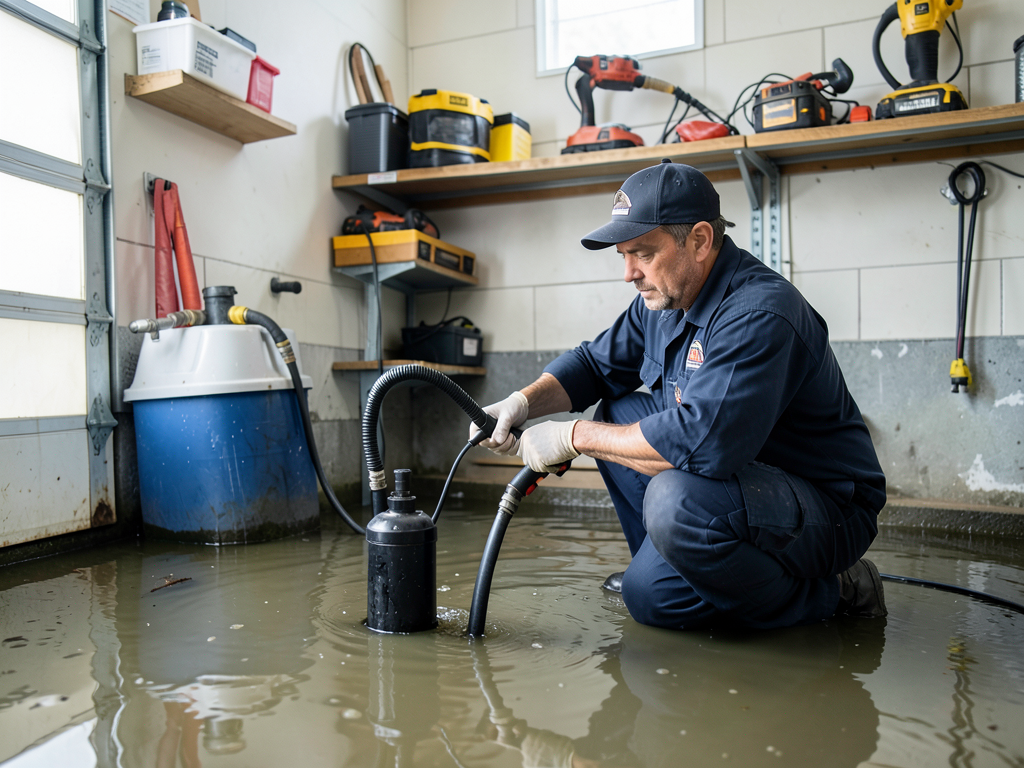
How to Clean Up a Flooded Garage in North Hampton Without Ruining Your Power Tools
Standing water in your garage creates immediate hazards for your tools and your home’s foundation. In North Hampton, sudden thunderstorms or sewer backups can flood attached garages within minutes, soaking everything from your lawn mower to your miter saw. The first 24 hours determine whether your power tools survive or become scrap metal. This guide walks you through the exact steps St. Louis homeowners need to take right now to protect your investment and prevent mold growth. St. Louis Metropolitan Sewer District.
Immediate Safety Steps Before You Enter the Water
Before touching anything, electricity and contaminated water create deadly combinations. St. Louis building codes require GFCI protection for garage circuits, but floodwater can still carry current from submerged outlets or damaged wiring. The Missouri Department of Natural Resources classifies street-level garage flooding as Category 3 water when it contains sewage or chemical runoff. EPA mold prevention guidelines.
- Shut Off Power
Locate your main breaker panel and turn off the garage circuit breaker. If water reaches the panel, call an electrician immediately. Professional Water Extraction and Drying for St. Charles Residents.
- Check for Gas Leaks
Smell for natural gas odors near water heaters or furnaces. If detected, evacuate and call the gas company.
- Assess Structural Integrity
Look for bowed walls, cracked concrete, or doors that won’t open. These indicate foundation pressure from saturated soil. Efflorescence on Concrete.
Wear rubber boots, gloves, and eye protection. North Hampton’s clay soil retains water like a sponge, increasing pressure on garage walls and creating hidden hazards beneath the surface.
Step-by-Step Garage Flood Recovery Process
Water removal requires different equipment based on depth and contamination level. The IICRC S500 standard classifies water damage into three categories, with garage flooding often falling into Category 2 or 3 depending on the water source.
Water Removal: Submersible Pumps vs. Shop Vacs
| Equipment Type | Best For | Depth Capacity | Contamination Level |
|---|---|---|---|
| Submersible Pump | Several inches of clean water | Up to 20 feet | Category 1 only |
| Wet/Dry Shop Vac | Shallow water with debris | Up to 6 inches | Category 2 acceptable |
| Professional Extractor | Deep contamination | Unlimited | Category 3 required |
Start with a submersible pump if water exceeds two inches. Connect a garden hose to direct water away from your foundation. For contaminated water, professional extraction prevents spreading bacteria throughout your property.
Sorting Damage: What to Keep and What to Toss
Missouri’s humid climate means anything wet for over 48 hours risks mold growth. The EPA recommends discarding porous materials that show visible contamination or have been wet for extended periods.
- Keep (if cleaned properly): Metal tools, plastic storage bins, sealed power tool cases
- Discard: Cardboard boxes, paper manuals, upholstered items, particleboard cabinets
- Professional Assessment Needed: Electrical tools, battery chargers, garage door opener
Remove everything from the floor to inspect for hidden damage. Water can seep under tool chests and storage cabinets, creating perfect mold breeding grounds.
Cleaning and Disinfecting Concrete Floors
St. Louis’s high humidity requires aggressive cleaning to prevent mold spores from taking hold. Mix one cup of bleach per gallon of water for concrete disinfection. Never mix bleach with ammonia or other cleaners. How to Get Your St. Louis Home Insurance to Actually Pay for Water Damage.
Scrub all affected surfaces with a stiff brush. Pay special attention to cracks and expansion joints where water collects. Rinse thoroughly and allow to dry completely before replacing items.
Strategic Drying and Humidity Control
North Hampton’s location near the Missouri River means high ambient humidity even on dry days. Natural drying takes weeks in this climate, creating ideal conditions for mold growth. Professional drying equipment removes moisture from both air and materials.
Industrial-Grade Drying Equipment
| Equipment | Coverage Area | Daily Water Removal | Best Use Case |
|---|---|---|---|
| Air Mover | 200 sq ft per unit | N/A | Circulating air across surfaces |
| Dehumidifier | 1,500 sq ft per unit | 20-25 gallons/day | Removing moisture from air |
| Air Scrubber | Entire garage | N/A | Filtering mold spores and dust |
Position air movers to create cross-ventilation. Place dehumidifiers in corners where moisture accumulates. Run equipment continuously for at least 72 hours or until moisture meters read below 16%.
Monitoring Moisture Levels
Professional moisture meters measure water content in materials. Wood should read below 12%, concrete below 16%. Without proper monitoring, you risk replacing items too early or leaving hidden moisture that causes future problems.
Test multiple locations including inside tool chests, behind stored items, and along walls. Clay soil around North Hampton homes can wick moisture through concrete for weeks after flooding.
Protecting Your Power Tools and Equipment
Water and electricity create immediate dangers for power tools. Even if tools appear dry, internal components may hold moisture that causes short circuits or corrosion. The National Electrical Manufacturers Association recommends professional inspection for any tool exposed to water.
Garage Door Opener and Electrical Systems
Garage door openers contain circuit boards vulnerable to water damage. Moisture causes corrosion that leads to failure weeks after flooding. Check for these warning signs:
- Unresponsive remote controls
- Unusual clicking sounds
- Intermittent operation
Many North Hampton homes built before 2000 have garage door sensors mounted low to the ground, making them first points of water contact during floods.
Tool Inspection and Testing
Never plug in wet tools. Use a multimeter to test for continuity before use. Check battery compartments for corrosion. Lithium-ion batteries exposed to water require professional evaluation.
Store tools in elevated positions using waterproof cabinets or shelving. Install moisture sensors near tool storage areas to provide early warning of future leaks.
When to Call a St. Louis Restoration Professional
Certain flood conditions require immediate professional intervention. The EPA states that Category 3 water contamination poses serious health risks and requires specialized handling.
Call professionals if you notice:
- Sewer backup or strong odors
- Structural cracks or bowing walls
- Water deeper than two inches
- Evidence of mold growth within 24-48 hours
St. Louis Metropolitan Sewer District reports that combined sewer overflows occur during heavy rains, backing up into basements and garages throughout North Hampton and surrounding neighborhoods.
Professional restoration teams use infrared cameras to detect hidden moisture behind walls and under floors. They also apply antimicrobial treatments that prevent mold growth for up to six months.
Preventing Future Garage Floods in Missouri
North Hampton’s location in the Missouri River floodplain means recurring flood risks. The National Flood Insurance Program requires separate coverage for garages, as standard homeowners policies exclude flood damage.
Landscaping and Drainage Solutions
Grade soil away from your garage foundation at a slope of 1 inch per foot for at least 6 feet. Install French drains to channel water away from the structure. Missouri’s clay soil requires perforated pipe surrounded by gravel for effective drainage.
Checking MSD Connections
St. Louis Metropolitan Sewer District recommends inspecting your home’s sewer cleanout and installing backflow preventers. Many North Hampton homes built before 1980 have combined storm and sanitary sewers that back up during heavy rains.
Install a sump pump with battery backup. Test it monthly during rainy seasons. Consider a water alarm system that alerts you to rising water levels before damage occurs.
Insurance Documentation
Document your garage contents with photos and receipts. Most insurance policies have specific limits for tool coverage. Keep an updated inventory stored off-site or in cloud storage.
Review your policy for flood coverage exclusions. The Missouri Department of Insurance reports that only 15% of homeowners in flood-prone areas carry separate flood insurance.
Frequently Asked Questions
How long does it take for mold to grow after a garage flood?
Mold can begin growing within 24-48 hours in St. Louis’s humid climate. The EPA recommends removing wet materials and beginning drying within this timeframe to prevent mold establishment. Removing Mold from Historic Central West End Homes Without Damaging the Architecture.
Can I save my power tools if they got wet?
Some tools can be saved with proper cleaning and drying. Metal tools usually survive if dried quickly. Electrical tools require professional inspection before use. Never operate tools that show signs of water exposure.
Does homeowners insurance cover garage flooding?
Standard policies cover sudden pipe bursts but exclude surface water flooding. Sewer backup requires separate coverage. Check your policy for specific garage coverage limits and exclusions. Who to Call When Your Pipes Burst in Kirkwood This Winter.
What’s the difference between Categories 1, 2, and 3 water damage?
Category 1 is clean water from pipes. Category 2 contains some contamination like washing machine overflow. Category 3 includes sewage, river water, or chemical contamination requiring professional handling.
Take Action Before More Damage Occurs
Every hour your garage stays wet increases the risk of permanent damage to your tools and home structure. North Hampton’s clay soil continues wicking moisture into your foundation for days after surface water recedes. Professional assessment can identify hidden damage before it becomes expensive repairs.
Call (314) 428-9977 today to schedule your inspection. Our certified technicians arrive within 2 hours with industrial-grade equipment to extract water, sanitize surfaces, and prevent mold growth. Don’t wait until your power tools are ruined and your garage becomes a health hazard.
Pick up the phone and call (314) 428-9977 before the next storm hits. Quick action now saves thousands in replacement costs and protects your valuable equipment from irreversible damage.
{
“@context”: “https://schema.org”,
“@type”: “BlogPosting”,
“headline”: “How to Clean Up a Flooded Garage in North Hampton Without Ruining Your Power Tools”,
“description”: “Flooded garage in North Hampton? Learn St. Louis-specific safety steps, water extraction methods, and tool protection to prevent mold and structural damage.”,
“wordCount”: 1538,
“datePublished”: “2026-06-07T13:36:00.000Z”,
“dateModified”: “2026-06-07T13:36:00.000Z”,
“inLanguage”: “en-US”,
“mainEntityOfPage”: {
“@type”: “WebPage”,
“@id”: “https://patriotwaterdamagerestorationstlouis.com”
},
“publisher”: {
“@type”: “LocalBusiness”,
“name”: “Patriot Water Damage Restoration St. Louis”,
“url”: “https://patriotwaterdamagerestorationstlouis.com”
},
“author”: {
“@type”: “Organization”,
“name”: “Patriot Water Damage Restoration St. Louis”,
“url”: “https://patriotwaterdamagerestorationstlouis.com”
},
“image”: {
“@type”: “ImageObject”,
“url”: “https://patriotwaterdamagerestorationstlouis.com/wp-content/uploads/2026/03/how-to-clean-up-a-flooded-garage-in-north-hampton-1.png”
}
}
{
“@context”: “https://schema.org”,
“@type”: “LocalBusiness”,
“name”: “Patriot Water Damage Restoration St. Louis”,
“url”: “https://patriotwaterdamagerestorationstlouis.com”,
“address”: {
“@type”: “PostalAddress”,
“addressLocality”: “St. Louis”
},
“areaServed”: {
“@type”: “City”,
“name”: “St. Louis”
}
}
{
“@context”: “https://schema.org”,
“@type”: “FAQPage”,
“mainEntity”: [
{
“@type”: “Question”,
“name”: “How long does it take for mold to grow after a garage flood?”,
“acceptedAnswer”: {
“@type”: “Answer”,
“text”: “Mold can begin growing within 24-48 hours in St. Louis’s humid climate. The EPA recommends removing wet materials and beginning drying within this timeframe to prevent mold establishment. Removing Mold from Historic Central West End Homes Without Damaging the Architecture.”
}
},
{
“@type”: “Question”,
“name”: “Can I save my power tools if they got wet?”,
“acceptedAnswer”: {
“@type”: “Answer”,
“text”: “Some tools can be saved with proper cleaning and drying. Metal tools usually survive if dried quickly. Electrical tools require professional inspection before use. Never operate tools that show signs of water exposure.”
}
},
{
“@type”: “Question”,
“name”: “Does homeowners insurance cover garage flooding?”,
“acceptedAnswer”: {
“@type”: “Answer”,
“text”: “Standard policies cover sudden pipe bursts but exclude surface water flooding. Sewer backup requires separate coverage. Check your policy for specific garage coverage limits and exclusions. Who to Call When Your Pipes Burst in Kirkwood This Winter.”
}
},
{
“@type”: “Question”,
“name”: “What’s the difference between Categories 1, 2, and 3 water damage?”,
“acceptedAnswer”: {
“@type”: “Answer”,
“text”: “Category 1 is clean water from pipes. Category 2 contains some contamination like washing machine overflow. Category 3 includes sewage, river water, or chemical contamination requiring professional handling.”
}
}
]
}
{
“@context”: “https://schema.org”,
“@type”: “HowTo”,
“name”: “Safety Steps for Flooded Garage”,
“step”: [
{
“@type”: “HowToStep”,
“position”: 1,
“name”: “Shut Off Power”,
“text”: “Locate your main breaker panel and turn off the garage circuit breaker. If water reaches the panel, call an electrician immediately. Professional Water Extraction and Drying for St. Charles Residents.”
},
{
“@type”: “HowToStep”,
“position”: 2,
“name”: “Check for Gas Leaks”,
“text”: “Smell for natural gas odors near water heaters or furnaces. If detected, evacuate and call the gas company.”
},
{
“@type”: “HowToStep”,
“position”: 3,
“name”: “Assess Structural Integrity”,
“text”: “Look for bowed walls, cracked concrete, or doors that won’t open. These indicate foundation pressure from saturated soil. Efflorescence on Concrete.”
}
],
“image”: “https://patriotwaterdamagerestorationstlouis.com/wp-content/uploads/2026/03/how-to-clean-up-a-flooded-garage-in-north-hampton-1.png”
}
{
“@context”: “https://schema.org”,
“@type”: “BreadcrumbList”,
“itemListElement”: [
{
“@type”: “ListItem”,
“position”: 1,
“name”: “Home”,
“item”: “https://patriotwaterdamagerestorationstlouis.com”
},
{
“@type”: “ListItem”,
“position”: 2,
“name”: “Blog”,
“item”: “https://patriotwaterdamagerestorationstlouis.com/blog”
},
{
“@type”: “ListItem”,
“position”: 3,
“name”: “How to Clean Up a Flooded Garage in North Hampton Without Ruining Your Power Tools”
}
]
}
{
“@context”: “https://schema.org”,
“@type”: “Service”,
“serviceType”: “Water Damage Restoration”,
“provider”: {
“@type”: “LocalBusiness”,
“name”: “Patriot Water Damage Restoration St. Louis”,
“url”: “https://patriotwaterdamagerestorationstlouis.com”
},
“areaServed”: {
“@type”: “City”,
“name”: “St. Louis”
},
“description”: “Flooded garage in North Hampton? Learn St. Louis-specific safety steps, water extraction methods, and tool protection to prevent mold and structural damage.”
}