
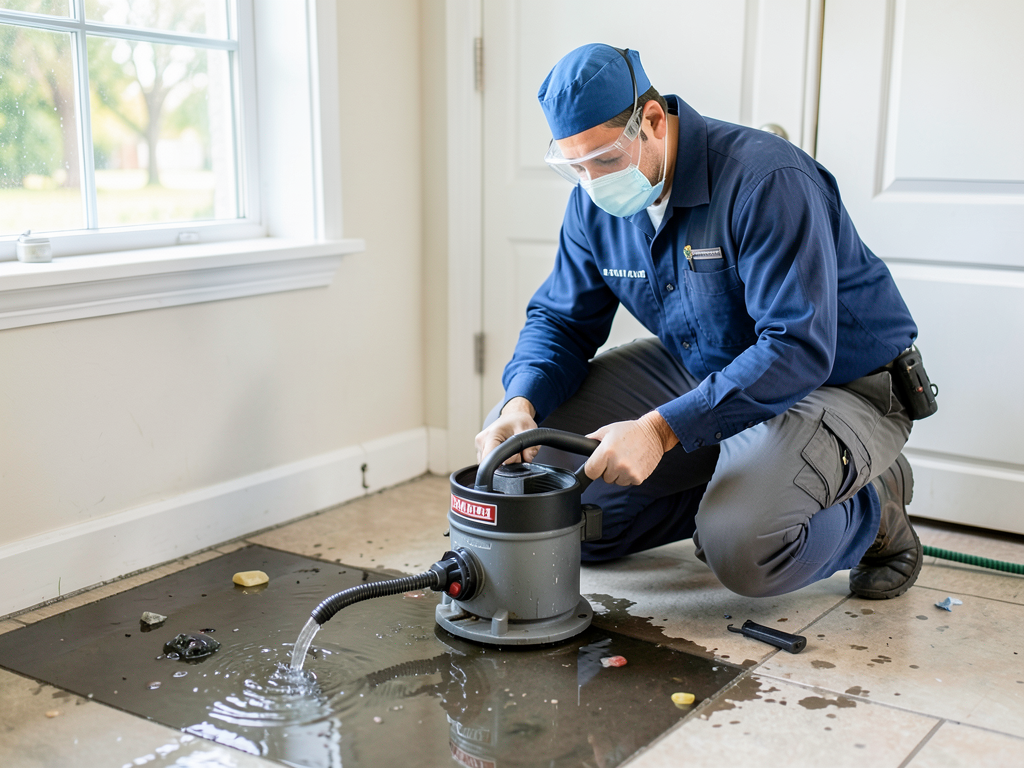
Steps to Take After a Major Toilet Overflow in Your LaSalle Park Bathroom
Discovering a major toilet overflow in your LaSalle Park bathroom can feel overwhelming. The sight of contaminated water spreading across your floor triggers immediate panic about property damage and health risks. You need to act fast but also need to know what steps actually work in St. Louis homes. This guide walks you through the exact process to contain the situation, protect your family from Category 3 water hazards, and determine when professional sewage cleanup becomes necessary for your LaSalle Park property. How to Get Your St. Louis Home Insurance to Actually Pay for Water Damage.
Immediate Steps to Stop the Flow
When sewage starts backing up from your toilet, every second counts. The first priority is stopping the water source before it spreads further through your LaSalle Park home’s flooring and walls. Professional Water Extraction and Drying for St. Charles Residents.
- Locate the Toilet Shut-off Valve
Find the small valve behind or beside your toilet near the floor. Turn it clockwise until it stops. Most LaSalle Park homes built before 2000 have standard quarter-turn valves that need only 90 degrees of rotation.
- Remove the Tank Lid
Take off the toilet tank lid and lift the float ball or cup to stop water from refilling. This prevents additional overflow if the shut-off valve fails or is stuck. Water Damage Restoration Manchester.
- Turn Off Main Water Supply
If the toilet valve doesn’t work, locate your home’s main shut-off valve. In LaSalle Park’s older homes, this is often in the basement near the front foundation wall or in a utility closet.
Why LaSalle Park Homes Face Unique Risks
LaSalle Park’s proximity to the Mississippi River and its position within St. Louis’s combined sewer system creates specific vulnerabilities. During heavy rain events, the aging MSD sewer lines that serve this neighborhood can back up into residential toilets. The area’s clay soil also causes foundation settling that can break sewer pipes over time, creating blockages that lead to overflows. Who to Call When Your Pipes Burst in Kirkwood This Winter.
According to the Metropolitan St. Louis Sewer District, combined sewer overflows occur when stormwater overwhelms the system during rain events exceeding one inch per hour. This directly impacts LaSalle Park residents more than those in newer developments with separate storm and sanitary systems. EPA.
Understanding Category 3 Water Hazards
Not all water damage is equal. Toilet overflows typically involve Category 3 water, also known as “black water,” which carries serious health risks that go beyond simple property damage. Water Damage Restoration Florissant.
Category 3 Water Characteristics
Category 3 water contains pathogenic agents, including bacteria, viruses, and parasites. The EPA classifies this water as containing sewage, rising flood water from rivers or streams, or ground surface water flowing horizontally into homes. In LaSalle Park, this often includes contaminants from the Mississippi River basin during flood events.
Common pathogens found in Category 3 water include:
- E. coli – Causes severe gastrointestinal illness
- Salmonella – Leads to food poisoning symptoms
- Hepatitis A – Viral liver infection
- Giardia – Parasitic infection causing diarrhea
- Rotavirus – Severe gastroenteritis in children
Health Risks in LaSalle Park Homes
The health risks multiply in LaSalle Park due to several factors. The neighborhood’s older homes often have lead pipes that can corrode when exposed to contaminated water. Additionally, many homes have original hardwood floors that absorb sewage, creating hidden contamination zones that standard cleaning cannot reach.
According to the Missouri Department of Health and Senior Services, Category 3 water exposure requires immediate medical attention if skin contact occurs, especially for children, elderly individuals, or those with compromised immune systems.
Essential Personal Protective Equipment
Before attempting any cleanup, you must protect yourself from exposure to harmful pathogens. Category 3 water requires specific personal protective equipment that goes beyond basic rubber gloves.
Required PPE for Sewage Cleanup
Proper protection includes:
- Nitrile gloves (not latex) – provides chemical resistance
- Rubber boots or waterproof shoe covers
- Eye protection with side shields
- N95 respirator mask or better
- Waterproof coveralls or disposable Tyvek suit
- Heavy-duty trash bags for contaminated materials
Why Standard Cleaning Fails
Many LaSalle Park homeowners attempt cleanup with household cleaners, but this approach fails for several reasons. Standard bleach solutions cannot penetrate porous materials like wood, drywall, or carpet padding where pathogens hide. The IICRC S500 Standard for Professional Water Damage Restoration specifically states that Category 3 water requires complete removal of contaminated porous materials rather than attempting to sanitize them in place. IICRC.
Professional-grade antimicrobials used by certified restoration companies contain EPA-registered ingredients that kill 99.9% of bacteria and viruses on both porous and non-porous surfaces. These products require specific dwell times and application methods that homeowners typically cannot achieve.
DIY Cleanup Limitations and When to Call Professionals
While you can handle small spills with proper protection, most toilet overflows in LaSalle Park require professional intervention due to the extent of contamination and hidden damage.
Situations Requiring Professional Help
Call professionals immediately if:
- Water spread beyond the immediate bathroom area
- Contamination reached carpeted areas or hardwood floors
- Water seeped under baseboards or into wall cavities
- Multiple toilets backed up simultaneously
- Sewer odor persists after initial cleanup
- Anyone in the household has health conditions
Hidden Damage Assessment
Category 3 water damage often extends far beyond visible contamination. Professional moisture meters can detect water migration into subfloors, wall studs, and insulation. In LaSalle Park’s older homes, this hidden moisture creates perfect conditions for mold growth within 24-48 hours.
Professional restoration companies use thermal imaging cameras to identify temperature variations that indicate moisture presence. This technology reveals contamination paths that are invisible to the naked eye, ensuring complete remediation.
Professional Sewage Cleanup Process
When you call for professional help, understanding the restoration process helps you know what to expect and ensures proper remediation of your LaSalle Park home.
Step-by-Step Professional Restoration
Certified technicians follow a systematic approach:
- Containment and Safety Setup
Technicians establish containment barriers using 6-mil polyethylene sheeting and negative air pressure to prevent cross-contamination to unaffected areas.
- Water Extraction and Removal
Industrial-grade truck-mounted extractors remove standing water and sewage. These units achieve 50 times the extraction power of household shop vacs.
- Contaminated Material Removal
All porous materials exposed to Category 3 water must be removed per IICRC S500 standards. This includes carpet, pad, affected drywall, and insulation.
- Antimicrobial Treatment
EPA-registered disinfectants are applied to all remaining surfaces. Products must have kill claims for specific pathogens found in sewage.
- Structural Drying
Industrial air movers and dehumidifiers create conditions that dry structural materials within 72 hours, preventing mold growth.
- Final Cleaning and Deodorization
HEPA vacuuming removes remaining particulates, followed by deodorization to eliminate sewage odors.
Equipment Comparison: Professional vs. DIY
| Equipment Type | Professional Grade | DIY Alternative | Effectiveness Difference |
|---|---|---|---|
| Water Extraction | Truck-mounted extractor (20+ GPM) | Shop vac (2-5 GPM) | 400% more powerful |
| Air Movement | Industrial air mover (2000+ CFM) | Box fan (200-400 CFM) | 500% more airflow |
| Dehumidification | Commercial dehumidifier (130+ PPD) | Residential dehumidifier (20-70 PPD) | 200% more moisture removal |
| Moisture Detection | Thermal imaging + penetrating meters | Visual inspection only | Detects hidden moisture |
Insurance Claims and Documentation
Understanding your insurance coverage before disaster strikes helps you navigate the claims process more effectively. Most standard homeowners policies in Missouri require separate sewage backup riders.
Missouri Insurance Requirements
The Missouri Department of Insurance reports that only 10% of homeowners carry adequate sewage backup coverage. Standard policies exclude Category 3 water damage unless you’ve added specific endorsements. Coverage typically ranges from $5,000 to $25,000 for sewage-related claims.
Documentation for Claims
Proper documentation increases claim approval rates:
- Photograph all affected areas before any cleanup begins
- Save all receipts for emergency services
- Document the time and date of the incident
- Keep samples of damaged materials if possible
- Obtain written estimates from restoration professionals
Insurance companies often require proof that you attempted to mitigate further damage. This means showing you shut off water, contained the area, and contacted professionals promptly.
Preventing Future Toilet Overflows
After experiencing a major toilet overflow, preventing future incidents becomes a top priority for LaSalle Park homeowners. Several proactive measures can reduce your risk.
Plumbing Maintenance Tips
Regular maintenance prevents many overflow situations:
- Schedule annual sewer line inspections using video camera technology
- Install backwater prevention valves on main sewer lines
- Replace old toilet components every 5-7 years
- Avoid flushing “flushable” wipes that don’t break down properly
- Install water pressure regulators to prevent pipe stress
LaSalle Park Specific Considerations
Given LaSalle Park’s unique infrastructure challenges, consider these neighborhood-specific solutions:
- Install sump pumps with battery backup in basements
- Grade landscaping away from foundation walls
- Clean gutters and downspouts before rainy season
- Consider French drains for properties with drainage issues
- Monitor MSD alerts for combined sewer overflow warnings
24/7 Emergency Response in St. Louis
When sewage backs up in your LaSalle Park home, you need help that arrives fast. Professional restoration companies serving St. Louis understand the urgency of Category 3 water damage.
Response Time Standards
According to industry standards, Category 3 water damage requires response within 2 hours to prevent secondary damage and health risks. Most St. Louis restoration companies guarantee arrival within 60-90 minutes for emergency calls.
Local Service Area
Professional restoration services cover all St. Louis neighborhoods, including:
- LaSalle Park (63104)
- St. Louis Hills (63109)
- Tower Grove (63110)
- Central West End (63108)
- Clayton (63105)
- University City (63130)
Companies familiar with LaSalle Park understand the specific challenges of the area’s older homes and combined sewer system.
Health and Safety After Cleanup
Even after professional cleanup, ensuring your home is truly safe requires verification. Category 3 water damage can leave behind hidden hazards that standard cleaning cannot address.
Post-Cleanup Testing
Professional restoration includes:
- ATP testing to verify surface cleanliness
- Air quality testing for mold spores
- Moisture mapping to confirm complete drying
- Visual inspection for remaining contamination signs
Health Monitoring
Watch for symptoms in household members for 2-3 weeks after exposure:
- Gastrointestinal distress (nausea, vomiting, diarrhea)
- Respiratory issues (coughing, wheezing)
- Skin rashes or infections
- Unusual fatigue or weakness
Seek medical attention if symptoms develop, especially for children, elderly, or immunocompromised individuals.
Cost Factors and Value Considerations
Understanding the cost factors helps you make informed decisions about professional restoration versus DIY approaches. While DIY might seem cheaper initially, the long-term costs often exceed professional services.
Cost Breakdown Factors
Professional sewage cleanup costs depend on:
- Square footage of affected area
- Type of materials contaminated
- Extent of water migration
- Time required for complete drying
- Specialized equipment needs
Most St. Louis restoration companies provide free estimates and work directly with insurance companies to minimize your out-of-pocket expenses.
Value of Professional Service
Professional restoration provides value through:
- Health protection for your family
- Prevention of secondary damage like mold
- Insurance claim assistance
- Guaranteed results and warranties
- Peace of mind knowing the job is done right
Frequently Asked Questions
How long does professional sewage cleanup take?
Most Category 3 water damage restoration projects in St. Louis homes take 3-5 days, depending on the extent of contamination and drying requirements. The actual cleanup often completes within 24 hours, but structural drying requires additional time.
Will my homeowners insurance cover toilet overflow damage?
Standard policies typically exclude sewage backup unless you’ve added specific coverage. Most Missouri insurance companies offer sewage backup riders for $50-100 annually that provide $5,000-25,000 in coverage.
Can I stay in my home during sewage cleanup?
For Category 3 water damage, it’s recommended to temporarily relocate until cleanup and drying complete. The health risks from airborne contaminants and the disruption from equipment make staying impractical for most families.
How can I tell if water damage is Category 3?
Toilet overflows from the bowl always involve Category 3 water. Other indicators include sewage odor, visible contamination, and water that appears gray or black rather than clear. When in doubt, treat it as Category 3.
What should I do if my toilet overflows at night?
Immediately shut off the water supply, contain the area with towels or barriers, and call for emergency service. Most St. Louis restoration companies offer 24/7 emergency response for sewage situations.
Take Action Now
Don’t let a toilet overflow turn into a major health hazard or structural problem in your LaSalle Park home. The combination of Category 3 water risks and St. Louis’s unique infrastructure challenges makes professional intervention essential for most overflow situations.
Call (314) 428-9977 today to schedule your inspection or emergency response. Our certified technicians arrive within 60 minutes with the equipment and expertise to handle any sewage cleanup situation in LaSalle Park and throughout the St. Louis metro area.
Pick up the phone and call (314) 428-9977 before the next storm hits. Quick action now prevents costly damage later and protects your family’s health from the dangers of contaminated water.
Remember, what you can’t see can hurt you. Hidden moisture in walls and floors creates perfect conditions for mold growth within 24-48 hours. Professional moisture detection and complete structural drying ensure your LaSalle Park home returns to a safe, healthy condition.
Don’t gamble with your family’s health or your home’s structural integrity. Call (314) 428-9977 and let our experienced team handle your sewage cleanup needs with the professionalism and urgency your emergency deserves. For more information, visit CDC.
{
“@context”: “https://schema.org”,
“@type”: “BlogPosting”,
“headline”: “Steps to Take After a Major Toilet Overflow in Your LaSalle Park Bathroom”,
“description”: “Don’t panic. Learn the immediate steps to stop a toilet overflow in your LaSalle Park home and when to call St. Louis sewage cleanup experts for Category 3 water damage.”,
“wordCount”: 2194,
“datePublished”: “2026-05-29T06:59:00.000Z”,
“dateModified”: “2026-05-29T06:59:00.000Z”,
“inLanguage”: “en-US”,
“mainEntityOfPage”: {
“@type”: “WebPage”,
“@id”: “https://patriotwaterdamagerestorationstlouis.com”
},
“publisher”: {
“@type”: “LocalBusiness”,
“name”: “Patriot Water Damage Restoration St. Louis”,
“url”: “https://patriotwaterdamagerestorationstlouis.com”
},
“author”: {
“@type”: “Organization”,
“name”: “Patriot Water Damage Restoration St. Louis”,
“url”: “https://patriotwaterdamagerestorationstlouis.com”
},
“image”: {
“@type”: “ImageObject”,
“url”: “https://patriotwaterdamagerestorationstlouis.com/wp-content/uploads/2026/03/steps-to-take-after-a-major-toilet-overflow-in-you-1.png”
}
}
{
“@context”: “https://schema.org”,
“@type”: “LocalBusiness”,
“name”: “Patriot Water Damage Restoration St. Louis”,
“url”: “https://patriotwaterdamagerestorationstlouis.com”,
“address”: {
“@type”: “PostalAddress”,
“addressLocality”: “St. Louis”
},
“areaServed”: {
“@type”: “City”,
“name”: “St. Louis”
}
}
{
“@context”: “https://schema.org”,
“@type”: “FAQPage”,
“mainEntity”: [
{
“@type”: “Question”,
“name”: “How long does professional sewage cleanup take?”,
“acceptedAnswer”: {
“@type”: “Answer”,
“text”: “Most Category 3 water damage restoration projects in St. Louis homes take 3-5 days, depending on the extent of contamination and drying requirements. The actual cleanup often completes within 24 hours, but structural drying requires additional time.”
}
},
{
“@type”: “Question”,
“name”: “Will my homeowners insurance cover toilet overflow damage?”,
“acceptedAnswer”: {
“@type”: “Answer”,
“text”: “Standard policies typically exclude sewage backup unless you’ve added specific coverage. Most Missouri insurance companies offer sewage backup riders for $50-100 annually that provide $5,000-25,000 in coverage.”
}
},
{
“@type”: “Question”,
“name”: “Can I stay in my home during sewage cleanup?”,
“acceptedAnswer”: {
“@type”: “Answer”,
“text”: “For Category 3 water damage, it’s recommended to temporarily relocate until cleanup and drying complete. The health risks from airborne contaminants and the disruption from equipment make staying impractical for most families.”
}
},
{
“@type”: “Question”,
“name”: “What should I do if my toilet overflows at night?”,
“acceptedAnswer”: {
“@type”: “Answer”,
“text”: “Immediately shut off the water supply, contain the area with towels or barriers, and call for emergency service. Most St. Louis restoration companies offer 24/7 emergency response for sewage situations.”
}
}
]
}
{
“@context”: “https://schema.org”,
“@type”: “HowTo”,
“name”: “How to Stop a Toilet Overflow”,
“step”: [
{
“@type”: “HowToStep”,
“position”: 1,
“name”: “Locate the Toilet Shut-off Valve”,
“text”: “Find the small valve behind or beside your toilet near the floor. Turn it clockwise until it stops. Most LaSalle Park homes built before 2000 have standard quarter-turn valves that need only 90 degrees of rotation.”
},
{
“@type”: “HowToStep”,
“position”: 2,
“name”: “Remove the Tank Lid”,
“text”: “Take off the toilet tank lid and lift the float ball or cup to stop water from refilling. This prevents additional overflow if the shut-off valve fails or is stuck. Water Damage Restoration Manchester.”
},
{
“@type”: “HowToStep”,
“position”: 3,
“name”: “Turn Off Main Water Supply”,
“text”: “If the toilet valve doesn’t work, locate your home’s main shut-off valve. In LaSalle Park’s older homes, this is often in the basement near the front foundation wall or in a utility closet.”
}
],
“image”: “https://patriotwaterdamagerestorationstlouis.com/wp-content/uploads/2026/03/steps-to-take-after-a-major-toilet-overflow-in-you-1.png”
}
{
“@context”: “https://schema.org”,
“@type”: “BreadcrumbList”,
“itemListElement”: [
{
“@type”: “ListItem”,
“position”: 1,
“name”: “Home”,
“item”: “https://patriotwaterdamagerestorationstlouis.com”
},
{
“@type”: “ListItem”,
“position”: 2,
“name”: “Blog”,
“item”: “https://patriotwaterdamagerestorationstlouis.com/blog”
},
{
“@type”: “ListItem”,
“position”: 3,
“name”: “Steps to Take After a Major Toilet Overflow in Your LaSalle Park Bathroom”
}
]
}
{
“@context”: “https://schema.org”,
“@type”: “Service”,
“serviceType”: “Water Damage Restoration”,
“provider”: {
“@type”: “LocalBusiness”,
“name”: “Patriot Water Damage Restoration St. Louis”,
“url”: “https://patriotwaterdamagerestorationstlouis.com”
},
“areaServed”: {
“@type”: “City”,
“name”: “St. Louis”
},
“description”: “Don’t panic. Learn the immediate steps to stop a toilet overflow in your LaSalle Park home and when to call St. Louis sewage cleanup experts for Category 3 water damage.”
}