
Why Clean Gutters are the Best Defense Against Basement Seepage in Hazelwood
Basement seepage in Hazelwood homes often starts with a simple problem: clogged gutters. When leaves, twigs, and debris block your gutter system, rainwater overflows and pools directly against your foundation. In Hazelwood’s heavy clay soil, this creates hydrostatic pressure that forces water through basement walls and floors. The connection between your roof drainage and basement moisture is direct, measurable, and completely preventable with proper maintenance. EPA mold information.
Hazelwood receives approximately 42 inches of rainfall annually, with spring thunderstorms delivering the heaviest downpours. When your gutters cannot handle this volume, water cascades down your home’s exterior, saturating the soil within inches of your foundation. This saturated zone expands, especially in Missouri’s characteristic clay soil that swells when wet and shrinks when dry. The resulting pressure against basement walls can crack masonry, force water through hairline gaps, and create the perfect environment for mold growth. Professional Water Extraction and Drying for St. Charles Residents.
The solution starts with understanding how water moves around your home. Clean gutters direct rainwater through downspouts to designated drainage areas at least five to ten feet from your foundation. This simple distance prevents the soil immediately surrounding your home from becoming oversaturated. When gutters clog, that protective barrier fails, and water finds the path of least resistance—often through your basement. What to Do When Your Sump Pump Fails During a St. Louis Thunderstorm.
According to the International Residential Code (IRC) Section R405.1, proper drainage away from foundations is mandatory for all residential construction. This code recognizes what Hazelwood homeowners experience firsthand: water management begins at the roofline, not the basement floor. International Residential Code Section R405.1.
The Direct Link: Gutters, Downspouts, and Your Foundation
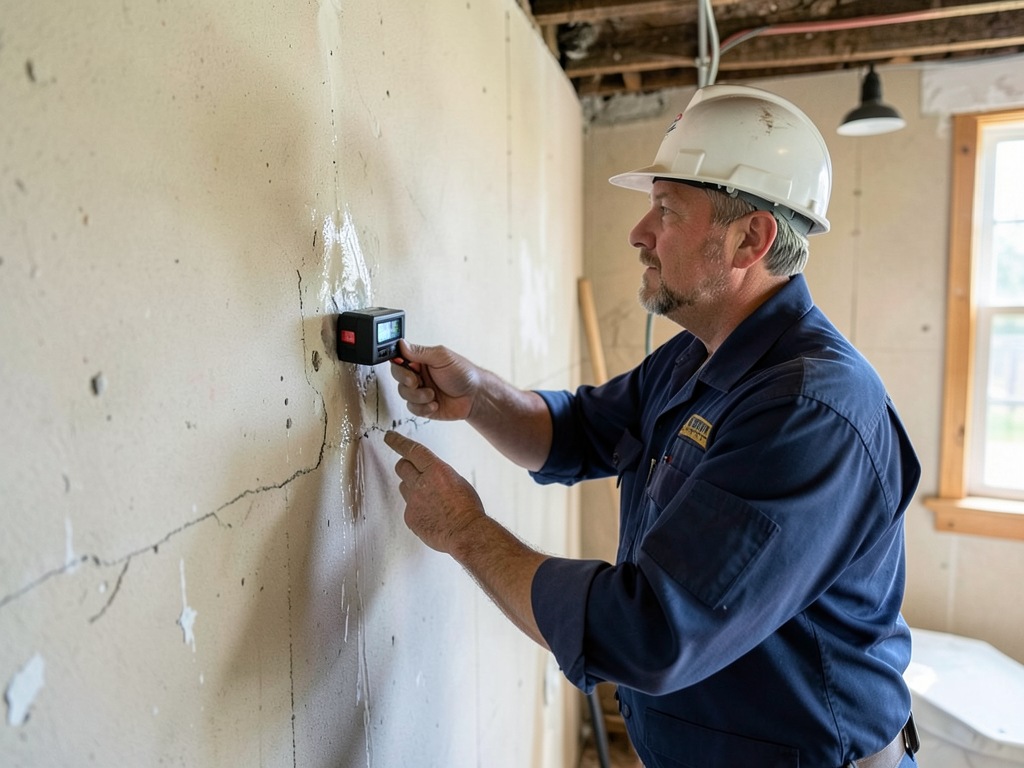
A properly functioning gutter system acts as your home’s first line of defense against water intrusion. Each inch of rain on a 2,000-square-foot roof produces about 1,250 gallons of water. Without clean gutters, this volume dumps directly against your foundation.
The physics are straightforward. Water seeks the lowest point and follows the path of least resistance. When gutters overflow, water sheets down exterior walls, pooling at the foundation where the basement wall meets the footing. In Hazelwood’s clay soil conditions, this water cannot drain quickly enough, creating a saturated zone that expands and contracts with moisture changes.
This expansion creates lateral pressure against basement walls. A cubic foot of water weighs approximately 62.4 pounds. When thousands of gallons saturate the soil around your foundation, the resulting pressure can reach hundreds of pounds per square foot. This pressure forces water through even the smallest cracks, gaps around utility penetrations, or directly through porous concrete. Efflorescence on Concrete.
Clean gutters prevent this chain reaction. By channeling water to downspouts and extending those downspouts at least five feet from your foundation, you create a dry zone that protects your basement from hydrostatic pressure. This simple maintenance task can prevent thousands of dollars in water damage repairs.
Why St. Louis Clay Soil Makes Gutter Maintenance Critical
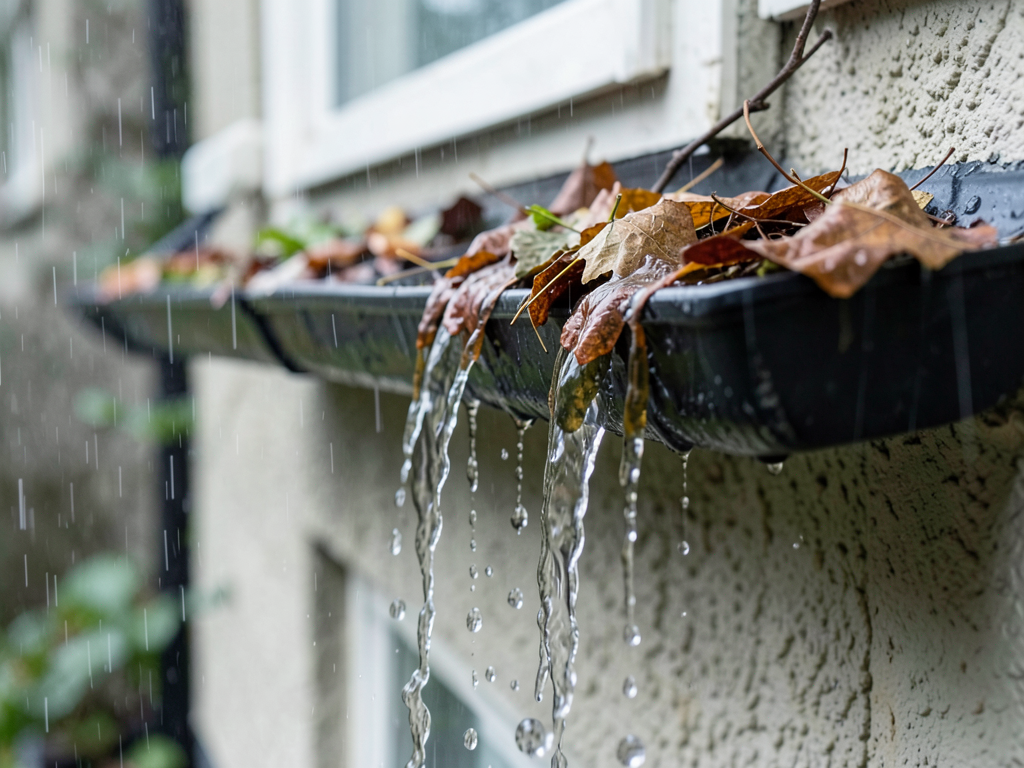
Missouri’s clay soil presents unique challenges for Hazelwood homeowners. Unlike sandy soils that drain quickly, clay particles are microscopic and pack tightly together. When wet, these particles expand significantly, sometimes by 10-15% in volume. This expansion creates the “clay bowl effect” around your foundation.
The clay bowl effect occurs because the soil disturbed during basement excavation never compacts as tightly as undisturbed soil. This creates a bowl-shaped zone around your foundation that collects water. When gutters fail and water pools in this zone, the expanding clay exerts tremendous pressure against basement walls.
Hazelwood’s location in the Missouri River floodplain means the water table fluctuates seasonally. During wet springs, the water table can rise within a few feet of the surface. Combined with gutter overflow, this creates conditions where water is literally pushing against your basement from all sides.
The freeze-thaw cycles common in St. Louis winters compound the problem. Water trapped in soil or foundation cracks expands when frozen, widening those cracks and creating new entry points for water. Clean gutters help maintain consistent soil moisture levels, reducing these destructive freeze-thaw cycles. How to Get Your St. Louis Home Insurance to Actually Pay for Water Damage.
Signs Your Basement Leak is Gutter-Related
Identifying whether your basement moisture problem originates from gutter failure helps determine the right solution. Gutter-related leaks typically show specific patterns that distinguish them from other water intrusion sources.
Water stains appearing high on basement walls often indicate overflow from clogged gutters. When water cascades down exterior walls, it leaves mineral deposits and discoloration at the point where the wall meets the floor. These stains typically appear after heavy rains and may disappear during dry periods.
Peeling paint or efflorescence near the ceiling of your basement suggests water is entering from above rather than rising from the water table below. Efflorescence appears as a white, powdery substance on concrete surfaces and indicates water has carried minerals through the masonry.
Dampness that correlates with rainfall patterns strongly suggests gutter-related issues. If your basement feels dry during drought periods but becomes damp or develops standing water after storms, your gutters are likely the culprit.
Musty odors concentrated in specific areas of your basement often indicate localized moisture problems. These odors intensify after rain and may be accompanied by visible mold growth on walls or stored items.
Foundation cracks that leak during wet weather but remain dry during droughts typically result from hydrostatic pressure caused by gutter overflow. These cracks often appear near corners or along basement walls where water pressure concentrates.
The Risks of Ignoring the Problem
Delaying gutter maintenance and basement waterproofing creates escalating risks that affect your home’s structural integrity and your family’s health. In Hazelwood’s humid climate, these risks multiply rapidly. Discreet and Rapid Water Restoration for Ladue Estates.
Mold growth represents the most immediate health hazard. St. Louis’s humidity levels, typically 70-80% during summer months, create ideal conditions for mold colonization. Once established, mold can spread through HVAC systems, affecting indoor air quality throughout your home. Common local species include Aspergillus and Penicillium, which can trigger respiratory issues, especially in children and elderly residents.
Structural damage progresses from minor to severe when water intrusion continues unchecked. Water weakens mortar joints in masonry walls, corrodes steel reinforcement in concrete, and causes wood rot in sill plates and floor joists. What begins as a small crack can eventually compromise your home’s structural integrity.
Electrical hazards emerge when water contacts wiring, outlets, or electrical panels in your basement. Even small amounts of moisture can create dangerous short circuits or fire hazards. Water and electricity create a lethal combination that requires immediate professional attention.
Property value depreciation occurs when water damage history becomes known to potential buyers. Disclosure requirements in Missouri mean you must reveal known water problems, which can reduce your home’s market value by 10-30% depending on severity.
Insurance complications arise when water damage results from lack of maintenance. Most homeowner policies cover sudden, accidental water damage but exclude problems resulting from neglected maintenance. Clogged gutters constitute a maintenance issue, potentially leaving you responsible for thousands in repair costs.
Immediate Steps for St. Louis Homeowners
When you discover basement moisture, taking immediate action can prevent minor issues from becoming major disasters. These steps help contain damage while you arrange professional assessment and repair.
Safety comes first. Before entering a flooded basement, turn off electricity at the main breaker if water has reached electrical outlets or panels. Never touch electrical devices while standing in water. If you smell gas or suspect structural damage, evacuate immediately and call emergency services.
Document everything for insurance purposes. Take clear photos of all affected areas before beginning cleanup. Capture water levels, damaged items, and the progression of water intrusion. This documentation proves invaluable during insurance claims.
Remove standing water as quickly as possible. Use a wet vacuum, sump pump, or professional extraction equipment. The longer water remains, the more damage it causes. Mold can begin growing within 24-48 hours in Hazelwood’s climate.
Increase air circulation to promote drying. Open windows if weather permits, use fans to move air, and run dehumidifiers continuously. The goal is to reduce humidity below 60% to prevent mold growth.
Remove wet materials promptly. Carpet, padding, and water-damaged drywall typically cannot be salvaged and can harbor mold. Move wet items to a dry area for assessment. Some wooden furniture may be restorable with proper drying techniques.
Clean and disinfect all affected surfaces. Use a solution of one cup bleach per gallon of water to kill bacteria and inhibit mold growth. Wear protective equipment including gloves, eye protection, and N95 respirators when cleaning flood-contaminated areas.
Monitor the area for several days after initial cleanup. Check for recurring moisture, new mold growth, or musty odors that indicate hidden problems. Some issues require professional moisture detection equipment to identify.
Professional Water Restoration vs. DIY Solutions
Understanding when to call professionals versus handling issues yourself saves time and prevents costly mistakes. Some water damage situations require specialized equipment and expertise available only through certified restoration companies.
Category 1 water damage from clean sources like broken supply lines may be manageable with DIY methods if addressed within 24 hours. However, Category 2 or 3 water from gutters, surface flooding, or sewage requires professional handling due to contamination risks.
Professional restoration companies use moisture meters to detect hidden water in walls, thermal imaging cameras to identify temperature differences indicating moisture, and hygrometers to measure humidity levels. These tools reveal problems invisible to the naked eye.
Industrial-grade equipment makes a significant difference in restoration outcomes. Professional dehumidifiers remove 20-30 gallons of water per day compared to residential units that handle 5-10 gallons. This capacity accelerates drying and prevents secondary damage.
Air quality testing by certified professionals identifies mold spores and other contaminants that may affect your family’s health. DIY cleaning often misses hidden contamination that continues affecting indoor air quality.
Insurance claim assistance represents another advantage of professional restoration services. Experienced companies document damage according to insurance standards, communicate directly with adjusters, and help maximize your claim coverage.
Time sensitivity cannot be overstated. Every hour water remains in your basement increases damage exponentially. Professional companies typically arrive within hours of your call and can begin mitigation immediately.
Preventing Future Basement Seepage
Prevention costs far less than restoration. Implementing these strategies reduces your risk of future basement seepage and protects your investment in professional repairs.
Gutter cleaning should occur at least twice yearly, in late spring and early fall. Hazelwood’s abundant trees mean gutters clog quickly with leaves, seeds, and debris. Consider installing gutter guards to reduce maintenance frequency while maintaining proper water flow.
Downspout extensions should direct water at least five to ten feet from your foundation. This distance ensures water drains into your yard rather than pooling against basement walls. Extensions should slope away from the house at a minimum 1% grade.
Grading around your foundation should slope away from the house at a rate of six inches of fall within the first ten feet. This positive drainage prevents water from pooling near your foundation even if gutters overflow.
Sump pump maintenance prevents basement flooding during heavy rains. Test your pump monthly by pouring water into the pit until the pump activates. Replace pumps every 5-7 years and consider battery backup systems for power outage protection.
Foundation crack sealing addresses minor entry points before they become major problems. Use hydraulic cement for active leaks and epoxy injection for structural cracks. Professional assessment determines the appropriate repair method.
Landscaping choices affect water management. Avoid planting water-intensive vegetation near your foundation. Use mulch sparingly near basement walls as it can retain moisture against masonry.
Roof maintenance prevents gutter problems before they start. Replace missing or damaged shingles promptly, ensure proper flashing around chimneys and vents, and trim tree branches that deposit debris on your roof.
Cost Comparison: Prevention vs. Restoration
Understanding the financial implications of gutter maintenance versus water damage restoration helps prioritize home maintenance tasks. The cost difference is substantial and often surprising to homeowners.
Professional gutter cleaning costs $150-300 for an average Hazelwood home, depending on stories and accessibility. Gutter guard installation ranges from $7-12 per linear foot. These preventive measures protect your home from much more expensive problems.
Foundation crack repair costs vary significantly based on severity. Minor cracks may cost $500-1,500 to seal, while major structural repairs can exceed $10,000. Early intervention keeps costs manageable.
Water damage restoration costs depend on water category, affected area size, and required demolition. Clean water damage in a small area might cost $1,000-3,000, while contaminated water affecting multiple rooms can exceed $10,000.
Mold remediation adds substantial costs to water damage restoration. Professional mold removal typically costs $15-30 per square foot, with extensive infestations reaching $10,000 or more. Insurance may not cover mold if it results from maintenance issues like clogged gutters.
Content cleaning and restoration represents another cost factor. Water-damaged furniture, electronics, and personal items may require professional cleaning or replacement, adding thousands to restoration costs.
Displacement costs during restoration can be significant. If your home requires extensive drying or mold remediation, you may need temporary housing for several days to weeks, costing $100-300 per night.
The math is clear: spending $300 annually on gutter maintenance prevents potential $10,000-30,000 restoration costs. Prevention represents a 30:1 return on investment for most homeowners.
Local Building Codes and Requirements
St. Louis County and Hazelwood have specific requirements for water management and basement waterproofing that affect homeowners and contractors alike. Understanding these regulations ensures compliance and protects your investment.
The International Residential Code (IRC) Section R405.1 mandates that “Drains shall be provided around all concrete or masonry foundations that retain earth and enclose habitable or usable spaces located below grade.” This code requires proper drainage systems to prevent water accumulation against foundations.
St. Louis County Ordinance 402.110 requires proper grading and drainage for all residential properties. The ordinance specifies that “All yards shall be graded to drain surface water away from foundation walls.” This local requirement reinforces the importance of positive drainage around your home.
Metropolitan St. Louis Sewer District (MSD) regulations govern stormwater management in Hazelwood. MSD Rule 4.1 requires that new construction and major renovations include stormwater detention or retention systems to prevent increased runoff onto adjacent properties.
Historic district guidelines in older Hazelwood neighborhoods may restrict certain waterproofing modifications. Properties in designated historic areas must maintain exterior appearance while implementing modern waterproofing solutions that remain invisible from the street.
Building permits are required for structural waterproofing modifications in St. Louis County. Permit fees vary by project scope but typically range from $50-500. Inspections ensure work meets code requirements and provides effective long-term protection.
Insurance companies often reference these building codes when evaluating claims. Non-compliant waterproofing or drainage systems may result in claim denials, making code compliance both a legal and financial necessity.
Health Impacts of Basement Moisture
Beyond structural damage, basement moisture creates significant health concerns that affect your entire household. In Hazelwood’s humid climate, these health impacts can be severe and long-lasting.
Mold exposure triggers allergic reactions in approximately 10% of the population. Symptoms include sneezing, runny nose, red eyes, and skin rash. For individuals with asthma, mold exposure can cause asthma attacks and increased medication use.
Stachybotrys chartarum, commonly known as black mold, thrives in chronically damp environments. This toxic mold produces mycotoxins that can cause serious respiratory problems, fatigue, and neurological symptoms in sensitive individuals. Black mold remediation requires specialized procedures and often necessitates professional removal.
Dust mites flourish in humid environments above 50% relative humidity. These microscopic creatures trigger allergic reactions and asthma attacks. Basement moisture raises humidity throughout your home as air naturally circulates between levels.
Bacterial growth in standing water or damp materials poses infection risks. Common bacteria found in water-damaged buildings include E. coli, Salmonella, and various species that cause respiratory infections. These pathogens particularly threaten individuals with compromised immune systems.
Volatile organic compounds (VOCs) released by damp building materials create indoor air quality problems. Pressed wood products, adhesives, and some insulation materials emit formaldehyde and other chemicals more readily in humid conditions.
Mental health impacts often accompany chronic moisture problems. The stress of dealing with recurring water damage, potential health effects, and financial uncertainty creates anxiety and depression in affected households.
Children and elderly family members face heightened risks from basement moisture. Developing immune systems and age-related respiratory vulnerabilities make these populations more susceptible to mold-related health problems.
Emergency Response Timeline
Understanding the critical timeline for water damage response helps you make informed decisions during emergencies. Every hour matters when water threatens your home’s structure and your family’s health.
Within the first hour, water spreads rapidly through porous materials. Drywall wicks water up to two feet above the visible water line. Wood furniture develops swelling and delamination. Paper products like books and documents begin deteriorating.
Between 1-24 hours, drywall swells and breaks down. Metal surfaces tarnish. Furniture in contact with water develops swelling and cracking. Musty odors begin appearing as mold spores activate in the moist environment.
After 48 hours, mold growth accelerates dramatically. Door and window casings swell and warp. Metal surfaces show signs of rust and corrosion. Furniture delaminates and shows signs of fungal growth. Electronic devices exposed to moisture begin failing.
Beyond one week, restoration costs escalate significantly. Mold growth becomes extensive and visible. Structural components weaken and may require replacement rather than repair. Biohazard contamination becomes likely in standing water.
Professional restoration companies categorize water damage by contamination level. Category 1 water from clean sources remains relatively safe for 24-48 hours. Category 2 water from appliances or roof leaks requires professional handling within 24 hours. Category 3 water from sewage or flooding requires immediate professional intervention.
The restoration process typically requires 3-5 days for Category 1 damage, 5-7 days for Category 2, and 7-14 days for Category 3. This timeline includes water extraction, drying, cleaning, and final repairs.
Choosing the Right Restoration Company
Not all water damage restoration companies provide equal service quality. Selecting the right company ensures proper restoration and protects your home’s value.
Certification matters significantly in water damage restoration. The Institute of Inspection Cleaning and Restoration Certification (IICRC) sets industry standards for water damage restoration. Certified companies follow established protocols that ensure thorough drying and prevent secondary damage.
Local experience proves invaluable for Hazelwood homeowners. Companies familiar with St. Louis’s clay soil conditions, building codes, and weather patterns understand the specific challenges your home faces. They know which restoration techniques work best in local conditions.
Insurance experience streamlines the claims process. Restoration companies that regularly work with insurance providers understand documentation requirements, communicate effectively with adjusters, and help maximize your coverage.
Equipment quality directly impacts restoration outcomes. Professional-grade dehumidifiers, air movers, and moisture detection equipment remove water more effectively than rental units. Ask about the company’s equipment and whether they own or rent their restoration tools.
Response time can mean the difference between salvageable and lost property. Companies that guarantee arrival within four hours or less minimize damage and reduce restoration costs. Ask about their emergency response policies and typical arrival times.
References and reviews provide insight into company reliability and work quality. Check reviews specifically for water damage restoration services, not general contracting. Look for comments about communication, timeliness, and thoroughness.
Warranty and guarantee policies protect your investment. Reputable companies stand behind their work with written guarantees covering both workmanship and materials. Ask about warranty terms before committing to services.
Frequently Asked Questions
How often should I clean my gutters to prevent basement leaks?
Clean your gutters at least twice yearly, typically in late spring and early fall. Hazelwood’s abundant trees may require more frequent cleaning, especially during heavy leaf fall seasons. Consider gutter guards to reduce maintenance frequency while maintaining proper water flow.
Can I fix basement seepage myself or do I need a professional?
Minor surface water issues from clogged gutters may be manageable with DIY solutions like extending downspouts or improving grading. However, water that has entered your basement requires professional assessment. Water can travel through walls and appear far from the actual entry point, making DIY diagnosis difficult and potentially dangerous.
How much does professional water damage restoration cost in Hazelwood?
Restoration costs vary significantly based on damage extent, water category, and required repairs. Clean water damage in a small area typically costs $1,000-3,000. Contaminated water affecting multiple rooms can exceed $10,000. Most companies provide free assessments and can give detailed estimates after evaluating your specific situation.
Will my homeowner’s insurance cover basement water damage from clogged gutters?
Most policies cover sudden, accidental water damage but exclude problems resulting from lack of maintenance. Clogged gutters constitute a maintenance issue, potentially leading to claim denial. Some policies offer specific water backup coverage that may help. Always review your policy and discuss coverage with your insurance agent before problems occur.
How long does it take to dry out a water-damaged basement?
Drying time depends on water volume, materials affected, and environmental conditions. Professional drying typically requires 3-5 days for clean water damage. Contaminated water or extensive damage may require 7-14 days. Attempting to rush the process often results in hidden moisture that causes mold growth later.
What are the signs of mold growth after basement water damage?
Musty odors are often the first sign of mold growth. Visual signs include black, green, or white fuzzy growth on surfaces, discoloration of walls or ceilings, and water stains that reappear after cleaning. Health symptoms like increased allergy symptoms or respiratory issues may also indicate hidden mold problems.
Take Action Before the Next Storm
Clean gutters represent your home’s first and most cost-effective defense against basement seepage. In Hazelwood’s climate, with its heavy spring rains and expansive clay soil, this simple maintenance task can prevent thousands of dollars in water damage and protect your family’s health.
Don’t wait until water appears in your basement to address gutter maintenance. Schedule professional cleaning today or invest in quality gutter guards that reduce maintenance requirements while maintaining proper water flow. Your home’s foundation, your family’s health, and your financial security depend on these preventive measures.
If you’re already experiencing basement moisture or water damage, time is critical. Professional water damage restoration can prevent minor issues from becoming major disasters. Call (314) 428-9977 today to schedule your inspection. Our certified technicians understand Hazelwood’s unique challenges and provide rapid, effective solutions that protect your home and your family.
Remember, clean gutters don’t just prevent basement leaks—they protect your entire home’s structural integrity and indoor air quality. Make gutter maintenance a priority this season and enjoy peace of mind knowing your basement stays dry, even during the heaviest St. Louis thunderstorms.
Pick up the phone and call (314) 428-9977 before the next storm hits. Your home deserves professional protection, and your family deserves a dry, healthy living environment. Don’t let clogged gutters cost you thousands in preventable damage.
{
“@context”: “https://schema.org”,
“@type”: “BlogPosting”,
“headline”: “Why Clean Gutters are the Best Defense Against Basement Seepage in Hazelwood”,
“description”: “Learn how clogged gutters cause basement leaks in Hazelwood homes. Discover the link between Missouri clay soil, hydrostatic pressure, and professional water damage restoration solutions.”,
“wordCount”: 3808,
“datePublished”: “2026-05-16T06:09:00.000Z”,
“dateModified”: “2026-05-16T06:09:00.000Z”,
“inLanguage”: “en-US”,
“mainEntityOfPage”: {
“@type”: “WebPage”,
“@id”: “https://patriotwaterdamagerestorationstlouis.com”
},
“publisher”: {
“@type”: “LocalBusiness”,
“name”: “Patriot Water Damage Restoration St. Louis”,
“url”: “https://patriotwaterdamagerestorationstlouis.com”
},
“author”: {
“@type”: “Organization”,
“name”: “Patriot Water Damage Restoration St. Louis”,
“url”: “https://patriotwaterdamagerestorationstlouis.com”
},
“image”: {
“@type”: “ImageObject”,
“url”: “https://patriotwaterdamagerestorationstlouis.com/wp-content/uploads/2026/03/why-clean-gutters-are-the-best-defense-against-bas-1.png”
}
}
{
“@context”: “https://schema.org”,
“@type”: “LocalBusiness”,
“name”: “Patriot Water Damage Restoration St. Louis”,
“url”: “https://patriotwaterdamagerestorationstlouis.com”,
“address”: {
“@type”: “PostalAddress”,
“addressLocality”: “St. Louis”
},
“areaServed”: {
“@type”: “City”,
“name”: “St. Louis”
}
}
{
“@context”: “https://schema.org”,
“@type”: “FAQPage”,
“mainEntity”: [
{
“@type”: “Question”,
“name”: “How often should I clean my gutters to prevent basement leaks?”,
“acceptedAnswer”: {
“@type”: “Answer”,
“text”: “Clean your gutters at least twice yearly, typically in late spring and early fall. Hazelwood’s abundant trees may require more frequent cleaning, especially during heavy leaf fall seasons. Consider gutter guards to reduce maintenance frequency while maintaining proper water flow.”
}
},
{
“@type”: “Question”,
“name”: “Can I fix basement seepage myself or do I need a professional?”,
“acceptedAnswer”: {
“@type”: “Answer”,
“text”: “Minor surface water issues from clogged gutters may be manageable with DIY solutions like extending downspouts or improving grading. However, water that has entered your basement requires professional assessment. Water can travel through walls and appear far from the actual entry point, making DIY diagnosis difficult and potentially dangerous.”
}
},
{
“@type”: “Question”,
“name”: “How much does professional water damage restoration cost in Hazelwood?”,
“acceptedAnswer”: {
“@type”: “Answer”,
“text”: “Restoration costs vary significantly based on damage extent, water category, and required repairs. Clean water damage in a small area typically costs $1,000-3,000. Contaminated water affecting multiple rooms can exceed $10,000. Most companies provide free assessments and can give detailed estimates after evaluating your specific situation.”
}
},
{
“@type”: “Question”,
“name”: “Will my homeowner’s insurance cover basement water damage from clogged gutters?”,
“acceptedAnswer”: {
“@type”: “Answer”,
“text”: “Most policies cover sudden, accidental water damage but exclude problems resulting from lack of maintenance. Clogged gutters constitute a maintenance issue, potentially leading to claim denial. Some policies offer specific water backup coverage that may help. Always review your policy and discuss coverage with your insurance agent before problems occur.”
}
},
{
“@type”: “Question”,
“name”: “How long does it take to dry out a water-damaged basement?”,
“acceptedAnswer”: {
“@type”: “Answer”,
“text”: “Drying time depends on water volume, materials affected, and environmental conditions. Professional drying typically requires 3-5 days for clean water damage. Contaminated water or extensive damage may require 7-14 days. Attempting to rush the process often results in hidden moisture that causes mold growth later.”
}
},
{
“@type”: “Question”,
“name”: “What are the signs of mold growth after basement water damage?”,
“acceptedAnswer”: {
“@type”: “Answer”,
“text”: “Musty odors are often the first sign of mold growth. Visual signs include black, green, or white fuzzy growth on surfaces, discoloration of walls or ceilings, and water stains that reappear after cleaning. Health symptoms like increased allergy symptoms or respiratory issues may also indicate hidden mold problems.”
}
}
]
}
{
“@context”: “https://schema.org”,
“@type”: “BreadcrumbList”,
“itemListElement”: [
{
“@type”: “ListItem”,
“position”: 1,
“name”: “Home”,
“item”: “https://patriotwaterdamagerestorationstlouis.com”
},
{
“@type”: “ListItem”,
“position”: 2,
“name”: “Blog”,
“item”: “https://patriotwaterdamagerestorationstlouis.com/blog”
},
{
“@type”: “ListItem”,
“position”: 3,
“name”: “Why Clean Gutters are the Best Defense Against Basement Seepage in Hazelwood”
}
]
}
{
“@context”: “https://schema.org”,
“@type”: “Service”,
“serviceType”: “Water Damage Restoration”,
“provider”: {
“@type”: “LocalBusiness”,
“name”: “Patriot Water Damage Restoration St. Louis”,
“url”: “https://patriotwaterdamagerestorationstlouis.com”
},
“areaServed”: {
“@type”: “City”,
“name”: “St. Louis”
},
“description”: “Learn how clogged gutters cause basement leaks in Hazelwood homes. Discover the link between Missouri clay soil, hydrostatic pressure, and professional water damage restoration solutions.”
}