
Who Pays for Water Damage in Your Clayton High-Rise Condo? Here’s What Missouri Law Says
When water starts seeping through your ceiling in a Clayton high-rise condo panic sets in fast. You worry about your furniture and flooring and wonder who pays for what. Missouri’s Uniform Condominium Act governs these situations but the answer depends on where the water came from and what your HOA’s master policy covers. In most Clayton developments the HOA handles common elements like roofs exterior walls and plumbing in shared spaces while you are responsible for everything from your unit’s drywall inward. But shared wall leaks muddy the waters literally. Understanding the difference between ‘studs-in’ and ‘common elements’ coverage can save you thousands in unexpected repairs. Missouri Uniform Condominium Act.
Clayton’s high-rise buildings many built in the 1970s-1990s boom often have aging plumbing stacks and roof membranes that fail without warning. When a pipe bursts in a shared wall or a roof leak drips down multiple floors the first 24 hours determine whether you are dealing with a simple cleanup or a six-figure restoration. The key is acting fast and knowing your rights under Missouri law before you talk to your HOA board or insurance adjuster. How to Get Your St. Louis Home Insurance to Actually Pay for Water Damage.
Understanding ‘Studs-In’ vs. ‘Common Elements’ Coverage
Most Clayton HOAs carry a ‘bare walls’ policy that covers the building’s structure but stops at your interior paint. Your individual HO-6 policy should cover your personal property flooring and any upgrades you have made. But when water travels through shared walls determining the ‘source of loss’ becomes critical. If the leak originated in a common element like a roof or main plumbing stack the HOA’s master policy typically covers repairs to all affected units’ structural components. However if the source is within your unit’s plumbing or an adjacent owner’s negligence you may be on the hook for repairs and the master policy deductible. Professional Water Extraction and Drying for St. Charles Residents.
Missouri courts have consistently held that HOAs must maintain common elements in a safe condition but unit owners must maintain their own plumbing fixtures and appliances. This creates a gray area when a slow leak from your washing machine damages the unit below. Your HO-6 policy covers the downstairs damage but only if you can prove the leak was not due to your negligence. Clayton’s older buildings often have cast iron drain stacks that corrode from the inside out creating pinhole leaks that are nearly impossible to detect until water appears elsewhere. In these cases determining responsibility requires a professional water damage assessment and sometimes legal intervention.
Common Scenarios: Leaky Roofs Burst Pipes and Overflowing Tubs
Roof leaks in Clayton high-rises typically affect multiple units because water travels along ceiling joists and wall cavities before finding an exit point. The HOA’s master policy covers roof replacement and structural repairs but your HO-6 policy covers damaged personal property and any upgrades beyond standard finishes. Burst pipes in shared walls are trickier. If the pipe serves multiple units it is likely a common element covered by the master policy. But if it is a supply line exclusively serving your unit you are responsible for both the repair and any resulting damage. Who to Call When Your Pipes Burst in Kirkwood This Winter.
Overflowing tubs and accidental water discharge create another layer of complexity. Missouri law treats these as ‘sudden and accidental’ losses covered by your HO-6 policy not the HOA’s master policy. However if the overflow causes damage to common areas or other units your policy’s liability coverage kicks in. Clayton’s high-rise buildings often have concrete floor slabs between units which can slow water migration but also trap moisture leading to mold growth within 48-72 hours if not properly dried. Efflorescence on Concrete.
Missouri Condominium Property Act: What St. Louis Owners Need to Know
The Missouri Uniform Condominium Act establishes that unit owners own their units ‘from the interior surfaces of the perimeter walls floors and ceilings inward.’ This means your responsibility extends to plumbing fixtures electrical outlets and any improvements you have made. The HOA owns and maintains common elements including the building’s exterior roof and shared mechanical systems. When water damage crosses these boundaries determining responsibility requires examining where the water originated and whether the HOA breached its duty to maintain common elements.
Clayton’s high-rise HOAs often include specific provisions in their bylaws about water damage responsibility and deductible recovery. Some require unit owners to carry their own insurance and agree to reimburse the HOA for any master policy deductible if the owner’s negligence caused the damage. Missouri courts have upheld these provisions as long as they are clearly stated in the recorded declaration. This is why reviewing your HOA documents and understanding your HO-6 policy coverage limits is crucial before a water emergency occurs.
Immediate Steps to Take When You Spot Water Damage
When water appears in your Clayton condo time is your enemy. Mold can begin growing within 24-48 hours in St. Louis’s humid climate and secondary damage to drywall flooring and cabinetry escalates quickly. Your first step should be stopping the water source if possible. Turn off the nearest water valve or contact building maintenance immediately. Document everything with photos and videos before cleanup begins as this evidence proves invaluable when dealing with insurance claims and HOA disputes.
Next notify your HOA board and property manager in writing. Missouri law requires HOAs to respond to water damage emergencies promptly but response times vary. Keep copies of all communications. Contact your insurance company to start the claims process but do not authorize any repairs until you understand the scope of coverage. If the damage is extensive or the source is disputed consider hiring a professional water damage restoration company that understands multi-unit building dynamics and can provide detailed documentation for insurance purposes.
How Professional Restoration Protects Both the HOA and the Owner
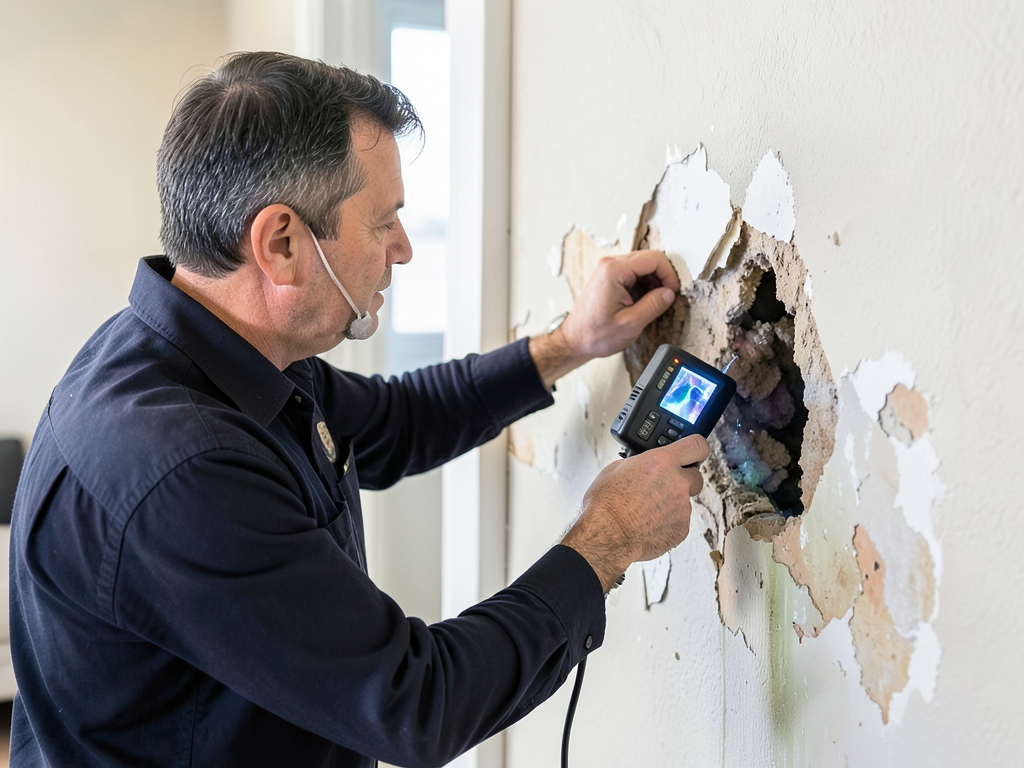
Professional water damage restoration in Clayton high-rises requires specialized knowledge of multi-story building construction and moisture migration patterns. Unlike single-family homes water in high-rises can travel horizontally through ceiling plenums and vertically through wall cavities affecting multiple units before becoming visible. Professional restorers use moisture meters thermal imaging cameras and hygrometers to detect hidden water and establish drying goals based on IICRC S500 standards. IICRC S500 Standards.
The restoration process typically involves water extraction removal of damaged materials structural drying using commercial dehumidifiers and air movers and antimicrobial treatment to prevent mold growth. In Clayton’s older buildings this often means removing baseboard trim to check for wicking drilling small holes in drywall to promote air circulation and using injectidry systems to dry wall cavities without demolition. Professional documentation of the drying process including daily moisture readings and thermal images provides the evidence needed for insurance approval and protects you from future liability claims. Removing Mold from Historic Central West End Homes Without Damaging the Architecture.
Who Pays the Master Policy Deductible? Understanding Subrogation Rights
One of the most contentious issues in Clayton condo water damage cases is who pays the HOA’s master policy deductible. Missouri law allows HOAs to pass this cost to the responsible party through their bylaws but determining responsibility requires establishing negligence or fault. If a unit owner’s faulty washing machine hose bursts and damages common areas the HOA can pursue subrogation against that owner’s insurance for the deductible amount. However if the damage results from a common element failure like a roof leak the HOA typically absorbs the deductible cost.
Clayton’s high-rise buildings often have complex plumbing systems with multiple owners sharing responsibility for maintenance. The key is establishing whether the damage resulted from a sudden accidental event or long-term neglect. Professional water damage assessments can determine the age and condition of failed components which helps establish whether the HOA or individual owner bears responsibility. This documentation becomes crucial when negotiating with insurance companies and HOA boards about deductible recovery.
Preventing Future Water Damage in Your Clayton High-Rise
Prevention is always cheaper than restoration in Clayton’s high-rise condos. Regular maintenance of your unit’s plumbing fixtures including replacing washing machine hoses every 3-5 years and checking for toilet seal leaks can prevent many common water damage scenarios. Consider installing water leak detection systems that can shut off your unit’s water supply automatically if a leak is detected. These systems are particularly valuable in Clayton’s older buildings where plumbing failures often occur without warning.
Understanding your building’s vulnerabilities is also crucial. Clayton’s high-rises built in the 1970s-1980s often have polybutylene plumbing that is prone to sudden failure while buildings from the 1990s may have problematic CPVC installations. Ask your HOA about the age and condition of major systems like roof membranes plumbing stacks and HVAC equipment. Many Clayton HOAs are now requiring unit owners to carry specific insurance endorsements for water damage so review your policy annually to ensure adequate coverage.
Navigating Insurance Claims and HOA Disputes
Insurance claims in Clayton condo water damage cases often involve three parties. Your HO-6 carrier the HOA’s master policy carrier and sometimes the carrier for the unit where the leak originated. Each insurance company will send their own adjuster to investigate and their interests may not align with yours. Having professional documentation from a certified water damage restoration company can level the playing field and ensure your interests are represented.
Disputes with your HOA board about responsibility and payment can escalate quickly in Clayton’s tight-knit condo communities. Missouri law requires HOAs to act in good faith when addressing water damage emergencies but interpretations of responsibility often differ. If negotiations break down consider mediation through the Community Association Institute or legal counsel familiar with Missouri condominium law. Document all communications and keep detailed records of expenses as these may be recoverable if you prevail in a dispute.
Clayton’s Unique Building Challenges and Water Damage Patterns
Clayton’s high-rise condos face unique water damage challenges due to their construction era and local climate. Many buildings constructed during the 1970s-1990s boom used building practices and materials that do not meet today’s standards. The area’s freeze-thaw cycles combined with poor insulation in some older buildings create conditions where pipes are more likely to burst during cold snaps. Additionally Clayton’s clay soil can cause foundation settling that stresses plumbing connections over time.
The St. Louis metropolitan area’s high humidity levels averaging 70% annually means that water damage in Clayton condos does not dry out naturally as quickly as in drier climates. This creates ideal conditions for mold growth if water is not properly extracted and dried within 24-48 hours. Professional restorers in Clayton must account for these local conditions when establishing drying goals and selecting equipment often using larger dehumidifiers and longer drying times than would be necessary in other regions.
Emergency Response: Why Speed Matters in Multi-Unit Buildings
In Clayton’s high-rise condos water damage spreads exponentially faster than in single-family homes. A small leak on the 10th floor can affect units on floors 9 8 and 7 within hours as water travels along ceiling plenums and wall cavities. The interconnected nature of these buildings means that your emergency response affects not just your unit but potentially dozens of neighbors. Professional restoration companies familiar with Clayton’s high-rise buildings understand these dynamics and can mobilize quickly to contain damage.
Most Clayton HOAs have emergency response protocols but response times can vary significantly. Having a professional restoration company on call that understands your building’s specific construction and insurance requirements can save valuable hours when every minute counts. Look for companies that offer 24/7 emergency service can bill insurance directly and have experience with multi-unit building claims in the St. Louis area.
Frequently Asked Questions
Who is responsible for water damage in a condo if I did not cause the leak?
Responsibility depends on the source of the leak. If it originated in a common element like a roof or shared plumbing stack the HOA’s master policy typically covers structural repairs. If it came from another unit that owner’s insurance may be responsible. Your HO-6 policy covers your personal property and any damage to your unit’s interior finishes.
How long do I have to report water damage to my HOA in Clayton?
Most Clayton HOAs require prompt notification often within 24 hours of discovering the damage. Check your HOA’s bylaws for specific reporting requirements. Prompt reporting helps prevent further damage and ensures compliance with insurance policy conditions that may affect coverage.
Will my insurance cover water damage from a neighbor’s leaking shower?
Your HO-6 policy should cover damage to your unit from a neighbor’s leak but you will need to file a claim with your insurance company first. They may then pursue the neighbor’s insurance for reimbursement through subrogation. Your policy also provides liability coverage if your leak damages other units.
What should I do if my HOA refuses to pay for water damage repairs?
First review your HOA’s governing documents and understand the source of the leak. If the damage resulted from a common element failure and the HOA is refusing responsibility you may need to file a claim with your own insurance and let them pursue the HOA. Consider legal counsel if negotiations break down.
How can I prove where a water leak originated in a shared wall?
Professional water damage restoration companies use moisture meters thermal imaging cameras and sometimes small exploratory openings to trace water migration paths. They can also examine failed components to determine age and cause of failure. This documentation is crucial for insurance claims and HOA disputes.
Does Clayton’s building code affect condo water damage responsibility?
Clayton follows St. Louis County building codes which require proper waterproofing and plumbing installation. If damage results from code violations or improper maintenance of common elements the HOA may be held responsible. However unit owners are responsible for maintaining their own plumbing fixtures and appliances.
Should I let my HOA’s preferred contractor handle the water damage?
While your HOA may have preferred contractors you have the right to choose your own restoration company. Consider whether the contractor has experience with multi-unit buildings understands insurance claims processes and can provide detailed documentation. Your choice can affect both the quality of repairs and your future liability exposure.
How much does professional water damage restoration cost in Clayton condos?
Costs vary widely based on damage extent but professional restoration in Clayton high-rises typically ranges from $2000 to $15000 for moderate damage. Extensive damage affecting multiple units can cost $50000 or more. Most HO-6 policies cover restoration costs minus your deductible while the HOA’s master policy covers common element repairs.
Can I be held responsible for water damage to other units?
Yes if your negligence caused the damage. This includes failing to maintain your plumbing fixtures leaving appliances running unattended or making unauthorized modifications to plumbing systems. Your HO-6 policy’s liability coverage protects you in these situations but you may still face the HOA’s master policy deductible.
What is the difference between water damage and flood damage in condo insurance?
Water damage typically refers to sudden accidental discharge from plumbing appliances or fixtures which is covered by your HO-6 policy. Flood damage from external sources like heavy rain or sewer backup usually requires separate flood insurance. Clayton’s flood risk varies by location so check whether you need additional coverage.
How long does the water damage restoration process take in high-rise condos?
Typical restoration takes 3-7 days for water extraction and drying but full repairs including reconstruction can take 2-6 weeks depending on damage extent and material availability. In Clayton’s high-rises coordinating access to multiple affected units and working within HOA rules can extend timelines.
What documentation do I need for a water damage insurance claim?
Essential documentation includes photos and videos of the damage repair estimates moisture readings and any communication with the HOA. Professional restorers provide detailed reports with thermal images and daily drying logs that insurance companies require for claim approval.
Can mold grow in my condo if I cannot see any water damage?
Yes mold can grow hidden behind walls under flooring or in ceiling cavities where water has penetrated. Clayton’s high humidity means mold can develop within 24-48 hours of water exposure. Professional moisture detection is often needed to find hidden water that could lead to mold growth.
What if the water damage was caused by a common element failure years ago?
If the damage resulted from the HOA’s failure to maintain common elements you may have grounds for a claim even if the failure occurred years ago. Missouri’s statute of limitations for property damage is typically five years but latent defects may extend this timeframe. Consult with an attorney familiar with condominium law.
How do I choose a water damage restoration company for my Clayton condo?
Look for IICRC-certified companies with experience in multi-unit buildings 24/7 emergency service and familiarity with Clayton’s high-rise construction. Check reviews ask about insurance billing experience and ensure they can provide detailed documentation for claims. Local experience with Clayton’s specific building types is invaluable.
What is the most common cause of water damage in Clayton high-rise condos?
Plumbing failures top the list including burst pipes failed washing machine hoses and toilet seal leaks. Roof leaks affecting multiple units are also common in older buildings. Clayton’s freeze-thaw cycles and high humidity create conditions where these failures often lead to extensive damage if not addressed quickly.
Should I file a claim if the damage seems minor?
Even minor water damage can lead to major problems like mold growth if not properly addressed. Document the damage and consult with a professional restorer before deciding whether to file a claim. Sometimes the cost of professional assessment and drying is less than your deductible but the peace of mind is worth it.
How does Clayton’s climate affect water damage restoration?
Clayton’s high humidity averaging 70% annually means water does not evaporate naturally as quickly as in drier climates. This requires more aggressive drying techniques and longer drying times. Professional restorers must use larger dehumidifiers and monitor moisture levels more frequently to ensure complete drying and prevent mold growth.
What if my HOA’s master policy does not cover the full cost of repairs?
If repair costs exceed the master policy coverage limits the HOA may assess unit owners for the difference. Your HO-6 policy may cover some of these assessments if you have loss assessment coverage. Review your policy and understand your potential exposure before a major damage event occurs.
Can I make improvements to prevent water damage in my condo?
Yes many unit owners install water leak detection systems upgrade plumbing fixtures or add waterproofing measures. However check your HOA’s architectural guidelines first as some modifications may require approval. Improvements that prevent damage to common elements or other units may also reduce your liability exposure.
What happens if the water damage was caused by vandalism or criminal activity?
Vandalism-related water damage is typically covered by your HO-6 policy’s comprehensive coverage. However if the criminal activity involved another unit owner their liability insurance may also come into play. Document the damage thoroughly and file a police report as this may be required for insurance claims.
How do I know if my condo needs flood insurance?
Flood insurance needs depend on your building’s location and flood zone designation. Clayton’s proximity to the Missouri and Meramec Rivers means some areas have higher flood risk. Check FEMA flood maps and consult with your insurance agent about whether separate flood coverage is recommended for your specific location. FEMA Flood Maps.
What if I discover water damage after buying a condo?
If you discover pre-existing water damage after purchase review your purchase agreement and any seller disclosures. If the damage was not disclosed and constitutes a material defect you may have legal recourse against the seller. Document the damage immediately and consult with a real estate attorney familiar with Missouri law.
- Stop the Water Source
Turn off the nearest water valve or contact building maintenance immediately to prevent further damage.
- Document Everything
Take photos and videos of all affected areas before any cleanup or repairs begin. This documentation is crucial for insurance claims.
- Notify Your HOA
Report the damage to your HOA board or property manager in writing immediately. Keep copies of all communications.
- Review Your Insurance Policies
Check your HO-6 policy coverage and understand your responsibilities versus the HOA’s master policy coverage.
- Call a Professional
Contact a certified water damage restoration company familiar with Clayton high-rise construction and multi-unit building dynamics.
- Begin Mitigation
Start the water extraction and drying process immediately to prevent mold growth and secondary damage.
- File Insurance Claims
Notify your insurance company and begin the claims process but do not authorize repairs until coverage is confirmed.
- Monitor the Drying Process
Ensure daily moisture readings are taken and documented until all affected areas reach acceptable drying goals.
Water damage in Clayton high-rise condos requires quick action and clear understanding of your rights and responsibilities under Missouri law. The difference between a simple cleanup and a major restoration project often comes down to how quickly you respond and whether you have the right professionals on your side. Do not let confusion about HOA rules and insurance policies cost you thousands in unnecessary repairs.
Clayton’s unique building stock and humid climate create specific challenges that require specialized knowledge to address properly. Whether you are dealing with a leaky roof burst pipe or overflowing tub understanding the ‘studs-in’ vs. ‘common elements’ distinction can save you from unexpected expenses and legal headaches. Professional water damage restoration companies familiar with Clayton’s high-rise buildings can navigate these complexities while ensuring your property is properly dried and restored to prevent future problems.
When water damage strikes your Clayton condo do not wait to take action. Mold can begin growing within 24-48 hours in our humid climate and secondary damage escalates quickly. Document everything notify your HOA immediately and call a professional restoration company that understands multi-unit building dynamics. Your quick response today can prevent a six-figure restoration project tomorrow.
Need help with water damage in your Clayton high-rise condo? Call (314) 428-9977 today to schedule your inspection. Our team understands Clayton’s unique building challenges and can help you navigate HOA rules insurance claims and the restoration process from start to finish. Do not let water damage turn into a nightmare. Call now and get the expert help you need.
Don’t Wait Until It’s Too Late
Water damage in Clayton high-rise condos does not wait for convenient timing. When you discover a leak every hour counts toward preventing mold growth and secondary damage. Our team at Patriot Water Damage Restoration understands the unique challenges of Clayton’s high-rise buildings and can respond quickly to minimize your losses.
We have helped countless Clayton condo owners navigate the complex world of HOA rules insurance claims and restoration requirements. Our certified technicians use advanced moisture detection equipment to find hidden water follow IICRC S500 standards for proper drying and provide detailed documentation that insurance companies require. We work directly with your HOA and insurance company to ensure the restoration process goes smoothly.
Clayton’s humid climate means water damage can escalate from a minor issue to a major problem within 48 hours. Do not let confusion about responsibility or delays in response time cost you thousands in unnecessary repairs. Whether you are dealing with a roof leak burst pipe or overflowing fixture we have the expertise to handle your specific situation.
Pick up the phone and call (314) 428-9977 before the next storm hits or the next pipe bursts. Our 24/7 emergency response team is ready to help you protect your investment and get your life back to normal as quickly as possible. We understand Clayton’s unique building challenges and can provide the professional restoration services you need to prevent future problems.
Water damage does not have to be a nightmare. With the right knowledge and the right restoration partner you can protect your Clayton condo and your peace of mind. Call (314) 428-9977 today and let us help you navigate the complexities of condo water damage restoration with confidence.
{
“@context”: “https://schema.org”,
“@type”: “BlogPosting”,
“headline”: “Dealing with HOA Rules and Shared Wall Leaks in Your Clayton High-Rise Condo”,
“description”: “Understand Missouri law and HOA rules for shared wall leaks in Clayton high-rise condos. Learn who pays for water damage and how to protect your investment.”,
“wordCount”: 4014,
“datePublished”: “2026-05-09T14:19:00.000Z”,
“dateModified”: “2026-05-09T14:19:00.000Z”,
“inLanguage”: “en-US”,
“mainEntityOfPage”: {
“@type”: “WebPage”,
“@id”: “https://patriotwaterdamagerestorationstlouis.com”
},
“publisher”: {
“@type”: “LocalBusiness”,
“name”: “Patriot Water Damage Restoration St. Louis”,
“url”: “https://patriotwaterdamagerestorationstlouis.com”
},
“author”: {
“@type”: “Organization”,
“name”: “Patriot Water Damage Restoration St. Louis”,
“url”: “https://patriotwaterdamagerestorationstlouis.com”
},
“image”: {
“@type”: “ImageObject”,
“url”: “https://patriotwaterdamagerestorationstlouis.com/wp-content/uploads/2026/03/dealing-with-hoa-rules-and-shared-wall-leaks-in-yo-1.png”
}
}
{
“@context”: “https://schema.org”,
“@type”: “LocalBusiness”,
“name”: “Patriot Water Damage Restoration St. Louis”,
“url”: “https://patriotwaterdamagerestorationstlouis.com”,
“address”: {
“@type”: “PostalAddress”,
“addressLocality”: “St. Louis”
},
“areaServed”: {
“@type”: “City”,
“name”: “St. Louis”
}
}
{
“@context”: “https://schema.org”,
“@type”: “FAQPage”,
“mainEntity”: [
{
“@type”: “Question”,
“name”: “Who is responsible for water damage in a condo if I did not cause the leak?”,
“acceptedAnswer”: {
“@type”: “Answer”,
“text”: “Responsibility depends on the source of the leak. If it originated in a common element like a roof or shared plumbing stack the HOA’s master policy typically covers structural repairs. If it came from another unit that owner’s insurance may be responsible. Your HO-6 policy covers your personal property and any damage to your unit’s interior finishes.”
}
},
{
“@type”: “Question”,
“name”: “How long do I have to report water damage to my HOA in Clayton?”,
“acceptedAnswer”: {
“@type”: “Answer”,
“text”: “Most Clayton HOAs require prompt notification often within 24 hours of discovering the damage. Check your HOA’s bylaws for specific reporting requirements. Prompt reporting helps prevent further damage and ensures compliance with insurance policy conditions that may affect coverage.”
}
},
{
“@type”: “Question”,
“name”: “Will my insurance cover water damage from a neighbor’s leaking shower?”,
“acceptedAnswer”: {
“@type”: “Answer”,
“text”: “Your HO-6 policy should cover damage to your unit from a neighbor’s leak but you will need to file a claim with your insurance company first. They may then pursue the neighbor’s insurance for reimbursement through subrogation. Your policy also provides liability coverage if your leak damages other units.”
}
},
{
“@type”: “Question”,
“name”: “What should I do if my HOA refuses to pay for water damage repairs?”,
“acceptedAnswer”: {
“@type”: “Answer”,
“text”: “First review your HOA’s governing documents and understand the source of the leak. If the damage resulted from a common element failure and the HOA is refusing responsibility you may need to file a claim with your own insurance and let them pursue the HOA. Consider legal counsel if negotiations break down.”
}
},
{
“@type”: “Question”,
“name”: “How can I prove where a water leak originated in a shared wall?”,
“acceptedAnswer”: {
“@type”: “Answer”,
“text”: “Professional water damage restoration companies use moisture meters thermal imaging cameras and sometimes small exploratory openings to trace water migration paths. They can also examine failed components to determine age and cause of failure. This documentation is crucial for insurance claims and HOA disputes.”
}
},
{
“@type”: “Question”,
“name”: “Does Clayton’s building code affect condo water damage responsibility?”,
“acceptedAnswer”: {
“@type”: “Answer”,
“text”: “Clayton follows St. Louis County building codes which require proper waterproofing and plumbing installation. If damage results from code violations or improper maintenance of common elements the HOA may be held responsible. However unit owners are responsible for maintaining their own plumbing fixtures and appliances.”
}
},
{
“@type”: “Question”,
“name”: “Should I let my HOA’s preferred contractor handle the water damage?”,
“acceptedAnswer”: {
“@type”: “Answer”,
“text”: “While your HOA may have preferred contractors you have the right to choose your own restoration company. Consider whether the contractor has experience with multi-unit buildings understands insurance claims processes and can provide detailed documentation. Your choice can affect both the quality of repairs and your future liability exposure.”
}
},
{
“@type”: “Question”,
“name”: “How much does professional water damage restoration cost in Clayton condos?”,
“acceptedAnswer”: {
“@type”: “Answer”,
“text”: “Costs vary widely based on damage extent but professional restoration in Clayton high-rises typically ranges from $2000 to $15000 for moderate damage. Extensive damage affecting multiple units can cost $50000 or more. Most HO-6 policies cover restoration costs minus your deductible while the HOA’s master policy covers common element repairs.”
}
},
{
“@type”: “Question”,
“name”: “Can I be held responsible for water damage to other units?”,
“acceptedAnswer”: {
“@type”: “Answer”,
“text”: “Yes if your negligence caused the damage. This includes failing to maintain your plumbing fixtures leaving appliances running unattended or making unauthorized modifications to plumbing systems. Your HO-6 policy’s liability coverage protects you in these situations but you may still face the HOA’s master policy deductible.”
}
},
{
“@type”: “Question”,
“name”: “What is the difference between water damage and flood damage in condo insurance?”,
“acceptedAnswer”: {
“@type”: “Answer”,
“text”: “Water damage typically refers to sudden accidental discharge from plumbing appliances or fixtures which is covered by your HO-6 policy. Flood damage from external sources like heavy rain or sewer backup usually requires separate flood insurance. Clayton’s flood risk varies by location so check whether you need additional coverage.”
}
},
{
“@type”: “Question”,
“name”: “How long does the water damage restoration process take in high-rise condos?”,
“acceptedAnswer”: {
“@type”: “Answer”,
“text”: “Typical restoration takes 3-7 days for water extraction and drying but full repairs including reconstruction can take 2-6 weeks depending on damage extent and material availability. In Clayton’s high-rises coordinating access to multiple affected units and working within HOA rules can extend timelines.”
}
},
{
“@type”: “Question”,
“name”: “What documentation do I need for a water damage insurance claim?”,
“acceptedAnswer”: {
“@type”: “Answer”,
“text”: “Essential documentation includes photos and videos of the damage repair estimates moisture readings and any communication with the HOA. Professional restorers provide detailed reports with thermal images and daily drying logs that insurance companies require for claim approval.”
}
},
{
“@type”: “Question”,
“name”: “Can mold grow in my condo if I cannot see any water damage?”,
“acceptedAnswer”: {
“@type”: “Answer”,
“text”: “Yes mold can grow hidden behind walls under flooring or in ceiling cavities where water has penetrated. Clayton’s high humidity means mold can develop within 24-48 hours of water exposure. Professional moisture detection is often needed to find hidden water that could lead to mold growth.”
}
},
{
“@type”: “Question”,
“name”: “What if the water damage was caused by a common element failure years ago?”,
“acceptedAnswer”: {
“@type”: “Answer”,
“text”: “If the damage resulted from the HOA’s failure to maintain common elements you may have grounds for a claim even if the failure occurred years ago. Missouri’s statute of limitations for property damage is typically five years but latent defects may extend this timeframe. Consult with an attorney familiar with condominium law.”
}
},
{
“@type”: “Question”,
“name”: “How do I choose a water damage restoration company for my Clayton condo?”,
“acceptedAnswer”: {
“@type”: “Answer”,
“text”: “Look for IICRC-certified companies with experience in multi-unit buildings 24/7 emergency service and familiarity with Clayton’s high-rise construction. Check reviews ask about insurance billing experience and ensure they can provide detailed documentation for claims. Local experience with Clayton’s specific building types is invaluable.”
}
},
{
“@type”: “Question”,
“name”: “What is the most common cause of water damage in Clayton high-rise condos?”,
“acceptedAnswer”: {
“@type”: “Answer”,
“text”: “Plumbing failures top the list including burst pipes failed washing machine hoses and toilet seal leaks. Roof leaks affecting multiple units are also common in older buildings. Clayton’s freeze-thaw cycles and high humidity create conditions where these failures often lead to extensive damage if not addressed quickly.”
}
},
{
“@type”: “Question”,
“name”: “Should I file a claim if the damage seems minor?”,
“acceptedAnswer”: {
“@type”: “Answer”,
“text”: “Even minor water damage can lead to major problems like mold growth if not properly addressed. Document the damage and consult with a professional restorer before deciding whether to file a claim. Sometimes the cost of professional assessment and drying is less than your deductible but the peace of mind is worth it.”
}
},
{
“@type”: “Question”,
“name”: “How does Clayton’s climate affect water damage restoration?”,
“acceptedAnswer”: {
“@type”: “Answer”,
“text”: “Clayton’s high humidity averaging 70% annually means water does not evaporate naturally as quickly as in drier climates. This requires more aggressive drying techniques and longer drying times. Professional restorers must use larger dehumidifiers and monitor moisture levels more frequently to ensure complete drying and prevent mold growth.”
}
},
{
“@type”: “Question”,
“name”: “What if my HOA’s master policy does not cover the full cost of repairs?”,
“acceptedAnswer”: {
“@type”: “Answer”,
“text”: “If repair costs exceed the master policy coverage limits the HOA may assess unit owners for the difference. Your HO-6 policy may cover some of these assessments if you have loss assessment coverage. Review your policy and understand your potential exposure before a major damage event occurs.”
}
},
{
“@type”: “Question”,
“name”: “Can I make improvements to prevent water damage in my condo?”,
“acceptedAnswer”: {
“@type”: “Answer”,
“text”: “Yes many unit owners install water leak detection systems upgrade plumbing fixtures or add waterproofing measures. However check your HOA’s architectural guidelines first as some modifications may require approval. Improvements that prevent damage to common elements or other units may also reduce your liability exposure.”
}
},
{
“@type”: “Question”,
“name”: “What happens if the water damage was caused by vandalism or criminal activity?”,
“acceptedAnswer”: {
“@type”: “Answer”,
“text”: “Vandalism-related water damage is typically covered by your HO-6 policy’s comprehensive coverage. However if the criminal activity involved another unit owner their liability insurance may also come into play. Document the damage thoroughly and file a police report as this may be required for insurance claims.”
}
},
{
“@type”: “Question”,
“name”: “How do I know if my condo needs flood insurance?”,
“acceptedAnswer”: {
“@type”: “Answer”,
“text”: “Flood insurance needs depend on your building’s location and flood zone designation. Clayton’s proximity to the Missouri and Meramec Rivers means some areas have higher flood risk. Check FEMA flood maps and consult with your insurance agent about whether separate flood coverage is recommended for your specific location. FEMA Flood Maps.”
}
},
{
“@type”: “Question”,
“name”: “What if I discover water damage after buying a condo?”,
“acceptedAnswer”: {
“@type”: “Answer”,
“text”: “If you discover pre-existing water damage after purchase review your purchase agreement and any seller disclosures. If the damage was not disclosed and constitutes a material defect you may have legal recourse against the seller. Document the damage immediately and consult with a real estate attorney familiar with Missouri law.”
}
}
]
}
{
“@context”: “https://schema.org”,
“@type”: “BreadcrumbList”,
“itemListElement”: [
{
“@type”: “ListItem”,
“position”: 1,
“name”: “Home”,
“item”: “https://patriotwaterdamagerestorationstlouis.com”
},
{
“@type”: “ListItem”,
“position”: 2,
“name”: “Blog”,
“item”: “https://patriotwaterdamagerestorationstlouis.com/blog”
},
{
“@type”: “ListItem”,
“position”: 3,
“name”: “Dealing with HOA Rules and Shared Wall Leaks in Your Clayton High-Rise Condo”
}
]
}
{
“@context”: “https://schema.org”,
“@type”: “Service”,
“serviceType”: “Water Damage Restoration”,
“provider”: {
“@type”: “LocalBusiness”,
“name”: “Patriot Water Damage Restoration St. Louis”,
“url”: “https://patriotwaterdamagerestorationstlouis.com”
},
“areaServed”: {
“@type”: “City”,
“name”: “St. Louis”
},
“description”: “Understand Missouri law and HOA rules for shared wall leaks in Clayton high-rise condos. Learn who pays for water damage and how to protect your investment.”
}