
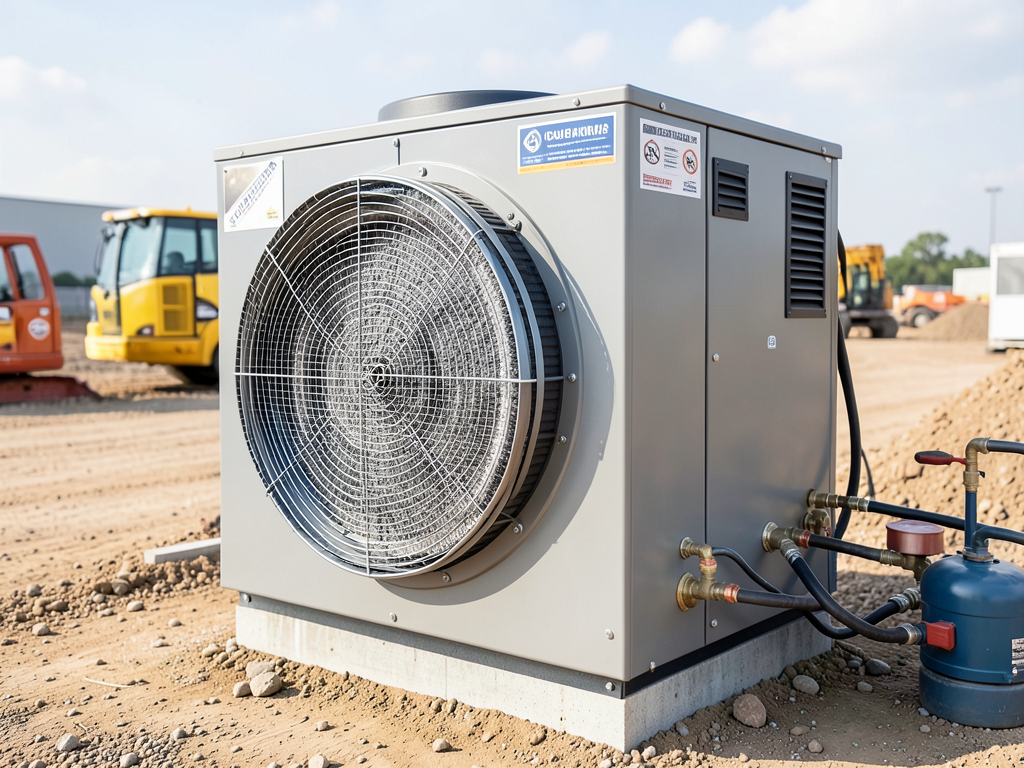
Desiccant versus Refrigerant Dehumidifiers — Which is Better for Drying a Midtown St. Louis Loft?
Midtown St. Louis lofts face unique drying challenges thanks to our humid summers and cold winters. Choosing between desiccant and refrigerant dehumidifiers can make the difference between a space that dries in 48 hours versus one that stays damp for weeks. Refrigerant units excel in warm weather but struggle below 70°F. Desiccant systems work at any temperature but cost more to operate. For a Midtown loft with high ceilings and exposed brick, the right choice depends on your specific water damage scenario and the season when flooding occurs. How to Get Your St. Louis Home Insurance to Actually Pay for Water Damage.
Understanding Refrigerant (LGR) Dehumidifiers: The Summer Workhorse
Refrigerant dehumidifiers pull moist air across cold coils where water condenses and drains away. Low Grain Refrigerant (LGR) units achieve 10-15% better efficiency than standard models by using a double cooling system that pre-cools incoming air. In July when St. Louis humidity hits 85%, LGR units remove 20-25 gallons of water per day from a 1,500 square foot space. Professional Water Extraction and Drying for St. Charles Residents.
These machines shine when temperatures stay above 70°F. A typical LGR unit processes 300-400 cubic feet per minute and maintains grain depression levels below 40 grains per pound. The coils need that warm ambient air to function efficiently. Below 60°F, frost builds up and the unit shuts down for defrost cycles every 30-45 minutes.
Midtown lofts often have large windows and minimal insulation. When a pipe bursts in summer, LGR units mounted on wheels can roll through wide doorways and start removing moisture immediately. The units plug into standard 115-volt outlets and run quietly enough for occupied buildings. Removing Mold from Historic Central West End Homes Without Damaging the Architecture.
Energy consumption runs 6-8 amps per hour at peak load. Running continuously for 72 hours costs approximately $45-60 depending on Ameren rates. The upfront rental or purchase price runs $75-150 per day for professional-grade equipment.
What is a Desiccant Dehumidifier? (And Why It’s Critical for Cold Weather)
Desiccant dehumidifiers use silica gel wheels to absorb moisture from air. The process works through adsorption, not condensation. Moist air passes through a rotating silica wheel where water vapor sticks to the gel’s surface. A separate heated air stream then regenerates the wheel by evaporating the captured moisture outside. EPA mold guidelines.
This technology functions at temperatures from 0°F to 120°F without efficiency loss. A 500-pound silica wheel can process 10,000 cubic feet per minute while maintaining grain levels below 10 grains per pound. The regeneration process requires 800-1,200 CFM of exhaust air and generates significant heat output.
For Midtown lofts with hardwood floors and exposed timber beams, desiccant drying prevents the cupping and warping that occurs when moisture migrates unevenly. The steady, low-temperature drying process pulls moisture from deep within materials without surface drying that traps water inside.
Desiccant units run on propane or natural gas with electrical controls. A standard 200,000 BTU unit consumes 15-20 gallons of propane per 24 hours. The heat output helps prevent secondary damage in winter when ambient temperatures drop below freezing. Running one unit for three days costs approximately $180-220 in fuel plus electrical costs.
The units weigh 300-500 pounds and require 240-volt power for controls. They need exhaust venting and cannot operate in sealed spaces without makeup air. For a 2,000 square foot loft, one unit typically suffices, though larger spaces may need multiple units staged around the perimeter.
Head-to-Head Comparison: Performance Data and Use Cases
| Performance Metric | Refrigerant (LGR) | Desiccant |
|---|---|---|
| Operating Temperature Range | 70°F – 100°F | 0°F – 120°F |
| Moisture Removal (Grains/Pound) | 30-40 GPP | 5-15 GPP |
| Energy Consumption | 6-8 amps @ 115V | 15-20 amps @ 240V + fuel |
| Daily Water Removal (1,500 SF) | 20-25 gallons | 15-20 gallons |
| Noise Level | 55-65 dB | 65-75 dB |
| Initial Cost (per day) | $75-150 | $200-350 |
Refrigerant units win for summer flooding in finished lofts. They’re quieter, cheaper to run, and easier to deploy. Desiccant units dominate for winter pipe bursts, hardwood floor restoration, and large commercial spaces where deep drying matters more than speed. Who to Call When Your Pipes Burst in Kirkwood This Winter.
For Category 1 clean water from a supply line, refrigerant units typically achieve dryness in 48-72 hours. Category 2 gray water from washing machines may require 72-96 hours with antimicrobial treatment. Category 3 black water from sewage backups needs complete material removal rather than drying.
The St. Louis Building Code requires moisture content below 16% for structural wood before reconstruction. Using a moisture meter at multiple depths verifies compliance. Readings above 20% indicate active drying is still needed.
St. Louis Case Study: Choosing the Right Tech for Basement Flooding vs. Pipe Bursts
A Midtown loft experienced two separate water events six months apart. First, a supply line burst in August when temperatures hit 92°F with 78% humidity. LGR units removed standing water within 24 hours and achieved dryness in 48 hours total. The exposed brick dried without efflorescence because moisture levels dropped below critical thresholds quickly. Efflorescence on Concrete.
Six months later, a heating pipe froze and burst in January when temperatures stayed below 25°F for three days. LGR units ran continuously but achieved only 60% of normal efficiency. Frost buildup forced defrost cycles every hour, extending drying time to 96 hours. The hardwood floors cupped slightly because surface drying trapped moisture in the boards’ cores.
Switching to desiccant for the winter event would have maintained consistent 70°F exhaust temperatures, preventing freeze damage to the plumbing system during restoration. The silica wheels would have pulled moisture from the wood’s core while the heat prevented secondary freezing in wall cavities.
St. Louis weather data shows January averages 2.1 inches of precipitation with average highs of 39°F. July averages 3.5 inches with highs of 89°F. This 50-degree swing affects equipment efficiency dramatically. Refrigerant units lose 30-40% capacity when temperatures drop below 60°F.
The Metropolitan St. Louis Sewer District reports that 30% of water damage calls occur between November and February, primarily from frozen pipes. Summer thunderstorms account for another 40% of calls, mostly from roof leaks and basement flooding.
When to Call a Professional for Industrial-Grade Drying
DIY drying works for small spills under 10 square feet. Beyond that threshold, professional equipment and techniques prevent secondary damage. Signs you need industrial-grade drying include water spreading beyond visible areas, moisture readings above 16% in structural materials, or water exposure lasting more than 24 hours.
Professional restorers use thermal imaging cameras to detect moisture in wall cavities and under flooring. A $3,000 infrared camera reveals temperature differentials that indicate hidden water. Without this diagnostic tool, homeowners often miss 40-50% of the actual damage area.
IICRC S500 standards require documenting moisture content at the beginning, during, and end of restoration. This creates a drying log that proves work was completed to industry standards. Insurance companies increasingly require this documentation for claim approval. IICRC S500 standards.
For Midtown lofts, the high ceilings and open floor plans create airflow challenges. Standard box fans cannot circulate air effectively in spaces with 12-15 foot ceilings. Professional air movers create directional airflow that ensures even drying and prevents mold growth in stagnant areas.
The EPA reports that mold can begin growing within 24-48 hours on wet surfaces. In St. Louis’s humid climate, this timeline shortens to 18-36 hours. Rapid response with proper equipment prevents mold colonization that requires expensive remediation.
Professional drying also addresses structural concerns. Water weakens mortar joints in exposed brick walls. Prolonged moisture exposure causes efflorescence—white mineral deposits that indicate deep-seated moisture problems. These issues require specialized treatment beyond simple water removal.
Insurance policies often cover professional drying when performed promptly. Delays beyond 72 hours may void coverage for secondary damage. Most policies require using licensed, insured contractors who follow IICRC standards.
For a free assessment of your drying needs, call (314) 428-9977. Our technicians arrive within two hours with the right equipment for your specific situation. Don’t let water damage turn into a costly reconstruction project.
Frequently Asked Questions
Can I use my home dehumidifier for water damage?
Residential dehumidifiers remove 1-2 gallons per day versus 20-25 gallons for professional equipment. They cannot handle the volume from burst pipes or flooding. The small units also lack the airflow capacity to dry structural materials effectively.
How long does professional drying take in St. Louis?
Clean water damage typically requires 48-72 hours. Gray water may need 72-96 hours with antimicrobial treatment. Black water often requires material removal rather than drying. Winter conditions can extend these timelines by 24-48 hours.
Will my insurance cover professional drying?
Most homeowner policies cover sudden water damage including professional drying. Coverage depends on the water source and prompt response. Gradual leaks or neglect are typically excluded. Always document damage with photos before cleanup begins.
What’s the difference between drying and dehumidifying?
Drying removes moisture from materials using heat and airflow. Dehumidifying removes moisture from air to prevent reabsorption. Professional restoration uses both processes simultaneously. The equipment choice depends on material type, temperature, and damage extent.
Should I turn off my HVAC during water damage?
Turn off HVAC systems if water contacts ducts or electrical components. Running wet systems spreads contamination and creates safety hazards. Professional restorers can evaluate your specific system and recommend appropriate actions.
How do I know when materials are truly dry?
Moisture meters provide accurate readings. Wood should test below 16% moisture content. Drywall should show no moisture at the core. Professional restorers document readings throughout the process to verify complete drying.
Call (314) 428-9977 now for emergency water damage response. Every hour of delay increases damage and restoration costs. Our team serves Midtown St. Louis with industrial-grade equipment and IICRC-certified technicians ready to protect your property.
{
“@context”: “https://schema.org”,
“@type”: “BlogPosting”,
“headline”: “Desiccant versus Refrigerant Dehumidifiers — Which is Better for Drying a Midtown St. Louis Loft?”,
“description”: “Expert comparison of desiccant vs. refrigerant dehumidifiers for St. Louis loft drying. Learn which system handles our humid summers and cold winters best.”,
“wordCount”: 1631,
“datePublished”: “2026-04-28T09:08:00.000Z”,
“dateModified”: “2026-04-28T09:08:00.000Z”,
“inLanguage”: “en-US”,
“mainEntityOfPage”: {
“@type”: “WebPage”,
“@id”: “https://patriotwaterdamagerestorationstlouis.com”
},
“publisher”: {
“@type”: “LocalBusiness”,
“name”: “Patriot Water Damage Restoration St. Louis”,
“url”: “https://patriotwaterdamagerestorationstlouis.com”
},
“author”: {
“@type”: “Organization”,
“name”: “Patriot Water Damage Restoration St. Louis”,
“url”: “https://patriotwaterdamagerestorationstlouis.com”
},
“image”: {
“@type”: “ImageObject”,
“url”: “https://patriotwaterdamagerestorationstlouis.com/wp-content/uploads/2026/03/desiccant-versus-refrigerant-dehumidifiers-which-i-1.png”
}
}
{
“@context”: “https://schema.org”,
“@type”: “LocalBusiness”,
“name”: “Patriot Water Damage Restoration St. Louis”,
“url”: “https://patriotwaterdamagerestorationstlouis.com”,
“address”: {
“@type”: “PostalAddress”,
“addressLocality”: “St. Louis”
},
“areaServed”: {
“@type”: “City”,
“name”: “St. Louis”
}
}
{
“@context”: “https://schema.org”,
“@type”: “FAQPage”,
“mainEntity”: [
{
“@type”: “Question”,
“name”: “Can I use my home dehumidifier for water damage?”,
“acceptedAnswer”: {
“@type”: “Answer”,
“text”: “Residential dehumidifiers remove 1-2 gallons per day versus 20-25 gallons for professional equipment. They cannot handle the volume from burst pipes or flooding. The small units also lack the airflow capacity to dry structural materials effectively.”
}
},
{
“@type”: “Question”,
“name”: “How long does professional drying take in St. Louis?”,
“acceptedAnswer”: {
“@type”: “Answer”,
“text”: “Clean water damage typically requires 48-72 hours. Gray water may need 72-96 hours with antimicrobial treatment. Black water often requires material removal rather than drying. Winter conditions can extend these timelines by 24-48 hours.”
}
},
{
“@type”: “Question”,
“name”: “Will my insurance cover professional drying?”,
“acceptedAnswer”: {
“@type”: “Answer”,
“text”: “Most homeowner policies cover sudden water damage including professional drying. Coverage depends on the water source and prompt response. Gradual leaks or neglect are typically excluded. Always document damage with photos before cleanup begins.”
}
},
{
“@type”: “Question”,
“name”: “What’s the difference between drying and dehumidifying?”,
“acceptedAnswer”: {
“@type”: “Answer”,
“text”: “Drying removes moisture from materials using heat and airflow. Dehumidifying removes moisture from air to prevent reabsorption. Professional restoration uses both processes simultaneously. The equipment choice depends on material type, temperature, and damage extent.”
}
},
{
“@type”: “Question”,
“name”: “Should I turn off my HVAC during water damage?”,
“acceptedAnswer”: {
“@type”: “Answer”,
“text”: “Turn off HVAC systems if water contacts ducts or electrical components. Running wet systems spreads contamination and creates safety hazards. Professional restorers can evaluate your specific system and recommend appropriate actions.”
}
},
{
“@type”: “Question”,
“name”: “How do I know when materials are truly dry?”,
“acceptedAnswer”: {
“@type”: “Answer”,
“text”: “Moisture meters provide accurate readings. Wood should test below 16% moisture content. Drywall should show no moisture at the core. Professional restorers document readings throughout the process to verify complete drying.”
}
}
]
}
{
“@context”: “https://schema.org”,
“@type”: “BreadcrumbList”,
“itemListElement”: [
{
“@type”: “ListItem”,
“position”: 1,
“name”: “Home”,
“item”: “https://patriotwaterdamagerestorationstlouis.com”
},
{
“@type”: “ListItem”,
“position”: 2,
“name”: “Blog”,
“item”: “https://patriotwaterdamagerestorationstlouis.com/blog”
},
{
“@type”: “ListItem”,
“position”: 3,
“name”: “Desiccant versus Refrigerant Dehumidifiers — Which is Better for Drying a Midtown St. Louis Loft?”
}
]
}
{
“@context”: “https://schema.org”,
“@type”: “Service”,
“serviceType”: “Water Damage Restoration”,
“provider”: {
“@type”: “LocalBusiness”,
“name”: “Patriot Water Damage Restoration St. Louis”,
“url”: “https://patriotwaterdamagerestorationstlouis.com”
},
“areaServed”: {
“@type”: “City”,
“name”: “St. Louis”
},
“description”: “Expert comparison of desiccant vs. refrigerant dehumidifiers for St. Louis loft drying. Learn which system handles our humid summers and cold winters best.”
}