Emergency Basement Flooding Help in Central West End (CWE), St. Louis
Standing water in your Central West End basement is more than a nuisance—it is a race against time. The historic limestone foundations common in CWE homes absorb moisture quickly, and the clay-heavy Missouri soil surrounding your property expands when saturated, putting pressure on basement walls. A single inch of water can cause thousands of dollars in damage if not removed within 24-48 hours. This is not the time for guesswork. You need rapid, professional extraction from a team that understands the unique challenges of St. Louis basements. How to Get Your St. Louis Home Insurance to Actually Pay for Water Damage.
Why Central West End Basements Flood So Easily
The CWE sits in a low-lying area near Forest Park where stormwater runoff from Lindell Boulevard and surrounding neighborhoods converges. Many homes here were built before modern drainage codes, relying on aging clay pipes and combined sewer-stormwater systems. When heavy rains overwhelm these systems, water backs up through floor drains or seeps through foundation cracks. Add in the freeze-thaw cycles common in St. Louis winters, and hairline cracks can widen into major entry points for groundwater. The result is a basement that floods not just from surface water, but from the ground pushing in. Professional Water Extraction and Drying for St. Charles Residents.
24/7 Rapid Response for CWE Residents
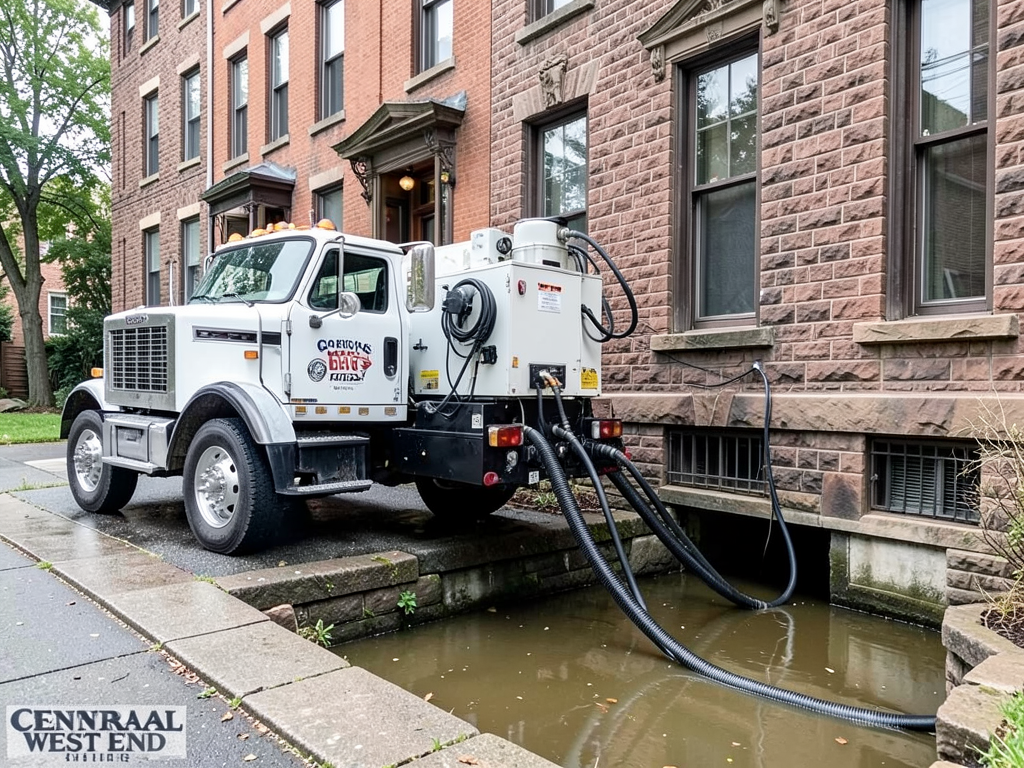
When water is rising, every minute counts. Our dispatch center in St. Louis guarantees a certified technician at your door in under 60 minutes for most 63108 addresses. We arrive with truck-mounted extraction units capable of removing up to 1,200 gallons per hour, commercial-grade dehumidifiers, and thermal imaging cameras to find hidden moisture behind historic plaster walls. We also bring EPA-registered antimicrobial treatments to stop mold before it starts, a critical step in St. Louis’s high-humidity climate where spores can colonize in as little as 24-48 hours. EPA mold guidelines.
Call (314) 428-9977 now for immediate dispatch to your Central West End home.
Specialized Care for Historic CWE Basements
Older CWE homes often feature limestone or brick foundations, lath-and-plaster walls, and original wood trim. Standard water extraction methods can damage these materials. We use low-pressure drying mats that gently pull moisture from beneath hardwood floors without causing cupping, and injectidry systems that force dry air into wall cavities without removing plaster. Our technicians are trained in the IICRC S500 standard for water damage restoration, which means we know how to dry a 100-year-old basement without destroying its character. We also coordinate with the St. Louis Building Division to ensure all structural drying meets local permit requirements. Removing Mold from Historic Central West End Homes Without Damaging the Architecture.
Our Water Damage Restoration Process
- Inspection and Assessment
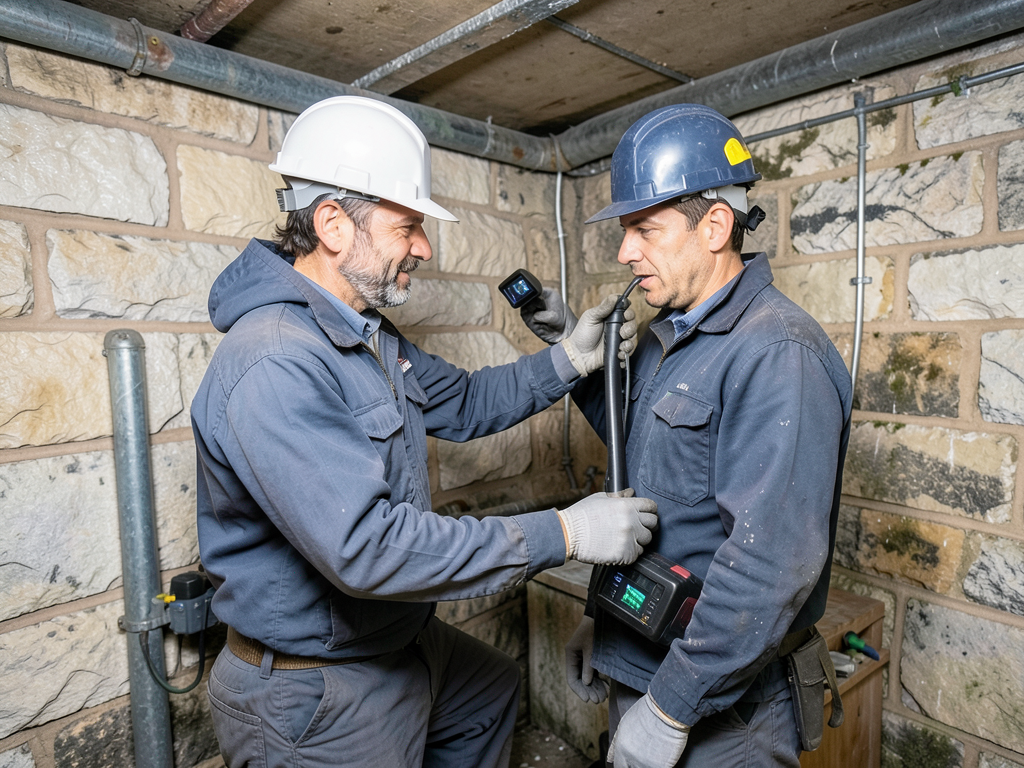
Using moisture meters and thermal imaging, we map the extent of water migration, including behind walls and under flooring.
- Water Removal
High-capacity truck-mounted extractors remove standing water, while submersible pumps handle deeper flooding.
- Drying and Dehumidification
Industrial air movers and desiccant dehumidifiers reduce humidity to below 40%, preventing mold growth.
- Cleaning and Sanitizing
EPA-registered antimicrobials treat all affected surfaces, neutralizing bacteria and mold spores.
- Restoration
We repair or replace damaged materials, from plaster patching to hardwood floor refinishing, restoring your basement to pre-flood condition.
Insurance Claim Assistance for St. Louis Homeowners
Navigating insurance after a flood can be overwhelming, especially in historic districts where adjusters may not understand the value of original materials. We document every step with photos, moisture readings, and itemized estimates that meet insurance carrier standards. Our team has experience working with major providers like State Farm and American Family, and we can communicate directly with adjusters to ensure your claim covers both visible damage and hidden moisture. We also help you understand whether your policy covers sewer backup—a common issue in older CWE homes with combined drainage systems.
Local Reviews from the Central West End
Homeowners near Maryland Plaza and McPherson Avenue trust us because we show up fast and treat their homes with respect. One recent customer on Waterman Boulevard said we saved their newly refinished basement from permanent damage after a sudden storm overwhelmed their sump pump. Another client on Hortense Place praised our ability to dry their plaster walls without causing cracking or paint damage. These are not stock testimonials—they are real stories from your neighbors who needed help when it mattered most.
Preventing Future Basement Flooding in CWE
Once your basement is dry, prevention is key. We recommend installing a battery-backup sump pump to protect against power outages during storms. For homes with persistent moisture issues, we can install interior French drains that channel groundwater away from your foundation. We also seal foundation cracks with hydraulic cement and apply waterproof coatings to basement walls. These upgrades not only protect your home but can also lower your flood insurance premiums. Ask us about a free moisture assessment to identify your home’s specific vulnerabilities.
Don’t wait for the next storm. Call (314) 428-9977 today to schedule your inspection.
Understanding Water Categories and Health Risks
Not all water damage is the same. Category 1 water comes from a clean source like a broken supply line. Category 2, or “gray water,” may contain contaminants from a washing machine or dishwasher. Category 3, or “black water,” includes sewage or floodwater from the Mississippi or Missouri Rivers and poses serious health risks. CWE homes near Forest Park are particularly vulnerable to Category 3 events due to the combined sewer system. We use personal protective equipment and follow OSHA guidelines when handling contaminated water to keep your family safe.
Common Causes of Basement Flooding in Central West End
- Sump pump failure during power outages
- Sewer lateral blockages from tree roots
- Cracks in limestone or brick foundations
- Overwhelmed municipal storm drains during heavy rain
- Melting snow refreezing in foundation gaps
Why Quick Action Matters
St. Louis’s high humidity means that even after visible water is gone, moisture lingers in wood, drywall, and concrete. This hidden dampness feeds mold growth, which can begin within 24-48 hours. Mold not only damages your home but can trigger allergies, asthma, and other respiratory issues. Our rapid response team uses moisture meters to detect water you cannot see, ensuring your basement is truly dry and safe. We also monitor humidity levels daily during the drying process, adjusting equipment as needed to hit target moisture content levels for each material type. Efflorescence on Concrete.
Equipment and Technology We Use
Our fleet includes truck-mounted extraction units with 20-horsepower vacuum systems, desiccant dehumidifiers that can operate in temperatures as low as 10°F, and thermal imaging cameras that detect moisture behind plaster walls without causing damage. We also use air scrubbers with HEPA filters to remove airborne contaminants during the drying process. All equipment is maintained to manufacturer specifications and operated by IICRC-certified technicians who understand the science of psychrometry—the study of air and moisture interactions.
Frequently Asked Questions
How long does it take to dry a flooded basement?
Most basements dry in 3-5 days, depending on the extent of flooding and the materials affected. We monitor progress daily and adjust equipment to ensure complete drying.
Will my insurance cover basement flooding?
Coverage depends on the cause. Sudden pipe bursts are usually covered, while groundwater seepage or sewer backup may require additional riders. We help you understand your policy and document damage for your claim. Who to Call When Your Pipes Burst in Kirkwood This Winter.
Can you save my original plaster walls?
Yes. We use injectidry systems and low-pressure drying mats that remove moisture without removing plaster, preserving the historic character of your CWE home.
Do you handle mold removal?
We remove and prevent mold as part of our restoration process. If mold is already present, we follow EPA and IICRC guidelines to safely remediate it.
What should I do while waiting for help?
Turn off electricity to the affected area if safe to do so, move valuables to higher ground, and avoid walking through standing water. Call us immediately for rapid response. For more information, visit FEMA flood protection guide.