
How to Clean Up After a Kitchen Fire or Water Leak in Tower Grove South
When a kitchen fire or water leak strikes your Tower Grove South home, every minute counts. The historic brick bungalows and century-old plaster walls that give our neighborhood its charm also make it uniquely vulnerable to rapid fire spread and water damage. Whether it’s a grease fire that triggers your sprinkler system or a burst pipe flooding your century-old basement, knowing what to do can save thousands in structural damage and protect your family’s health. Removing Mold from Historic Central West End Homes Without Damaging the Architecture.
The combination of Tower Grove South’s aging infrastructure, clay-rich Missouri soil, and the dense layout of historic homes creates specific challenges that generic restoration advice simply doesn’t address. From the moment you discover the problem, you need to act fast but smart. This guide walks you through the immediate steps, explains why Tower Grove South homes face unique risks, and shows you exactly how to get your home back to normal with minimal disruption.
Immediate Steps After a Kitchen Fire or Water Leak
The first 30 minutes after discovering a kitchen fire or water leak determine whether you’re looking at a $500 cleanup or a $50,000 restoration project. Here’s what you need to do right now while waiting for professional help to arrive in Tower Grove South. Professional Water Extraction and Drying for St. Charles Residents.
- Shut Off the Water Source
Locate your main water shutoff valve immediately. In most Tower Grove South homes, this is in the basement near the front foundation wall. Turn it clockwise until it stops. If you can’t find it or it’s stuck, call (314) 428-9977 immediately for emergency shutoff assistance. Water Damage Restoration Manchester.
- Electrical Safety First
Water and electricity create deadly hazards. If water is near outlets or appliances, go to your electrical panel and shut off the affected circuits. Tower Grove South homes often have older panels that may not trip automatically during water exposure.
- Document Everything
Take photos and videos of all damage before touching anything. This documentation is crucial for insurance claims and helps our team assess the situation remotely. Focus on water levels, fire damage extent, and any structural concerns. How to Get Your St. Louis Home Insurance to Actually Pay for Water Damage.
- Begin Water Removal
If it’s safe, start removing standing water with towels, mops, or a wet vacuum. Every minute standing water sits increases damage to your hardwood floors and plaster walls common in Tower Grove South homes.
Why Tower Grove South Homes Face Unique Fire and Water Risks
Tower Grove South’s historic character creates specific vulnerabilities that many homeowners don’t realize until it’s too late. Understanding these risks helps you prevent disasters and respond more effectively when they occur.
The neighborhood’s century-old brick construction, while beautiful, presents unique challenges. Many homes built before 1940 have plaster walls with wire mesh backing that absorbs water like a sponge. Once wet, these walls can take weeks to dry naturally and often develop mold within 48-72 hours. The brick foundations common in 63116 are also prone to capillary action, where water literally climbs up through the mortar joints.
Local soil conditions compound these problems. Tower Grove South sits on Missouri clay that expands when wet and contracts when dry. This movement puts constant pressure on foundation walls and can crack pipes, especially during the freeze-thaw cycles common in St. Louis winters. The area’s combined sewer-stormwater system, managed by MSD, frequently backs up during heavy rains, sending contaminated water into basements through floor drains. Who to Call When Your Pipes Burst in Kirkwood This Winter.
Kitchen fires in Tower Grove South homes spread differently than in modern constructions. The older balloon-frame construction allows fire to travel quickly through wall cavities, and many homes still have original knob-and-tube wiring that can fail catastrophically when exposed to heat or water.
The Professional Restoration Process for Tower Grove South Properties
When you call (314) 428-9977, our team follows a proven process specifically adapted for historic Tower Grove South homes. Here’s what happens from the moment you make that call to when your kitchen is fully restored.
Step 1: Emergency Assessment and Containment
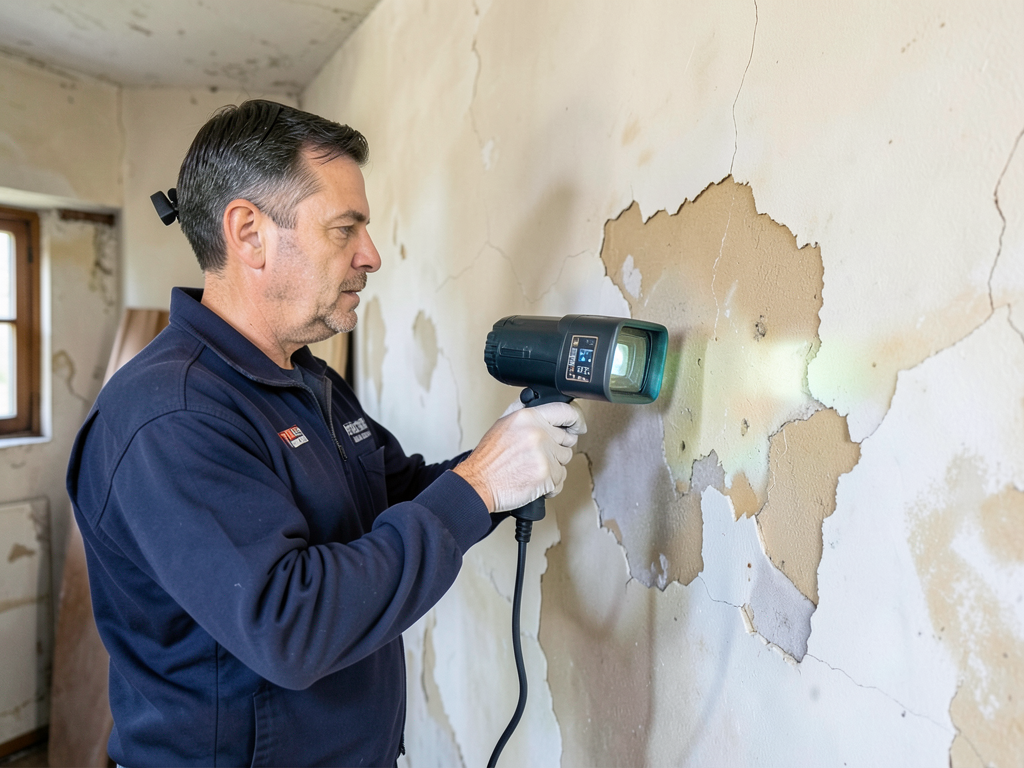
Our IICRC-certified technicians arrive within 45 minutes of your call, equipped with moisture meters and thermal imaging cameras. We immediately assess structural integrity, checking for compromised plaster ceilings that could collapse and testing electrical systems for safety. For kitchen fires, we evaluate smoke damage to original woodwork and plaster, which requires specialized cleaning methods different from modern homes. IICRC certification standards.
Step 2: Water Extraction and Drying
We use commercial-grade extraction equipment to remove standing water, followed by industrial dehumidifiers and air movers. Tower Grove South homes require specific drying strategies because of their construction. Plaster walls need to be dried from both sides to prevent cracking, and hardwood floors require specialized drying mats to prevent warping. We monitor moisture levels daily using penetrating moisture meters to ensure complete drying.
Step 3: Smoke and Soot Removal
Kitchen fires produce acidic soot that can permanently damage surfaces within 24-48 hours. Our team uses HEPA vacuuming, dry sponging, and specialized cleaning agents to remove soot from plaster walls, original woodwork, and historic fixtures. We also address the characteristic smoke odor that permeates historic homes, using ozone treatment and thermal fogging. EPA mold remediation guidelines.
Step 4: Mold Prevention and Remediation
Given Tower Grove South’s humid climate and the age of local homes, mold prevention is critical. We apply antimicrobial treatments to all affected surfaces and use air scrubbers with HEPA filters to remove airborne spores. If mold is already present, we follow EPA guidelines for remediation, which may include removing and replacing damaged materials.
Step 5: Reconstruction and Restoration
This is where our expertise in historic home restoration becomes crucial. We match original materials and techniques whenever possible, whether that means custom-matching plaster textures or sourcing period-appropriate hardware. Our goal is to restore your kitchen while preserving the historic character that makes Tower Grove South special.
Common Water Damage Issues in South City Historic Homes
Understanding the specific problems that plague Tower Grove South homes helps you recognize issues early and prevent costly damage. Here are the most common scenarios we encounter and how to address them.
Basement Flooding and Sewer Backups
Tower Grove South basements are particularly vulnerable to flooding due to several factors. The neighborhood’s combined sewer system means that heavy rainfall can overwhelm the system, causing sewage to back up through floor drains. Additionally, the clay soil’s poor drainage means water from saturated ground can seep through foundation walls.
When basement flooding occurs, the first 24 hours are critical. Category 3 water (sewage) requires immediate professional intervention. We use specialized equipment to extract contaminated water, apply hospital-grade disinfectants, and set up containment barriers to prevent cross-contamination to living areas.
Preventive Measures: Install a backwater valve to prevent sewer backups, ensure your sump pump is functioning properly, and consider exterior waterproofing for your foundation. These investments can save thousands in cleanup costs.
Burst Pipes and Plumbing Failures
Tower Grove South’s aging plumbing infrastructure creates frequent burst pipe scenarios, especially during winter freeze-thaw cycles. Galvanized pipes common in homes built before 1960 corrode from the inside, creating weak spots that fail without warning.
When a pipe bursts, the water damage can be extensive before you even discover it. A 1/2-inch pipe can release up to 50 gallons per minute. Our emergency response includes rapid pipe repair, water extraction, and structural drying to minimize damage to your historic woodwork and plaster.
Warning Signs: Discolored water, reduced water pressure, or banging pipes often precede catastrophic failures. Don’t ignore these symptoms in your Tower Grove South home.
Roof Leaks and Ceiling Damage
Historic homes in Tower Grove South often have original slate or clay tile roofs that can last over 100 years but require specialized maintenance. When these roofs fail, water can penetrate through multiple layers of roofing material before showing up as stains on your ceiling.
Ceiling water damage in historic homes is particularly problematic because of the plaster construction. Water weakens the plaster-key bond to the wood lath, causing sagging or collapse. Our restoration process includes assessing structural integrity, drying from above and below, and matching original plaster textures.
Emergency Tip: If you notice ceiling stains or bulging, place a bucket underneath and poke a small hole to relieve pressure. This prevents catastrophic ceiling collapse and contains the damage.
Insurance Claims and Documentation for Tower Grove South Residents
Navigating insurance claims after a kitchen fire or water leak can be overwhelming, especially when dealing with historic home restoration. Here’s what you need to know to maximize your coverage and minimize out-of-pocket expenses.
Most standard homeowners policies in Missouri cover sudden and accidental water damage but exclude gradual damage or maintenance issues. Kitchen fires are typically covered under dwelling coverage, but the specifics depend on your policy and the fire’s cause.
Documentation is Key: Take photos before cleanup begins, keep all receipts, and document conversations with your insurance company. We provide detailed damage assessments and restoration plans that insurance companies require for approval.
Our team has extensive experience working with major insurance providers in the St. Louis area. We can help you understand your coverage, communicate with adjusters, and ensure you receive fair compensation for your restoration. We offer direct insurance billing, so you don’t have to pay out of pocket and wait for reimbursement.
Missouri-Specific Considerations: Missouri law requires insurance companies to respond to claims within 30 days and pay within 60 days of approval. If your claim is denied, you have the right to appeal and request a second opinion.
Preventing Future Kitchen Fires and Water Leaks
While you can’t prevent every disaster, understanding the specific risks in Tower Grove South homes helps you take proactive steps to protect your property and family.
Kitchen Fire Prevention: Install a Class K fire extinguisher near your cooking area, never leave cooking unattended, and keep flammable items away from the stove. Consider upgrading old electrical wiring, especially if your home still has knob-and-tube wiring common in pre-1940 constructions.
Water Leak Prevention: Inspect your plumbing annually for corrosion or leaks, especially in areas you don’t frequently access. Install water leak detectors near your water heater, washing machine, and under sinks. Consider a whole-house water shutoff system that automatically stops water flow when leaks are detected.
Seasonal Maintenance: Before winter, disconnect garden hoses, insulate exposed pipes, and seal foundation cracks. In spring, clean gutters and downspouts to prevent water from pooling around your foundation. These simple steps can prevent the most common causes of water damage in Tower Grove South homes.
Professional Inspections: Schedule annual inspections of your roof, plumbing, and electrical systems. Our team offers comprehensive assessments that identify potential problems before they become emergencies. Early detection can save you thousands in restoration costs.
Why Tower Grove South Residents Trust Our Emergency Response
When disaster strikes in Tower Grove South, you need a restoration company that understands the unique challenges of historic home restoration. Our team combines technical expertise with deep knowledge of the neighborhood’s specific construction methods and materials.
We’re IICRC-certified in water damage restoration, fire and smoke restoration, and mold remediation. But more importantly, we understand that your Tower Grove South home isn’t just a building—it’s a piece of St. Louis history. We approach every restoration project with the goal of preserving your home’s character while ensuring it’s safe and functional for modern living.
Our 24/7 emergency response means we’re always available when you need us most. We arrive within 45 minutes of your call, equipped with the specialized equipment needed for historic home restoration. We work directly with your insurance company to streamline the claims process and minimize your stress during an already difficult time.
We’re not just another restoration company—we’re your neighbors who understand the specific challenges of maintaining and restoring Tower Grove South’s historic homes. When you call (314) 428-9977, you’re calling a team that treats your home with the same care and respect we’d give our own.
Direct Insurance Billing and Claims Assistance
Dealing with insurance companies after a kitchen fire or water leak is often the most stressful part of the restoration process. We eliminate that stress by offering direct insurance billing and comprehensive claims assistance.
Our team handles all the paperwork and communication with your insurance company. We provide detailed damage assessments, restoration plans, and progress reports that insurance adjusters need to approve your claim. We work with all major insurance providers in Missouri and understand the specific requirements and processes of each company.
With direct billing, you don’t have to pay the full restoration cost upfront and wait for reimbursement. We bill your insurance company directly for covered services, and you only pay your deductible and any non-covered portions. This arrangement can save you thousands of dollars in out-of-pocket expenses and eliminate the financial stress during your restoration.
We also help you understand your coverage and identify opportunities to maximize your claim. Many homeowners don’t realize that secondary damage, like mold growth or structural issues that develop after the initial incident, may be covered under their policy. Our detailed documentation ensures you receive every dollar you’re entitled to under your insurance coverage.
Frequently Asked Questions
How quickly should I call for help after discovering water damage?
Call immediately. Water damage worsens by the minute, and mold can begin growing within 24-48 hours. Our team is available 24/7 and can typically arrive within 45 minutes to begin mitigation.
Will my insurance cover kitchen fire or water leak damage?
Most standard homeowners policies cover sudden and accidental damage from both kitchen fires and water leaks. We work with your insurance company to maximize your coverage and handle direct billing to minimize your out-of-pocket expenses.
How long does the restoration process take?
Timeline varies based on damage extent, but most kitchen fire or water leak restorations take 3-7 days for mitigation and 2-4 weeks for complete reconstruction. We provide detailed timelines and keep you informed throughout the process.
Can you match the original materials in my historic home?
Yes. We specialize in historic home restoration and have relationships with suppliers who provide period-appropriate materials. We also use specialized techniques to match original plaster textures, woodwork, and finishes.
What should I do while waiting for the restoration team to arrive?
Shut off the water source if possible, turn off electricity to affected areas, document damage with photos, and begin removing standing water if it’s safe to do so. These steps can significantly reduce damage while you wait for professional help.
Don’t Wait Until It’s Too Late
A kitchen fire or water leak in your Tower Grove South home isn’t just an inconvenience—it’s a race against time that can determine whether you’re dealing with a minor cleanup or a major restoration project. Every minute that passes allows water to seep deeper into your historic plaster walls, allows smoke damage to become permanent, and increases the risk of mold growth that can compromise your family’s health.
The unique construction of Tower Grove South homes means that standard restoration approaches often fall short. Plaster walls, brick foundations, and century-old woodwork require specialized knowledge and equipment to restore properly. Our team understands these challenges because we’ve been serving the Tower Grove South community for years, restoring homes while preserving their historic character.
When disaster strikes, you need more than just a cleanup crew—you need a partner who understands your home’s unique needs and can navigate the complexities of insurance claims, historic preservation, and modern restoration techniques. That’s exactly what we provide.
Don’t let a kitchen fire or water leak turn into a nightmare. Call (314) 428-9977 right now for 24/7 emergency response. Our IICRC-certified technicians are standing by, ready to protect your Tower Grove South home and get your life back to normal as quickly as possible. The sooner you call, the more we can save.
Pick up the phone and call (314) 428-9977 before the next storm hits or the next pipe bursts. Your Tower Grove South home deserves expert care, and your family deserves peace of mind. We’re here to provide both.
{
“@context”: “https://schema.org”,
“@type”: “BlogPosting”,
“headline”: “How to Clean Up After a Kitchen Fire or Water Leak in Tower Grove South”,
“description”: “Emergency kitchen fire and water leak cleanup in Tower Grove South. 24/7 rapid response for historic homes in 63116. Call (314) 428-9977 for immediate help.”,
“wordCount”: 2699,
“datePublished”: “2026-03-05T11:17:00.000Z”,
“dateModified”: “2026-03-05T11:17:00.000Z”,
“inLanguage”: “en-US”,
“mainEntityOfPage”: {
“@type”: “WebPage”,
“@id”: “https://patriotwaterdamagerestorationstlouis.com”
},
“publisher”: {
“@type”: “LocalBusiness”,
“name”: “Patriot Water Damage Restoration St. Louis”,
“url”: “https://patriotwaterdamagerestorationstlouis.com”
},
“author”: {
“@type”: “Organization”,
“name”: “Patriot Water Damage Restoration St. Louis”,
“url”: “https://patriotwaterdamagerestorationstlouis.com”
},
“image”: {
“@type”: “ImageObject”,
“url”: “https://patriotwaterdamagerestorationstlouis.com/wp-content/uploads/2026/03/how-to-clean-up-after-a-kitchen-fire-or-water-leak-1.png”
}
}
{
“@context”: “https://schema.org”,
“@type”: “LocalBusiness”,
“name”: “Patriot Water Damage Restoration St. Louis”,
“url”: “https://patriotwaterdamagerestorationstlouis.com”,
“address”: {
“@type”: “PostalAddress”,
“addressLocality”: “St. Louis”
},
“areaServed”: {
“@type”: “City”,
“name”: “St. Louis”
}
}
{
“@context”: “https://schema.org”,
“@type”: “FAQPage”,
“mainEntity”: [
{
“@type”: “Question”,
“name”: “How quickly should I call for help after discovering water damage?”,
“acceptedAnswer”: {
“@type”: “Answer”,
“text”: “Call immediately. Water damage worsens by the minute, and mold can begin growing within 24-48 hours. Our team is available 24/7 and can typically arrive within 45 minutes to begin mitigation.”
}
},
{
“@type”: “Question”,
“name”: “Will my insurance cover kitchen fire or water leak damage?”,
“acceptedAnswer”: {
“@type”: “Answer”,
“text”: “Most standard homeowners policies cover sudden and accidental damage from both kitchen fires and water leaks. We work with your insurance company to maximize your coverage and handle direct billing to minimize your out-of-pocket expenses.”
}
},
{
“@type”: “Question”,
“name”: “How long does the restoration process take?”,
“acceptedAnswer”: {
“@type”: “Answer”,
“text”: “Timeline varies based on damage extent, but most kitchen fire or water leak restorations take 3-7 days for mitigation and 2-4 weeks for complete reconstruction. We provide detailed timelines and keep you informed throughout the process.”
}
},
{
“@type”: “Question”,
“name”: “Can you match the original materials in my historic home?”,
“acceptedAnswer”: {
“@type”: “Answer”,
“text”: “Yes. We specialize in historic home restoration and have relationships with suppliers who provide period-appropriate materials. We also use specialized techniques to match original plaster textures, woodwork, and finishes.”
}
},
{
“@type”: “Question”,
“name”: “What should I do while waiting for the restoration team to arrive?”,
“acceptedAnswer”: {
“@type”: “Answer”,
“text”: “Shut off the water source if possible, turn off electricity to affected areas, document damage with photos, and begin removing standing water if it’s safe to do so. These steps can significantly reduce damage while you wait for professional help.”
}
}
]
}
{
“@context”: “https://schema.org”,
“@type”: “HowTo”,
“name”: “Emergency Response Steps”,
“step”: [
{
“@type”: “HowToStep”,
“position”: 1,
“name”: “Shut Off the Water Source”,
“text”: “Locate your main water shutoff valve immediately. In most Tower Grove South homes, this is in the basement near the front foundation wall. Turn it clockwise until it stops. If you can’t find it or it’s stuck, call (314) 428-9977 immediately for emergency shutoff assistance. Water Damage Restoration Manchester.”
},
{
“@type”: “HowToStep”,
“position”: 2,
“name”: “Electrical Safety First”,
“text”: “Water and electricity create deadly hazards. If water is near outlets or appliances, go to your electrical panel and shut off the affected circuits. Tower Grove South homes often have older panels that may not trip automatically during water exposure.”
},
{
“@type”: “HowToStep”,
“position”: 3,
“name”: “Document Everything”,
“text”: “Take photos and videos of all damage before touching anything. This documentation is crucial for insurance claims and helps our team assess the situation remotely. Focus on water levels, fire damage extent, and any structural concerns. How to Get Your St. Louis Home Insurance to Actually Pay for Water Damage.”
},
{
“@type”: “HowToStep”,
“position”: 4,
“name”: “Begin Water Removal”,
“text”: “If it’s safe, start removing standing water with towels, mops, or a wet vacuum. Every minute standing water sits increases damage to your hardwood floors and plaster walls common in Tower Grove South homes.”
}
],
“image”: “https://patriotwaterdamagerestorationstlouis.com/wp-content/uploads/2026/03/how-to-clean-up-after-a-kitchen-fire-or-water-leak-1.png”
}
{
“@context”: “https://schema.org”,
“@type”: “BreadcrumbList”,
“itemListElement”: [
{
“@type”: “ListItem”,
“position”: 1,
“name”: “Home”,
“item”: “https://patriotwaterdamagerestorationstlouis.com”
},
{
“@type”: “ListItem”,
“position”: 2,
“name”: “Blog”,
“item”: “https://patriotwaterdamagerestorationstlouis.com/blog”
},
{
“@type”: “ListItem”,
“position”: 3,
“name”: “How to Clean Up After a Kitchen Fire or Water Leak in Tower Grove South”
}
]
}
{
“@context”: “https://schema.org”,
“@type”: “Service”,
“serviceType”: “Water Damage Restoration”,
“provider”: {
“@type”: “LocalBusiness”,
“name”: “Patriot Water Damage Restoration St. Louis”,
“url”: “https://patriotwaterdamagerestorationstlouis.com”
},
“areaServed”: {
“@type”: “City”,
“name”: “St. Louis”
},
“description”: “Emergency kitchen fire and water leak cleanup in Tower Grove South. 24/7 rapid response for historic homes in 63116. Call (314) 428-9977 for immediate help.”
}