
How to Get the Water Out of Your Flooded St. Louis Basement Fast
Water gushing across your basement floor creates panic and confusion. Your first priority becomes stopping the flow and removing the water before it destroys your belongings and creates mold. This guide walks you through immediate actions to take when your St. Louis basement floods the technical process of water extraction and why local conditions make basement flooding a common emergency in neighborhoods like University City and Maplewood. St. Louis Metropolitan Sewer District.
St. Louis sits on heavy clay soil that expands when saturated creating hydrostatic pressure against foundation walls. Combined with aging MSD sewer lines and frequent spring thunderstorms basement flooding becomes a seasonal threat for thousands of homeowners. The clock starts ticking the moment water enters your basement every hour increases the risk of structural damage and mold growth.
Immediate Safety Steps Before Water Extraction
Standing water creates multiple hazards that require immediate attention. Electrical shock poses the greatest danger when water contacts outlets appliances or wiring. Turn off electricity at the main breaker before entering any flooded area. Never assume safety even small amounts of water can conduct electricity through metal appliances.
Sewer backup introduces another layer of danger. Category 3 water contains bacteria viruses and other pathogens that cause serious illness. Wear rubber boots gloves and eye protection if you must enter contaminated water. Open windows for ventilation but avoid creating cross-drafts that could spread contamination through your home.
Document everything before beginning cleanup. Take photos and videos of all affected areas including water levels damaged items and structural conditions. This documentation proves crucial for insurance claims and helps restoration professionals assess the scope of work needed.
Common Causes of Basement Flooding in St. Louis
Understanding why your basement flooded helps prevent future occurrences. St. Louis experiences three primary flooding mechanisms that affect different neighborhoods in unique ways.
Sump pump failure represents the most common cause in newer suburban developments. Heavy clay soil prevents natural drainage making sump pumps essential for basement waterproofing. When power fails during storms or pumps wear out water accumulates rapidly. Many St. Louis homes built after 1980 rely on sump systems that discharge into the municipal storm sewer.
Sewer backup affects older city neighborhoods where combined sewer-stormwater systems overload during heavy rain. Water from overwhelmed street drains flows backward through floor drains and toilets. Neighborhoods like Tower Grove and Shaw experience this type of flooding more frequently due to aging infrastructure installed before modern separation requirements.
Foundation seepage occurs when hydrostatic pressure forces water through cracks in basement walls and floors. Missouri’s freeze-thaw cycles cause concrete to expand and contract creating hairline fractures that widen over time. Homes built on slopes or near creeks face increased pressure from groundwater accumulation.
Call (314) 428-9977 today to schedule your inspection.
Professional Water Extraction Process
Professional water removal follows a systematic approach that maximizes efficiency while minimizing secondary damage. The process begins with a thorough assessment using moisture meters and thermal imaging cameras to detect hidden water in walls and under flooring.
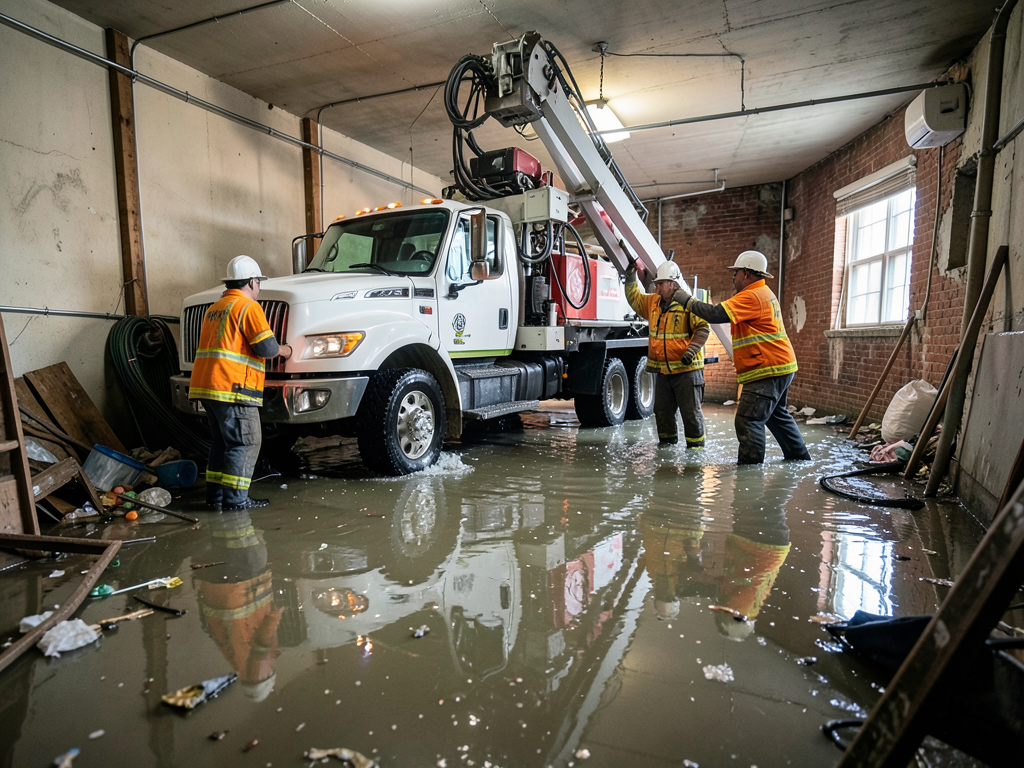
Water extraction equipment varies based on the volume and type of water present. Truck-mounted extraction units remove thousands of gallons per hour from severe flooding. Portable extractors handle smaller jobs and navigate tight basement spaces. The key difference lies in suction power and water lift height critical factors when removing water from deep basements.
Dehumidification follows extraction to prevent secondary damage. Industrial-grade dehumidifiers remove moisture from the air at rates of 20-30 gallons per day. Air movers create circulation patterns that accelerate evaporation from wet surfaces. This combination prevents condensation on cooler surfaces and reduces overall drying time from weeks to days.
Structural drying requires monitoring moisture content in building materials. Wood framing should reach 12% moisture content before reconstruction begins. Concrete requires even lower levels typically 4-6% to prevent future problems. Professionals use penetrating moisture meters to verify these levels throughout the drying process.
St. Louis-Specific Drying Challenges
Missouri’s climate creates unique challenges for basement drying. High summer humidity prevents natural evaporation extending drying times significantly. A basement that might dry in three days in Arizona could require seven to ten days in St. Louis during July and August.
Historic brick foundations found in neighborhoods like Lafayette Square require specialized treatment. Older mortar becomes soft when saturated potentially crumbling during aggressive drying. Professionals use lower temperature settings and slower drying rates to preserve structural integrity while still preventing mold growth.
Limestone foundations common in pre-1950 homes present another challenge. This porous material absorbs water like a sponge requiring extended drying times and specialized equipment. The National Association of Home Builders recommends specific drying protocols for limestone that differ from standard concrete procedures. National Association of Home Builders.
Insurance Considerations for St. Louis Homeowners
Standard homeowner’s insurance policies exclude flood damage from surface water. However they typically cover sudden and accidental water discharge from plumbing systems including burst pipes and appliance failures. The distinction becomes critical when filing claims after basement flooding.
Sewer backup requires a separate endorsement on most policies. This rider covers damage from water backing up through drains and toilets a common occurrence in St. Louis during heavy storms. Without this coverage homeowners face paying thousands of dollars out of pocket for cleanup and repairs.
Documenting damage properly increases claim approval rates. Create a detailed inventory of damaged items with purchase dates and estimated values. Keep all receipts for emergency services temporary housing and restoration work. Many insurance companies require specific documentation formats that restoration professionals can help prepare.
Preventing Future Basement Flooding
Prevention strategies vary based on your home’s specific vulnerabilities. Homes in flood-prone areas benefit from exterior waterproofing membranes applied to foundation walls. This barrier prevents water penetration even under high hydrostatic pressure.
Backup sump pump systems provide protection when primary pumps fail. Battery-powered units activate automatically during power outages while water-powered systems use municipal water pressure to remove flooding. Both options cost significantly less than recovering from a single basement flood.
Proper grading around your home directs surface water away from foundation walls. Soil should slope away from the house at a rate of six inches per ten feet. This simple adjustment often prevents minor flooding that occurs during heavy rains.
Health Risks of Basement Flooding
Category 3 water exposure creates serious health hazards that extend beyond immediate flooding. Sewage contains E. coli hepatitis and other pathogens that cause severe illness. Even brief exposure through cuts or mucous membranes can result in infection requiring medical treatment.
Black mold grows rapidly in damp environments establishing colonies within 24-48 hours of water exposure. Stachybotrys chartarum produces mycotoxins that cause respiratory problems headaches and immune system suppression. Children elderly individuals and those with respiratory conditions face heightened risks from mold exposure.
Structural damage creates physical hazards during cleanup. Wet drywall becomes heavy and unstable potentially falling without warning. Flooring materials become slippery when wet increasing fall risks. Professional assessment identifies these dangers before they cause injury.
Cost Factors for Water Extraction Services
Water extraction costs depend on multiple variables that affect the scope of work required. Volume of water represents the primary cost factor removing 100 gallons costs significantly less than extracting 10000 gallons from a severely flooded basement.
Water category affects both cost and procedures. Clean water from a broken supply line requires basic extraction and drying. Gray water from washing machines needs additional sanitization. Black water from sewer backup demands full personal protective equipment specialized cleaning agents and often complete removal of contaminated materials.
Accessibility impacts equipment requirements and labor hours. Finished basements with multiple rooms require more equipment and time than open concrete spaces. Finished materials like carpet drywall and cabinetry increase both extraction difficulty and restoration costs.
Choosing the Right Restoration Company
Professional certification indicates training and expertise in water damage restoration. The Institute of Inspection Cleaning and Restoration Certification (IICRC) establishes industry standards for water extraction drying and restoration procedures. Certified technicians understand the science behind effective water removal and can prevent secondary damage. Institute of Inspection Cleaning and Restoration Certification.
Local experience matters more than national brand recognition. St. Louis-specific knowledge includes understanding local building codes common construction methods and typical failure patterns in area homes. A company familiar with University City’s limestone foundations handles those properties more effectively than one from out of state.
Response time becomes critical when water continues to cause damage. Every hour of delay increases restoration costs by allowing water to spread and materials to deteriorate. Choose companies offering 24/7 emergency service with guaranteed response times under two hours.
Frequently Asked Questions
How long does water extraction take?
Initial water removal typically requires 4-8 hours for moderate flooding. Complete drying extends to 3-5 days depending on humidity temperature and materials affected. Professional monitoring continues throughout the process to ensure thorough drying.
Can I handle basement flooding myself?
Small clean water spills under 10 square feet may be manageable with proper equipment. However any sewage backup gray water or flooding affecting finished materials requires professional handling due to health risks and potential for incomplete drying leading to mold growth.
Will my insurance cover water extraction?
Coverage depends on the water source and your policy terms. Sudden pipe breaks typically qualify for coverage. Surface flooding and gradual leaks usually do not. Sewer backup requires specific endorsement coverage. Always document damage thoroughly before beginning cleanup.
Emergency Response Timeline
Understanding the critical timeline helps you make informed decisions during flooding emergencies. The first 24 hours determine whether you face a simple cleanup or a major restoration project.
Minutes 0-30: Safety assessment and power shutdown. Document damage with photos and videos before moving anything.
Minutes 30-120: Contact restoration professionals and insurance company. Begin removing valuable items from affected areas if safe to do so.
Hours 2-6: Professional arrival and initial assessment. Setup of containment barriers and extraction equipment begins.
Hours 6-24: Water removal and initial drying setup. Daily monitoring establishes baseline moisture levels.
Days 2-5: Structural drying continues with equipment adjustments based on monitoring results. Content manipulation begins for salvageable items.
Days 5-10: Final drying verification and preparation for repairs. Mold prevention treatments complete the restoration process.
Local Resources and Support
St. Louis Metropolitan Sewer District (MSD) offers reimbursement programs for certain flood prevention measures. Homeowners installing backwater valves or sump pump systems may qualify for partial cost recovery through MSD’s Project Clear initiative. These programs aim to reduce basement flooding across the region.
Local building departments provide permit information for basement waterproofing and structural repairs. University City and other municipalities require permits for certain restoration work to ensure compliance with current building codes. Professional restoration companies handle permit requirements as part of their services.
Community emergency management offices coordinate flood response efforts during major weather events. These resources provide sandbag distribution evacuation assistance and post-flood recovery guidance for affected neighborhoods.
Don’t wait for the next storm. Call (314) 428-9977 now to schedule your inspection.
Advanced Water Detection Technologies
Modern restoration uses sophisticated equipment to detect water that remains invisible to the naked eye. Thermal imaging cameras identify temperature differences that indicate moisture presence behind walls and under floors. These devices scan large areas quickly revealing the full extent of water migration.
Moisture meters provide quantitative data about water content in various materials. Pin-type meters measure moisture in wood and drywall by testing electrical resistance. Non-invasive meters use radio frequency to detect moisture without damaging surfaces. Both types help professionals determine when materials have dried sufficiently for reconstruction.
Hygrometers monitor relative humidity and specific humidity in affected spaces. These measurements guide equipment placement and operation schedules. Maintaining proper humidity levels prevents condensation on cool surfaces and accelerates overall drying times.
Environmental Considerations
Water extraction generates significant waste that requires proper disposal. Contaminated water from sewer backup must go to municipal treatment facilities rather than storm drains. Professional restoration companies hold permits for proper disposal of various water categories.
Energy consumption during drying operations impacts both cost and environmental footprint. Modern desiccant dehumidifiers use less electricity than traditional refrigerant models while achieving better results in cold or humid conditions. Variable-speed air movers adjust output based on actual needs rather than running at full power continuously.
Material salvage and recycling reduce landfill impact from restoration projects. Many building materials can be cleaned and reused if addressed quickly. Professional assessment determines which items merit restoration versus replacement.
Final Steps and Prevention
Successful water extraction ends with verification that all moisture has been removed. Final moisture readings should match pre-flood levels or better. Air quality testing confirms that no mold growth occurred during the drying process.
Preventative measures protect against future flooding. Regular sump pump testing gutter cleaning and downspout extensions reduce the likelihood of water entering your basement. Annual foundation inspections identify potential problems before they cause flooding.
Emergency preparedness planning helps you respond more effectively to future incidents. Keep important documents in waterproof containers. Maintain a list of emergency contacts including restoration professionals. Consider installing water alarms that provide early warning of leaks or flooding.
St. Louis basement flooding creates stress and uncertainty but understanding the process and knowing your options helps you respond effectively. Professional water extraction services restore your home quickly while preventing the secondary damage that turns a simple flood into a major restoration project.
When water threatens your basement remember that rapid response prevents extensive damage. Professional restoration teams arrive with the equipment and expertise needed to remove water completely and restore your home to pre-flood condition. The investment in professional services often pays for itself through prevented damage and faster recovery times.
Local knowledge proper equipment and certified technicians make the difference between a successful restoration and ongoing problems. St. Louis homeowners facing basement flooding need professionals who understand local conditions and can respond immediately to prevent further damage.
Pick up the phone and call (314) 428-9977 before the next storm hits. Your home deserves immediate protection from water damage.
{
“@context”: “https://schema.org”,
“@type”: “BlogPosting”,
“headline”: “How to Get the Water Out of Your Flooded St. Louis Basement Fast”,
“description”: “Fast water extraction from flooded St. Louis basements. Learn safety steps, equipment, and local conditions affecting basement flooding in neighborhoods like University City.”,
“wordCount”: 2315,
“datePublished”: “2026-02-14T07:13:00.000Z”,
“dateModified”: “2026-02-14T07:13:00.000Z”,
“inLanguage”: “en-US”,
“mainEntityOfPage”: {
“@type”: “WebPage”,
“@id”: “https://patriotwaterdamagerestorationstlouis.com”
},
“publisher”: {
“@type”: “LocalBusiness”,
“name”: “Patriot Water Damage Restoration St. Louis”,
“url”: “https://patriotwaterdamagerestorationstlouis.com”
},
“author”: {
“@type”: “Organization”,
“name”: “Patriot Water Damage Restoration St. Louis”,
“url”: “https://patriotwaterdamagerestorationstlouis.com”
},
“image”: {
“@type”: “ImageObject”,
“url”: “https://patriotwaterdamagerestorationstlouis.com/wp-content/uploads/2026/03/how-to-get-the-water-out-of-your-flooded-st-louis-1.png”
}
}
{
“@context”: “https://schema.org”,
“@type”: “LocalBusiness”,
“name”: “Patriot Water Damage Restoration St. Louis”,
“url”: “https://patriotwaterdamagerestorationstlouis.com”,
“address”: {
“@type”: “PostalAddress”,
“addressLocality”: “St. Louis”
},
“areaServed”: {
“@type”: “City”,
“name”: “St. Louis”
}
}
{
“@context”: “https://schema.org”,
“@type”: “FAQPage”,
“mainEntity”: [
{
“@type”: “Question”,
“name”: “How long does water extraction take?”,
“acceptedAnswer”: {
“@type”: “Answer”,
“text”: “Initial water removal typically requires 4-8 hours for moderate flooding. Complete drying extends to 3-5 days depending on humidity temperature and materials affected. Professional monitoring continues throughout the process to ensure thorough drying.”
}
},
{
“@type”: “Question”,
“name”: “Can I handle basement flooding myself?”,
“acceptedAnswer”: {
“@type”: “Answer”,
“text”: “Small clean water spills under 10 square feet may be manageable with proper equipment. However any sewage backup gray water or flooding affecting finished materials requires professional handling due to health risks and potential for incomplete drying leading to mold growth.”
}
},
{
“@type”: “Question”,
“name”: “Will my insurance cover water extraction?”,
“acceptedAnswer”: {
“@type”: “Answer”,
“text”: “Coverage depends on the water source and your policy terms. Sudden pipe breaks typically qualify for coverage. Surface flooding and gradual leaks usually do not. Sewer backup requires specific endorsement coverage. Always document damage thoroughly before beginning cleanup.”
}
}
]
}
{
“@context”: “https://schema.org”,
“@type”: “BreadcrumbList”,
“itemListElement”: [
{
“@type”: “ListItem”,
“position”: 1,
“name”: “Home”,
“item”: “https://patriotwaterdamagerestorationstlouis.com”
},
{
“@type”: “ListItem”,
“position”: 2,
“name”: “Blog”,
“item”: “https://patriotwaterdamagerestorationstlouis.com/blog”
},
{
“@type”: “ListItem”,
“position”: 3,
“name”: “How to Get the Water Out of Your Flooded St. Louis Basement Fast”
}
]
}
{
“@context”: “https://schema.org”,
“@type”: “Service”,
“serviceType”: “Water Damage Restoration”,
“provider”: {
“@type”: “LocalBusiness”,
“name”: “Patriot Water Damage Restoration St. Louis”,
“url”: “https://patriotwaterdamagerestorationstlouis.com”
},
“areaServed”: {
“@type”: “City”,
“name”: “St. Louis”
},
“description”: “Fast water extraction from flooded St. Louis basements. Learn safety steps, equipment, and local conditions affecting basement flooding in neighborhoods like University City.”
}