
Understanding Missouri’s ‘Modified Common Enemy Doctrine’
When water from your neighbor’s yard floods your basement in St. Louis Hills, the first question is always: who’s legally responsible? Missouri follows the ‘Modified Common Enemy Doctrine,’ which means surface water is generally treated as an enemy of all landowners. Unlike civil law states, Missouri does not require landowners to accept natural drainage patterns from uphill properties. How to Get Your St. Louis Home Insurance to Actually Pay for Water Damage.
However, the ‘modified’ part creates liability when a neighbor’s actions change the natural flow. If they grade their yard to direct water toward your foundation, install a downspout extension that dumps water onto your property, or build a retaining wall that causes pooling against your home, they may be liable under Missouri Revised Statutes Chapter 524 for creating a nuisance or trespass. Professional Water Extraction and Drying for St. Charles Residents.
The key legal test is ‘reasonable care.’ Your uphill neighbor must take reasonable steps to prevent water from causing damage to your property. This includes maintaining gutters, grading away from foundations, and not creating concentrated point sources of discharge that overwhelm your drainage systems. Water Damage Restoration Manchester.
Golden Nugget #1: Missouri courts have specifically ruled that installing a pipe or channel to concentrate surface water flow onto a neighbor’s property crosses the line from ‘common enemy’ to ‘negligent discharge,’ creating potential liability even under the modified doctrine.
When is a Neighbor Liable for Water Damage in St. Louis?
Legal liability for water damage in St. Louis Hills depends on whether your neighbor took ‘reasonable care’ to prevent foreseeable harm. The law distinguishes between natural sheet flow and concentrated discharge. Natural sheet flow across property lines is generally protected, but creating a point source that directs water onto your property can create liability. Water Damage Restoration Florissant.
Common scenarios where neighbors become liable include: grading a yard to slope toward your home instead of away, installing French drains that empty onto your property, extending downspouts without proper discharge planning, or building structures that alter natural drainage patterns. The critical factor is whether the neighbor’s actions increased the volume, velocity, or concentration of water flowing onto your property.
Evidence of negligence includes before-and-after photos showing changed drainage patterns, grading reports showing improper slopes, and documentation of repeated flooding events that began after neighbor modifications. Missouri courts look for proof that the neighbor knew or should have known their actions would cause damage.
Golden Nugget #2: The St. Louis Metropolitan Sewer District (MSD) requires permits for any grading or drainage work that affects more than 5,000 square feet. If your neighbor performed work without a permit, this can strengthen your legal position.
St. Louis City vs. County: Local Drainage Ordinances
Drainage regulations in St. Louis Hills fall under St. Louis County jurisdiction, but MSD regulations apply throughout the metropolitan area. MSD Ordinance 3.1 requires that all stormwater be managed on-site or directed to approved drainage systems. This means your neighbor cannot simply pipe water onto your property as a way to avoid dealing with it themselves.. Read more about Dealing with HOA Rules and Shared Wall Leaks in Your Clayton High-Rise Condo.
St. Louis County building codes require proper grading with a minimum 2% slope away from foundations for at least 6 feet. If your neighbor’s grading falls below this standard and causes water to flow toward your home, they may be in violation of local building codes. The county also requires permits for retaining walls over 4 feet in height and for any drainage improvements that alter natural water flow.
MSD’s stormwater management manual specifically addresses ‘interfering drainage,’ which occurs when one property owner’s improvements cause water to flow onto a neighbor’s land in a way that causes damage. While MSD cannot enforce neighbor disputes directly, documented violations of their standards can support your legal claim.
Golden Nugget #3: St. Louis Hills sits in a relatively high area of St. Louis County, but the clay soil common to the region expands when wet and contracts when dry, creating additional pressure on foundations. This geological factor can amplify damage from even minor drainage issues.
Steps to Take If Your Property is Flooding from Runoff
When you discover water flooding your basement from your neighbor’s property, immediate action protects both your home and your legal rights. Start by documenting everything with photos and videos before cleaning up. Capture the water level, affected areas, and any visible sources of entry. Take date-stamped photos from the same angles over several days to show the extent and frequency of the problem.
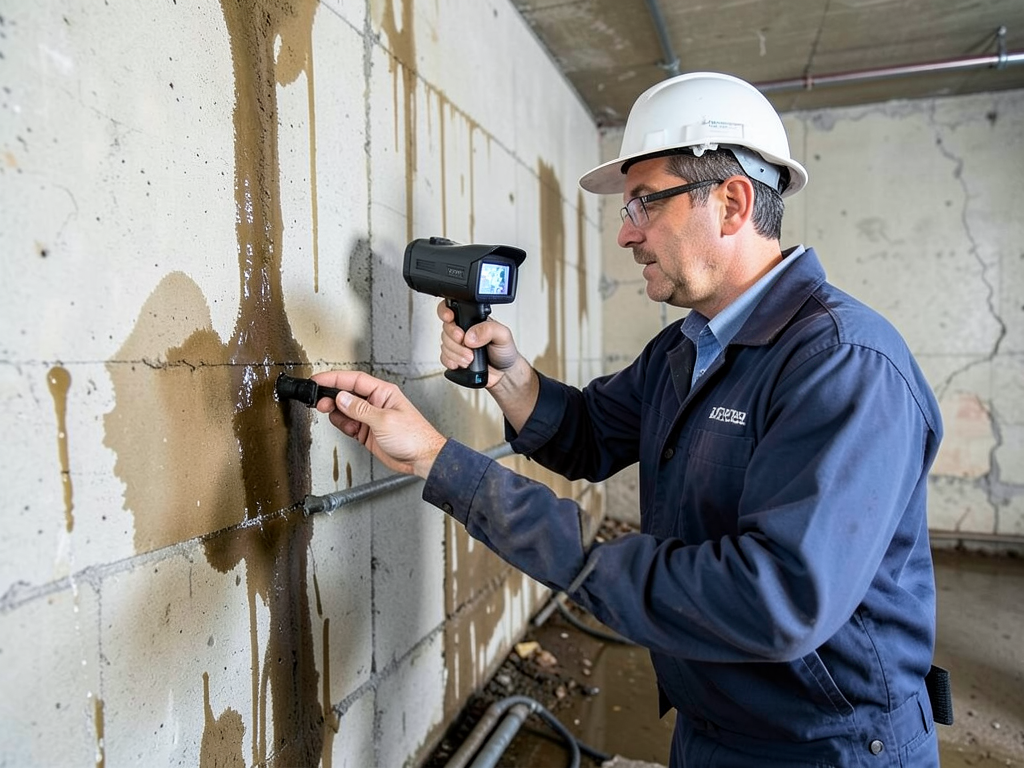
Next, hire a professional water damage restoration company to conduct a thorough inspection. They can identify the water source, measure moisture levels in walls and floors, and create a detailed damage report. This documentation becomes crucial evidence if you need to pursue legal action or insurance claims. Look for companies that use moisture meters, thermal imaging cameras, and hygrometers to provide objective data about water intrusion.
Notify your neighbor in writing about the flooding issue. Keep the communication factual and focused on the damage rather than accusations. Include your documentation and request that they address the drainage problem. If they refuse to cooperate, send a formal demand letter via certified mail. This creates a paper trail showing you attempted to resolve the issue amicably before pursuing legal remedies.
Golden Nugget #4: In Missouri, you have five years from the date of damage to file a lawsuit for property damage under the statute of limitations. However, waiting can weaken your case as evidence degrades and memories fade.
Water Damage Restoration for Runoff Issues
Professional water damage restoration for runoff issues requires specialized expertise beyond basic water extraction. When water enters through foundation walls or seeps up through basement floors, it often carries contaminants and can cause structural damage that isn’t immediately visible. The restoration process must address both immediate water removal and long-term moisture prevention.
The first step is emergency water extraction using commercial-grade pumps and vacuums. Unlike clean water from a burst pipe, runoff water may contain soil, debris, and bacteria that require thorough cleaning and disinfection. Technicians use antimicrobial treatments on affected surfaces to prevent mold growth, which can begin within 24-48 hours in St. Louis’s humid climate. Who to Call When Your Pipes Burst in Kirkwood This Winter.
Structural drying involves setting up industrial air movers and dehumidifiers to remove moisture from walls, floors, and contents. Moisture meters help technicians track drying progress and identify hidden wet areas behind walls or under flooring. For foundation issues, they may recommend installing interior drainage systems or sump pumps to manage future water intrusion.
The restoration company should also provide a detailed report documenting all damage, the cause of water entry, and recommended repairs to prevent recurrence. This report serves multiple purposes: it guides your restoration decisions, supports insurance claims, and provides evidence for any legal action against your neighbor.
Frequently Asked Questions
Can I block water from my neighbor?
You cannot legally dam or redirect natural water flow, but you can install barriers to protect your property from concentrated discharge. French drains, swales, or berms can redirect water away from your foundation as long as they don’t cause water to flow onto other properties. Always check local permits before installing drainage improvements.
Does insurance cover runoff damage?
Standard homeowners insurance typically covers sudden and accidental water damage but may exclude flooding or gradual seepage. If the damage results from your neighbor’s negligence, their liability insurance might cover repairs. Document everything thoroughly and file claims promptly with both your insurer and your neighbor’s carrier.
Who pays for the retaining wall?
If a retaining wall is necessary to prevent water damage, the property owner who benefits from it typically pays. However, if the wall addresses a neighbor-created drainage problem, they may be legally responsible for construction costs. A civil engineer’s assessment can determine the most appropriate solution and allocate responsibility.
How long do I have to take legal action?
Missouri’s statute of limitations for property damage is five years from the date of damage. However, waiting can weaken your case as evidence degrades. Document everything immediately and consult with an attorney if your neighbor refuses to address the issue.
Should I call a restoration company before talking to my neighbor?
Yes. Professional documentation of the damage provides objective evidence that strengthens your position in any dispute. A restoration company can identify the water source, measure moisture levels, and create a detailed damage report that becomes crucial evidence if legal action becomes necessary.
Protecting Your Investment in St. Louis Hills
Water runoff disputes can escalate quickly from minor annoyances to major property damage and legal battles. The key to protecting your home in St. Louis Hills is understanding your rights under Missouri law, documenting problems thoroughly, and taking prompt action when damage occurs. Remember that the ‘Modified Common Enemy Doctrine’ provides protection when neighbors act negligently, but you must prove they failed to exercise reasonable care.. Read more about Protecting Your Botanical Heights Garden Apartment from Street Level Flash Flooding.
Professional water damage restoration companies do more than just clean up water. They provide the technical documentation, moisture mapping, and damage assessments that support both insurance claims and legal actions. Their expertise in identifying water sources and recommending permanent solutions can save you thousands in repeated damage and legal fees.
Don’t wait for the next heavy rain to discover whether your neighbor’s drainage improvements will flood your basement again. Call (314) 428-9977 today to schedule a comprehensive property assessment and learn about permanent solutions to protect your home from runoff damage.
Additional Resources
For more information about Missouri water law and drainage regulations, visit the St. Louis Metropolitan Sewer District website or consult the Missouri Revised Statutes Chapter 524. The University of Missouri Extension also provides resources on property drainage and water management for homeowners.
Remember, water damage only gets worse with time. The longer you wait to address runoff issues, the more extensive and expensive the damage becomes. Protect your home and your rights by taking action today.
{
“@context”: “https://schema.org”,
“@type”: “BlogPosting”,
“headline”: “How to Handle Water Runoff Disputes with Your Neighbors in St. Louis Hills”,
“description”: “Learn Missouri’s water runoff laws, how to document damage, and when to call for professional restoration in St. Louis Hills. Call (314) 428-9977 for help.”,
“wordCount”: 1655,
“datePublished”: “2026-05-14T12:43:00.000Z”,
“dateModified”: “2026-05-14T12:43:00.000Z”,
“inLanguage”: “en-US”,
“mainEntityOfPage”: {
“@type”: “WebPage”,
“@id”: “https://patriotwaterdamagerestorationstlouis.com”
},
“publisher”: {
“@type”: “LocalBusiness”,
“name”: “Patriot Water Damage Restoration St. Louis”,
“url”: “https://patriotwaterdamagerestorationstlouis.com”
},
“author”: {
“@type”: “Organization”,
“name”: “Patriot Water Damage Restoration St. Louis”,
“url”: “https://patriotwaterdamagerestorationstlouis.com”
},
“image”: {
“@type”: “ImageObject”,
“url”: “https://patriotwaterdamagerestorationstlouis.com/wp-content/uploads/2026/03/how-to-handle-water-runoff-disputes-with-your-neig-1.png”
}
}
{
“@context”: “https://schema.org”,
“@type”: “LocalBusiness”,
“name”: “Patriot Water Damage Restoration St. Louis”,
“url”: “https://patriotwaterdamagerestorationstlouis.com”,
“address”: {
“@type”: “PostalAddress”,
“addressLocality”: “St. Louis”
},
“areaServed”: {
“@type”: “City”,
“name”: “St. Louis”
}
}
{
“@context”: “https://schema.org”,
“@type”: “FAQPage”,
“mainEntity”: [
{
“@type”: “Question”,
“name”: “When is a Neighbor Liable for Water Damage in St. Louis?”,
“acceptedAnswer”: {
“@type”: “Answer”,
“text”: “Legal liability for water damage in St. Louis Hills depends on whether your neighbor took ‘reasonable care’ to prevent foreseeable harm. The law distinguishes between natural sheet flow and concentrated discharge. Natural sheet flow across property lines is generally protected, but creating a point source that directs water onto your property can create liability. Water Damage Restoration Florissant.”
}
},
{
“@type”: “Question”,
“name”: “Can I block water from my neighbor?”,
“acceptedAnswer”: {
“@type”: “Answer”,
“text”: “You cannot legally dam or redirect natural water flow, but you can install barriers to protect your property from concentrated discharge. French drains, swales, or berms can redirect water away from your foundation as long as they don’t cause water to flow onto other properties. Always check local permits before installing drainage improvements.”
}
},
{
“@type”: “Question”,
“name”: “Does insurance cover runoff damage?”,
“acceptedAnswer”: {
“@type”: “Answer”,
“text”: “Standard homeowners insurance typically covers sudden and accidental water damage but may exclude flooding or gradual seepage. If the damage results from your neighbor’s negligence, their liability insurance might cover repairs. Document everything thoroughly and file claims promptly with both your insurer and your neighbor’s carrier.”
}
},
{
“@type”: “Question”,
“name”: “Who pays for the retaining wall?”,
“acceptedAnswer”: {
“@type”: “Answer”,
“text”: “If a retaining wall is necessary to prevent water damage, the property owner who benefits from it typically pays. However, if the wall addresses a neighbor-created drainage problem, they may be legally responsible for construction costs. A civil engineer’s assessment can determine the most appropriate solution and allocate responsibility.”
}
},
{
“@type”: “Question”,
“name”: “How long do I have to take legal action?”,
“acceptedAnswer”: {
“@type”: “Answer”,
“text”: “Missouri’s statute of limitations for property damage is five years from the date of damage. However, waiting can weaken your case as evidence degrades. Document everything immediately and consult with an attorney if your neighbor refuses to address the issue.”
}
},
{
“@type”: “Question”,
“name”: “Should I call a restoration company before talking to my neighbor?”,
“acceptedAnswer”: {
“@type”: “Answer”,
“text”: “Yes. Professional documentation of the damage provides objective evidence that strengthens your position in any dispute. A restoration company can identify the water source, measure moisture levels, and create a detailed damage report that becomes crucial evidence if legal action becomes necessary.”
}
}
]
}
{
“@context”: “https://schema.org”,
“@type”: “BreadcrumbList”,
“itemListElement”: [
{
“@type”: “ListItem”,
“position”: 1,
“name”: “Home”,
“item”: “https://patriotwaterdamagerestorationstlouis.com”
},
{
“@type”: “ListItem”,
“position”: 2,
“name”: “Blog”,
“item”: “https://patriotwaterdamagerestorationstlouis.com/blog”
},
{
“@type”: “ListItem”,
“position”: 3,
“name”: “How to Handle Water Runoff Disputes with Your Neighbors in St. Louis Hills”
}
]
}
{
“@context”: “https://schema.org”,
“@type”: “Service”,
“serviceType”: “Water Damage Restoration”,
“provider”: {
“@type”: “LocalBusiness”,
“name”: “Patriot Water Damage Restoration St. Louis”,
“url”: “https://patriotwaterdamagerestorationstlouis.com”
},
“areaServed”: {
“@type”: “City”,
“name”: “St. Louis”
},
“description”: “Learn Missouri’s water runoff laws, how to document damage, and when to call for professional restoration in St. Louis Hills. Call (314) 428-9977 for help.”
}