
Identifying the White Fuzzy Stuff on Your Benton Park Brick Walls and Why It Matters
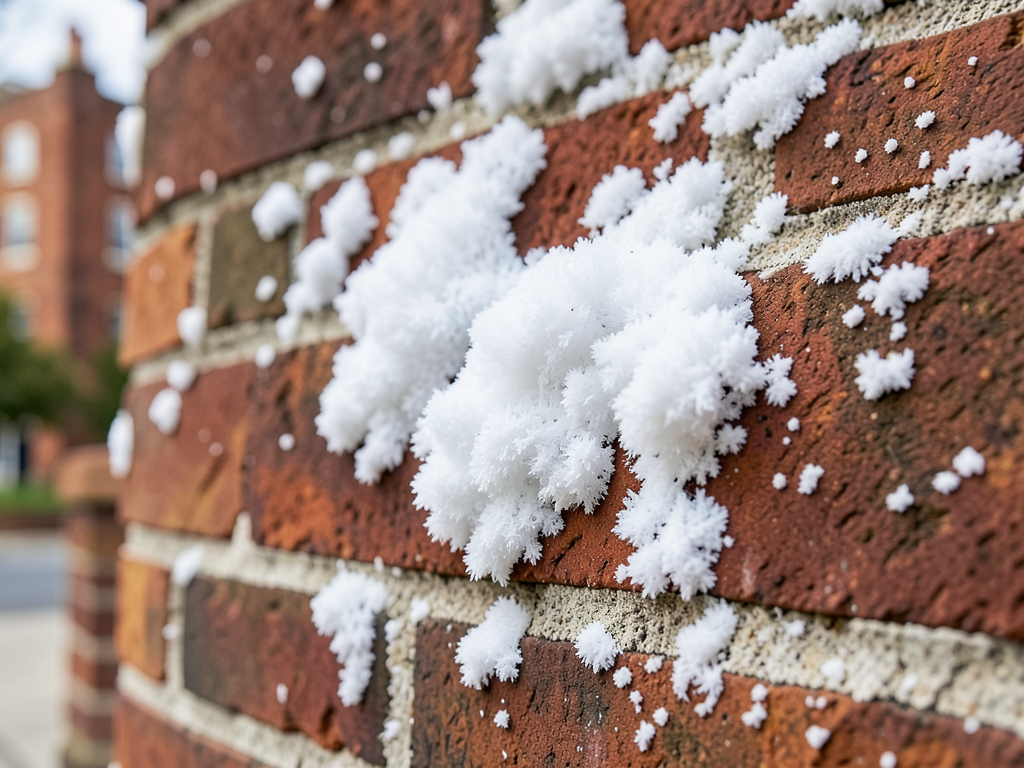
White fuzzy patches on your brick walls are more than just an eyesore. If you live in Benton Park’s historic district you are looking at efflorescence a mineral salt deposit that tells a deeper story about water movement in your masonry. This white fuzzy stuff forms when moisture travels through brick carrying dissolved salts to the surface where they crystallize. Understanding what causes it and how to address it can save you from costly structural repairs down the road. Removing Mold from Historic Central West End Homes Without Damaging the Architecture.
Benton Park’s red brick homes built in the early 1900s are particularly vulnerable. The clay soil common in St. Louis expands when wet creating hydrostatic pressure against foundation walls. This pressure forces water through the porous masonry where it evaporates leaving behind the telltale white powder. Before you grab a scrub brush consider this: efflorescence is a symptom not the disease. The real issue is water intrusion. How to Get Your St. Louis Home Insurance to Actually Pay for Water Damage.
Call (314) 428-9977 today to schedule your inspection. We will identify whether you are dealing with simple efflorescence or a more serious moisture problem that threatens your home’s structural integrity. Efflorescence on Concrete.
What is Efflorescence and Why Your STL Home Has It
Efflorescence occurs when water-soluble salts dissolve in moisture and migrate to the brick surface. As the water evaporates these salts form white crystalline deposits. In Benton Park the most common culprits are calcium carbonate and sodium sulfate both naturally present in St. Louis clay soils and mortar materials. Professional Water Extraction and Drying for St. Charles Residents.
The freeze-thaw cycles that define Missouri winters accelerate this process. When temperatures drop below freezing water trapped in brick expands creating microscopic cracks. These cracks become pathways for the next round of moisture infiltration. The cycle repeats each winter widening the damage and increasing salt migration. Water Damage Restoration Manchester.
According to the International Masonry Institute efflorescence becomes visible when relative humidity exceeds 75 percent and temperatures remain above freezing for extended periods. St. Louis averages 78 percent relative humidity in summer months creating ideal conditions for efflorescence formation on historic brick. International Code Council.
Efflorescence vs. Mold How to Tell the Difference
Not all white fuzzy growth on brick is efflorescence. Mold can also appear white especially in its early stages. Telling them apart requires a simple test and careful observation.
| Characteristic | Efflorescence | White Mold |
|---|---|---|
| Texture | Crystalline powder | Fuzzy or cotton-like |
| Water reaction | Disappears when wet | Remains visible when wet |
| Odor | None | Musty or earthy |
| Growth pattern | Flat on surface | Can grow in 3D patterns |
| Removability | Wipes off easily | May require scrubbing |
A vinegar test provides definitive identification. Apply white vinegar to the white substance. If it fizzes and dissolves you have calcium carbonate efflorescence. No reaction suggests you may be dealing with mold or another substance requiring different treatment.
The Missouri Department of Health and Senior Services recommends testing any white growth you cannot immediately identify. While efflorescence poses no direct health risk mold can trigger respiratory issues especially in children and elderly residents.
Why St. Louis Weather is Harsh on Brick Masonry
St. Louis sits in a unique climatic zone where humidity continental temperature swings and precipitation patterns create perfect conditions for masonry damage. The city receives an average of 42 inches of rainfall annually with most falling between April and September. This moisture load combined with winter freeze-thaw cycles creates constant stress on brick structures.
The National Weather Service reports that St. Louis experiences approximately 20 days per year where temperatures fluctuate above and below freezing. Each of these freeze-thaw cycles forces water already in brick to expand by about 9 percent. Over decades this expansion widens existing pores and creates new pathways for water infiltration.
Clay soil composition in Benton Park and surrounding historic districts compounds the problem. Missouri clay can absorb up to 200 percent of its weight in water. When saturated this soil expands pushing against foundation walls with pressures that can exceed 30 pounds per square foot. This hydrostatic pressure forces water through even well-constructed masonry.
The Dangers of Ignoring White Powder on Your Brick Walls
Many homeowners make the mistake of treating efflorescence as a cosmetic issue. They clean it off and forget about it only to see it return worse each season. This cycle indicates ongoing water intrusion that can lead to serious structural problems.
When water continues to penetrate brick walls it eventually reaches the mortar joints. Modern mortar contains portland cement which is less porous than historic lime mortar. Water trapped between these materials creates pressure that can cause spalling where brick faces flake or pop off completely. Once spalling begins brick loses its protective fired surface exposing the more porous interior to accelerated moisture damage.
The International Code Council’s masonry standards specify that water penetration through exterior walls should not exceed 2 percent of the wall area under standard testing conditions. Efflorescence often indicates your walls are well beyond this threshold. Left unaddressed this moisture creates conditions for mold growth within wall cavities wood rot in structural members and foundation deterioration. International Masonry Institute.
In Benton Park’s historic district where many homes are over 100 years old the cumulative effect of decades of freeze-thaw cycling and moisture exposure can compromise structural integrity. The soft red brick common in early 20th century St. Louis construction is particularly susceptible to freeze-thaw damage compared to modern harder bricks.
Our Professional Removal and Waterproofing Process
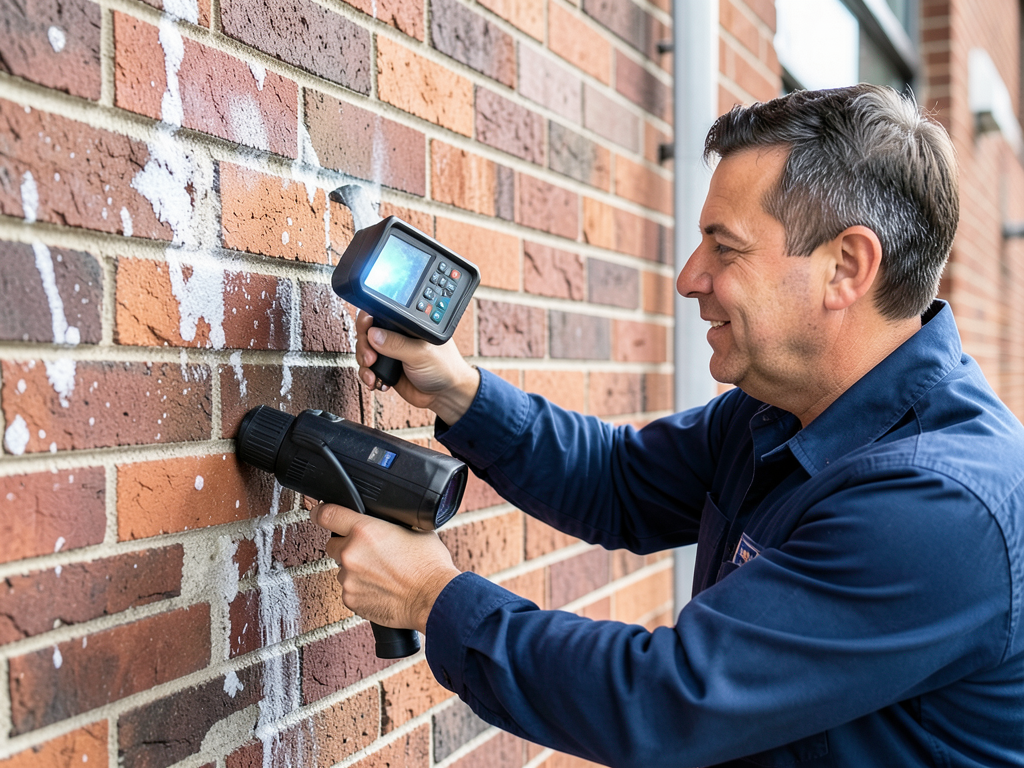
Effective efflorescence treatment requires addressing both the visible deposits and the underlying moisture source. Our process begins with a comprehensive moisture assessment using thermal imaging cameras and electronic moisture meters. These tools detect water within wall cavities that are not visible to the naked eye.
We follow a systematic approach based on IICRC S500 standards for water damage restoration. First we identify all moisture entry points using a combination of visual inspection and diagnostic testing. This includes checking for failed flashing deteriorated mortar joints and compromised waterproofing membranes.
Next we remove existing efflorescence using specialized cleaning agents formulated for masonry. Unlike harsh acids that can damage brick surfaces our cleaning solutions dissolve mineral deposits without etching the brick face. We apply these cleaners at low pressure to prevent forcing water deeper into the masonry.
After cleaning we address the root cause through targeted waterproofing. This may include applying silane-based penetrating sealers that fill microscopic pores without creating a non-breathable surface film. These sealers allow water vapor to escape while preventing liquid water penetration. For severe cases we may recommend exterior waterproofing membranes or drainage improvements.
Finally we repair any damaged mortar joints through tuckpointing using mortar formulations matched to your home’s original construction. Modern mortar is often harder than historic lime mortar creating a moisture barrier that forces water to find new entry points. Our tuckpointing restores the original mortar’s breathability while providing structural stability.
Preventing Future Mineral Buildup and Water Damage
Prevention requires a multi-layered approach that addresses both external water management and masonry protection. Start with your roof and gutters. Clogged gutters overflow creating concentrated water streams that erode mortar joints and saturate foundation soils. Clean gutters at least twice yearly and ensure downspouts direct water at least five feet from foundation walls.
Grade your landscape to slope away from your home at a minimum 6-inch drop over the first 10 feet. This simple adjustment can reduce hydrostatic pressure against foundation walls by up to 80 percent according to the University of Missouri Extension Service. Avoid planting shrubs or flower beds directly against foundation walls as irrigation water increases soil moisture content.
Install or maintain proper drainage systems. French drains or exterior footing drains collect groundwater before it can build pressure against foundation walls. In Benton Park’s clay soils these systems often require cleaning or maintenance every 5 to 10 years to remain effective.
Consider applying a breathable masonry sealer every 5 to 7 years. Unlike paint these sealers penetrate brick pores and provide water repellency while allowing vapor transmission. This prevents the moisture buildup that leads to efflorescence while protecting against freeze-thaw damage.
Monitor your home seasonally for early warning signs. White fuzzy deposits are just one indicator. Also watch for horizontal cracking in mortar joints stair-step cracking in corners and efflorescence appearing inside your basement. These signs suggest water is finding new pathways through your masonry.
Call (314) 428-9977 today to schedule your inspection. Our technicians will identify moisture sources provide a detailed remediation plan and help you protect your Benton Park home from future water damage. Don’t wait until small problems become major structural repairs.
Frequently Asked Questions
Is efflorescence dangerous for my health?
Efflorescence itself poses no direct health risk. It consists of mineral salts that are inert and non-toxic. However the moisture that causes efflorescence can lead to mold growth which may trigger respiratory issues. If you have concerns about white growth on your walls we recommend professional testing to confirm whether you are dealing with efflorescence or mold.
Can I clean efflorescence myself?
You can remove surface efflorescence using a dry brush or low-pressure water rinse. However DIY cleaning often fails to address the underlying moisture problem causing the deposits to return. For persistent efflorescence or if you notice cracking or spalling we recommend professional assessment to prevent structural damage.
How much does professional efflorescence treatment cost?
Treatment costs vary based on the extent of the problem and required repairs. Simple cleaning and sealing typically ranges from $500 to $1500 for an average home. If structural repairs or drainage improvements are needed costs can increase to $3000 to $8000. We provide free inspections to give you an accurate assessment before any work begins.
Will efflorescence keep coming back after cleaning?
Efflorescence will return if the moisture source remains unaddressed. Professional treatment includes identifying and eliminating water entry points through improved drainage waterproofing or structural repairs. With proper remediation efflorescence should not return for many years. We warranty our waterproofing work for up to 10 years depending on the specific solution implemented.
{
“@context”: “https://schema.org”,
“@type”: “BlogPosting”,
“headline”: “Identifying the White Fuzzy Stuff on Your Benton Park Brick Walls and Why It Matters”,
“description”: “See white powder on your Benton Park brick walls? Learn why efflorescence signals hidden water damage and how St. Louis’s climate affects your historic masonry.”,
“wordCount”: 1697,
“datePublished”: “2026-04-09T13:05:00.000Z”,
“dateModified”: “2026-04-09T13:05:00.000Z”,
“inLanguage”: “en-US”,
“mainEntityOfPage”: {
“@type”: “WebPage”,
“@id”: “https://patriotwaterdamagerestorationstlouis.com”
},
“publisher”: {
“@type”: “LocalBusiness”,
“name”: “Patriot Water Damage Restoration St. Louis”,
“url”: “https://patriotwaterdamagerestorationstlouis.com”
},
“author”: {
“@type”: “Organization”,
“name”: “Patriot Water Damage Restoration St. Louis”,
“url”: “https://patriotwaterdamagerestorationstlouis.com”
},
“image”: {
“@type”: “ImageObject”,
“url”: “https://patriotwaterdamagerestorationstlouis.com/wp-content/uploads/2026/03/identifying-the-white-fuzzy-stuff-on-your-benton-p-1.png”
}
}
{
“@context”: “https://schema.org”,
“@type”: “LocalBusiness”,
“name”: “Patriot Water Damage Restoration St. Louis”,
“url”: “https://patriotwaterdamagerestorationstlouis.com”,
“address”: {
“@type”: “PostalAddress”,
“addressLocality”: “St. Louis”
},
“areaServed”: {
“@type”: “City”,
“name”: “St. Louis”
}
}
{
“@context”: “https://schema.org”,
“@type”: “FAQPage”,
“mainEntity”: [
{
“@type”: “Question”,
“name”: “Is efflorescence dangerous for my health?”,
“acceptedAnswer”: {
“@type”: “Answer”,
“text”: “Efflorescence itself poses no direct health risk. It consists of mineral salts that are inert and non-toxic. However the moisture that causes efflorescence can lead to mold growth which may trigger respiratory issues. If you have concerns about white growth on your walls we recommend professional testing to confirm whether you are dealing with efflorescence or mold.”
}
},
{
“@type”: “Question”,
“name”: “Can I clean efflorescence myself?”,
“acceptedAnswer”: {
“@type”: “Answer”,
“text”: “You can remove surface efflorescence using a dry brush or low-pressure water rinse. However DIY cleaning often fails to address the underlying moisture problem causing the deposits to return. For persistent efflorescence or if you notice cracking or spalling we recommend professional assessment to prevent structural damage.”
}
},
{
“@type”: “Question”,
“name”: “How much does professional efflorescence treatment cost?”,
“acceptedAnswer”: {
“@type”: “Answer”,
“text”: “Treatment costs vary based on the extent of the problem and required repairs. Simple cleaning and sealing typically ranges from $500 to $1500 for an average home. If structural repairs or drainage improvements are needed costs can increase to $3000 to $8000. We provide free inspections to give you an accurate assessment before any work begins.”
}
},
{
“@type”: “Question”,
“name”: “Will efflorescence keep coming back after cleaning?”,
“acceptedAnswer”: {
“@type”: “Answer”,
“text”: “Efflorescence will return if the moisture source remains unaddressed. Professional treatment includes identifying and eliminating water entry points through improved drainage waterproofing or structural repairs. With proper remediation efflorescence should not return for many years. We warranty our waterproofing work for up to 10 years depending on the specific solution implemented.”
}
}
]
}
{
“@context”: “https://schema.org”,
“@type”: “BreadcrumbList”,
“itemListElement”: [
{
“@type”: “ListItem”,
“position”: 1,
“name”: “Home”,
“item”: “https://patriotwaterdamagerestorationstlouis.com”
},
{
“@type”: “ListItem”,
“position”: 2,
“name”: “Blog”,
“item”: “https://patriotwaterdamagerestorationstlouis.com/blog”
},
{
“@type”: “ListItem”,
“position”: 3,
“name”: “Identifying the White Fuzzy Stuff on Your Benton Park Brick Walls and Why It Matters”
}
]
}
{
“@context”: “https://schema.org”,
“@type”: “Service”,
“serviceType”: “Water Damage Restoration”,
“provider”: {
“@type”: “LocalBusiness”,
“name”: “Patriot Water Damage Restoration St. Louis”,
“url”: “https://patriotwaterdamagerestorationstlouis.com”
},
“areaServed”: {
“@type”: “City”,
“name”: “St. Louis”
},
“description”: “See white powder on your Benton Park brick walls? Learn why efflorescence signals hidden water damage and how St. Louis’s climate affects your historic masonry.”
}