
Can You Stay Home During Water Restoration in St. Louis?
The short answer depends entirely on the water category and the extent of damage. Clean water from a broken supply line in one room? You might stay with precautions. Sewage backup or flooding that affects multiple rooms? You need to leave immediately. St. Louis’s high humidity and aging infrastructure create unique risks that make this decision more complex than most homeowners realize. How to Get Your St. Louis Home Insurance to Actually Pay for Water Damage.
St. Louis sits in a climate where summer humidity regularly exceeds 70%, and many homes have finished basements that trap moisture. When water damage occurs, the combination of industrial drying equipment, potential microbial growth, and structural concerns creates a safety equation that changes by the hour. The question isn’t just “Can I stay?” but “Should I stay?” Professional Water Extraction and Drying for St. Charles Residents.
When Staying Home Becomes Dangerous
Category 3 water damage—sewage, floodwater, or water that has contacted contaminated materials—creates immediate health hazards. The EPA classifies these contaminants as containing pathogens that can cause serious illness through skin contact or inhalation. In St. Louis, where combined sewer systems in older neighborhoods like Soulard can back up during heavy rain, this risk is particularly relevant. EPA mold guidelines.
Structural integrity becomes compromised when water saturates load-bearing walls or subfloors. A ceiling that feels solid today might collapse tomorrow if the joists are compromised. The Missouri Department of Health and Senior Services requires professional assessment for any water damage affecting structural components, especially in homes built before 1978 where lead paint may be present. Water Damage Restoration Manchester.
Electrical hazards multiply when water contacts wiring. Even after visible water is removed, moisture can travel through wall cavities and create shock risks. The National Electrical Code mandates that any electrical equipment exposed to water must be inspected before restoration begins—a step many DIY attempts skip. Water Damage Restoration Florissant.
The Noise and Comfort Reality Check
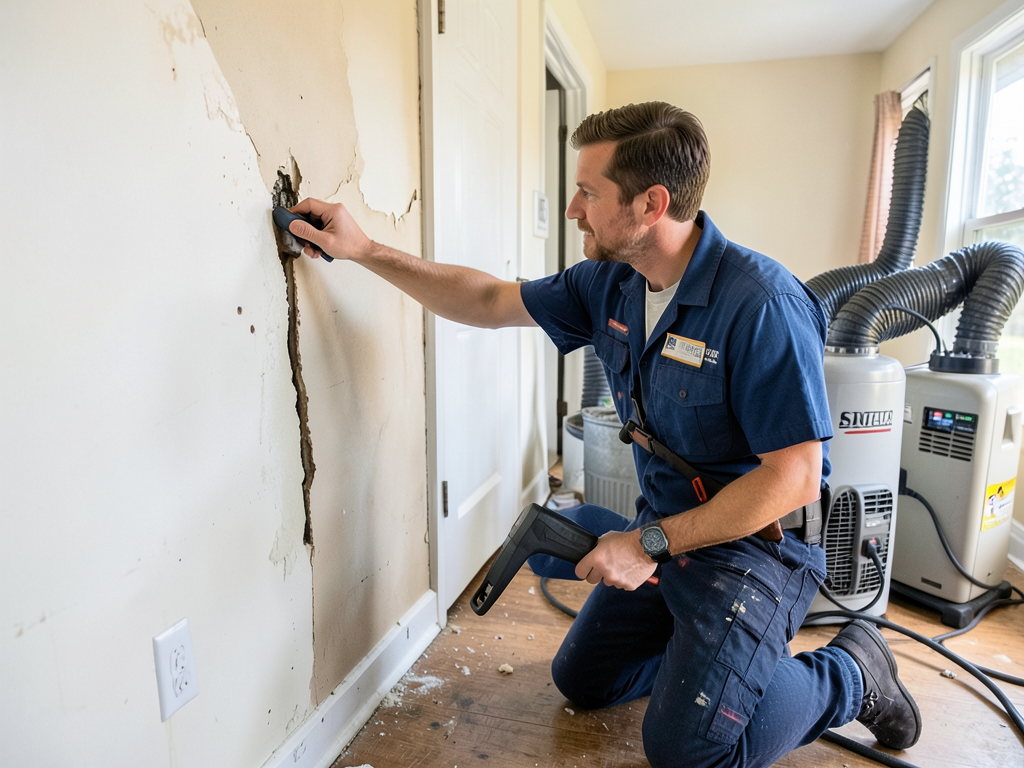
Industrial air movers and LGR dehumidifiers produce 65-80 decibels of continuous noise—comparable to a vacuum cleaner or city traffic. Running 24/7 for 3-5 days, this creates an environment where sleep becomes nearly impossible. The equipment also generates heat, raising indoor temperatures by 5-10 degrees and creating uncomfortable sleeping conditions.
HEPA air scrubbers, while essential for removing airborne contaminants, create additional white noise that can mask important sounds like smoke alarms or emergency alerts. For families with young children or elderly members who need uninterrupted rest, this creates a quality-of-life issue that goes beyond simple inconvenience. Removing Mold from Historic Central West End Homes Without Damaging the Architecture.
St. Louis Climate Considerations
St. Louis’s continental climate with high summer humidity creates a unique challenge for water damage restoration. When outdoor humidity exceeds 60%, as it often does from June through September, natural evaporation slows dramatically. This means professional equipment must work harder and longer, extending the time your home remains in a construction-zone state.
The clay soil common throughout St. Louis County expands when wet and contracts when dry, putting pressure on foundation walls. Water damage that compromises basement walls can trigger soil movement that causes new cracks or worsens existing ones. This geological reality means what starts as a simple leak can evolve into foundation issues if not addressed properly.
Historic neighborhoods like Lafayette Square and the Central West End present additional challenges. Many homes have plaster walls that absorb water like a sponge and release it slowly over weeks. The St. Louis Building Department requires special permits for restoration work in historic districts, and many insurance policies won’t cover secondary damage if proper procedures aren’t followed.
Insurance and ALE Coverage
Most standard homeowners policies in Missouri include Additional Living Expenses (ALE) coverage, which pays for temporary housing when your home becomes uninhabitable. The coverage typically ranges from 10-20% of your dwelling coverage limit and can include hotel stays, meals, and even pet boarding.
However, ALE coverage comes with specific requirements. Your insurance company may require an inspection by their adjuster before approving temporary relocation. Some policies exclude certain types of water damage—particularly flood damage, which requires separate National Flood Insurance Program coverage if you live in a designated floodplain.
The claims process moves faster when you work with a restoration company that has experience with St. Louis insurance providers. They can document damage with moisture mapping and thermal imaging that satisfies adjuster requirements, preventing disputes that delay your temporary housing approval.
Restoration Checklist for St. Louis Homeowners
If you choose to stay during restoration, follow this safety protocol. First, seal off the affected area with plastic sheeting and painter’s tape. This prevents cross-contamination and reduces noise exposure. Second, run HEPA air scrubbers in both the affected area and your living space to maintain air quality.
Third, monitor humidity levels with a hygrometer. If indoor humidity exceeds 60%, the drying process isn’t working effectively and you’re at risk for mold growth. The EPA recommends keeping indoor humidity below 50% during restoration to prevent secondary damage.
Fourth, establish a communication plan with your restoration team. They should provide daily progress reports and alert you to any safety concerns. Many St. Louis companies now use moisture mapping apps that let you track drying progress in real-time through your smartphone.
Finally, prepare an emergency kit with essentials in case you need to leave quickly. Include medications, important documents, and a change of clothes. Even if you plan to stay, having this ready provides peace of mind and ensures you can evacuate quickly if conditions worsen.
Making the Final Decision
The decision to stay or go ultimately depends on three factors: the water category, the affected area size, and your household’s specific needs. A clean water leak in a single bathroom might allow you to stay with precautions. A sewage backup affecting multiple rooms requires immediate evacuation.. Read more about Cleaning up a sewage backup in your St. Peters finished basement.
Consider your family’s health status. Anyone with respiratory issues, compromised immune systems, or young children faces higher risks from airborne contaminants. The elderly and pregnant women also face increased vulnerability to mold spores and other pathogens that become aerosolized during the drying process.
Time is critical in water damage scenarios. The IICRC S500 standard states that mold can begin growing within 24-48 hours of water exposure. Every hour you delay professional assessment increases the risk of secondary damage that could make your home unsafe for weeks or months. IICRC S500 standards.
Your restoration company should provide a clear safety assessment before work begins. This should include air quality testing, moisture mapping, and a written recommendation about whether staying is advisable. If they can’t provide this documentation, consider it a red flag.
Remember that your insurance policy may require you to mitigate further damage. If staying puts your home at risk for additional water damage or mold growth, your claim could be denied or reduced. Document your decision-making process with photos and written communication in case you need to justify your actions to the insurance company.
The bottom line: when in doubt, err on the side of caution. Temporary displacement is inconvenient but far less disruptive than dealing with health issues, structural damage, or a denied insurance claim. Your restoration team can help you find temporary housing options and ensure your home is safe before you return.
Frequently Asked Questions
How long does water damage restoration typically take?
Most residential water damage restoration takes 3-5 days for complete drying, though this varies based on the extent of damage, building materials, and St. Louis’s humidity levels. Category 3 water damage or structural issues may extend the timeline to 7-10 days.
Can I use my HVAC system during restoration?
No. Running your HVAC system can spread contaminants throughout your home and interfere with the controlled drying environment needed for proper restoration. Your restoration team will advise when it’s safe to resume normal HVAC operation.
What should I do immediately after discovering water damage?
Shut off the water source if possible, document the damage with photos, and call a professional restoration company immediately. Avoid walking through standing water, especially if electrical outlets or appliances are nearby. Time is critical—mold can begin growing within 24-48 hours.
Will my insurance cover temporary housing costs?
Most standard homeowners policies include Additional Living Expenses (ALE) coverage, typically 10-20% of your dwelling coverage limit. However, coverage varies by policy, and some types of water damage (like flooding) may be excluded unless you have separate flood insurance.
How can I tell if water damage is Category 3?
Category 3 water contains contaminants that can cause illness, including sewage, floodwater, or water that has contacted contaminated materials. If you’re unsure about the water source or if it smells foul, assume it’s Category 3 and evacuate immediately. Professional testing can confirm the category.. Read more about What to Do if Your Lemay Home Smells Like Rotten Eggs After a Summer Storm.
- Assess the Water Category
Determine if the water is clean, grey, or black. Black water (sewage or floodwater) requires immediate evacuation. Clean water from a supply line break may allow you to stay with precautions.
- Seal Off Affected Areas
Use plastic sheeting and painter’s tape to create containment barriers. This prevents cross-contamination and reduces noise exposure in your living spaces.
- Monitor Air Quality and Humidity
Keep indoor humidity below 50% using hygrometers. Run HEPA air scrubbers in both affected and living areas to maintain air quality.
- Establish Communication with Your Team
Request daily progress reports and safety assessments. Many companies now offer moisture mapping apps for real-time tracking.
- Prepare for Quick Evacuation
Pack an emergency kit with essentials even if you plan to stay. This ensures you can leave quickly if conditions worsen.
Need Help Making This Decision?
Water damage creates stress and uncertainty, especially when you’re trying to decide if your home is safe for your family. At Patriot Water Damage Restoration, we provide honest safety assessments based on IICRC standards and years of experience serving St. Louis homeowners. We’ll help you understand your options and make the right choice for your situation.
Don’t wait until small problems become major health hazards. Call (314) 428-9977 today for a professional assessment. We offer 24/7 emergency response throughout the St. Louis metro area, including Manchester, Florissant, and Creve Coeur. Your family’s safety is our top priority.
Pick up the phone and call (314) 428-9977 before the next storm hits. Water damage waits for no one, but with the right team on your side, you can protect your home and your family’s health.
{
“@context”: “https://schema.org”,
“@type”: “BlogPosting”,
“headline”: “Is It Actually Safe to Sleep in Your House While It Is Drying Out After a Leak?”,
“description”: “Wondering if you can stay home during water damage restoration? Learn St. Louis-specific safety risks, noise levels, and insurance options from IICRC-certified experts.”,
“wordCount”: 1733,
“datePublished”: “2026-04-01T13:37:00.000Z”,
“dateModified”: “2026-04-01T13:37:00.000Z”,
“inLanguage”: “en-US”,
“mainEntityOfPage”: {
“@type”: “WebPage”,
“@id”: “https://patriotwaterdamagerestorationstlouis.com”
},
“publisher”: {
“@type”: “LocalBusiness”,
“name”: “Patriot Water Damage Restoration St. Louis”,
“url”: “https://patriotwaterdamagerestorationstlouis.com”
},
“author”: {
“@type”: “Organization”,
“name”: “Patriot Water Damage Restoration St. Louis”,
“url”: “https://patriotwaterdamagerestorationstlouis.com”
},
“image”: {
“@type”: “ImageObject”,
“url”: “https://patriotwaterdamagerestorationstlouis.com/wp-content/uploads/2026/03/is-it-actually-safe-to-sleep-in-your-house-while-i-1.png”
}
}
{
“@context”: “https://schema.org”,
“@type”: “LocalBusiness”,
“name”: “Patriot Water Damage Restoration St. Louis”,
“url”: “https://patriotwaterdamagerestorationstlouis.com”,
“address”: {
“@type”: “PostalAddress”,
“addressLocality”: “St. Louis”
},
“areaServed”: {
“@type”: “City”,
“name”: “St. Louis”
}
}
{
“@context”: “https://schema.org”,
“@type”: “FAQPage”,
“mainEntity”: [
{
“@type”: “Question”,
“name”: “How long does water damage restoration typically take?”,
“acceptedAnswer”: {
“@type”: “Answer”,
“text”: “Most residential water damage restoration takes 3-5 days for complete drying, though this varies based on the extent of damage, building materials, and St. Louis’s humidity levels. Category 3 water damage or structural issues may extend the timeline to 7-10 days.”
}
},
{
“@type”: “Question”,
“name”: “Can I use my HVAC system during restoration?”,
“acceptedAnswer”: {
“@type”: “Answer”,
“text”: “No. Running your HVAC system can spread contaminants throughout your home and interfere with the controlled drying environment needed for proper restoration. Your restoration team will advise when it’s safe to resume normal HVAC operation.”
}
},
{
“@type”: “Question”,
“name”: “What should I do immediately after discovering water damage?”,
“acceptedAnswer”: {
“@type”: “Answer”,
“text”: “Shut off the water source if possible, document the damage with photos, and call a professional restoration company immediately. Avoid walking through standing water, especially if electrical outlets or appliances are nearby. Time is critical—mold can begin growing within 24-48 hours.”
}
},
{
“@type”: “Question”,
“name”: “Will my insurance cover temporary housing costs?”,
“acceptedAnswer”: {
“@type”: “Answer”,
“text”: “Most standard homeowners policies include Additional Living Expenses (ALE) coverage, typically 10-20% of your dwelling coverage limit. However, coverage varies by policy, and some types of water damage (like flooding) may be excluded unless you have separate flood insurance.”
}
},
{
“@type”: “Question”,
“name”: “How can I tell if water damage is Category 3?”,
“acceptedAnswer”: {
“@type”: “Answer”,
“text”: “Category 3 water contains contaminants that can cause illness, including sewage, floodwater, or water that has contacted contaminated materials. If you’re unsure about the water source or if it smells foul, assume it’s Category 3 and evacuate immediately. Professional testing can confirm the category.”
}
},
{
“@type”: “Question”,
“name”: “Need Help Making This Decision?”,
“acceptedAnswer”: {
“@type”: “Answer”,
“text”: “Water damage creates stress and uncertainty, especially when you’re trying to decide if your home is safe for your family. At Patriot Water Damage Restoration, we provide honest safety assessments based on IICRC standards and years of experience serving St. Louis homeowners. We’ll help you understand your options and make the right choice for your situation.”
}
}
]
}
{
“@context”: “https://schema.org”,
“@type”: “HowTo”,
“name”: “How to Stay Safe During Water Restoration”,
“step”: [
{
“@type”: “HowToStep”,
“position”: 1,
“name”: “Assess the Water Category”,
“text”: “Determine if the water is clean, grey, or black. Black water (sewage or floodwater) requires immediate evacuation. Clean water from a supply line break may allow you to stay with precautions.”
},
{
“@type”: “HowToStep”,
“position”: 2,
“name”: “Seal Off Affected Areas”,
“text”: “Use plastic sheeting and painter’s tape to create containment barriers. This prevents cross-contamination and reduces noise exposure in your living spaces.”
},
{
“@type”: “HowToStep”,
“position”: 3,
“name”: “Monitor Air Quality and Humidity”,
“text”: “Keep indoor humidity below 50% using hygrometers. Run HEPA air scrubbers in both affected and living areas to maintain air quality.”
},
{
“@type”: “HowToStep”,
“position”: 4,
“name”: “Establish Communication with Your Team”,
“text”: “Request daily progress reports and safety assessments. Many companies now offer moisture mapping apps for real-time tracking.”
},
{
“@type”: “HowToStep”,
“position”: 5,
“name”: “Prepare for Quick Evacuation”,
“text”: “Pack an emergency kit with essentials even if you plan to stay. This ensures you can leave quickly if conditions worsen.”
}
],
“image”: “https://patriotwaterdamagerestorationstlouis.com/wp-content/uploads/2026/03/is-it-actually-safe-to-sleep-in-your-house-while-i-1.png”
}
{
“@context”: “https://schema.org”,
“@type”: “BreadcrumbList”,
“itemListElement”: [
{
“@type”: “ListItem”,
“position”: 1,
“name”: “Home”,
“item”: “https://patriotwaterdamagerestorationstlouis.com”
},
{
“@type”: “ListItem”,
“position”: 2,
“name”: “Blog”,
“item”: “https://patriotwaterdamagerestorationstlouis.com/blog”
},
{
“@type”: “ListItem”,
“position”: 3,
“name”: “Is It Actually Safe to Sleep in Your House While It Is Drying Out After a Leak?”
}
]
}
{
“@context”: “https://schema.org”,
“@type”: “Service”,
“serviceType”: “Water Damage Restoration”,
“provider”: {
“@type”: “LocalBusiness”,
“name”: “Patriot Water Damage Restoration St. Louis”,
“url”: “https://patriotwaterdamagerestorationstlouis.com”
},
“areaServed”: {
“@type”: “City”,
“name”: “St. Louis”
},
“description”: “Wondering if you can stay home during water damage restoration? Learn St. Louis-specific safety risks, noise levels, and insurance options from IICRC-certified experts.”
}