
Is Your Mehlville Attic Leaking or Just Dealing with Summer Condensation?
Those dark spots on your attic ceiling have you worried. Is water actually coming through your roof or is this just summer condensation from St. Louis humidity? Here’s how to tell the difference before you call for help. How to Get Your St. Louis Home Insurance to Actually Pay for Water Damage.
In Mehlville’s humid summers, attic condensation forms when warm moist air hits cool attic surfaces. But actual roof leaks show different patterns and signs. Understanding these differences can save you from unnecessary repairs or prevent costly water damage from going unaddressed. EPA Mold Guidelines.
Visual Signs: What You See Matters
Roof leaks typically create concentrated dark spots that grow larger after rainfall. You’ll notice water trails running down rafters or pooling in specific areas. Condensation appears as more widespread dampness or frost patterns in winter that melt into water droplets. Professional Water Extraction and Drying for St. Charles Residents.
Look for these key differences:
- Leak damage: Brown or yellow ceiling stains with defined edges
- Condensation damage: Grayish or white fuzzy patches on insulation
- Leak patterns: Water follows gravity, creating drip lines or puddles
- Condensation patterns: Moisture appears across larger areas, especially near vents or roof edges
The Touch Test: Feel the Difference
Water from a roof leak feels cold and wet even hours after rain stops. The affected materials stay damp to the touch. Condensation areas might feel cool but dry quickly once humidity drops or airflow improves. Water Damage Restoration Manchester.
Press a dry paper towel against suspicious spots. If it comes away wet with no recent rain, you likely have active leaking. If the area feels only slightly cool and the towel stays dry, condensation is probably the culprit.
Timing Tells the Story
Roof leaks worsen during or immediately after rainfall. You might hear dripping sounds during storms or see active water intrusion. Condensation problems build gradually with humidity levels and appear worst on muggy summer days or during rapid temperature changes. Water Damage Restoration Florissant.
Mehlville’s summer thunderstorms can dump several inches of rain in hours. If you notice new spots appearing during these events, that’s a strong leak indicator. If problems persist during dry spells, condensation or poor ventilation is likely the cause.
Common Mehlville Attic Problems
Mehlville’s mix of older ranch homes and newer construction creates different attic ventilation challenges. Many homes built before 2000 lack proper ridge vents or have insufficient soffit ventilation, trapping moisture in summer.
The area’s clay soil and foundation settling can also cause structural shifts that create roof gaps over time. These gaps let water in during heavy rains but might only show as occasional drips rather than constant moisture.

DIY Inspection Steps
Start your inspection on a dry day. Enter your attic with a flashlight and check these areas:
- Roof decking: Look for dark spots, warping, or soft areas
- Rafters: Check for water trails or mineral deposits
- Insulation: Feel for damp, compressed, or moldy areas
- Penetrations: Examine around vents, chimneys, and light fixtures
- Attic floor: Check for active dripping or standing water
Use a moisture meter on suspicious areas. Readings above 20% indicate active water intrusion. For condensation, humidity levels throughout the attic should stay below 60% to prevent moisture problems.
When Humidity Becomes the Enemy
St. Louis summers routinely hit 80-90% humidity. Without proper attic ventilation, this moisture rises and condenses on cool surfaces. Signs of humidity problems include:
- Musty odors throughout the house
- Condensation on attic windows or HVAC ducts
- Mold growth on wood surfaces
- Peeling paint on attic walls
- Ice dam formation in winter
Proper ventilation requires balanced airflow. Soffit vents let cool air in while ridge vents or gable vents allow hot, moist air to escape. Without this balance, moisture gets trapped and causes damage similar to roof leaks.
The Mold Factor
Both roof leaks and condensation create mold risks, but the types differ. Roof leak mold often appears as black or dark green spots in concentrated areas. Humidity-driven mold grows more uniformly and can spread throughout the attic space.
Mold can start growing within 24-48 hours of moisture exposure. If you see fuzzy growth or smell musty odors, you need professional assessment regardless of the moisture source.
Professional Assessment Tools
Water damage professionals use specialized equipment to diagnose attic problems:
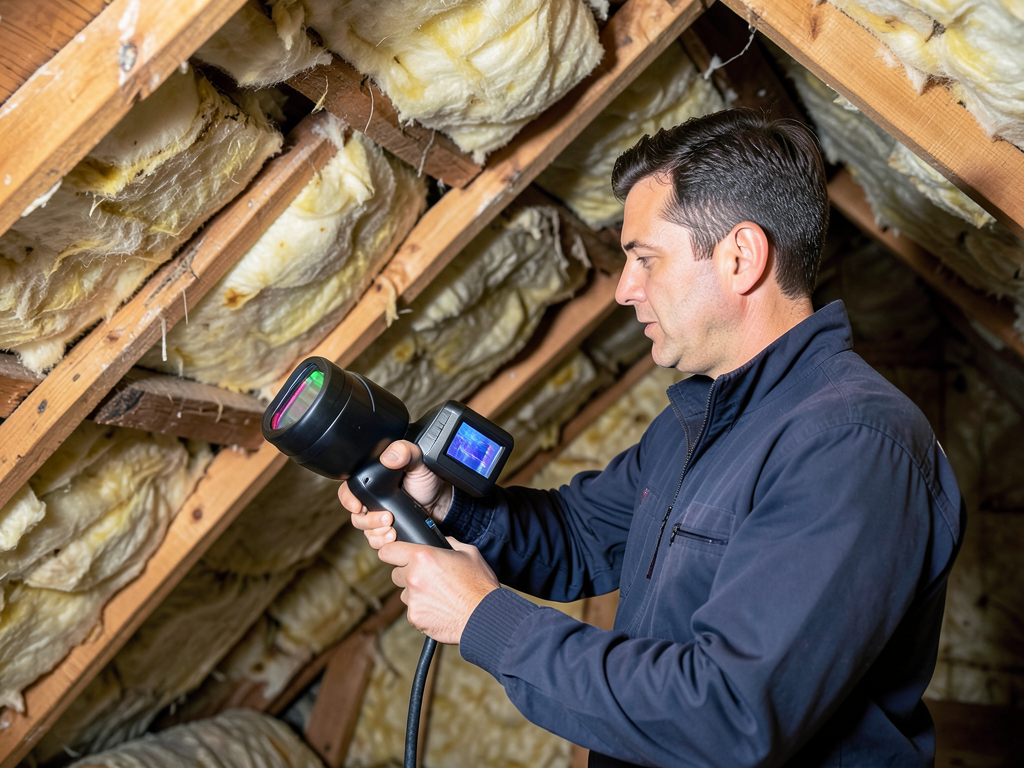
- Thermal imaging cameras detect temperature differences indicating moisture
- Moisture meters measure water content in materials
- Humidity sensors track attic moisture levels
- Borescopes inspect hard-to-reach areas without demolition
- Air quality tests detect mold spores and other contaminants
These tools can distinguish between active leaks and historical moisture damage. They also identify hidden problems like compromised roof decking that might not be visible from the attic floor. Removing Mold from Historic Central West End Homes Without Damaging the Architecture.
Cost Implications: Leak vs. Condensation
Roof leaks typically require:
- Roof repair or replacement ($500-$10,000+)
- Water damage restoration ($1,000-$5,000+)
- Structural repairs if wood rot occurred
Condensation issues usually need:
- Ventilation improvements ($500-$3,000)
- Dehumidification systems ($800-$2,500)
- Insulation upgrades ($1,000-$4,000)
Early detection prevents the most expensive scenarios. A small roof leak left unaddressed can lead to thousands in structural damage and mold remediation.
Prevention Strategies
Prevent roof leaks by:
- Cleaning gutters twice yearly
- Inspecting flashing around chimneys and vents annually
- Replacing missing or damaged shingles promptly
- Checking attic after major storms
Prevent condensation by:
- Ensuring proper attic ventilation (1 square foot per 150 square feet of attic space)
- Installing vapor barriers in humid climates
- Using bathroom and kitchen exhaust fans
- Maintaining consistent indoor temperatures
Local Building Code Requirements
St. Louis County requires specific ventilation ratios for new construction. According to the 2021 International Residential Code adopted locally, attics must have net free ventilation area equal to 1/150 of the vented space. This ensures proper moisture control and prevents condensation-related damage.
Many Mehlville homes predate these requirements. If your home was built before 1990, it likely needs ventilation upgrades to meet current moisture control standards.
When to Call a Professional
Call for professional help if you notice:
- Active dripping or standing water
- Extensive mold growth
- Structural damage like sagging ceilings
- Persistent musty odors
- Water damage spreading between rooms
Don’t wait for problems to worsen. Water damage escalates quickly, and mold can compromise your family’s health. Professional assessment provides peace of mind and prevents minor issues from becoming major expenses.
Frequently Asked Questions
How can I tell if my attic has a leak or just condensation?
Check timing and patterns. Leaks appear during or after rain and follow gravity trails. Condensation builds with humidity and appears across larger areas. Use a moisture meter to confirm active water presence.
How much does it cost to fix attic water damage in Mehlville?
Costs vary widely based on the source and extent. Roof leak repairs range from $500 to $10,000+. Ventilation improvements cost $500 to $3,000. Full restoration with mold remediation can exceed $10,000 for severe cases.
Can attic condensation cause mold?
Yes, condensation creates ideal mold growth conditions. Mold can start growing within 24-48 hours of moisture exposure. Persistent attic humidity above 60% significantly increases mold risks.
How often should I inspect my attic for water damage?
Inspect your attic twice yearly, ideally in spring and fall. Also check after major storms or if you notice new ceiling stains inside your home.
Take Action Now
Don’t let attic moisture problems damage your Mehlville home. Whether you’re dealing with a roof leak or humidity issues, early intervention saves money and protects your family’s health. Call (314) 428-9977 today to schedule a professional attic inspection. Our certified technicians use thermal imaging and moisture meters to diagnose the exact cause and provide lasting solutions.
Pick up the phone and call (314) 428-9977 before the next storm hits. We’ll help you identify whether you need roof repairs or ventilation improvements, ensuring your attic stays dry year-round. For more information, visit IICRC Standards.
{
“@context”: “https://schema.org”,
“@type”: “BlogPosting”,
“headline”: “Is Your Mehlville Attic Leaking or Just Dealing with Summer Condensation?”,
“description”: “Find out how to tell if your Mehlville attic has a leak or just summer condensation. Learn the warning signs, causes, and when to call a St. Louis water damage expert.”,
“wordCount”: 1314,
“datePublished”: “2026-03-14T14:06:00.000Z”,
“dateModified”: “2026-03-14T14:06:00.000Z”,
“inLanguage”: “en-US”,
“mainEntityOfPage”: {
“@type”: “WebPage”,
“@id”: “https://patriotwaterdamagerestorationstlouis.com”
},
“publisher”: {
“@type”: “LocalBusiness”,
“name”: “Patriot Water Damage Restoration St. Louis”,
“url”: “https://patriotwaterdamagerestorationstlouis.com”
},
“author”: {
“@type”: “Organization”,
“name”: “Patriot Water Damage Restoration St. Louis”,
“url”: “https://patriotwaterdamagerestorationstlouis.com”
},
“image”: {
“@type”: “ImageObject”,
“url”: “https://patriotwaterdamagerestorationstlouis.com/wp-content/uploads/2026/03/is-your-mehlville-attic-leaking-or-just-dealing-wi-1.png”
}
}
{
“@context”: “https://schema.org”,
“@type”: “LocalBusiness”,
“name”: “Patriot Water Damage Restoration St. Louis”,
“url”: “https://patriotwaterdamagerestorationstlouis.com”,
“address”: {
“@type”: “PostalAddress”,
“addressLocality”: “St. Louis”
},
“areaServed”: {
“@type”: “City”,
“name”: “St. Louis”
}
}
{
“@context”: “https://schema.org”,
“@type”: “FAQPage”,
“mainEntity”: [
{
“@type”: “Question”,
“name”: “How can I tell if my attic has a leak or just condensation?”,
“acceptedAnswer”: {
“@type”: “Answer”,
“text”: “Check timing and patterns. Leaks appear during or after rain and follow gravity trails. Condensation builds with humidity and appears across larger areas. Use a moisture meter to confirm active water presence.”
}
},
{
“@type”: “Question”,
“name”: “How much does it cost to fix attic water damage in Mehlville?”,
“acceptedAnswer”: {
“@type”: “Answer”,
“text”: “Costs vary widely based on the source and extent. Roof leak repairs range from $500 to $10,000+. Ventilation improvements cost $500 to $3,000. Full restoration with mold remediation can exceed $10,000 for severe cases.”
}
},
{
“@type”: “Question”,
“name”: “Can attic condensation cause mold?”,
“acceptedAnswer”: {
“@type”: “Answer”,
“text”: “Yes, condensation creates ideal mold growth conditions. Mold can start growing within 24-48 hours of moisture exposure. Persistent attic humidity above 60% significantly increases mold risks.”
}
},
{
“@type”: “Question”,
“name”: “How often should I inspect my attic for water damage?”,
“acceptedAnswer”: {
“@type”: “Answer”,
“text”: “Inspect your attic twice yearly, ideally in spring and fall. Also check after major storms or if you notice new ceiling stains inside your home.”
}
}
]
}
{
“@context”: “https://schema.org”,
“@type”: “BreadcrumbList”,
“itemListElement”: [
{
“@type”: “ListItem”,
“position”: 1,
“name”: “Home”,
“item”: “https://patriotwaterdamagerestorationstlouis.com”
},
{
“@type”: “ListItem”,
“position”: 2,
“name”: “Blog”,
“item”: “https://patriotwaterdamagerestorationstlouis.com/blog”
},
{
“@type”: “ListItem”,
“position”: 3,
“name”: “Is Your Mehlville Attic Leaking or Just Dealing with Summer Condensation?”
}
]
}
{
“@context”: “https://schema.org”,
“@type”: “Service”,
“serviceType”: “Water Damage Restoration”,
“provider”: {
“@type”: “LocalBusiness”,
“name”: “Patriot Water Damage Restoration St. Louis”,
“url”: “https://patriotwaterdamagerestorationstlouis.com”
},
“areaServed”: {
“@type”: “City”,
“name”: “St. Louis”
},
“description”: “Find out how to tell if your Mehlville attic has a leak or just summer condensation. Learn the warning signs, causes, and when to call a St. Louis water damage expert.”
}