
Saving Your Custom Wine Cellar from Basement Seepage in Frontenac
Frontenac’s luxury homes feature custom wine cellars that can be destroyed in hours when basement seepage strikes. The combination of St. Louis’s clay soil, high water table, and aging infrastructure creates perfect conditions for water intrusion into your climate-controlled sanctuary. When moisture breaches your vapor barrier, every hour counts as cork integrity fails and mold spores colonize your collection. St. Louis County Residential Code Section 11.
Professional restoration requires understanding both wine preservation science and structural drying techniques. Your wine cellar maintains 55°F temperature and 50-70% relative humidity. Disrupting this balance triggers irreversible damage to labels, corks, and the wine itself. The clock starts ticking at 24 hours when microbial growth begins consuming organic materials. Professional Water Extraction and Drying for St. Charles Residents.
Frontenac’s Hidden Basement Water Risks
Frontenac sits atop Missouri red clay that expands when saturated, creating hydrostatic pressure against foundation walls. This pressure forces water through hairline cracks in poured concrete or mortar joints in older brick foundations. The area’s proximity to the Missouri River means groundwater levels fluctuate seasonally, often rising above basement floor levels during spring thaws. Efflorescence on Concrete.
Older Frontenac estates built before 2000 often lack modern drainage systems required by current St. Louis County building codes. Section 11 of the St. Louis County Residential Code mandates perimeter drains and sump pumps for finished basements, but many pre-existing structures operate without these protections. When heavy rains overwhelm the Metropolitan Sewer District’s combined sewer-stormwater system, water backs up through floor drains and foundation cracks. How to Get Your St. Louis Home Insurance to Actually Pay for Water Damage.
The clay soil also creates another threat: slow drainage. Unlike sandy soils that shed water quickly, clay retains moisture for days or weeks. This means your basement walls stay saturated long after the rain stops, continuing to wick moisture through concrete and into your wine cellar’s specialized insulation. Water Damage Restoration Manchester.
Immediate Emergency Steps for Wine Cellar Protection
When you discover water in your wine cellar, your first priority is stabilizing the environment. Move any standing water away from wine racks using clean towels or a wet vacuum. Do not attempt to dry bottles with heat sources, as rapid temperature changes can damage corks.
Check your climate control system immediately. If it’s submerged or showing error codes, shut it down to prevent electrical hazards. Document everything with photos before touching anything, as this evidence supports insurance claims for both structural damage and wine collection loss.
Monitor humidity levels with a hygrometer. If relative humidity climbs above 75%, mold growth accelerates exponentially. At this point, professional intervention becomes critical. The EPA’s guidelines for mold remediation require containment and specialized equipment that most homeowners don’t possess. EPA guidelines for mold remediation.
Remove any wine bottles showing visible moisture on labels or around corks. These bottles face immediate risk of label degradation and potential wine spoilage. Place them in a temporary cool storage area away from the affected zone.
Structural Drying for Wine Cellar Materials
Wine cellars use specialized materials that require different drying approaches than standard basements. Mahogany racking absorbs moisture at different rates than oak flooring. Stone walls retain water longer than drywall, but removing moisture too quickly can cause cracking. Removing Mold from Historic Central West End Homes Without Damaging the Architecture.
Professional restorers use moisture meters calibrated for different materials to track drying progress. A reading of 15% moisture content in wood indicates active drying, while readings above 20% suggest saturation requiring aggressive intervention. The IICRC S500 standard for professional water damage restoration provides specific drying goals for different building materials. IICRC S500 standard for water damage restoration.
Vapor barriers in wine cellars often consist of multiple layers: plastic sheeting, foam insulation, and sometimes specialized membranes. When water penetrates these layers, each must be addressed separately. Simply drying the surface ignores moisture trapped between layers, which continues to feed mold growth and structural deterioration.. Read more about The Real Difference Between Foundation Cracks and Normal Settling in Your Fox Park Home.
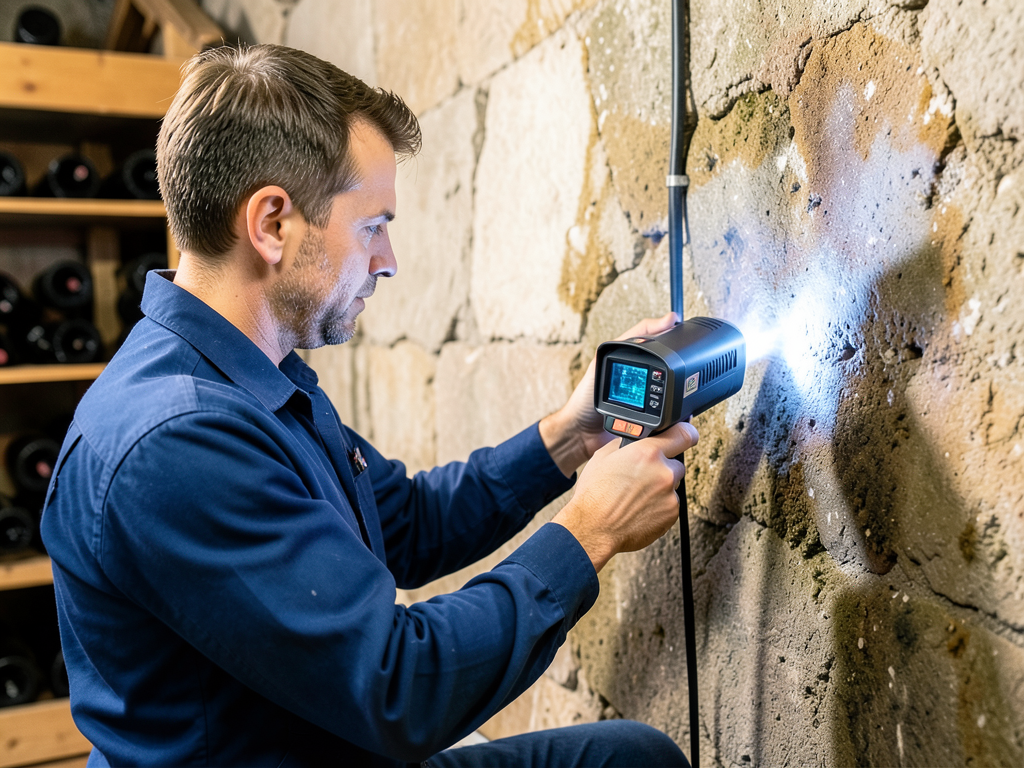
Thermal imaging cameras reveal temperature differences that indicate moisture presence. Cold spots on walls or floors often indicate water accumulation that isn’t visible to the naked eye. This technology helps identify problem areas before they become visible mold colonies.
Mold Prevention in High-Value Collections
Mold spores require three conditions to grow: moisture, organic material, and temperatures between 40-100°F. Your wine cellar provides all three when compromised. Cork is particularly vulnerable, as it’s both organic and designed to maintain moisture contact with wine.
Professional remediation involves HEPA filtration to capture airborne spores at 99.97% efficiency. This prevents cross-contamination to unaffected bottles and areas. The process creates negative air pressure zones that contain spores during removal operations.
Label preservation becomes critical when mold attacks paper labels. Foxing, the brown spotting caused by mold growth, permanently damages collectible wine labels. Professional restorers use specialized cleaning techniques that remove mold without destroying label integrity, preserving both monetary and historical value.
Cork taint, specifically TCA (2,4,6-trichloroanisole), can develop when mold interacts with cork compounds. This creates musty odors that render wine undrinkable. Bottles showing TCA contamination must be removed from the collection, as the compound spreads through shared air spaces.
Climate Control System Recovery
Your wine cellar’s cooling unit represents a significant investment that requires specialized attention after water exposure. These systems contain electrical components, refrigerant lines, and often water-based cooling mechanisms that can be damaged by floodwater.
Technicians test electrical systems for continuity and insulation resistance before restoring power. Water-damaged wiring can cause short circuits or fire hazards. The National Electrical Code Article 680 requires specific safety protocols for equipment exposed to water.. Read more about Restoring Your High-End Home Theater After Water Damage in Huntleigh.
Refrigerant lines must be pressure-tested for leaks, as floodwater can corrode copper tubing. Even small leaks reduce cooling efficiency and can contaminate the wine storage environment with moisture from the refrigeration cycle itself.
Temperature and humidity sensors often require recalibration after water exposure. These devices control your cellar’s environment, and inaccurate readings can lead to improper storage conditions that damage wine over time.
Insurance Documentation for High-Value Collections
Standard homeowners insurance policies often exclude wine collection damage or impose low coverage limits. Specialty wine insurance provides better protection but requires detailed documentation of your collection’s value and condition.
Professional restorers document damage using standardized forms that insurance adjusters recognize. This includes inventory sheets, condition reports, and photographic evidence organized by bottle location and value tier. High-value bottles require individual documentation to support claims.
The claims process benefits from third-party verification of damage extent and restoration necessity. Insurance companies prefer objective assessments over homeowner estimates, particularly for collections exceeding $10,000 in value.
Documentation should include pre-loss photos of your cellar setup, inventory lists with purchase prices or appraisals, and records of any climate control system maintenance. This establishes your collection’s value and demonstrates proper care, which influences claim outcomes.
Preventing Future Basement Seepage
Long-term protection requires addressing the root causes of water intrusion. Exterior foundation waterproofing involves applying membranes to below-grade walls, installing French drains, and ensuring proper grading slopes away from the foundation.
Sump pump systems should include battery backup to function during power outages, which often accompany severe storms that cause basement flooding. The pump capacity must match your basement’s square footage and local rainfall patterns.. Read more about Why a Battery Backup is the Only Way to Truly Protect Your St. Peters Basement from Sump Pump Failure.
Floor drain maintenance prevents sewer backup during heavy rains. Professional cleaning removes sediment buildup that restricts flow. Backwater valves automatically close when sewer lines back up, preventing contaminated water from entering your basement.
Landscaping modifications help manage surface water. Extending downspout discharge points, installing rain gardens, and maintaining proper soil grading all reduce hydrostatic pressure against foundation walls.
Professional vs. DIY Restoration Risks
Attempting DIY restoration often creates more problems than it solves. Household fans and dehumidifiers lack the capacity to dry wine cellar materials properly. They also circulate spores throughout your home, potentially contaminating unaffected areas.
Professional equipment includes industrial-grade dehumidifiers that remove 20-30 gallons of water per day versus 2-3 gallons for residential units. Air movers create specific airflow patterns that maximize evaporation without disturbing bottle labels or cork integrity.
The cost difference between professional and DIY approaches becomes negligible when considering potential wine loss. A single case of ruined wine can exceed the cost of professional restoration services.
Time is the critical factor. Every hour of delay increases restoration complexity and cost. Professional teams arrive with equipment ready to deploy immediately, while DIY efforts involve research, equipment rental, and learning curves that waste precious time.
Local Building Code Compliance
St. Louis County requires permits for basement finishing work, including wine cellars. The code mandates specific insulation R-values, vapor barrier installation methods, and egress window requirements for finished spaces.
Section 1203 of the International Building Code requires ventilation systems for enclosed spaces, which affects wine cellar design. Proper air exchange prevents stale air accumulation while maintaining temperature stability.
Electrical work in wine cellars must comply with NEC Article 680 for equipment in damp locations. This includes GFCI protection for outlets and proper conduit sealing to prevent moisture intrusion into electrical boxes.
Fire safety codes require smoke detectors and proper storage of flammable materials. Wine cellars often contain wooden racking and paper labels, creating fire load that must be considered in safety planning.
Cost Factors in Wine Cellar Restoration
Restoration costs vary based on damage extent, materials involved, and response time. Early intervention typically costs 40-60% less than addressing advanced mold growth or structural damage.
Material costs include specialized cleaning agents for wine labels, antimicrobial treatments for wood surfaces, and replacement vapor barriers. Professional labor rates in St. Louis average $75-125 per hour for certified restoration technicians.
Insurance coverage often includes restoration costs but may exclude wine collection damage. Understanding your policy limits and exclusions before disaster strikes helps you prepare financially and logistically.
Prevention investments, such as improved drainage systems or upgraded sump pumps, typically cost $3,000-8,000 but can prevent $20,000-50,000 in restoration expenses.
Choosing the Right Restoration Partner
Wine cellar restoration requires specific expertise beyond general water damage experience. Look for technicians certified in both water restoration and microbial remediation. Experience with high-value collections demonstrates understanding of the stakes involved.
Response time matters more than price when water threatens your collection. Companies offering 24/7 emergency service with guaranteed arrival times within 2-4 hours provide the best protection against escalating damage.
References from other Frontenac or St. Louis area wine collectors provide insight into a company’s expertise with similar properties. Local experience means understanding regional soil conditions, building practices, and climate challenges.
Insurance coordination experience helps navigate the claims process. Companies that document damage using insurance-standard forms and communicate directly with adjusters streamline recovery and reduce your stress during an already difficult situation.
Frequently Asked Questions
How long does water damage take to affect my wine collection?
Water exposure begins affecting wine within 24-48 hours. Cork integrity fails as moisture penetrates, allowing oxygen to contact wine. Label damage occurs immediately upon contact with water, and mold growth accelerates rapidly above 70% relative humidity.
Can I save bottles that were partially submerged?
Partial submersion creates high risk for both wine quality and label preservation. Bottles should be removed immediately and inspected. Those with intact corks and undamaged labels may be salvaged, but professional assessment is recommended to determine contamination risk.
Will my homeowner’s insurance cover wine cellar damage?
Standard policies often exclude wine collection damage or limit coverage to $1,000-2,500. Specialty wine insurance provides broader protection but requires documentation of collection value. Structural damage to the cellar itself is typically covered if caused by a covered peril.
How can I prevent future basement seepage?
Prevention involves multiple strategies: exterior waterproofing, proper drainage systems, sump pump maintenance, and landscaping modifications. Annual inspections of foundation walls and drainage systems help identify potential problems before they cause damage.
What certifications should I look for in a restoration company?
Look for IICRC certification in water damage restoration and microbial remediation. Additional certifications in HVAC restoration and specialized cleaning techniques demonstrate comprehensive expertise. Experience with high-value collections provides assurance of understanding the unique requirements.
How long does complete restoration take?
Restoration timelines vary based on damage extent. Minor incidents may require 3-5 days, while extensive mold growth or structural damage can extend to 2-3 weeks. Climate control system repairs add additional time depending on parts availability.
Don’t Let Water Ruin Your Collection
Every hour of delay increases the risk of permanent damage to your wine collection and wine cellar structure. The combination of St. Louis’s clay soil, seasonal flooding, and aging infrastructure makes Frontenac basements particularly vulnerable to water intrusion.
Professional restoration requires specialized knowledge of wine preservation, structural drying techniques, and local building conditions. Generic water damage services lack the expertise to protect your investment properly.
Call (314) 428-9977 today to schedule your inspection. Our certified technicians arrive within hours with equipment designed specifically for wine cellar restoration. We understand that your collection represents both financial investment and personal passion.
Pick up the phone and call (314) 428-9977 before the next storm hits. Your wine collection deserves protection from technicians who understand both the science of restoration and the art of wine preservation.
{
“@context”: “https://schema.org”,
“@type”: “BlogPosting”,
“headline”: “Saving Your Custom Wine Cellar from Basement Seepage in Frontenac”,
“description”: “Protect your Frontenac wine cellar from basement seepage with expert restoration. Learn local soil risks, building codes, and emergency steps to save your collection.”,
“wordCount”: 2175,
“datePublished”: “2026-05-10T09:38:00.000Z”,
“dateModified”: “2026-05-10T09:38:00.000Z”,
“inLanguage”: “en-US”,
“mainEntityOfPage”: {
“@type”: “WebPage”,
“@id”: “https://patriotwaterdamagerestorationstlouis.com”
},
“publisher”: {
“@type”: “LocalBusiness”,
“name”: “Patriot Water Damage Restoration St. Louis”,
“url”: “https://patriotwaterdamagerestorationstlouis.com”
},
“author”: {
“@type”: “Organization”,
“name”: “Patriot Water Damage Restoration St. Louis”,
“url”: “https://patriotwaterdamagerestorationstlouis.com”
},
“image”: {
“@type”: “ImageObject”,
“url”: “https://patriotwaterdamagerestorationstlouis.com/wp-content/uploads/2026/03/saving-your-custom-wine-cellar-from-basement-seepa-1.png”
}
}
{
“@context”: “https://schema.org”,
“@type”: “LocalBusiness”,
“name”: “Patriot Water Damage Restoration St. Louis”,
“url”: “https://patriotwaterdamagerestorationstlouis.com”,
“address”: {
“@type”: “PostalAddress”,
“addressLocality”: “St. Louis”
},
“areaServed”: {
“@type”: “City”,
“name”: “St. Louis”
}
}
{
“@context”: “https://schema.org”,
“@type”: “FAQPage”,
“mainEntity”: [
{
“@type”: “Question”,
“name”: “How long does water damage take to affect my wine collection?”,
“acceptedAnswer”: {
“@type”: “Answer”,
“text”: “Water exposure begins affecting wine within 24-48 hours. Cork integrity fails as moisture penetrates, allowing oxygen to contact wine. Label damage occurs immediately upon contact with water, and mold growth accelerates rapidly above 70% relative humidity.”
}
},
{
“@type”: “Question”,
“name”: “Can I save bottles that were partially submerged?”,
“acceptedAnswer”: {
“@type”: “Answer”,
“text”: “Partial submersion creates high risk for both wine quality and label preservation. Bottles should be removed immediately and inspected. Those with intact corks and undamaged labels may be salvaged, but professional assessment is recommended to determine contamination risk.”
}
},
{
“@type”: “Question”,
“name”: “Will my homeowner’s insurance cover wine cellar damage?”,
“acceptedAnswer”: {
“@type”: “Answer”,
“text”: “Standard policies often exclude wine collection damage or limit coverage to $1,000-2,500. Specialty wine insurance provides broader protection but requires documentation of collection value. Structural damage to the cellar itself is typically covered if caused by a covered peril.”
}
},
{
“@type”: “Question”,
“name”: “How can I prevent future basement seepage?”,
“acceptedAnswer”: {
“@type”: “Answer”,
“text”: “Prevention involves multiple strategies: exterior waterproofing, proper drainage systems, sump pump maintenance, and landscaping modifications. Annual inspections of foundation walls and drainage systems help identify potential problems before they cause damage.”
}
},
{
“@type”: “Question”,
“name”: “What certifications should I look for in a restoration company?”,
“acceptedAnswer”: {
“@type”: “Answer”,
“text”: “Look for IICRC certification in water damage restoration and microbial remediation. Additional certifications in HVAC restoration and specialized cleaning techniques demonstrate comprehensive expertise. Experience with high-value collections provides assurance of understanding the unique requirements.”
}
},
{
“@type”: “Question”,
“name”: “How long does complete restoration take?”,
“acceptedAnswer”: {
“@type”: “Answer”,
“text”: “Restoration timelines vary based on damage extent. Minor incidents may require 3-5 days, while extensive mold growth or structural damage can extend to 2-3 weeks. Climate control system repairs add additional time depending on parts availability.”
}
}
]
}
{
“@context”: “https://schema.org”,
“@type”: “BreadcrumbList”,
“itemListElement”: [
{
“@type”: “ListItem”,
“position”: 1,
“name”: “Home”,
“item”: “https://patriotwaterdamagerestorationstlouis.com”
},
{
“@type”: “ListItem”,
“position”: 2,
“name”: “Blog”,
“item”: “https://patriotwaterdamagerestorationstlouis.com/blog”
},
{
“@type”: “ListItem”,
“position”: 3,
“name”: “Saving Your Custom Wine Cellar from Basement Seepage in Frontenac”
}
]
}
{
“@context”: “https://schema.org”,
“@type”: “Service”,
“serviceType”: “Water Damage Restoration”,
“provider”: {
“@type”: “LocalBusiness”,
“name”: “Patriot Water Damage Restoration St. Louis”,
“url”: “https://patriotwaterdamagerestorationstlouis.com”
},
“areaServed”: {
“@type”: “City”,
“name”: “St. Louis”
},
“description”: “Protect your Frontenac wine cellar from basement seepage with expert restoration. Learn local soil risks, building codes, and emergency steps to save your collection.”
}