
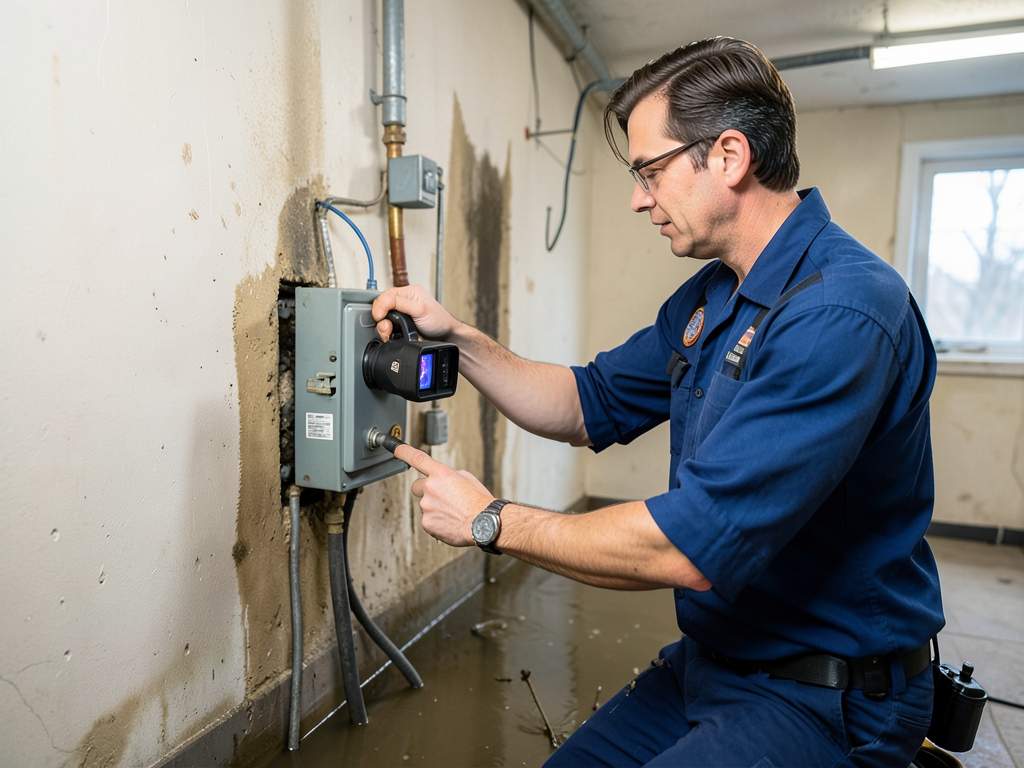
The Dangers of Standing Water Near Your Electrical Panel in a Marine Villa Basement
Standing water near your electrical panel creates an immediate electrocution risk that can turn your Marine Villa basement into a death trap within seconds. The combination of St. Louis’s clay-heavy soil and aging infrastructure in South City means basement flooding is not just common—it’s a predictable hazard that demands professional intervention before someone gets hurt. How to Get Your St. Louis Home Insurance to Actually Pay for Water Damage.
Immediate Danger: What NOT to Do
Never step into standing water to reach your electrical panel. The moisture conducts electricity through your body like a lightning rod, causing cardiac arrest before you can react. Keep children and pets completely away from the area and avoid touching any electrical switches or outlets with wet hands. Professional Water Extraction and Drying for St. Charles Residents.
Marine Villa homes built before 1980 often have ungrounded electrical systems that become exponentially more dangerous when exposed to water. The panel itself may show signs of corrosion around the main breaker or have rust stains on the circuit breakers, indicating previous moisture exposure that weakened the system’s safety margins. Water Damage Restoration Manchester.
Step-by-Step Emergency Protocol
First, call Ameren Missouri at (800) 552-7583 to report the electrical hazard. They will dispatch a technician to assess whether the power can be safely disconnected at the transformer. Do not attempt to shut off the main breaker yourself if water is present. Ameren Missouri Emergency Services.
Next, contact Patriot Water Damage Restoration at (314) 428-9977. Our team arrives within 60 minutes to begin emergency water extraction using commercial-grade submersible pumps. We coordinate directly with licensed electricians to ensure your panel area is completely dry before power restoration. Water Damage Restoration Florissant.
While waiting for help, document the damage with photos for insurance purposes. Marine Villa basements typically flood from sewer backups during heavy rain events, which creates Category 3 water contamination that requires specialized handling and disposal procedures.
Risks of Water Exposure to Electrical Systems
Water exposure triggers galvanic corrosion in electrical panels, where dissimilar metals like copper bus bars and aluminum connections create electrical shorts. This process accelerates in St. Louis’s high-humidity environment, where moisture levels often exceed 70% in basements during summer months.
Arc flash hazards increase dramatically when water contacts electrical components. The moisture provides a conductive path that can cause explosions powerful enough to shatter the panel cover and send molten metal flying across the room. Marine Villa’s older homes with Federal Pacific panels are particularly susceptible to catastrophic failure.
Even after visible water is removed, hidden moisture in wall cavities continues to degrade electrical insulation. The National Electrical Code requires electrical equipment to be installed at least 6 inches above the highest expected flood level, but many Marine Villa basements were built before these standards existed.
Why St. Louis Basements are Prone to Panel Leaks
Marine Villa sits in a low-lying area where the Mississippi River’s influence creates a high water table. The combination of heavy clay soil and aging Metropolitan Sewer District infrastructure means water has nowhere to go during intense rainfall events common in St. Louis. Metropolitan Sewer District of St. Louis.
Many Marine Villa homes were built between 1900 and 1940 with foundation designs that didn’t account for modern water management needs. The lack of proper drainage systems allows hydrostatic pressure to build against basement walls, forcing water through the smallest cracks toward the lowest point—often where the electrical panel is located.
Recent infrastructure projects along Broadway have altered local drainage patterns, creating new flood risks for established neighborhoods. The Metropolitan Sewer District’s combined sewer system frequently overflows during heavy rain, backing up into basements through floor drains and foundation cracks.
The Restoration Process: Beyond Just Drying
Professional restoration involves thermal imaging to detect moisture behind walls that isn’t visible to the naked eye. We use infrared cameras to identify temperature differences that indicate water presence, ensuring we address all affected areas before electrical work can safely resume.
Category 3 water contamination requires complete sanitization of the affected area. Our team applies EPA-registered antimicrobials to kill bacteria and prevent mold growth, which can begin within 24-48 hours in St. Louis’s humid climate. The electrical panel and surrounding wall studs need treatment even if they appear dry.
Structural drying follows IICRC S500 standards, using industrial dehumidifiers and air movers to remove moisture from building materials. We monitor moisture content daily with calibrated meters until wood moisture content drops below 16%, the threshold where mold growth becomes unlikely.
Coordination with licensed electricians is mandatory. They must inspect all electrical components for corrosion, test circuit integrity, and replace any compromised breakers or wiring before power can be safely restored. This process typically takes 3-5 days depending on damage extent.
Long-Term Prevention Strategies
Installing a sump pump with battery backup prevents future flooding in Marine Villa basements. The pump should have a capacity of at least 2,000 gallons per hour to handle St. Louis’s heaviest rainfall events. Regular maintenance includes cleaning the intake screen and testing the float switch monthly.
Exterior foundation waterproofing creates a barrier against hydrostatic pressure. This involves excavating around the foundation, applying waterproof membranes, and installing French drains to direct water away from the home. Many Marine Villa properties lack this protection due to their age.
Raising electrical panels above the Base Flood Elevation reduces future risk. The St. Louis Building Division requires new installations to be at least 12 inches above the highest adjacent grade, but existing panels in flood-prone areas should be elevated even higher when possible.
Installing water sensors near the electrical panel provides early warning of moisture problems. These devices connect to your smartphone and sound alarms when water is detected, giving you time to address issues before they become emergencies.
Insurance Considerations for Electrical Water Damage
Most standard homeowners policies cover sudden water damage but exclude flood damage from external sources. Marine Villa residents should verify whether they need separate flood insurance through the National Flood Insurance Program, especially if their property is in a designated flood zone.
Documenting the damage thoroughly improves claim outcomes. Take photos of the water level, any visible damage to the electrical panel, and the surrounding area before any cleanup begins. Keep receipts for emergency services, as these may be reimbursable under your policy’s loss of use provisions.
Electrical water damage claims often require assessment by both a restoration specialist and a licensed electrician. The electrician must certify that the electrical system is safe before power can be restored, and their report becomes part of the insurance documentation.
Warning Signs of Electrical Water Damage
Tripped circuit breakers that won’t reset often indicate water damage to electrical components. The moisture causes short circuits that overload the breaker, which trips as a safety mechanism. If resetting doesn’t solve the problem, water damage is likely present.
Burning smells near the electrical panel suggest arcing or overheating from corroded connections. This occurs when water causes oxidation on contact surfaces, increasing resistance and generating heat. The smell resembles hot plastic or electrical burning and requires immediate professional attention.
Visible rust or corrosion on the electrical panel indicates past moisture exposure. Even if the water is gone, the damage may have compromised the panel’s safety features. Marine Villa’s older electrical panels often show this wear, making them more vulnerable to future water events.
Flickering lights or intermittent power loss can signal water-damaged wiring. Moisture in wall cavities can cause connections to expand and contract, creating loose connections that result in voltage fluctuations throughout the home.
Professional Assessment and Testing
Electrical safety testing after water exposure involves checking ground fault circuit interrupter (GFCI) functionality, which can be compromised by moisture. Our technicians use calibrated testers to verify that GFCI outlets and breakers trip at the correct amperage, ensuring they will protect against future shock hazards.
Insulation resistance testing measures the electrical resistance of wiring and components. Low resistance readings indicate moisture presence or insulation breakdown, which can cause overheating and fire hazards. This test requires specialized equipment and trained technicians to interpret results accurately.
Thermal imaging of electrical panels can reveal hot spots caused by corroded connections or damaged components. These temperature anomalies appear as bright spots on the infrared camera and indicate areas requiring replacement or repair.
Arc fault circuit interrupter (AFCI) breaker testing ensures these safety devices function properly after water exposure. AFCI breakers detect dangerous arcing conditions that could cause fires, and moisture can damage their internal sensors, rendering them ineffective.
Marine Villa-Specific Considerations
Marine Villa’s proximity to the Mississippi River means groundwater levels fluctuate seasonally, affecting basement moisture levels throughout the year. During spring thaw and after heavy rains, water tables can rise significantly, increasing the risk of basement flooding and electrical panel exposure.
The neighborhood’s historic architecture, with many homes over 100 years old, means electrical systems were often installed before modern safety standards existed. Upgrading these systems while preserving historic character requires specialized knowledge of both electrical codes and historic preservation guidelines. Removing Mold from Historic Central West End Homes Without Damaging the Architecture.
Marine Villa’s mixed-use character, with commercial and residential properties in close proximity, can complicate drainage issues. Runoff from adjacent properties may flow toward your basement, especially if your home sits lower than surrounding structures.
Local building permit requirements in Marine Villa may affect how quickly electrical repairs can proceed after water damage. The St. Louis Building Division requires permits for most electrical work, and expedited processing may be available for emergency repairs involving safety hazards.
Emergency Response Timeline
Within the first hour of water exposure, electrical hazards escalate rapidly. Water can wick up wall materials at a rate of about one inch per hour, potentially reaching electrical outlets and wiring within a single day. Immediate professional response is critical to prevent escalation.
24-48 hours after flooding begins, mold growth becomes likely in St. Louis’s humid climate. This timeline accelerates if the water contains organic material from sewage backups, which are common in Marine Villa during heavy rain events.
Electrical panel corrosion can begin within hours of water exposure, depending on water quality and temperature. Saltwater or contaminated water accelerates the corrosion process, potentially rendering the panel unsafe within a single day.
Professional restoration teams can typically begin work within 60 minutes of your call, with complete water extraction and drying taking 3-5 days depending on damage extent and building materials involved.
Safety Checklist for Homeowners
Before entering any flooded area, check for downed power lines outside the home. St. Louis’s severe weather can cause electrical hazards beyond just basement flooding. If you see sparks, hear popping sounds, or smell burning plastic, evacuate immediately and call 911.
Document everything before cleanup begins. Take photos of water levels, electrical panel condition, and any visible damage. This documentation helps with insurance claims and provides a baseline for restoration professionals to assess the full extent of damage.
Keep emergency contact numbers readily available. Post Ameren Missouri’s emergency number, your insurance company’s claims line, and Patriot Water Damage Restoration’s 24/7 emergency number near your phone or save them in your mobile device.
Consider installing water alarms in your basement. These inexpensive devices can detect moisture before it becomes a major problem, giving you time to address issues before they affect your electrical system.
Frequently Asked Questions
How long does it take for water to damage an electrical panel?
Water can begin causing corrosion and short circuits within hours of exposure. The exact timeline depends on water quality, temperature, and the panel’s age, but visible damage often appears within 24-48 hours in St. Louis’s humid conditions.
Can I use my electrical panel if it got wet but seems to be working?
No. Even if the panel appears functional, internal components may be compromised. Moisture can cause delayed failures, corrosion, or create fire hazards that aren’t immediately apparent. Always have a licensed electrician inspect any water-exposed electrical equipment.
Will my homeowners insurance cover electrical damage from basement flooding?
Coverage depends on your policy and the water source. Sudden internal water damage is typically covered, but external flooding usually requires separate flood insurance. Check your policy details and contact your insurance provider immediately after any water event.
How much does it cost to restore a water-damaged electrical panel?
Costs vary based on damage extent, but professional restoration including water extraction, drying, electrical inspection, and repairs typically ranges from $2,000 to $8,000. Emergency services may have additional fees for after-hours response.
What should I do if I see water around my electrical panel?
Immediately evacuate the area, keep everyone away, and call Ameren Missouri to disconnect power. Then contact Patriot Water Damage Restoration at (314) 428-9977 for emergency water extraction and restoration services.
Call for Immediate Help
Standing water near your electrical panel is not a DIY situation. The combination of electrical hazards and potential contamination requires professional equipment and expertise to resolve safely. Every minute you wait increases the risk of electrocution, fire, or permanent damage to your home’s electrical system.
Patriot Water Damage Restoration serves Marine Villa and all of South St. Louis with 24/7 emergency response. Our certified technicians arrive within 60 minutes, equipped to handle everything from water extraction to complete structural drying and coordination with licensed electricians.
Don’t risk your family’s safety or your home’s integrity. Call (314) 428-9977 now for immediate emergency response. We’ll restore your basement to a safe, dry condition and ensure your electrical system meets all current safety standards before power is restored.
Pick up the phone and call (314) 428-9977 before the next storm hits. Marine Villa’s unique geography and aging infrastructure make basement flooding a predictable risk, but with professional preparation and rapid response, you can protect your home and family from these preventable hazards.