
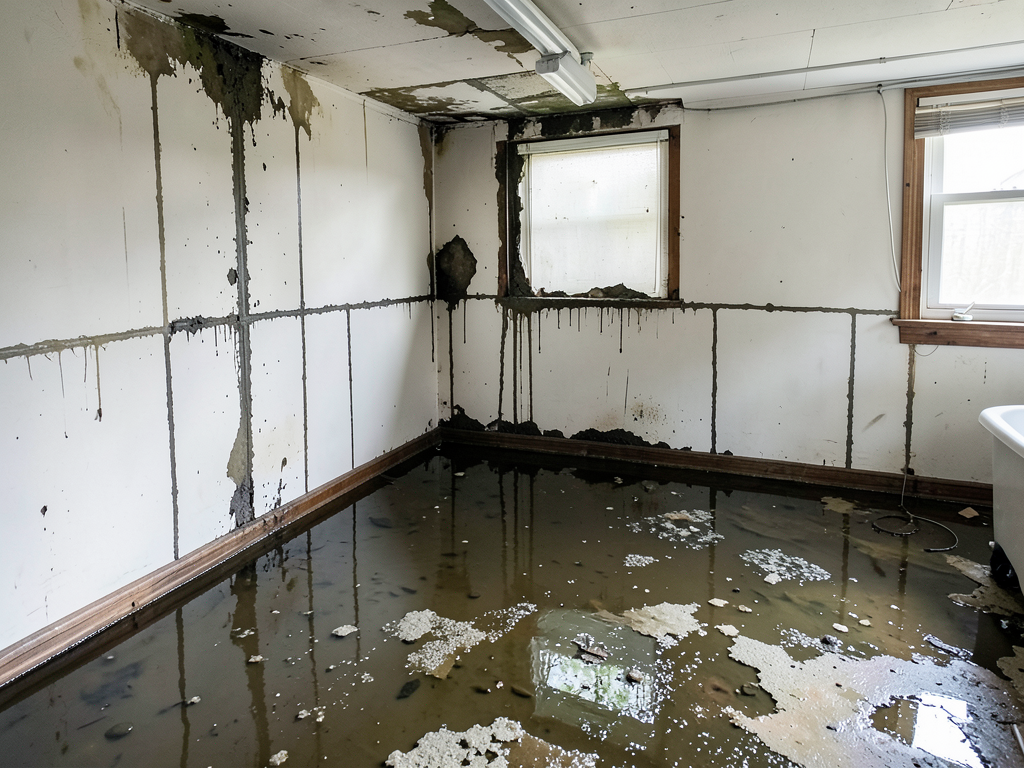
What the Missouri River Flood Stages Actually Mean for Property Owners in North County
When the Missouri River rises North County residents feel the tension. Flood stage readings from the St. Charles gauge translate directly into flooded basements washed-out roads and emergency evacuations. Understanding what those numbers mean can mean the difference between a prepared household and a costly disaster. EPA.
The National Weather Service declares minor flooding at 25 feet at the St. Charles gauge. At that level low-lying roads near the Earth City Levee begin to see water. Moderate flooding starts at 30 feet when water overtops some levees and threatens homes along the floodplain. Major flooding begins at 35 feet a stage where widespread inundation forces evacuations and damages hundreds of structures. National Weather Service.
In North County the Monarch-Chesterfield Levee District protects much of Earth City and Maryland Heights but gaps remain. Properties near the Missouri-Mississippi confluence in St. Charles County sit in the 100-year floodplain meaning they face a one percent annual chance of flooding. FEMA flood maps show these zones in dark blue and mortgage lenders often require flood insurance for homes inside them. FEMA.
Historical data from the 1993 and 2019 floods reveal how quickly conditions can change. In 1993 the river crested at 40.5 feet submerging the Chesterfield Valley and causing over $1 billion in damage across the region. The 2019 flood peaked at 35.2 feet testing the rebuilt levees and forcing road closures on Highway 370 and Route 94. These events taught local officials that even modern levees can fail under sustained pressure. Removing Mold from Historic Central West End Homes Without Damaging the Architecture.
Clay soil across North County expands when saturated putting lateral pressure on basement walls. This hydrostatic pressure can crack foundations and allow groundwater to seep through cove joints. Homes built before the 1980s often lack proper drainage systems making them especially vulnerable when river levels rise. Professional Water Extraction and Drying for St. Charles Residents.
Local infrastructure adds another layer of risk. The Metropolitan Sewer District’s combined sewer-stormwater system in older North County neighborhoods can back up when heavy rain coincides with high river stages. This creates a dual threat river flooding from the outside and sewer backup from below. Water Damage Restoration Manchester.
Monitoring the river is straightforward. The USGS maintains a real-time gauge at St. Charles that updates every hour. A reading of 20 feet means the river is bankfull but contained. At 25 feet sandbagging operations often begin in Earth City. At 30 feet the Earth City Levee District may close certain roads. At 35 feet voluntary evacuations start in the floodplain.
Preparing your property before floodwaters rise can save thousands in repairs. Start by checking your sump pump. A failing pump during a flood means water will rise in your basement within hours. Test it by pouring water into the pit and confirming the float switch activates. Replace any pump over seven years old. Water Damage Restoration Florissant.
Install a battery backup system. When the power fails which it often does during major floods a backup pump keeps working. A typical 12-volt system can run for two days on a full charge.
Clear debris from gutters and downspouts. Clogged drainage forces water toward your foundation. Extend downspouts at least five feet from the house using corrugated pipe.
Consider a backflow valve on your main sewer line. This one-way valve prevents river or storm water from entering your home through drains. Installation costs range from $1 500 to $3 000 but can prevent tens of thousands in damage.
Keep sandbags ready if you live near the floodplain. Twenty bags can divert a few inches of water away from a doorway. Fill them two-thirds full with sand tie the top and place them in a staggered brick pattern.
Document your belongings before a flood. Take photos of each room open drawers and capture serial numbers on electronics. This inventory speeds up insurance claims after water damage. How to Get Your St. Louis Home Insurance to Actually Pay for Water Damage.
When floodwaters rise safety comes first. Never walk or drive through moving water. Six inches of flowing water can knock an adult off their feet. Two feet can float a car.
If water enters your home shut off electricity at the main breaker if you can reach it safely. Water and electricity create a lethal combination. Evacuate if authorities issue an order.
After the water recedes the clock starts ticking. Mold can begin growing within 24 to 48 hours in a damp environment. The EPA recommends removing wet materials and drying the structure within that window to prevent microbial growth.
Start by removing standing water with a wet vacuum or pump. Wear rubber boots and gloves. Water from river flooding is Category 3 meaning it contains contaminants that can cause illness.
Remove wet carpet padding and drywall up to twelve inches above the water line. These materials cannot be effectively sanitized after exposure to river water.
Set up air movers and dehumidifiers immediately. Industrial-grade equipment can dry a structure in three to five days compared to weeks for household fans.
Check for structural damage. Look for cracks in foundation walls sagging floors or doors that no longer close properly. These signs indicate potential foundation movement from hydrostatic pressure.
Document all damage with photos before making repairs. Insurance adjusters need evidence of the extent of loss.
Call a licensed water damage restoration company. Professionals use moisture meters to detect hidden dampness in walls and subfloors. They also apply antimicrobial treatments to prevent mold growth.
Patriot Water Damage Restoration St. Louis offers 24/7 emergency response for North County residents. Our technicians arrive within two hours of your call equipped with truck-mounted extraction units and commercial drying systems. We work directly with your insurance company to streamline the claims process.
Don’t wait until the river rises. Call (314) 428-9977 today to schedule a flood readiness inspection. We’ll assess your property’s vulnerabilities and recommend specific mitigation steps. When the next flood threatens you’ll have a plan and a trusted team ready to respond.
Missouri River Flood Stage Impact Chart
| River Stage (ft) | Impact Level | North County Effects |
|---|---|---|
| 20-24 | Bankfull | Minor lowland flooding some road closures |
| 25-29 | Minor Flood | Agricultural land flooded some structures threatened |
| 30-34 | Moderate Flood | Levee overtopping possible road closures widespread |
| 35+ | Major Flood | Widespread inundation evacuations likely |
Frequently Asked Questions
What does flood stage mean for my basement?
Flood stage indicates when the river overtops its banks. In North County minor flooding at 25 feet can cause groundwater to seep into basements especially in homes with clay soil foundations.
How accurate are river forecasts?
NOAA river forecasts use upstream precipitation data and are typically accurate within six inches for 48-hour predictions. However heavy localized rain can cause rapid changes.
Does homeowners insurance cover river flooding?
Standard policies exclude river flooding. You need a separate National Flood Insurance Program (NFIP) policy or private flood insurance to cover water entering from outside.
How long does it take for mold to grow after flooding?
Mold can begin growing within 24 to 48 hours in damp conditions. That’s why rapid water extraction and drying are critical after any flood event.
Should I sandbag my home?
Sandbags work best for minor flooding. For major river floods they provide limited protection. Focus on elevating valuables and preparing for possible evacuation instead.
What’s the difference between river flooding and sewer backup?
River flooding enters from outside through doors windows or foundation cracks. Sewer backup occurs when the municipal system overflows and forces water back into your home through drains.
How can I tell if my property is in a floodplain?
Check the FEMA Flood Map Service Center online using your address. Properties in the 100-year floodplain are shown in dark blue and have higher flood risk.
What should I do if I see water in my basement during a flood warning?
Shut off electricity if safe evacuate if necessary and call a professional restoration company. Do not wade through standing water due to contamination risks.
How much does professional flood restoration cost?
Costs vary by damage extent but typically range from $3 000 to $10 000 for residential properties. Insurance may cover part of the expense if you have flood coverage.
Can I stay in my home during cleanup?
For Category 3 water damage it’s safer to relocate temporarily. Contaminated water poses health risks and drying equipment can be noisy and disruptive.
{
“@context”: “https://schema.org”,
“@type”: “BlogPosting”,
“headline”: “What the Missouri River Flood Stages Actually Mean for Property Owners in North County”,
“description”: “Learn what Missouri River flood stages mean for North County property owners. Understand flood risks, preparation steps, and restoration services available.”,
“wordCount”: 1418,
“datePublished”: “2026-03-29T13:42:00.000Z”,
“dateModified”: “2026-03-29T13:42:00.000Z”,
“inLanguage”: “en-US”,
“mainEntityOfPage”: {
“@type”: “WebPage”,
“@id”: “https://patriotwaterdamagerestorationstlouis.com”
},
“publisher”: {
“@type”: “LocalBusiness”,
“name”: “Patriot Water Damage Restoration St. Louis”,
“url”: “https://patriotwaterdamagerestorationstlouis.com”
},
“author”: {
“@type”: “Organization”,
“name”: “Patriot Water Damage Restoration St. Louis”,
“url”: “https://patriotwaterdamagerestorationstlouis.com”
},
“image”: {
“@type”: “ImageObject”,
“url”: “https://patriotwaterdamagerestorationstlouis.com/wp-content/uploads/2026/03/what-the-missouri-river-flood-stages-actually-mean-1.png”
}
}
{
“@context”: “https://schema.org”,
“@type”: “LocalBusiness”,
“name”: “Patriot Water Damage Restoration St. Louis”,
“url”: “https://patriotwaterdamagerestorationstlouis.com”,
“address”: {
“@type”: “PostalAddress”,
“addressLocality”: “St. Louis”
},
“areaServed”: {
“@type”: “City”,
“name”: “St. Louis”
}
}
{
“@context”: “https://schema.org”,
“@type”: “FAQPage”,
“mainEntity”: [
{
“@type”: “Question”,
“name”: “What does flood stage mean for my basement?”,
“acceptedAnswer”: {
“@type”: “Answer”,
“text”: “Flood stage indicates when the river overtops its banks. In North County minor flooding at 25 feet can cause groundwater to seep into basements especially in homes with clay soil foundations.”
}
},
{
“@type”: “Question”,
“name”: “How accurate are river forecasts?”,
“acceptedAnswer”: {
“@type”: “Answer”,
“text”: “NOAA river forecasts use upstream precipitation data and are typically accurate within six inches for 48-hour predictions. However heavy localized rain can cause rapid changes.”
}
},
{
“@type”: “Question”,
“name”: “Does homeowners insurance cover river flooding?”,
“acceptedAnswer”: {
“@type”: “Answer”,
“text”: “Standard policies exclude river flooding. You need a separate National Flood Insurance Program (NFIP) policy or private flood insurance to cover water entering from outside.”
}
},
{
“@type”: “Question”,
“name”: “How long does it take for mold to grow after flooding?”,
“acceptedAnswer”: {
“@type”: “Answer”,
“text”: “Mold can begin growing within 24 to 48 hours in damp conditions. That’s why rapid water extraction and drying are critical after any flood event.”
}
},
{
“@type”: “Question”,
“name”: “Should I sandbag my home?”,
“acceptedAnswer”: {
“@type”: “Answer”,
“text”: “Sandbags work best for minor flooding. For major river floods they provide limited protection. Focus on elevating valuables and preparing for possible evacuation instead.”
}
},
{
“@type”: “Question”,
“name”: “What’s the difference between river flooding and sewer backup?”,
“acceptedAnswer”: {
“@type”: “Answer”,
“text”: “River flooding enters from outside through doors windows or foundation cracks. Sewer backup occurs when the municipal system overflows and forces water back into your home through drains.”
}
},
{
“@type”: “Question”,
“name”: “How can I tell if my property is in a floodplain?”,
“acceptedAnswer”: {
“@type”: “Answer”,
“text”: “Check the FEMA Flood Map Service Center online using your address. Properties in the 100-year floodplain are shown in dark blue and have higher flood risk.”
}
},
{
“@type”: “Question”,
“name”: “What should I do if I see water in my basement during a flood warning?”,
“acceptedAnswer”: {
“@type”: “Answer”,
“text”: “Shut off electricity if safe evacuate if necessary and call a professional restoration company. Do not wade through standing water due to contamination risks.”
}
},
{
“@type”: “Question”,
“name”: “How much does professional flood restoration cost?”,
“acceptedAnswer”: {
“@type”: “Answer”,
“text”: “Costs vary by damage extent but typically range from $3 000 to $10 000 for residential properties. Insurance may cover part of the expense if you have flood coverage.”
}
},
{
“@type”: “Question”,
“name”: “Can I stay in my home during cleanup?”,
“acceptedAnswer”: {
“@type”: “Answer”,
“text”: “For Category 3 water damage it’s safer to relocate temporarily. Contaminated water poses health risks and drying equipment can be noisy and disruptive.”
}
}
]
}
{
“@context”: “https://schema.org”,
“@type”: “BreadcrumbList”,
“itemListElement”: [
{
“@type”: “ListItem”,
“position”: 1,
“name”: “Home”,
“item”: “https://patriotwaterdamagerestorationstlouis.com”
},
{
“@type”: “ListItem”,
“position”: 2,
“name”: “Blog”,
“item”: “https://patriotwaterdamagerestorationstlouis.com/blog”
},
{
“@type”: “ListItem”,
“position”: 3,
“name”: “What the Missouri River Flood Stages Actually Mean for Property Owners in North County”
}
]
}
{
“@context”: “https://schema.org”,
“@type”: “Service”,
“serviceType”: “Water Damage Restoration”,
“provider”: {
“@type”: “LocalBusiness”,
“name”: “Patriot Water Damage Restoration St. Louis”,
“url”: “https://patriotwaterdamagerestorationstlouis.com”
},
“areaServed”: {
“@type”: “City”,
“name”: “St. Louis”
},
“description”: “Learn what Missouri River flood stages mean for North County property owners. Understand flood risks, preparation steps, and restoration services available.”
}