
What to Do if Your Lemay Home Smells Like Rotten Eggs After a Summer Storm
If you just walked into your Lemay home after a heavy summer thunderstorm and caught a whiff of rotten eggs, you are not imagining things. That sulfur-like odor is a warning sign that something is wrong with your sewer system. In older St. Louis neighborhoods like Lemay, where homes date back to the 1940s and 1950s, heavy rain can overwhelm aging pipes and push sewer gases back into your living space. How to Get Your St. Louis Home Insurance to Actually Pay for Water Damage.
The smell is usually hydrogen sulfide gas escaping from a dry P-trap, a cracked sewer lateral, or a blocked vent stack. In Lemay’s low-lying areas near the Mississippi River, the problem gets worse because the combined sewer-stormwater system in St. Louis can back up quickly. When rainwater floods the system, pressure builds in the pipes and forces gases through the weakest points in your plumbing. If you ignore it, you risk exposure to methane, bacteria, and mold that can grow in standing water. Professional Water Extraction and Drying for St. Charles Residents.
Here is what you need to do right now: First, do not run any water. Using sinks or flushing toilets can make the problem worse by adding more pressure to the system. Second, check your basement floor drains. If they are dry, pour a gallon of water into each one to refill the P-trap seal. Third, open windows to ventilate the space but do not use fans that could spread contaminated air. Finally, if the smell persists for more than an hour or you see any signs of water backing up, call a licensed restoration professional immediately. Water Damage Restoration Manchester.
St. Louis’s Metropolitan Sewer District (MSD) handles the main sewer lines, but the lateral line from your home to the street is your responsibility. In Lemay, many homes have clay or cast-iron laterals that crack under pressure or tree root intrusion. MSD’s Project Clear initiative is upgrading the city’s combined sewer system, but work is ongoing and older neighborhoods remain vulnerable. If the smell is strong and accompanied by gurgling drains, you may have a sewer backup that requires biohazard cleanup, not just a plumbing fix.
Exposure to sewer gas can cause headaches, nausea, and respiratory irritation. Prolonged exposure to hydrogen sulfide can be dangerous, especially for children and the elderly. If you see water pooling near floor drains or notice damp spots on walls, you may already have a sewage spill that needs immediate remediation. Professional water damage restoration teams use air scrubbers, antimicrobial treatments, and moisture meters to ensure your home is safe and dry. Water Damage Restoration Florissant.
Time matters. The longer sewage sits in your home, the more damage it causes to flooring, drywall, and insulation. Mold can begin to grow within 24 to 48 hours in St. Louis’s humid climate. If you live in Lemay near the River City Casino or along South Broadway, your home may be in a low-lying area where groundwater seepage adds to the problem. A licensed restoration company can test for contamination, extract any standing water, and sanitize affected areas to prevent long-term health risks. EPA emergency water contamination guidelines.
Do not wait for the smell to go away on its own. Sewer gas is not a minor inconvenience; it is a sign of a potentially serious issue that can escalate quickly. If you are unsure whether the problem is on your property or the city’s line, call MSD’s 24-hour emergency line at (314) 768-6260 for guidance. For cleanup and restoration, call Patriot Water Damage Restoration at (314) 428-9977. We are on call 24/7 to respond to sewer backups, flooding, and biohazard emergencies in Lemay and across St. Louis County.
Why Your St. Louis Home Smells Like Sewage After Rain: Causes & Solutions
Heavy rain in St. Louis does more than flood streets. It can turn your home into a source of toxic gas. Understanding why this happens is the first step to stopping it.
The Science of the Smell: Why Rain Triggers Sewer Odors
When a summer storm dumps inches of rain in a short time, the ground becomes saturated. In Lemay and other low-lying St. Louis neighborhoods, this creates a hydraulic head that pushes against your sewer lateral. Older clay pipes, common in homes built before 1970, can crack or separate at the joints. Rainwater infiltrates the sewer line, and the sudden pressure change forces sewer gases up through your drains. The gas is a mix of hydrogen sulfide, methane, and ammonia, all of which smell like rotten eggs or rotten cabbage. Who to Call When Your Pipes Burst in Kirkwood This Winter.
St. Louis’s combined sewer system, where stormwater and sewage share the same pipes, makes the problem worse. When the system reaches capacity, it can back up into basements through floor drains or even through toilets. The Metropolitan St. Louis Sewer District’s Project Clear is working to separate these systems, but many areas still rely on the old design. If you live near the River des Peres or in flood-prone parts of South County, your risk is higher.
4 Common Culprits in St. Louis Homes
Understanding the source of the smell helps you decide whether it is a DIY fix or a professional emergency.
- Dried out P-traps in basement floor drains. If a floor drain has not been used in months, the water in the P-trap evaporates. This breaks the seal that keeps sewer gas out. Pouring a gallon of water into the drain can fix this instantly.
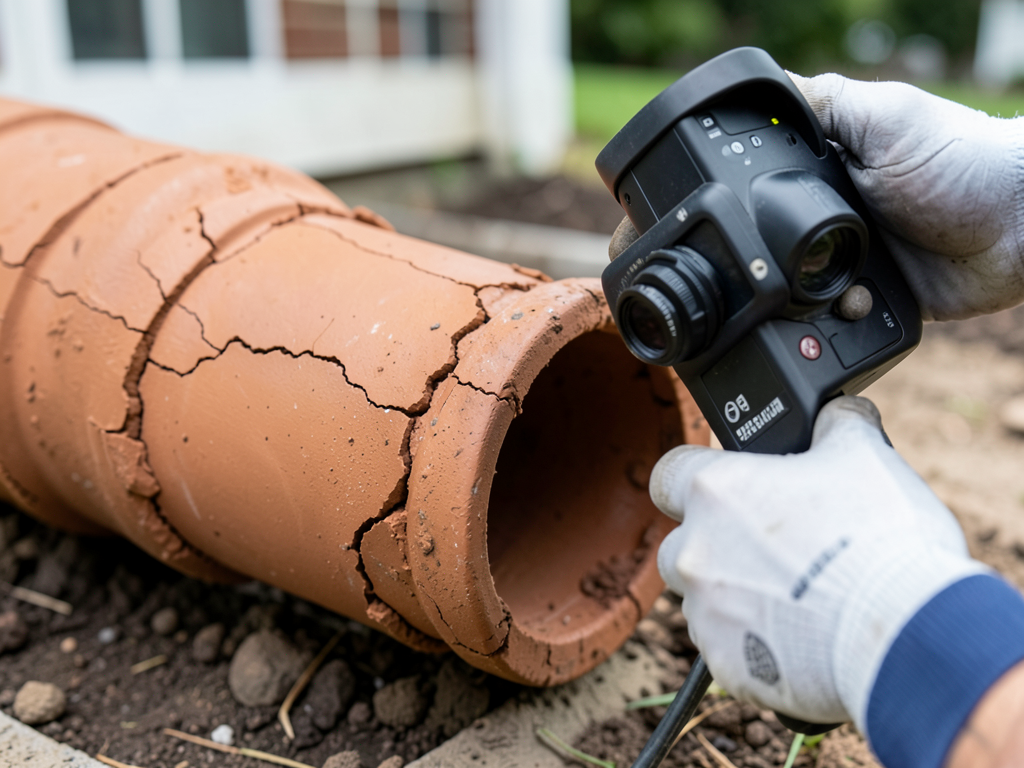
- Cracked or damaged sewer lateral lines. Many Lemay homes have clay or Orangeburg pipes that crack under pressure or tree root invasion. A damaged lateral allows gas to escape into your home and can also let rainwater infiltrate the system, causing backups.
- Sewer backflow during heavy Missouri storms. When the combined sewer system overflows, pressure can force sewage back into your home through the lowest drain. This is a biohazard that requires professional cleanup.
- Blocked plumbing vent stacks. Your plumbing system needs air vents to equalize pressure. If a vent is blocked by leaves, bird nests, or ice, gases cannot escape through the roof and instead bubble up through your drains.
Is It Dangerous? Health Risks of Sewage Gas
Sewer gas is more than just unpleasant. Hydrogen sulfide can irritate your eyes, nose, and throat at low concentrations. At higher levels, it can cause dizziness, nausea, and even unconsciousness. Methane is flammable, and in enclosed spaces it can create an explosion risk. If sewage has backed up into your home, you also face exposure to bacteria like E. coli and other pathogens that can cause serious illness.
According to the EPA, Category 3 water damage, which includes sewage and floodwater, requires immediate professional remediation. The IICRC S500 standard for water damage restoration classifies this as a biohazard that must be handled with personal protective equipment, containment barriers, and EPA-registered disinfectants. If you see standing water, smell strong gas, or experience symptoms like headaches or nausea, evacuate the area and call for help.
St. Louis MSD: When is the City Responsible?
The Metropolitan St. Louis Sewer District maintains the main sewer lines, but the lateral line from your home to the street is your responsibility. If you suspect a city-wide backup, call MSD’s 24-hour emergency line at (314) 768-6260. They can tell you if there is a known issue in your area.
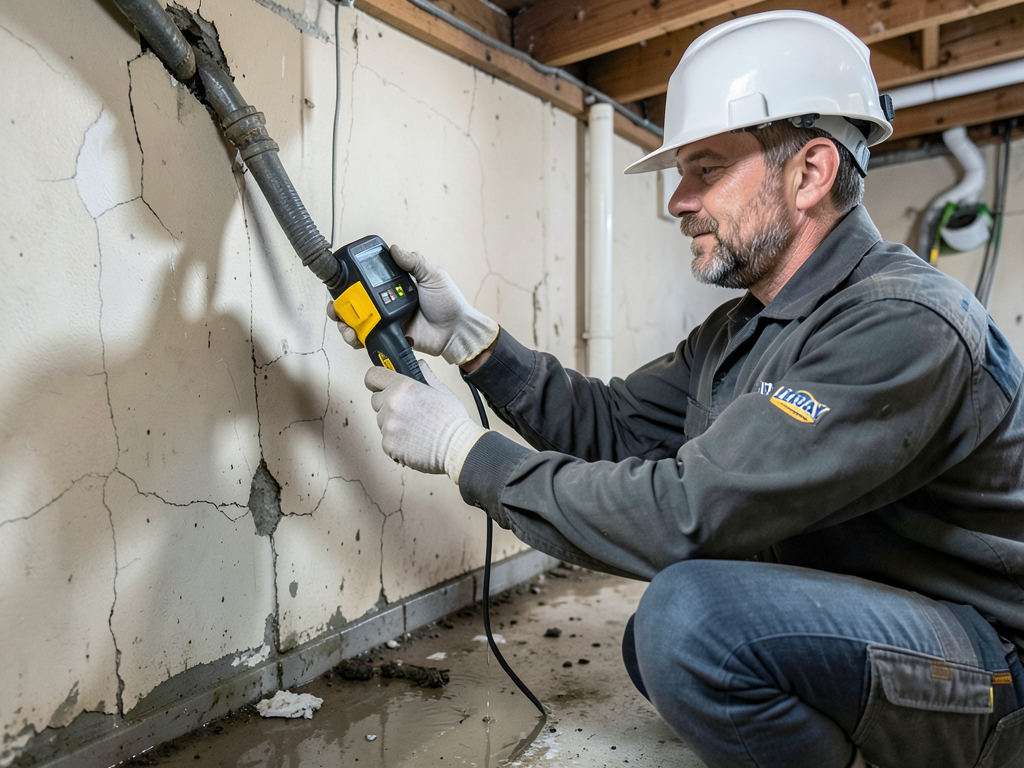
If the problem is on your property, you will need a licensed plumber to inspect your lateral with a camera. Many St. Louis homeowners install a backwater valve to prevent backups, but these devices require permits and must be installed by a licensed contractor. MSD’s Project Clear offers rebates for certain flood mitigation measures, so check their website for current programs.
Immediate Steps to Take & When to Call a Restoration Professional
Here is a step-by-step guide to assess and respond to the smell:
- Do not use water. Avoid running sinks, showers, or flushing toilets until you know the source of the problem.
- Check floor drains. Pour a gallon of water into each basement floor drain to refill the P-trap. If the smell disappears, you have solved the problem.
- Inspect for visible water. Look for standing water, damp spots, or sewage around drains. If you see any, do not touch it. This is a biohazard.
- Ventilate safely. Open windows to air out the space, but do not use fans that could spread contaminated air.
- Call a professional if the smell persists. If the odor does not go away within an hour, or if you see signs of water backup, call a licensed water damage restoration company. They have the equipment to test for contamination, extract water, and sanitize your home.
Patriot Water Damage Restoration offers 24/7 emergency service in Lemay and across St. Louis County. We use moisture meters, air scrubbers, and EPA-registered antimicrobials to ensure your home is safe. Call us at (314) 428-9977 for immediate assistance.
Frequently Asked Questions
Why does my house smell like rotten eggs only after it rains?
The smell is usually hydrogen sulfide gas from sewer lines. Heavy rain can overwhelm old pipes, push gases back into your home, or cause backups through floor drains.
Is it safe to stay in my home if I smell sewer gas?
Low levels can cause irritation, but high levels are dangerous. If the smell is strong or you see water backup, evacuate and call a professional immediately.
How can I tell if the problem is my plumbing or the city’s sewer system?
If only your home smells and neighbors are fine, it is likely your plumbing. If multiple homes are affected, call MSD at (314) 768-6260 to check for a city-wide issue.
What should I do if sewage backs up into my basement?
Do not touch the water. Evacuate the area, ventilate safely, and call a licensed water damage restoration company. This is a biohazard that requires professional cleanup.
Can I fix a dry P-trap myself?
Yes. Pour a gallon of water into the floor drain to refill the trap. If the smell returns quickly, you may have a cracked pipe or vent issue that needs professional repair.
How long does it take for mold to grow after a sewage backup?
Mold can begin growing within 24 to 48 hours in St. Louis’s humid climate. Fast professional drying and sanitization are critical to prevent mold growth.
Will my homeowners insurance cover sewage backup damage?
Standard policies often exclude sewer backups. You may need a separate rider. Check your policy and call your insurer to confirm coverage before an emergency occurs.
What is a backwater valve and do I need one?
A backwater valve prevents sewage from backing up into your home. It is recommended for homes in flood-prone areas like Lemay. Installation requires a permit and must be done by a licensed contractor.
How can I prevent sewer gas smells in the future?
Regularly pour water into unused floor drains, inspect your plumbing vents, and consider installing a backwater valve. Annual plumbing inspections can catch problems before they cause odors or backups.
Who should I call for emergency sewer backup cleanup in Lemay?
Call Patriot Water Damage Restoration at (314) 428-9977. We are available 24/7 to respond to sewer backups, flooding, and biohazard emergencies in Lemay and across St. Louis County.
Additional Resources
For more information on St. Louis sewer issues and flood prevention, visit these trusted sources:
- Metropolitan St. Louis Sewer District (MSD)
- U.S. Environmental Protection Agency (EPA)
- CDC Emergency Water Information
Stay safe and act fast if you smell rotten eggs after a storm. Your health and your home depend on it.
Call (314) 428-9977 for Immediate Help
If you are dealing with a sewer smell or backup in your Lemay home, do not wait. Call Patriot Water Damage Restoration at (314) 428-9977. We are on call 24/7 to restore your home and your peace of mind.
Pick up the phone and call (314) 428-9977 before the next storm hits. Your health and your home are worth it.
{
“@context”: “https://schema.org”,
“@type”: “BlogPosting”,
“headline”: “What to Do if Your Lemay Home Smells Like Rotten Eggs After a Summer Storm”,
“description”: “Sewer smell after rain in Lemay? Learn why storms trigger sewage odors in St. Louis homes and when to call for emergency biohazard restoration.”,
“wordCount”: 2034,
“datePublished”: “2026-04-06T15:21:00.000Z”,
“dateModified”: “2026-04-06T15:21:00.000Z”,
“inLanguage”: “en-US”,
“mainEntityOfPage”: {
“@type”: “WebPage”,
“@id”: “https://patriotwaterdamagerestorationstlouis.com”
},
“publisher”: {
“@type”: “LocalBusiness”,
“name”: “Patriot Water Damage Restoration St. Louis”,
“url”: “https://patriotwaterdamagerestorationstlouis.com”
},
“author”: {
“@type”: “Organization”,
“name”: “Patriot Water Damage Restoration St. Louis”,
“url”: “https://patriotwaterdamagerestorationstlouis.com”
},
“image”: {
“@type”: “ImageObject”,
“url”: “https://patriotwaterdamagerestorationstlouis.com/wp-content/uploads/2026/03/what-to-do-if-your-lemay-home-smells-like-rotten-e-1.png”
}
}
{
“@context”: “https://schema.org”,
“@type”: “LocalBusiness”,
“name”: “Patriot Water Damage Restoration St. Louis”,
“url”: “https://patriotwaterdamagerestorationstlouis.com”,
“address”: {
“@type”: “PostalAddress”,
“addressLocality”: “St. Louis”
},
“areaServed”: {
“@type”: “City”,
“name”: “St. Louis”
}
}
{
“@context”: “https://schema.org”,
“@type”: “FAQPage”,
“mainEntity”: [
{
“@type”: “Question”,
“name”: “St. Louis MSD: When is the City Responsible?”,
“acceptedAnswer”: {
“@type”: “Answer”,
“text”: “The Metropolitan St. Louis Sewer District maintains the main sewer lines, but the lateral line from your home to the street is your responsibility. If you suspect a city-wide backup, call MSD’s 24-hour emergency line at (314) 768-6260. They can tell you if there is a known issue in your area.”
}
},
{
“@type”: “Question”,
“name”: “Why does my house smell like rotten eggs only after it rains?”,
“acceptedAnswer”: {
“@type”: “Answer”,
“text”: “The smell is usually hydrogen sulfide gas from sewer lines. Heavy rain can overwhelm old pipes, push gases back into your home, or cause backups through floor drains.”
}
},
{
“@type”: “Question”,
“name”: “Is it safe to stay in my home if I smell sewer gas?”,
“acceptedAnswer”: {
“@type”: “Answer”,
“text”: “Low levels can cause irritation, but high levels are dangerous. If the smell is strong or you see water backup, evacuate and call a professional immediately.”
}
},
{
“@type”: “Question”,
“name”: “How can I tell if the problem is my plumbing or the city’s sewer system?”,
“acceptedAnswer”: {
“@type”: “Answer”,
“text”: “If only your home smells and neighbors are fine, it is likely your plumbing. If multiple homes are affected, call MSD at (314) 768-6260 to check for a city-wide issue.”
}
},
{
“@type”: “Question”,
“name”: “What should I do if sewage backs up into my basement?”,
“acceptedAnswer”: {
“@type”: “Answer”,
“text”: “Do not touch the water. Evacuate the area, ventilate safely, and call a licensed water damage restoration company. This is a biohazard that requires professional cleanup.”
}
},
{
“@type”: “Question”,
“name”: “How long does it take for mold to grow after a sewage backup?”,
“acceptedAnswer”: {
“@type”: “Answer”,
“text”: “Mold can begin growing within 24 to 48 hours in St. Louis’s humid climate. Fast professional drying and sanitization are critical to prevent mold growth.”
}
},
{
“@type”: “Question”,
“name”: “Will my homeowners insurance cover sewage backup damage?”,
“acceptedAnswer”: {
“@type”: “Answer”,
“text”: “Standard policies often exclude sewer backups. You may need a separate rider. Check your policy and call your insurer to confirm coverage before an emergency occurs.”
}
},
{
“@type”: “Question”,
“name”: “What is a backwater valve and do I need one?”,
“acceptedAnswer”: {
“@type”: “Answer”,
“text”: “A backwater valve prevents sewage from backing up into your home. It is recommended for homes in flood-prone areas like Lemay. Installation requires a permit and must be done by a licensed contractor.”
}
},
{
“@type”: “Question”,
“name”: “How can I prevent sewer gas smells in the future?”,
“acceptedAnswer”: {
“@type”: “Answer”,
“text”: “Regularly pour water into unused floor drains, inspect your plumbing vents, and consider installing a backwater valve. Annual plumbing inspections can catch problems before they cause odors or backups.”
}
},
{
“@type”: “Question”,
“name”: “Who should I call for emergency sewer backup cleanup in Lemay?”,
“acceptedAnswer”: {
“@type”: “Answer”,
“text”: “Call Patriot Water Damage Restoration at (314) 428-9977. We are available 24/7 to respond to sewer backups, flooding, and biohazard emergencies in Lemay and across St. Louis County.”
}
}
]
}
{
“@context”: “https://schema.org”,
“@type”: “BreadcrumbList”,
“itemListElement”: [
{
“@type”: “ListItem”,
“position”: 1,
“name”: “Home”,
“item”: “https://patriotwaterdamagerestorationstlouis.com”
},
{
“@type”: “ListItem”,
“position”: 2,
“name”: “Blog”,
“item”: “https://patriotwaterdamagerestorationstlouis.com/blog”
},
{
“@type”: “ListItem”,
“position”: 3,
“name”: “What to Do if Your Lemay Home Smells Like Rotten Eggs After a Summer Storm”
}
]
}
{
“@context”: “https://schema.org”,
“@type”: “Service”,
“serviceType”: “Water Damage Restoration”,
“provider”: {
“@type”: “LocalBusiness”,
“name”: “Patriot Water Damage Restoration St. Louis”,
“url”: “https://patriotwaterdamagerestorationstlouis.com”
},
“areaServed”: {
“@type”: “City”,
“name”: “St. Louis”
},
“description”: “Sewer smell after rain in Lemay? Learn why storms trigger sewage odors in St. Louis homes and when to call for emergency biohazard restoration.”
}