
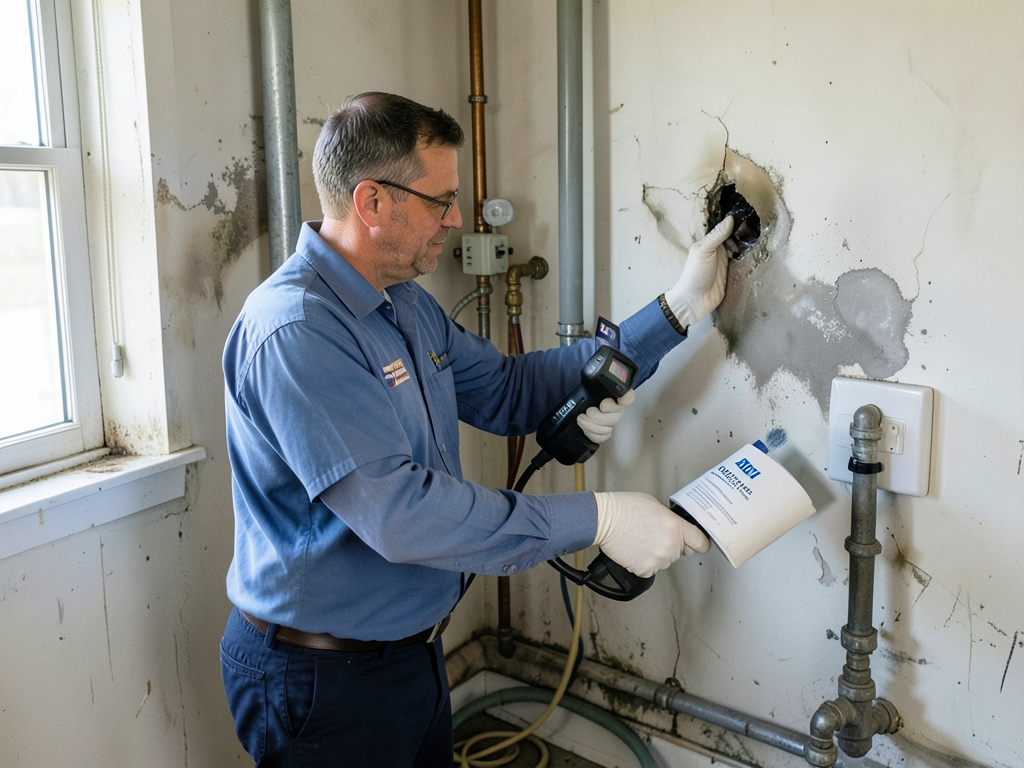
What to Do When Your Water Softener Leaks and Floods Your Affton Utility Room
A leaking water softener can release hundreds of gallons of brine water into your Affton utility room before you even notice. Unlike a fresh water leak, this salty discharge corrodes metal components, damages wood flooring, and creates perfect conditions for mold growth in St. Louis’s humid climate. Here’s what to do immediately and how to restore your space properly. How to Get Your St. Louis Home Insurance to Actually Pay for Water Damage.
Immediate Safety Steps to Take When Your Water Softener Fails
The first priority is stopping the water source and protecting your home from electrical hazards. Locate the bypass valve on your water softener—usually a lever or dial near the top of the unit. Turn it to the bypass position to stop water flow through the system. If you can’t find the bypass valve, shut off the main water supply to your home using the valve near your water meter. Professional Water Extraction and Drying for St. Charles Residents.
Next, disconnect any electrical outlets or appliances in standing water. Do not step into water that may be in contact with electrical sources. Open windows and doors to begin ventilation, but avoid using fans until you confirm the area is safe from electrical hazards. Water Damage Restoration Manchester.
Wear rubber gloves and boots when handling the water. Brine water contains high salt concentrations that can irritate skin and damage most materials it contacts. Remove any valuables, documents, or electronics from the affected area immediately.
Why Brine Water Creates More Damage Than Fresh Water Leaks
Water softener leaks introduce brine—a concentrated salt solution—into your home. This creates unique damage patterns that fresh water leaks don’t cause. Salt water is more conductive than fresh water, increasing electrical hazards in flooded areas. The high mineral content accelerates corrosion of metal components, including electrical connections, HVAC equipment, and appliance housings.
Brine also affects building materials differently. When salt water evaporates, it leaves behind mineral deposits that can crystallize in concrete pores, causing spalling and surface deterioration. On wood surfaces, salt draws moisture from the air, keeping materials damp longer than fresh water would. This extended moisture exposure significantly increases mold risk in St. Louis’s naturally humid environment. Efflorescence on Concrete.
The Category 2 classification for water softener leaks means the water contains significant contamination that can cause discomfort or illness if contacted or consumed. This requires specific cleanup protocols beyond simple water removal.
Step-by-Step Cleanup Process for Brine Water Damage
Begin extraction immediately using a wet vacuum rated for water removal. Standard household vacuums cannot handle water and create shock hazards. For larger volumes, use a submersible pump to remove standing water, directing it to a floor drain or outside away from your foundation.
After removing standing water, address salt residue. Mix a solution of fresh water and white vinegar (1:1 ratio) to neutralize salt deposits. Apply this solution to affected concrete, tile, and other non-porous surfaces. The acidic vinegar helps dissolve mineral deposits that plain water cannot remove. Removing Mold from Historic Central West End Homes Without Damaging the Architecture.
For wood floors or baseboards, use clean water and a mild detergent to wash away salt residue. Avoid over-saturating wood materials, as they absorb water and swell. Work in sections, wiping with clean water and immediately drying with towels.
Remove and inspect any wet drywall. Salt water can travel up drywall through capillary action, wicking moisture several feet above the visible water line. Cut away drywall at least 12 inches above the highest moisture level. Check insulation behind walls—wet insulation loses its effectiveness and becomes a mold breeding ground.
Professional Inspection: When to Call St. Louis Water Damage Experts
Call professionals if water reached your subfloor, affected multiple rooms, or sat for more than 24 hours. Salt water that penetrates subflooring creates long-term moisture problems that DIY drying cannot resolve. Use moisture meters to check subfloor moisture content—levels above 16% indicate need for professional drying equipment.
Check for these signs that require expert intervention: water under appliances, moisture in wall cavities, salt deposits on concrete that won’t rinse away, or musty odors developing within 48 hours. St. Louis’s high humidity means materials stay wet longer, accelerating mold growth timelines.
Professional water damage restoration follows IICRC S500 standards, which specify drying goals based on material type and local climate conditions. In Affton’s humid continental climate, achieving proper dryness requires industrial dehumidifiers running for several days, not just fans and open windows. IICRC S500 water damage standards.
Preventing Mold Growth in Affton’s Humid Climate
Mold can begin growing within 24-48 hours in St. Louis’s warm, humid conditions. After cleaning up brine water, maintain indoor humidity below 50% using dehumidifiers. Place hygrometers in affected areas to monitor moisture levels continuously for at least one week after the incident.
Apply antimicrobial treatments to all cleaned surfaces, especially in areas where salt deposits were present. These treatments inhibit mold spore growth during the critical drying period. Focus on corners, under appliances, and inside wall cavities where moisture collects.
Consider installing water leak detection sensors near your water softener and other water-using appliances. These devices alert you to leaks before they cause extensive damage. Many modern systems connect to smartphone apps for immediate notification.
Local Affton Factors That Affect Water Softener Performance
Affton residents deal with moderately hard water from the Missouri River watershed, averaging 12-15 grains per gallon. This hardness level requires properly sized water softeners to prevent mineral buildup in plumbing and appliances. When softeners fail, the resulting leaks are often more severe due to the high mineral content in local water.
Many Affton homes built between 1960-1990 have utility rooms in basements or crawl spaces where water softener failures can go unnoticed for hours. These older installations often lack overflow pans or leak detection systems that newer constructions include.
The clay soil common in South County areas like Affton expands when wet, potentially shifting foundation walls enough to stress plumbing connections. This soil movement can loosen water softener connections over time, creating slow leaks that suddenly become major failures.
Insurance Coverage for Water Softener Damage in Missouri
Standard homeowners insurance in Missouri typically covers sudden and accidental water damage from appliance failures, including water softeners. However, damage from lack of maintenance or gradual leaks over time is usually excluded. Document the incident with photos and keep all repair receipts. EPA mold prevention guidelines.
Contact your insurance agent immediately after discovering the damage. Most policies require prompt reporting of water damage claims. Be prepared to explain that this was a sudden appliance failure, not a maintenance issue.
Consider adding water backup coverage to your policy if you don’t already have it. This coverage helps with damage from appliance overflows and drain backups, which are common in Affton’s older homes with aging plumbing systems.
Professional Water Extraction Services in Affton and South County
Professional water damage restoration companies in Affton offer 24/7 emergency response with industrial-grade equipment. Truck-mounted extraction units remove water faster than shop vacs, while commercial dehumidifiers achieve dryness levels that prevent secondary damage.
Local companies understand Affton’s specific building patterns and common water issues. They can identify whether water traveled through wall cavities, under flooring, or into crawl spaces—areas where DIY drying often misses moisture.
Professional services include moisture mapping to locate all affected areas, antimicrobial treatment to prevent mold, and documentation for insurance claims. Many Affton restoration companies work directly with insurance adjusters to streamline the claims process.
Maintenance Tips to Prevent Future Water Softener Failures
Regular maintenance prevents most water softener failures. Check the brine tank monthly for salt bridges—hardened salt formations that prevent proper regeneration. Break up any salt bridges with a broom handle, being careful not to damage the tank.
Inspect all visible connections every three months for signs of corrosion or moisture. Replace flexible supply lines every five years, as they deteriorate from constant water pressure and mineral exposure.
Schedule professional maintenance annually. Technicians can test water hardness, check valve operation, and identify worn components before they fail. This preventative care costs far less than emergency water damage restoration.
Comparing DIY vs Professional Cleanup for Water Softener Leaks
| Cleanup Aspect | DIY Approach | Professional Service |
|---|---|---|
| Water Removal Speed | Hours with shop vac | Minutes with truck-mounted units |
| Moisture Detection | Visual only | Thermal imaging and moisture meters |
| Drying Time | 3-7 days | 24-72 hours |
| Mold Prevention | Basic cleaning | Professional antimicrobial treatment |
| Insurance Documentation | Photos only | Detailed reports and drying logs |
| Cost Range | $100-300 equipment rental | $1,500-5,000 depending on damage |
Frequently Asked Questions
How long does it take for mold to grow after a water softener leak?
Mold can begin growing within 24-48 hours in St. Louis’s humid climate. The salt content in brine water doesn’t prevent mold growth—it actually creates conditions that keep materials damp longer, accelerating the timeline.
Can I clean up a small water softener leak myself?
Yes, if the leak is contained to a small area (less than 10 square feet) and you catch it within a few hours. Use proper safety equipment and ensure complete drying. However, if water reached walls, floors below, or sat for more than 24 hours, call professionals.
Will my homeowners insurance cover water softener damage?
Most Missouri homeowners policies cover sudden and accidental appliance failures, including water softeners. However, damage from lack of maintenance or gradual leaks is typically excluded. Check your specific policy details and document everything.
Don’t Let Water Softener Damage Become a Bigger Problem
Water softener leaks in Affton utility rooms require immediate attention to prevent extensive damage. The combination of brine water, St. Louis humidity, and common local building practices creates perfect conditions for mold growth and structural damage if not addressed properly.
If you’re facing water damage from a leaking water softener, call (314) 428-9977 today. Our team understands Affton’s specific challenges and can respond quickly to minimize damage to your home. We serve Affton, Mehlville, and all of South County with 24/7 emergency water damage restoration services.
Don’t wait until mold appears or wood flooring warps. Pick up the phone and call (314) 428-9977 before the next storm hits. We’ll help you restore your utility room and protect your home from further damage.
Patriot Water Damage Restoration St. Louis – Your local experts in emergency water damage cleanup serving Affton and the entire St. Louis metro area.
{
“@context”: “https://schema.org”,
“@type”: “BlogPosting”,
“headline”: “What to Do When Your Water Softener Leaks and Floods Your Affton Utility Room”,
“description”: “Emergency steps for cleaning up a leaking water softener in Affton. Learn how to stop the brine flood, dry your basement, and prevent mold in your St. Louis home.”,
“wordCount”: 1730,
“datePublished”: “2026-06-12T07:48:00.000Z”,
“dateModified”: “2026-06-12T07:48:00.000Z”,
“inLanguage”: “en-US”,
“mainEntityOfPage”: {
“@type”: “WebPage”,
“@id”: “https://patriotwaterdamagerestorationstlouis.com”
},
“publisher”: {
“@type”: “LocalBusiness”,
“name”: “Patriot Water Damage Restoration St. Louis”,
“url”: “https://patriotwaterdamagerestorationstlouis.com”
},
“author”: {
“@type”: “Organization”,
“name”: “Patriot Water Damage Restoration St. Louis”,
“url”: “https://patriotwaterdamagerestorationstlouis.com”
},
“image”: {
“@type”: “ImageObject”,
“url”: “https://patriotwaterdamagerestorationstlouis.com/wp-content/uploads/2026/03/what-to-do-when-your-water-softener-leaks-and-floo-1.png”
}
}
{
“@context”: “https://schema.org”,
“@type”: “LocalBusiness”,
“name”: “Patriot Water Damage Restoration St. Louis”,
“url”: “https://patriotwaterdamagerestorationstlouis.com”,
“address”: {
“@type”: “PostalAddress”,
“addressLocality”: “St. Louis”
},
“areaServed”: {
“@type”: “City”,
“name”: “St. Louis”
}
}
{
“@context”: “https://schema.org”,
“@type”: “FAQPage”,
“mainEntity”: [
{
“@type”: “Question”,
“name”: “How long does it take for mold to grow after a water softener leak?”,
“acceptedAnswer”: {
“@type”: “Answer”,
“text”: “Mold can begin growing within 24-48 hours in St. Louis’s humid climate. The salt content in brine water doesn’t prevent mold growth—it actually creates conditions that keep materials damp longer, accelerating the timeline.”
}
},
{
“@type”: “Question”,
“name”: “Can I clean up a small water softener leak myself?”,
“acceptedAnswer”: {
“@type”: “Answer”,
“text”: “Yes, if the leak is contained to a small area (less than 10 square feet) and you catch it within a few hours. Use proper safety equipment and ensure complete drying. However, if water reached walls, floors below, or sat for more than 24 hours, call professionals.”
}
},
{
“@type”: “Question”,
“name”: “Will my homeowners insurance cover water softener damage?”,
“acceptedAnswer”: {
“@type”: “Answer”,
“text”: “Most Missouri homeowners policies cover sudden and accidental appliance failures, including water softeners. However, damage from lack of maintenance or gradual leaks is typically excluded. Check your specific policy details and document everything.”
}
}
]
}
{
“@context”: “https://schema.org”,
“@type”: “BreadcrumbList”,
“itemListElement”: [
{
“@type”: “ListItem”,
“position”: 1,
“name”: “Home”,
“item”: “https://patriotwaterdamagerestorationstlouis.com”
},
{
“@type”: “ListItem”,
“position”: 2,
“name”: “Blog”,
“item”: “https://patriotwaterdamagerestorationstlouis.com/blog”
},
{
“@type”: “ListItem”,
“position”: 3,
“name”: “What to Do When Your Water Softener Leaks and Floods Your Affton Utility Room”
}
]
}
{
“@context”: “https://schema.org”,
“@type”: “Service”,
“serviceType”: “Water Damage Restoration”,
“provider”: {
“@type”: “LocalBusiness”,
“name”: “Patriot Water Damage Restoration St. Louis”,
“url”: “https://patriotwaterdamagerestorationstlouis.com”
},
“areaServed”: {
“@type”: “City”,
“name”: “St. Louis”
},
“description”: “Emergency steps for cleaning up a leaking water softener in Affton. Learn how to stop the brine flood, dry your basement, and prevent mold in your St. Louis home.”
}