
What to Do When Your Fridge Water Line Leaks Across Your Kitchen Floor
A refrigerator water line leak can turn your kitchen into a small indoor lake in minutes. Whether it’s a slow drip from a cracked line or a sudden burst under pressure, the damage can spread quickly under cabinets, into baseboards, and across flooring. In St. Louis homes, where many kitchens have hardwood or tile over concrete slabs, water can seep into subfloors and even travel to adjacent rooms before you notice. How to Get Your St. Louis Home Insurance to Actually Pay for Water Damage.
The first minutes matter. Shutting off the water supply to your fridge and containing the visible spill can prevent thousands in damage. But water often travels where you can’t see it—behind kick plates, under vinyl flooring, or into wall cavities. That’s when professional water damage restoration becomes essential. Professional Water Extraction and Drying for St. Charles Residents.
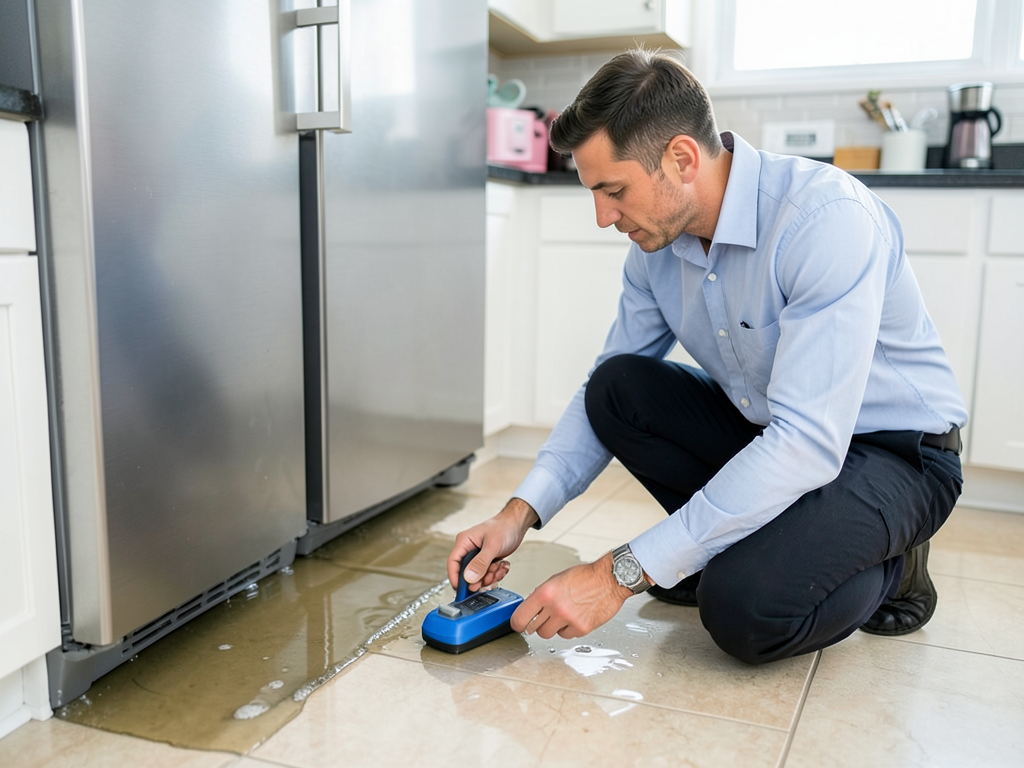
Patriot Water Damage Restoration St. Louis provides 24/7 emergency response for refrigerator leaks across the St. Louis metro. Our certified technicians use moisture meters and thermal imaging to detect hidden water and prevent mold growth. Call (314) 428-9977 now for immediate help. Water Damage Restoration Manchester.
Why Fridge Water Line Leaks Are So Dangerous
Refrigerator water lines are often made of flexible plastic tubing that connects to your home’s water supply. Over time, these lines can crack from pressure changes, age, or accidental kinking during appliance movement. A slow leak may go unnoticed for weeks, allowing water to saturate subfloors and wall studs.. Read more about Restoring your LVP floors after a major kitchen leak in Chesterfield.
In St. Louis, many homes have pier-and-beam or slab foundations with limited airflow under flooring. This creates the perfect environment for mold to grow within 24-48 hours of a leak. The humid continental climate here means moisture evaporates slowly, increasing the risk of secondary damage like warped wood and peeling laminate.
According to the IICRC S500 standard for water damage restoration, Category 1 water (clean water from a supply line) can degrade to Category 2 or 3 if left untreated. That means a simple fridge leak can become a health hazard if not addressed quickly. IICRC.
Immediate Steps to Take When Your Fridge Leaks
Time is critical when water spreads across your kitchen floor. Follow these steps to minimize damage while waiting for professional help:
- Shut Off the Water Supply
Locate the shut-off valve behind the fridge or under the sink. Turn it clockwise until it stops. This prevents more water from entering the damaged line.
- Unplug the Refrigerator
Water and electricity are a dangerous mix. Unplug the fridge to avoid electrical hazards, especially if water has pooled near the outlet.
- Remove Standing Water
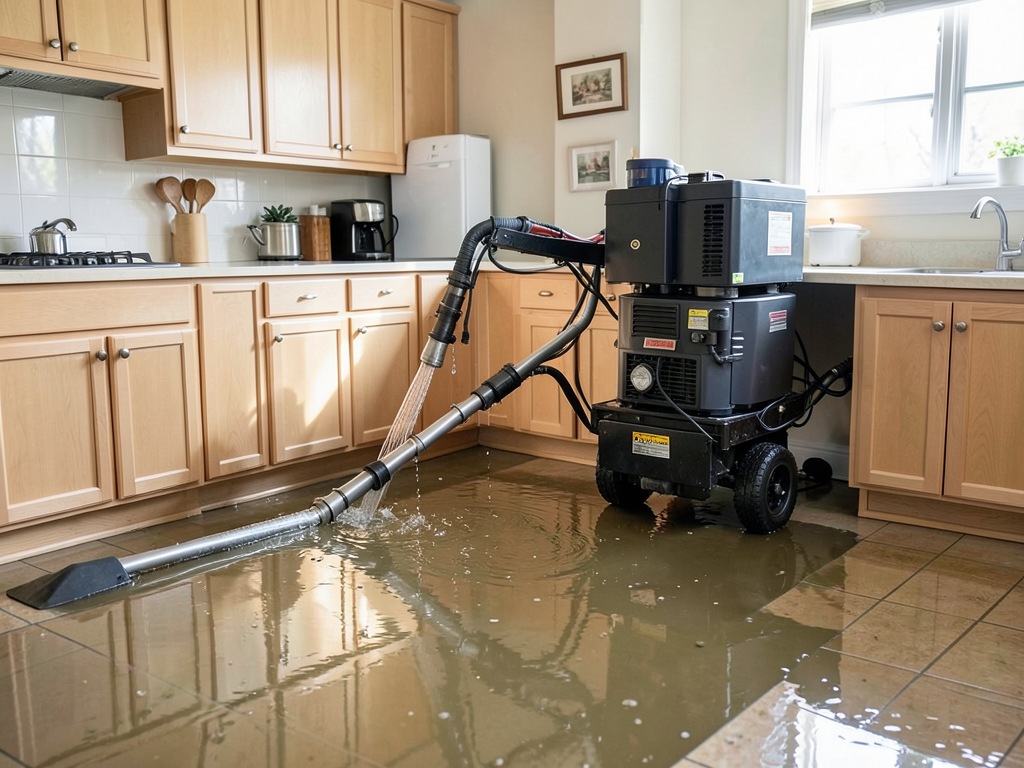
Use towels, a mop, or a wet/dry vacuum to remove as much visible water as possible. Focus on areas under the fridge and along baseboards.
- Protect Flooring and Cabinets
Lift area rugs and move small appliances. Place aluminum foil or plastic under furniture legs to prevent staining.
- Call for Professional Help
Even if the surface looks dry, water may have seeped into subfloors or wall cavities. Call (314) 428-9977 for 24/7 emergency water damage restoration in St. Louis.
How We Restore Your Kitchen After a Fridge Leak
Patriot Water Damage Restoration follows a proven process to return your kitchen to pre-loss condition. Our technicians are IICRC-certified and trained in the latest structural drying techniques.
Step 1: Inspection and Moisture Mapping
We use moisture meters and thermal imaging cameras to detect water in places you can’t see. This includes under hardwood planks, inside wall cavities, and beneath vinyl flooring. In St. Louis homes, we often find water has traveled along concrete slabs into adjacent rooms. Efflorescence on Concrete.
Step 2: Water Extraction
Using truck-mounted extractors and commercial-grade wet vacuums, we remove standing water quickly. This step is critical to prevent further absorption into porous materials like wood and drywall.
Step 3: Drying and Dehumidification
We set up high-velocity air movers and industrial dehumidifiers to dry the affected area. In St. Louis, where humidity often exceeds 70%, we monitor humidity levels daily to ensure complete drying.
Step 4: Cleaning and Sanitizing
We apply EPA-registered antimicrobial treatments to prevent mold growth. This is especially important in St. Louis, where the climate can promote rapid microbial growth in hidden moisture pockets. EPA mold guidelines.
Step 5: Repairs and Restoration
Once the area is dry, we repair or replace damaged materials. This may include new flooring, baseboards, or drywall. We work with your insurance company to streamline the claims process.
Common Kitchen Flooring Types and How They React to Water
Not all kitchen floors handle water the same way. Here’s how common materials in St. Louis homes respond to a fridge leak:
| Floor Type | Water Resistance | Typical Damage | Restoration Approach |
|---|---|---|---|
| Engineered Hardwood | Moderate | Swelling, warping, delamination | Rapid drying, possible plank replacement |
| Natural Hardwood | Low | Cupping, buckling, staining | Controlled drying, sanding, refinishing |
| Ceramic Tile | High | Minimal surface damage | Drying subfloor, checking grout for mold |
| Vinyl Plank | Moderate | Peeling, bubbling at seams | Removal and replacement of affected planks |
| Laminate | Low | Expansion, discoloration, separation | Full replacement usually required |
Preventing Future Fridge Water Line Leaks
Once your kitchen is restored, take these steps to prevent another leak:
- Replace Plastic Lines – Upgrade to braided stainless steel supply lines, which are more durable and less prone to cracking.
- Check for Kinks – Ensure the water line isn’t bent or pinched when moving the fridge.
- Install a Water Alarm – Place a leak detector near the fridge to alert you to moisture before it spreads.
- Schedule Annual Inspections – Have a plumber check your fridge’s water line and shut-off valve annually.
In St. Louis, where many homes are over 50 years old, supply lines may have degraded over time. Replacing them proactively can save you from a major kitchen flood.
Why Choose Patriot Water Damage Restoration St. Louis
We understand the unique challenges of water damage in St. Louis homes. Our team responds within 60 minutes, uses IICRC-certified methods, and works directly with your insurance company to streamline claims.
Our local knowledge means we know how St. Louis’ clay soil, humid summers, and aging infrastructure affect water damage patterns. We’ve restored kitchens in neighborhoods from Soulard to Chesterfield, handling everything from historic brick homes to modern builds. Removing Mold from Historic Central West End Homes Without Damaging the Architecture.
Don’t let a small fridge leak become a major renovation. Call (314) 428-9977 now for fast, professional water damage restoration.
Frequently Asked Questions
How long does it take to dry out a kitchen after a fridge leak?
Most kitchen water damage dries in 3-5 days with professional equipment. The exact time depends on the extent of the leak, the materials affected, and the humidity in your home.
Will my homeowners insurance cover fridge water line damage?
Most policies cover sudden, accidental water damage from appliance supply lines. However, they may not cover the repair or replacement of the appliance itself. We can help you understand your coverage and work with your adjuster.
Can I clean up the water myself?
You can handle surface water, but hidden moisture in subfloors and walls requires professional detection and drying. Without proper treatment, you risk mold growth and structural damage.
What if I smell a musty odor after the leak?
A musty smell often indicates mold growth. Even if you don’t see it, mold can grow in hidden areas within 24-48 hours of water exposure. Call us for a professional inspection.
Do you work with insurance companies?
Yes. We provide detailed documentation, photos, and reports that your insurance company needs to process your claim quickly.
Don’t Wait—Call Now for Emergency Help
A fridge water line leak can cause more damage than you think. Water spreads fast, and every hour increases the risk of mold and structural issues. If you’re dealing with a kitchen flood right now, don’t wait.
Call (314) 428-9977 for 24/7 emergency water damage restoration in St. Louis. Our certified team will arrive quickly, assess the damage, and start the restoration process immediately.
Pick up the phone and call (314) 428-9977 before the next storm hits. Your kitchen—and your peace of mind—depend on it.
You may also find this helpful. What to do when the bathroom overflows in a high-rise Clayton condo.
[IMAGE_PLACEHOLDER_3>
{
“@context”: “https://schema.org”,
“@type”: “BlogPosting”,
“headline”: “What to Do When Your Fridge Water Line Leaks Across Your Kitchen Floor”,
“description”: “A fridge water line leak can flood your kitchen fast. Learn the immediate steps to take, how to minimize damage, and when to call St. Louis experts for restoration.”,
“wordCount”: 1360,
“datePublished”: “2026-04-16T10:16:00.000Z”,
“dateModified”: “2026-04-16T10:16:00.000Z”,
“inLanguage”: “en-US”,
“mainEntityOfPage”: {
“@type”: “WebPage”,
“@id”: “https://patriotwaterdamagerestorationstlouis.com”
},
“publisher”: {
“@type”: “LocalBusiness”,
“name”: “Patriot Water Damage Restoration St. Louis”,
“url”: “https://patriotwaterdamagerestorationstlouis.com”
},
“author”: {
“@type”: “Organization”,
“name”: “Patriot Water Damage Restoration St. Louis”,
“url”: “https://patriotwaterdamagerestorationstlouis.com”
},
“image”: {
“@type”: “ImageObject”,
“url”: “https://patriotwaterdamagerestorationstlouis.com/wp-content/uploads/2026/03/what-to-do-when-your-fridge-water-line-leaks-acros-1.png”
}
}
{
“@context”: “https://schema.org”,
“@type”: “LocalBusiness”,
“name”: “Patriot Water Damage Restoration St. Louis”,
“url”: “https://patriotwaterdamagerestorationstlouis.com”,
“address”: {
“@type”: “PostalAddress”,
“addressLocality”: “St. Louis”
},
“areaServed”: {
“@type”: “City”,
“name”: “St. Louis”
}
}
{
“@context”: “https://schema.org”,
“@type”: “FAQPage”,
“mainEntity”: [
{
“@type”: “Question”,
“name”: “How long does it take to dry out a kitchen after a fridge leak?”,
“acceptedAnswer”: {
“@type”: “Answer”,
“text”: “Most kitchen water damage dries in 3-5 days with professional equipment. The exact time depends on the extent of the leak, the materials affected, and the humidity in your home.”
}
},
{
“@type”: “Question”,
“name”: “Will my homeowners insurance cover fridge water line damage?”,
“acceptedAnswer”: {
“@type”: “Answer”,
“text”: “Most policies cover sudden, accidental water damage from appliance supply lines. However, they may not cover the repair or replacement of the appliance itself. We can help you understand your coverage and work with your adjuster.”
}
},
{
“@type”: “Question”,
“name”: “Can I clean up the water myself?”,
“acceptedAnswer”: {
“@type”: “Answer”,
“text”: “You can handle surface water, but hidden moisture in subfloors and walls requires professional detection and drying. Without proper treatment, you risk mold growth and structural damage.”
}
},
{
“@type”: “Question”,
“name”: “What if I smell a musty odor after the leak?”,
“acceptedAnswer”: {
“@type”: “Answer”,
“text”: “A musty smell often indicates mold growth. Even if you don’t see it, mold can grow in hidden areas within 24-48 hours of water exposure. Call us for a professional inspection.”
}
},
{
“@type”: “Question”,
“name”: “Do you work with insurance companies?”,
“acceptedAnswer”: {
“@type”: “Answer”,
“text”: “Yes. We provide detailed documentation, photos, and reports that your insurance company needs to process your claim quickly.”
}
}
]
}
{
“@context”: “https://schema.org”,
“@type”: “HowTo”,
“name”: “Emergency Fridge Leak Response”,
“step”: [
{
“@type”: “HowToStep”,
“position”: 1,
“name”: “Shut Off the Water Supply”,
“text”: “Locate the shut-off valve behind the fridge or under the sink. Turn it clockwise until it stops. This prevents more water from entering the damaged line.”
},
{
“@type”: “HowToStep”,
“position”: 2,
“name”: “Unplug the Refrigerator”,
“text”: “Water and electricity are a dangerous mix. Unplug the fridge to avoid electrical hazards, especially if water has pooled near the outlet.”
},
{
“@type”: “HowToStep”,
“position”: 3,
“name”: “Remove Standing Water”,
“text”: “Use towels, a mop, or a wet/dry vacuum to remove as much visible water as possible. Focus on areas under the fridge and along baseboards.”
},
{
“@type”: “HowToStep”,
“position”: 4,
“name”: “Protect Flooring and Cabinets”,
“text”: “Lift area rugs and move small appliances. Place aluminum foil or plastic under furniture legs to prevent staining.”
},
{
“@type”: “HowToStep”,
“position”: 5,
“name”: “Call for Professional Help”,
“text”: “Even if the surface looks dry, water may have seeped into subfloors or wall cavities. Call (314) 428-9977 for 24/7 emergency water damage restoration in St. Louis.”
}
],
“image”: “https://patriotwaterdamagerestorationstlouis.com/wp-content/uploads/2026/03/what-to-do-when-your-fridge-water-line-leaks-acros-1.png”
}
{
“@context”: “https://schema.org”,
“@type”: “BreadcrumbList”,
“itemListElement”: [
{
“@type”: “ListItem”,
“position”: 1,
“name”: “Home”,
“item”: “https://patriotwaterdamagerestorationstlouis.com”
},
{
“@type”: “ListItem”,
“position”: 2,
“name”: “Blog”,
“item”: “https://patriotwaterdamagerestorationstlouis.com/blog”
},
{
“@type”: “ListItem”,
“position”: 3,
“name”: “What to Do When Your Fridge Water Line Leaks Across Your Kitchen Floor”
}
]
}
{
“@context”: “https://schema.org”,
“@type”: “Service”,
“serviceType”: “Water Damage Restoration”,
“provider”: {
“@type”: “LocalBusiness”,
“name”: “Patriot Water Damage Restoration St. Louis”,
“url”: “https://patriotwaterdamagerestorationstlouis.com”
},
“areaServed”: {
“@type”: “City”,
“name”: “St. Louis”
},
“description”: “A fridge water line leak can flood your kitchen fast. Learn the immediate steps to take, how to minimize damage, and when to call St. Louis experts for restoration.”
}