
Salvaging Antique Wood Furniture After a Leak in Your Compton Heights Mansion
When water meets antique wood furniture in your Compton Heights mansion the damage can feel catastrophic. That heirloom armoire or Victorian sideboard represents generations of history and craftsmanship. The good news is that with proper restoration techniques and rapid response you can often save these irreplaceable pieces. This guide covers everything you need to know about recovering your valuable antiques after water damage. Professional Water Extraction and Drying for St. Charles Residents.
Immediate Steps: What to Do in the First 24 Hours
Time becomes your enemy when water contacts antique furniture. The first 24 hours determine whether you can save the piece or face permanent damage. Here’s what to do immediately: Water Damage Restoration Manchester.
- Stop the Water Source
Shut off the main water supply if you haven’t already. This prevents additional water from continuing to damage your furniture. Water Damage Restoration Florissant.
- Remove Standing Water
Use clean towels or a wet vacuum to remove surface water. Do not rub vigorously as this can damage delicate finishes.. Read more about How to Clean Up a Flooded Garage in North Hampton Without Ruining Your Power Tools.
- Separate Components
Remove drawers and doors if possible. Water can cause wood to swell making them impossible to open later.. Read more about Restoring a Water Damaged Mid-Century Modern Home in Warson Woods.
- Increase Air Circulation
Open windows and use fans to promote evaporation. Avoid direct heat which can cause cracking.
- Document Everything
Take photos of all damaged pieces before moving them. This helps with insurance claims later. How to Get Your St. Louis Home Insurance to Actually Pay for Water Damage.
Assessing the Damage: Is Your Antique Salvageable?
Not all water damage means the end for your antique furniture. Understanding the type of damage helps determine if restoration is possible. Here’s what to look for:
| Damage Type | Appearance | Salvageability |
|---|---|---|
| White Rings | Cloudy white marks on surface | High – Surface moisture only |
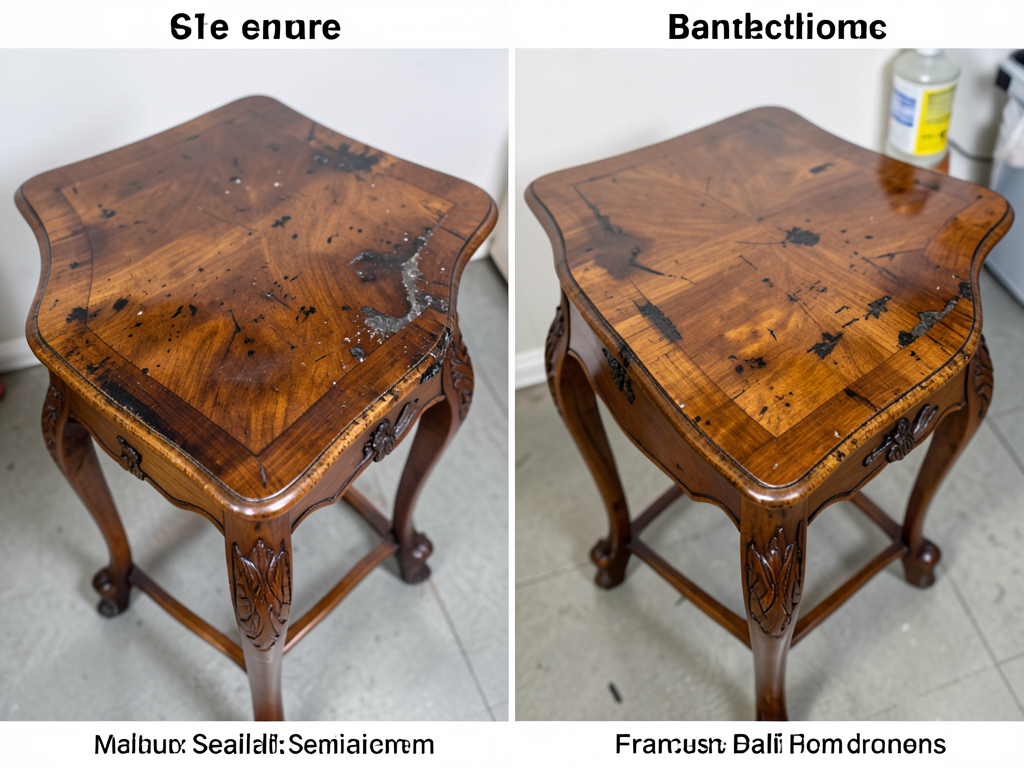
| Black Spots | Dark stains penetrating wood | Medium – May require bleaching |
| Veneer Lifting | Thin layers separating | High – Can be re-glued |
| Structural Warping | Twisting or bowing of wood | Low – Often irreversible |
The salvageability depends on several factors including the water category. Clean water from a broken pipe poses less risk than contaminated water from a sewer backup. The wood species matters too. Mahogany and walnut typically recover better than pine or poplar.
The Professional Restoration Process
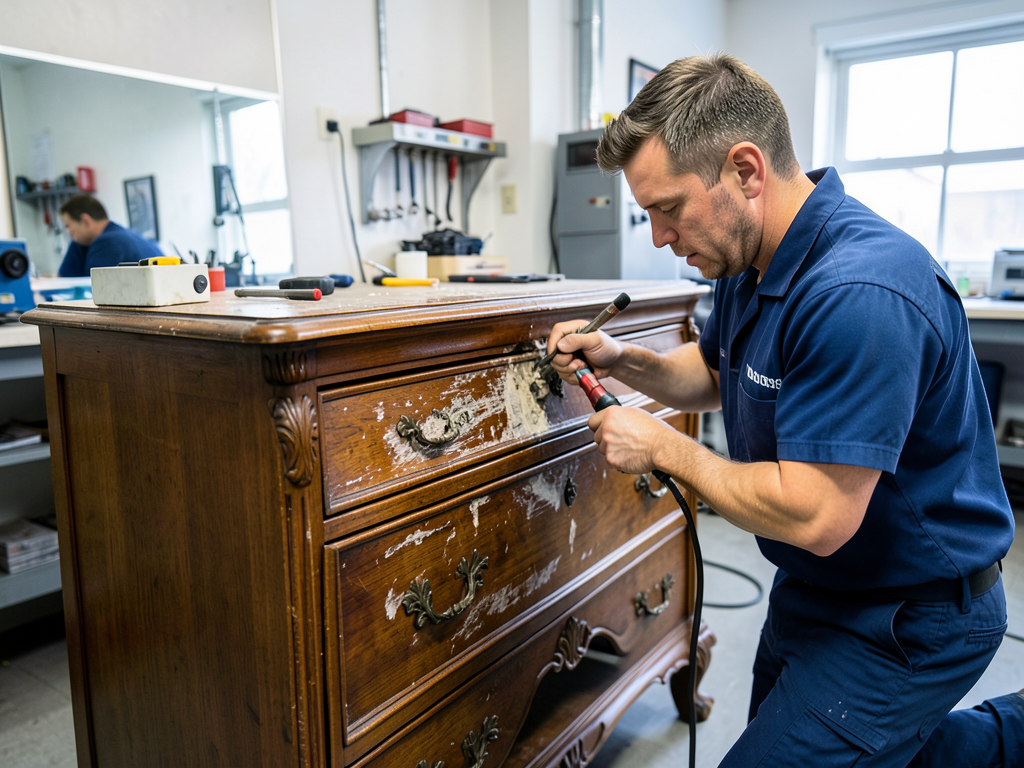
Professional restoration goes far beyond simple drying. Here’s what happens when you call in the experts:
Controlled Drying Environment
Rapid drying causes more damage than the water itself. Professionals use dehumidifiers and air movers to create a controlled environment. The goal is to reduce moisture content gradually from the typical 20-30% down to the stable 6-8% range for interior furniture.
Mold Remediation
St. Louis’s high humidity creates perfect conditions for mold growth on damp wood. Technicians use HEPA vacuums and antimicrobial treatments to eliminate spores before they spread. This step follows IICRC S520 standards for mold remediation. EPA mold remediation guidelines.
Joint Stabilization
Water dissolves hide glue used in antique furniture construction. Professional restorers carefully disassemble loose joints, clean old adhesive, and reapply period-correct hide glue. This preserves the original construction methods.
Period-Correct Refinishing
Modern polyurethane finishes won’t match antique shellac or lacquer. Skilled craftsmen use French polishing techniques and traditional materials to restore the original appearance while providing protection.
Navigating Insurance Claims for High-Value Antiques
Standard homeowners insurance often excludes antique furniture or severely limits coverage. Here’s how to handle claims for your valuable pieces:
- Get Professional Appraisals
Document the value of your antiques before any damage occurs. This establishes baseline worth for claims.
- Document Damage Thoroughly
Take detailed photos from multiple angles. Note any maker’s marks or identifying features.
- Request Specialized Adjusters
Many insurance companies have adjusters who specialize in fine furniture and antiques.
- Understand Coverage Limits
Most policies have separate limits for fine art and antiques. Know these limits before filing.
Keep in mind that Missouri law requires insurance companies to act in good faith when processing claims. If you encounter resistance document all communications and consider filing a complaint with the Missouri Department of Insurance.
Why St. Louis Humidity Matters for Furniture Recovery
St. Louis sits in a unique climate zone that complicates antique furniture restoration. The city experiences:
- Average relative humidity of 70% year-round
- Hot summers with dew points often exceeding 70°F
- Sudden temperature swings that cause wood movement
- High clay content in local soil that affects foundation moisture
These factors mean that furniture dried too quickly in our climate will often warp or crack later. Professional restorers use climate-controlled facilities where they can maintain optimal conditions throughout the restoration process.
The Gateway Arch area experiences microclimates that affect restoration too. Homes near Forest Park often have different moisture patterns than those in the Central West End due to vegetation and elevation differences.
Common Mistakes to Avoid
Many well-intentioned attempts to save water-damaged antiques actually make the damage worse. Avoid these common mistakes:
- Using heat guns or hair dryers – causes cracking and warping
- Applying oils or waxes to wet wood – traps moisture inside
- Dragging wet furniture – can cause veneer separation
- Ignoring mold growth – spreads to other areas quickly
- Waiting too long to call professionals – limits restoration options
The biggest mistake is assuming that if the surface looks dry the piece is safe. Water can remain trapped in joints and hidden areas for weeks causing delayed damage.
Cost Considerations for Antique Restoration
Professional antique restoration costs vary widely based on several factors:
| Restoration Level | Typical Cost Range | Time Required |
|---|---|---|
| Basic Cleaning | $200 – $500 | 1-2 days |
| Structural Repair | $500 – $2,000 | 1-2 weeks |
| Full Restoration | $2,000 – $10,000+ | 2-8 weeks |
Compare this to replacement costs. A quality Victorian sideboard might cost $8,000 to replace but only $3,000 to restore. Plus you keep the historical value and craftsmanship. Removing Mold from Historic Central West End Homes Without Damaging the Architecture.
Prevention Strategies for Your Compton Heights Mansion
Compton Heights homes built in the early 1900s have unique vulnerabilities. These stately mansions often feature:
- Balloon frame construction that allows water to travel between floors
- Cast iron plumbing that corrodes from the inside
- Flat roofs with poor drainage common in the era
- Plaster walls that hold moisture longer than drywall
Prevention starts with regular inspections. Check your roof after heavy storms, monitor your water bill for hidden leaks, and install water sensors near valuable antiques. Consider a whole-house humidity control system to maintain stable conditions year-round.. Read more about Dealing with the Mess After a Massive Fish Tank Disaster in Your Clayton High-Rise.
When to Call the Professionals
Call professionals immediately if you notice:
- Black water contamination from sewage or flooding
- Extensive mold growth visible on furniture
- Structural damage to the building itself
- Antiques with significant monetary or sentimental value
- Multiple pieces affected by the same water event
Professional restoration services in St. Louis understand the local climate challenges and have the equipment to handle large-scale water events. They can often save pieces that homeowners would consider lost.
Frequently Asked Questions
How long can antique furniture sit in water before it’s ruined?
Damage begins within hours but complete ruin typically takes 24-48 hours depending on water temperature and contamination level. The sooner you act the better your chances of saving the piece.
Can veneer damage be repaired on antique furniture?
Yes veneer damage is often repairable. Professionals can re-glue lifted veneer using period-correct adhesives and techniques. Severely damaged veneer can be replaced with matching antique veneer.
Will my restored antique look the same as before?
Professional restoration aims to return furniture to its original appearance. Using period-correct materials and techniques the piece should look virtually identical to its pre-damage state.
Does homeowners insurance cover water-damaged antiques?
Standard policies often exclude or severely limit coverage for antiques. You may need a rider or separate policy for valuable pieces. Check your policy details and consider additional coverage for high-value items.
How can I prevent future water damage to my antiques?
Install water sensors near valuable pieces, maintain your plumbing system, control indoor humidity with HVAC systems, and keep antiques away from potential water sources like windows and exterior walls.
Take Action Now to Save Your Valuable Antiques
Water damage to antique furniture requires immediate professional attention. The longer you wait the more damage occurs and the fewer restoration options remain available. Our St. Louis-based restoration specialists understand the unique challenges of preserving antiques in our humid climate.
Don’t let that family heirloom or valuable antique become a total loss. We offer 24/7 emergency response for water damage situations throughout the St. Louis area including Compton Heights and surrounding neighborhoods.
Call (314) 428-9977 today to schedule your inspection. Our experts will assess the damage and provide a clear restoration plan to save your valuable antiques. Time matters so pick up the phone now before additional damage occurs. For more information, visit IICRC restoration standards.
{
“@context”: “https://schema.org”,
“@type”: “BlogPosting”,
“headline”: “Salvaging Antique Wood Furniture After a Leak in Your Compton Heights Mansion”,
“description”: “Learn how St. Louis humidity and water damage affect antique furniture in Compton Heights mansions. Get expert restoration tips from local professionals.”,
“wordCount”: 1452,
“datePublished”: “2026-05-30T11:12:00.000Z”,
“dateModified”: “2026-05-30T11:12:00.000Z”,
“inLanguage”: “en-US”,
“mainEntityOfPage”: {
“@type”: “WebPage”,
“@id”: “https://patriotwaterdamagerestorationstlouis.com”
},
“publisher”: {
“@type”: “LocalBusiness”,
“name”: “Patriot Water Damage Restoration St. Louis”,
“url”: “https://patriotwaterdamagerestorationstlouis.com”
},
“author”: {
“@type”: “Organization”,
“name”: “Patriot Water Damage Restoration St. Louis”,
“url”: “https://patriotwaterdamagerestorationstlouis.com”
},
“image”: {
“@type”: “ImageObject”,
“url”: “https://patriotwaterdamagerestorationstlouis.com/wp-content/uploads/2026/03/salvaging-antique-wood-furniture-after-a-leak-in-y-1.png”
}
}
{
“@context”: “https://schema.org”,
“@type”: “LocalBusiness”,
“name”: “Patriot Water Damage Restoration St. Louis”,
“url”: “https://patriotwaterdamagerestorationstlouis.com”,
“address”: {
“@type”: “PostalAddress”,
“addressLocality”: “St. Louis”
},
“areaServed”: {
“@type”: “City”,
“name”: “St. Louis”
}
}
{
“@context”: “https://schema.org”,
“@type”: “FAQPage”,
“mainEntity”: [
{
“@type”: “Question”,
“name”: “Assessing the Damage: Is Your Antique Salvageable?”,
“acceptedAnswer”: {
“@type”: “Answer”,
“text”: “Not all water damage means the end for your antique furniture. Understanding the type of damage helps determine if restoration is possible. Here’s what to look for:”
}
},
{
“@type”: “Question”,
“name”: “How long can antique furniture sit in water before it’s ruined?”,
“acceptedAnswer”: {
“@type”: “Answer”,
“text”: “Damage begins within hours but complete ruin typically takes 24-48 hours depending on water temperature and contamination level. The sooner you act the better your chances of saving the piece.”
}
},
{
“@type”: “Question”,
“name”: “Can veneer damage be repaired on antique furniture?”,
“acceptedAnswer”: {
“@type”: “Answer”,
“text”: “Yes veneer damage is often repairable. Professionals can re-glue lifted veneer using period-correct adhesives and techniques. Severely damaged veneer can be replaced with matching antique veneer.”
}
},
{
“@type”: “Question”,
“name”: “Will my restored antique look the same as before?”,
“acceptedAnswer”: {
“@type”: “Answer”,
“text”: “Professional restoration aims to return furniture to its original appearance. Using period-correct materials and techniques the piece should look virtually identical to its pre-damage state.”
}
},
{
“@type”: “Question”,
“name”: “Does homeowners insurance cover water-damaged antiques?”,
“acceptedAnswer”: {
“@type”: “Answer”,
“text”: “Standard policies often exclude or severely limit coverage for antiques. You may need a rider or separate policy for valuable pieces. Check your policy details and consider additional coverage for high-value items.”
}
},
{
“@type”: “Question”,
“name”: “How can I prevent future water damage to my antiques?”,
“acceptedAnswer”: {
“@type”: “Answer”,
“text”: “Install water sensors near valuable pieces, maintain your plumbing system, control indoor humidity with HVAC systems, and keep antiques away from potential water sources like windows and exterior walls.”
}
}
]
}
{
“@context”: “https://schema.org”,
“@type”: “HowTo”,
“name”: “Emergency Antique Furniture Salvage”,
“step”: [
{
“@type”: “HowToStep”,
“position”: 1,
“name”: “Stop the Water Source”,
“text”: “Shut off the main water supply if you haven’t already. This prevents additional water from continuing to damage your furniture. Water Damage Restoration Florissant.”
},
{
“@type”: “HowToStep”,
“position”: 2,
“name”: “Remove Standing Water”,
“text”: “Use clean towels or a wet vacuum to remove surface water. Do not rub vigorously as this can damage delicate finishes.”
},
{
“@type”: “HowToStep”,
“position”: 3,
“name”: “Separate Components”,
“text”: “Remove drawers and doors if possible. Water can cause wood to swell making them impossible to open later.”
},
{
“@type”: “HowToStep”,
“position”: 4,
“name”: “Increase Air Circulation”,
“text”: “Open windows and use fans to promote evaporation. Avoid direct heat which can cause cracking.”
},
{
“@type”: “HowToStep”,
“position”: 5,
“name”: “Document Everything”,
“text”: “Take photos of all damaged pieces before moving them. This helps with insurance claims later. How to Get Your St. Louis Home Insurance to Actually Pay for Water Damage.”
}
],
“image”: “https://patriotwaterdamagerestorationstlouis.com/wp-content/uploads/2026/03/salvaging-antique-wood-furniture-after-a-leak-in-y-1.png”
}
{
“@context”: “https://schema.org”,
“@type”: “BreadcrumbList”,
“itemListElement”: [
{
“@type”: “ListItem”,
“position”: 1,
“name”: “Home”,
“item”: “https://patriotwaterdamagerestorationstlouis.com”
},
{
“@type”: “ListItem”,
“position”: 2,
“name”: “Blog”,
“item”: “https://patriotwaterdamagerestorationstlouis.com/blog”
},
{
“@type”: “ListItem”,
“position”: 3,
“name”: “Salvaging Antique Wood Furniture After a Leak in Your Compton Heights Mansion”
}
]
}
{
“@context”: “https://schema.org”,
“@type”: “Service”,
“serviceType”: “Water Damage Restoration”,
“provider”: {
“@type”: “LocalBusiness”,
“name”: “Patriot Water Damage Restoration St. Louis”,
“url”: “https://patriotwaterdamagerestorationstlouis.com”
},
“areaServed”: {
“@type”: “City”,
“name”: “St. Louis”
},
“description”: “Learn how St. Louis humidity and water damage affect antique furniture in Compton Heights mansions. Get expert restoration tips from local professionals.”
}