
Dealing with Ice Dams and Roof Leaks During a Brutal St. Louis Winter
Ice dams are forming across St. Louis as freezing temperatures and heavy snow create perfect conditions for roof damage. When warm attic air melts snow on your roof, water runs down to the colder eaves where it refreezes, creating ice dams that trap water and force it under shingles. This water then seeps through your roof deck and into your home, causing ceiling stains, wall damage, and saturated insulation. The freeze-thaw cycles common in St. Louis County accelerate this process, making winter roof leaks an urgent problem for homeowners in neighborhoods like Chesterfield, Kirkwood, and University City. How to Get Your St. Louis Home Insurance to Actually Pay for Water Damage.
Why St. Louis Homes Are Especially Vulnerable to Ice Dam Damage
St. Louis winters create unique conditions that make ice dams more severe than in many other regions. The Missouri River valley’s humidity combined with frequent temperature swings above and below freezing causes rapid melting and refreezing cycles. Homes in older St. Louis neighborhoods like Tower Grove and Central West End often have inadequate attic insulation or ventilation, allowing heat to escape through the roof. The heavy clay soil common in St. Louis County also affects foundation drainage, which can contribute to moisture problems that worsen ice dam formation. Homes near Forest Park or the Missouri Botanical Garden experience similar freeze-thaw patterns that accelerate ice dam growth.. Read more about How to Dry Out Wet Insulation Before It Becomes a Problem in Your Bellefontaine Neighbors Home.
Spotting Ice Dam Damage Before It Gets Worse
Ice dam damage often starts before you see water dripping through your ceiling. Look for these warning signs: large icicles hanging from gutters, water stains spreading across ceilings near exterior walls, peeling paint on walls beneath roof overhangs, and warped hardwood floors near exterior walls. In severe cases, you might notice a musty odor from mold growth in wall cavities or see water dripping from light fixtures. The damage typically appears on the north-facing side of your home where snow melts more slowly and refreezes more readily. If you notice any of these signs, call (314) 428-9977 immediately for emergency assessment. Professional Water Extraction and Drying for St. Charles Residents.
Dangerous DIY Methods That Can Make Roof Damage Worse
Homeowners often try to remove ice dams with hammers, chisels, or chemical de-icers, but these methods frequently cause more damage than the ice dams themselves. Striking ice with tools can crack or puncture shingles, damage flashing, and create holes in your roof deck. Chemical de-icers can corrode metal components and damage landscaping below. Even using a roof rake improperly can tear off shingles or damage gutters. The weight of snow and ice makes walking on your roof extremely dangerous, and falling ice poses serious risks to people below. Professional ice dam removal uses specialized equipment that safely clears ice without damaging your roof structure. Water Damage Restoration Manchester.
Professional Ice Dam Removal Process in St. Louis
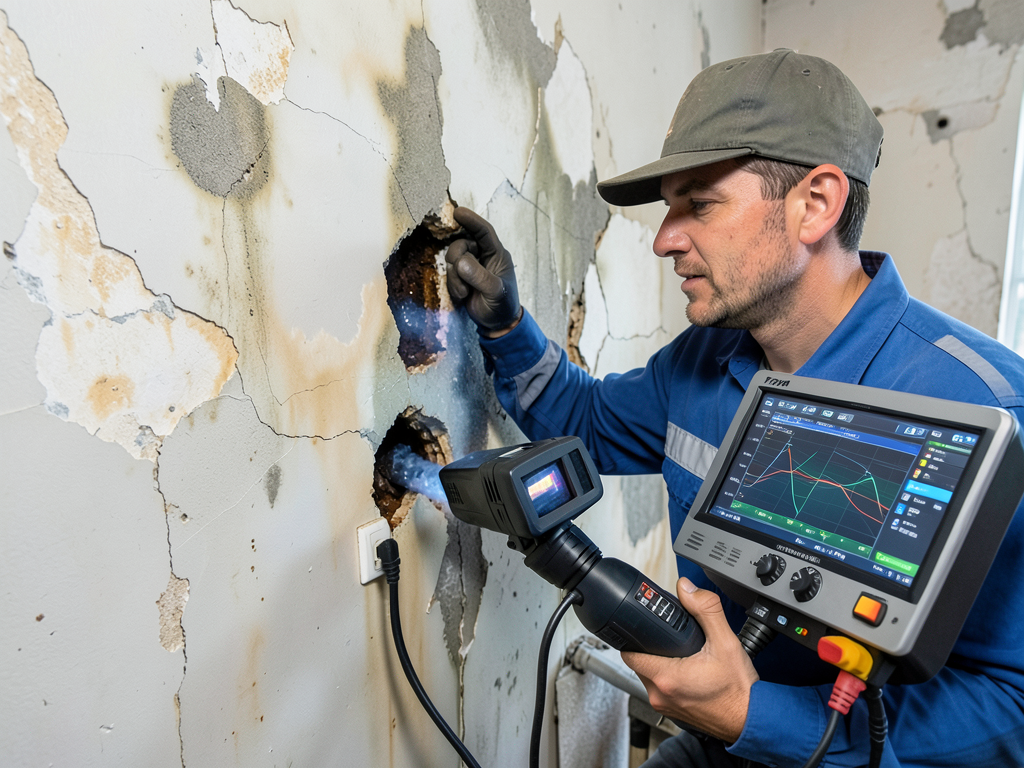
Professional ice dam removal involves several critical steps that protect your roof while eliminating the ice blockage. Technicians first assess the ice dam’s size and location using thermal imaging to identify hidden moisture. They then use low-pressure steam or specialized hot water systems to melt the ice without damaging shingles. The process includes clearing gutters and downspouts of ice to restore proper drainage. After removal, technicians inspect for existing damage and apply temporary waterproofing if needed. This professional approach prevents the secondary damage that often occurs when homeowners attempt DIY removal during St. Louis’s harsh winter conditions.. Read more about Navigating Water Damage Responsibilities in Lafayette Square Condos and Shared Buildings.
Immediate Steps to Take When You Discover a Roof Leak
If water is actively leaking into your home, quick action can minimize damage while you wait for professional help. Move furniture and valuables away from the leak area immediately. Place buckets or containers under active drips to catch water. If water is pooling on ceilings, carefully poke a small hole to relieve pressure and direct water into a bucket. Turn off electricity to affected areas if water is near outlets or fixtures. Document all damage with photos for insurance purposes. Contact Patriot Water Damage Restoration at (314) 428-9977 for emergency response. Do not attempt to climb on your roof or remove ice yourself.
How Ice Dams Lead to Hidden Water Damage
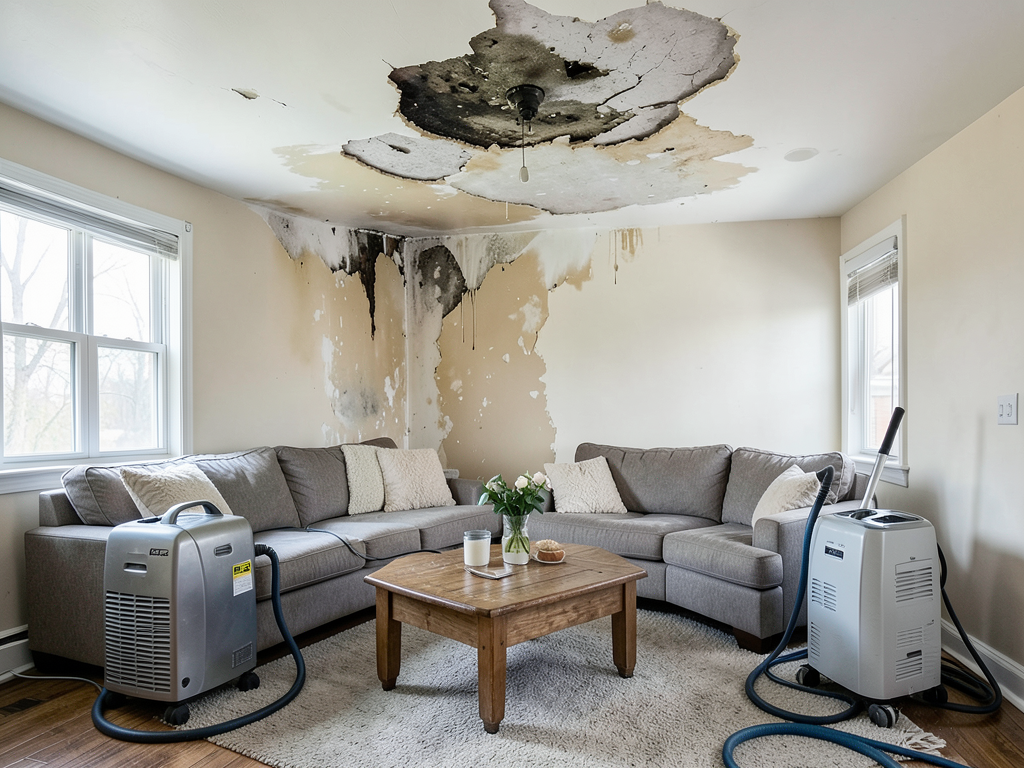
Ice dam water intrusion often causes damage you cannot see immediately. Water seeps into wall cavities and attic spaces, saturating insulation and creating perfect conditions for mold growth within 24-48 hours. The moisture can warp structural components, corrode electrical wiring, and compromise drywall integrity. In homes with plaster walls common in historic St. Louis neighborhoods, ice dam leaks can cause extensive damage that requires specialized restoration techniques. The warm, humid conditions in many St. Louis homes during winter create ideal environments for mold spores to multiply rapidly once moisture is present. Professional moisture detection using infrared cameras can identify these hidden problem areas. Removing Mold from Historic Central West End Homes Without Damaging the Architecture.
Attic Insulation Standards for St. Louis Homes
Proper attic insulation is your first defense against ice dams. The U.S. Department of Energy recommends R-49 to R-60 insulation for attics in St. Louis’s climate zone, which translates to approximately 16-20 inches of fiberglass or cellulose insulation. Many homes in neighborhoods like Clayton and Ladue were built before current insulation standards and have only R-19 or less. Adding insulation without addressing ventilation can actually worsen ice dam problems by trapping moisture. Professional energy audits can identify specific weak points where heat escapes through your roof. Upgrading to modern insulation materials can reduce heating costs by 15-30% while preventing ice dam formation. EPA mold information.
Roof Ventilation Requirements Under St. Louis Building Codes
St. Louis County building codes require specific ventilation ratios to prevent moisture buildup and ice dam formation. The International Residential Code mandates 1 square foot of net free ventilation area for every 150 square feet of attic floor space, or 1:300 if certain conditions are met. This ventilation must be balanced between soffit vents and ridge or gable vents to create proper air circulation. Many older homes in Soulard and Lafayette Square lack adequate ventilation systems. Improper ventilation not only contributes to ice dams but can also cause premature roof deterioration and increased energy costs. Professional assessment can determine if your ventilation meets current code requirements.. Read more about Why South County Homeowners See More Pipe Bursts During the First Spring Thaw.
Preventing Future Ice Dams Through Home Improvements
Preventing ice dams requires a comprehensive approach to your home’s thermal envelope. Start with a professional energy audit to identify heat loss points. Upgrade attic insulation to meet current R-value recommendations for St. Louis’s climate zone. Install or improve roof ventilation to maintain consistent attic temperatures. Consider adding ice and water shield underlayment when replacing your roof, especially important for homes in areas like Webster Groves that experience heavy winter precipitation. Heat cables installed along roof edges can provide additional protection in problem areas. These improvements not only prevent ice dams but also reduce heating costs and extend roof life. Why Webster Groves Families Trust Us for Emergency Mold Remediation.
Insurance Coverage for Ice Dam and Roof Leak Damage
Standard homeowners insurance policies in Missouri typically cover sudden and accidental water damage from ice dams, but not damage from poor maintenance or gradual wear. Coverage usually includes structural repairs, damaged personal property, and professional water mitigation services. However, insurance companies may deny claims if they determine the damage resulted from lack of proper maintenance or pre-existing conditions. Document all damage thoroughly with photos and videos before beginning cleanup. Keep receipts for emergency repairs and temporary housing if needed. Contact your insurance agent immediately after discovering damage. Patriot Water Damage Restoration can work directly with insurance companies to streamline the claims process.
Professional Water Damage Restoration Process
When ice dams cause water intrusion, professional restoration follows a systematic process to prevent further damage. First, technicians perform emergency water extraction using industrial-grade equipment to remove standing water. Next, they deploy high-capacity dehumidifiers and air movers to begin structural drying. Thermal imaging cameras identify hidden moisture in walls and ceilings. Damaged materials like wet drywall or insulation are removed to prevent mold growth. The affected areas are then cleaned and sanitized using antimicrobial treatments. Throughout the process, moisture levels are monitored until they return to normal ranges. This comprehensive approach prevents the secondary damage that often follows ice dam leaks.
Common Ice Dam Damage Patterns in St. Louis Neighborhoods
Ice dam damage patterns vary across different St. Louis neighborhoods based on home construction and age. In historic neighborhoods like Lafayette Square, ice dams often damage original plaster walls and decorative ceilings. Homes in newer developments like Chesterfield may experience damage to modern building materials and engineered wood products. Properties near major landmarks like Forest Park or the Missouri Botanical Garden often have specific architectural features that create ice dam vulnerabilities. Understanding these neighborhood-specific patterns helps professionals anticipate damage types and restoration needs. Local building materials and construction methods also influence how ice dam water affects different home types throughout the St. Louis metropolitan area.
Long-Term Solutions for Ice Dam Prevention
Long-term ice dam prevention requires addressing the root causes of heat loss and poor ventilation. Consider a whole-home energy audit to identify thermal bridging points where heat escapes through your roof. Upgrade to modern, high-efficiency insulation materials that provide better R-value per inch. Install smart ventilation systems that automatically adjust airflow based on temperature and humidity. For severe problem areas, heat cables can provide targeted protection. Regular roof maintenance, including cleaning gutters before winter and inspecting flashing, helps prevent ice dam formation. These improvements not only prevent winter damage but also improve year-round energy efficiency and comfort in your St. Louis home.
Emergency Response Times for Ice Dam Water Damage
When ice dams cause water damage, response time is critical to prevent mold growth and structural damage. Patriot Water Damage Restoration maintains 24/7 emergency response teams positioned throughout the St. Louis metropolitan area. Our average response time is under 90 minutes for most St. Louis County locations, with specialized equipment ready for immediate deployment. We prioritize calls from areas experiencing active leaks or severe weather conditions. Our teams coordinate with local utility companies and emergency services during major winter storms. Quick response not only minimizes damage but also reduces restoration costs and prevents the health hazards associated with prolonged moisture exposure.
Specialized Equipment for Ice Dam and Water Damage Restoration
Professional ice dam and water damage restoration requires specialized equipment not available to homeowners. Our fleet includes industrial dehumidifiers capable of removing 200+ pints of moisture per day, high-velocity air movers that create rapid evaporation, and thermal imaging cameras that detect hidden moisture pockets. We use moisture meters to measure water content in building materials and hygrometers to monitor indoor humidity levels. For ice dam removal, we employ low-pressure steam systems specifically designed for roof applications. This professional-grade equipment allows us to complete restoration work in days rather than weeks, preventing the secondary damage that often occurs with inadequate drying.
Health Risks Associated with Ice Dam Water Damage
Ice dam water damage creates several health risks that require professional mitigation. Standing water and elevated humidity levels create ideal conditions for mold growth, which can trigger respiratory problems, allergic reactions, and other health issues. Category 3 water from roof leaks may contain bacteria, viruses, and other pathogens that pose health risks. The moisture can also attract pests like rodents and insects that carry diseases. In older St. Louis homes, water damage may disturb lead paint or asbestos-containing materials. Professional restoration includes antimicrobial treatments and proper containment procedures to protect your family’s health during the cleanup process.
Cost Factors for Ice Dam Damage Restoration
Ice dam damage restoration costs vary based on several factors specific to your situation. The extent of water spread, types of materials affected, and duration of exposure all influence restoration costs. Homes with high-end finishes or historic architectural details may require specialized restoration techniques that increase costs. Accessibility issues, such as multi-story homes or finished basements, can affect equipment needs and labor time. Insurance coverage and deductible amounts also impact out-of-pocket expenses. Patriot Water Damage Restoration provides detailed estimates and works with insurance companies to maximize coverage. We offer flexible payment options for uncovered expenses to help manage restoration costs.
Local Building Materials and Ice Dam Vulnerability
Different building materials common in St. Louis react differently to ice dam water damage. Original wood siding in historic neighborhoods like Soulard can absorb moisture and warp if not properly treated. Modern engineered wood products used in newer developments may swell or delaminate when exposed to water. St. Louis’s clay soil can cause foundation movement that creates gaps in roofing materials, providing entry points for ice dam water. The freeze-thaw cycles common in Missouri can cause expansion and contraction in various building materials, creating vulnerabilities that ice dams exploit. Understanding these material-specific vulnerabilities helps professionals develop targeted restoration strategies.
Seasonal Weather Patterns Affecting Ice Dam Formation
St. Louis’s unique seasonal weather patterns create conditions that promote ice dam formation. The region experiences frequent temperature fluctuations during winter, with daytime highs above freezing followed by nighttime lows well below freezing. This pattern causes repeated melting and refreezing cycles that build ice dams quickly. Heavy snowfall events, common in the St. Louis area, provide the moisture needed for ice dam growth. The Mississippi River valley’s humidity levels also contribute to moisture problems that exacerbate ice dam formation. Understanding these local weather patterns helps homeowners anticipate ice dam risks and take preventive measures before damage occurs.
Working with Insurance Adjusters After Ice Dam Damage
Navigating insurance claims after ice dam damage requires specific documentation and procedures. Insurance adjusters look for evidence of sudden damage versus gradual deterioration. Take photos of the ice dam, water intrusion points, and all visible damage before beginning any cleanup. Keep detailed records of all communications with your insurance company. Professional restoration companies like Patriot Water Damage Restoration can provide the technical documentation and damage assessments that insurance companies require. We work directly with adjusters to ensure all covered damages are properly documented and included in the claim. This professional approach often results in faster claim approvals and more comprehensive coverage.
Environmental Considerations in Water Damage Restoration
Modern water damage restoration incorporates environmental considerations that benefit both homeowners and the community. We use EPA-registered antimicrobial treatments that are safe for families and pets while effectively preventing mold growth. Our equipment is designed for energy efficiency to minimize environmental impact during the drying process. We follow local St. Louis County regulations for proper disposal of water-damaged materials and contaminated waste. Where possible, we salvage and restore materials rather than replacing them, reducing landfill waste. These environmentally responsible practices align with growing community expectations for sustainable restoration services in the St. Louis metropolitan area.
Choosing the Right Restoration Company for Ice Dam Damage
Selecting a qualified restoration company is crucial for effective ice dam damage repair. Look for companies with specific experience in ice dam and winter weather damage, not just general water damage. Verify proper licensing and insurance coverage for work in St. Louis County. Check for industry certifications like IICRC water damage restoration credentials. Ask about response times and availability during winter storms when ice dam problems are most common. Request references from local customers who have experienced similar damage. Patriot Water Damage Restoration meets all these criteria and has served the St. Louis community for years with specialized expertise in winter weather damage restoration.
Frequently Asked Questions
How quickly should I address ice dam water damage?
Address ice dam water damage immediately. Water can cause permanent damage to building materials within 24-48 hours, and mold can begin growing in as little as 24 hours under favorable conditions. The longer water sits, the more extensive and expensive the damage becomes. Contact Patriot Water Damage Restoration at (314) 428-9977 for emergency response.
Will my homeowners insurance cover ice dam damage?
Most standard homeowners insurance policies in Missouri cover sudden and accidental water damage from ice dams, but coverage details vary by policy. Insurance typically covers structural repairs and professional water mitigation services. However, damage from poor maintenance or gradual deterioration may be excluded. Review your policy and contact your insurance agent for specific coverage information.
Can I prevent ice dams without replacing my roof?
Yes, you can prevent many ice dams through improvements that don’t require roof replacement. Adding attic insulation, improving ventilation, and installing heat cables in problem areas can significantly reduce ice dam formation. However, if your roof is old or damaged, replacement with proper underlayment may be the most effective long-term solution.
How long does professional ice dam removal take?
Professional ice dam removal typically takes 2-6 hours depending on the ice dam’s size and location. Small ice dams on accessible areas may be cleared in under two hours, while large or complex ice dams on steep roofs may require a full day. Emergency response teams can often begin work within 90 minutes of your call.
What should I do while waiting for professional help?
While waiting for professional help, move valuables away from affected areas, place buckets under active leaks, and document all damage with photos. Do not attempt to remove ice yourself or walk on your roof. Turn off electricity to affected areas if water is near outlets or fixtures. Call (314) 428-9977 for immediate assistance.
- Improve Attic Insulation
Add insulation to achieve R-49 to R-60 levels recommended for St. Louis’s climate zone. Focus on sealing air leaks around chimneys, vents, and light fixtures where heat escapes.
- Enhance Roof Ventilation
Install or improve soffit and ridge vents to create continuous airflow that keeps attic temperatures consistent with outdoor temperatures. This prevents snow melt that leads to ice dams.
- Clean Gutters and Downspouts
Remove all debris from gutters before winter to ensure proper drainage. Consider installing gutter guards to prevent future clogs that can contribute to ice dam formation.
- Seal Air Leaks
Identify and seal gaps around chimneys, plumbing vents, and electrical penetrations where warm air escapes into the attic. Use fire-rated caulk or expanding foam for these critical areas.
- Install Heat Cables
Place heat cables along roof edges and in gutters to provide targeted melting in problem areas. This prevents ice buildup without the energy costs of heating your entire roof.
Don’t Let Ice Dams Destroy Your St. Louis Home This Winter
Ice dams are more than just an inconvenience—they’re a serious threat to your home’s structural integrity and your family’s health. The freeze-thaw cycles that make St. Louis winters beautiful also create perfect conditions for ice dam formation and the water damage that follows. Every hour you wait allows water to spread deeper into your walls, ceilings, and floors, increasing restoration costs and the risk of mold growth. Whether you’re dealing with active leaks or want to prevent future damage, professional help makes the difference between a quick recovery and costly, long-term problems.
Patriot Water Damage Restoration understands the unique challenges St. Louis homeowners face during winter. Our teams are strategically positioned throughout the metropolitan area to provide rapid emergency response when ice dams strike. We combine local expertise with professional-grade equipment to address both immediate damage and underlying causes. From historic homes in Soulard to modern developments in Chesterfield, we’ve helped countless St. Louis families recover from winter water damage and prevent future problems.
Don’t wait until water is dripping through your ceiling to take action. If you suspect ice dam formation or notice any signs of roof leaks, call (314) 428-9977 right now. Our 24/7 emergency teams are ready to assess your situation, stop active leaks, and begin the restoration process before secondary damage occurs. For prevention consultations or to schedule an attic inspection, reach out today. Protect your St. Louis home from the devastating effects of ice dams this winter—one call can save you thousands in restoration costs and preserve your home’s value for years to come. For more information, visit FEMA ice dam prevention guide.
– Diagram showing how warm attic air melts snow on roof, water runs down to cold eaves, refreezes to form ice dam, and backs up under shingles causing interior leaks.
– Professional technician using low-pressure steam system to safely remove ice dam from residential roof without damaging shingles or flashing.
– Thermal imaging camera display showing hidden moisture pockets in walls and ceilings caused by ice dam water intrusion.
{
“@context”: “https://schema.org”,
“@type”: “BlogPosting”,
“headline”: “Dealing with Ice Dams and Roof Leaks During a Brutal St. Louis Winter”,
“description”: “Ice dams are causing roof leaks across St. Louis this winter. Learn how to spot damage, prevent costly repairs, and get emergency water restoration help from Patriot.”,
“wordCount”: 3387,
“datePublished”: “2026-03-10T08:20:00.000Z”,
“dateModified”: “2026-03-10T08:20:00.000Z”,
“inLanguage”: “en-US”,
“mainEntityOfPage”: {
“@type”: “WebPage”,
“@id”: “https://patriotwaterdamagerestorationstlouis.com”
},
“publisher”: {
“@type”: “LocalBusiness”,
“name”: “Patriot Water Damage Restoration St. Louis”,
“url”: “https://patriotwaterdamagerestorationstlouis.com”
},
“author”: {
“@type”: “Organization”,
“name”: “Patriot Water Damage Restoration St. Louis”,
“url”: “https://patriotwaterdamagerestorationstlouis.com”
},
“image”: {
“@type”: “ImageObject”,
“url”: “https://patriotwaterdamagerestorationstlouis.com/wp-content/uploads/2026/03/dealing-with-ice-dams-and-roof-leaks-during-a-brut-1.png”
}
}
{
“@context”: “https://schema.org”,
“@type”: “LocalBusiness”,
“name”: “Patriot Water Damage Restoration St. Louis”,
“url”: “https://patriotwaterdamagerestorationstlouis.com”,
“address”: {
“@type”: “PostalAddress”,
“addressLocality”: “St. Louis”
},
“areaServed”: {
“@type”: “City”,
“name”: “St. Louis”
}
}
{
“@context”: “https://schema.org”,
“@type”: “FAQPage”,
“mainEntity”: [
{
“@type”: “Question”,
“name”: “How quickly should I address ice dam water damage?”,
“acceptedAnswer”: {
“@type”: “Answer”,
“text”: “Address ice dam water damage immediately. Water can cause permanent damage to building materials within 24-48 hours, and mold can begin growing in as little as 24 hours under favorable conditions. The longer water sits, the more extensive and expensive the damage becomes. Contact Patriot Water Damage Restoration at (314) 428-9977 for emergency response.”
}
},
{
“@type”: “Question”,
“name”: “Will my homeowners insurance cover ice dam damage?”,
“acceptedAnswer”: {
“@type”: “Answer”,
“text”: “Most standard homeowners insurance policies in Missouri cover sudden and accidental water damage from ice dams, but coverage details vary by policy. Insurance typically covers structural repairs and professional water mitigation services. However, damage from poor maintenance or gradual deterioration may be excluded. Review your policy and contact your insurance agent for specific coverage information.”
}
},
{
“@type”: “Question”,
“name”: “Can I prevent ice dams without replacing my roof?”,
“acceptedAnswer”: {
“@type”: “Answer”,
“text”: “Yes, you can prevent many ice dams through improvements that don’t require roof replacement. Adding attic insulation, improving ventilation, and installing heat cables in problem areas can significantly reduce ice dam formation. However, if your roof is old or damaged, replacement with proper underlayment may be the most effective long-term solution.”
}
},
{
“@type”: “Question”,
“name”: “How long does professional ice dam removal take?”,
“acceptedAnswer”: {
“@type”: “Answer”,
“text”: “Professional ice dam removal typically takes 2-6 hours depending on the ice dam’s size and location. Small ice dams on accessible areas may be cleared in under two hours, while large or complex ice dams on steep roofs may require a full day. Emergency response teams can often begin work within 90 minutes of your call.”
}
},
{
“@type”: “Question”,
“name”: “What should I do while waiting for professional help?”,
“acceptedAnswer”: {
“@type”: “Answer”,
“text”: “While waiting for professional help, move valuables away from affected areas, place buckets under active leaks, and document all damage with photos. Do not attempt to remove ice yourself or walk on your roof. Turn off electricity to affected areas if water is near outlets or fixtures. Call (314) 428-9977 for immediate assistance.”
}
}
]
}
{
“@context”: “https://schema.org”,
“@type”: “HowTo”,
“name”: “How to Prevent Ice Dam Formation”,
“step”: [
{
“@type”: “HowToStep”,
“position”: 1,
“name”: “Improve Attic Insulation”,
“text”: “Add insulation to achieve R-49 to R-60 levels recommended for St. Louis’s climate zone. Focus on sealing air leaks around chimneys, vents, and light fixtures where heat escapes.”
},
{
“@type”: “HowToStep”,
“position”: 2,
“name”: “Enhance Roof Ventilation”,
“text”: “Install or improve soffit and ridge vents to create continuous airflow that keeps attic temperatures consistent with outdoor temperatures. This prevents snow melt that leads to ice dams.”
},
{
“@type”: “HowToStep”,
“position”: 3,
“name”: “Clean Gutters and Downspouts”,
“text”: “Remove all debris from gutters before winter to ensure proper drainage. Consider installing gutter guards to prevent future clogs that can contribute to ice dam formation.”
},
{
“@type”: “HowToStep”,
“position”: 4,
“name”: “Seal Air Leaks”,
“text”: “Identify and seal gaps around chimneys, plumbing vents, and electrical penetrations where warm air escapes into the attic. Use fire-rated caulk or expanding foam for these critical areas.”
},
{
“@type”: “HowToStep”,
“position”: 5,
“name”: “Install Heat Cables”,
“text”: “Place heat cables along roof edges and in gutters to provide targeted melting in problem areas. This prevents ice buildup without the energy costs of heating your entire roof.”
}
],
“image”: “https://patriotwaterdamagerestorationstlouis.com/wp-content/uploads/2026/03/dealing-with-ice-dams-and-roof-leaks-during-a-brut-1.png”
}
{
“@context”: “https://schema.org”,
“@type”: “BreadcrumbList”,
“itemListElement”: [
{
“@type”: “ListItem”,
“position”: 1,
“name”: “Home”,
“item”: “https://patriotwaterdamagerestorationstlouis.com”
},
{
“@type”: “ListItem”,
“position”: 2,
“name”: “Blog”,
“item”: “https://patriotwaterdamagerestorationstlouis.com/blog”
},
{
“@type”: “ListItem”,
“position”: 3,
“name”: “Dealing with Ice Dams and Roof Leaks During a Brutal St. Louis Winter”
}
]
}
{
“@context”: “https://schema.org”,
“@type”: “Service”,
“serviceType”: “Water Damage Restoration”,
“provider”: {
“@type”: “LocalBusiness”,
“name”: “Patriot Water Damage Restoration St. Louis”,
“url”: “https://patriotwaterdamagerestorationstlouis.com”
},
“areaServed”: {
“@type”: “City”,
“name”: “St. Louis”
},
“description”: “Ice dams are causing roof leaks across St. Louis this winter. Learn how to spot damage, prevent costly repairs, and get emergency water restoration help from Patriot.”
}