
When water floods a condo in Lafayette Square, the first question isn’t how to dry it out—it’s who pays for it. The answer depends on where the water came from, what your HOA documents say, and whether anyone was negligent. This guide breaks down Missouri condo law, insurance layers, and immediate steps to take when pipes burst in a shared building. Missouri Condominium Act Chapter 448.
Who Pays When Water Damage Hits a Lafayette Square Condo
Water damage in a condo isn’t like a single-family home. You share walls, roofs, and plumbing lines with neighbors. That means the financial responsibility can shift depending on the source of the leak. The first place to look is your HOA’s Declaration and Bylaws. These documents define what’s a “common element” (HOA responsibility) and what’s your “unit” (your responsibility). Professional Water Extraction and Drying for St. Charles Residents.
In Missouri, Chapter 448 of the Revised Statutes—the Uniform Condominium Act—requires HOAs to maintain common elements and carry insurance for them. But that insurance rarely covers everything inside your unit. That’s where your HO-6 policy comes in.
Understanding the Three Layers of Condo Insurance
Most condo owners in Lafayette Square carry three insurance layers without realizing it:
- Master Policy – Covers the building’s structure, roof, and common areas. The HOA pays the premium from dues.
- HO-6 Policy – Your personal policy covering your unit’s interior, belongings, and liability.
- Personal Property Insurance – Covers your furniture, electronics, and valuables.
When a pipe bursts in a shared wall, the master policy might cover the drywall and framing, but your HO-6 covers your flooring and cabinets. If the HOA’s deductible is $5,000 and the damage is $6,000, you could be on the hook for the first $5,000 unless the HOA has a special assessment policy. Who to Call When Your Pipes Burst in Kirkwood This Winter.
Common Elements vs. Limited Common Elements
Not everything in a condo building is equally shared. “Common elements” include the roof, foundation, hallways, and main plumbing lines. “Limited common elements” are shared but serve only certain units—like a balcony, a shared HVAC unit, or a window in a common wall.
In Lafayette Square’s historic condo buildings, many limited common elements are decades old. Original cast iron drain lines from the 1920s still serve multiple units. When one fails, the water damage can spread across units before anyone notices. That’s why early detection and rapid response matter more here than in newer construction. Removing Mold from Historic Central West End Homes Without Damaging the Architecture.
Missouri Law and the Negligence Factor
Missouri law doesn’t just look at documents—it also considers negligence. If your upstairs neighbor leaves a faucet running and floods your ceiling, their negligence can override the standard HOA bylaws. In that case, their HO-6 liability coverage may pay for your damage, even if the leak started in a common wall. Water Damage Restoration Manchester.
But proving negligence isn’t always easy. You need documentation: photos of the damage, a plumber’s report, and sometimes a public adjuster’s estimate. Without that, you’re stuck in a dispute between the HOA, your insurer, and your neighbor’s insurer. Water Damage Restoration Florissant.
Immediate Steps After a Condo Water Emergency
When water starts pouring through your Lafayette Square condo, every minute counts. Here’s what to do before the adjuster even arrives:. Read more about Finding the source of water coming under your McKinley Heights basement door.
- Stop the water source if you can safely access the shutoff valve. In older buildings, the main valve might be in a basement utility room.
- Document everything with photos and videos. Capture the source, spread, and damage to personal items.
- Notify the HOA board in writing. Text or email creates a timestamped record.
- Call a licensed water mitigation company that understands condo protocols. They’ll know how to work with the HOA and avoid violating building rules.
- Avoid DIY drying with household fans. Professional-grade equipment measures moisture in walls and prevents mold in 48-72 hours.
In Lafayette Square, many condo buildings have strict rules about contractors. Some require proof of insurance, others need advance notice. A local mitigation team will already know these requirements and can start work faster.
The Mold Risk in Historic Lafayette Square Buildings
Historic brick and plaster walls in Lafayette Square hold moisture longer than modern drywall. That means a slow leak behind a wall can create mold in 72 hours without showing visible signs. By the time you smell it, the colony is already established.
Professional remediation follows IICRC S520 standards, which require containment, negative air pressure, and HEPA filtration. Cutting corners here can spread spores to neighboring units and create liability for the entire HOA. IICRC water damage restoration standards.
Who Pays the Master Policy Deductible?
This is where most condo owners get surprised. If a pipe bursts in a common wall and causes $8,000 in damage, but the HOA’s master policy has a $5,000 deductible, someone has to pay that $5,000. Some HOAs pass it to the unit where the leak originated. Others split it among all owners. Your bylaws will specify.
If the leak started in your unit’s washing machine supply line, you might be responsible for the entire deductible. If it started in a common pipe, the HOA might cover it—unless they determine you failed to maintain your appliances.. Read more about Why Your Creve Coeur Washing Machine Hoses Might Be a Ticking Time Bomb.
Preventing Future Water Damage in Shared Buildings
Condo owners in Lafayette Square can reduce their risk with a few proactive steps:
- Install smart water sensors near water heaters, under sinks, and behind washing machines.
- Inspect supply lines annually. Replace rubber hoses with braided stainless steel.
- Know your shutoff locations. In an emergency, you don’t want to hunt for valves.
- Review your HOA’s insurance annually. Make sure coverage limits match current rebuild costs.
- Ask about the HOA’s emergency response plan. Some buildings have pre-negotiated rates with restoration companies.
In Lafayette Square, where many buildings are over 100 years old, these steps can mean the difference between a minor leak and a $50,000 restoration project.
When to Call a Professional Restoration Team
Not every water incident needs a full mitigation crew. But if you see any of these signs, call immediately:. Read more about Emergency water extraction for daycare centers and schools in Florissant.
- Water spreading across multiple rooms or units
- Wet carpet that doesn’t dry within 24 hours
- Water coming from a ceiling or wall with no obvious source
- A musty smell within 48 hours of a leak
- Water near electrical outlets or panels
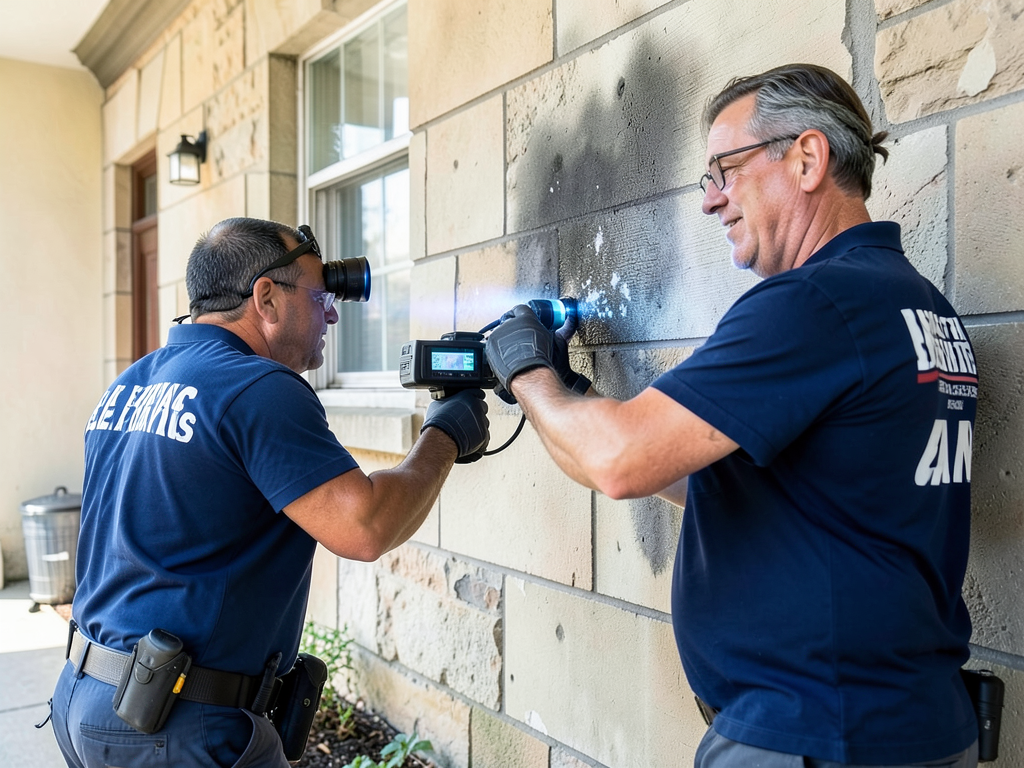
Professional teams use moisture meters that detect water behind walls, thermal cameras to find hidden leaks, and industrial dehumidifiers that remove gallons of moisture per day. They also document everything for insurance, which speeds up claims.
Frequently Asked Questions
Does my neighbor have to pay for my ceiling if their tub overflows?
It depends on negligence. If they left the water running and walked away, their HO-6 liability coverage may pay. If the overflow was accidental and they acted reasonably, the HOA’s master policy might cover it, minus the deductible.
What if the leak started in a common wall?
The HOA’s master policy covers common elements, but you may still owe the deductible. Check your bylaws to see if the cost is assessed to the unit of origin or split among owners.
Can I refuse entry to a restoration crew?
In an emergency, the HOA can authorize entry to prevent further damage. Refusing access could make you liable for additional damage to other units.
How long do I have to report water damage?
Report it immediately. Most insurance policies require prompt notification, and delays can void coverage. Mold can start in 48-72 hours.
Will my rates go up if I file a claim?
Possibly. Multiple claims in a short period can trigger rate increases or non-renewal. That’s why prevention and early detection matter.
Call (314) 428-9977 for Emergency Water Mitigation in Lafayette Square
Water damage in a condo moves fast. Within hours, it can spread to neighboring units, create mold, and trigger complex insurance disputes. Our team understands Lafayette Square’s historic buildings, HOA protocols, and Missouri condo law. We arrive within 60 minutes, document everything for your claim, and work directly with your HOA board to get approvals quickly.
Don’t wait until the damage doubles. Pick up the phone and call (314) 428-9977 before the next storm hits or the next pipe bursts. We’ll stop the water, dry your unit, and help you understand exactly who pays for what.
Learn how we handle mold in historic buildings or understand the insurance process before disaster strikes.
You may also find this helpful. Why Your Jennings Rental Property Needs a Professional Moisture Inspection Between Tenants.
{
“@context”: “https://schema.org”,
“@type”: “BlogPosting”,
“headline”: “Navigating Water Damage Responsibilities in Lafayette Square Condos and Shared Buildings”,
“description”: “Understand who pays for water damage in Lafayette Square condos. Learn Missouri condo law, insurance policies, and emergency steps to protect your property.”,
“wordCount”: 1404,
“datePublished”: “2026-03-25T11:17:00.000Z”,
“dateModified”: “2026-03-25T11:17:00.000Z”,
“inLanguage”: “en-US”,
“mainEntityOfPage”: {
“@type”: “WebPage”,
“@id”: “https://patriotwaterdamagerestorationstlouis.com”
},
“publisher”: {
“@type”: “LocalBusiness”,
“name”: “Patriot Water Damage Restoration St. Louis”,
“url”: “https://patriotwaterdamagerestorationstlouis.com”
},
“author”: {
“@type”: “Organization”,
“name”: “Patriot Water Damage Restoration St. Louis”,
“url”: “https://patriotwaterdamagerestorationstlouis.com”
},
“image”: {
“@type”: “ImageObject”,
“url”: “https://patriotwaterdamagerestorationstlouis.com/wp-content/uploads/2026/03/navigating-water-damage-responsibilities-in-lafaye-1.png”
}
}
{
“@context”: “https://schema.org”,
“@type”: “LocalBusiness”,
“name”: “Patriot Water Damage Restoration St. Louis”,
“url”: “https://patriotwaterdamagerestorationstlouis.com”,
“address”: {
“@type”: “PostalAddress”,
“addressLocality”: “St. Louis”
},
“areaServed”: {
“@type”: “City”,
“name”: “St. Louis”
}
}
{
“@context”: “https://schema.org”,
“@type”: “FAQPage”,
“mainEntity”: [
{
“@type”: “Question”,
“name”: “Who Pays the Master Policy Deductible?”,
“acceptedAnswer”: {
“@type”: “Answer”,
“text”: “This is where most condo owners get surprised. If a pipe bursts in a common wall and causes $8,000 in damage, but the HOA’s master policy has a $5,000 deductible, someone has to pay that $5,000. Some HOAs pass it to the unit where the leak originated. Others split it among all owners. Your bylaws will specify.”
}
},
{
“@type”: “Question”,
“name”: “Does my neighbor have to pay for my ceiling if their tub overflows?”,
“acceptedAnswer”: {
“@type”: “Answer”,
“text”: “It depends on negligence. If they left the water running and walked away, their HO-6 liability coverage may pay. If the overflow was accidental and they acted reasonably, the HOA’s master policy might cover it, minus the deductible.”
}
},
{
“@type”: “Question”,
“name”: “What if the leak started in a common wall?”,
“acceptedAnswer”: {
“@type”: “Answer”,
“text”: “The HOA’s master policy covers common elements, but you may still owe the deductible. Check your bylaws to see if the cost is assessed to the unit of origin or split among owners.”
}
},
{
“@type”: “Question”,
“name”: “Can I refuse entry to a restoration crew?”,
“acceptedAnswer”: {
“@type”: “Answer”,
“text”: “In an emergency, the HOA can authorize entry to prevent further damage. Refusing access could make you liable for additional damage to other units.”
}
},
{
“@type”: “Question”,
“name”: “How long do I have to report water damage?”,
“acceptedAnswer”: {
“@type”: “Answer”,
“text”: “Report it immediately. Most insurance policies require prompt notification, and delays can void coverage. Mold can start in 48-72 hours.”
}
},
{
“@type”: “Question”,
“name”: “Will my rates go up if I file a claim?”,
“acceptedAnswer”: {
“@type”: “Answer”,
“text”: “Possibly. Multiple claims in a short period can trigger rate increases or non-renewal. That’s why prevention and early detection matter.”
}
}
]
}
{
“@context”: “https://schema.org”,
“@type”: “BreadcrumbList”,
“itemListElement”: [
{
“@type”: “ListItem”,
“position”: 1,
“name”: “Home”,
“item”: “https://patriotwaterdamagerestorationstlouis.com”
},
{
“@type”: “ListItem”,
“position”: 2,
“name”: “Blog”,
“item”: “https://patriotwaterdamagerestorationstlouis.com/blog”
},
{
“@type”: “ListItem”,
“position”: 3,
“name”: “Navigating Water Damage Responsibilities in Lafayette Square Condos and Shared Buildings”
}
]
}
{
“@context”: “https://schema.org”,
“@type”: “Service”,
“serviceType”: “Water Damage Restoration”,
“provider”: {
“@type”: “LocalBusiness”,
“name”: “Patriot Water Damage Restoration St. Louis”,
“url”: “https://patriotwaterdamagerestorationstlouis.com”
},
“areaServed”: {
“@type”: “City”,
“name”: “St. Louis”
},
“description”: “Understand who pays for water damage in Lafayette Square condos. Learn Missouri condo law, insurance policies, and emergency steps to protect your property.”
}