
Understanding Professional Structural Drying Methods
Water damage restoration requires more than just removing standing water. Professional structural drying uses specialized equipment and techniques to extract moisture from building materials like wood, drywall, and concrete. In St. Louis, where humidity levels often exceed 70% during summer months, choosing the right drying method can mean the difference between a fully restored home and ongoing moisture problems that lead to mold growth. How to Get Your St. Louis Home Insurance to Actually Pay for Water Damage.
Heat drying and air moving represent two distinct approaches to structural drying. Heat drying uses elevated temperatures to accelerate evaporation from wet materials, while air moving relies on high-velocity airflow to promote evaporation and remove moisture-laden air. Both methods follow the same scientific principles of psychrometrics but apply them differently based on the specific conditions of each water damage situation. Professional Water Extraction and Drying for St. Charles Residents.
The critical window for effective drying begins within the first 24 to 48 hours after water intrusion. During this period, materials absorb water rapidly, and the risk of secondary damage increases exponentially. Professional restoration teams in St. Louis must consider local factors like the region’s clay soil composition, which can affect foundation moisture levels, and the proximity to the Mississippi and Missouri Rivers, which influences local humidity patterns.
Understanding these drying methods helps homeowners make informed decisions when working with restoration professionals. The choice between heat drying and air moving depends on factors like the category of water damage, the affected materials, the extent of saturation, and the specific environmental conditions in your St. Louis home.. Read more about A Safety Checklist for Moving Your Family Back Home After a Major Flood.
The Science Behind Structural Drying
Psychrometrics forms the foundation of all professional drying methods. This branch of engineering studies the physical and thermodynamic properties of gas-vapor mixtures, specifically how temperature, humidity, and air movement interact to facilitate moisture removal from building materials.
Water exists in three states: solid, liquid, and vapor. When materials become wet, water molecules bond to the material’s surface through adhesion and are absorbed into the material’s structure through absorption. Professional drying methods work by breaking these bonds and converting liquid water into vapor that can be removed from the structure.
The rate of evaporation depends on several factors working together. Higher temperatures increase the kinetic energy of water molecules, making them more likely to escape the material’s surface. Lower humidity in the surrounding air creates a vapor pressure differential that pulls moisture from the material. Increased air movement removes the boundary layer of moisture-saturated air directly above the wet surface, allowing more evaporation to occur.
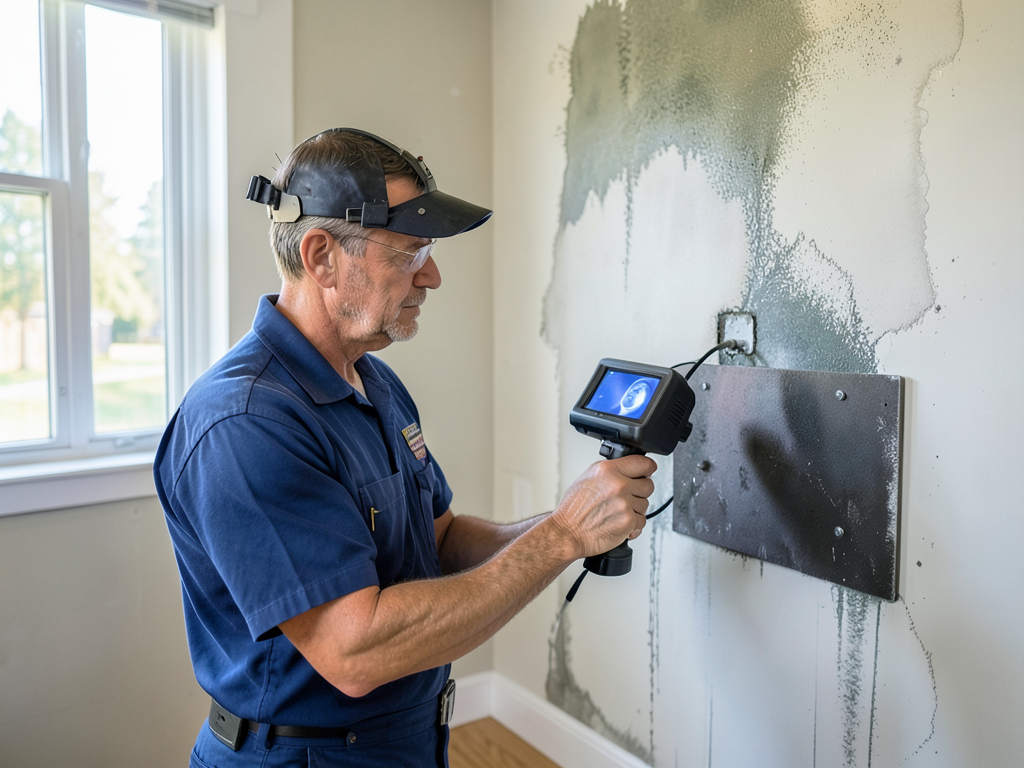
Professional restoration teams use moisture meters and thermal imaging cameras to identify hidden moisture pockets that homeowners cannot see. These tools detect moisture levels within walls, under flooring, and in ceiling cavities. The data collected guides the drying strategy and helps determine when materials have reached acceptable moisture content levels.
In St. Louis, the local climate presents unique challenges for structural drying. The region’s high summer dew points often exceed 70 degrees Fahrenheit, meaning the air already contains substantial moisture. This condition requires more aggressive dehumidification strategies and longer drying times compared to drier climates.
Core Structural Drying Methods Explained
Professional restoration companies employ several core drying methods, each with specific applications and advantages. Understanding these methods helps homeowners appreciate the complexity of water damage restoration and why professional equipment is necessary.
Conventional air moving represents the most common drying approach. This method uses high-velocity air movers positioned strategically around the affected area to create airflow across wet surfaces. The constant air movement promotes evaporation by continuously replacing moisture-laden air with drier air from the surrounding environment. This method works well for surface-level moisture and materials with good air permeability like carpet and drywall.
Low Grain Refrigerant (LGR) dehumidification complements air moving by removing moisture from the air. LGR units cool air below its dew point, causing water vapor to condense into liquid water that collects in a reservoir or drains away. These units can achieve lower humidity ratios than conventional dehumidifiers, making them essential for deep drying in St. Louis’s humid climate. Removing Mold from Historic Central West End Homes Without Damaging the Architecture.
Desiccant dehumidification uses moisture-absorbing materials like silica gel to extract water vapor from the air. This method works effectively in cold environments where refrigerant-based systems lose efficiency. Desiccant units can achieve extremely low humidity levels, making them valuable for specialized applications like drying hardwood flooring or documents.
Directed heat drying applies controlled heat to accelerate evaporation from wet materials. This method uses specialized heating equipment to raise material temperatures to 85-120 degrees Fahrenheit, significantly increasing the vapor pressure of trapped water. The elevated temperatures speed up the drying process, often reducing drying times by 50% or more compared to conventional methods.
Heat drying proves particularly effective for dense materials like concrete, hardwood, and plaster that resist moisture removal through conventional methods. The increased temperature helps break the strong hydrogen bonds that hold water within these materials’ cellular structures. Efflorescence on Concrete.
Specialized Equipment and Technology
Professional restoration requires specialized equipment that goes far beyond household fans and dehumidifiers. The technology used by certified technicians can detect, extract, and remove moisture with precision that prevents secondary damage.
High-velocity air movers create airflow velocities of 1,500 to 3,000 feet per minute. These units draw minimal power while moving substantial volumes of air. Technicians position them at specific angles to walls and floors to maximize the boundary layer effect, where the moving air directly contacts wet surfaces.. Read more about Keeping Your Pets Safe and Stress-Free While a Water Restoration Crew is in Your Home.
HEPA air scrubbers filter airborne contaminants during the drying process. Water damage often releases particulates, mold spores, and other allergens into the air. These units capture particles as small as 0.3 microns, maintaining air quality and preventing cross-contamination between affected and unaffected areas. EPA Mold Guidelines.
Infrared thermal imaging cameras detect temperature variations that indicate moisture presence. Wet materials conduct heat differently than dry materials, creating thermal patterns visible to infrared sensors. This technology allows technicians to identify hidden moisture without destructive testing, saving time and preventing unnecessary damage to building materials.
Moisture meters use electrical resistance or radio frequency to measure moisture content in materials. Pin-type meters insert small probes into materials to measure electrical conductivity, while pinless meters scan surfaces without penetration. These tools provide quantitative data that guides the drying process and documents when materials reach acceptable moisture levels.
Professional-grade dehumidifiers process 150 to 300 pints of water per day, compared to household units that handle 30 to 70 pints. These machines include features like automatic pump-out systems, digital controls for precise humidity management, and rugged construction for continuous operation in harsh conditions.
The St. Louis Climate Factor
St. Louis’s geographic location creates specific challenges for structural drying that restoration professionals must address. The city sits at the confluence of the Mississippi and Missouri Rivers, creating a microclimate with higher humidity levels than inland areas at similar latitudes.
Summer humidity in St. Louis often reaches levels that slow natural evaporation. When outdoor air contains 70-80% relative humidity, conventional drying methods struggle to create the vapor pressure differential necessary for rapid moisture removal. This condition requires more aggressive dehumidification and longer drying times.
The region’s clay soil presents another challenge. Missouri clay expands when wet and contracts when dry, creating pressure on foundations that can cause cracks and allow water intrusion. This soil type also retains moisture for extended periods, creating a constant source of humidity that affects basement and crawl space environments.
St. Louis experiences temperature extremes that affect drying strategies. Summer heat waves can accelerate surface drying but may trap moisture within materials if not managed properly. Winter freeze-thaw cycles can cause hidden damage as frozen water expands within materials, creating pathways for future moisture intrusion.
Local building styles also influence drying approaches. Many St. Louis homes feature brick veneer construction, which can trap moisture against walls if not properly ventilated. Older homes with plaster walls require gentler drying methods than modern drywall construction, as rapid moisture removal can cause plaster to crack or separate from its backing.
Professional restoration teams in St. Louis must adapt their strategies based on seasonal conditions. Summer projects often require more dehumidification capacity and longer drying times, while winter projects may need supplemental heating to maintain optimal drying temperatures.
Monitoring and Documentation Process
Professional structural drying follows a systematic monitoring process that ensures complete moisture removal and provides documentation for insurance purposes. This process involves daily measurements, moisture mapping, and data logging that tracks the drying progress.
Moisture mapping creates a visual representation of affected areas and tracks moisture levels throughout the drying process. Technicians use moisture meters to collect data points across affected surfaces, creating a map that shows the extent of water migration and identifies areas requiring focused drying efforts.
Daily moisture readings document the progress of the drying process. Technicians record moisture content in materials, relative humidity levels in the air, and temperature readings in affected and unaffected areas. This data helps determine if drying goals are being met and whether equipment adjustments are necessary.
Dry standards establish the target moisture levels for different materials. Wood typically requires moisture content below 16% for indoor use, while drywall should test below 12% moisture content. These standards vary by material type and local climate conditions, with St. Louis’s humid environment requiring slightly higher acceptable levels than desert regions.
Dry goals represent the specific moisture levels technicians aim to achieve in each material type. These goals consider the material’s normal moisture content, the extent of initial saturation, and the material’s sensitivity to rapid moisture changes. Achieving dry goals prevents secondary damage like warping, cracking, or mold growth.
Professional restoration companies maintain detailed documentation that includes moisture readings, equipment placement diagrams, daily progress reports, and before-and-after photographs. This documentation supports insurance claims and demonstrates compliance with industry standards like the IICRC S500, which governs water damage restoration practices. IICRC S500 Standard.
Comparing Heat Drying and Air Moving Methods
Heat drying and air moving each offer distinct advantages depending on the specific water damage scenario. Understanding these differences helps restoration professionals select the most effective approach for each situation.
| Characteristic | Heat Drying | Air Moving |
|---|---|---|
| Primary Mechanism | Temperature elevation | Airflow velocity |
| Typical Drying Time | 24-72 hours | 48-96 hours |
| Energy Consumption | High | Moderate |
| Best For | Dense materials, cold environments | Surface moisture, permeable materials |
| Risk Factors | Material damage, energy costs | Mold growth, incomplete drying |
| Equipment Mobility | Less mobile | Highly mobile |
Heat drying excels in situations involving dense materials like concrete, hardwood flooring, or plaster walls. The elevated temperatures increase the vapor pressure of water trapped within these materials, accelerating moisture removal. This method proves particularly valuable in St. Louis during winter months when ambient temperatures slow conventional drying methods.
Air moving methods work best for surface-level moisture and materials with good air permeability. Carpet, drywall, and insulation respond well to high-velocity airflow. This approach requires less energy than heat drying and poses fewer risks of material damage, making it the preferred method for many residential water damage situations.
Combination approaches often provide the best results. Restoration professionals frequently use heat drying to accelerate moisture removal from dense materials while employing air movers and dehumidifiers to manage humidity levels and prevent secondary damage. This integrated approach maximizes efficiency while minimizing risks.
The choice between methods also depends on the water category involved. Clean water from supply line breaks responds well to conventional air moving methods. Gray water from appliance overflows may require more aggressive heat drying to ensure complete sanitization. Black water from sewage backups often necessitates removal and replacement of affected materials rather than drying attempts.
Professional Certification and Standards
Professional water damage restoration follows established standards that ensure safe and effective practices. The Institute of Inspection Cleaning and Restoration Certification (IICRC) develops these standards, with the S500 standard specifically addressing water damage restoration procedures.
The IICRC S500 standard requires restoration professionals to follow specific procedures for water damage assessment, extraction, drying, and documentation. This standard mandates the use of moisture detection equipment, establishes drying verification procedures, and outlines safety protocols for handling contaminated water.
Applied Structural Drying (ASD) certification represents the highest level of training in water damage restoration. Technicians with ASD certification understand advanced drying concepts, psychrometrics, and equipment operation. They can develop comprehensive drying plans that address complex water damage scenarios.
Water Damage Restoration Technician (WRT) certification provides foundational training in water damage restoration principles. WRT-certified technicians understand water categories, drying fundamentals, and basic safety procedures. Many restoration companies require this certification for all field technicians.
St. Louis County requires specific licensing for contractors performing water damage restoration. The Metropolitan Sewer District (MSD) maintains regulations governing drainage and water management that affect restoration practices, particularly for properties with drainage issues or sewer backups.
Professional restoration companies maintain insurance coverage that includes pollution liability, which protects homeowners from liability related to mold or other contaminants released during the restoration process. This coverage demonstrates the company’s commitment to professional standards and customer protection.
Common Mistakes in DIY Drying Attempts
Homeowners often attempt to dry water damage using household fans and dehumidifiers, but this approach frequently leads to incomplete drying and secondary damage. Understanding these common mistakes helps homeowners recognize when professional help is necessary.
Insufficient airflow represents the most common DIY mistake. Household fans move air at velocities of 200-400 feet per minute, while professional air movers achieve 1,500-3,000 feet per minute. This difference in airflow dramatically affects evaporation rates and drying times.
Hidden moisture pockets often escape DIY detection. Water migrates through building materials via capillary action, traveling far beyond visible wet areas. Without moisture detection equipment, homeowners cannot identify these hidden moisture sources that continue causing damage long after surface water appears dry.
Inadequate dehumidification allows humidity levels to remain elevated during the drying process. High humidity slows evaporation and creates conditions favorable for mold growth. Professional-grade dehumidifiers remove moisture more efficiently than household units, maintaining optimal drying conditions.
Improper equipment placement reduces drying effectiveness. Professional technicians position equipment based on airflow patterns, material permeability, and moisture concentration. Random placement of household fans often creates dead zones where moisture persists.
Insufficient drying time leads to recurring moisture problems. Materials may feel dry to the touch while retaining moisture within their structure. Professional moisture meters detect this retained moisture, ensuring complete drying before restoration work begins.
St. Louis’s high humidity environment makes DIY drying particularly challenging. The region’s summer dew points often exceed 70 degrees Fahrenheit, meaning outdoor air contains substantial moisture that household dehumidifiers struggle to remove effectively.
When to Call Professional Restoration Services
Recognizing when water damage requires professional restoration helps prevent extensive property damage and health hazards. Several factors indicate the need for professional intervention rather than DIY approaches.
Water volume exceeding 10-15 square feet typically requires professional equipment and techniques. Large affected areas need multiple air movers and dehumidifiers working together, along with moisture detection equipment to ensure complete drying.
Category 2 or 3 water damage requires professional handling due to contamination risks. Gray water from washing machines or dishwashers contains bacteria and chemicals that require specialized cleaning and sanitization. Black water from sewage backups poses serious health hazards that demand professional remediation.
Hidden moisture behind walls, under flooring, or in ceiling cavities requires professional detection equipment. Thermal imaging cameras and moisture meters identify these hidden moisture sources that homeowners cannot see but continue causing damage.
Structural materials like hardwood flooring, plaster walls, or concrete require specialized drying techniques. These materials resist moisture removal through conventional methods and may sustain damage if improper drying techniques are used.
Time factors also influence the decision to call professionals. Water damage occurring while homeowners are away or during overnight hours benefits from immediate professional response, as the critical 24-48 hour window for effective drying begins immediately.
Insurance coverage often requires professional restoration to maintain claim validity. Many policies specify that water damage must be mitigated by qualified professionals to qualify for coverage, making professional intervention necessary regardless of damage extent.
Cost Factors in Professional Drying Services
Professional water damage restoration costs vary based on several factors, but understanding these factors helps homeowners anticipate expenses and recognize the value of professional services.
Damage extent directly affects restoration costs. Small areas requiring minimal equipment cost less than whole-house situations requiring extensive equipment deployment and monitoring. The square footage of affected area provides the primary cost basis for most restoration projects.
Water category influences costs due to contamination handling requirements. Clean water from supply line breaks costs less to address than contaminated water requiring specialized cleaning, sanitization, and personal protective equipment.
Material types affect restoration complexity and costs. Hardwood flooring, custom cabinetry, and historic plaster require specialized drying techniques that increase labor costs. Standard materials like carpet and drywall typically cost less to restore.
Response time impacts costs through damage extent. Rapid response limits damage spread and reduces restoration needs, while delayed response allows water migration and secondary damage that increases restoration complexity and costs.
Equipment requirements vary by project scope. Simple air moving setups cost less than comprehensive systems including heat drying, desiccant dehumidification, and air scrubbing equipment. The specific equipment mix depends on the water damage category and affected materials.
St. Louis’s market conditions affect pricing, with restoration costs typically higher during peak storm seasons when demand increases. Off-season water damage may cost less due to lower demand and greater equipment availability.
Preventing Future Water Damage
Understanding water damage prevention helps homeowners protect their St. Louis properties from future incidents. Several preventive measures reduce the risk of water damage and minimize potential losses.
Regular plumbing inspections identify potential failure points before they cause damage. Checking supply lines, drain pipes, and fixtures for signs of wear or corrosion allows for proactive replacement of vulnerable components. Who to Call When Your Pipes Burst in Kirkwood This Winter.
Appliance maintenance prevents common water damage sources. Washing machine hoses should be replaced every 3-5 years, while water heater tanks require annual flushing to prevent sediment buildup that can cause premature failure.
Roof maintenance protects against storm-related water intrusion. Regular inspections identify damaged shingles, deteriorated flashing, or compromised sealants that allow water entry during heavy rains common to St. Louis’s storm season.
Foundation drainage systems prevent groundwater intrusion. Properly functioning gutters, downspouts, and French drains direct water away from foundations, reducing hydrostatic pressure that can force water through basement walls.
Sump pump maintenance ensures protection during heavy rains. Testing pumps quarterly and installing battery backup systems provides protection when primary power fails during storms.
Water detection systems provide early warning of leaks. Smart water sensors placed near appliances, under sinks, and in basements alert homeowners to water presence before extensive damage occurs.
Insurance review ensures adequate coverage for water damage scenarios. Understanding policy limitations regarding flood damage, sewer backups, and gradual leaks helps homeowners obtain appropriate coverage for their specific risks.
Frequently Asked Questions
How long does professional structural drying take?
Professional structural drying typically requires 3-5 days for moderate water damage, though severe cases may need 7-10 days. The timeline depends on water category, affected materials, and environmental conditions. St. Louis’s high humidity can extend drying times compared to drier climates.
Can I dry water damage myself with fans and dehumidifiers?
Small, clean water spills on hard surfaces may dry adequately with household equipment. However, water penetrating building materials requires professional-grade equipment and techniques. DIY attempts often leave hidden moisture that causes mold growth and structural damage within 48-72 hours.
What’s the difference between heat drying and regular drying?
Heat drying uses elevated temperatures to accelerate moisture removal from dense materials like concrete and hardwood. Regular drying relies on airflow and dehumidification for surface moisture removal. Heat drying typically reduces drying times by 50% but requires specialized equipment and monitoring.
How do I know when materials are completely dry?
Professional moisture meters provide quantitative measurements showing when materials reach acceptable moisture content levels. Visual inspection and touch cannot reliably detect retained moisture within materials. Professional restoration includes daily moisture monitoring until materials meet established dry standards.
Will my insurance cover water damage restoration?
Most homeowner insurance policies cover sudden, accidental water damage from sources like burst pipes or appliance failures. Coverage typically excludes gradual leaks, flood damage, and sewer backups without specific endorsements. Professional restoration companies often assist with insurance documentation and claims processes.
How much does professional water damage restoration cost?
Restoration costs vary widely based on damage extent, water category, and affected materials. Minor incidents may cost $1,000-$3,000, while extensive damage can exceed $10,000. Most companies provide free inspections and estimates to determine specific project costs.
What should I do immediately after discovering water damage?
Stop the water source if possible, remove valuables from affected areas, and contact your insurance company. Avoid walking through standing water due to electrical hazards. Professional restoration services offer 24/7 emergency response to begin mitigation within the critical first 24 hours.
How can I prevent mold growth after water damage?
Rapid moisture removal within 24-48 hours prevents most mold growth. Professional restoration uses antimicrobial treatments, maintains proper humidity levels during drying, and monitors for mold indicators. Complete drying and proper ventilation are essential for mold prevention.
Conclusion
Professional structural drying requires specialized knowledge, equipment, and techniques that go far beyond household approaches to water damage. Heat drying and air moving represent two distinct but complementary methods that restoration professionals select based on specific damage conditions, material types, and environmental factors.
St. Louis’s unique climate and building characteristics create specific challenges for water damage restoration. High summer humidity, clay soil composition, and temperature extremes require restoration professionals to adapt their approaches and often combine multiple drying methods for optimal results.
The critical window for effective water damage restoration begins within the first 24-48 hours after water intrusion. During this period, rapid response and proper technique can prevent extensive damage, while delays often lead to secondary issues like mold growth, structural damage, and increased restoration costs.
Professional restoration follows established standards like the IICRC S500, which governs safe and effective water damage practices. Certified technicians use moisture detection equipment, maintain detailed documentation, and employ systematic monitoring to ensure complete moisture removal and prevent recurring problems.
Understanding these professional drying methods helps homeowners make informed decisions when water damage occurs. While DIY approaches may seem cost-effective initially, incomplete drying often leads to more extensive and expensive damage over time. Professional restoration provides the expertise and equipment necessary to restore properties completely and prevent future moisture problems.
When water damage affects your St. Louis home, don’t wait for problems to multiply. Call (314) 428-9977 today to schedule your inspection and begin the professional drying process that protects your property and your health.
Water damage doesn’t wait, and neither should you. Pick up the phone and call (314) 428-9977 before the next storm hits. Our certified technicians are ready to respond 24/7 with the equipment and expertise your home needs.
{
“@context”: “https://schema.org”,
“@type”: “BlogPosting”,
“headline”: “Heat Drying versus Air Moving — Comparing Professional Structural Drying Methods”,
“description”: “Learn how heat drying and air moving differ in professional water damage restoration. Discover which method works best for St. Louis homes and why timing matters.”,
“wordCount”: 3808,
“datePublished”: “2026-05-08T11:37:00.000Z”,
“dateModified”: “2026-05-08T11:37:00.000Z”,
“inLanguage”: “en-US”,
“mainEntityOfPage”: {
“@type”: “WebPage”,
“@id”: “https://patriotwaterdamagerestorationstlouis.com”
},
“publisher”: {
“@type”: “LocalBusiness”,
“name”: “Patriot Water Damage Restoration St. Louis”,
“url”: “https://patriotwaterdamagerestorationstlouis.com”
},
“author”: {
“@type”: “Organization”,
“name”: “Patriot Water Damage Restoration St. Louis”,
“url”: “https://patriotwaterdamagerestorationstlouis.com”
},
“image”: {
“@type”: “ImageObject”,
“url”: “https://patriotwaterdamagerestorationstlouis.com/wp-content/uploads/2026/03/heat-drying-versus-air-moving-comparing-profession-1.png”
}
}
{
“@context”: “https://schema.org”,
“@type”: “LocalBusiness”,
“name”: “Patriot Water Damage Restoration St. Louis”,
“url”: “https://patriotwaterdamagerestorationstlouis.com”,
“address”: {
“@type”: “PostalAddress”,
“addressLocality”: “St. Louis”
},
“areaServed”: {
“@type”: “City”,
“name”: “St. Louis”
}
}
{
“@context”: “https://schema.org”,
“@type”: “FAQPage”,
“mainEntity”: [
{
“@type”: “Question”,
“name”: “How long does professional structural drying take?”,
“acceptedAnswer”: {
“@type”: “Answer”,
“text”: “Professional structural drying typically requires 3-5 days for moderate water damage, though severe cases may need 7-10 days. The timeline depends on water category, affected materials, and environmental conditions. St. Louis’s high humidity can extend drying times compared to drier climates.”
}
},
{
“@type”: “Question”,
“name”: “Can I dry water damage myself with fans and dehumidifiers?”,
“acceptedAnswer”: {
“@type”: “Answer”,
“text”: “Small, clean water spills on hard surfaces may dry adequately with household equipment. However, water penetrating building materials requires professional-grade equipment and techniques. DIY attempts often leave hidden moisture that causes mold growth and structural damage within 48-72 hours.”
}
},
{
“@type”: “Question”,
“name”: “What’s the difference between heat drying and regular drying?”,
“acceptedAnswer”: {
“@type”: “Answer”,
“text”: “Heat drying uses elevated temperatures to accelerate moisture removal from dense materials like concrete and hardwood. Regular drying relies on airflow and dehumidification for surface moisture removal. Heat drying typically reduces drying times by 50% but requires specialized equipment and monitoring.”
}
},
{
“@type”: “Question”,
“name”: “How do I know when materials are completely dry?”,
“acceptedAnswer”: {
“@type”: “Answer”,
“text”: “Professional moisture meters provide quantitative measurements showing when materials reach acceptable moisture content levels. Visual inspection and touch cannot reliably detect retained moisture within materials. Professional restoration includes daily moisture monitoring until materials meet established dry standards.”
}
},
{
“@type”: “Question”,
“name”: “Will my insurance cover water damage restoration?”,
“acceptedAnswer”: {
“@type”: “Answer”,
“text”: “Most homeowner insurance policies cover sudden, accidental water damage from sources like burst pipes or appliance failures. Coverage typically excludes gradual leaks, flood damage, and sewer backups without specific endorsements. Professional restoration companies often assist with insurance documentation and claims processes.”
}
},
{
“@type”: “Question”,
“name”: “How much does professional water damage restoration cost?”,
“acceptedAnswer”: {
“@type”: “Answer”,
“text”: “Restoration costs vary widely based on damage extent, water category, and affected materials. Minor incidents may cost $1,000-$3,000, while extensive damage can exceed $10,000. Most companies provide free inspections and estimates to determine specific project costs.”
}
},
{
“@type”: “Question”,
“name”: “What should I do immediately after discovering water damage?”,
“acceptedAnswer”: {
“@type”: “Answer”,
“text”: “Stop the water source if possible, remove valuables from affected areas, and contact your insurance company. Avoid walking through standing water due to electrical hazards. Professional restoration services offer 24/7 emergency response to begin mitigation within the critical first 24 hours.”
}
},
{
“@type”: “Question”,
“name”: “How can I prevent mold growth after water damage?”,
“acceptedAnswer”: {
“@type”: “Answer”,
“text”: “Rapid moisture removal within 24-48 hours prevents most mold growth. Professional restoration uses antimicrobial treatments, maintains proper humidity levels during drying, and monitors for mold indicators. Complete drying and proper ventilation are essential for mold prevention.”
}
}
]
}
{
“@context”: “https://schema.org”,
“@type”: “BreadcrumbList”,
“itemListElement”: [
{
“@type”: “ListItem”,
“position”: 1,
“name”: “Home”,
“item”: “https://patriotwaterdamagerestorationstlouis.com”
},
{
“@type”: “ListItem”,
“position”: 2,
“name”: “Blog”,
“item”: “https://patriotwaterdamagerestorationstlouis.com/blog”
},
{
“@type”: “ListItem”,
“position”: 3,
“name”: “Heat Drying versus Air Moving — Comparing Professional Structural Drying Methods”
}
]
}
{
“@context”: “https://schema.org”,
“@type”: “Service”,
“serviceType”: “Water Damage Restoration”,
“provider”: {
“@type”: “LocalBusiness”,
“name”: “Patriot Water Damage Restoration St. Louis”,
“url”: “https://patriotwaterdamagerestorationstlouis.com”
},
“areaServed”: {
“@type”: “City”,
“name”: “St. Louis”
},
“description”: “Learn how heat drying and air moving differ in professional water damage restoration. Discover which method works best for St. Louis homes and why timing matters.”
}