
How to Find a Water Damage Expert in St. Louis Who Can Show Up Within the Hour
When water floods your home in St. Louis, every minute counts. The difference between saving your hardwood floors and replacing them entirely often comes down to response time. A certified water damage expert who can arrive within 60 minutes makes all the difference between a quick recovery and a costly disaster.. Read more about What to Do When Your Sump Pump Fails During a St. Louis Thunderstorm.
St. Louis homeowners face unique challenges from our clay-heavy soil, aging infrastructure, and unpredictable Midwest weather. When a pipe bursts or a storm overwhelms your sump pump, you need someone who understands these local conditions and can respond immediately.. Read more about How to Get Your St. Louis Home Insurance to Actually Pay for Water Damage.
The right expert brings more than just a truck and fans. They bring IICRC certification, industrial-grade extraction equipment, and experience with St. Louis-specific issues like combined sewer backups and foundation seepage from our expansive Missouri clay. EPA mold prevention guidelines.
What Makes a True Emergency Water Damage Expert in St. Louis
Not all restoration companies are created equal. A genuine emergency expert operates 24/7 with local technicians who can reach your neighborhood within the critical first hour. They maintain fully stocked vehicles ready to deploy at a moment’s notice.. Read more about Maryland Heights Emergency Water Extraction for Apartments and Condos.
Look for companies that employ certified technicians through the Institute of Inspection Cleaning and Restoration Certification (IICRC). These professionals understand the science behind water migration, structural drying, and mold prevention. They know that Category 3 water from sewer backups requires different protocols than clean water from a broken supply line. IICRC industry standards.
Local expertise matters tremendously. A company familiar with St. Louis County building codes, MSD regulations, and the specific challenges of neighborhoods like Chesterfield, Kirkwood, and University City can work more efficiently and avoid costly mistakes.
The Critical First 60 Minutes: What to Expect
When you call for emergency water damage help, here’s what should happen within the first hour. First, a live person answers your call and assesses the situation. They ask about the water source, affected areas, and any safety concerns like electrical hazards or structural damage.. Read more about Professional Water Extraction and Drying for St. Charles Residents.
Next, a technician dispatches from the nearest available crew. In St. Louis, this typically means someone from your general area already familiar with local traffic patterns and neighborhood layouts. They arrive with extraction equipment, moisture meters, and the tools needed to begin immediate mitigation.
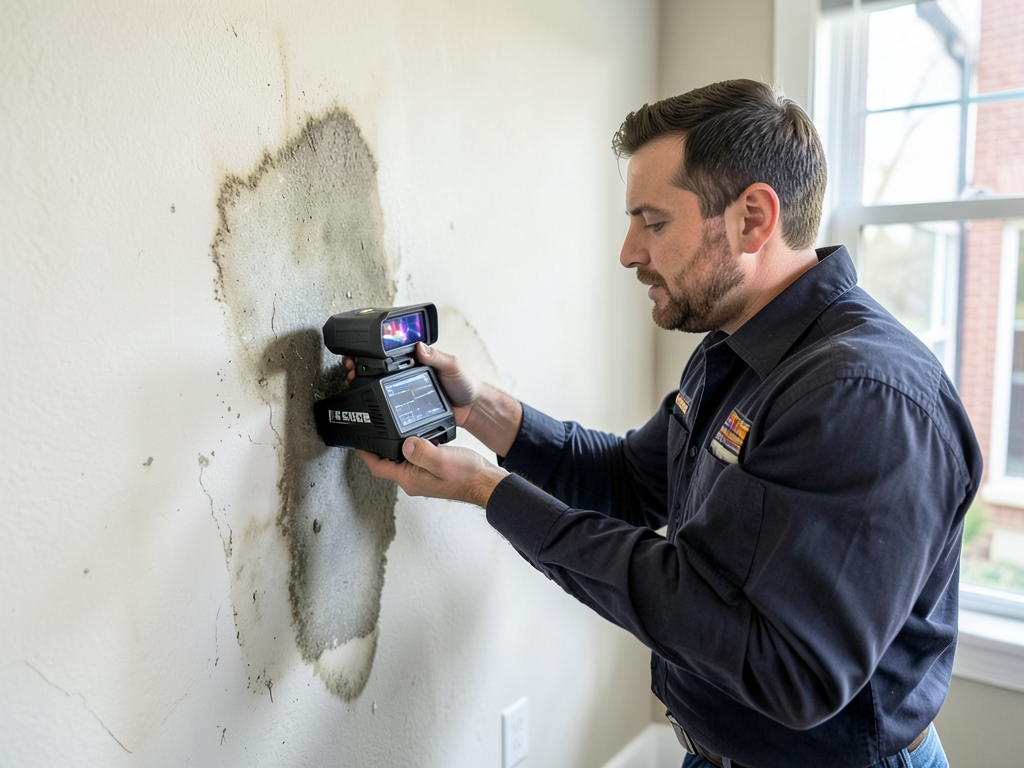
Upon arrival, the expert conducts a rapid assessment using thermal imaging cameras and moisture meters to identify hidden water pockets. They establish containment zones to prevent cross-contamination and begin water extraction immediately. Every minute of delay increases the risk of secondary damage like mold growth or structural weakening.. Read more about Discreet and Rapid Water Restoration for Ladue Estates.
Essential Equipment for Rapid Response
Professional water damage restoration requires specialized equipment that most homeowners don’t have access to. Industrial-grade truck-mounted extractors can remove hundreds of gallons per hour, far exceeding what portable shop vacs can handle.. Read more about Storm Damage and Roof Leak Restoration for Wildwood Properties.
High-velocity air movers create the airflow necessary to evaporate moisture from materials. These aren’t your typical box fans – they move air at speeds that can dry a soaked carpet pad in hours rather than days. Professional-grade dehumidifiers then remove the moisture from the air, preventing it from redepositing into materials.
Moisture detection equipment like thermal imaging cameras and penetrating moisture meters help identify water that has traveled behind walls or under flooring. This technology is crucial because visible water often represents just a fraction of the total moisture present in a flooded structure.
Understanding St. Louis Water Damage Categories
Water damage falls into three categories based on contamination levels. Category 1 involves clean water from broken pipes or rainwater. Category 2 includes gray water with some contamination like washing machine overflow. Category 3 involves black water with pathogens, including sewage backups and floodwater.. Read more about The First Three Things You Must Do if Your Ballwin Basement Floods.
In St. Louis, Category 3 incidents are unfortunately common due to our aging sewer infrastructure. When heavy rains overwhelm the combined sewer-stormwater system, basements can flood with contaminated water that requires specialized cleanup procedures and personal protective equipment.
The category determines the cleanup protocol, disposal methods, and whether materials can be salvaged. Category 3 water typically requires removing and replacing porous materials like carpet, drywall, and insulation to ensure proper sanitation and prevent health hazards.
Common St. Louis Water Damage Scenarios
St. Louis homeowners face several recurring water damage situations. Sump pump failures during heavy rains are extremely common, especially in neighborhoods with high water tables like those near the Meramec and Missouri Rivers. When power outages coincide with storms, backup systems fail and basements flood rapidly.
Burst pipes during winter freeze-thaw cycles affect many older St. Louis homes with aging plumbing. The clay soil around foundations expands and contracts, putting pressure on pipes until they fail. These breaks often occur in walls or under slabs where water can travel unnoticed for hours.
Roof leaks from severe thunderstorms cause attic and ceiling damage throughout the metro area. High winds drive rain under damaged flashing or through compromised shingles. By the time water appears on your ceiling, it may have already saturated insulation and structural members above.
The Restoration Process Step by Step
Professional water damage restoration follows a systematic process that begins the moment technicians arrive. First comes emergency contact and assessment, where the scope of damage gets documented for both restoration planning and insurance purposes.
Water removal follows immediately using powerful extractors. This step prevents further absorption and reduces drying time. The faster water gets removed, the better the chances of saving structural materials and contents.
Drying and dehumidification comes next. Industrial air movers create evaporation while dehumidifiers remove moisture from the air. This process typically takes 3-5 days depending on the extent of saturation and the materials involved.
Cleaning and sanitizing addresses any contamination and prevents mold growth. This includes antimicrobial treatments, HEPA vacuuming, and odor removal. The final step involves restoration, which may range from minor repairs to major reconstruction depending on the damage severity.
Insurance Navigation and Documentation
A reputable water damage expert helps navigate the insurance process, which can be overwhelming during an emergency. They document damage thoroughly using photos, moisture readings, and detailed reports that insurance adjusters require for claim approval.
Many professionals work directly with insurance companies, handling paperwork and communication on your behalf. This service proves invaluable when you’re dealing with the stress of displacement and property loss.
Understanding your policy coverage before disaster strikes helps avoid surprises. Most homeowner policies cover sudden water damage from internal sources but may exclude flood damage or gradual leaks. Your restoration expert can help explain what’s covered and what documentation insurance companies need.
Preventing Future Water Damage
After experiencing water damage, prevention becomes a top priority. Regular maintenance of your home’s water management systems can prevent many common issues. This includes testing your sump pump quarterly, cleaning gutters and downspouts, and inspecting your roof annually.
Consider installing water detection alarms in high-risk areas like basements, near water heaters, and under sinks. These devices can alert you to leaks before they cause extensive damage, especially useful for second homes or when you’re away for extended periods.
Proper grading around your foundation helps direct water away from your home. The ground should slope away from your foundation at a rate of at least 6 inches over the first 10 feet. This simple landscaping adjustment can prevent many basement flooding issues.
Questions to Ask Before Hiring
When choosing a water damage expert, ask specific questions to ensure you’re getting qualified help. First, verify their IICRC certification and ask about their experience with similar damage types in St. Louis homes.
Ask about their average response time and whether they guarantee arrival within a specific timeframe. A company that can’t commit to one-hour response times may not be equipped for true emergency service.
Inquire about their equipment inventory and whether they own their tools or rent them. Companies with substantial investment in their own equipment typically provide more reliable service than those that rent as needed.
Request references from recent local jobs and ask if they can provide before-and-after photos of similar damage scenarios. This documentation helps verify their expertise and the quality of their work.
Cost Factors and What to Expect
Water damage restoration costs vary significantly based on several factors. The water category plays a major role – clean water cleanup costs much less than sewage contamination that requires specialized safety protocols and material removal.
The extent of damage affects pricing, with larger affected areas requiring more equipment, labor, and time. Materials also impact cost; hardwood floors require specialized drying techniques while carpet may need complete replacement.
Emergency response timing influences pricing as well. Services needed during nights, weekends, or holidays typically carry premium rates. However, the cost of immediate response often pales compared to the expense of secondary damage from delayed mitigation.
Most reputable companies provide free estimates and can often give you a general cost range based on the initial assessment. They should explain their pricing structure and what factors might cause costs to increase or decrease.
Why Local Expertise Matters in St. Louis
St. Louis presents unique challenges that out-of-town companies often don’t understand. Our clay soil expands when wet and contracts when dry, creating pressure on foundations that can cause cracks and allow water intrusion. Local experts recognize these patterns and know how to address them effectively.
The metro area’s varied architecture, from historic brick homes in Soulard to modern constructions in Chesterfield, requires different approaches. A company experienced with your specific home type can work more efficiently and avoid damaging sensitive materials.
Local companies understand St. Louis weather patterns and how they affect water damage scenarios. They know that our spring thunderstorms often bring high winds that drive rain under compromised roofing, and they’re prepared for the resulting attic and ceiling damage.
Red Flags to Watch For
Be wary of companies that pressure you to make immediate decisions or demand large upfront payments before work begins. Reputable restoration professionals provide clear contracts and don’t rush you into commitments during an already stressful situation.
Avoid companies that can’t provide proof of insurance, licensing, or IICRC certification. These credentials protect you and ensure the work meets industry standards. Also be cautious of door-to-door contractors who appear after widespread flooding events.
Watch for vague pricing or companies unwilling to provide written estimates. Professional restoration services should be transparent about their pricing structure and what factors influence the final cost.
Preparing for the Restoration Team
While waiting for the expert to arrive, you can take several steps to minimize damage and ensure safety. First, if it’s safe to do so, shut off the water source causing the flooding. This might mean turning off the main water valve or stopping an overflowing appliance.
Turn off electricity to affected areas if water has reached electrical outlets or devices. Water and electricity create serious hazards that emergency responders need to address immediately upon arrival.
Move valuable items, documents, and electronics to dry areas if you can do so safely. However, don’t spend time moving furniture if it means delaying your call to the restoration expert.
Document the damage with photos or videos for insurance purposes. This documentation proves invaluable later when filing claims and can help the restoration team understand the full scope of damage before they arrive.
Long-term Recovery and Prevention
Water damage recovery extends beyond the initial drying process. Many homeowners discover issues weeks or months later if proper restoration procedures weren’t followed. That’s why choosing an expert who guarantees their work and provides detailed documentation matters so much.
Follow-up inspections ensure that all moisture has been removed and that no mold growth has begun. Professional moisture meters can detect hidden dampness that might not be visible to the naked eye but could cause problems later.
Consider upgrades to prevent future incidents. This might include installing a battery backup for your sump pump, upgrading old plumbing, or improving your home’s drainage systems. Your restoration expert can recommend specific improvements based on what caused your particular incident.
The Value of Professional Restoration
Attempting DIY water damage restoration often leads to bigger problems. Without proper equipment and expertise, homeowners frequently miss hidden moisture that causes mold growth, structural damage, and indoor air quality issues months later.
Professional restoration not only addresses visible damage but also prevents secondary issues that can cost significantly more to repair. The investment in expert service typically pays for itself through prevented damage and preserved property value.
Most importantly, professional restoration gives you peace of mind. Knowing that certified technicians have properly dried, cleaned, and restored your home allows you to focus on getting your life back to normal rather than worrying about hidden problems.
Take Action Now
Water damage waits for no one. When disaster strikes in St. Louis, you need an expert who can respond within the hour, not tomorrow or next week. The longer water sits, the more damage it causes and the more expensive the restoration becomes.
Don’t wait until you’re standing in water to find a qualified restoration expert. Research companies now, save their contact information, and know who to call when minutes matter most.
Ready to protect your home with rapid-response water damage expertise? Call (314) 428-9977 today to speak with a St. Louis water damage specialist who can arrive within 60 minutes. Our certified technicians serve all St. Louis neighborhoods and understand the unique challenges our area presents. Don’t let water damage escalate – make the call that could save your home.
Frequently Asked Questions
How quickly should a water damage expert arrive in an emergency?
A true emergency water damage expert should arrive within 60 minutes of your call. This rapid response is critical because water continues causing damage every minute it remains in your home. The first hour often determines whether materials can be saved or must be replaced.
What certifications should I look for in a water damage restoration company?
Look for IICRC (Institute of Inspection Cleaning and Restoration Certification) credentials. This certification ensures technicians understand proper water damage protocols, safety procedures, and industry standards. Also verify they carry appropriate insurance and licensing for your state and municipality.
Will my homeowner’s insurance cover water damage restoration?
Most policies cover sudden, accidental water damage from internal sources like burst pipes. However, they often exclude flood damage, gradual leaks, and sewer backups. Your restoration expert can help document damage and communicate with your insurance company, but always review your specific policy details beforehand.
How much does emergency water damage restoration typically cost?
Costs vary widely based on water category, damage extent, and required services. Clean water from a broken pipe might cost $1,000-$4,000 to restore, while sewage contamination could range from $5,000-$15,000 or more. Most companies provide free estimates after initial assessment.
You may also find this helpful. Why Webster Groves Families Trust Us for Emergency Mold Remediation.
{
“@context”: “https://schema.org”,
“@type”: “BlogPosting”,
“headline”: “How to Find a Water Damage Expert in St. Louis Who Can Show Up Within the Hour”,
“description”: “Need water damage help now in St. Louis? Learn how to find a certified expert who can arrive within 60 minutes and handle everything from extraction to insurance claims.”,
“wordCount”: 2436,
“datePublished”: “2026-02-18T13:35:00.000Z”,
“dateModified”: “2026-02-18T13:35:00.000Z”,
“inLanguage”: “en-US”,
“mainEntityOfPage”: {
“@type”: “WebPage”,
“@id”: “https://patriotwaterdamagerestorationstlouis.com”
},
“publisher”: {
“@type”: “LocalBusiness”,
“name”: “Patriot Water Damage Restoration St. Louis”,
“url”: “https://patriotwaterdamagerestorationstlouis.com”
},
“author”: {
“@type”: “Organization”,
“name”: “Patriot Water Damage Restoration St. Louis”,
“url”: “https://patriotwaterdamagerestorationstlouis.com”
},
“image”: {
“@type”: “ImageObject”,
“url”: “https://patriotwaterdamagerestorationstlouis.com/wp-content/uploads/2026/03/how-to-find-a-water-damage-expert-in-st-louis-who-1.png”
}
}
{
“@context”: “https://schema.org”,
“@type”: “LocalBusiness”,
“name”: “Patriot Water Damage Restoration St. Louis”,
“url”: “https://patriotwaterdamagerestorationstlouis.com”,
“address”: {
“@type”: “PostalAddress”,
“addressLocality”: “St. Louis”
},
“areaServed”: {
“@type”: “City”,
“name”: “St. Louis”
}
}
{
“@context”: “https://schema.org”,
“@type”: “FAQPage”,
“mainEntity”: [
{
“@type”: “Question”,
“name”: “How quickly should a water damage expert arrive in an emergency?”,
“acceptedAnswer”: {
“@type”: “Answer”,
“text”: “A true emergency water damage expert should arrive within 60 minutes of your call. This rapid response is critical because water continues causing damage every minute it remains in your home. The first hour often determines whether materials can be saved or must be replaced.”
}
},
{
“@type”: “Question”,
“name”: “What certifications should I look for in a water damage restoration company?”,
“acceptedAnswer”: {
“@type”: “Answer”,
“text”: “Look for IICRC (Institute of Inspection Cleaning and Restoration Certification) credentials. This certification ensures technicians understand proper water damage protocols, safety procedures, and industry standards. Also verify they carry appropriate insurance and licensing for your state and municipality.”
}
},
{
“@type”: “Question”,
“name”: “Will my homeowner’s insurance cover water damage restoration?”,
“acceptedAnswer”: {
“@type”: “Answer”,
“text”: “Most policies cover sudden, accidental water damage from internal sources like burst pipes. However, they often exclude flood damage, gradual leaks, and sewer backups. Your restoration expert can help document damage and communicate with your insurance company, but always review your specific policy details beforehand.”
}
},
{
“@type”: “Question”,
“name”: “How much does emergency water damage restoration typically cost?”,
“acceptedAnswer”: {
“@type”: “Answer”,
“text”: “Costs vary widely based on water category, damage extent, and required services. Clean water from a broken pipe might cost $1,000-$4,000 to restore, while sewage contamination could range from $5,000-$15,000 or more. Most companies provide free estimates after initial assessment.”
}
}
]
}
{
“@context”: “https://schema.org”,
“@type”: “BreadcrumbList”,
“itemListElement”: [
{
“@type”: “ListItem”,
“position”: 1,
“name”: “Home”,
“item”: “https://patriotwaterdamagerestorationstlouis.com”
},
{
“@type”: “ListItem”,
“position”: 2,
“name”: “Blog”,
“item”: “https://patriotwaterdamagerestorationstlouis.com/blog”
},
{
“@type”: “ListItem”,
“position”: 3,
“name”: “How to Find a Water Damage Expert in St. Louis Who Can Show Up Within the Hour”
}
]
}
{
“@context”: “https://schema.org”,
“@type”: “Service”,
“serviceType”: “Water Damage Restoration”,
“provider”: {
“@type”: “LocalBusiness”,
“name”: “Patriot Water Damage Restoration St. Louis”,
“url”: “https://patriotwaterdamagerestorationstlouis.com”
},
“areaServed”: {
“@type”: “City”,
“name”: “St. Louis”
},
“description”: “Need water damage help now in St. Louis? Learn how to find a certified expert who can arrive within 60 minutes and handle everything from extraction to insurance claims.”
}