
How to Stop Water from Seeping Through Your Foundation Walls in The Hill
Water seeping through your foundation walls in The Hill is not just a nuisance—it’s a warning sign of deeper structural issues. The Hill’s historic brick homes, built in the early 1900s, sit on Missouri clay that expands when wet and contracts when dry. This constant movement puts lateral pressure on your foundation, forcing water through hairline cracks. You need to act now before mold grows, wood rots, and your home’s value drops. This guide explains the exact causes, how to spot the difference between condensation and seepage, and the proven solutions that work in St. Louis soil conditions. St. Louis County Building Code.
Why The Hill’s Foundations Are Vulnerable to Seepage
The Hill’s brick masonry foundations were built before modern waterproofing standards existed. These walls sit directly on clay soil that holds moisture like a sponge. When heavy St. Louis rains hit, the clay expands, pushing against your foundation walls with tremendous force—a phenomenon called hydrostatic pressure. This pressure forces water through the smallest cracks, mortar joints, and even porous brick. The freeze-thaw cycles common in Missouri winters make these cracks worse each year. You’re not just dealing with water; you’re dealing with a failing structural system that needs immediate attention. How to Get Your St. Louis Home Insurance to Actually Pay for Water Damage.
Close-up of efflorescence on brick foundation wall showing white mineral deposits from water seepage
Identifying Seepage vs. Condensation
Many homeowners mistake condensation for foundation seepage. Here’s how to tell the difference: Seepage leaves mineral deposits called efflorescence—a white, powdery residue on your walls. It also creates damp spots that grow larger after rain. Condensation appears uniformly on cold surfaces and disappears when humidity drops. To test for seepage, tape a 12-inch square of aluminum foil to your basement wall. Wait 24 hours. If the outside of the foil is wet but the wall behind it stays dry, you have condensation. If the wall behind the foil is damp, you have seepage. This simple test saves you from wasting money on the wrong solution. EPA Mold Guidelines.
Interior Seepage Solutions for The Hill Homes
Interior solutions stop water that’s already entering your basement. The most effective method is interior perimeter drainage. This involves cutting a channel around your basement floor, installing perforated pipe, and connecting it to a sump pump. The system collects water before it reaches your living space and pumps it away from your foundation. For existing cracks, polyurethane injection works best on The Hill’s older brick. The material expands up to 30 times its volume, filling every void and creating a flexible seal that moves with your foundation. Unlike epoxy, polyurethane won’t crack when Missouri clay shifts. Professional Water Extraction and Drying for St. Charles Residents.
Exterior Waterproofing Methods That Last
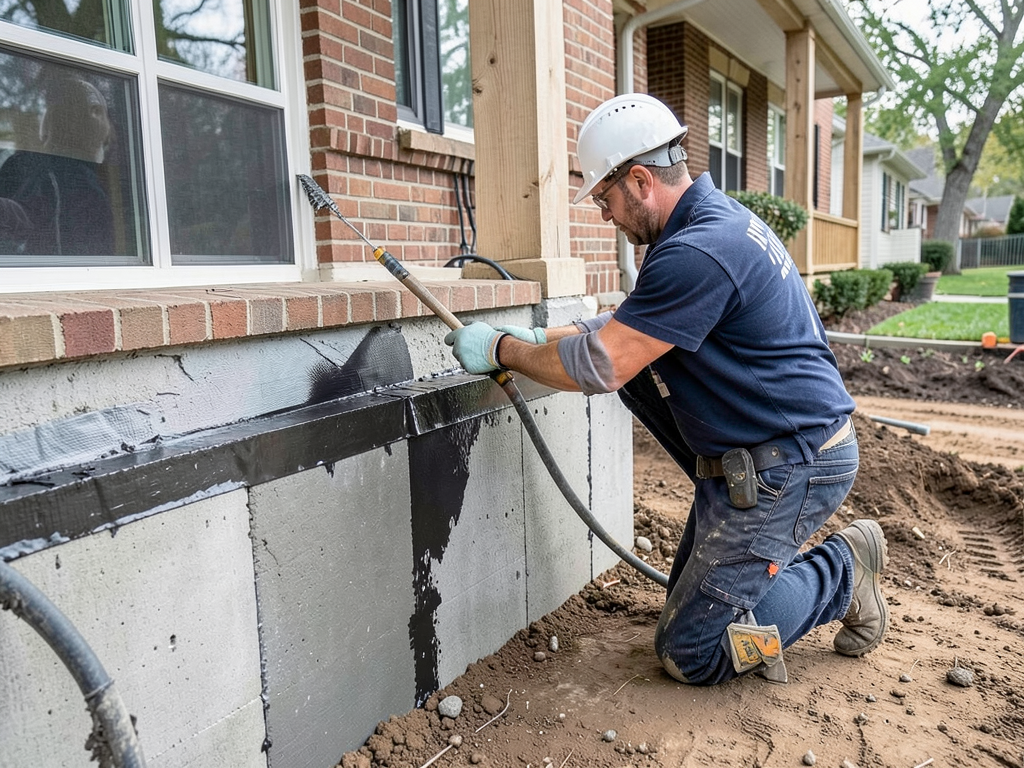
Exterior waterproofing stops water before it reaches your foundation. This process requires excavating around your home to the footer level—typically 6 to 8 feet deep in The Hill. Once exposed, the foundation gets cleaned and inspected for cracks. A waterproofing membrane gets applied, followed by a drainage board that directs water down and away. Perforated drain tile gets installed at the footer level and connected to a storm sewer or daylight drain. The trench gets backfilled with gravel, not clay. This method comes with a transferable lifetime warranty because it addresses the root cause, not just the symptoms. Water Damage Restoration Manchester.
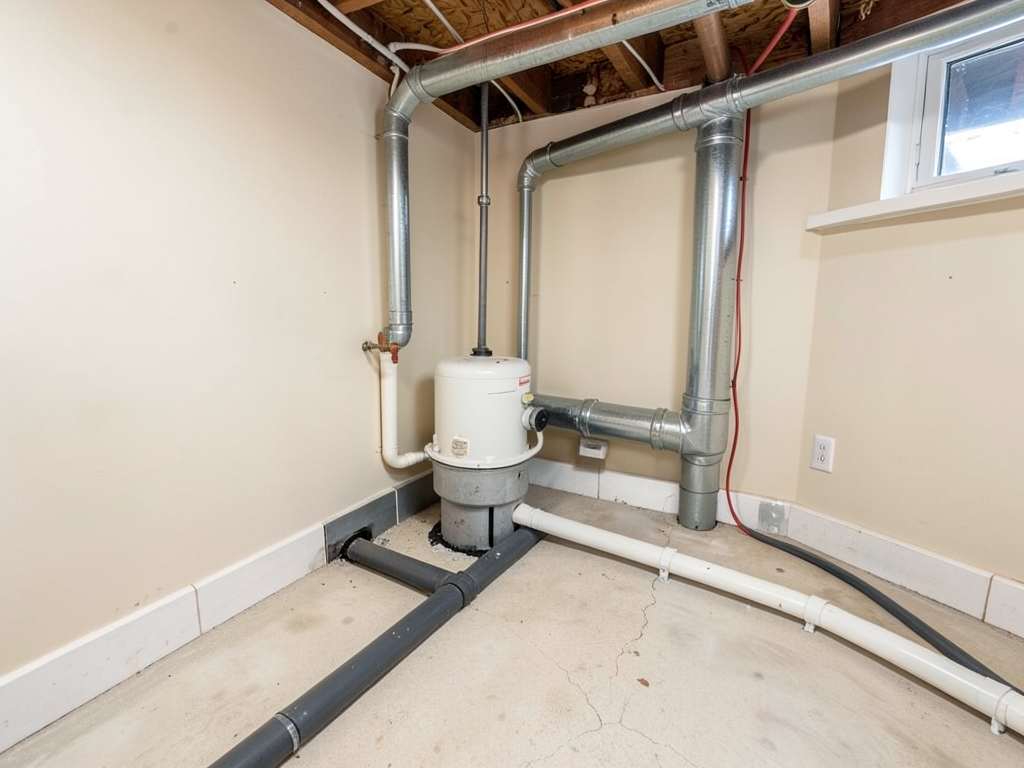
Technician installing interior perimeter drain system with perforated pipe and sump pump in St. Louis basement
The Impact of St. Louis Weather on Foundations
St. Louis receives about 42 inches of rain annually, with most falling during spring thunderstorms. These intense rain events overwhelm gutters and saturate soil quickly. The Mississippi River basin’s flat terrain means water has nowhere to go, creating standing water around foundations for days. When temperatures drop below freezing, this water expands by 9% as it turns to ice, widening existing cracks. The cycle repeats every year, gradually destroying your foundation’s integrity. Homes in The Hill, built on relatively flat lots near the river valley, experience the worst of this cycle.. Read more about How to Tell if the Stains on Your Ellendale Foundation Are Active Leaks or Old Damage.
Cost Analysis and ROI for Foundation Repair
Interior drainage systems in The Hill typically cost between $5,000 and $12,000 depending on basement size and the number of sump pumps needed. Exterior waterproofing runs $8,000 to $20,000 due to excavation costs and the need to preserve historic brickwork. While these numbers seem high, consider the alternative: a flooded basement destroys flooring, drywall, and stored belongings. Mold remediation alone costs $3,000 to $6,000. Foundation repairs become exponentially more expensive if you wait. A dry basement also increases your home’s value by 10-15% and makes it easier to sell in St. Louis’s competitive market. Removing Mold from Historic Central West End Homes Without Damaging the Architecture.
Emergency vs. Maintenance Situations
You need immediate help if you see active water flowing, hear trickling sounds during rain, or notice mold growth. These are emergencies that require 24/7 response. For maintenance situations, look for damp spots that appear after heavy rain, musty odors, or white efflorescence on walls. These indicate developing problems but give you time to plan repairs. The key difference: emergencies threaten your home’s structure and your family’s health right now. Maintenance issues cost less to fix if addressed early but will become emergencies if ignored. Efflorescence on Concrete.
Grading and Gutter Maintenance Checklist
Before investing in expensive waterproofing, check these basics that solve 60% of seepage problems:
- Ensure soil slopes away from your foundation at 6 inches per 10 feet
- Clean gutters twice yearly and check for proper downspout discharge
- Extend downspouts at least 5 feet from your foundation
- Remove mulch or soil that touches your siding
- Check for and repair any plumbing leaks inside your home
These simple steps often stop minor seepage and buy you time to plan permanent solutions.
Professional Assessment: What to Expect
A qualified foundation specialist should perform a thorough inspection before recommending any solution. They’ll check your foundation’s exterior for cracks, measure interior wall movement with a laser level, test soil moisture content, and inspect your current drainage systems. They should provide a written assessment with photos and explain why they recommend specific solutions. Be wary of companies that recommend expensive exterior work without first checking if simpler interior solutions would work. A good contractor will offer multiple options with clear cost-benefit analyses.
Foundation Crack Injection: Epoxy vs. Polyurethane
Choosing between epoxy and polyurethane depends on your crack type and foundation material. Epoxy works best on structural cracks in poured concrete—it creates a rigid bond stronger than the surrounding concrete. Polyurethane excels on older brick and mortar joints because it remains flexible after curing. In The Hill’s shifting clay soil, flexibility matters. Polyurethane also works on active leaks because it can be injected under pressure while water is still flowing. The material chases the water into every crack and crevice, creating a watertight seal from the inside out.
Sump Pump Failure and Backup Solutions
Your sump pump is only as reliable as its power source. During St. Louis thunderstorms, power often fails just when you need pumping most. A battery backup system keeps your pump running for 24-48 hours without grid power. For complete protection, consider a water-powered backup that uses municipal water pressure to pump out your sump. These systems work even during extended power outages. Test your primary pump monthly by pouring water into the sump pit. If it doesn’t activate within 30 seconds, call for service before the next storm hits.
Building Code Requirements for Foundation Waterproofing
St. Louis County requires foundation waterproofing for all new construction and major renovations under Section 1805 of the International Building Code. This code mandates a minimum 6-mil polyethylene vapor barrier on below-grade walls and proper drainage systems that direct water away from foundations. For historic districts like The Hill, repairs must comply with the Secretary of the Interior’s Standards for Rehabilitation, which means preserving original materials whenever possible. Any excavation near public sidewalks or streets requires permits from the St. Louis City Department of Transportation. These regulations protect both your investment and the character of your neighborhood.
Technician using moisture meter to test foundation wall for active water infiltration in St. Louis basement
Frequently Asked Questions
How long does foundation waterproofing take?
Interior systems install in 2-3 days. Exterior waterproofing takes 1-2 weeks including excavation and restoration. Weather and soil conditions can extend timelines.
Will waterproofing fix existing mold?
No. Waterproofing stops new water entry but doesn’t remove existing mold. You need separate mold remediation after waterproofing is complete.
Can I waterproof my foundation myself?
DIY solutions like hydraulic cement only work on very small, isolated leaks. They fail when hydrostatic pressure builds. Professional systems address the underlying cause.
How do I know if my foundation needs repair or replacement?
Minor cracks and seepage need repair. Bowing walls over 1 inch, horizontal cracks, or multiple active leaks often require foundation replacement or major structural work.
What warranty should I expect?
Quality waterproofing comes with 10-25 year warranties on materials and 1-5 year warranties on labor. Transferable lifetime warranties indicate contractor confidence in their work.
Take Action Before Your Foundation Fails
Water seeping through your foundation walls in The Hill isn’t just an inconvenience—it’s a structural emergency in progress. Every month you wait, the damage compounds and repair costs multiply. The unique combination of historic brick construction, Missouri clay soil, and St. Louis weather creates a perfect storm for foundation failure. You need a solution that addresses your specific situation, not generic advice that doesn’t account for your home’s age or soil conditions.
Patriot Water Damage Restoration understands The Hill’s unique foundation challenges. Our technicians have restored hundreds of historic St. Louis homes, working within historic district guidelines while providing modern waterproofing solutions. We offer free inspections with detailed assessments, not high-pressure sales pitches. Our work comes with transferable warranties because we stand behind every job.
Don’t wait for the next heavy rain to flood your basement. Call (314) 428-9977 today to schedule your inspection. We’ll show you exactly what’s causing your seepage and provide clear options to fix it permanently. Pick up the phone now—your foundation can’t wait.. Read more about Why Your Walk-Out Basement in Hi-Pointe is Vulnerable to Heavy Rain Runoff.
Areas we serve in The Hill and surrounding St. Louis neighborhoods: The Hill (63110, 63139), Dogtown (63110), Forest Park Southeast (63110), Central West End (63108), Tower Grove (63110)
You may also find this helpful. What to Do When Your Swimming Pool Leak Starts Affecting Your Town and Country Foundation.
You may also find this helpful. Why Clean Gutters are the Best Defense Against Basement Seepage in Hazelwood.
{
“@context”: “https://schema.org”,
“@type”: “BlogPosting”,
“headline”: “How to Stop Water from Seeping Through Your Foundation Walls in The Hill”,
“description”: “Learn why older St. Louis brick foundations in The Hill leak and how to fix them. Patriot Water Damage Restoration offers expert solutions. Call (314) 428-9977.”,
“wordCount”: 1734,
“datePublished”: “2026-06-02T06:01:00.000Z”,
“dateModified”: “2026-06-02T06:01:00.000Z”,
“inLanguage”: “en-US”,
“mainEntityOfPage”: {
“@type”: “WebPage”,
“@id”: “https://patriotwaterdamagerestorationstlouis.com”
},
“publisher”: {
“@type”: “LocalBusiness”,
“name”: “Patriot Water Damage Restoration St. Louis”,
“url”: “https://patriotwaterdamagerestorationstlouis.com”
},
“author”: {
“@type”: “Organization”,
“name”: “Patriot Water Damage Restoration St. Louis”,
“url”: “https://patriotwaterdamagerestorationstlouis.com”
},
“image”: {
“@type”: “ImageObject”,
“url”: “https://patriotwaterdamagerestorationstlouis.com/wp-content/uploads/2026/03/how-to-stop-water-from-seeping-through-your-founda-1.png”
}
}
{
“@context”: “https://schema.org”,
“@type”: “LocalBusiness”,
“name”: “Patriot Water Damage Restoration St. Louis”,
“url”: “https://patriotwaterdamagerestorationstlouis.com”,
“address”: {
“@type”: “PostalAddress”,
“addressLocality”: “St. Louis”
},
“areaServed”: {
“@type”: “City”,
“name”: “St. Louis”
}
}
{
“@context”: “https://schema.org”,
“@type”: “FAQPage”,
“mainEntity”: [
{
“@type”: “Question”,
“name”: “How long does foundation waterproofing take?”,
“acceptedAnswer”: {
“@type”: “Answer”,
“text”: “Interior systems install in 2-3 days. Exterior waterproofing takes 1-2 weeks including excavation and restoration. Weather and soil conditions can extend timelines.”
}
},
{
“@type”: “Question”,
“name”: “Will waterproofing fix existing mold?”,
“acceptedAnswer”: {
“@type”: “Answer”,
“text”: “No. Waterproofing stops new water entry but doesn’t remove existing mold. You need separate mold remediation after waterproofing is complete.”
}
},
{
“@type”: “Question”,
“name”: “Can I waterproof my foundation myself?”,
“acceptedAnswer”: {
“@type”: “Answer”,
“text”: “DIY solutions like hydraulic cement only work on very small, isolated leaks. They fail when hydrostatic pressure builds. Professional systems address the underlying cause.”
}
},
{
“@type”: “Question”,
“name”: “How do I know if my foundation needs repair or replacement?”,
“acceptedAnswer”: {
“@type”: “Answer”,
“text”: “Minor cracks and seepage need repair. Bowing walls over 1 inch, horizontal cracks, or multiple active leaks often require foundation replacement or major structural work.”
}
},
{
“@type”: “Question”,
“name”: “What warranty should I expect?”,
“acceptedAnswer”: {
“@type”: “Answer”,
“text”: “Quality waterproofing comes with 10-25 year warranties on materials and 1-5 year warranties on labor. Transferable lifetime warranties indicate contractor confidence in their work.”
}
}
]
}
{
“@context”: “https://schema.org”,
“@type”: “BreadcrumbList”,
“itemListElement”: [
{
“@type”: “ListItem”,
“position”: 1,
“name”: “Home”,
“item”: “https://patriotwaterdamagerestorationstlouis.com”
},
{
“@type”: “ListItem”,
“position”: 2,
“name”: “Blog”,
“item”: “https://patriotwaterdamagerestorationstlouis.com/blog”
},
{
“@type”: “ListItem”,
“position”: 3,
“name”: “How to Stop Water from Seeping Through Your Foundation Walls in The Hill”
}
]
}
{
“@context”: “https://schema.org”,
“@type”: “Service”,
“serviceType”: “Water Damage Restoration”,
“provider”: {
“@type”: “LocalBusiness”,
“name”: “Patriot Water Damage Restoration St. Louis”,
“url”: “https://patriotwaterdamagerestorationstlouis.com”
},
“areaServed”: {
“@type”: “City”,
“name”: “St. Louis”
},
“description”: “Learn why older St. Louis brick foundations in The Hill leak and how to fix them. Patriot Water Damage Restoration offers expert solutions. Call (314) 428-9977.”
}