
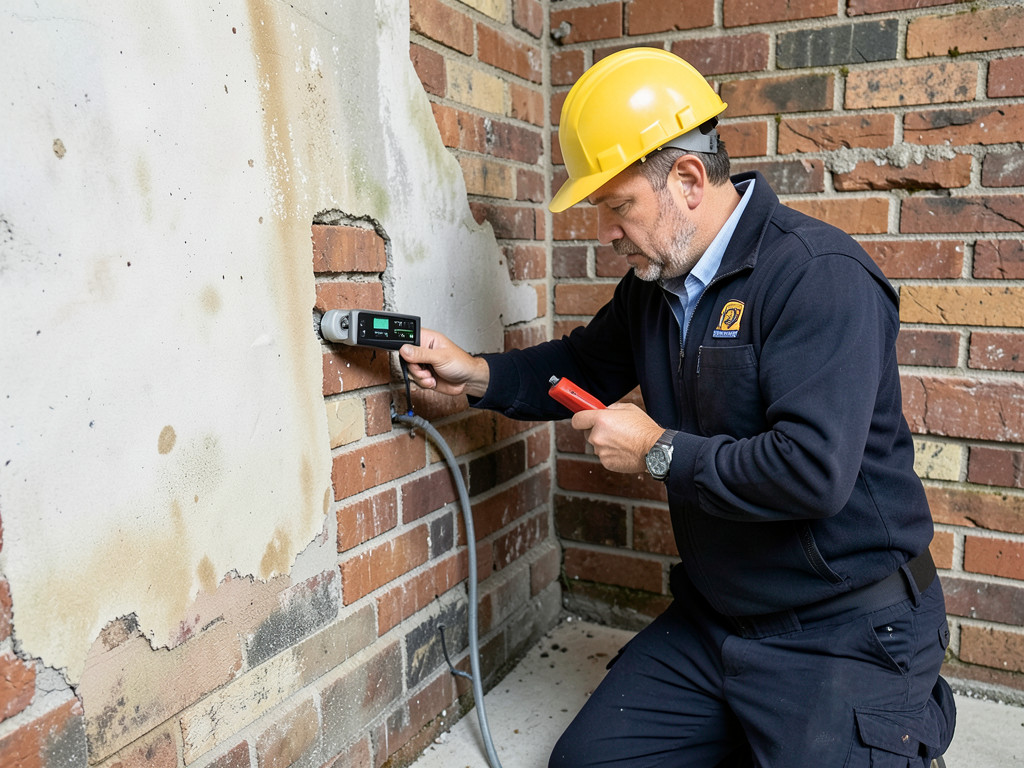
Managing Water Infiltration in the Unique Brick Foundations of Bevo Mill Homes
Water seeping through your basement walls isn’t just an inconvenience. It’s a warning sign that your historic Bevo Mill home’s foundation needs immediate attention. The soft red brick common in St. Louis homes built before 1920 absorbs moisture differently than modern concrete foundations. Using the wrong waterproofing method can actually accelerate damage to these century-old structures. How to Get Your St. Louis Home Insurance to Actually Pay for Water Damage.
Managing water infiltration in Bevo Mill’s historic brick foundations requires understanding the unique challenges of Missouri clay soil, the breathability needs of soft-fired brick, and the preservation standards that protect these architectural treasures. This guide explains why traditional waterproofing often fails and what actually works to keep your basement dry without destroying your home’s historic integrity. Removing Mold from Historic Central West End Homes Without Damaging the Architecture.
Why Bevo Mill Brick Foundations Need Special Treatment
The brick used in Bevo Mill homes from the early 1900s was fired at lower temperatures than modern brick. This creates a softer, more porous material that actually helps regulate moisture through its walls. When water hits these bricks, it can move through tiny capillaries and eventually evaporate, preventing the pressure buildup that causes spalling and cracking. Professional Water Extraction and Drying for St. Charles Residents.
However, this same breathability becomes a problem when groundwater from Missouri’s expansive clay soil creates hydrostatic pressure against foundation walls. The clay absorbs water and expands, pushing against brick walls that were never designed to handle such forces. This is why many Bevo Mill basements experience seasonal water issues even with no obvious cracks.. Read more about The Real Difference Between Foundation Cracks and Normal Settling in Your Fox Park Home.
Modern waterproofing methods often make this worse. Non-breathable sealants trap moisture inside the brick, causing the faces to pop off in a process called spalling. Portland cement mortars used in tuckpointing are too hard for soft brick and can actually crack the surrounding masonry as they expand and contract at different rates.
Understanding Hydrostatic Pressure in Missouri Clay
Missouri’s red clay soil holds water like a sponge. When it rains, the clay expands and creates pressure against foundation walls. This hydrostatic pressure can force water through even the smallest mortar joints or brick pores. The problem intensifies in Bevo Mill because many homes sit on slightly elevated ground where water naturally collects.
The freeze-thaw cycles common in St. Louis winters make this worse. Water trapped in brick pores expands when it freezes, creating tiny cracks that grow larger each year. This ice-wedge effect is particularly damaging to historic brick that already has micro-fractures from decades of temperature changes.. Read more about How Landscaping Changes Can Stop Your Ellendale Yard from Flooding Your Basement.
According to the International Building Code Section 1805.4, below-grade walls must resist lateral earth pressure. For historic brick foundations, this means the waterproofing solution must address both water intrusion and the structural forces pushing against the walls. International Building Code Section 1805.4.
Common Signs of Water Damage in Historic Brick
Efflorescence appears as a white powdery substance on brick surfaces. This is actually salt deposits left behind when water evaporates through the masonry. While not immediately dangerous, efflorescence indicates ongoing moisture movement that could lead to more serious problems. Efflorescence on Concrete.
Spalling occurs when brick faces flake off or pop away from the wall. This happens when moisture gets trapped behind a non-breathable coating or when freeze-thaw cycles cause internal pressure. Once spalling starts, it spreads quickly as more brick surface becomes exposed to the elements.. Read more about What to Do When Your Swimming Pool Leak Starts Affecting Your Town and Country Foundation.
Damp, musty odors in your basement signal active moisture problems. These smells come from mold and mildew growing in the damp conditions. The EPA recommends addressing moisture sources within 24-48 hours to prevent mold growth, which can begin in as little as 24 hours in St. Louis’s humid climate. EPA mold prevention guidelines.
Cracked or crumbling mortar joints allow water to penetrate deeper into the wall assembly. In Bevo Mill homes, many of these joints contain the original lime mortar, which is softer and more flexible than modern alternatives. This flexibility actually helps the wall handle minor movements without cracking.
Our 4-Step Historic Preservation Approach
Protecting your Bevo Mill home requires a preservation-first approach that respects the historic materials while solving modern moisture problems. Here’s our proven method:
- Comprehensive Assessment
We evaluate hydrostatic pressure levels, identify moisture entry points, and test existing mortar composition. This diagnostic step reveals whether water is entering through the walls, floor, or both.
- Lime-Based Tuckpointing
We replace damaged mortar with hydraulic lime mortar that matches the original in strength and flexibility. This breathable material allows moisture to move through without trapping it inside the wall.
- Breathable Vapor Barriers
We install dimple board membranes that create an air gap between the wall and any applied coating. This allows the brick to breathe while directing water to drainage systems.
- Exterior Drainage Solutions
We grade soil away from the foundation and install French drains where needed. Proper drainage reduces hydrostatic pressure before it reaches your basement walls.
Materials That Actually Work on Historic Brick
Silane-siloxane sealers penetrate deep into brick pores and create a water-repellent barrier without blocking vapor transmission. These breathable sealants maintain the brick’s ability to release moisture while preventing liquid water from entering. The best products have a vapor permeability rating above 10 perms.
Natural hydraulic lime (NHL) mortars come in different strengths for different applications. For most Bevo Mill foundations, NHL 3.5 provides the right balance of durability and flexibility. This material actually gets stronger over time as it absorbs carbon dioxide from the air.
Dimple board membranes create a physical separation between the wall and any waterproofing coating. The dimples allow air circulation and provide a drainage path for any water that penetrates the outer layer. This system prevents the hydrostatic pressure that causes most foundation failures.
French drains use perforated pipes surrounded by gravel to collect and redirect groundwater. In Bevo Mill’s clay soil, these systems often connect to sump pumps that actively remove collected water. The key is proper slope and placement to intercept water before it reaches your foundation. Who to Call When Your Pipes Burst in Kirkwood This Winter.
Interior vs. Exterior Waterproofing: What’s Right for Your Home
Exterior waterproofing addresses the source of water problems by stopping moisture before it reaches your foundation. This approach involves excavating around the foundation, applying waterproof coatings, and installing drainage systems. While more expensive upfront, exterior solutions often provide better long-term protection for historic homes.
Interior waterproofing manages water that has already entered your basement. This includes installing interior drainage systems, vapor barriers, and sump pumps. While less invasive, interior solutions don’t address the pressure building against your foundation walls from the outside.
For most Bevo Mill homes, a combined approach works best. Exterior drainage reduces hydrostatic pressure, while interior systems manage any remaining moisture. This dual strategy protects both your foundation and your finished basement space.
The choice between methods often depends on your home’s specific conditions. Homes with high water tables or poor exterior drainage may need exterior work regardless of interior conditions. Properties with finished basements might prioritize interior solutions to minimize disruption.
Cost Factors for Historic Foundation Waterproofing
Several factors influence the cost of waterproofing historic brick foundations in Bevo Mill. The extent of existing damage plays a major role. Homes with significant spalling or mortar deterioration need more extensive repairs before waterproofing can begin.
Accessibility affects pricing. Homes with limited exterior access or finished basements that restrict interior work often require more labor-intensive solutions. The need to preserve landscaping or historic features can also increase project complexity.
Material selection impacts both cost and effectiveness. Premium breathable sealants and lime mortars cost more than standard products but provide better long-term protection for historic brick. The investment often pays off through reduced maintenance and preserved home value.
Project timing can affect pricing. Many homeowners schedule waterproofing during dry seasons to minimize weather-related delays. However, addressing problems during wet seasons can reveal the full extent of water infiltration issues.
Preventing Future Water Problems
Proper grading around your foundation prevents water from pooling near basement walls. Soil should slope away from your home at a rate of 6 inches per 10 feet. This simple step often solves minor water infiltration issues without expensive waterproofing systems.
Gutter and downspout maintenance plays a crucial role in foundation protection. Clean gutters prevent overflow that saturates soil near your foundation. Downspouts should extend at least 5 feet from your home to direct water away from the foundation.
Regular inspections help catch problems early. Check your basement walls seasonally for new efflorescence, spalling, or moisture stains. Pay special attention after heavy rains or during seasonal transitions when freeze-thaw cycles are most active.
Maintaining proper humidity levels in your basement prevents condensation on cool masonry surfaces. Dehumidifiers keep humidity between 30-50%, reducing the risk of mold growth and protecting sensitive finishes in finished basement spaces.
Local Building Considerations
The City of St. Louis Cultural Resources Office oversees preservation standards for historic properties. Any exterior modifications to homes in designated historic districts must comply with these guidelines. This includes waterproofing work that affects visible foundation elements.
St. Louis County requires permits for most foundation waterproofing projects. The permit process ensures work meets current building codes while respecting historic preservation requirements. Licensed contractors familiar with local regulations can navigate this process efficiently.
MSD (Metropolitan Sewer District) regulations affect drainage system installations. French drains and sump pump discharge must comply with local stormwater management rules to prevent overloading municipal systems during heavy rains.
Historic district guidelines often require documentation of existing conditions before work begins. This protects homeowners by establishing baselines for any future preservation reviews or property assessments.
When to Call a Professional
DIY waterproofing often fails on historic brick foundations because homeowners lack the specialized knowledge needed for these unique materials. If you notice active water infiltration, significant efflorescence, or spalling brick, professional assessment becomes necessary.
Professional waterproofing contractors bring diagnostic tools that reveal hidden moisture problems. Moisture meters, infrared cameras, and pressure testing equipment identify issues that aren’t visible to the naked eye. This comprehensive assessment prevents costly mistakes from incomplete repairs.. Read more about The Hidden Hazards of Old Plumbing Traps in Historic McKinley Heights Homes.
Insurance considerations also favor professional work. Many homeowner policies exclude damage from improper DIY repairs. Professional contractors carry liability insurance and often provide warranties on their work, protecting your investment.
The complexity of historic preservation requirements makes professional expertise valuable. Contractors familiar with Bevo Mill’s architectural character understand how to balance waterproofing needs with preservation standards, avoiding costly violations or restoration mistakes.
Case Study: Bevo Mill Foundation Restoration
A 1920s Bevo Mill home experienced seasonal basement flooding despite previous waterproofing attempts. The homeowners noticed efflorescence on interior walls and occasional puddles during heavy rains. Initial inspection revealed soft brick with deteriorating lime mortar joints allowing water penetration.
The restoration team began with a comprehensive assessment using moisture meters and infrared imaging to map water infiltration patterns. They discovered that hydrostatic pressure from surrounding clay soil forced water through the weakest mortar joints, particularly near grade level.
Work proceeded in phases to minimize disruption. First, they replaced damaged mortar with NHL 3.5 lime mortar, carefully matching the original color and texture. Next, they installed a dimple board membrane on the exterior below grade, connecting to a French drain system.
The interior received a breathable silane-siloxane sealer to prevent moisture migration while allowing vapor transmission. A sump pump system with battery backup provided active water removal during heavy rains. The entire project took three weeks and cost approximately $18,000.
Eighteen months later, the basement remains dry even during seasonal rains. The homeowners report no efflorescence, no musty odors, and no water infiltration. The restoration preserved the home’s historic character while solving the underlying moisture problems.
Frequently Asked Questions
Can I use regular waterproofing paint on my historic brick foundation?
No. Regular waterproofing paints create non-breathable barriers that trap moisture in soft brick. This leads to spalling, where brick faces pop off as internal pressure builds. Historic brick needs breathable solutions that allow moisture vapor to escape while blocking liquid water.
How long does foundation waterproofing last on historic brick?
Quality waterproofing on historic brick typically lasts 15-20 years with proper maintenance. The lifespan depends on soil conditions, drainage effectiveness, and the materials used. Breathable systems with proper drainage often outlast non-breathable alternatives because they don’t trap damaging moisture in the masonry.
Will waterproofing change the appearance of my historic foundation?
Professional waterproofing should maintain your foundation’s historic appearance. Breathable sealers are often invisible once cured. Lime mortar tuckpointing can be color-matched to existing mortar. The goal is solving water problems while preserving the architectural character that makes Bevo Mill homes unique.
How much does foundation waterproofing cost for a Bevo Mill home?
Costs vary widely based on project scope, but typical waterproofing for a Bevo Mill home ranges from $8,000 to $25,000. Exterior work with drainage systems costs more than interior solutions but often provides better long-term protection. Most projects fall in the $12,000 to $18,000 range.
Can I waterproof just part of my foundation instead of the whole house?
Spot repairs often fail because water finds new entry points. If one area shows significant problems, others likely have similar vulnerabilities. Comprehensive waterproofing addresses the entire system rather than just visible symptoms, providing better long-term protection and value.
Protecting Your Bevo Mill Investment
Your Bevo Mill home represents a significant investment in both money and architectural heritage. The soft red brick foundations that give these homes their character also make them vulnerable to water infiltration if not properly maintained. Understanding the unique needs of historic brick helps you make informed decisions about waterproofing and preservation.
The key to successful foundation waterproofing lies in respecting the material’s historic properties while addressing modern moisture challenges. Breathable solutions, proper drainage, and skilled craftsmanship protect your home without destroying its architectural integrity. This balanced approach preserves both your basement’s dryness and your home’s historic character.
Don’t wait until water damage becomes severe. Early intervention prevents costly repairs and protects your home’s value. Whether you’re dealing with minor efflorescence or active water infiltration, professional assessment can identify the right solution for your specific situation.
Call (314) 428-9977 today to schedule your foundation inspection. Our team understands the unique challenges of Bevo Mill’s historic brick foundations and can recommend solutions that protect your home while preserving its architectural heritage. Don’t let another rainy season damage your investment.
Pick up the phone and call (314) 428-9977 before the next storm hits. Quick action prevents minor moisture problems from becoming major structural issues. Your Bevo Mill home deserves protection that respects its historic character while solving modern waterproofing challenges.
You may also find this helpful. Why Your Princeton Heights Window Wells Keep Flooding During Heavy Rains.
{
“@context”: “https://schema.org”,
“@type”: “BlogPosting”,
“headline”: “Managing Water Infiltration in the Unique Brick Foundations of Bevo Mill Homes”,
“description”: “Expert guide to historic brick foundation waterproofing in St. Louis. Learn why traditional methods fail on 100-year-old soft brick and how to protect your Bevo Mill home.”,
“wordCount”: 2434,
“datePublished”: “2026-05-23T11:18:00.000Z”,
“dateModified”: “2026-05-23T11:18:00.000Z”,
“inLanguage”: “en-US”,
“mainEntityOfPage”: {
“@type”: “WebPage”,
“@id”: “https://patriotwaterdamagerestorationstlouis.com”
},
“publisher”: {
“@type”: “LocalBusiness”,
“name”: “Patriot Water Damage Restoration St. Louis”,
“url”: “https://patriotwaterdamagerestorationstlouis.com”
},
“author”: {
“@type”: “Organization”,
“name”: “Patriot Water Damage Restoration St. Louis”,
“url”: “https://patriotwaterdamagerestorationstlouis.com”
},
“image”: {
“@type”: “ImageObject”,
“url”: “https://patriotwaterdamagerestorationstlouis.com/wp-content/uploads/2026/03/managing-water-infiltration-in-the-unique-brick-fo-1.png”
}
}
{
“@context”: “https://schema.org”,
“@type”: “LocalBusiness”,
“name”: “Patriot Water Damage Restoration St. Louis”,
“url”: “https://patriotwaterdamagerestorationstlouis.com”,
“address”: {
“@type”: “PostalAddress”,
“addressLocality”: “St. Louis”
},
“areaServed”: {
“@type”: “City”,
“name”: “St. Louis”
}
}
{
“@context”: “https://schema.org”,
“@type”: “FAQPage”,
“mainEntity”: [
{
“@type”: “Question”,
“name”: “Can I use regular waterproofing paint on my historic brick foundation?”,
“acceptedAnswer”: {
“@type”: “Answer”,
“text”: “No. Regular waterproofing paints create non-breathable barriers that trap moisture in soft brick. This leads to spalling, where brick faces pop off as internal pressure builds. Historic brick needs breathable solutions that allow moisture vapor to escape while blocking liquid water.”
}
},
{
“@type”: “Question”,
“name”: “How long does foundation waterproofing last on historic brick?”,
“acceptedAnswer”: {
“@type”: “Answer”,
“text”: “Quality waterproofing on historic brick typically lasts 15-20 years with proper maintenance. The lifespan depends on soil conditions, drainage effectiveness, and the materials used. Breathable systems with proper drainage often outlast non-breathable alternatives because they don’t trap damaging moisture in the masonry.”
}
},
{
“@type”: “Question”,
“name”: “Will waterproofing change the appearance of my historic foundation?”,
“acceptedAnswer”: {
“@type”: “Answer”,
“text”: “Professional waterproofing should maintain your foundation’s historic appearance. Breathable sealers are often invisible once cured. Lime mortar tuckpointing can be color-matched to existing mortar. The goal is solving water problems while preserving the architectural character that makes Bevo Mill homes unique.”
}
},
{
“@type”: “Question”,
“name”: “How much does foundation waterproofing cost for a Bevo Mill home?”,
“acceptedAnswer”: {
“@type”: “Answer”,
“text”: “Costs vary widely based on project scope, but typical waterproofing for a Bevo Mill home ranges from $8,000 to $25,000. Exterior work with drainage systems costs more than interior solutions but often provides better long-term protection. Most projects fall in the $12,000 to $18,000 range.”
}
},
{
“@type”: “Question”,
“name”: “Can I waterproof just part of my foundation instead of the whole house?”,
“acceptedAnswer”: {
“@type”: “Answer”,
“text”: “Spot repairs often fail because water finds new entry points. If one area shows significant problems, others likely have similar vulnerabilities. Comprehensive waterproofing addresses the entire system rather than just visible symptoms, providing better long-term protection and value.”
}
}
]
}
{
“@context”: “https://schema.org”,
“@type”: “HowTo”,
“name”: “How to Waterproof Historic Brick Foundations”,
“step”: [
{
“@type”: “HowToStep”,
“position”: 1,
“name”: “Comprehensive Assessment”,
“text”: “We evaluate hydrostatic pressure levels, identify moisture entry points, and test existing mortar composition. This diagnostic step reveals whether water is entering through the walls, floor, or both.”
},
{
“@type”: “HowToStep”,
“position”: 2,
“name”: “Lime-Based Tuckpointing”,
“text”: “We replace damaged mortar with hydraulic lime mortar that matches the original in strength and flexibility. This breathable material allows moisture to move through without trapping it inside the wall.”
},
{
“@type”: “HowToStep”,
“position”: 3,
“name”: “Breathable Vapor Barriers”,
“text”: “We install dimple board membranes that create an air gap between the wall and any applied coating. This allows the brick to breathe while directing water to drainage systems.”
},
{
“@type”: “HowToStep”,
“position”: 4,
“name”: “Exterior Drainage Solutions”,
“text”: “We grade soil away from the foundation and install French drains where needed. Proper drainage reduces hydrostatic pressure before it reaches your basement walls.”
}
],
“image”: “https://patriotwaterdamagerestorationstlouis.com/wp-content/uploads/2026/03/managing-water-infiltration-in-the-unique-brick-fo-1.png”
}
{
“@context”: “https://schema.org”,
“@type”: “BreadcrumbList”,
“itemListElement”: [
{
“@type”: “ListItem”,
“position”: 1,
“name”: “Home”,
“item”: “https://patriotwaterdamagerestorationstlouis.com”
},
{
“@type”: “ListItem”,
“position”: 2,
“name”: “Blog”,
“item”: “https://patriotwaterdamagerestorationstlouis.com/blog”
},
{
“@type”: “ListItem”,
“position”: 3,
“name”: “Managing Water Infiltration in the Unique Brick Foundations of Bevo Mill Homes”
}
]
}
{
“@context”: “https://schema.org”,
“@type”: “Service”,
“serviceType”: “Water Damage Restoration”,
“provider”: {
“@type”: “LocalBusiness”,
“name”: “Patriot Water Damage Restoration St. Louis”,
“url”: “https://patriotwaterdamagerestorationstlouis.com”
},
“areaServed”: {
“@type”: “City”,
“name”: “St. Louis”
},
“description”: “Expert guide to historic brick foundation waterproofing in St. Louis. Learn why traditional methods fail on 100-year-old soft brick and how to protect your Bevo Mill home.”
}