
How Landscaping Changes Can Stop Your Ellendale Yard from Flooding Your Basement
Water creeping into your basement after a heavy St. Louis rainstorm is more than a nuisance—it’s a warning sign. In Ellendale, the combination of heavy clay soil and sudden downpours means your yard could be working against you. The good news is that smart landscaping changes can redirect water away from your foundation before it becomes a costly restoration project. Understanding how water moves through your yard is the first step to keeping your basement dry. Professional Water Extraction and Drying for St. Charles Residents.
Ellendale sits in an area where Missouri’s dense clay soil expands when wet and contracts when dry. This constant shifting creates pressure against foundation walls and traps water near the base of your home. When paired with the flash flooding common in St. Louis, even a well-built house can develop leaks. The solution starts outside, not inside, your home. Water Damage Restoration Manchester.
Why St. Louis Yards Are Prone to Basement Flooding
St. Louis sits in the Mississippi River basin, where the soil is rich in clay—often called “Missouri Red Clay.” This soil type has a percolation rate of less than 0.5 inches per hour, meaning water moves through it very slowly. When rain falls faster than the ground can absorb it, the water pools and seeps toward the path of least resistance: your basement.. Read more about How to Handle Water Runoff Disputes with Your Neighbors in St. Louis Hills.
According to the National Weather Service, St. Louis receives an average of 42 inches of rainfall per year, with much of it coming in intense spring and summer storms. The Metropolitan St. Louis Sewer District (MSD) has documented hundreds of basement backups annually, many of which start with poor surface drainage. Homes in Ellendale built before the 1980s are especially vulnerable because they often lack modern drainage systems.. Read more about Why a Battery Backup is the Only Way to Truly Protect Your St. Peters Basement from Sump Pump Failure.
Another factor is the freeze-thaw cycle common in St. Louis winters. Water trapped near your foundation freezes, expands, and creates tiny cracks. When it thaws, more water enters—repeating the cycle until you have a leak. This is why addressing drainage before winter is critical.. Read more about The Real Difference Between Foundation Cracks and Normal Settling in Your Fox Park Home.
Negative vs. Positive Grading: The 6-10 Rule
Grading is the slope of your yard, and it’s the most important factor in keeping water away from your home. “Negative grading” means the ground slopes toward your house, directing water to your foundation. “Positive grading” slopes away, carrying water to the street or a drainage area.. Read more about How to Stop Water from Seeping Through Your Foundation Walls in The Hill.
The industry standard—often called the “6-10 Rule”—requires a drop of at least 6 inches over the first 10 feet from your foundation. That’s a 5% slope. Anything less allows water to pool near your basement walls. In St. Louis, where clay soil already resists drainage, this rule is even more critical.. Read more about The Dangers of Standing Water Near Your Electrical Panel in a Marine Villa Basement.
To check your grading, use a level and a straight board. Place the board on the ground extending from your foundation. If the board shows less than a 6-inch drop at 10 feet, you need to add soil. Use clean fill dirt, not mulch or topsoil, because you need a solid base that won’t wash away.. Read more about How to Clean Up a Flooded Garage in North Hampton Without Ruining Your Power Tools.
Remember that walkways, patios, and driveways also need proper slope. A sunken concrete pad can direct hundreds of gallons of water toward your basement during a storm. If you’re unsure, a simple laser level check can reveal hidden low spots. Efflorescence on Concrete.

Top 5 Landscaping Solutions for a Dry Basement
Once you understand grading, you can choose from several landscaping strategies to keep your basement dry. Here are the five most effective solutions for St. Louis homes:. Read more about Why Your Walk-Out Basement in Hi-Pointe is Vulnerable to Heavy Rain Runoff.
1. French Drains: Subsurface Water Redirection
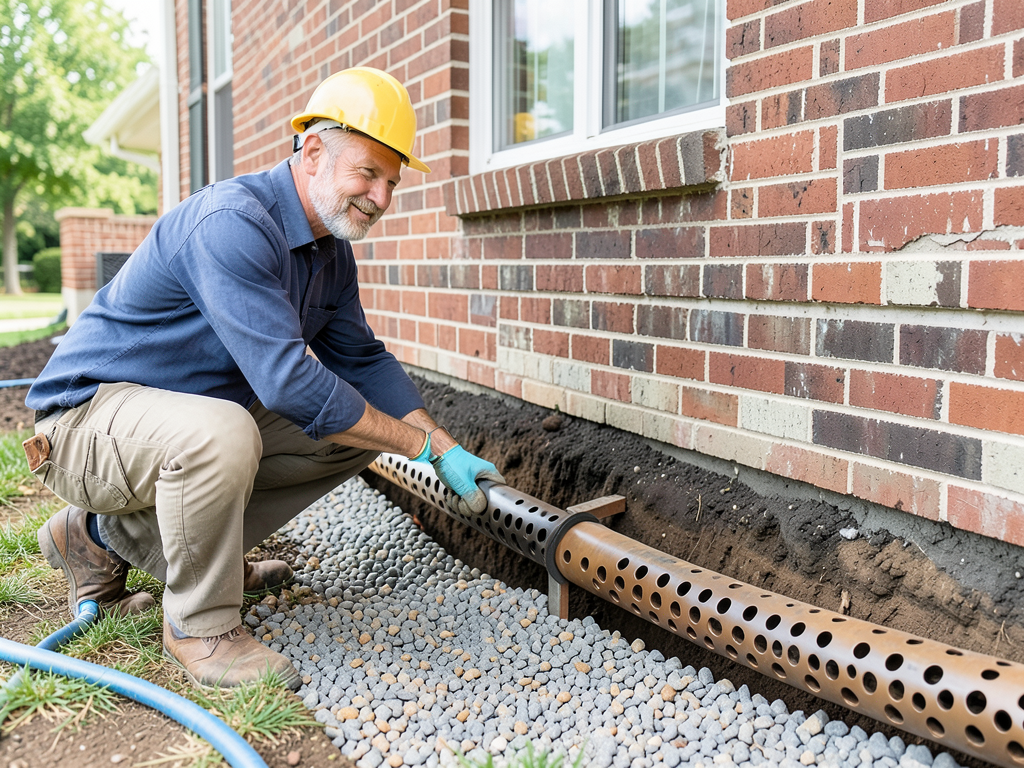
A French drain is a trench filled with gravel and a perforated pipe that collects and redirects water away from your home. The pipe is sloped at least 1% (1 foot down for every 100 feet) and usually empties into a dry well or the street. In St. Louis, French drains are often installed along the foundation’s perimeter to combat hydrostatic pressure.. Read more about How to Tell if the Stains on Your Ellendale Foundation Are Active Leaks or Old Damage.
Installation involves digging a trench 18-24 inches deep and lining it with landscape fabric to prevent soil from clogging the pipe. The drain should extend at least 10 feet from your home, but in low-lying areas, it may need to go farther. A well-installed French drain can handle thousands of gallons of water during a storm.
2. Dry Creek Beds: Aesthetic and Functional Runoff Management
A dry creek bed is a shallow, rock-lined channel that mimics a natural stream. It’s both beautiful and practical, especially in yards with visible water flow during rains. The bed is lined with landscape fabric and filled with river rock, then sloped to direct water away from your home.
In Ellendale, a dry creek bed can handle surface runoff from multiple properties if designed correctly. The key is to make the channel at least 3 feet wide and 6 inches deep, with a consistent slope of 2-3%. Native Missouri stones like limestone or river rock blend naturally with the landscape.
3. Rain Gardens: Using Missouri Native Plants to Absorb Moisture
Rain gardens are shallow, planted depressions that capture runoff and allow it to soak into the ground. They’re designed with plants that thrive in both wet and dry conditions. In St. Louis, good choices include Blue Flag Iris, Swamp Milkweed, and Little Bluestem grass.
A rain garden should be at least 10 feet from your foundation and positioned to catch water from downspouts or swales. The depression is typically 4-8 inches deep and filled with a sandy soil mix that drains faster than clay. During a storm, the garden holds water for up to 24 hours before it percolates away.
4. Swales: Natural Channels for High-Volume Water
Swales are broad, shallow ditches that follow the natural contour of your land. Unlike French drains, they’re open to the surface and often planted with grass or native vegetation. They slow water down and spread it out, reducing erosion and flooding.
In St. Louis, swales are especially useful on larger properties or in areas with rolling terrain. The bottom of the swale should be 12-18 inches deep, with sides sloped at a 3:1 ratio (3 feet out for every 1 foot down). This gentle slope prevents water from cutting channels and washing away soil.
5. Window Well Covers and Drainage Liners
Basement windows are a common entry point for water. Window wells should have a gravel base at least 6 inches deep and be fitted with a clear plastic cover to keep out rain and debris. The cover should be slightly pitched to shed water away from the window.. Read more about Why Your Princeton Heights Window Wells Keep Flooding During Heavy Rains.
For added protection, install a vertical drain in the window well that connects to your perimeter drain system. This ensures that even during a heavy downpour, water is carried away before it can pool against the glass. In St. Louis, where hail is common, choose a cover rated for impact resistance.
The Role of Downspout Extensions
Your roof sheds thousands of gallons of water during a storm. If your downspouts dump that water right next to your foundation, it’s like pouring a bucket against your basement wall. Downspout extensions are a simple but critical fix.
The “magic distance” for St. Louis foundations is 5-10 feet. Extensions that short are too short; those longer than 10 feet may violate local codes or create trip hazards. The pipe should slope away from the house at 1-2% to keep water moving.
Consider burying your downspout extensions in a shallow trench and connecting them to a dry well or French drain. This keeps them out of sight and prevents them from being damaged by lawn mowers or foot traffic. Use solid PVC pipe, not flexible tubing, to avoid collapse under soil weight.
During fall, clean your gutters and downspouts regularly. Leaves and debris can block water flow, causing it to overflow and pool near your foundation. A single clogged downspout can direct more water to your basement than all the grading fixes in the world.. Read more about Why Clean Gutters are the Best Defense Against Basement Seepage in Hazelwood.
Soil Testing and Amendment for Better Drainage
Before making major landscaping changes, test your soil. A simple percolation test involves digging a 2-foot hole, filling it with water, and timing how long it takes to drain. If it takes more than 24 hours, your soil is too dense for effective drainage.
In St. Louis, the solution is often to amend the soil with organic matter and sand. A mix of 60% topsoil, 30% compost, and 10% coarse sand can dramatically improve drainage. Spread this mix over your planting beds and rake it to the proper slope.
Avoid adding too much sand to clay soil without organic matter. This can create a concrete-like mixture that’s worse than the original. Instead, focus on building healthy soil that supports plant roots and allows water to move through it.
If your yard has a high water table, even the best grading may not be enough. In this case, a combination of surface and subsurface drainage is necessary. A professional can install a system of interceptor drains to lower the water table around your home.
When to Call a Professional Water Damage Specialist
Landscaping fixes can prevent many basement leaks, but they won’t solve every problem. If you notice water stains on your basement walls, efflorescence (white mineral deposits), or a musty smell, you may already have moisture damage. These are signs that water is entering through your foundation, not just pooling on the surface.
Professional water damage specialists use moisture meters, thermal imaging, and hygrometers to find hidden leaks. They can also assess whether your foundation needs crack repair or a waterproof membrane. In St. Louis, where many homes have brick or stone foundations, this expertise is especially valuable.
Another red flag is water entering during a storm but disappearing within 24 hours. This suggests a drainage issue that landscaping can fix. But if water remains for days, or if you see mold growth, you need professional mitigation. Mold can begin growing within 48 hours of water exposure, according to the EPA.
Finally, if your yard is so flat that you can’t achieve positive grading, or if you’re dealing with a high water table, a drainage engineer may be necessary. They can design a system of surface and subsurface drains that works with your property’s natural features.
Seasonal Maintenance Schedule for St. Louis Homes
Keeping your basement dry is an ongoing process. In St. Louis, where weather changes dramatically through the year, a seasonal maintenance schedule is essential.
Early Spring: Clear debris from gutters and downspouts. Check for ice damage to extensions and make repairs. Test your sump pump by pouring water into the pit—it should activate immediately.
Late Spring: Inspect your grading for erosion from winter thaw. Add soil where needed to maintain the 6-10 rule. Check window well covers for cracks or missing parts.
Summer: Monitor for pooling water after heavy rains. Look for new low spots in your yard and fill them. Keep plants around your foundation trimmed to allow air circulation.
Fall: Clean gutters again after leaves drop. Extend downspouts if you’ve added new landscaping features. Test your sump pump one last time before winter.
Winter: Ensure downspout extensions are clear of ice. If you use heat tape, check it for damage. Avoid piling snow against your foundation—it can melt and seep in.
By following this schedule, you can catch small problems before they become big ones. Remember, the cost of prevention is always less than the cost of restoration.
Local Resources and Rebates for Drainage Improvements
The Metropolitan St. Louis Sewer District (MSD) offers rainscaping cost-share grants to homeowners who install rain gardens, bioswales, or permeable pavement. These programs can cover up to 50% of your project cost, making professional drainage upgrades more affordable.
The Missouri Department of Conservation also provides guides on native plants for rain gardens, helping you choose species that thrive in local conditions. Using natives not only improves drainage but also supports pollinators and reduces maintenance.
For technical advice, the University of Missouri Extension offers soil testing services and drainage recommendations specific to your property. They can help you interpret your percolation test results and suggest the best mix of landscaping solutions.
Finally, if you’re in a historic district like Ellendale, check with the local preservation board before making major changes. Some drainage improvements may require approval to ensure they don’t alter the character of your home or neighborhood. Removing Mold from Historic Central West End Homes Without Damaging the Architecture.
Frequently Asked Questions
How much slope do I need away from my foundation?
The standard is a 6-inch drop over the first 10 feet from your foundation, which equals a 5% slope. This ensures water flows away from your home instead of pooling near the basement walls.
Can I install a French drain myself?
DIY installation is possible for simple systems, but it requires digging a trench at least 18 inches deep, lining it with fabric, and sloping the pipe correctly. For complex yards or if you’re unsure about your soil type, hiring a professional is safer and often more effective.
What plants work best in a St. Louis rain garden?
Native Missouri plants like Blue Flag Iris, Swamp Milkweed, and Little Bluestem grass are ideal. They tolerate both wet and dry conditions and support local wildlife. Avoid invasive species like Purple Loosestrife, which can crowd out natives.
How do I know if my basement leak is from surface water or groundwater?
Surface water leaks usually appear after heavy rain and dry up within a day. Groundwater leaks may be constant, especially in spring or after long wet periods. A professional moisture assessment can pinpoint the source and recommend the right fix.
Does homeowners insurance cover basement flooding from landscaping issues?
Standard policies typically exclude water damage from poor drainage or groundwater. You may need an additional flood endorsement. If the damage is from a sudden pipe burst, coverage is more likely. Always check with your agent to understand your policy limits. Who to Call When Your Pipes Burst in Kirkwood This Winter.
Conclusion
Protecting your basement from flooding starts with understanding your yard’s relationship to water. In Ellendale, where heavy clay soil and intense storms are the norm, small landscaping changes can make a big difference. Grading, drainage systems, and smart plant choices work together to keep water moving away from your home.. Read more about Protecting Your Botanical Heights Garden Apartment from Street Level Flash Flooding.
If you’ve tried these fixes and still see water in your basement, it’s time to call in a professional. Water damage restoration experts can assess hidden problems and recommend solutions that go beyond the surface. Don’t wait until the next storm—take action now to protect your home and your peace of mind.
Ready to stop the flooding? Call (314) 428-9977 today to schedule your inspection. Our team is standing by to help you keep your basement dry, no matter what the weather brings.
Additional Resources
- MSD Rainscaping Cost-Share Program: stlmsd.com/rainscaping
- University of Missouri Extension Soil Testing: extension.missouri.edu
- Missouri Department of Conservation Native Plant Guides: mdc.mo.gov
For more information on preventing water damage in your St. Louis home, visit our other articles on mold prevention and insurance claims.
This article is for informational purposes only and does not constitute professional advice. Always consult with a licensed contractor or engineer for your specific situation.
{
“@context”: “https://schema.org”,
“@type”: “BlogPosting”,
“headline”: “How Landscaping Changes Can Stop Your Ellendale Yard from Flooding Your Basement”,
“description”: “Stop basement flooding in Ellendale with expert landscaping fixes. Learn grading, drainage, and rain garden solutions tailored to St. Louis clay soil and heavy rains.”,
“wordCount”: 2531,
“datePublished”: “2026-05-25T06:51:00.000Z”,
“dateModified”: “2026-05-25T06:51:00.000Z”,
“inLanguage”: “en-US”,
“mainEntityOfPage”: {
“@type”: “WebPage”,
“@id”: “https://patriotwaterdamagerestorationstlouis.com”
},
“publisher”: {
“@type”: “LocalBusiness”,
“name”: “Patriot Water Damage Restoration St. Louis”,
“url”: “https://patriotwaterdamagerestorationstlouis.com”
},
“author”: {
“@type”: “Organization”,
“name”: “Patriot Water Damage Restoration St. Louis”,
“url”: “https://patriotwaterdamagerestorationstlouis.com”
},
“image”: {
“@type”: “ImageObject”,
“url”: “https://patriotwaterdamagerestorationstlouis.com/wp-content/uploads/2026/03/how-landscaping-changes-can-stop-your-ellendale-ya-1.png”
}
}
{
“@context”: “https://schema.org”,
“@type”: “LocalBusiness”,
“name”: “Patriot Water Damage Restoration St. Louis”,
“url”: “https://patriotwaterdamagerestorationstlouis.com”,
“address”: {
“@type”: “PostalAddress”,
“addressLocality”: “St. Louis”
},
“areaServed”: {
“@type”: “City”,
“name”: “St. Louis”
}
}
{
“@context”: “https://schema.org”,
“@type”: “FAQPage”,
“mainEntity”: [
{
“@type”: “Question”,
“name”: “How much slope do I need away from my foundation?”,
“acceptedAnswer”: {
“@type”: “Answer”,
“text”: “The standard is a 6-inch drop over the first 10 feet from your foundation, which equals a 5% slope. This ensures water flows away from your home instead of pooling near the basement walls.”
}
},
{
“@type”: “Question”,
“name”: “Can I install a French drain myself?”,
“acceptedAnswer”: {
“@type”: “Answer”,
“text”: “DIY installation is possible for simple systems, but it requires digging a trench at least 18 inches deep, lining it with fabric, and sloping the pipe correctly. For complex yards or if you’re unsure about your soil type, hiring a professional is safer and often more effective.”
}
},
{
“@type”: “Question”,
“name”: “What plants work best in a St. Louis rain garden?”,
“acceptedAnswer”: {
“@type”: “Answer”,
“text”: “Native Missouri plants like Blue Flag Iris, Swamp Milkweed, and Little Bluestem grass are ideal. They tolerate both wet and dry conditions and support local wildlife. Avoid invasive species like Purple Loosestrife, which can crowd out natives.”
}
},
{
“@type”: “Question”,
“name”: “How do I know if my basement leak is from surface water or groundwater?”,
“acceptedAnswer”: {
“@type”: “Answer”,
“text”: “Surface water leaks usually appear after heavy rain and dry up within a day. Groundwater leaks may be constant, especially in spring or after long wet periods. A professional moisture assessment can pinpoint the source and recommend the right fix.”
}
},
{
“@type”: “Question”,
“name”: “Does homeowners insurance cover basement flooding from landscaping issues?”,
“acceptedAnswer”: {
“@type”: “Answer”,
“text”: “Standard policies typically exclude water damage from poor drainage or groundwater. You may need an additional flood endorsement. If the damage is from a sudden pipe burst, coverage is more likely. Always check with your agent to understand your policy limits. Who to Call When Your Pipes Burst in Kirkwood This Winter.”
}
}
]
}
{
“@context”: “https://schema.org”,
“@type”: “BreadcrumbList”,
“itemListElement”: [
{
“@type”: “ListItem”,
“position”: 1,
“name”: “Home”,
“item”: “https://patriotwaterdamagerestorationstlouis.com”
},
{
“@type”: “ListItem”,
“position”: 2,
“name”: “Blog”,
“item”: “https://patriotwaterdamagerestorationstlouis.com/blog”
},
{
“@type”: “ListItem”,
“position”: 3,
“name”: “How Landscaping Changes Can Stop Your Ellendale Yard from Flooding Your Basement”
}
]
}
{
“@context”: “https://schema.org”,
“@type”: “Service”,
“serviceType”: “Water Damage Restoration”,
“provider”: {
“@type”: “LocalBusiness”,
“name”: “Patriot Water Damage Restoration St. Louis”,
“url”: “https://patriotwaterdamagerestorationstlouis.com”
},
“areaServed”: {
“@type”: “City”,
“name”: “St. Louis”
},
“description”: “Stop basement flooding in Ellendale with expert landscaping fixes. Learn grading, drainage, and rain garden solutions tailored to St. Louis clay soil and heavy rains.”
}