
Should You Install a Sump Pump or a Backwater Valve in Your Holly Hills Basement?
Your Holly Hills basement sits on Missouri Red Clay that expands when wet and contracts when dry. This soil movement creates hydrostatic pressure against your foundation walls. When heavy rain hits, water finds cracks and seeps through. Sometimes it’s groundwater. Sometimes it’s sewage backup from the combined sewer system. The question isn’t whether you need protection. It’s which system stops the right type of water from ruining your basement. Professional Water Extraction and Drying for St. Charles Residents.
Groundwater enters through foundation cracks when the water table rises above your basement floor. Sewage backup happens when the MSD sewer lines fill beyond capacity during storms. These are two different problems that require two different solutions. A sump pump removes groundwater from beneath your home. A backwater valve prevents sewage from flowing backward into your basement drains. MSD Project Clear.
Most Holly Hills homes built before 1970 have combined sewer systems where stormwater and sewage share the same pipes. When those pipes fill, the water has nowhere to go but back through your floor drains. A backwater valve stops this. But if your basement walls leak during heavy rain, you need a sump pump to remove groundwater before it damages your foundation. Who to Call When Your Pipes Burst in Kirkwood This Winter.
What is a Sump Pump? (Managing Ground Water)
A sump pump sits in a pit below your basement floor. When groundwater rises into the pit, the pump activates and pushes water through a discharge line to the outside. The system works automatically based on water level sensors. No water in the pit means the pump stays off. Water rises above a set point and the pump turns on. Water Damage Restoration Manchester.
Submersible pumps sit completely underwater in the pit. They run quieter and last longer than pedestal pumps which have the motor mounted above the water level. Submersibles handle debris better and work more efficiently in deeper pits. Pedestal pumps cost less but struggle with heavy debris and make more noise.. Read more about Managing Water Infiltration in the Unique Brick Foundations of Bevo Mill Homes.
Installation requires breaking concrete to create the pit, digging below the basement floor, and running a discharge line through an exterior wall. The discharge line needs a check valve to prevent water from flowing back into the pit when the pump shuts off. Without this valve, the pump runs continuously and burns out. Efflorescence on Concrete.
Common failure points include power outages during storms, clogged discharge lines, and frozen pipes in winter. A battery backup system keeps the pump running when electricity fails. The backup battery needs replacement every 3-5 years. Some systems include alarms that sound when water rises above normal levels or when the pump fails.. Read more about How to Prep Your Wildwood Home for Winter Travel to Avoid a Burst Pipe Disaster.
Maintenance involves cleaning the pit annually, testing the pump by pouring water into the pit, and checking the discharge line for blockages. The check valve can fail and allow water to flow backward. This causes the pump to cycle on and off rapidly, which damages the motor.
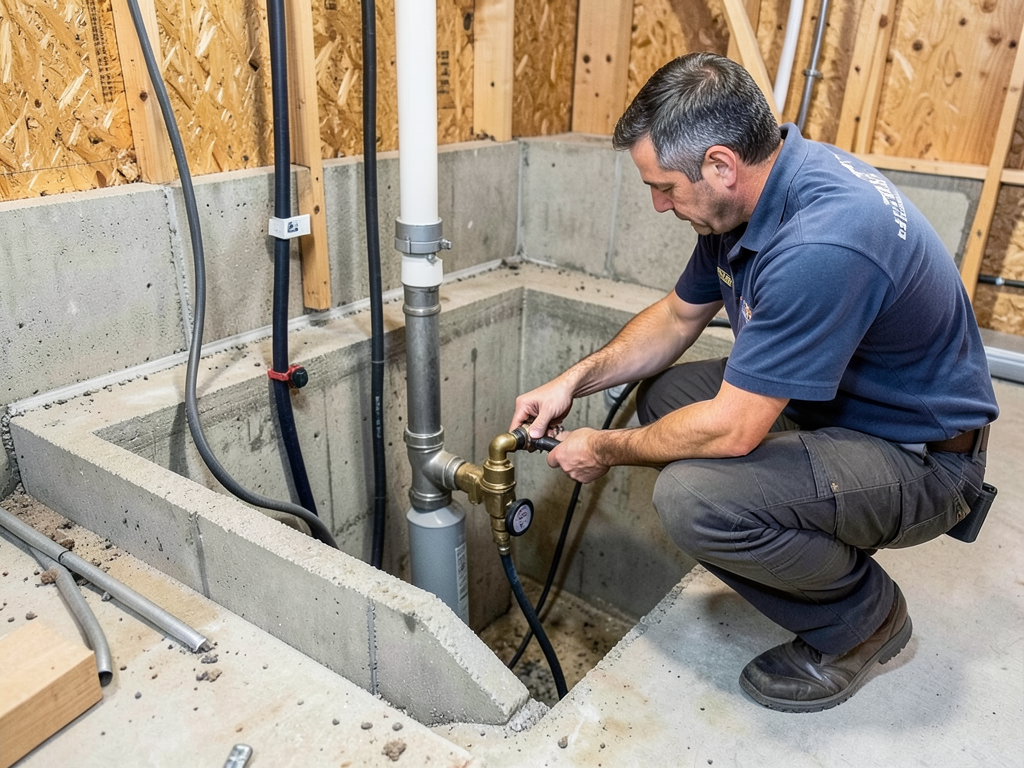
Image Description: Technician installing a submersible sump pump in a concrete pit, showing the discharge line, check valve, and battery backup system in a Holly Hills basement.
What is a Backwater Valve? (Preventing Sewer Backup)
A backwater valve installs in your main sewer line where it exits the basement. The valve contains a one-way flap that opens when sewage flows out and closes when water tries to flow back in. During normal operation, the flap stays open and waste moves freely to the city sewer. When pressure builds in the sewer line, the flap seals shut and blocks sewage from entering your basement.
Manual backwater valves require you to lift a handle to open or close the flap. Automatic valves use a spring-loaded mechanism that responds to water pressure. Automatic valves work better for most homeowners since you don’t have to remember to close them before storms.
Installation requires accessing your main sewer line, which often means cutting through concrete floors or walls. The valve needs a clear access point for maintenance and inspection. Some models include a clear window so you can see the flap position without opening the unit.
Common issues include debris getting stuck in the flap mechanism, which prevents proper sealing. Tree roots can grow into the valve and cause blockages. The valve needs annual cleaning to remove buildup that could prevent the flap from closing completely.
Backwater valves don’t protect against groundwater seepage through foundation walls. They only stop sewage from backing up through floor drains and toilets. If your basement walls leak, you still need additional protection.
The MSD Project Clear program offers rebates for backwater valve installations in qualifying homes. The program targets areas with frequent sewer backups. You must apply through MSD and meet specific criteria based on your home’s age and location within the service area.
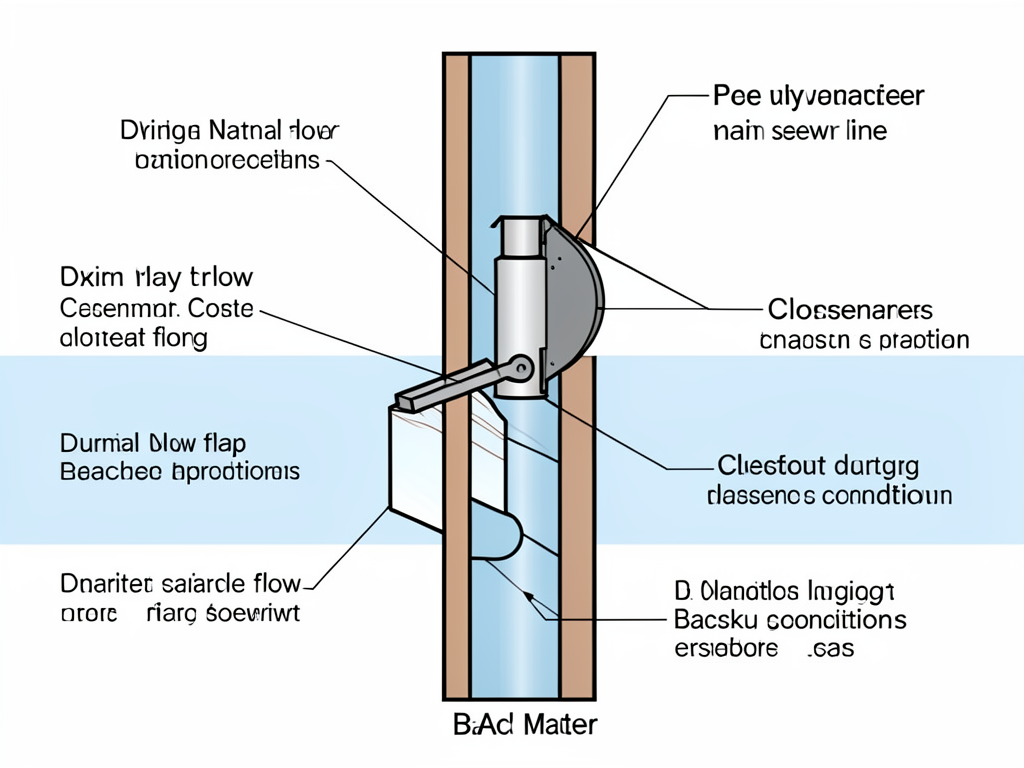
Image Description: Cross-section diagram showing a backwater valve installed in a main sewer line with the one-way flap mechanism open during normal flow and closed during backup conditions.
Key Differences: A Side-by-Side Comparison
| Feature | Sump Pump | Backwater Valve |
|---|---|---|
| Primary Function | Removes groundwater from beneath foundation | Blocks sewage from entering through drains |
| Installation Location | Below basement floor in a pit | In main sewer line where it exits basement |
| Average St. Louis Cost | $1,200 – $2,500 installed | $1,500 – $3,000 installed |
| Maintenance Frequency | Annual cleaning and testing | Annual cleaning and inspection |
| MSD Rebate Available | No | Yes, through Project Clear |
| Power Requirement | Yes, with battery backup recommended | No, gravity operated |
| Protects Against | Basement flooding from groundwater | Sewage backup through drains |
MSD Code 240.070 requires backwater valves in new construction and major renovations where plumbing work affects the main sewer line. The code doesn’t mandate sump pumps, but many building departments require them in areas with high water tables or poor drainage.. Read more about Choosing the Most Flood-Resistant Building Materials for Your St. Louis Basement Remodel.
Missouri building codes follow the International Plumbing Code with local amendments. St. Louis County requires permits for both sump pump and backwater valve installations. The permit process includes inspection to verify proper installation and compliance with local codes. How to Get Your St. Louis Home Insurance to Actually Pay for Water Damage.
Can You Have Both? (The Ultimate Protection Strategy)
Many Holly Hills homes need both systems. The clay soil holds water and creates hydrostatic pressure against foundation walls. During heavy rain, this pressure forces water through cracks. A sump pump removes this water before it damages your foundation. But if the MSD sewer lines fill up, sewage can still back up through your floor drains. A backwater valve stops this backup.
Installing both systems costs $2,500 – $5,500 but provides complete protection. The sump pump handles groundwater while the backwater valve handles sewage. Together they protect against the two main sources of basement water damage in St. Louis.
Some homeowners install only one system and regret it later. If you have sewage odors in your basement or notice water around floor drains during heavy rain, you need a backwater valve. If your basement walls feel damp or you see efflorescence on concrete blocks, you need a sump pump.
The decision often depends on your specific situation. Homes near the River des Peres or in low-lying areas of Holly Hills face higher flood risks. Properties with finished basements need more protection than unfinished spaces. If you store valuable items in your basement, the investment in both systems makes sense.
Professional assessment helps determine your needs. A qualified technician can test your basement for moisture sources, check your sewer line for backup risks, and recommend the right combination of protection. They can also identify code compliance issues and permit requirements.. Read more about Protecting Your Server and Professional Tech from Water Damage in a St. Louis Home Office.
Professional Restoration vs. DIY Installation
Installing a sump pump or backwater valve requires plumbing knowledge, concrete cutting skills, and understanding of local codes. DIY installation might save money upfront but creates risks. Improper installation can cause flooding, code violations, and expensive repairs.
Professional installation includes proper pit excavation below the water table, correct pipe sizing and slope, code-compliant discharge lines, and permit acquisition. Technicians know how to test systems and verify they work correctly. They also understand local soil conditions and how they affect installation.
DIY mistakes often involve inadequate pit depth, improper discharge line routing, missing check valves, and failure to obtain permits. These errors can cause system failure when you need protection most. A failed sump pump during a storm can result in thousands of dollars in water damage.
Professional restoration companies also offer maintenance contracts. Regular service includes cleaning debris from pits and valves, testing backup batteries, checking discharge lines, and verifying all components work properly. This preventative maintenance extends system life and prevents failures.
Insurance companies often require professional installation for coverage. Some policies exclude damage from improperly installed flood prevention systems. Professional documentation of installation helps with insurance claims if problems occur.
Time matters when water threatens your basement. Professional teams can complete most installations in one day. DIY projects often take multiple weekends and may leave your basement vulnerable during storms.
Protect Your Holly Hills Home Before the Next Storm
Missouri weather patterns show increasing rainfall intensity over the past decade. The National Weather Service reports more frequent flash flood events in the St. Louis region. Your Holly Hills basement faces growing flood risks from both groundwater and sewage backup.
Clay soil expands when wet, putting pressure on foundation walls. This pressure forces water through even tiny cracks. Once water enters your basement, it spreads quickly across concrete floors and wicks into walls. The longer water sits, the more damage it causes to flooring, drywall, and personal belongings.. Read more about Comparing the Best Moisture-Resistant Flooring for Your New Home Gym in Chesterfield.
Sewage backup creates additional hazards. Sewage contains bacteria, viruses, and other pathogens that pose serious health risks. Exposure can cause infections, respiratory problems, and other illnesses. Professional cleanup requires specialized equipment and training to handle contaminated water safely.
Don’t wait until water enters your basement to take action. By then, damage already occurs. Prevention costs less than restoration. A properly installed sump pump or backwater valve provides peace of mind during storms.
Call (314) 428-9977 today to schedule your basement inspection. Our technicians will assess your specific risks and recommend the right protection for your Holly Hills home. We handle everything from assessment to installation to maintenance. Don’t let the next storm catch you unprepared.
Frequently Asked Questions
How do I know if I need a sump pump or backwater valve?
Check for sewage odors near floor drains or water around drains during heavy rain. These indicate sewer backup risks requiring a backwater valve. Look for damp basement walls, efflorescence on concrete, or water entering through foundation cracks. These signs point to groundwater problems needing a sump pump.
Does MSD offer rebates for flood prevention systems?
Yes, MSD Project Clear provides rebates for backwater valve installations in qualifying homes. The program targets areas with frequent sewer backups. Sump pumps don’t qualify for MSD rebates. You must apply through MSD and meet specific criteria based on your home’s age and location.
How long do sump pumps and backwater valves last?
Sump pumps typically last 5-10 years depending on usage and maintenance. Battery backups need replacement every 3-5 years. Backwater valves can last 15-20 years with proper maintenance. Both systems require annual inspection and cleaning to ensure reliable operation.
Can I install these systems myself to save money?
DIY installation risks improper setup, code violations, and system failure. Professional installation includes proper pit excavation, correct pipe sizing, permit acquisition, and code compliance. Mistakes can cause flooding and expensive repairs. Insurance may not cover damage from DIY installations.
What happens if my power goes out during a storm?
Battery backup systems keep sump pumps running during power outages. Most backups provide 8-24 hours of operation depending on battery size and pump usage. Backwater valves work without power since they operate on gravity and water pressure. Consider a generator for extended outages.
Image Description: Before and after photo series showing a basement transformation from water-damaged space to protected area with installed sump pump system and sealed foundation walls. For more information, visit IICRC Standards.
You may also find this helpful. Managing Muddy Runoff and Water Damage from New Construction Sites in New Town St. Charles.
You may also find this helpful. Saving Your Custom Wine Cellar from Basement Seepage in Frontenac.
You may also find this helpful. How Landscaping Changes Can Stop Your Ellendale Yard from Flooding Your Basement.
{
“@context”: “https://schema.org”,
“@type”: “BlogPosting”,
“headline”: “Should You Install a Sump Pump or a Backwater Valve in Your Holly Hills Basement?”,
“description”: “Protect your Holly Hills basement from flooding with expert advice on sump pumps vs backwater valves. Learn which system fits your home and how MSD Project Clear can help.”,
“wordCount”: 2007,
“datePublished”: “2026-04-29T14:33:00.000Z”,
“dateModified”: “2026-04-29T14:33:00.000Z”,
“inLanguage”: “en-US”,
“mainEntityOfPage”: {
“@type”: “WebPage”,
“@id”: “https://patriotwaterdamagerestorationstlouis.com”
},
“publisher”: {
“@type”: “LocalBusiness”,
“name”: “Patriot Water Damage Restoration St. Louis”,
“url”: “https://patriotwaterdamagerestorationstlouis.com”
},
“author”: {
“@type”: “Organization”,
“name”: “Patriot Water Damage Restoration St. Louis”,
“url”: “https://patriotwaterdamagerestorationstlouis.com”
},
“image”: {
“@type”: “ImageObject”,
“url”: “https://patriotwaterdamagerestorationstlouis.com/wp-content/uploads/2026/03/should-you-install-a-sump-pump-or-a-backwater-valv-1.png”
}
}
{
“@context”: “https://schema.org”,
“@type”: “LocalBusiness”,
“name”: “Patriot Water Damage Restoration St. Louis”,
“url”: “https://patriotwaterdamagerestorationstlouis.com”,
“address”: {
“@type”: “PostalAddress”,
“addressLocality”: “St. Louis”
},
“areaServed”: {
“@type”: “City”,
“name”: “St. Louis”
}
}
{
“@context”: “https://schema.org”,
“@type”: “FAQPage”,
“mainEntity”: [
{
“@type”: “Question”,
“name”: “How do I know if I need a sump pump or backwater valve?”,
“acceptedAnswer”: {
“@type”: “Answer”,
“text”: “Check for sewage odors near floor drains or water around drains during heavy rain. These indicate sewer backup risks requiring a backwater valve. Look for damp basement walls, efflorescence on concrete, or water entering through foundation cracks. These signs point to groundwater problems needing a sump pump.”
}
},
{
“@type”: “Question”,
“name”: “Does MSD offer rebates for flood prevention systems?”,
“acceptedAnswer”: {
“@type”: “Answer”,
“text”: “Yes, MSD Project Clear provides rebates for backwater valve installations in qualifying homes. The program targets areas with frequent sewer backups. Sump pumps don’t qualify for MSD rebates. You must apply through MSD and meet specific criteria based on your home’s age and location.”
}
},
{
“@type”: “Question”,
“name”: “How long do sump pumps and backwater valves last?”,
“acceptedAnswer”: {
“@type”: “Answer”,
“text”: “Sump pumps typically last 5-10 years depending on usage and maintenance. Battery backups need replacement every 3-5 years. Backwater valves can last 15-20 years with proper maintenance. Both systems require annual inspection and cleaning to ensure reliable operation.”
}
},
{
“@type”: “Question”,
“name”: “Can I install these systems myself to save money?”,
“acceptedAnswer”: {
“@type”: “Answer”,
“text”: “DIY installation risks improper setup, code violations, and system failure. Professional installation includes proper pit excavation, correct pipe sizing, permit acquisition, and code compliance. Mistakes can cause flooding and expensive repairs. Insurance may not cover damage from DIY installations.”
}
},
{
“@type”: “Question”,
“name”: “What happens if my power goes out during a storm?”,
“acceptedAnswer”: {
“@type”: “Answer”,
“text”: “Battery backup systems keep sump pumps running during power outages. Most backups provide 8-24 hours of operation depending on battery size and pump usage. Backwater valves work without power since they operate on gravity and water pressure. Consider a generator for extended outages.”
}
}
]
}
{
“@context”: “https://schema.org”,
“@type”: “BreadcrumbList”,
“itemListElement”: [
{
“@type”: “ListItem”,
“position”: 1,
“name”: “Home”,
“item”: “https://patriotwaterdamagerestorationstlouis.com”
},
{
“@type”: “ListItem”,
“position”: 2,
“name”: “Blog”,
“item”: “https://patriotwaterdamagerestorationstlouis.com/blog”
},
{
“@type”: “ListItem”,
“position”: 3,
“name”: “Should You Install a Sump Pump or a Backwater Valve in Your Holly Hills Basement?”
}
]
}
{
“@context”: “https://schema.org”,
“@type”: “Service”,
“serviceType”: “Water Damage Restoration”,
“provider”: {
“@type”: “LocalBusiness”,
“name”: “Patriot Water Damage Restoration St. Louis”,
“url”: “https://patriotwaterdamagerestorationstlouis.com”
},
“areaServed”: {
“@type”: “City”,
“name”: “St. Louis”
},
“description”: “Protect your Holly Hills basement from flooding with expert advice on sump pumps vs backwater valves. Learn which system fits your home and how MSD Project Clear can help.”
}