
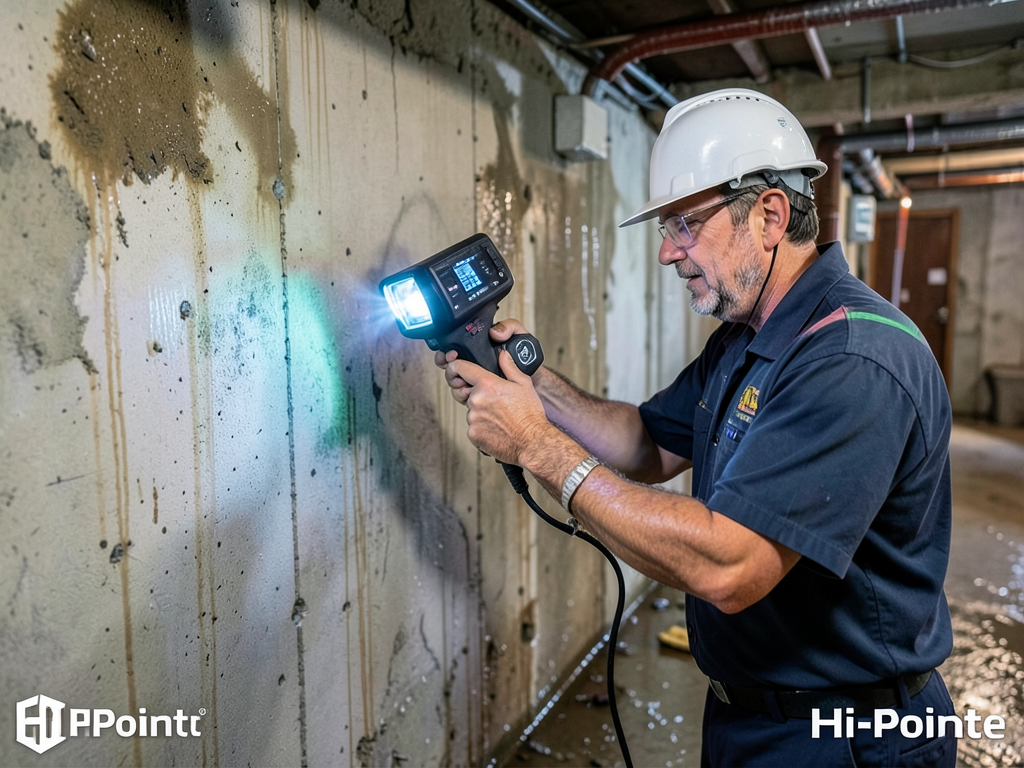
Why Your Walk-Out Basement in Hi-Pointe is Vulnerable to Heavy Rain Runoff
Your walk-out basement in Hi-Pointe faces unique flooding risks during St. Louis thunderstorms. The combination of Missouri clay soil, heavy spring rainfall, and specific architectural vulnerabilities creates a perfect storm for water intrusion. Understanding these risks helps you take action before the next downpour hits. How to Get Your St. Louis Home Insurance to Actually Pay for Water Damage.
Why Walk-Out Basements are Uniquely Vulnerable
Walk-out basements sit at the intersection of above-grade and below-grade construction. Unlike standard basements that are fully underground, walk-outs have a patio door at ground level where water naturally flows. This design creates multiple failure points that standard basements don’t experience. Professional Water Extraction and Drying for St. Charles Residents.
The threshold where your patio door meets the foundation becomes a critical weak spot. Water from heavy rain collects on your patio and presses against this barrier. If your door’s weatherstripping fails or the threshold seal deteriorates, water seeps directly into your living space. Water Damage Restoration Manchester.
Missouri’s expansive clay soil compounds these problems. Clay absorbs water and expands, creating hydrostatic pressure against your foundation walls. This pressure forces water through even tiny cracks around your walk-out entrance. During St. Louis’s spring thunderstorms, this pressure can increase dramatically within hours.
Top 5 Causes of Flooding in St. Louis Walk-Outs
Clogged Stairwell Drains (The #1 Culprit)
Most walk-out basements include a stairwell drain at the bottom of exterior steps. These drains catch leaves, dirt, and debris throughout the year. When heavy rain hits, clogged drains cannot handle the water volume. Water backs up into your stairwell and flows under your patio door.
Regular drain cleaning prevents most stairwell flooding. Remove debris quarterly and flush the drain with water. If water pools in your stairwell during light rain, your drain needs immediate attention.. Read more about Why Clean Gutters are the Best Defense Against Basement Seepage in Hazelwood.
Hydrostatic Pressure in Missouri Clay Soil
Missouri clay soil holds water like a sponge. During heavy rain, clay expands and pushes against your foundation walls. This hydrostatic pressure forces water through the path of least resistance – often your walk-out entrance.
The pressure can crack concrete around your patio door frame. Once cracks form, water flows freely during every storm. This process accelerates in Hi-Pointe where older homes have settled foundations. Efflorescence on Concrete.
Improper Grading Around the Walk-Out Landing
Proper grading directs water away from your home. Many Hi-Pointe properties have settled over decades, creating negative slopes toward the foundation. Water flows downhill directly to your walk-out entrance instead of away from your home.
Check your grading by pouring water near your walk-out during dry weather. If water flows toward your foundation rather than away, you need regrading. This simple test reveals hidden drainage problems.
Sump Pump Failure during Midwest Thunderstorms
Walk-out basements often include sump pumps to handle groundwater. During intense thunderstorms, power outages are common in Hi-Pointe. When electricity fails, your sump pump stops working. Without backup power, groundwater rises and floods your basement.
Battery backup systems provide critical protection. These systems activate automatically when power fails, keeping your basement dry during storms.
Retaining Wall Drainage Issues
Many Hi-Pointe homes feature terraced yards with retaining walls. These walls create beautiful landscapes but complicate drainage. Without proper drainage behind retaining walls, water builds up and finds escape routes through your walk-out entrance.
French drains behind retaining walls prevent water pressure buildup. These systems collect water before it reaches your foundation and direct it away from your home.
St. Louis Weather Patterns & Your Basement
St. Louis experiences intense spring thunderstorms that drop several inches of rain in hours. These storms overwhelm drainage systems designed for normal rainfall. Hi-Pointe’s location near Forest Park means many homes sit in low-lying areas where water naturally collects.
Winter freeze-thaw cycles create additional problems. Water trapped in soil expands when it freezes, widening foundation cracks. When spring rains arrive, these enlarged cracks allow more water intrusion than during previous seasons.
High humidity in St. Louis slows natural drying after water intrusion. This extended moisture exposure promotes mold growth and wood rot. Quick water extraction becomes critical to prevent secondary damage.
Immediate Steps to Take When Your Walk-Out Floods
- Stop the Water Source
Identify where water enters and block it if possible. Use towels, sandbags, or plastic sheeting to divert water away from your walk-out entrance.
- Protect Your Belongings
Move valuable items to higher ground immediately. Water spreads quickly and causes damage within minutes. Prioritize irreplaceable items like photos and documents.
- Extract Standing Water
Use wet vacuums or mops to remove visible water. The longer water sits, the more damage it causes to flooring, drywall, and furniture.
- Begin Drying Process
Set up fans and dehumidifiers to start moisture removal. St. Louis humidity means natural drying takes days, not hours.
- Document Damage
Take photos and videos of all affected areas before cleanup. This documentation helps with insurance claims.
- Call Professionals
Professional water damage restoration prevents mold growth and structural damage. Call (314) 428-9977 for 24/7 emergency service.
Professional Restoration vs. DIY Cleanup
DIY water cleanup seems cost-effective but often creates bigger problems. Water migrates behind walls and under flooring where homeowners cannot reach. Within 24-48 hours, hidden moisture promotes mold growth that requires professional remediation.
Professional restoration uses specialized equipment to detect moisture in wall cavities and subfloors. Thermal imaging cameras reveal water paths invisible to the naked eye. Industrial-grade dehumidifiers and air movers dry materials in hours rather than days.
Insurance companies often require professional documentation for water damage claims. DIY cleanup without proper documentation can result in claim denials. Professional restoration companies provide detailed reports that satisfy insurance requirements.
The cost difference between DIY and professional cleanup narrows when you factor in equipment rental, your time, and the risk of missed moisture. Professional restoration prevents the expensive mold remediation that follows incomplete DIY cleanup.
Preventing Future Walk-Out Basement Flooding
Prevention costs less than restoration. Start with your exterior drainage system. Clean gutters and downspouts prevent roof runoff from saturating soil near your foundation. Extend downspouts at least five feet from your home.
Install a surface drain system around your walk-out patio. These drains collect water before it reaches your entrance and direct it to storm sewers. Modern trench drains handle much higher water volumes than older systems.
Seal your patio door threshold with high-quality weatherstripping. Replace worn seals annually. Consider installing a threshold ramp that directs water away from your door rather than allowing it to pool.
Test your sump pump monthly by pouring water into the pit. Replace pumps every 5-7 years before they fail during critical storms. Install battery backup systems for power outage protection.
Grade your landscape to slope away from your foundation. This simple fix often solves chronic drainage problems. Add soil near your foundation to create positive drainage away from your home.
Hi-Pointe-Specific Considerations
Hi-Pointe’s proximity to Forest Park means many homes sit in areas with higher water tables. The park’s large green space absorbs rainfall but also creates localized flooding during extreme storms. Homes near the park often experience water table fluctuations that affect basement moisture levels.
Many Hi-Pointe homes were built in the 1920s-1940s with older construction methods. These foundations often lack modern waterproofing features. Original clay tile drainage systems commonly fail after decades of service.
The neighborhood’s mature trees create additional challenges. Tree roots can damage drainage pipes and create underground water paths toward your foundation. Oak and maple trees common in Hi-Pointe drop leaves that clog exterior drains seasonally. Who to Call When Your Pipes Burst in Kirkwood This Winter.
Hi-Pointe’s hilly terrain means many homes have complex grading challenges. What looks like proper drainage from ground level may actually direct water toward your foundation when viewed from above.
When to Call for Professional Help
Call professionals when water affects multiple rooms, when you smell musty odors after flooding, or when you see water stains on walls or ceilings. These signs indicate water has migrated beyond visible areas.
Don’t wait for mold growth. St. Louis humidity means mold can establish within 48-72 hours of water exposure. Early intervention prevents expensive mold remediation.
Insurance companies often have time limits for filing water damage claims. Document damage immediately and contact your insurance company within 24 hours of discovery.
Professional assessment provides peace of mind. Moisture meters and thermal imaging reveal hidden problems that DIY inspection misses. This comprehensive evaluation prevents future surprises.
Protecting Your Investment
Your walk-out basement represents significant home value. Finished basements add living space and increase property values. Water damage destroys this investment through structural damage, mold contamination, and lost usability.
Regular maintenance prevents most water damage. Clean drains quarterly, inspect weatherstripping annually, and test your sump pump monthly. These simple steps cost far less than professional restoration.
Consider professional waterproofing if you experience recurring water problems. Modern waterproofing systems include exterior membranes, interior drainage channels, and sump pump upgrades that provide long-term protection.
Document all maintenance and repairs. This record helps with insurance claims and provides valuable information when selling your home. EPA Water-Efficient Landscaping.
Hi-Pointe’s unique combination of older homes, mature trees, and proximity to Forest Park creates specific water management challenges. Understanding these challenges helps you protect your walk-out basement from St. Louis’s heavy rain runoff.
Frequently Asked Questions
How much does professional water damage restoration cost?
Costs vary based on damage extent, but most walk-out basement flooding restoration ranges from $2,000 to $8,000. Factors include water volume, affected materials, and required drying equipment. Insurance often covers sudden water damage from storms.
Can I prevent all walk-out basement flooding?
Complete prevention is challenging in Hi-Pointe due to soil conditions and weather patterns. However, proper drainage, regular maintenance, and professional waterproofing can significantly reduce flooding risk. Most homeowners can prevent 80-90% of potential water intrusion.
How quickly should I respond to basement flooding?
Respond within the first hour to minimize damage. Water spreads quickly and causes permanent damage to flooring, drywall, and furniture within 24 hours. Mold growth begins within 48-72 hours in St. Louis’s humid climate.
Will my homeowner’s insurance cover walk-out basement flooding?
Coverage depends on the water source. Sudden storm-related flooding is typically covered, while gradual seepage or poor maintenance issues may not be. Review your policy and document damage immediately for the best claim outcome.
How do I know if water has damaged my foundation?
Signs include cracks in walls or floors, doors that stick or won’t close properly, and sloping floors. Professional inspection using moisture meters and thermal imaging can detect hidden foundation damage before it becomes severe.
Don’t let the next St. Louis thunderstorm destroy your walk-out basement. The combination of Missouri clay soil, heavy spring rains, and Hi-Pointe’s unique geography creates serious flooding risks. Take action now to protect your home and belongings.
Pick up the phone and call (314) 428-9977 before the next storm hits. Our 24/7 emergency response team serves Hi-Pointe and surrounding St. Louis neighborhoods. We’ll assess your specific risks and provide targeted solutions to keep your walk-out basement dry year-round. For more information, visit FEMA Flood Insurance Basics.
{
“@context”: “https://schema.org”,
“@type”: “BlogPosting”,
“headline”: “Why Your Walk-Out Basement in Hi-Pointe is Vulnerable to Heavy Rain Runoff”,
“description”: “Hi-Pointe walk-out basements face unique flooding risks from St. Louis clay soil, clogged drains, and hydrostatic pressure. Learn the causes and solutions from local experts.”,
“wordCount”: 1844,
“datePublished”: “2026-06-09T08:08:00.000Z”,
“dateModified”: “2026-06-09T08:08:00.000Z”,
“inLanguage”: “en-US”,
“mainEntityOfPage”: {
“@type”: “WebPage”,
“@id”: “https://patriotwaterdamagerestorationstlouis.com”
},
“publisher”: {
“@type”: “LocalBusiness”,
“name”: “Patriot Water Damage Restoration St. Louis”,
“url”: “https://patriotwaterdamagerestorationstlouis.com”
},
“author”: {
“@type”: “Organization”,
“name”: “Patriot Water Damage Restoration St. Louis”,
“url”: “https://patriotwaterdamagerestorationstlouis.com”
},
“image”: {
“@type”: “ImageObject”,
“url”: “https://patriotwaterdamagerestorationstlouis.com/wp-content/uploads/2026/03/why-your-walk-out-basement-in-hi-pointe-is-vulnera-1.png”
}
}
{
“@context”: “https://schema.org”,
“@type”: “LocalBusiness”,
“name”: “Patriot Water Damage Restoration St. Louis”,
“url”: “https://patriotwaterdamagerestorationstlouis.com”,
“address”: {
“@type”: “PostalAddress”,
“addressLocality”: “St. Louis”
},
“areaServed”: {
“@type”: “City”,
“name”: “St. Louis”
}
}
{
“@context”: “https://schema.org”,
“@type”: “FAQPage”,
“mainEntity”: [
{
“@type”: “Question”,
“name”: “How much does professional water damage restoration cost?”,
“acceptedAnswer”: {
“@type”: “Answer”,
“text”: “Costs vary based on damage extent, but most walk-out basement flooding restoration ranges from $2,000 to $8,000. Factors include water volume, affected materials, and required drying equipment. Insurance often covers sudden water damage from storms.”
}
},
{
“@type”: “Question”,
“name”: “Can I prevent all walk-out basement flooding?”,
“acceptedAnswer”: {
“@type”: “Answer”,
“text”: “Complete prevention is challenging in Hi-Pointe due to soil conditions and weather patterns. However, proper drainage, regular maintenance, and professional waterproofing can significantly reduce flooding risk. Most homeowners can prevent 80-90% of potential water intrusion.”
}
},
{
“@type”: “Question”,
“name”: “How quickly should I respond to basement flooding?”,
“acceptedAnswer”: {
“@type”: “Answer”,
“text”: “Respond within the first hour to minimize damage. Water spreads quickly and causes permanent damage to flooring, drywall, and furniture within 24 hours. Mold growth begins within 48-72 hours in St. Louis’s humid climate.”
}
},
{
“@type”: “Question”,
“name”: “Will my homeowner’s insurance cover walk-out basement flooding?”,
“acceptedAnswer”: {
“@type”: “Answer”,
“text”: “Coverage depends on the water source. Sudden storm-related flooding is typically covered, while gradual seepage or poor maintenance issues may not be. Review your policy and document damage immediately for the best claim outcome.”
}
},
{
“@type”: “Question”,
“name”: “How do I know if water has damaged my foundation?”,
“acceptedAnswer”: {
“@type”: “Answer”,
“text”: “Signs include cracks in walls or floors, doors that stick or won’t close properly, and sloping floors. Professional inspection using moisture meters and thermal imaging can detect hidden foundation damage before it becomes severe.”
}
}
]
}
{
“@context”: “https://schema.org”,
“@type”: “HowTo”,
“name”: “Emergency Flood Response”,
“step”: [
{
“@type”: “HowToStep”,
“position”: 1,
“name”: “Stop the Water Source”,
“text”: “Identify where water enters and block it if possible. Use towels, sandbags, or plastic sheeting to divert water away from your walk-out entrance.”
},
{
“@type”: “HowToStep”,
“position”: 2,
“name”: “Protect Your Belongings”,
“text”: “Move valuable items to higher ground immediately. Water spreads quickly and causes damage within minutes. Prioritize irreplaceable items like photos and documents.”
},
{
“@type”: “HowToStep”,
“position”: 3,
“name”: “Extract Standing Water”,
“text”: “Use wet vacuums or mops to remove visible water. The longer water sits, the more damage it causes to flooring, drywall, and furniture.”
},
{
“@type”: “HowToStep”,
“position”: 4,
“name”: “Begin Drying Process”,
“text”: “Set up fans and dehumidifiers to start moisture removal. St. Louis humidity means natural drying takes days, not hours.”
},
{
“@type”: “HowToStep”,
“position”: 5,
“name”: “Document Damage”,
“text”: “Take photos and videos of all affected areas before cleanup. This documentation helps with insurance claims.”
},
{
“@type”: “HowToStep”,
“position”: 6,
“name”: “Call Professionals”,
“text”: “Professional water damage restoration prevents mold growth and structural damage. Call (314) 428-9977 for 24/7 emergency service.”
}
],
“image”: “https://patriotwaterdamagerestorationstlouis.com/wp-content/uploads/2026/03/why-your-walk-out-basement-in-hi-pointe-is-vulnera-1.png”
}
{
“@context”: “https://schema.org”,
“@type”: “BreadcrumbList”,
“itemListElement”: [
{
“@type”: “ListItem”,
“position”: 1,
“name”: “Home”,
“item”: “https://patriotwaterdamagerestorationstlouis.com”
},
{
“@type”: “ListItem”,
“position”: 2,
“name”: “Blog”,
“item”: “https://patriotwaterdamagerestorationstlouis.com/blog”
},
{
“@type”: “ListItem”,
“position”: 3,
“name”: “Why Your Walk-Out Basement in Hi-Pointe is Vulnerable to Heavy Rain Runoff”
}
]
}
{
“@context”: “https://schema.org”,
“@type”: “Service”,
“serviceType”: “Water Damage Restoration”,
“provider”: {
“@type”: “LocalBusiness”,
“name”: “Patriot Water Damage Restoration St. Louis”,
“url”: “https://patriotwaterdamagerestorationstlouis.com”
},
“areaServed”: {
“@type”: “City”,
“name”: “St. Louis”
},
“description”: “Hi-Pointe walk-out basements face unique flooding risks from St. Louis clay soil, clogged drains, and hydrostatic pressure. Learn the causes and solutions from local experts.”
}