


University City sits in a flood zone influenced by the River Des Peres watershed, which overflows during heavy Missouri rainstorms. Homes built in the 1920s and 1930s near Delmar Boulevard and Olive Boulevard feature aging cast iron pipes that corrode and burst without warning. Clay soil throughout the area expands when wet and contracts when dry, creating foundation cracks that let groundwater seep into basements.
Spring storms dump inches of rain in minutes, overwhelming gutters and downspouts on historic homes near Loop Avenue. Sump pumps fail during power outages, flooding finished basements in the residential areas between Skinker Boulevard and Interstate 170. Winter freeze-thaw cycles crack exterior walls and foundation joints, creating entry points for melting snow.
University City enforces strict building codes through the Department of Community Development, requiring proper permits for any structural repairs after water damage. Homes in the Parkview Gardens and Ruth Park neighborhoods often need foundation waterproofing and drainage modifications to prevent recurring problems. Without fast water removal and proper drying, mold begins growing within 24 hours in University City's humid climate.
We have served University City for years, responding to flooded basements in the middle of the night and burst pipes on holiday weekends. Our technicians know every neighborhood from the condos near Washington University to the family homes near Heman Park. We keep our trucks stocked and ready because water damage does not care about your schedule.
Our response starts within 60 minutes of your call. We arrive with truck-mounted extraction units that remove thousands of gallons per hour, not small shop vacs that take days. We use thermal imaging to find hidden moisture behind walls and under floors that other companies miss. Our industrial dehumidifiers and air movers create the airflow needed to dry structures completely, preventing mold growth and secondary damage.
We document everything for your insurance claim with detailed photos, moisture readings, and written reports. Our estimators meet with adjusters on-site to explain the scope of work and fight for full coverage. We coordinate with University City building inspectors when permits are required, and we work with local plumbers and electricians to handle any emergency repairs.
You do not pay us until your insurance approves the claim. We handle the paperwork, the follow-up calls, and the negotiations so you can focus on getting your life back to normal. Our guarantee is simple: if we do not respond within 60 minutes, your initial inspection is free.

We dispatch certified technicians to your University City property within one hour, day or night. Our trucks carry industrial extraction equipment, thermal cameras, and commercial dehumidifiers so we start mitigation immediately. Every minute of delay means more damage to your floors, walls, and belongings.

We handle all communication with your insurance company, from initial documentation through final payment. Our detailed reports include moisture readings, photos, and scope of work that adjusters need. We negotiate directly with claims departments to ensure you receive full coverage for water damage remediation.
Our water damage specialists hold Institute of Inspection Cleaning and Restoration Certification credentials in water damage restoration and applied structural drying. We follow strict protocols for moisture detection, extraction methods, and drying timelines. Certification means we know how to dry your home completely without causing secondary damage.
We understand the construction methods used in University City homes from different eras. Our technicians know which neighborhoods have clay soil issues, where River Des Peres flooding occurs, and how local building codes affect repairs. This knowledge speeds up mitigation and prevents mistakes that delay your recovery.
Patriot Water Damage Restoration St. Louis handles every type of water emergency in University City, from catastrophic floods to hidden leaks behind walls. Our services cover immediate emergency response, complete structural drying, and final restoration to pre-loss condition. We use truck-mounted extraction equipment that removes water faster than portable units, and our thermal imaging cameras detect moisture that visual inspections miss.
Our water damage remediation follows IICRC S500 standards for proper drying and prevents secondary issues like mold growth and structural deterioration. We remove damaged materials that cannot be saved, dry salvageable structures completely, and rebuild with materials that match your original construction. Our service includes coordination with plumbers for pipe repairs, electricians for safety inspections, and HVAC contractors when ductwork is affected.
Each project starts with moisture mapping to identify all affected areas. We monitor drying progress with daily readings and adjust equipment placement as needed. Our final inspection confirms all materials are dry and ready for reconstruction, and we provide written documentation for your insurance claim and property records.
Our emergency water removal service deploys truck-mounted extractors and submersible pumps to University City properties within 60 minutes. We remove standing water from basements, crawl spaces, and living areas before it saturates walls and floors. Our technicians extract water from carpets and padding, pull damaged materials, and set up air movers to begin drying immediately. Fast extraction prevents mold growth and reduces total damage to your property.
Structural drying removes moisture trapped inside walls, subfloors, and ceiling cavities using commercial dehumidifiers and targeted air movement. We monitor moisture levels daily with meters and thermal cameras until all materials reach dry standard. Our drying protocols prevent warping, swelling, and mold growth in wood framing and drywall. This process protects your home's structural integrity and prepares surfaces for proper restoration work.
Mold begins growing within 24 hours after water damage in University City's humid climate. Our antimicrobial treatment applies EPA-registered solutions to all affected surfaces during the drying process. We control humidity levels below 60 percent to prevent spore activation and contamination spread. Our containment barriers protect unaffected areas, and HEPA filtration removes airborne spores. This service stops mold before it becomes a separate remediation project.
University City properties face water damage from multiple sources throughout the year. Spring flooding from River Des Peres affects low-lying areas near Ruth Park and threatens basements with rapid water intrusion. Aging infrastructure in neighborhoods built before 1950 means corroded pipes burst without warning, flooding finished living spaces in minutes.
Clay soil throughout University City expands when saturated and contracts when dry, creating foundation movement that cracks walls and floor slabs. These cracks become pathways for groundwater during heavy rain. Inadequate grading around homes built on Delmar Boulevard and nearby streets directs roof runoff toward foundations instead of away from structures.
Sump pump failures during summer storms leave basements vulnerable when power outages disable backup systems. Washing machine supply lines rupture in second-floor laundry rooms, sending water through ceilings into lower levels. Understanding these common causes helps homeowners recognize warning signs before minor leaks become major disasters.
Heavy rainfall overwhelms the River Des Peres drainage system, backing water into basements near the watershed. Homes in flood-prone zones experience rapid water intrusion through foundation walls and floor drains. Our emergency response includes pumping out standing water and installing temporary barriers to prevent additional inflow during ongoing storms.
Cast iron and galvanized steel pipes installed in 1920s and 1930s homes corrode from inside, weakening walls until they rupture. These failures flood multiple rooms before homeowners can locate shutoff valves. We extract water immediately, cut power to affected circuits, and coordinate with plumbers for emergency pipe replacement.
Clay soil expands during wet periods and shrinks during drought, creating constant pressure on foundation walls. Cracks develop in poured concrete and block foundations, allowing groundwater seepage during rainstorms. Our moisture detection identifies all entry points, and we recommend foundation waterproofing after completing emergency drying.
Summer storms knock out electricity just when sump pumps need to run continuously. Basins overflow within minutes, flooding finished lower levels with groundwater. Our emergency service includes portable pumps and generators to remove water and protect your property until power returns and permanent systems are operational again.
From your first call to final walkthrough, we handle every detail of your water damage emergency. Our dispatch team answers 24 hours a day and asks specific questions about your situation to send the right equipment. We give you an accurate arrival time and call if conditions change.
When our technicians arrive, they assess the damage, locate the water source, and explain the mitigation process before starting work. We never begin without your approval of the scope and timeline. Our team protects your belongings by moving furniture and covering items that could be damaged during drying.
You receive daily updates on drying progress with moisture readings and photos. We answer questions about insurance claims, explain what materials can be saved, and coordinate any additional trades needed for repairs. Our goal is to make this process as smooth as possible during a stressful time.
Our technicians arrive within 60 minutes carrying moisture meters, thermal cameras, and inspection tools. We identify all affected areas including hidden moisture behind walls and under floors. You receive a detailed explanation of the damage, the mitigation process, and estimated timeline. We photograph everything for your insurance documentation and answer questions about what happens next.
We provide daily moisture readings and progress updates so you know exactly where the project stands. Our team explains any changes to the original scope if we discover additional damage during mitigation. You receive photos of equipment placement and drying progress. We coordinate our schedule around your availability and notify you before each visit to your University City property.
Our detailed reports include all moisture readings, photos of damage, equipment logs, and scope of work required for full restoration. We meet with insurance adjusters on-site to explain the mitigation process and justify all charges. You receive copies of everything submitted to your carrier. We handle claim follow-up and negotiate coverage disputes so you do not fight with insurance companies alone.
We follow a proven system that stops damage immediately, dries structures completely, and restores your home to pre-loss condition. This process meets IICRC standards and satisfies insurance requirements for proper water damage remediation.
Our crew arrives within 60 minutes with truck-mounted extractors and submersible pumps. We remove all standing water from affected areas, extract moisture from carpets and padding, and pull any materials too saturated to dry. Our team sets up containment barriers to protect unaffected areas and begins air movement to prevent mold growth. This phase typically completes within 4-8 hours depending on water volume.
We place commercial dehumidifiers and air movers in strategic positions to dry walls, floors, and ceilings completely. Our technicians monitor moisture levels daily with meters and thermal imaging, adjusting equipment as readings decrease. We document all progress for insurance purposes and keep you updated on drying timelines. Most structures reach dry standard within 3-5 days with proper equipment placement.
Once all materials reach dry standard, we conduct a final inspection to confirm moisture levels meet industry standards. We remove equipment and begin restoration work including drywall replacement, flooring installation, and painting. Our reconstruction team matches your original materials and finishes. You receive final documentation showing completion and warranty information for all restoration work performed.
Professional water damage remediation follows strict protocols established by the Institute of Inspection Cleaning and Restoration Certification. The IICRC S500 Standard guides every decision we make about extraction methods, drying equipment, and monitoring procedures. These standards exist because improper drying causes secondary damage that costs more than the original water intrusion.
Water damage falls into three categories based on contamination level. Category 1 involves clean water from supply lines and has no immediate health risk. Category 2 contains some contamination from appliances or toilet overflow and requires antimicrobial treatment. Category 3 is grossly contaminated from sewage backups or flooding and demands extensive disinfection and material removal.
Drying protocols require specific equipment placement based on psychrometric calculations. We measure temperature, humidity, and moisture content to determine the exact number of dehumidifiers and air movers needed. Too little equipment extends drying time and allows mold growth. Too much equipment wastes energy without improving results.
University City enforces International Building Code requirements for any structural repairs after water damage. Permits are required when we remove load-bearing walls, modify electrical systems, or replace more than 25 percent of a roof. Our contractors hold Missouri licenses and pull proper permits through the Department of Community Development. We coordinate inspections at required stages to keep your project compliant and on schedule.
Moisture mapping creates a baseline for monitoring drying progress. We take readings at multiple points in walls and floors, marking affected areas with diagrams and photos. Daily monitoring compares new readings against baseline data to track drying curves. Materials are considered dry when moisture content reaches within 5 percent of unaffected reference areas.
The S500 Standard establishes moisture content goals, equipment requirements, and monitoring procedures for water damage restoration. We follow documented protocols for extraction speed, dehumidification capacity, and air movement patterns. Compliance ensures complete drying without secondary damage and satisfies insurance requirements for proper mitigation techniques.
Category 1 water comes from clean sources and requires standard extraction and drying. Category 2 water contains contaminants and needs antimicrobial treatment during drying. Category 3 water is grossly contaminated and demands removal of porous materials, disinfection, and specialized handling. Proper classification determines appropriate restoration protocols and protects occupant health.
Most residential water damage dries within 3-5 days with proper equipment and monitoring. Concrete and hardwood floors take longer because moisture migrates slowly through dense materials. Weather affects drying speed because high outdoor humidity reduces dehumidifier efficiency. We adjust equipment and extend monitoring when conditions slow the drying curve below expected rates.
Water damage repairs trigger permit requirements when structural members are affected or electrical systems need replacement. The Department of Community Development enforces International Building Code and National Electrical Code standards. We pull permits for all qualifying work and coordinate required inspections. Code compliance protects your home value and prevents issues during future property sales.
This video explains professional water damage restoration services in University City, Missouri. Learn about 60-minute emergency response times, IICRC-certified water extraction methods, structural drying protocols, and insurance coordination. Covers common water damage causes in University City including River Des Peres flooding, burst pipes in historic homes, and foundation issues from clay soil. Demonstrates proper moisture detection, equipment placement, and drying timelines for complete water damage remediation.
Patriot Water Damage Restoration St. Louis serves the entire University City area including the historic neighborhoods near Delmar Loop and the residential streets surrounding Heman Park. We respond to water emergencies in the Parkview Gardens community where homes built in the 1920s face aging plumbing issues and foundation problems from clay soil movement. Our crews know the area between Skinker Boulevard and Interstate 170 where split-level homes and ranch properties experience basement flooding during spring storms.
The Ruth Park neighborhood sees recurring water damage from River Des Peres overflow during heavy rainfall. We have helped dozens of families in this flood-prone area with emergency extraction and structural drying when the drainage system cannot handle storm volume. Properties near Olive Boulevard and University Loop require fast response because commercial and residential mixed-use buildings complicate water mitigation with multiple floors and shared walls.
Our service extends throughout University City zip codes including 63130 and 63132. We work closely with property owners near Washington University where student rental properties need rapid water damage response to minimize disruption. The residential areas north of Delmar Boulevard contain beautiful historic homes with original plaster walls and hardwood floors that require specialized drying techniques to prevent permanent damage.
We also serve adjacent communities in Clayton, Richmond Heights, and Olivette where similar construction methods and soil conditions create comparable water damage risks. Our central location allows rapid response throughout the greater University City metro area. Whether your property sits near the Loop entertainment district or in the quiet residential streets near Harding Park, our technicians arrive within 60 minutes with equipment ready to start mitigation immediately.
Understanding neighborhood-specific challenges helps us respond more effectively to your emergency. Homes in different areas face unique water damage risks based on age, construction type, elevation, and proximity to waterways. This local knowledge speeds up damage assessment and helps us recommend long-term solutions that prevent future water intrusion problems.
Most water damage restoration teams in University City respond within 60 to 90 minutes of your call. Many companies offer 24/7 emergency service to address flooding, burst pipes, and other urgent situations. Quick response time matters because water spreads fast and causes more damage each hour. When you call, explain your situation clearly so the team brings the right equipment. Local teams familiar with University City neighborhoods often arrive faster than regional services. Response times vary based on weather conditions, time of day, and team availability.
Water damage restoration expenses in University City depend on the damage extent, water type, and affected area size. A small leak affecting one room differs from basement flooding or sewage backup. Clean water from a broken pipe requires less treatment than contaminated water. Your restoration team will assess the damage and provide an estimate before starting work. Most companies offer free inspections to determine what your situation needs. Insurance coverage often reduces your out-of-pocket expenses significantly. Get detailed written estimates from multiple companies before making your decision.
Minor water damage restoration in University City takes two to five days. Extensive flooding or structural damage extends the timeline to one or two weeks. The process includes water extraction, drying, cleaning, and repairs. Humidity levels, materials affected, and hidden moisture impact completion time. Your restoration team uses moisture meters to track drying progress. They will not rush the process because trapped moisture leads to mold growth. The team provides timeline updates as work progresses. Weather conditions and material availability affect the final schedule.
Most water damage restoration teams in University City respond within 60 to 90 minutes of your call. Many companies offer 24/7 emergency service to address flooding, burst pipes, and other urgent situations. Quick response time matters because water spreads fast and causes more damage each hour. When you call, explain your situation clearly so the team brings the right equipment. Local teams familiar with University City neighborhoods often arrive faster than regional services. Response times vary based on weather conditions, time of day, and team availability.
Water damage restoration expenses in University City depend on the damage extent, water type, and affected area size. A small leak affecting one room differs from basement flooding or sewage backup. Clean water from a broken pipe requires less treatment than contaminated water. Your restoration team will assess the damage and provide an estimate before starting work. Most companies offer free inspections to determine what your situation needs. Insurance coverage often reduces your out-of-pocket expenses significantly. Get detailed written estimates from multiple companies before making your decision.
Minor water damage restoration in University City takes two to five days. Extensive flooding or structural damage extends the timeline to one or two weeks. The process includes water extraction, drying, cleaning, and repairs. Humidity levels, materials affected, and hidden moisture impact completion time. Your restoration team uses moisture meters to track drying progress. They will not rush the process because trapped moisture leads to mold growth. The team provides timeline updates as work progresses. Weather conditions and material availability affect the final schedule.
Most homeowners insurance policies in University City cover sudden and accidental water damage. Burst pipes, appliance malfunctions, and roof leaks typically qualify for coverage. Flood damage requires separate flood insurance through the National Flood Insurance Program. Gradual damage from poor maintenance usually is not covered. Your policy deductible applies before insurance pays. Review your policy details and contact your insurance company immediately after water damage occurs. Document everything with photos and videos. Your agent will explain what your specific policy covers.
Call for immediate restoration if you see standing water, wet ceilings or walls, or water stains spreading. A musty smell indicates hidden moisture and possible mold growth. Warped floors, peeling paint, and soft drywall signal water damage. Listen for dripping sounds inside walls or ceilings. Check for unusually high water bills, which suggest hidden leaks. Discolored water or reduced water pressure points to pipe problems. Address these signs within 24 to 48 hours to prevent mold growth and structural damage.
You might stay home during minor water damage restoration affecting only one room. Extensive damage requiring major drying equipment makes staying home uncomfortable and sometimes unsafe. Industrial dehumidifiers and air movers create noise and disrupt daily life. Sewage backup or contaminated water requires evacuation for health reasons. Your restoration team will tell you if you need to leave. Plan temporary housing if the work affects multiple rooms or essential areas like kitchens and bathrooms. Some insurance policies cover temporary living expenses during major restoration work.
University City water damage teams use industrial-grade water extractors to remove standing water quickly. Commercial dehumidifiers pull moisture from air and materials. Air movers speed up evaporation and prevent mold growth. Moisture meters and thermal imaging cameras locate hidden water in walls and floors. HEPA air scrubbers clean airborne particles and prevent contamination spread. Antimicrobial treatments stop bacteria and mold growth. Teams bring specialty drying equipment for hardwood floors, carpets, and upholstery. All equipment meets industry standards for effective water damage restoration.
Choose a University City water damage restoration company with proper certifications from the Institute of Inspection Cleaning and Restoration Certification. Check online reviews and ask neighbors for recommendations. Verify the company offers 24/7 emergency response. Ask about their experience with insurance claims and documentation. Request references from recent local projects. Compare written estimates from at least three companies. Confirm they use professional-grade equipment and follow industry standards. A reputable company will answer your questions thoroughly and explain their process clearly before starting work.
Burst pipes during winter freezes cause frequent water damage in University City homes. Aging plumbing systems develop leaks and failures over time. Washing machine hoses and water heater malfunctions release large water volumes. Basement flooding occurs during heavy rain when sump pumps fail or drainage systems overwhelm. Roof leaks from storm damage or worn shingles let water inside. Clogged gutters overflow and damage foundations. HVAC system condensation line blockages create water buildup. Toilet overflows and sink backups affect bathrooms. Regular home maintenance prevents many of these common water damage causes.
Yes, most University City water damage restoration companies work directly with insurance adjusters. They document damage with photos and detailed reports for your claim. Experienced teams understand insurance requirements and provide necessary paperwork. They communicate with adjusters about scope, timeline, and restoration needs. This coordination helps your claim process move faster. Some companies bill insurance directly after you pay your deductible. Working with restoration teams familiar with insurance procedures reduces stress during the claims process. Ask your chosen company about their insurance claim experience before hiring them.
Most homeowners insurance policies in University City cover sudden and accidental water damage. Burst pipes, appliance malfunctions, and roof leaks typically qualify for coverage. Flood damage requires separate flood insurance through the National Flood Insurance Program. Gradual damage from poor maintenance usually is not covered. Your policy deductible applies before insurance pays. Review your policy details and contact your insurance company immediately after water damage occurs. Document everything with photos and videos. Your agent will explain what your specific policy covers.
Call for immediate restoration if you see standing water, wet ceilings or walls, or water stains spreading. A musty smell indicates hidden moisture and possible mold growth. Warped floors, peeling paint, and soft drywall signal water damage. Listen for dripping sounds inside walls or ceilings. Check for unusually high water bills, which suggest hidden leaks. Discolored water or reduced water pressure points to pipe problems. Address these signs within 24 to 48 hours to prevent mold growth and structural damage.
You might stay home during minor water damage restoration affecting only one room. Extensive damage requiring major drying equipment makes staying home uncomfortable and sometimes unsafe. Industrial dehumidifiers and air movers create noise and disrupt daily life. Sewage backup or contaminated water requires evacuation for health reasons. Your restoration team will tell you if you need to leave. Plan temporary housing if the work affects multiple rooms or essential areas like kitchens and bathrooms. Some insurance policies cover temporary living expenses during major restoration work.
University City water damage teams use industrial-grade water extractors to remove standing water quickly. Commercial dehumidifiers pull moisture from air and materials. Air movers speed up evaporation and prevent mold growth. Moisture meters and thermal imaging cameras locate hidden water in walls and floors. HEPA air scrubbers clean airborne particles and prevent contamination spread. Antimicrobial treatments stop bacteria and mold growth. Teams bring specialty drying equipment for hardwood floors, carpets, and upholstery. All equipment meets industry standards for effective water damage restoration.
Choose a University City water damage restoration company with proper certifications from the Institute of Inspection Cleaning and Restoration Certification. Check online reviews and ask neighbors for recommendations. Verify the company offers 24/7 emergency response. Ask about their experience with insurance claims and documentation. Request references from recent local projects. Compare written estimates from at least three companies. Confirm they use professional-grade equipment and follow industry standards. A reputable company will answer your questions thoroughly and explain their process clearly before starting work.
Burst pipes during winter freezes cause frequent water damage in University City homes. Aging plumbing systems develop leaks and failures over time. Washing machine hoses and water heater malfunctions release large water volumes. Basement flooding occurs during heavy rain when sump pumps fail or drainage systems overwhelm. Roof leaks from storm damage or worn shingles let water inside. Clogged gutters overflow and damage foundations. HVAC system condensation line blockages create water buildup. Toilet overflows and sink backups affect bathrooms. Regular home maintenance prevents many of these common water damage causes.
Yes, most University City water damage restoration companies work directly with insurance adjusters. They document damage with photos and detailed reports for your claim. Experienced teams understand insurance requirements and provide necessary paperwork. They communicate with adjusters about scope, timeline, and restoration needs. This coordination helps your claim process move faster. Some companies bill insurance directly after you pay your deductible. Working with restoration teams familiar with insurance procedures reduces stress during the claims process. Ask your chosen company about their insurance claim experience before hiring them.
We are proud to be the trusted local choice for water damage restoration across the greater St. Louis region. This map highlights our primary service zone, demonstrating our commitment to rapid, localized response across every neighborhood and business district within the area. We invite all users to view our service area and then contact us directly for immediate deployment to your specific address within the St. Louis community.
Address:
University City, MO, 63130

Why High Humidity in Your Tower Grove East Attic Can Lead to Structural Wood Rot Attic wood rot starts with moisture. In Tower Grove East, the combination of old homes and St. Louis's humid summers…
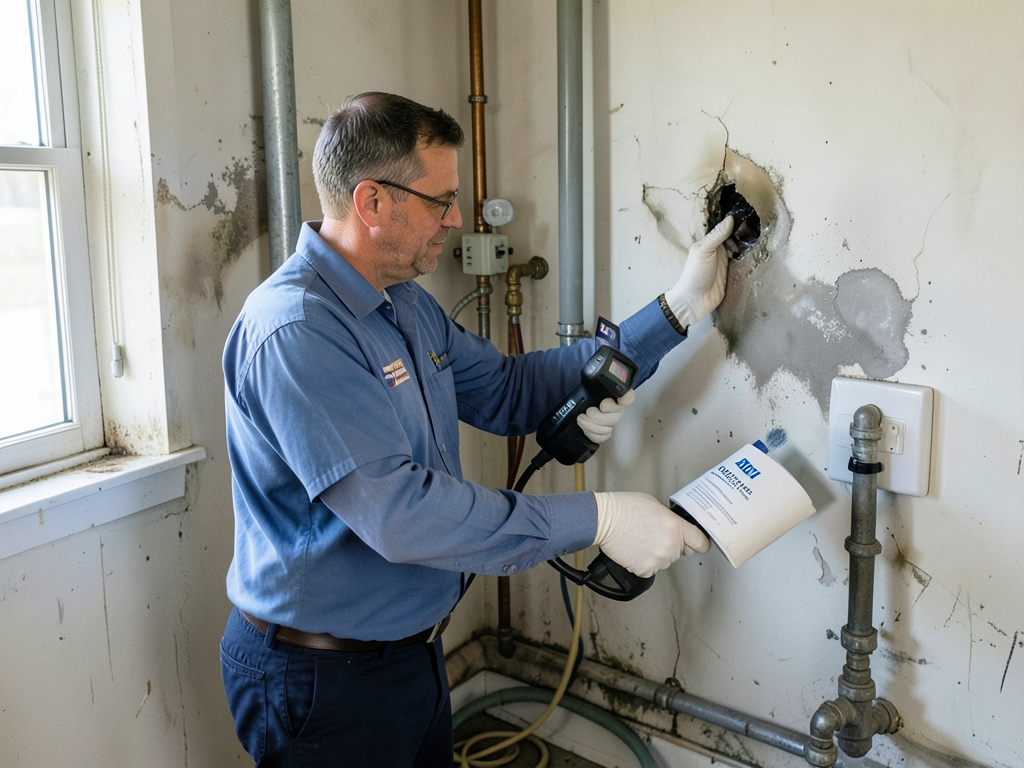
What to Do When Your Water Softener Leaks and Floods Your Affton Utility Room A…
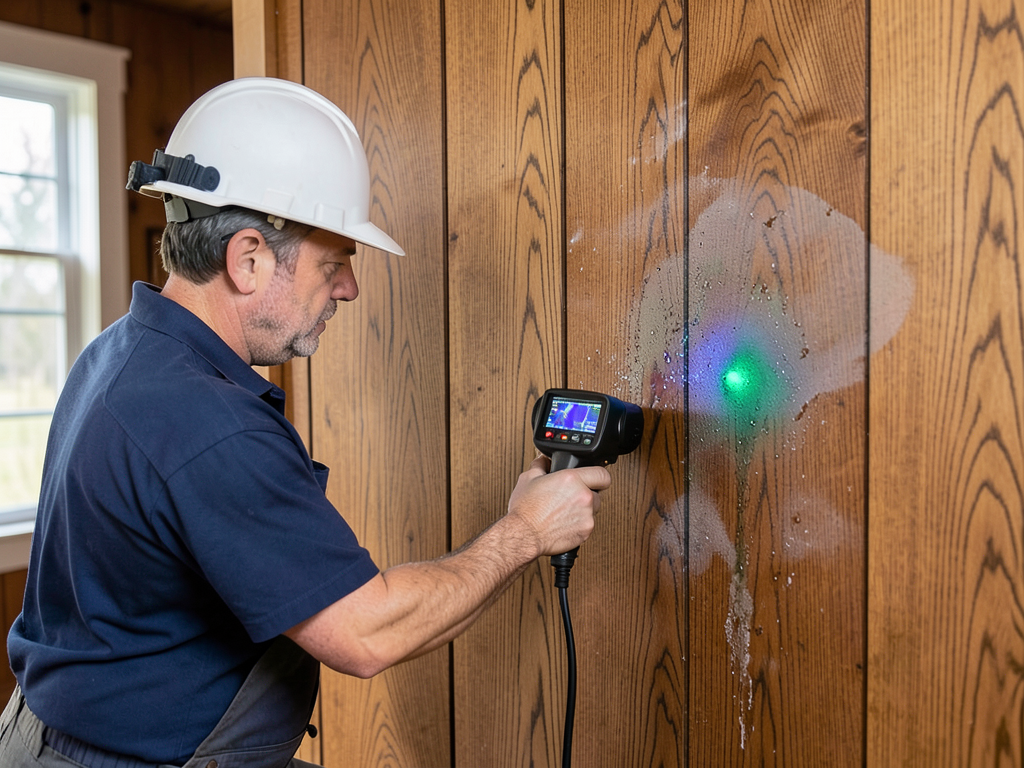
Restoring a Water Damaged Mid-Century Modern Home in Warson Woods Water damage in a mid-century…
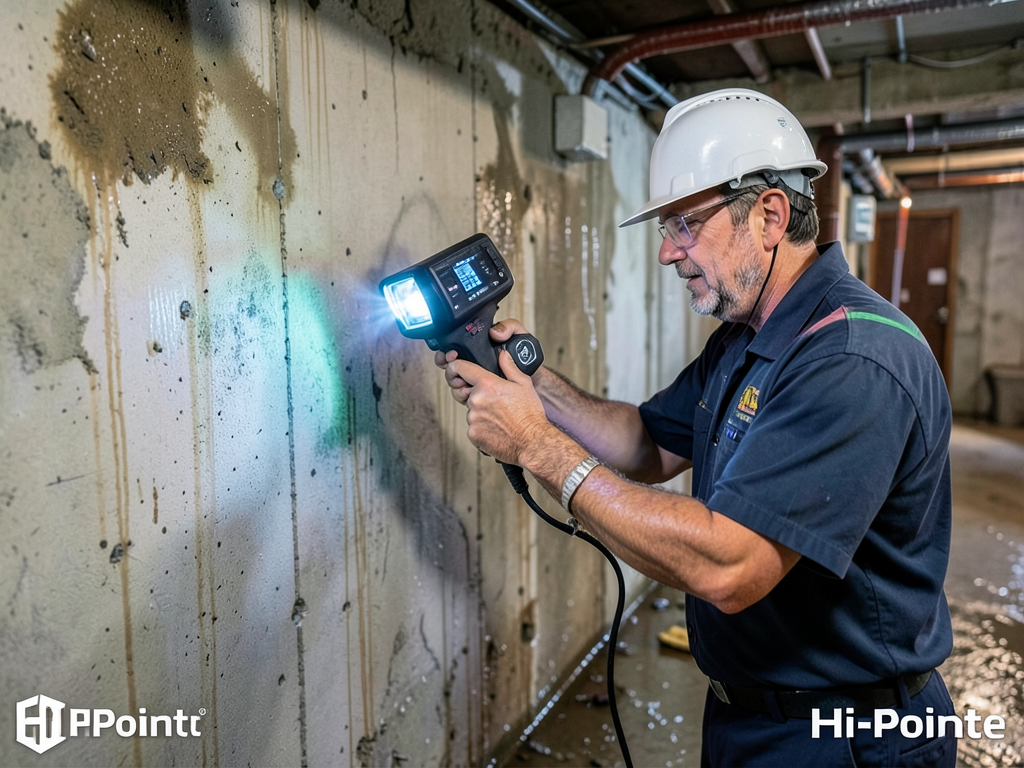
Why Your Walk-Out Basement in Hi-Pointe is Vulnerable to Heavy Rain Runoff Your walk-out basement…
Every minute counts when water floods your University City home. Call Patriot Water Damage Restoration St. Louis now at (314) 428-9977 for immediate dispatch. Our certified technicians arrive within 60 minutes with industrial equipment ready to stop damage and start drying your property fast.