


Maryland Heights sits in the Missouri River floodplain where high water tables and clay-heavy soil create drainage problems that trap moisture against foundations. Spring storms dump rain faster than municipal systems can handle, flooding basements in neighborhoods near Creve Coeur Lake and Fee Fee Creek. The freeze-thaw cycles along Interstate 270 cause pipe bursts in older homes built before modern insulation codes.
Your property faces risks from multiple sources. The Bridgeton Formation clay soil prevalent throughout Maryland Heights expands when wet and contracts when dry, cracking foundation walls and creating entry points for groundwater seepage. Summer humidity averaging 70 percent means wet building materials don't dry naturally, allowing mold colonies to establish within 48 hours of water exposure.
Commercial properties near Earth City and the McKelvey Road corridor face additional challenges from flat membrane roofs that pool water during heavy rain. HVAC condensate lines freeze in mechanical rooms during January cold snaps, flooding tenant spaces overnight. Water damage restoration in Maryland Heights requires understanding how regional geology, climate patterns, and building construction interact to create moisture problems.
Patriot Water Damage Restoration St. Louis has extracted water from Maryland Heights properties for over a decade, building expertise in the specific challenges homes and businesses face in this Missouri River valley community. We maintain relationships with every major insurance carrier operating in St. Louis County, streamlining claims for faster approvals and payment. Our technicians hold IICRC certifications in water damage remediation and applied structural drying, meeting the highest industry standards for moisture removal and documentation.
We invested in truck-mounted extraction equipment that removes standing water three times faster than portable pumps, reducing exposure time that leads to secondary damage. Our thermal imaging cameras detect hidden moisture in wall cavities and beneath flooring that standard moisture meters miss. This technology prevents callback jobs where mold appears weeks after initial drying because pockets of moisture remained trapped in structural materials.
Speed separates adequate response from property-saving intervention. We dispatch from our Maryland Heights service area within 60 minutes, not from distant locations requiring long drive times. Our emergency response operates 24 hours daily because pipe bursts and sewer backups don't respect business hours. When you call at 2 AM on Sunday, a live person answers and technicians roll immediately.
We coordinate directly with insurance adjusters to document damage, photograph affected areas, and provide moisture readings that support your claim. This eliminates the stress of managing multiple contractors while dealing with displacement and property loss. You get one point of contact who handles extraction, drying, antimicrobial treatment, and coordination with reconstruction trades if structural repairs are needed.

We dispatch from our Maryland Heights service area within one hour of your call, arriving with truck-mounted extraction equipment and industrial drying tools. Fast response stops water from spreading to unaffected rooms, soaking deeper into materials, and causing structural damage that escalates repair costs. Every minute counts when water is actively damaging your property.

We work directly with your insurance adjuster to document damage, provide detailed moisture readings, and submit the paperwork required for claim approval. This eliminates confusion about coverage and speeds payment so restoration work proceeds without financial delays. We accept assignment of benefits and bill carriers directly when appropriate.
Our technicians maintain Water Damage Restoration and Applied Structural Drying certifications from the Institute of Inspection, Cleaning and Restoration Certification. This training ensures proper moisture mapping, equipment placement, and drying verification using industry protocols that prevent mold growth and structural failure. Certification matters when insurance carriers review work quality.
We've dried basements flooded by Fee Fee Creek, extracted water from Earth City commercial spaces, and restored homes near Creve Coeur Lake after storm surges. This local experience means we understand how Maryland Heights soil, construction methods, and weather patterns create the moisture problems your property faces. Regional knowledge prevents mistakes that delay drying.
Patriot Water Damage Restoration St. Louis handles every phase of water damage recovery from initial emergency response through final reconstruction. We don't just remove standing water and leave you to manage the rest. Our services include emergency water extraction, structural drying, antimicrobial treatment, contents restoration, and coordination with reconstruction contractors for repairs to damaged building materials.
Water damage remediation requires specialized equipment and technical knowledge that general contractors don't possess. We use thermal imaging to detect hidden moisture, monitor humidity levels throughout the drying process, and verify complete moisture removal before closing walls or replacing flooring. This scientific approach prevents the mold growth and structural rot that occur when materials remain damp inside wall cavities or beneath subflooring.
Our service range covers residential properties from single-family homes to apartment complexes, plus commercial spaces including offices, retail locations, and industrial facilities. We scale response based on damage severity, deploying additional crews and equipment for large losses while maintaining the same rapid response standards for smaller incidents. Every water damage event threatens your property and deserves immediate professional attention.
Our truck-mounted pumps remove hundreds of gallons per minute from flooded basements, crawl spaces, and commercial spaces. We extract standing water before it saturates drywall, wicks into insulation, or seeps beneath flooring into subfloor materials. Speed determines whether you face simple drying or expensive reconstruction. Our extraction equipment handles clean water from supply line breaks, gray water from appliance failures, and contaminated water from sewer backups. We respond 24 hours daily because water damage doesn't respect business hours.
After water removal, we deploy air movers and commercial dehumidifiers to dry structural materials to their pre-loss moisture content. Our technicians monitor drying progress with moisture meters and thermal imaging cameras, adjusting equipment placement to target trapped moisture in walls, ceilings, and floors. This process typically requires three to five days depending on materials affected and initial saturation levels. We document moisture readings daily to verify drying effectiveness and provide insurance carriers with the data they require for claim processing.
Water-damaged materials become breeding grounds for mold within 48 hours if moisture remains present. We apply EPA-registered antimicrobial treatments to affected surfaces after water extraction to prevent fungal colonies from establishing. If mold growth already started before we arrived, we contain affected areas and remove contaminated materials following IICRC guidelines. Our HEPA air scrubbers capture airborne spores during remediation to prevent cross-contamination. Mold prevention costs less than mold remediation, which is why rapid response and complete drying matter.
Maryland Heights properties experience water damage from multiple sources related to regional climate, soil conditions, and building construction methods common in this St. Louis County community. Understanding these risks helps property owners recognize warning signs before minor leaks become major losses.
The Missouri River floodplain geography creates high water tables that push groundwater through foundation cracks during spring rains. Clay-heavy soil doesn't drain well, keeping moisture pressed against basement walls for extended periods. Older homes in neighborhoods near Fee Fee Road and Dorsett Road lack proper foundation waterproofing because construction standards were less stringent when these subdivisions developed in the 1960s and 1970s.
Severe weather patterns bring additional risks. Summer thunderstorms drop several inches of rain in hours, overwhelming gutters and grading systems designed for average rainfall. Winter freeze-thaw cycles crack supply lines in exterior walls and attic spaces. HVAC systems in commercial buildings near Earth City develop condensate line blockages that flood mechanical rooms and leak into tenant spaces below. Water damage in Maryland Heights comes from both sudden catastrophic events and slow leaks that go unnoticed until damage becomes visible.
High water tables and clay soil create hydrostatic pressure that forces groundwater through foundation cracks and floor joints. Spring rains saturate soil faster than it drains, pushing moisture through any weakness in basement waterproofing. Homes near Creve Coeur Lake and Fee Fee Creek face elevated risk during wet seasons when water tables rise close to ground level.
January temperatures regularly drop below 20 degrees, freezing water inside supply lines in exterior walls, crawl spaces, and unheated attics. When pipes thaw, split seams release hundreds of gallons before homeowners discover the break. Older homes with minimal insulation face higher risk because less thermal protection separates plumbing from exterior cold.
Municipal sewer systems near Interstate 270 become overwhelmed during severe storms, causing backflow into residential and commercial properties through floor drains and toilet connections. This contaminated water contains bacteria and pathogens requiring specialized cleanup procedures beyond standard water extraction. Backup prevention valves reduce risk but don't eliminate it during extreme weather.
Winter ice dams form along roof edges when heat loss melts snow that refreezes at the eaves, creating barriers that trap meltwater beneath shingles. This water penetrates roof decking and leaks into attic insulation and ceiling materials. Commercial buildings with flat membrane roofs near McKelvey Road face similar issues from ponding water that finds weak spots in aging waterproofing membranes.
When water damages your Maryland Heights property, confusion and stress make it hard to think clearly about next steps. You need immediate help but don't know who to call, what questions to ask, or how to protect your interests with insurance carriers. We've responded to thousands of water damage events and understand the panic you're experiencing right now.
From your first call through final restoration, we handle logistics so you can focus on getting your life or business back to normal. You won't chase multiple contractors or coordinate between trades. We manage the entire process from emergency response through reconstruction if needed. Our goal is removing the burden of project management during an already stressful situation.
We communicate clearly about what we're doing, why it matters, and how long each phase will take. You'll never wonder about timeline, cost, or insurance coverage because we provide updates throughout the restoration process. This transparency helps property owners make informed decisions about repairs and prevents surprises that delay completion.
When you call our emergency line, a live person answers and dispatches technicians to your Maryland Heights property within 60 minutes. We don't use answering services or return calls hours later. Our first responders assess damage severity, identify water sources, and begin extraction immediately while wet materials are salvageable. You receive a detailed explanation of what happened, what needs to happen next, and realistic timeline expectations before we start work.
We photograph damaged areas, document moisture readings, and create detailed inventories of affected materials before beginning restoration work. This documentation supports your insurance claim and prevents disputes about coverage. We communicate directly with adjusters when you request it, explaining technical aspects of water damage remediation and answering questions about scope and cost. Many clients assign benefits directly to us so we bill carriers and they avoid out-of-pocket expenses.
After drying structural materials to pre-loss moisture content, we verify complete moisture removal with final readings before closing walls or replacing flooring. You receive documentation showing moisture levels meet industry standards for safe reconstruction. If structural repairs are needed, we coordinate with licensed contractors to restore your property to pre-loss condition. You deal with one company, not multiple trades working independently.
We follow proven protocols that prioritize stopping ongoing damage, removing moisture completely, and restoring your property to pre-loss condition. This systematic approach ensures nothing gets missed and moisture doesn't remain trapped where it causes future problems.
Our technicians arrive within 60 minutes with truck-mounted pumps and portable extractors to remove standing water from affected areas. We identify the water source, stop active intrusion if possible, and extract hundreds of gallons per minute from basements, crawl spaces, or commercial spaces. Speed matters because water continues spreading and soaking deeper into materials every minute it remains present. We remove water-damaged contents to prevent further damage and create airflow for drying.
After water removal, we position commercial air movers and dehumidifiers to dry structural materials to their pre-loss moisture content. Our technicians monitor progress daily with moisture meters and thermal imaging cameras, adjusting equipment to target trapped moisture in walls, floors, and ceilings. This phase typically requires three to five days depending on materials affected and initial saturation levels. We document readings to verify drying effectiveness and provide insurance documentation.
Once materials reach safe moisture levels, we apply antimicrobial treatments to prevent mold growth and coordinate reconstruction if water damaged structural materials beyond repair. This includes drywall replacement, flooring installation, painting, and any other repairs needed to restore your property to pre-loss condition. You work with one company throughout the entire process instead of managing multiple contractors who may not communicate effectively.
Water damage restoration requires understanding how moisture behaves in building materials and the conditions that promote complete drying without secondary damage. The Institute of Inspection, Cleaning and Restoration Certification establishes industry standards through its S500 Water Damage Guide, which our technicians follow for every restoration project.
Effective moisture removal depends on creating proper psychrometric conditions where air temperature, humidity, and vapor pressure work together to transfer moisture from wet materials into the air stream. Our dehumidifiers reduce ambient humidity so air can absorb moisture evaporating from structural materials. Air movers increase surface evaporation and direct moisture-laden air into dehumidifier intakes. This continuous cycle pulls moisture from materials faster than passive air drying alone.
Different building materials release moisture at different rates. Hardwood flooring dries slower than drywall because wood has lower permeability. Concrete foundations may require weeks to reach acceptable moisture content because water penetrates deep into the porous material. We adjust drying strategies based on materials affected, using thermal imaging to detect hidden moisture that surface readings miss.
Water classification determines appropriate remediation procedures. Category 1 water from supply lines requires standard extraction and drying. Category 2 gray water from appliances needs antimicrobial treatment. Category 3 black water from sewage requires specialized procedures including material removal and surface disinfection. Insurance coverage differs by category, which is why proper classification and documentation matter for claim approval.
Missouri building codes don't specifically address water damage restoration, but insurance carriers require IICRC-certified technicians and documentation following industry protocols. We maintain detailed moisture logs showing initial readings, daily progress, and final verification that materials reached acceptable dryness before reconstruction. This documentation protects property owners if questions arise later about work quality or mold claims.
The IICRC S500 Standard establishes protocols for water damage assessment, classification, and structural drying procedures that insurance carriers recognize as industry best practice. Our technicians follow these guidelines for moisture mapping, equipment placement, monitoring frequency, and final verification to ensure complete moisture removal that prevents mold growth and structural damage. Compliance with IICRC standards supports insurance claims and demonstrates professional competence.
Water damage restoration costs depend on water volume, affected materials, contamination level, and drying time required. Basement floods covering 1,000 square feet cost more than bathroom supply line breaks affecting 200 square feet. Category 3 sewage backups require specialized procedures that increase costs compared to clean water events. Materials like hardwood flooring need longer drying times than carpet, extending equipment rental periods. Insurance typically covers sudden water damage but excludes gradual leaks from deferred maintenance.
Most water damage situations require three to five days of active drying to remove moisture from structural materials. Concrete foundations, hardwood floors, and severely saturated drywall may need seven to ten days. We monitor moisture content daily and adjust equipment placement to accelerate drying without causing secondary damage from over-drying or rapid moisture loss. Final verification confirms materials reached safe moisture levels before reconstruction begins.
Mold growth begins within 48 hours when organic materials remain wet above 60 percent relative humidity. Rapid water extraction and immediate drying prevent conditions that support microbial growth. We apply EPA-registered antimicrobial treatments to affected surfaces and maintain detailed humidity logs showing environmental conditions stayed below thresholds that promote mold. If growth already started, we follow separate mold remediation protocols including containment and HEPA filtration.
Patriot Water Damage Restoration St. Louis maintains rapid response capabilities throughout Maryland Heights and surrounding St. Louis County communities. We dispatch from our service area to reach properties within 60 minutes, arriving with truck-mounted extraction equipment and industrial drying tools ready for immediate deployment.
Maryland Heights spans diverse neighborhoods with different water damage risk profiles. Homes near Creve Coeur Lake in the eastern sections face groundwater seepage during spring rains when water tables rise and saturate clay soil. Properties along Fee Fee Creek near the Fee Fee Road corridor experience storm surge flooding during severe weather when tributaries overflow banks. The Earth City commercial district contains warehouse and office spaces with flat membrane roofs prone to ponding water and leak development.
Residential areas around Dorsett Road and McKelvey Road include older ranch-style homes built in the 1960s and 1970s with minimal foundation waterproofing and aging plumbing systems. These properties experience basement flooding from foundation cracks and burst pipes from freeze-thaw damage. Newer subdivisions in western Maryland Heights near Interstate 270 have better drainage systems but still face risks from construction defects and appliance failures.
Commercial properties in the Earth City business corridor require fast response to minimize business interruption and tenant displacement. Office spaces, retail locations, and industrial facilities can't afford extended downtime while water damage gets assessed and restoration begins. We maintain equipment inventory and crew availability to handle large commercial losses requiring multiple technicians and specialized extraction equipment.
We also serve adjacent communities including Bridgeton to the south, Hazelwood to the north, and Creve Coeur to the east. These St. Louis County areas share similar soil conditions, weather patterns, and construction methods that create comparable water damage risks. Our regional expertise extends beyond Maryland Heights to encompass the greater St. Louis metropolitan area, but we maintain dedicated focus on rapid response to properties in Maryland Heights proper where many of our long-term clients live and work.
We are proud to be the trusted local choice for water damage restoration across the greater St. Louis region. This map highlights our primary service zone, demonstrating our commitment to rapid, localized response across every neighborhood and business district within the area. We invite all users to view our service area and then contact us directly for immediate deployment to your specific address within the St. Louis community.
Address:
Maryland Heights, MO, 63146

Why High Humidity in Your Tower Grove East Attic Can Lead to Structural Wood Rot Attic wood rot starts with moisture. In Tower Grove East, the combination of old homes and St. Louis's humid summers…
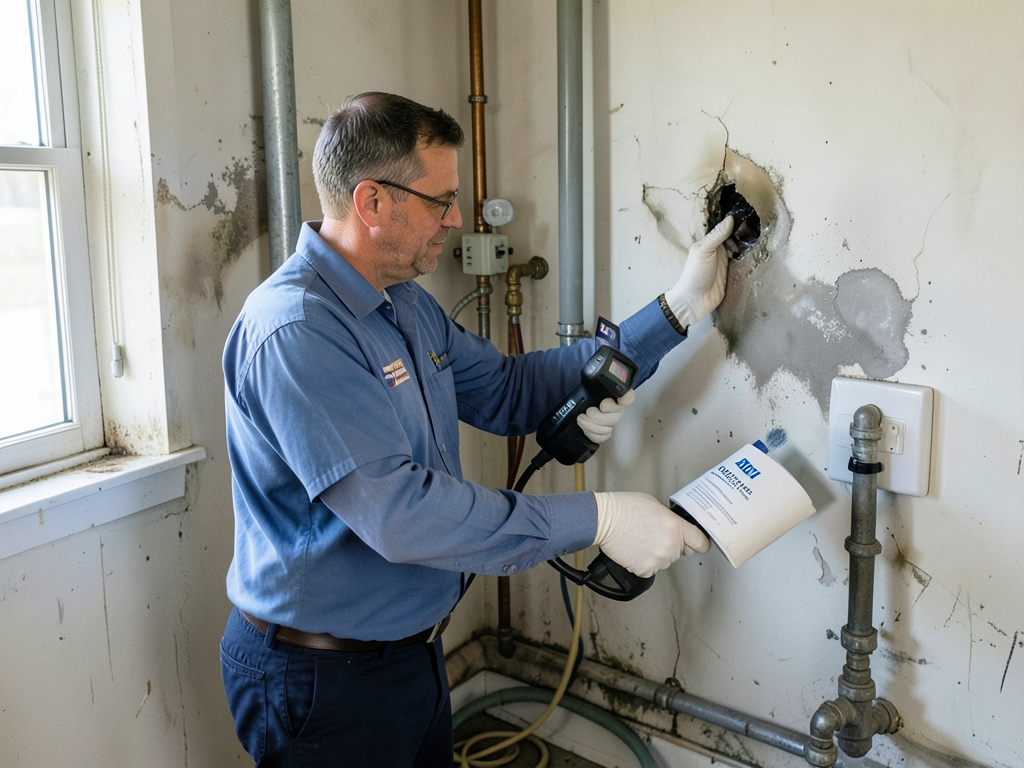
What to Do When Your Water Softener Leaks and Floods Your Affton Utility Room A…
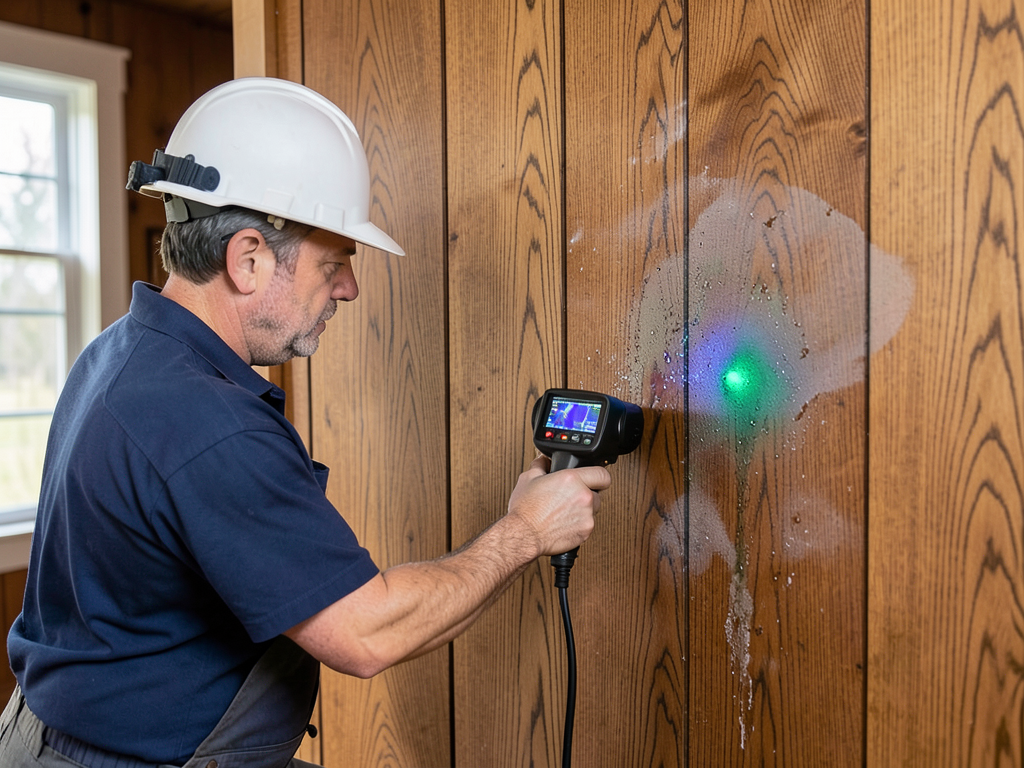
Restoring a Water Damaged Mid-Century Modern Home in Warson Woods Water damage in a mid-century…
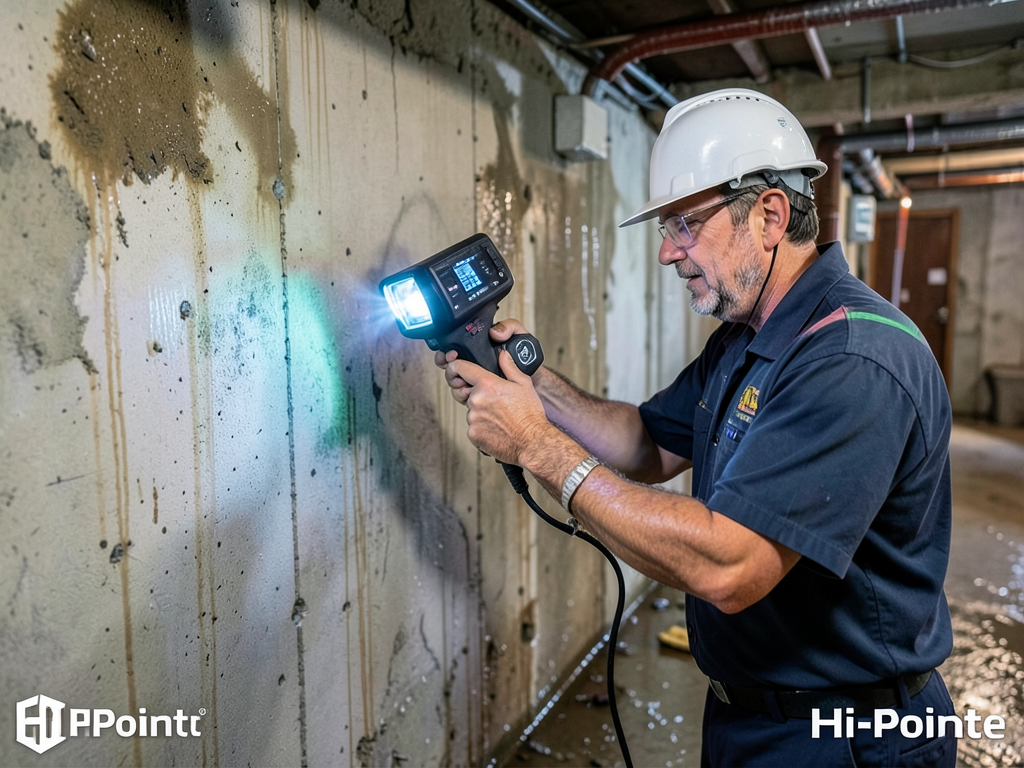
Why Your Walk-Out Basement in Hi-Pointe is Vulnerable to Heavy Rain Runoff Your walk-out basement…
Water damage gets worse every minute. Call Patriot Water Damage Restoration St. Louis right now at (314) 428-9977 for emergency response within 60 minutes. Our technicians arrive with industrial extraction equipment ready to stop ongoing damage and start immediate drying. We're available 24 hours daily for Maryland Heights water emergencies.