


Creve Coeur sits in a floodplain zone where Creve Coeur Lake and Fee Fee Creek create elevated groundwater tables. Spring storms dump 4-6 inches of rain in hours, overwhelming older storm drains in neighborhoods near Old Ballas Road and Olive Boulevard. Clay-heavy soil common throughout west St. Louis County prevents water absorption, pushing runoff toward foundation walls and basement window wells.
Homes built before 1980 in areas around Conway Road often have outdated sump pumps that fail during peak demand. The Missouri River's proximity means humid summers accelerate mold growth in attics and crawl spaces after roof leaks go unnoticed. Commercial properties along Dorsett Road face supply line failures in aging HVAC systems, flooding tenant spaces overnight.
Water damage in Creve Coeur requires immediate action. Structural materials stay wet longer due to humidity levels that average 70% from May through September. Drywall wicks moisture vertically, ruining insulation and framing within 48 hours. Hardwood floors cup and buckle as moisture penetrates tongue-and-groove joints. Without industrial dehumidifiers and thermal imaging to track hidden moisture, secondary damage costs triple within a week.
Patriot Water Damage Restoration St. Louis has extracted water from hundreds of Creve Coeur properties since establishing our rapid response protocols for west county emergencies. We maintain equipment staging near the I-270 and Olive Boulevard interchange, putting truck-mounted extractors and commercial air movers at your property faster than companies dispatching from downtown or Illinois.
Our technicians train on the specific challenges Creve Coeur properties present. We know which neighborhoods have combined sewers that back up during heavy rain. We recognize the signs of foundation seepage common in homes near Creve Coeur Park. We understand how to dry split-level homes built into hillsides where water migrates between floors through utility penetrations.
We handle insurance documentation from first contact through final approval. Your adjuster receives moisture readings, thermal images, and detailed scope documents within 24 hours. We know which St. Louis County carriers require specific protocols and which restoration steps they pre-approve. No surprise bills. No claim delays.
Our equipment inventory includes truck-mounted extraction units that remove 100 gallons per minute, HEPA air scrubbers that filter airborne mold spores during demolition, and LGR dehumidifiers that pull moisture from concrete and subfloors. We own our gear. We don't rent equipment or subcontract emergency calls to untrained crews. When you call Patriot, you get Patriot technicians who answer to our quality standards.

Our crews reach Creve Coeur properties within one hour of your emergency call. We stage equipment at strategic west county locations, not across the river. Fast response stops water from spreading into unaffected rooms and reduces total drying time by 40%. Every minute counts when your property is flooding.

We communicate directly with your insurance company from loss documentation through final payment. You receive detailed moisture maps and photo documentation within 24 hours. We know St. Louis County carrier requirements and pre-approval protocols. Our process eliminates claim delays and surprise out-of-pocket costs.
Our technicians follow IICRC S500 standards for water damage restoration. We document moisture levels twice daily using thermal cameras and moisture meters. Drying equipment stays onsite until all materials reach industry-standard moisture content. We provide certificates of completion that satisfy insurance requirements and protect your property value.
We know Creve Coeur construction patterns, soil conditions, and flood zones. Our crews recognize which neighborhoods face sump pump failures and where foundation seepage occurs. We understand how split-level homes and hillside lots affect water migration. Local expertise means faster diagnosis and targeted drying strategies.
Patriot Water Damage Restoration St. Louis handles every phase of water damage recovery in Creve Coeur. We respond to burst pipes, sewage backups, storm flooding, appliance failures, and roof leaks 24 hours a day. Our service range covers emergency water extraction, structural drying, mold remediation, content restoration, and full reconstruction.
Water damage restoration requires coordinated response across multiple disciplines. Emergency extraction stops active flooding. Structural drying prevents secondary damage to framing and insulation. Contamination protocols protect your health when sewage or groundwater enters living spaces. Each situation demands different equipment, safety measures, and drying strategies.
We match our response to your specific emergency. Clean water from supply line breaks requires different handling than category three sewage backups. Hardwood floors need specialty drying mats. Finished basements require wall cavity injection and controlled demolition. Commercial properties demand after-hours service to avoid business interruption. Our comprehensive capabilities mean one call solves your entire problem from emergency through reconstruction.
Our truck-mounted extraction units remove standing water within minutes of arrival. We pull water from carpets, pad, and subfloors before it spreads to adjacent rooms. Portable pumps handle deep basement flooding and crawl space submersion. We move furniture to dry areas, remove wet contents, and deploy air movers to start evaporation. Emergency extraction stops damage progression and reduces total drying time by days.
We use thermal imaging cameras to map hidden moisture in wall cavities, subfloors, and ceiling spaces. Commercial dehumidifiers pull moisture from concrete slabs and hardwood floors. Targeted air movement dries framing lumber and insulation without unnecessary demolition. We monitor moisture levels twice daily and adjust equipment placement based on drying progress. Structural drying continues until all materials reach industry-standard moisture content.
Sewage backups and flood water contain bacteria, viruses, and chemical contaminants that require specialized handling. Our technicians wear protective gear and follow EPA protocols for category two and three water removal. We dispose of contaminated materials according to St. Louis County regulations. HEPA filtration removes airborne pathogens during cleanup. Antimicrobial treatments sanitize affected surfaces before reconstruction begins.
Creve Coeur's geography and housing stock create predictable water damage patterns. Properties near Creve Coeur Lake and Fee Fee Creek face spring flooding when storms overwhelm drainage systems. Homes built on hillsides experience foundation seepage during prolonged rain. Older neighborhoods around Ladue Road and Old Ballas have aging supply lines that burst without warning.
Clay soil prevents water absorption, directing runoff toward foundation walls and basement egress wells. Sump pumps fail during peak demand when everyone's system activates simultaneously. Humidity averages 70% in summer, accelerating mold growth in attics and crawl spaces after roof leaks. Commercial buildings along Olive Boulevard have flat roofs where ponding water finds membrane penetrations.
These issues compound when property owners delay calling for help. Water wicks through drywall and insulation within hours. Hardwood floors cup as moisture penetrates between boards. Mold colonies establish in 48 hours under favorable conditions. Early intervention reduces restoration costs by 60% compared to waiting until damage becomes obvious.
Sump pumps in Creve Coeur basements run constantly during spring storms. Pumps installed before 2010 lack battery backup and fail when power outages occur during severe weather. Discharge lines freeze in winter, causing basin overflow. We extract standing water, dry foundation walls, and recommend backup systems to prevent repeat flooding.
Homes built into slopes near Creve Coeur Park experience hydrostatic pressure against foundation walls during heavy rain. Water finds cracks in poured concrete and gaps around utility penetrations. Finished basements show water stains at floor-wall joints. We dry wall cavities using injection ports and identify entry points for permanent waterproofing.
Supply lines installed before 1990 in neighborhoods around Conway Road corrode from inside, developing pinhole leaks that spray walls and ceilings. Failures occur behind washing machines, under sinks, and in attic HVAC units. Water runs for hours before residents notice damage. We extract water from multiple rooms and dry structural cavities before mold develops.
Basement window wells in Creve Coeur fill with water during storms when drains clog with debris. Water pressure forces leaks around window frames, soaking drywall and carpet. Clay soil prevents drainage, keeping wells full for days. We pump wells, extract interior water, and dry walls using cavity injection to prevent mold in insulation.
Water damage creates chaos. You need clear information and immediate help. When you call Patriot Water Damage Restoration St. Louis, our dispatcher asks specific questions about your emergency. We want to know the water source, how many rooms are affected, and whether water is still entering your property. This information determines which equipment we load and how many technicians respond.
Our crew arrives within 60 minutes for Creve Coeur emergencies. The lead technician inspects your property, identifies the water source, and explains the restoration process before starting work. You receive a detailed scope document and moisture map within 24 hours. We communicate directly with your insurance company, providing documentation they need for claim approval.
Equipment stays onsite until moisture readings confirm complete drying. We check progress twice daily and adjust air mover placement based on thermal imaging results. You receive daily updates via text or phone call. When drying finishes, we provide a completion certificate showing final moisture levels. Our reconstruction team handles repairs if you need walls replaced or flooring reinstalled. One company. Complete solution.
Our technician arrives at your Creve Coeur property within 60 minutes of your call. We stop active water intrusion, extract standing water, and inspect all affected areas using moisture meters and thermal cameras. You receive a detailed explanation of required services and timeline before we begin work. We take photos and document moisture levels for insurance claims. Emergency stabilization starts immediately to prevent additional damage.
You receive a written scope and moisture map within 24 hours showing all affected areas. We monitor drying progress twice daily and send you updates via text or phone. Our crew explains any changes to the work plan if hidden damage appears during demolition. Your insurance adjuster receives the same documentation in real time. We answer your questions directly without making you wait for callbacks.
Drying equipment stays onsite until moisture readings match industry standards for your specific materials. We provide a completion certificate showing before and after moisture levels in all affected areas. Your insurance company accepts this documentation as proof of proper restoration. If reconstruction is needed, our licensed contractors handle repairs using the same crews who performed the drying. You get consistent quality from emergency through final walkthrough.
Water damage restoration follows a proven sequence that stops damage progression and returns your property to pre-loss condition. Each phase uses specific equipment and techniques matched to your situation.
We arrive at your Creve Coeur property within 60 minutes with truck-mounted extraction units. Our crew removes standing water from floors, carpets, and subfloors using high-volume pumps. We move furniture to dry areas and remove wet contents for separate drying. Portable extractors handle confined spaces like closets and bathrooms. Initial extraction removes 95% of standing water within the first hour.
We deploy commercial air movers and LGR dehumidifiers to dry building materials. Thermal imaging cameras identify moisture in walls, ceilings, and subfloors. Air movers position at strategic angles to maximize evaporation from wet surfaces. Dehumidifiers run continuously, pulling moisture from the air and allowing materials to release trapped water. We check moisture levels twice daily and adjust equipment based on drying curves.
Equipment removal occurs when moisture readings reach industry standards for your specific materials. We provide completion certificates showing final moisture levels for insurance documentation. If demolition revealed damaged framing or insulation, our reconstruction crew handles repairs. We install new drywall, insulation, flooring, and trim to match existing finishes. Your property returns to pre-loss condition with the same crew maintaining quality throughout.
Professional water damage restoration follows Institute of Inspection Cleaning and Restoration Certification standards, specifically the S500 Standard for Water Damage Restoration. These protocols classify water by contamination level, specify appropriate safety equipment, and define acceptable moisture content for building materials before reconstruction begins.
Water classification determines handling procedures. Category one water from supply lines requires basic extraction and drying. Category two water from washing machine overflows or toilet tanks contains contaminants requiring antimicrobial treatment. Category three water from sewage backups or flood water demands full protective equipment, contaminated material disposal, and EPA-approved disinfection protocols.
Moisture measurement uses industry-standard tools calibrated to specific materials. Non-invasive moisture meters scan large areas quickly. Penetrating probes measure moisture content inside wood framing and subfloors. Thermal imaging cameras map temperature differentials that indicate hidden moisture in wall cavities and ceiling spaces. We document readings twice daily, creating drying curves that predict completion timelines.
IICRC standards specify target moisture content for common building materials. Wood framing must reach 15% moisture content or less. Concrete slabs require readings below 4% on the calcium chloride scale before installing flooring. Drywall dries to match unaffected walls, typically 10-12% moisture content. These measurements protect your property from future mold growth and structural damage.
St. Louis County requires licensed contractors to obtain permits for reconstruction work exceeding $1,000 in value. We secure necessary permits before starting demolition or rebuilding. Our documentation satisfies insurance requirements and protects your property value during future sales. Professional restoration provides verifiable proof that your property returned to industry-standard condition.
IICRC standards classify water by contamination level. Category one comes from clean sources like supply lines. Category two contains contaminants from appliances or clean toilet water. Category three includes sewage, flooding, or groundwater. Classification determines safety equipment, disposal procedures, and antimicrobial treatment requirements. Proper classification protects your health and ensures thorough remediation.
Water damage restoration costs depend on water volume, contamination level, and material damage. Clean water extraction costs less than sewage cleanup requiring protective gear and disposal. Drying finished basements with wall cavities requires more equipment than open spaces. Insurance coverage typically includes emergency services, drying, and reconstruction. Most Creve Coeur homeowners pay only their deductible.
Most residential water damage dries within three to five days using commercial equipment. Concrete slabs require seven to ten days. Hardwood floors need two weeks with specialty drying mats. Timeline depends on materials affected, humidity levels, and airflow. We monitor progress twice daily and provide completion estimates based on measured drying curves, not guesses.
Professional water damage restoration requires IICRC certification in water damage restoration and applied microbial remediation. Missouri contractors need state licensing for reconstruction work. We maintain general liability and workers compensation insurance protecting your property. Our technicians complete annual continuing education on new techniques, equipment, and safety protocols. Certifications ensure competent service.
This video explains water damage risks specific to Creve Coeur properties including basement flooding, foundation seepage, and burst supply lines. Learn about clay soil drainage issues, sump pump failures, and storm water intrusion patterns near Creve Coeur Lake and Fee Fee Creek. The video demonstrates professional water extraction equipment, thermal imaging for moisture detection, and IICRC-certified drying protocols that prevent mold growth and structural damage.
Patriot Water Damage Restoration St. Louis responds to emergencies throughout Creve Coeur and west St. Louis County. We know the specific challenges different neighborhoods face based on construction era, elevation, and soil conditions. Properties near Creve Coeur Lake experience different water intrusion patterns than hillside homes around Creve Coeur Park or commercial buildings along the Olive Boulevard corridor.
The neighborhoods surrounding Old Ballas Road and Ladue Road contain homes built in the 1960s and 1970s with original supply lines reaching end of service life. We respond regularly to burst pipes in finished basements where water damages rec rooms, bedrooms, and storage areas. Split-level designs common to this era require careful moisture mapping because water migrates between floors through utility penetrations and shared wall cavities.
Areas near Conway Road and Dorsett Road face storm water challenges when Fee Fee Creek rises during spring flooding. Properties in the eastern sections of Creve Coeur near Maryland Heights see basement seepage from elevated water tables. Commercial properties along Olive Boulevard between I-270 and Lindbergh Boulevard require after-hours response to minimize tenant disruption and business interruption.
We maintain fast response times to Creve Coeur by staging equipment near the I-270 and Olive Boulevard interchange. Our coverage area extends throughout west county including Ladue, Town and Country, Maryland Heights, and Olivette. The same crews serve residential and commercial properties. We understand local building codes, insurance carrier requirements, and municipal permit procedures across St. Louis County jurisdictions.
Homes near Creve Coeur Golf Course and surrounding parkland built on former floodplain require foundation monitoring after water damage. Clay soil common throughout the area holds moisture against foundation walls long after surface water disappears. We use specialty equipment to dry these areas and prevent future seepage. Properties backing to wooded areas need additional moisture monitoring because tree canopy limits sun exposure and extends drying times.
Our familiarity with Creve Coeur construction patterns speeds diagnosis and treatment. We recognize architectural styles, know which subdivisions have sump pump systems, and understand how local topography affects water drainage. This local expertise reduces restoration time and improves outcomes compared to companies dispatching from distant locations without neighborhood knowledge.
Water damage restoration in Creve Coeur typically takes 3 to 7 days for most residential projects. The timeline depends on the extent of damage, affected materials, and water category. Minor leaks affecting one room take 2 to 3 days. Severe flooding impacting multiple floors requires 5 to 10 days. Drying times vary based on humidity levels, temperature, and airflow. Professionals monitor moisture levels daily with specialized meters. Complete restoration including repairs and reconstruction adds 1 to 3 weeks. Your restoration company provides a detailed timeline after the initial assessment.
Water damage restoration pricing in Creve Coeur depends on several factors. Water category affects pricing significantly. Clean water from supply lines costs less to remediate than contaminated floodwater. The affected area size directly impacts expenses. Water extraction, drying, and equipment rental form the base expenses. Structural repairs, flooring replacement, and mold remediation add to the total. Most homeowners pay between several hundred and several thousand dollars. Get written estimates from three local companies before choosing. Your insurance company adjusts the final amount based on policy coverage limits.
Most Creve Coeur homeowners insurance policies cover sudden and accidental water damage. Burst pipes, appliance malfunctions, and storm-related roof leaks typically qualify for coverage. Your policy excludes flood damage from external sources. You need separate flood insurance through FEMA for rising water coverage. Insurance companies deny claims for gradual damage from poor maintenance. Document all damage with photos before cleanup begins. Contact your insurance agent within 24 hours of discovering water damage. Keep receipts for emergency services and temporary repairs. Review your policy deductible and coverage limits carefully.
Water damage restoration in Creve Coeur typically takes 3 to 7 days for most residential projects. The timeline depends on the extent of damage, affected materials, and water category. Minor leaks affecting one room take 2 to 3 days. Severe flooding impacting multiple floors requires 5 to 10 days. Drying times vary based on humidity levels, temperature, and airflow. Professionals monitor moisture levels daily with specialized meters. Complete restoration including repairs and reconstruction adds 1 to 3 weeks. Your restoration company provides a detailed timeline after the initial assessment.
Water damage restoration pricing in Creve Coeur depends on several factors. Water category affects pricing significantly. Clean water from supply lines costs less to remediate than contaminated floodwater. The affected area size directly impacts expenses. Water extraction, drying, and equipment rental form the base expenses. Structural repairs, flooring replacement, and mold remediation add to the total. Most homeowners pay between several hundred and several thousand dollars. Get written estimates from three local companies before choosing. Your insurance company adjusts the final amount based on policy coverage limits.
Most Creve Coeur homeowners insurance policies cover sudden and accidental water damage. Burst pipes, appliance malfunctions, and storm-related roof leaks typically qualify for coverage. Your policy excludes flood damage from external sources. You need separate flood insurance through FEMA for rising water coverage. Insurance companies deny claims for gradual damage from poor maintenance. Document all damage with photos before cleanup begins. Contact your insurance agent within 24 hours of discovering water damage. Keep receipts for emergency services and temporary repairs. Review your policy deductible and coverage limits carefully.
Choose a water damage restoration company in Creve Coeur with proper IICRC certification. This credential confirms technicians completed industry-standard training programs. Verify the company maintains 24/7 emergency response capability. Check online reviews on multiple platforms for consistent positive feedback. Request references from recent Creve Coeur customers. Confirm they work directly with insurance companies for claims processing. Ask about their equipment inventory and moisture monitoring procedures. Get detailed written estimates before work begins. Local companies understand Missouri humidity patterns and building codes better than national chains.
You might stay in your Creve Coeur home during minor water damage restoration projects. Small affected areas with minimal equipment allow normal living conditions. Extensive damage requiring multiple dehumidifiers and air movers creates noise and disruption. Your restoration company advises evacuation when dealing with contaminated water categories 2 and 3. Black water from sewage poses serious health risks requiring immediate evacuation. Mold growth necessitates temporary relocation during remediation. Consider staying elsewhere if damage affects bedrooms, kitchens, or bathrooms. Your safety and health come first when making this decision.
Mold grows in Creve Coeur homes when moisture remains for 24 to 48 hours. High humidity levels above 60 percent create ideal conditions for spore germination. Porous materials like drywall, carpet, and insulation absorb water quickly. Hidden moisture behind walls and under flooring goes undetected without proper equipment. Warm temperatures between 77 and 86 degrees accelerate mold growth. Poor ventilation traps moisture inside your home. Delayed response to water damage gives mold time to establish colonies. Professional restoration prevents mold by removing moisture within the critical 24-hour window.
Call for water damage restoration in Creve Coeur within the first hour of discovering damage. The first 24 hours determine whether you face minor repairs or major reconstruction. Water spreads quickly through flooring, walls, and structural materials. Immediate response prevents secondary damage like warping, swelling, and mold growth. Many restoration companies in Creve Coeur offer 24/7 emergency services for urgent situations. Quick action saves your belongings and reduces overall restoration expenses. Document the damage with photos before calling. Then contact your insurance company and a restoration professional simultaneously.
Water damage restoration companies in Creve Coeur use industrial-grade extraction equipment to remove standing water. Submersible pumps handle deep flooding while wet vacuums address surface water. Commercial dehumidifiers remove moisture from the air at rates up to 200 pints daily. High-velocity air movers create airflow patterns for faster drying. Moisture meters detect hidden water in walls, ceilings, and floors. Thermal imaging cameras identify wet areas invisible to the naked eye. Air scrubbers with HEPA filters remove contaminants and odors. Professionals use antimicrobial treatments to prevent mold growth.
Professional water damage restoration in Creve Coeur removes moisture to safe levels using systematic monitoring. Technicians measure moisture content in all affected materials daily. They target moisture levels below 15 percent for wood and below 1 percent for concrete. Complete moisture removal takes 3 to 7 days depending on materials and conditions. Professionals document moisture readings throughout the process with detailed reports. Your restoration company provides a certificate of completion confirming all areas meet industry standards. Proper restoration eliminates moisture that causes future mold growth and structural damage.
Water mitigation in Creve Coeur focuses on immediate emergency response to stop damage progression. Technicians extract standing water, remove wet materials, and begin drying within hours. Mitigation prevents further loss and stabilizes your property. Water restoration comes after mitigation and involves rebuilding and repairs. Restoration includes replacing drywall, installing new flooring, repainting, and returning your home to pre-damage condition. Most companies in Creve Coeur provide both services under one contract. Mitigation takes days while complete restoration takes weeks. Insurance policies often cover both phases separately.
Choose a water damage restoration company in Creve Coeur with proper IICRC certification. This credential confirms technicians completed industry-standard training programs. Verify the company maintains 24/7 emergency response capability. Check online reviews on multiple platforms for consistent positive feedback. Request references from recent Creve Coeur customers. Confirm they work directly with insurance companies for claims processing. Ask about their equipment inventory and moisture monitoring procedures. Get detailed written estimates before work begins. Local companies understand Missouri humidity patterns and building codes better than national chains.
You might stay in your Creve Coeur home during minor water damage restoration projects. Small affected areas with minimal equipment allow normal living conditions. Extensive damage requiring multiple dehumidifiers and air movers creates noise and disruption. Your restoration company advises evacuation when dealing with contaminated water categories 2 and 3. Black water from sewage poses serious health risks requiring immediate evacuation. Mold growth necessitates temporary relocation during remediation. Consider staying elsewhere if damage affects bedrooms, kitchens, or bathrooms. Your safety and health come first when making this decision.
Mold grows in Creve Coeur homes when moisture remains for 24 to 48 hours. High humidity levels above 60 percent create ideal conditions for spore germination. Porous materials like drywall, carpet, and insulation absorb water quickly. Hidden moisture behind walls and under flooring goes undetected without proper equipment. Warm temperatures between 77 and 86 degrees accelerate mold growth. Poor ventilation traps moisture inside your home. Delayed response to water damage gives mold time to establish colonies. Professional restoration prevents mold by removing moisture within the critical 24-hour window.
Call for water damage restoration in Creve Coeur within the first hour of discovering damage. The first 24 hours determine whether you face minor repairs or major reconstruction. Water spreads quickly through flooring, walls, and structural materials. Immediate response prevents secondary damage like warping, swelling, and mold growth. Many restoration companies in Creve Coeur offer 24/7 emergency services for urgent situations. Quick action saves your belongings and reduces overall restoration expenses. Document the damage with photos before calling. Then contact your insurance company and a restoration professional simultaneously.
Water damage restoration companies in Creve Coeur use industrial-grade extraction equipment to remove standing water. Submersible pumps handle deep flooding while wet vacuums address surface water. Commercial dehumidifiers remove moisture from the air at rates up to 200 pints daily. High-velocity air movers create airflow patterns for faster drying. Moisture meters detect hidden water in walls, ceilings, and floors. Thermal imaging cameras identify wet areas invisible to the naked eye. Air scrubbers with HEPA filters remove contaminants and odors. Professionals use antimicrobial treatments to prevent mold growth.
Professional water damage restoration in Creve Coeur removes moisture to safe levels using systematic monitoring. Technicians measure moisture content in all affected materials daily. They target moisture levels below 15 percent for wood and below 1 percent for concrete. Complete moisture removal takes 3 to 7 days depending on materials and conditions. Professionals document moisture readings throughout the process with detailed reports. Your restoration company provides a certificate of completion confirming all areas meet industry standards. Proper restoration eliminates moisture that causes future mold growth and structural damage.
Water mitigation in Creve Coeur focuses on immediate emergency response to stop damage progression. Technicians extract standing water, remove wet materials, and begin drying within hours. Mitigation prevents further loss and stabilizes your property. Water restoration comes after mitigation and involves rebuilding and repairs. Restoration includes replacing drywall, installing new flooring, repainting, and returning your home to pre-damage condition. Most companies in Creve Coeur provide both services under one contract. Mitigation takes days while complete restoration takes weeks. Insurance policies often cover both phases separately.
We are proud to be the trusted local choice for water damage restoration across the greater St. Louis region. This map highlights our primary service zone, demonstrating our commitment to rapid, localized response across every neighborhood and business district within the area. We invite all users to view our service area and then contact us directly for immediate deployment to your specific address within the St. Louis community.
Address:
Creve Coeur, MO, 63131

Why High Humidity in Your Tower Grove East Attic Can Lead to Structural Wood Rot Attic wood rot starts with moisture. In Tower Grove East, the combination of old homes and St. Louis's humid summers…
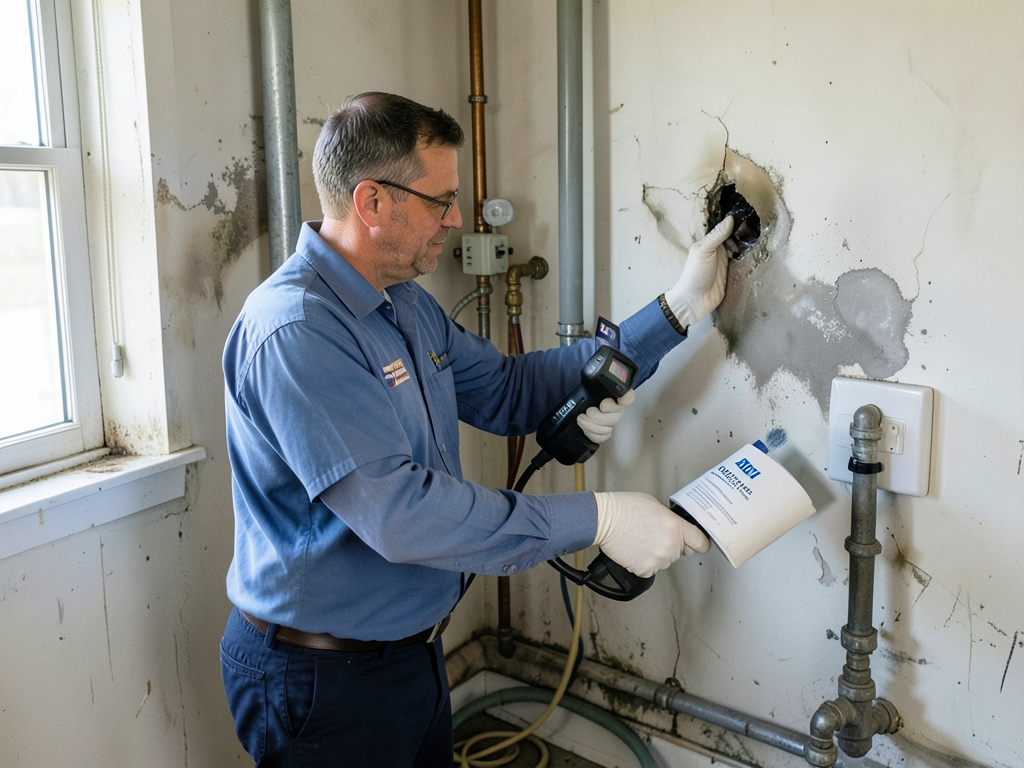
What to Do When Your Water Softener Leaks and Floods Your Affton Utility Room A…
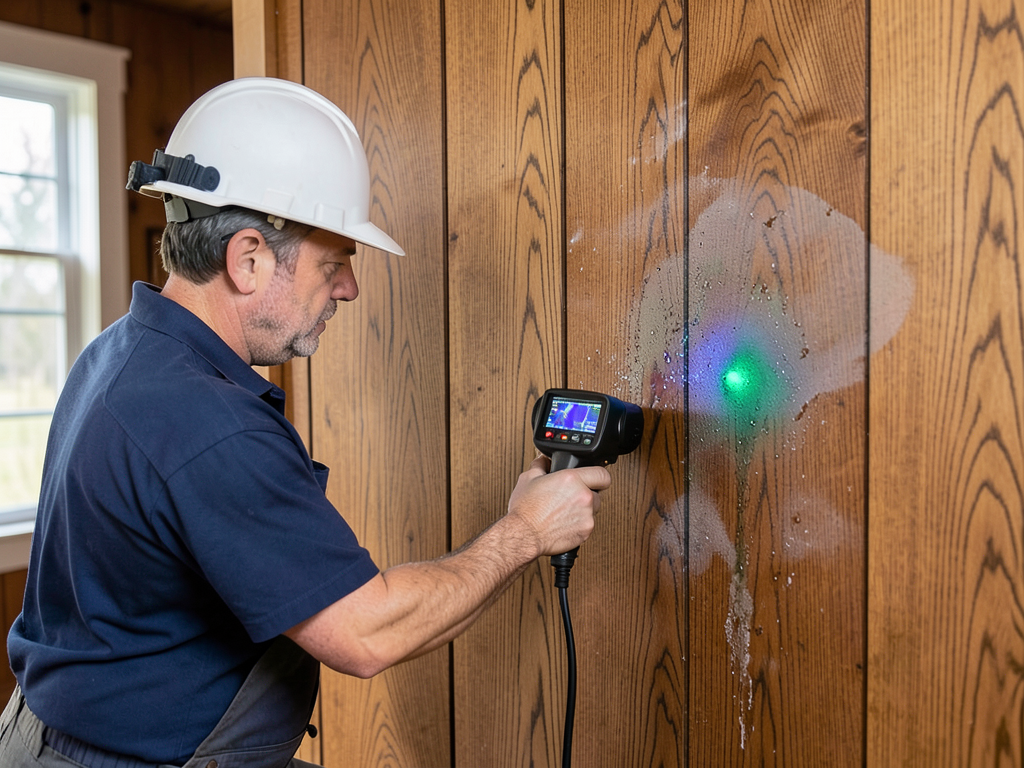
Restoring a Water Damaged Mid-Century Modern Home in Warson Woods Water damage in a mid-century…
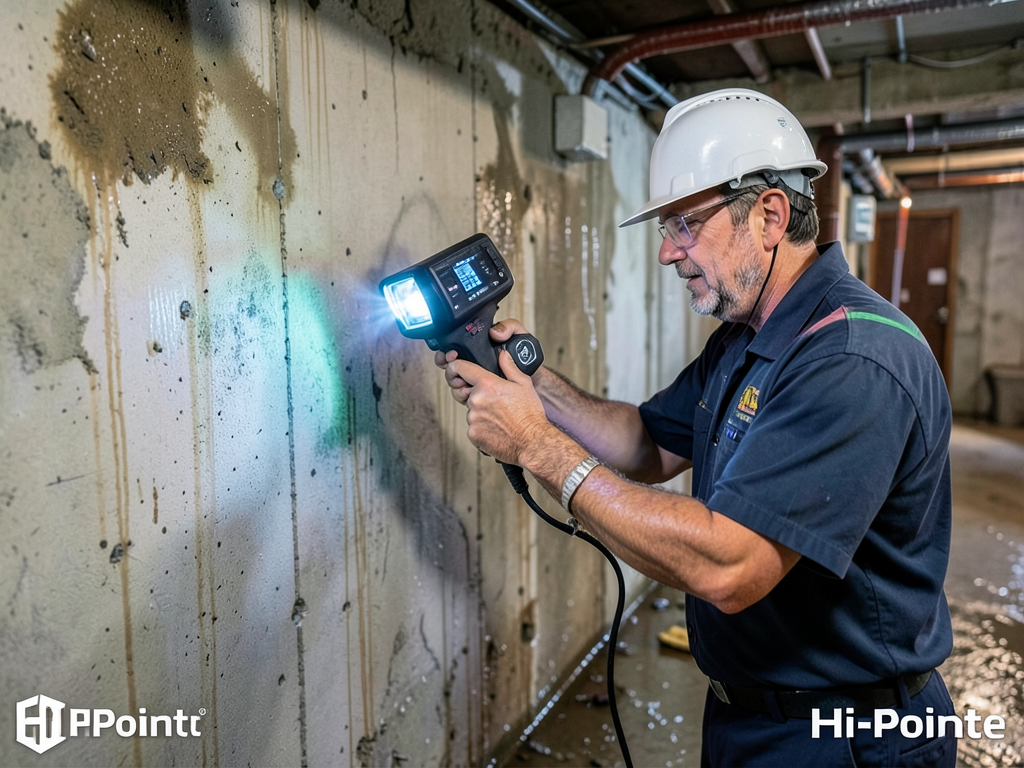
Why Your Walk-Out Basement in Hi-Pointe is Vulnerable to Heavy Rain Runoff Your walk-out basement…
Water damage spreads every minute. Call Patriot Water Damage Restoration St. Louis at (314) 428-9977 now for immediate dispatch to your Creve Coeur property. Our crews arrive within 60 minutes with truck-mounted extraction equipment and commercial drying systems. We handle insurance coordination and documentation from first contact.