


Manchester sits in the Meramec River floodplain, where seasonal flooding and flash storms create constant water intrusion threats. The clay-heavy soil common throughout west St. Louis County absorbs water slowly, pushing runoff toward foundations and basement walls. Homes near Ballwin and Des Peres experience hydrostatic pressure during heavy rain, forcing groundwater through foundation cracks.
The aging infrastructure in established neighborhoods around Manchester Road means cast iron pipes corrode and fail without warning. Winter freeze-thaw cycles stress supply lines, causing burst pipes in crawl spaces and attics when temperatures swing from 15 degrees to 50 degrees in 48 hours. Spring storms dump 3-4 inches of rain in under an hour, overwhelming gutters and downspouts.
Manchester's mix of split-level homes from the 1970s and newer construction means different water damage vulnerabilities. Older homes have basement laundry rooms where supply line failures flood finished spaces. Newer homes have water heaters in second-floor closets, where a failed tank can dump 50 gallons through ceilings and walls. Both scenarios require immediate water extraction and structural drying to prevent permanent damage.
Patriot Water Damage Restoration operates from our St. Louis facility with crews stationed to reach Manchester homes in under 60 minutes. We respond to middle-of-the-night emergencies because water damage spreads rapidly, and delays mean higher repair costs and mold contamination. Our technicians hold IICRC Water Damage Restoration certifications and undergo continuous training in moisture detection, structural drying, and antimicrobial treatment.
We use truck-mounted extraction units that pull thousands of gallons from flooded basements in hours, not days. Our thermal imaging cameras detect hidden moisture in wall cavities and subfloors that homeowners cannot see. We place commercial dehumidifiers and air movers in strategic patterns based on psychrometric calculations, ensuring proper drying without wasting time or creating secondary damage.
Insurance coordination separates us from competitors who leave homeowners to navigate claims alone. We document damage with detailed photo logs, moisture readings, and equipment placement records. Our estimates align with Xactimate pricing that adjusters use, reducing disputes and speeding approvals. We communicate directly with your insurance company and explain coverage limits so you understand out-of-pocket costs before work begins.
Manchester families hire us because we protect their homes and their financial interests. We explain the science behind structural drying and show you moisture meter readings that prove materials have returned to normal levels. When we say a space is dry, we back it up with documentation. That precision prevents mold growth and protects your investment.

Our crews dispatch from west St. Louis County with extraction equipment already loaded. We answer emergency calls 24/7 and arrive at Manchester homes within one hour. Fast response stops water from spreading into walls, subfloors, and HVAC systems, reducing total damage and repair costs by thousands of dollars.

We document every aspect of water damage using photos, moisture readings, and detailed loss inventories. Our estimates use Xactimate software that insurance adjusters rely on, preventing lowball settlements. We communicate directly with your carrier, handle paperwork, and explain coverage so you get the maximum benefit your policy allows.
Every technician completing water damage restoration in your Manchester home holds certification from the Institute of Inspection, Cleaning and Restoration Certification. We follow ANSI standards for drying residential structures and use calibrated moisture meters to verify materials return to normal levels before we remove equipment and close your project.
We understand Manchester's clay soil, aging infrastructure, and flood risks from the Meramec River basin. Our crews know which neighborhoods have cast iron supply lines that fail and where basement flooding happens during spring storms. This local knowledge helps us anticipate hidden damage and protect your home from secondary problems other companies miss.
Water intrusion creates different challenges depending on the source, contamination level, and affected materials. Storm flooding through basement windows requires different equipment than a burst supply line in a second-floor bathroom. Our Manchester water damage restoration services address the full spectrum of water emergencies with specialized techniques for extraction, drying, and contamination control.
We categorize water damage by contamination level to protect your health and meet insurance requirements. Clean water from supply lines receives standard extraction and drying. Gray water from appliance overflows gets antimicrobial treatment. Black water from sewage backups or river flooding requires removal of contaminated materials and specialized cleaning protocols. Each category demands different equipment, safety measures, and disposal procedures.
Our water removal services begin with emergency extraction using truck-mounted pumps and portable extractors. We then transition to structural drying with commercial dehumidifiers and air movers positioned according to moisture mapping. Water damage mitigation includes protecting unaffected areas, removing wet contents, and stabilizing the environment to prevent mold. Water damage remediation addresses contamination through antimicrobial application, HEPA filtration, and controlled material removal when necessary.
We arrive with truck-mounted extraction units that pull standing water from basements, crawl spaces, and living areas in hours. Our submersible pumps handle deep flooding while portable extractors remove water from carpets and padding. We contain the affected area using plastic barriers to prevent water migration. Immediate extraction stops secondary damage to drywall, insulation, and subflooring. We document pre-extraction moisture levels and photograph damage for insurance claims before we begin pulling water from your Manchester home.
After extraction, we place commercial dehumidifiers and air movers in patterns designed for your home's layout and materials. Thermal imaging cameras detect moisture hidden in wall cavities and under flooring. We monitor humidity levels and material moisture content daily, adjusting equipment placement to maximize drying efficiency. Most residential structures reach normal moisture levels in 3-5 days with proper equipment and monitoring. We provide daily logs showing moisture readings that prove structural drying progress and prevent premature equipment removal that leads to mold growth.
Sewage backups and flood water contamination require specialized protocols that protect your family from bacteria and pathogens. Our technicians wear personal protective equipment and use antimicrobial agents approved for residential use. We remove contaminated materials like drywall, insulation, and carpeting that cannot be safely cleaned. All surfaces receive disinfection treatment and HEPA filtration removes airborne contaminants. Black water cleanup meets IICRC S500 standards for contamination control, ensuring your Manchester home is safe to occupy after restoration is complete.
Manchester's location west of St. Louis creates specific water damage patterns that affect older and newer homes differently. The combination of clay soil, aging infrastructure, and extreme weather produces recurring problems that homeowners face. Understanding these issues helps you recognize early warning signs before minor problems become expensive disasters.
Spring storms drop heavy rain on saturated ground, overwhelming drainage systems and pushing water through foundation cracks. Winter brings freeze-thaw cycles that stress supply lines running through unheated spaces. Summer humidity accelerates mold growth in damp basements. Fall leaves clog gutters, sending overflow down exterior walls and into crawl spaces. Each season presents different water intrusion risks that require vigilance and fast response when problems develop.
Homes near the Meramec River and Fishpot Creek face seasonal flooding that can submerge basements and crawl spaces. Properties along Manchester Road and Des Peres Road have infrastructure dating back decades, with cast iron pipes that corrode from inside out. Split-level homes from the 1970s have basement laundry rooms where supply line failures dump hundreds of gallons before homeowners notice. Recognizing these common patterns helps Manchester residents take preventive action and respond quickly when water damage strikes.
Heavy rain saturates clay soil and creates hydrostatic pressure against foundation walls. Water finds cracks and seeps through basement floors during spring storms. Sump pump failures compound the problem, allowing groundwater to rise rapidly. Standing water ruins furnaces, water heaters, and stored belongings while creating conditions for mold growth that spreads throughout your home.
Supply lines in crawl spaces and exterior walls freeze when temperatures drop below 20 degrees. The pipe thaws and ruptures, releasing pressurized water that floods multiple rooms before homeowners locate the shutoff valve. Second-floor bathroom supply lines cause particular damage, as water cascades through ceilings and walls. Emergency response within minutes prevents tens of thousands in additional damage.
Tank water heaters hold 40-50 gallons and fail without warning after 10-15 years. A ruptured tank in a basement laundry room floods finished living spaces and destroys drywall, flooring, and personal property. Water heaters in upstairs closets cause catastrophic damage as water pours through floors and into rooms below. Regular inspection and replacement before failure prevents this expensive emergency.
Wind-driven rain finds gaps around chimneys and vents, sending water into attic insulation and ceiling cavities. Missing shingles create entry points that homeowners do not discover until water stains appear on ceilings. Clogged gutters overflow during heavy rain, pouring water down exterior walls and into crawl spaces. Attic moisture promotes mold growth in insulation and roof decking that spreads before visible signs appear.
Water damage emergencies create panic and confusion about what happens next. Our process eliminates uncertainty with clear communication and immediate action that stops damage progression. From your first call to project completion, you know what we are doing, why it matters, and what to expect next.
When you call our emergency line, a real person answers and dispatches a crew immediately. We ask specific questions about the water source, affected areas, and safety concerns. Our technician calls you enroute with an estimated arrival time and instructions for shutting off water if the source is still active. We arrive with extraction equipment, moisture meters, and documentation tools ready to begin work.
Our approach prioritizes damage mitigation first, then moves to thorough drying and documentation. We explain findings in plain language and show you moisture readings that guide our equipment placement. You receive daily updates on drying progress with data that proves we are making measurable progress. Insurance coordination runs parallel to restoration work so approvals do not delay your home's return to normal. This structured approach has restored hundreds of Manchester homes with minimal disruption and maximum insurance coverage.
Our technician walks through affected areas with moisture meters and thermal imaging cameras to map water intrusion. We photograph damage from multiple angles and document moisture readings in walls, floors, and ceilings. This initial assessment identifies hidden moisture that homeowners cannot see and creates the evidence your insurance company needs. We explain our findings and outline the restoration plan before we begin extraction. You receive a digital copy of all photos and moisture readings that support your claim.
Our crews visit your Manchester home daily to check equipment, take new moisture readings, and adjust dehumidifier and air mover placement. We track drying progress on detailed logs that show moisture content dropping toward normal levels. You receive text or email updates explaining what we found and any changes we made. This consistent communication keeps you informed and provides documentation that drying is progressing properly. We explain delays when materials dry slower than expected and adjust timelines accordingly.
We do not remove drying equipment until moisture meters confirm all affected materials have returned to normal levels. Final readings are documented with photos showing meter displays and the exact locations tested. You receive a completion report that proves structural drying met industry standards. This documentation protects you if mold appears later because insurance companies cannot claim we removed equipment prematurely. We walk through the property together and ensure you are satisfied before we load our equipment.
Water damage restoration follows a specific sequence designed to stop damage progression, remove moisture completely, and return your home to pre-loss condition. Our three-phase approach addresses emergency stabilization, thorough drying, and final verification.
We arrive within 60 minutes and begin extracting standing water immediately using truck-mounted pumps and portable units. Our crews remove soaked contents to dry areas and pull wet carpet padding to speed floor drying. We place plastic barriers to contain affected areas and prevent water from spreading. Initial moisture readings document damage extent and establish baseline measurements. Emergency extraction typically takes 2-4 hours depending on water volume and affected square footage. Stopping water intrusion and removing standing water prevents 80% of potential secondary damage.
We position commercial dehumidifiers and air movers based on moisture mapping and psychrometric calculations. Equipment runs continuously while we monitor progress daily with moisture meters and thermal imaging. Drying takes 3-5 days for most residential water damage, longer for concrete or dense materials. We adjust equipment placement when readings show moisture concentrating in specific areas. HEPA air scrubbers run simultaneously if contamination or mold concerns exist. This phase demands precision because premature equipment removal leads to mold growth and structural damage.
Final moisture readings confirm all materials have reached normal levels before we remove equipment. You receive documentation showing completion of structural drying with photos and meter readings. If reconstruction is necessary, we coordinate with contractors or handle repairs directly. Contents cleaning, carpet reinstallation, and final walkthrough complete the restoration. Your Manchester home returns to pre-loss condition with documentation proving proper drying procedures. This thorough approach prevents callbacks for mold issues and protects your long-term investment.
Professional water damage remediation follows IICRC S500 standards that specify equipment, monitoring protocols, and drying goals based on material science and building performance. These standards separate qualified restoration companies from handymen with shop vacuums and box fans who leave homes vulnerable to mold and structural failure.
Water migrates through porous materials like drywall, insulation, and wood framing through capillary action and vapor diffusion. Surface drying misleads homeowners because moisture remains trapped in wall cavities and subflooring where it promotes microbial growth. Professional moisture detection uses pin-type and pinless meters calibrated to specific materials. Thermal imaging reveals temperature differentials that indicate evaporation and airflow patterns. This technology identifies moisture homeowners cannot see or feel.
Structural drying manipulates temperature, humidity, and airflow to create conditions where moisture moves from materials into air, then into dehumidifiers that remove water vapor. Psychrometric calculations determine equipment capacity needed for specific cubic footage and moisture loads. Dehumidifiers must process the air volume multiple times per hour while maintaining specific temperature ranges. Air movers create circulation patterns that maximize evaporation without causing secondary damage from over-drying.
The three-class system categorizes water damage by absorption rate. Class 1 affects minimal porous materials. Class 2 involves significant carpet and cushion saturation. Class 3 means water came from overhead or affected walls substantially. Class 4 requires specialty drying for hardwood, plaster, or concrete. Each class demands different equipment density and drying timeframes. Our Manchester water damage restoration crews match equipment to classification, preventing under-drying that causes mold or over-drying that cracks wood and drywall.
We use pin-type moisture meters that penetrate surfaces to measure moisture content in wood and drywall. Pinless meters scan large areas without damaging materials. Thermal imaging cameras detect temperature differentials indicating wet areas behind walls and under flooring. Thermo-hygrometers measure air temperature and relative humidity to calculate drying efficiency. This technology finds hidden moisture that causes mold growth weeks after homeowners believe their property has dried.
Insurance covers most water damage restoration when homeowners file claims promptly. Costs depend on water volume, affected square footage, contamination level, and materials damaged. Emergency extraction ranges from hundreds to thousands based on water depth and area size. Structural drying costs reflect equipment quantity and days needed to reach normal moisture levels. Reconstruction adds costs for drywall, flooring, and fixture replacement. Your deductible applies, but coverage usually handles the remainder when damage results from sudden pipe failures or storm events.
Most residential water damage reaches normal moisture levels in 3-5 days with proper equipment and monitoring. Concrete and dense materials take longer, sometimes 7-10 days. Class 4 damage to hardwood or plaster extends drying time. Weather affects drying speed because outdoor humidity influences dehumidifier efficiency. We provide realistic timelines based on initial moisture readings and material types. Rushing the process leaves hidden moisture that creates bigger problems later.
The Institute of Inspection, Cleaning and Restoration Certification publishes the S500 Standard for Professional Water Damage Restoration. This ANSI-approved document specifies procedures for inspection, moisture detection, water classification, and drying verification. Our technicians complete IICRC Water Damage Restoration training that covers microbial growth, psychrometrics, and documentation requirements. Certification ensures we follow proven protocols that insurance companies recognize and courts accept if disputes arise about proper restoration procedures.
This video explains the professional water damage restoration process for Manchester Missouri homeowners facing flooding, burst pipes, or storm damage. Topics include emergency water extraction, structural drying techniques, moisture detection technology, and insurance claim coordination. Viewers learn how IICRC-certified technicians use commercial dehumidifiers and moisture meters to remove water from residential structures and prevent mold growth following water intrusion events.
Patriot Water Damage Restoration responds to emergencies throughout Manchester and the surrounding west St. Louis County communities within 60 minutes. Our coverage area includes neighborhoods from Highway 141 west to Highway 109, serving homeowners in Manchester, Des Peres, Ballwin, Ellisville, and Wildwood.
Manchester properties along Manchester Road and Woods Mill Road face water damage from aging infrastructure and clay soil saturation. The Meramec River floodplain affects homes south of Highway 100, where spring flooding creates recurring basement water intrusion. Split-level homes in the Castlewood and Orrville neighborhoods experience burst pipe emergencies during winter freezes because supply lines run through crawl spaces and exterior walls. We know these neighborhoods and respond quickly when water emergencies strike.
Des Peres residents near Interstate 270 and Manchester Road call us for water heater failures and storm damage to properties built in the 1980s and 1990s. Ballwin homes in the Holloway Road and New Ballwin Road areas have finished basements vulnerable to groundwater seepage during heavy rain. We extract water from these lower levels and dry structural materials before mold establishes. The clay soil throughout west St. Louis County means water does not absorb quickly, pushing runoff toward foundations and creating hydrostatic pressure against basement walls.
Ellisville properties near Clarkson Road and Highway 109 experience water damage from backed-up sump pumps and failed ejector pumps during severe storms. Wildwood homes near Highway 100 and Route 109 face unique challenges from the Meramec River basin, where flash flooding can submerge entire neighborhoods in hours. Our crews understand the topography and respond with appropriate extraction equipment for different flood depths.
The Fishpot Creek watershed affects properties throughout central Manchester, creating drainage problems during spring storms. Homes near Baxter Road and Henry Avenue experience crawl space flooding when the creek overflows. We place sump pumps and extraction equipment strategically to handle different water sources, whether groundwater seepage, surface flooding, or supply line failures. This geographic knowledge helps us respond faster and bring the right equipment for specific Manchester neighborhoods.
Water damage repair costs in Manchester vary widely based on severity and source. Minor leaks affecting a single room might run a few hundred dollars for extraction and drying. Moderate damage involving flooring, drywall, and subflooring typically costs several thousand. Major incidents like sewage backups or extensive flooding requiring structural repairs and mold remediation can reach tens of thousands. Missouri's clay soil and high humidity create unique challenges that affect scope. Insurance often covers sudden incidents like burst pipes but excludes gradual leaks. Get a professional inspection before assuming costs. Most Manchester restoration companies offer free assessments.
Water restoration companies in Manchester typically charge based on the scope of work. You pay for emergency water extraction, equipment rental for dehumidifiers and air movers, labor for tear-out and reconstruction, and antimicrobial treatments if needed. Many companies bill insurance directly and charge per square foot for drying services. Emergency calls after hours may include trip fees. Expect itemized invoices covering inspection, moisture mapping, category classification for water type, and documentation for insurance claims. Reputable companies provide upfront estimates and work within your insurance policy limits. Avoid companies demanding full payment before starting work.
Water restoration is absolutely worth it when you consider the alternative. Untreated water damage leads to hidden mold growth, structural rot, and compromised indoor air quality. Manchester's humidity accelerates microbial growth within 24 to 48 hours. Professional restoration uses thermal imaging and moisture meters to detect hidden damage your eye cannot see. Insurance claims require professional documentation and mitigation efforts to avoid coverage denial. Delaying restoration voids many policies. The cost of proper restoration is far less than replacing flooring systems, framing, or treating chronic mold issues later. Your home's resale value depends on addressing damage immediately.
Water damage repair costs in Manchester vary widely based on severity and source. Minor leaks affecting a single room might run a few hundred dollars for extraction and drying. Moderate damage involving flooring, drywall, and subflooring typically costs several thousand. Major incidents like sewage backups or extensive flooding requiring structural repairs and mold remediation can reach tens of thousands. Missouri's clay soil and high humidity create unique challenges that affect scope. Insurance often covers sudden incidents like burst pipes but excludes gradual leaks. Get a professional inspection before assuming costs. Most Manchester restoration companies offer free assessments.
Water restoration companies in Manchester typically charge based on the scope of work. You pay for emergency water extraction, equipment rental for dehumidifiers and air movers, labor for tear-out and reconstruction, and antimicrobial treatments if needed. Many companies bill insurance directly and charge per square foot for drying services. Emergency calls after hours may include trip fees. Expect itemized invoices covering inspection, moisture mapping, category classification for water type, and documentation for insurance claims. Reputable companies provide upfront estimates and work within your insurance policy limits. Avoid companies demanding full payment before starting work.
Water restoration is absolutely worth it when you consider the alternative. Untreated water damage leads to hidden mold growth, structural rot, and compromised indoor air quality. Manchester's humidity accelerates microbial growth within 24 to 48 hours. Professional restoration uses thermal imaging and moisture meters to detect hidden damage your eye cannot see. Insurance claims require professional documentation and mitigation efforts to avoid coverage denial. Delaying restoration voids many policies. The cost of proper restoration is far less than replacing flooring systems, framing, or treating chronic mold issues later. Your home's resale value depends on addressing damage immediately.
Comprehensive water damage restoration includes emergency water extraction using truck-mounted pumps, structural drying with industrial dehumidifiers and air movers, moisture monitoring across multiple days, and antimicrobial treatment to prevent mold. Technicians remove damaged materials like baseboards, drywall, and insulation. They document moisture readings and photograph damage for insurance purposes. Category classification determines contamination level. Sewage backups require biohazard protocols. Restoration includes odor removal, HEPA air filtration, and final clearance testing. Full-service companies coordinate reconstruction like flooring replacement and painting. In Manchester, technicians account for crawl space moisture and foundation issues common to the area.
Comprehensive water damage restoration includes emergency water extraction using truck-mounted pumps, structural drying with industrial dehumidifiers and air movers, moisture monitoring across multiple days, and antimicrobial treatment to prevent mold. Technicians remove damaged materials like baseboards, drywall, and insulation. They document moisture readings and photograph damage for insurance purposes. Category classification determines contamination level. Sewage backups require biohazard protocols. Restoration includes odor removal, HEPA air filtration, and final clearance testing. Full-service companies coordinate reconstruction like flooring replacement and painting. In Manchester, technicians account for crawl space moisture and foundation issues common to the area.
We are proud to be the trusted local choice for water damage restoration across the greater St. Louis region. This map highlights our primary service zone, demonstrating our commitment to rapid, localized response across every neighborhood and business district within the area. We invite all users to view our service area and then contact us directly for immediate deployment to your specific address within the St. Louis community.
Address:
Manchester, MO, 63021

Why High Humidity in Your Tower Grove East Attic Can Lead to Structural Wood Rot Attic wood rot starts with moisture. In Tower Grove East, the combination of old homes and St. Louis's humid summers…
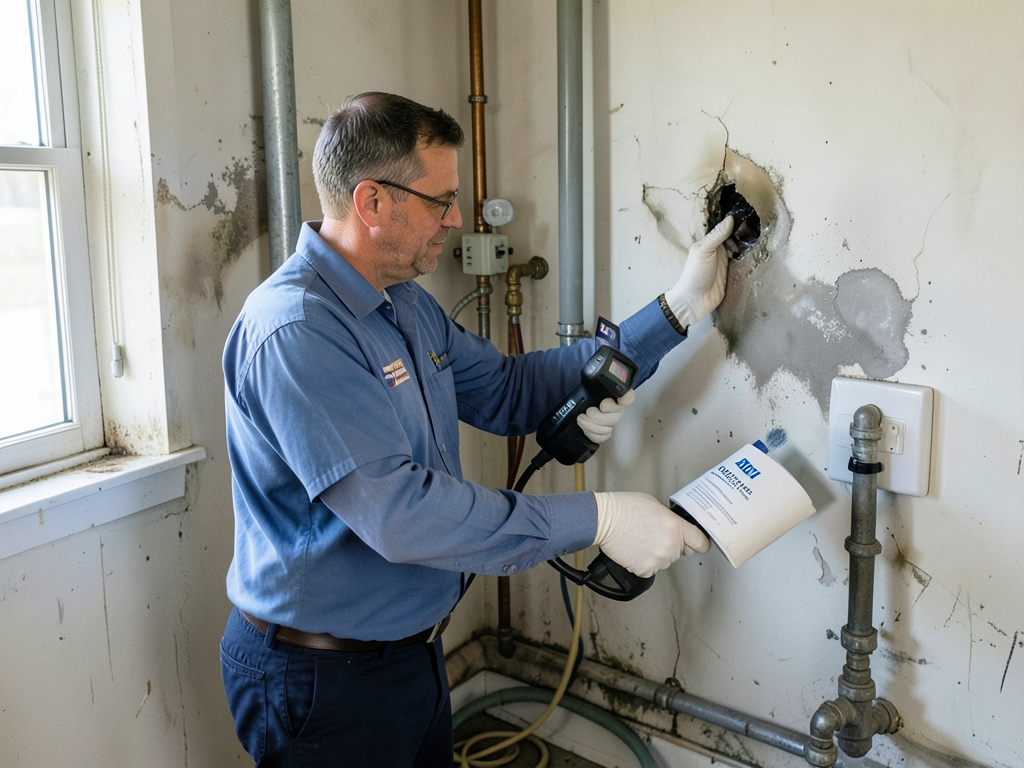
What to Do When Your Water Softener Leaks and Floods Your Affton Utility Room A…
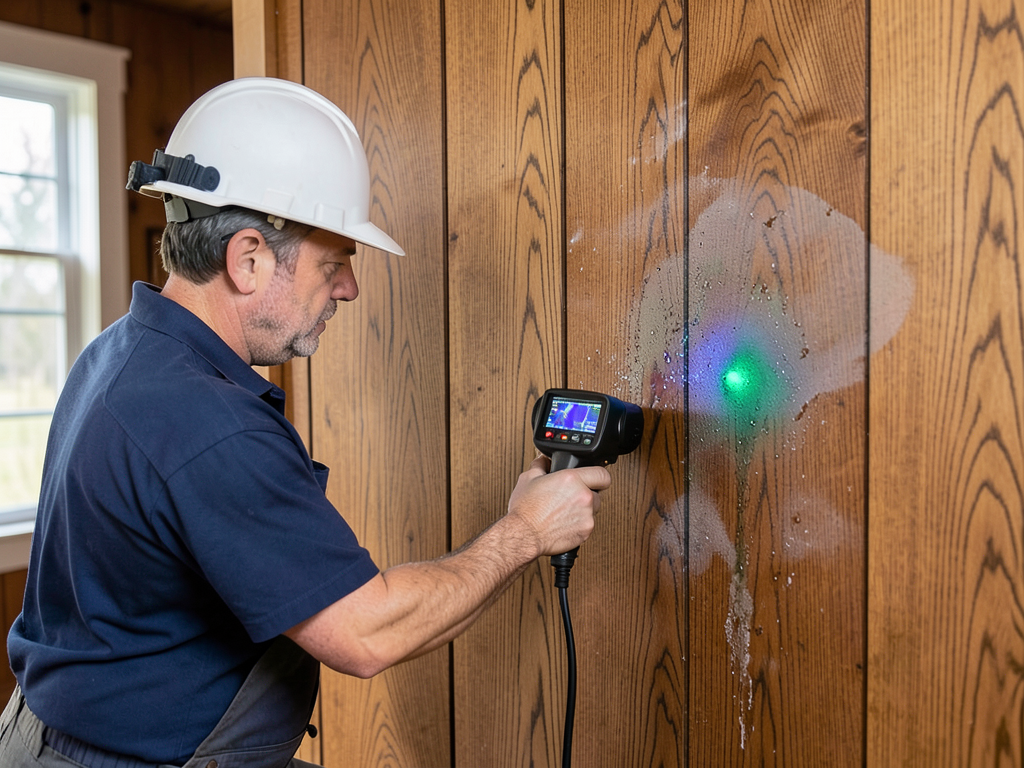
Restoring a Water Damaged Mid-Century Modern Home in Warson Woods Water damage in a mid-century…
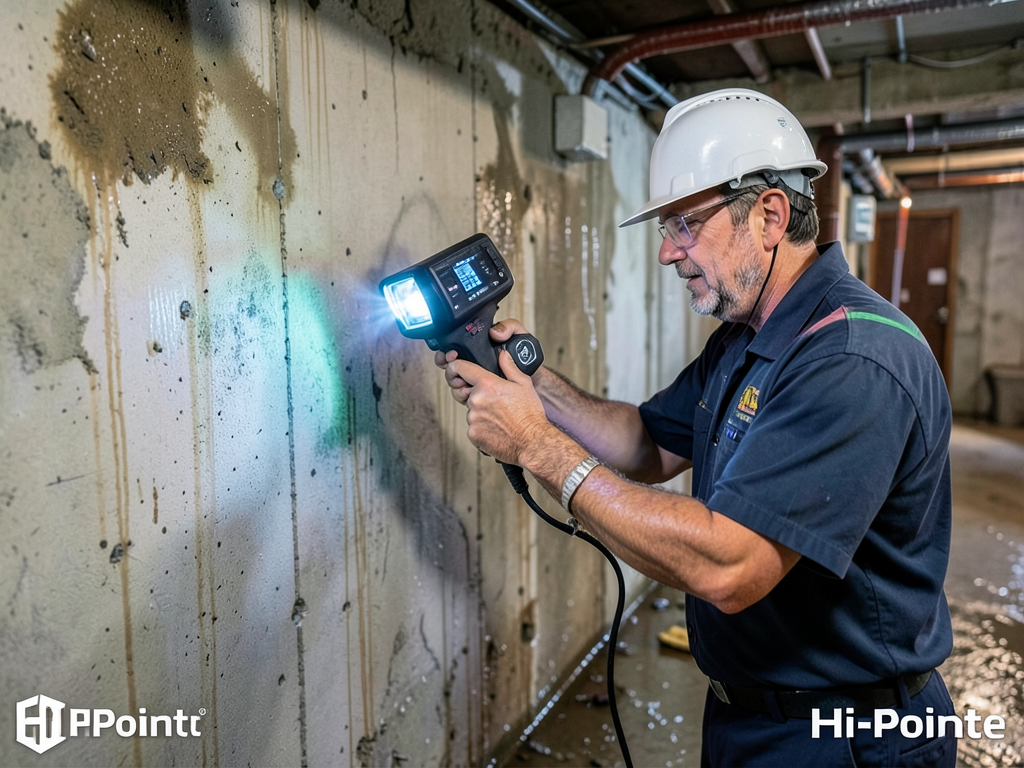
Why Your Walk-Out Basement in Hi-Pointe is Vulnerable to Heavy Rain Runoff Your walk-out basement…
Every minute counts when water invades your Manchester home. Our crews dispatch immediately with extraction equipment ready to stop damage progression. Call (314) 428-9977 now for 24/7 emergency water damage restoration that protects your home and your insurance claim.