menu

Hardwood Floor Water Damage in St. Louis – Expert Drying and Restoration to Save Your Floors

Patriot Water Damage Restoration St. Louis uses advanced moisture detection and controlled drying techniques to repair water damaged wood floors before warping and mold take hold.

Slider Image 1
Slider Image 2
Slider Image 3
Slider Image 4
Slider Image 5
Slider Image 7
Slider Image 8
Slider Image 9
Slider Image 10
Slider Image 11

Why St. Louis Hardwood Floors Are Vulnerable to Water Damage

St. Louis sits in a humid continental climate zone where summer humidity regularly exceeds 70 percent. Your hardwood floors absorb this ambient moisture year-round, making them especially vulnerable when exposed to sudden water intrusion from pipe bursts, appliance failures, or basement flooding.

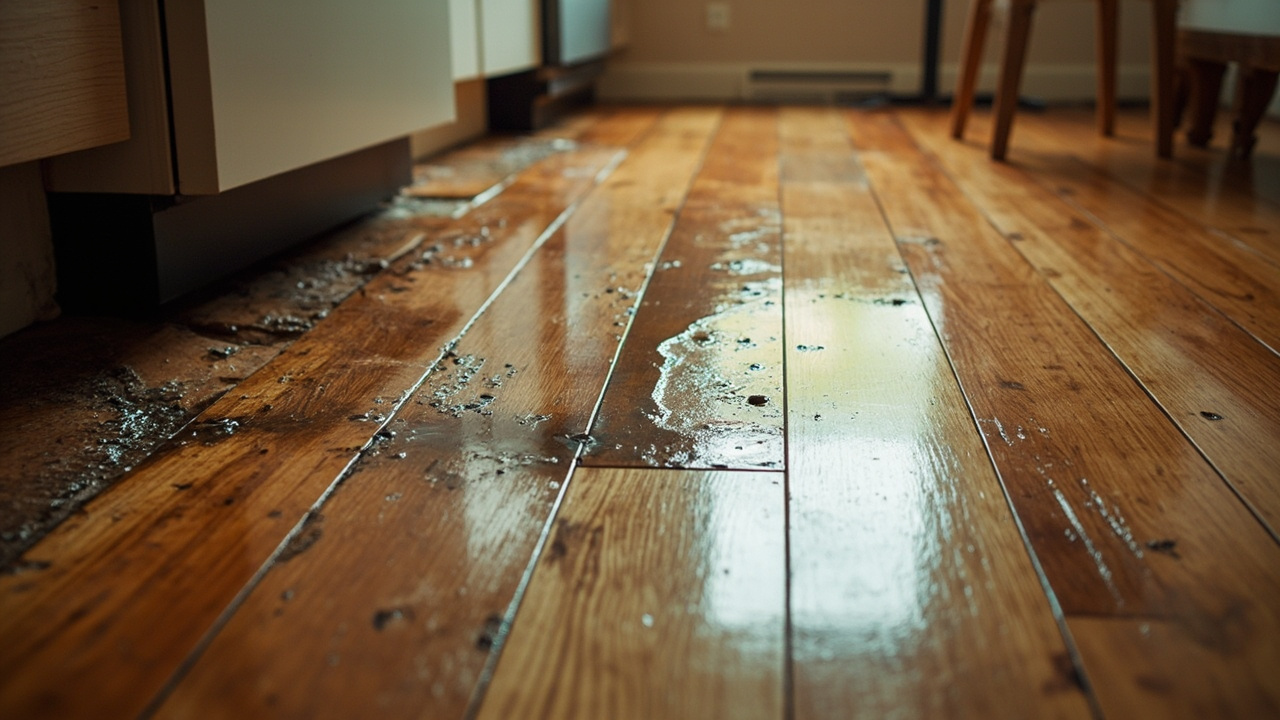
Water damaged wood floors in St. Louis homes often show cupping within 24 to 48 hours because the wood grain swells faster on the bottom than the top. The region's historic brick homes and post-war ranch construction both feature crawl spaces and basements prone to groundwater seepage, particularly during spring storms when the Mississippi River tributaries run high.

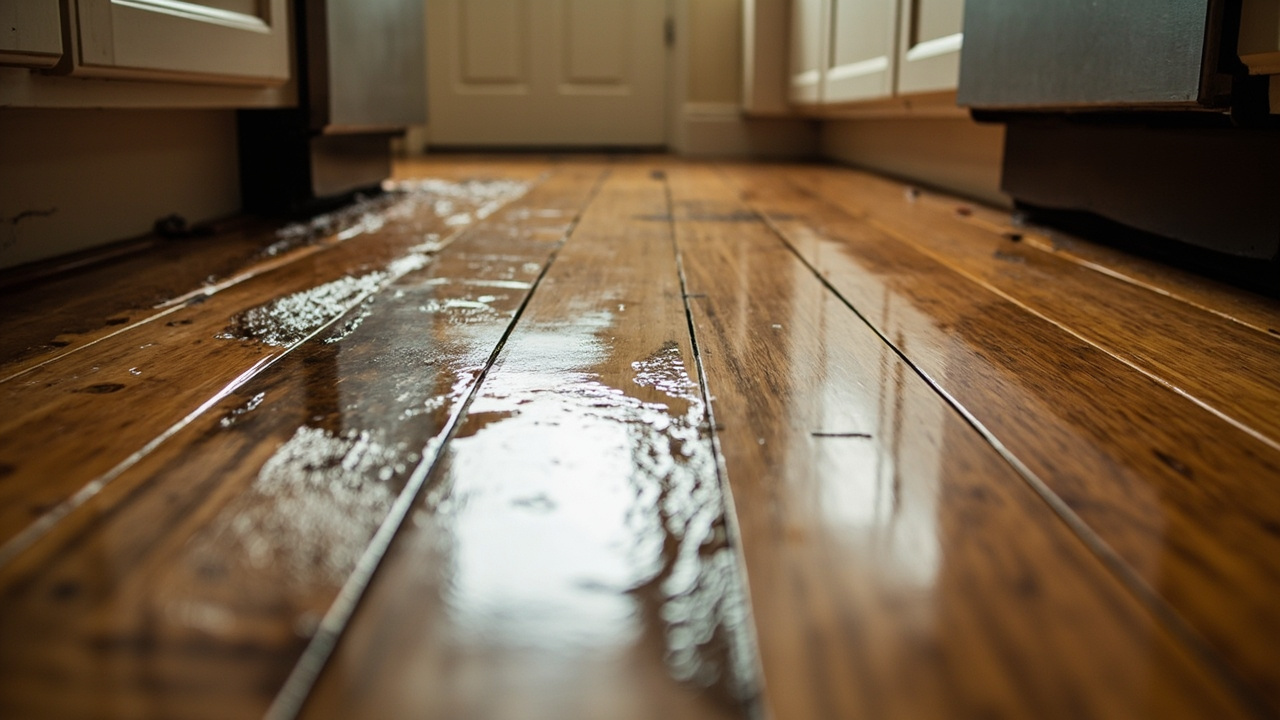
Wet hardwood flooring does not dry on its own in St. Louis. The moisture trapped beneath the surface migrates into the subflooring and joists, creating hidden mold colonies and structural rot. You may notice buckling planks, dark staining along the seams, or a musty odor before visible mold appears.

Hardwood floor cupping happens when moisture content in the wood exceeds 12 percent. If you wait longer than 72 hours to begin drying hardwood floors, the boards lose their structural integrity and require replacement rather than repair. St. Louis's clay soil expands and contracts with seasonal rain, pushing hydrostatic pressure against foundation walls and forcing water into lower levels where hardwood is often installed.

Wood floor water damage repair starts with moisture extraction, not surface mopping. The longer water sits, the deeper it penetrates, and the more expensive the restoration becomes.

Why St. Louis Hardwood Floors Are Vulnerable to Water Damage
How We Restore Water Damaged Hardwood Floors in St. Louis

How We Restore Water Damaged Hardwood Floors in St. Louis

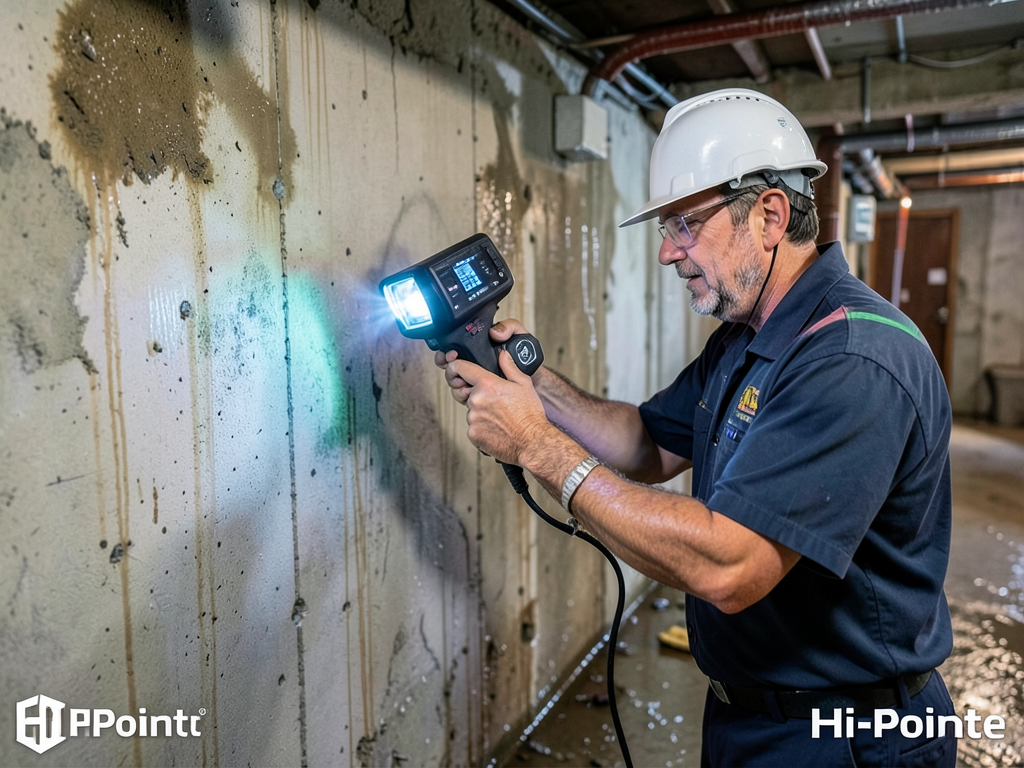
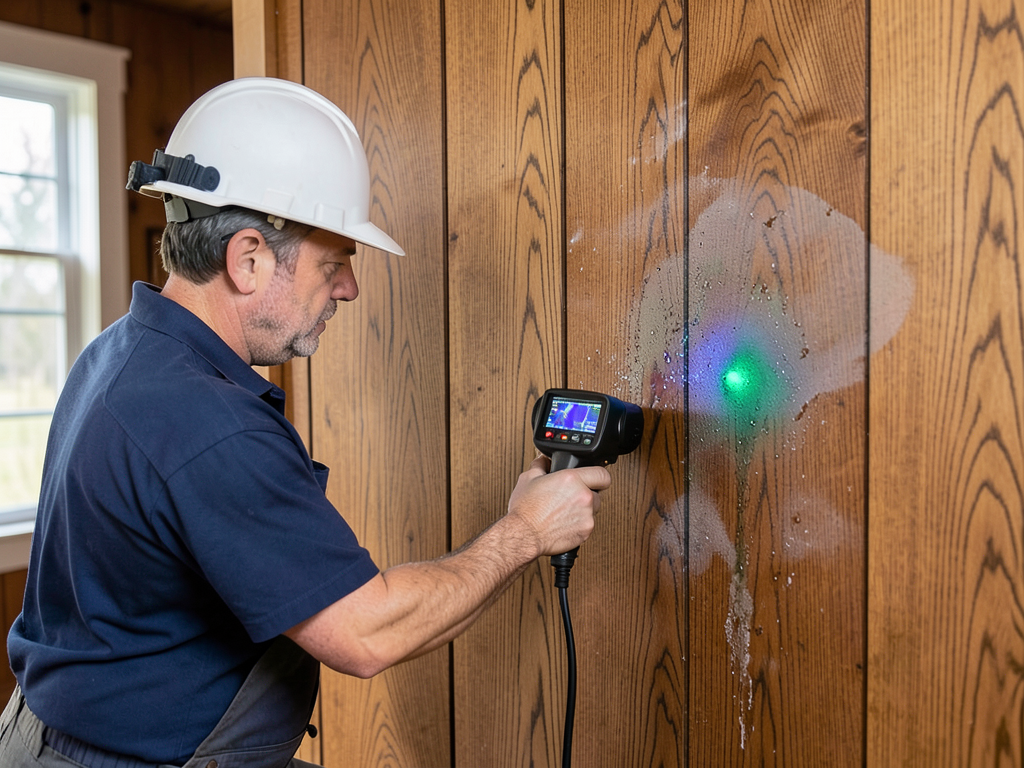
Patriot Water Damage Restoration St. Louis treats wet hardwood flooring as a structural issue, not a cosmetic one. We use infrared thermal imaging to identify moisture pockets hidden beneath the surface and inside wall cavities adjacent to the flooring. This technology reveals wet areas invisible to the naked eye.

We deploy commercial-grade dehumidifiers calibrated to St. Louis's specific humidity baseline and air movers positioned at calculated angles to maximize evaporation without over-drying the wood. Over-drying causes brittleness and cracking. Under-drying leaves residual moisture that feeds mold spores.

For hardwood floor cupping, we measure the moisture gradient between the top and bottom of each plank using pin-type and pinless moisture meters. If the gradient exceeds industry thresholds, we remove baseboards and drill small relief holes to introduce airflow beneath the flooring without removing the boards. This technique preserves the original installation while accelerating subsurface drying.

Drying hardwood floors requires controlled conditions. We seal off the affected area to prevent cross-contamination and monitor ambient temperature, relative humidity, and wood moisture content every four to six hours. Most water damaged wood floors in St. Louis take three to seven days to reach equilibrium moisture content, depending on the species, finish type, and severity of saturation.

We document the drying process with daily moisture readings and photographic evidence for insurance claims. If subfloor replacement is necessary, we match the existing joist spacing and use pressure-treated plywood rated for moisture exposure. We do not reinstall hardwood until the subfloor moisture content drops below eight percent.

What Happens During Hardwood Floor Water Damage Restoration

Hardwood Floor Water Damage in St. Louis – Expert Drying and Restoration to Save Your Floors
01

Emergency Water Extraction

We arrive with truck-mounted extraction equipment to remove standing water from the hardwood surface and subflooring. Our technicians use weighted extraction wands that press into the seams between planks to pull water from the tongue-and-groove joints. We also extract water from padding, carpet transitions, and adjacent materials that act as moisture reservoirs. Extraction begins within two hours of your call to limit absorption depth.
02

Controlled Environment Drying

We establish a drying chamber using containment barriers and negative air pressure to isolate the wet hardwood flooring. Industrial dehumidifiers run continuously to pull moisture from the air while axial fans circulate warm, dry air across the floor surface. We adjust equipment placement and airflow direction based on real-time moisture meter readings. Temperature is maintained between 70 and 80 degrees to optimize evaporation without damaging the wood finish or causing thermal shock.
03

Final Moisture Verification

Before we remove equipment, every section of hardwood floor is tested to confirm moisture content matches the acceptable range for your specific wood species. We provide a final moisture map showing readings across the entire affected area. If cupping has occurred, we document whether the boards are returning to their original profile or require sanding and refinishing. You receive a written certification of dryness for your records and insurance company.

Why St. Louis Homeowners Choose Patriot Water Damage Restoration

You need a restoration company that understands how water behaves in St. Louis homes. We have restored hardwood floors in Tower Grove South bungalows, Clayton estates, and mid-century Ladue ranches. Each architectural style presents unique challenges related to crawl space ventilation, basement moisture management, and subfloor construction.

St. Louis County enforces the International Residential Code with local amendments that affect how we handle structural drying and mold remediation. We follow these codes without exception, which protects you during insurance claims and home resales. Many out-of-state restoration franchises do not understand local code nuances and create compliance issues that delay settlements.

Our technicians are trained in IICRC S500 water damage restoration standards and hold certifications in applied structural drying. We do not subcontract the technical work. The team that answers your call is the same team that operates the equipment in your home.

We work directly with Missouri insurance adjusters who handle claims in St. Louis, St. Charles, and Jefferson counties. Our documentation format matches the requirements of major carriers operating in the region, which speeds up approvals and reimbursements. We provide line-item estimates that correspond to Xactimate pricing, the software most adjusters use.

Patriot Water Damage Restoration St. Louis operates 24 hours a day because water damage does not wait for business hours. When a supply line bursts at 2 a.m. or your sump pump fails during a weekend storm, we dispatch a crew immediately. Our average response time for emergency calls in the St. Louis metro area is under 90 minutes.

We also handle the contents restoration process. If your area rugs, furniture, or stored items were affected by the water intrusion, we dry, clean, and return them to you.

What to Expect During Hardwood Floor Water Damage Restoration

Response Time and Availability

We answer emergency calls 24 hours a day, seven days a week, including holidays. Our dispatch team confirms your address and assesses the scope of damage during the initial call. A technician arrives within 90 minutes for most St. Louis metro locations, often faster for urgent situations. We carry all necessary extraction and drying equipment on every truck, which eliminates delays caused by equipment retrieval. You will receive a phone call when the technician is 15 minutes away. Our crew wears identification badges and covers work areas with protective barriers before beginning water extraction.

Initial Assessment and Moisture Mapping

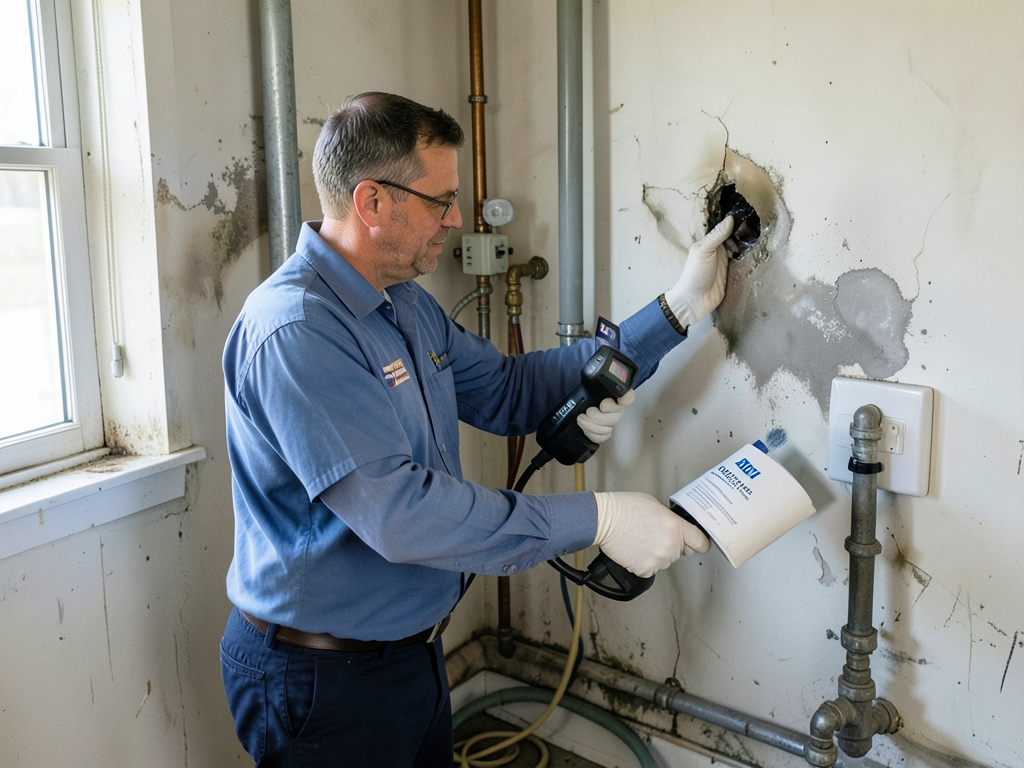
The lead technician conducts a room-by-room inspection using thermal imaging cameras and moisture meters to identify all affected areas. This includes testing walls, baseboards, and subflooring adjacent to the visible water damage. You receive a written assessment that outlines the moisture levels, affected materials, and recommended drying strategy. We explain which equipment will be used, where it will be placed, and how long the drying process should take. If mold is present or suspected, we discuss containment and remediation options before beginning work.

Restored Hardwood Floors

Most hardwood floors affected by water damage can be saved if drying begins within 48 hours. You can expect the wood to return to its pre-loss condition in terms of structural stability and moisture content. Minor cupping often resolves naturally as the wood dries and acclimates. If sanding and refinishing are necessary, we coordinate with licensed flooring contractors who specialize in matching existing finishes. The final result is a floor that meets or exceeds its original moisture content, with no hidden moisture pockets that could cause future problems.

Post-Restoration Monitoring

We provide a post-restoration consultation that includes moisture readings, photographic documentation, and recommendations for preventing future water damage. You receive a detailed report suitable for insurance submission. If your hardwood floor required subfloor replacement or structural repairs, we explain what work was completed and why it was necessary. We also offer guidance on humidity control, sump pump maintenance, and early warning signs of moisture intrusion. If you notice any issues within 30 days of project completion, we return to reassess the affected area at no additional charge.

Frequently Asked Questions

You Have Questions,
We Have Answers

Can hardwood floors be repaired after water damage? +

Yes, hardwood floors can often be repaired after water damage, depending on severity. Minor surface water may require simple drying and refinishing. Deep water penetration causing cupping, buckling, or warping demands more extensive repair, including board replacement. St. Louis humidity makes quick action critical. Wood flooring absorbs moisture fast, especially during summer months when ambient humidity climbs. A restoration professional assesses the damage using moisture meters to determine if subfloors are affected. Engineered hardwood may respond differently than solid wood. Catching water early gives the best repair outcome and prevents costly full replacement.

What to do if water gets under hardwood floors? +

If water gets under hardwood floors, stop the source immediately. Remove standing water with a wet vac or towels. Pull up any area rugs and furniture. Contact a water damage restoration specialist within 24 hours. St. Louis homes built on clay soil often experience foundation shifting, creating gaps where water migrates beneath flooring. Professionals use moisture detection equipment to measure subfloor saturation levels. Air movers and dehumidifiers dry hidden moisture pockets that cause mold growth and structural rot. Do not wait. Trapped water under hardwood spreads quickly and ruins both the floor and underlying joists.

What happens to hardwood floors when they get wet? +

When hardwood floors get wet, the wood absorbs moisture and swells. This causes cupping, where board edges rise higher than centers. Prolonged exposure leads to crowning, buckling, warping, and separation. Water also darkens wood, creates stains, and encourages mold growth. In St. Louis, high summer humidity compounds the problem by slowing natural evaporation. The finish may crack or peel. Subfloors can rot if water saturates them. Wet wood loses structural integrity. The longer water sits, the worse the damage becomes. Fast extraction and drying prevent permanent failure and costly replacement.

How to flatten a wood floor after water damage? +

Flattening a wood floor after water damage requires professional drying equipment. First, extract all water and dry the affected area using industrial dehumidifiers and air movers. This process takes several days. Once moisture content returns to normal levels (6 to 9 percent for hardwood), the wood may naturally flatten. If cupping or crowning persists, sand and refinish the floor after complete drying. Never sand wet or damp wood. St. Louis humidity requires controlled drying to prevent over-correction. Some severe buckling or warping cannot be flattened and demands board replacement. Patience during drying prevents further damage.

How much does it cost to repair a water-damaged hardwood floor? +

Repairing water-damaged hardwood floors varies widely based on damage extent, square footage, and wood type. Minor surface damage may cost less for drying and refinishing. Severe damage requiring subfloor repair and board replacement increases expenses significantly. St. Louis homes with older oak or maple floors face different repair challenges than modern engineered products. Factors include moisture depth, mold presence, and structural compromise. Insurance often covers sudden water events like burst pipes but may exclude gradual leaks. Get a professional moisture assessment first. This determines the true scope and prevents surprise costs during restoration.

Can mold grow under hardwood floors? +

Yes, mold grows under hardwood floors when moisture remains trapped. Mold spores need only 24 to 48 hours of dampness to colonize. St. Louis humidity accelerates mold growth, especially in basements and crawl spaces with poor ventilation. Water under hardwood creates dark, moist conditions where mold thrives on organic materials like wood and paper backing. You may notice musty odors before visible growth appears. Mold spreads through subflooring and compromises indoor air quality. Professionals use antimicrobial treatments during water damage restoration to kill spores and prevent health risks. Fast drying stops mold before it starts.

Will a one-time water leak cause mold? +

A one-time water leak can cause mold if moisture is not removed quickly. Mold needs 24 to 48 hours of dampness to grow. Even a small leak that saturates subflooring or seeps under hardwood creates the right conditions. St. Louis summer humidity slows drying, increasing mold risk. The leak volume, affected area size, and drying speed determine mold likelihood. Standing water or trapped moisture under flooring always raises concern. Extract water immediately, dry thoroughly with dehumidifiers, and inspect hidden areas. Quick action after a single event prevents mold from becoming a long-term problem.

Is there a way to reverse water damage on wood? +

Reversing water damage on wood depends on exposure time and severity. Light surface water may be reversible through drying, sanding, and refinishing. Deep saturation causing warping, splitting, or mold growth cannot be fully reversed. The wood fibers change permanently once they swell and contract. St. Louis freeze-thaw cycles during winter worsen damage if water penetrates before cold snaps. Professional restoration can stabilize and improve appearance, but severely damaged boards need replacement. The key is speed. Addressing water damage within hours offers the best chance of restoring wood to near-original condition. Delayed action makes reversal impossible.

What do water damaged hardwood floors look like? +

Water-damaged hardwood floors show cupping, where board edges rise and centers dip. You may see crowning, where centers bulge upward. Buckling lifts entire planks off the subfloor. Stains appear as dark spots or streaks. The finish may crack, peel, or turn cloudy. Gaps form between boards as wood contracts. In St. Louis homes, you might notice a musty smell from trapped moisture. Warped boards feel uneven underfoot. Black or green mold spots indicate prolonged dampness. The wood may feel spongy or soft. These visual and tactile signs demand immediate professional inspection and drying.

How long can water sit on a hardwood floor? +

Water should never sit on a hardwood floor. Even 10 to 20 minutes of standing water begins penetrating the finish and seeping into seams. After one hour, water migrates under boards and saturates the subfloor. Within 24 hours, cupping starts and mold spores activate. St. Louis humidity means water evaporates slower than drier climates, prolonging exposure. The longer water sits, the more damage occurs. Immediate extraction is critical. Wipe up spills instantly. For flooding or leaks, remove water within minutes and call a restoration professional. Speed determines whether you save or replace your hardwood flooring.

How St. Louis's Mississippi River Floodplain Affects Hardwood Floor Water Damage

St. Louis sits on the Mississippi River floodplain, where the water table rises during spring and early summer. Homes in neighborhoods like Dutchtown, Carondelet, and South City experience elevated groundwater pressure that seeps through foundation walls and basement floors. This hydrostatic pressure saturates subflooring from below, causing hardwood floor cupping that appears without an obvious leak or spill. The region's clay-heavy soil retains water and expands during wet periods, which pushes moisture into crawl spaces and lower levels. Drying hardwood floors in these conditions requires subsurface ventilation and dehumidification that addresses the moisture source, not just the symptom.

Patriot Water Damage Restoration St. Louis understands how local soil composition, seasonal flooding patterns, and aging infrastructure affect homes throughout the metro area. We work with St. Louis County building inspectors and insurance adjusters who evaluate water damage claims daily. Our restoration methods comply with Missouri building codes and IICRC standards, which protects your investment and ensures insurance reimbursement. Choosing a local restoration company means working with technicians who have dried hardwood floors in homes just like yours, in the same climate, with the same challenges.
Water Damage Restoration Services in The St. Louis Area

We are proud to be the trusted local choice for water damage restoration across the greater St. Louis region. This map highlights our primary service zone, demonstrating our commitment to rapid, localized response across every neighborhood and business district within the area. We invite all users to view our service area and then contact us directly for immediate deployment to your specific address within the St. Louis community.

Address:
Patriot Water Damage Restoration St. Louis, 710 N Tucker Blvd, St. Louis, MO, 63101

Additional Services We Offer

Our news updates

Latest Articles & News from The Blogs

What to Do When Your Water Softener Leaks and Floods Your Affton Utility Room A leaking water softener can release…

What to Do When Your Water Softener Leaks and Floods Your Affton Utility Room

What to Do When Your Water Softener Leaks and Floods Your Affton Utility Room A leaking water softener can release…

Restoring a Water Damaged Mid-Century Modern Home in Warson Woods

Restoring a Water Damaged Mid-Century Modern Home in Warson Woods Water damage in a mid-century modern home requires specialized knowledge…

Why Your Walk-Out Basement in Hi-Pointe is Vulnerable to Heavy Rain Runoff

Why Your Walk-Out Basement in Hi-Pointe is Vulnerable to Heavy Rain Runoff Your walk-out basement in Hi-Pointe faces unique flooding…

Contact Us

Water damaged wood floors need immediate attention to prevent permanent warping and mold growth. Call us at (314) 428-9977 for 24-hour emergency response. We arrive fast, extract standing water, and start controlled drying within hours.