menu

Commercial Water Damage Restoration in St. Louis – Minimize Downtime and Protect Your Business Continuity

Patriot Water Damage Restoration St. Louis delivers industrial-grade commercial water mitigation with rapid deployment and documented compliance protocols that keep your operations running and your liability exposure minimal.

Slider Image 1
Slider Image 2
Slider Image 3
Slider Image 4
Slider Image 5
Slider Image 7
Slider Image 8
Slider Image 9
Slider Image 10
Slider Image 11

Why St. Louis Commercial Properties Face Unique Water Damage Risks

St. Louis sits at the confluence of the Mississippi and Missouri Rivers. Your commercial property operates in one of the most flood-prone metro areas in the Midwest. Spring flooding and summer storms regularly overwhelm outdated stormwater systems in older commercial districts near the riverfront and in areas like Soulard and Lafayette Square.

The region's clay soil expands and contracts with seasonal moisture changes. This movement cracks foundation walls in older commercial buildings and causes repeated slab leaks in retail spaces and office parks. High humidity from May through September accelerates mold growth in HVAC systems and behind drywall in properties with inadequate dehumidification.

Commercial water damage repair in St. Louis is not just about extracting water. It requires understanding local building codes that apply to commercial occupancies, coordinating with multiple stakeholders, and executing business water damage restoration that meets the operational requirements of your facility.

Pipe bursts during January freeze events shut down entire office buildings. Roof leaks from heavy spring rains damage inventory in warehouses. Sewer backups in basement-level retail spaces trigger health code violations. Every hour of downtime translates to lost revenue and potential lease complications.

You need commercial water damage cleanup that addresses liability, maintains code compliance, and restores function faster than residential-focused providers can deliver. Generic approaches do not account for the complexity of commercial water remediation in multi-tenant buildings or facilities with specialized equipment.

Why St. Louis Commercial Properties Face Unique Water Damage Risks
Our Commercial Water Mitigation Process

Our Commercial Water Mitigation Process

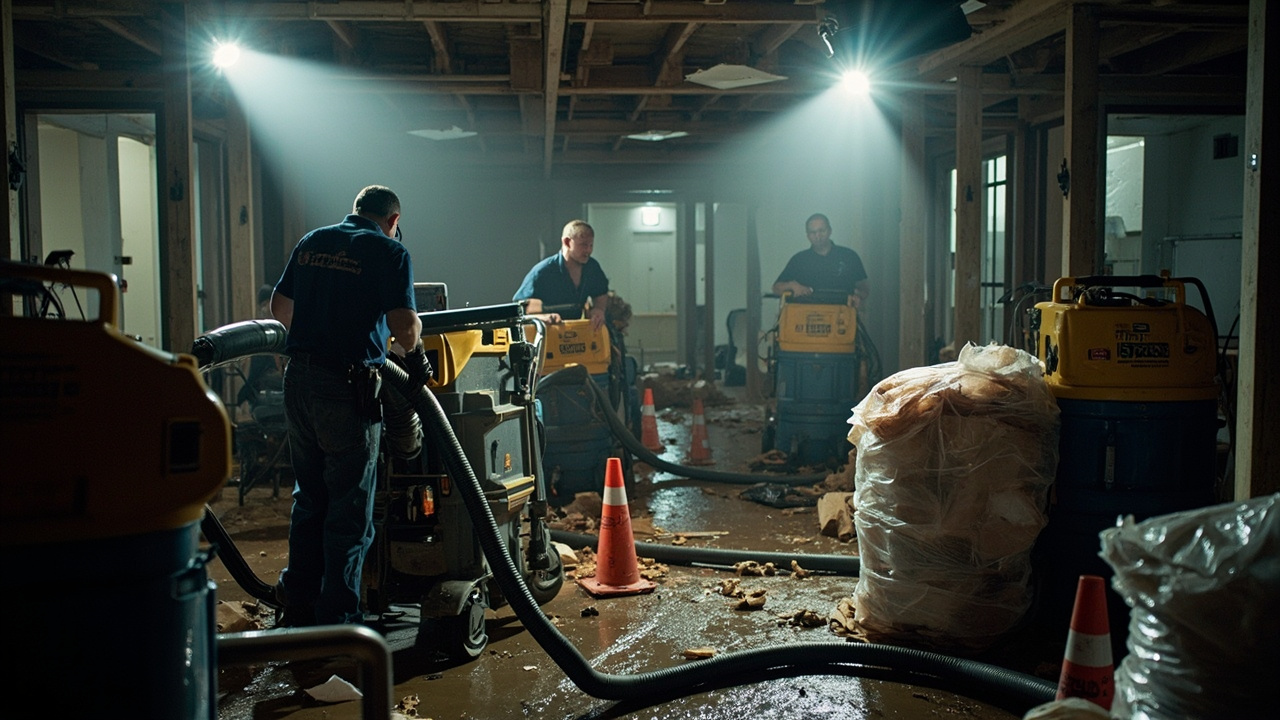
Patriot Water Damage Restoration St. Louis deploys commercial water mitigation teams with industrial extraction equipment and large-capacity desiccant dehumidifiers capable of processing thousands of cubic feet per minute. We do not use residential-grade equipment on commercial jobs.

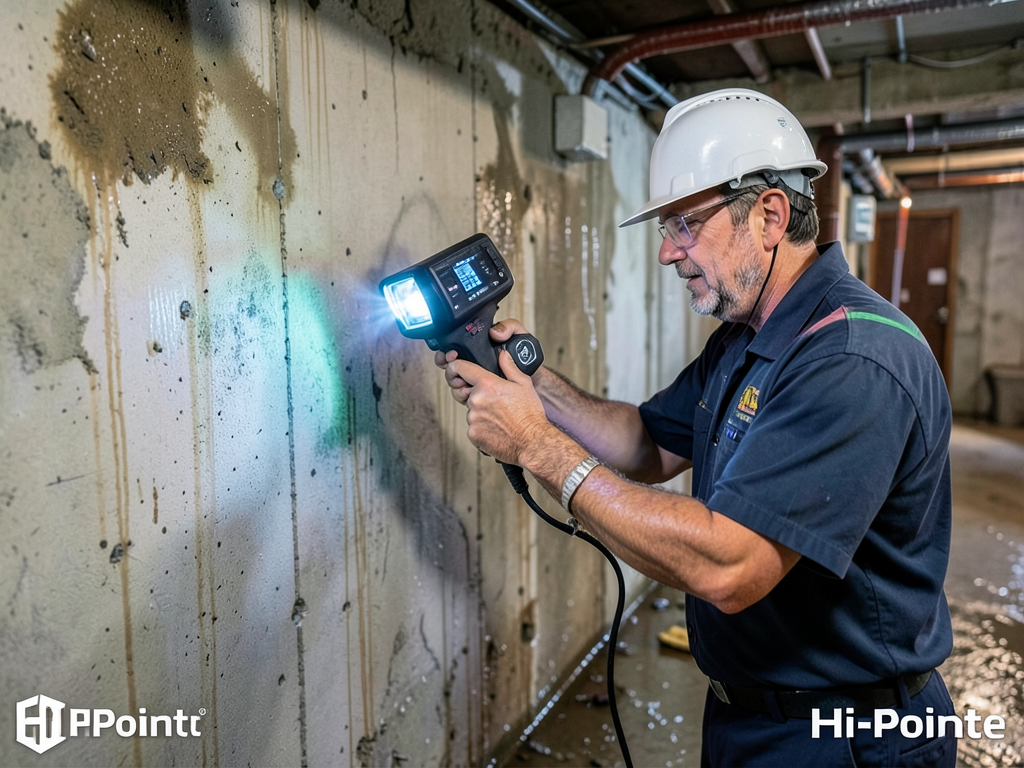
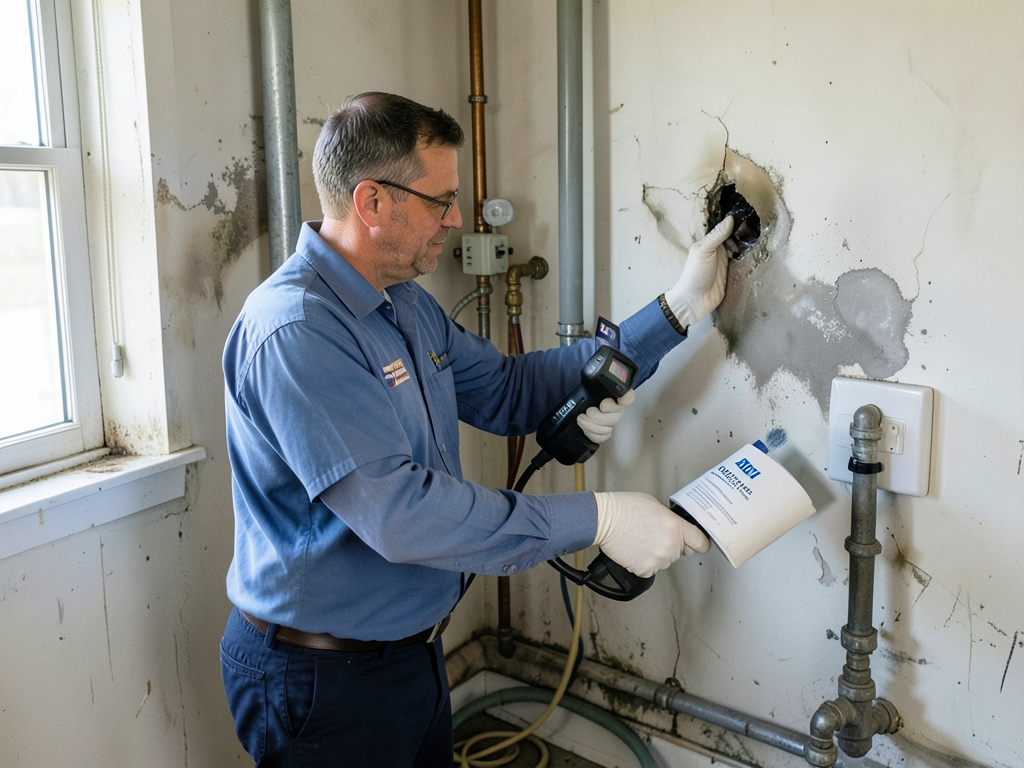
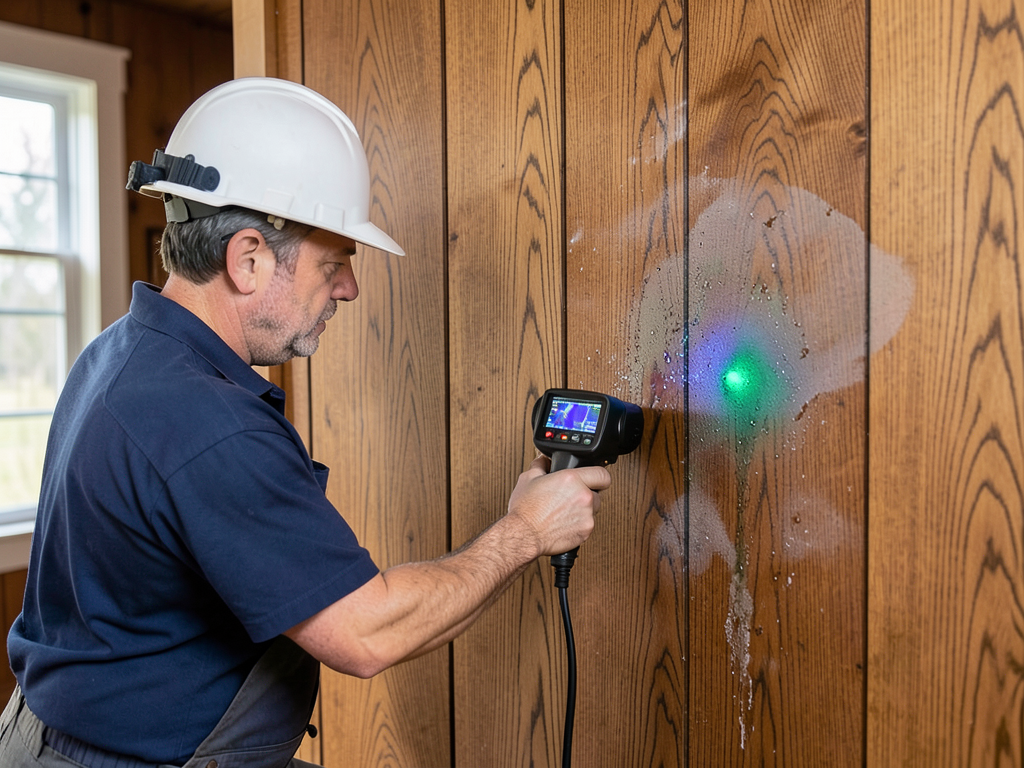
Our process starts with a documented loss assessment that includes moisture mapping using thermal imaging cameras and penetrating moisture meters. We identify all affected building assemblies, including concealed spaces above ceilings and behind walls. This data becomes part of your insurance claim documentation and provides a baseline for ESI protocols if litigation emerges.

We coordinate with your property management team, tenants, and insurance adjusters from hour one. You receive a detailed scope of work that outlines containment strategies, equipment placement, access requirements, and projected timelines. We schedule work during off-hours when necessary to minimize operational disruption.

Commercial water damage repair requires managing multiple trades. We coordinate with electricians to de-energize affected circuits, plumbers to address source issues, and HVAC contractors to prevent cross-contamination through ductwork. Our project managers track progress against your business continuity requirements.

We use negative air machines with HEPA filtration during demolition to contain dust and prevent contamination of unaffected spaces. All removed materials are documented with photos and weights for insurance purposes. We apply antimicrobial treatments to structural elements before reconstruction begins.

Final documentation includes psychrometric readings confirming structures have returned to dry standard, third-party mold clearance testing if required by your insurance carrier, and complete photo records of pre-loss conditions, damage extent, and restoration completion. You receive a full chain of custody for all documentation.

What Happens During Your Commercial Water Damage Response

Commercial Water Damage Restoration in St. Louis – Minimize Downtime and Protect Your Business Continuity
01

Immediate Deployment and Assessment

Our dispatch sends a commercial response team within 90 minutes of your call. The crew arrives with truck-mounted extraction equipment, commercial air movers, and documentation tools. We perform an initial loss assessment, identify safety hazards, establish containment barriers, and begin emergency water extraction. You receive a preliminary scope and equipment manifest before we leave the site.
02

Structural Drying and Monitoring

We place commercial dehumidifiers and air movers based on psychrometric calculations specific to your building materials and ambient conditions. Our technicians return daily to record moisture readings in structural components, adjust equipment placement, and update drying logs. You receive progress reports that document drying curves and projected completion dates. We coordinate utility access and minimize disruption to occupied spaces.
03

Verification and Turnover

Structures must reach dry standard before we remove equipment. We document final moisture readings in all affected materials, complete post-mitigation cleaning, and conduct a walkthrough with your team. You receive a final report with all documentation, certificates of completion, and recommendations for repairs. If reconstruction is needed, we provide a detailed estimate and project timeline that aligns with your operational requirements.

Why St. Louis Businesses Choose Patriot Water Damage Restoration

Commercial water damage restoration in St. Louis requires familiarity with local building stock and jurisdictional requirements. Properties in the Central West End, Clayton, and downtown St. Louis fall under different municipal codes. Historic commercial buildings in Soulard and Lafayette Square have preservation requirements that affect restoration methods.

Patriot Water Damage Restoration St. Louis maintains relationships with St. Louis City and St. Louis County building departments. We understand permit requirements for commercial demolition and reconstruction work. Our project documentation meets the standards insurance carriers expect for commercial claims.

We have the capacity to handle large losses. Multi-story office buildings, retail centers, and industrial facilities require coordination across multiple floors and tenant spaces. Our equipment inventory includes trailer-mounted generators for power backup and truck-mounted extraction units that process hundreds of gallons per minute.

Your business cannot afford delays caused by undersized crews or inadequate equipment. We staff commercial projects with dedicated teams that remain on-site throughout the mitigation phase. You work with a single project manager who understands your operational requirements and communicates directly with your stakeholders.

Many water damage companies focus on residential work because commercial projects require higher liability coverage, better project management systems, and more sophisticated equipment. We specialize in commercial water remediation because that is where expertise matters most.

St. Louis businesses in regulated industries face additional compliance requirements. Medical offices must meet HIPAA standards. Restaurants face health department inspections. Retail spaces have ADA obligations. We coordinate our work to maintain your compliance status throughout the restoration process.

What to Expect From Commercial Water Damage Cleanup

Response Time and Deployment Capacity

We maintain commercial response teams available 24 hours per day. Large losses receive multiple crews and supervisory oversight from project start. Equipment arrives on-site within two hours for properties within the St. Louis metro area. We do not wait for insurance authorization to begin emergency mitigation. Stabilizing the loss and preventing secondary damage takes priority. Our dispatch coordinates directly with your property manager or facilities team to ensure site access and utility control. You receive a preliminary timeline within four hours of our arrival.

Loss Documentation and Insurance Coordination

Every commercial project receives comprehensive photo documentation, detailed moisture logs, and equipment tracking records. We prepare preliminary estimates using Xactimate software that insurance adjusters recognize and accept. Our project managers participate in adjuster site visits and provide technical explanations of scope items. You receive copies of all documentation for your records. We coordinate with your insurance carrier to streamline claims processing, but we work for you and advocate for complete restoration. Large losses often require engineering reports or third-party assessments. We coordinate those services and integrate findings into project scope.

Restoration Quality and Code Compliance

Commercial reconstruction must meet current building codes even when repairing older properties. We coordinate permit applications, provide engineered drawings when required, and schedule inspections with local authorities. All work meets or exceeds IICRC S500 standards for water damage restoration. Materials match or improve upon pre-loss conditions. We source commercial-grade finishes appropriate to your property type and use. Final inspections confirm code compliance before we consider a project complete. You receive certificates of occupancy and final inspection approvals as part of project closeout documentation.

Post-Restoration Monitoring and Preventive Recommendations

Commercial properties benefit from moisture monitoring systems that provide early warning of future leaks. We install remote monitoring sensors in high-risk areas and provide access to real-time data through web-based dashboards. You receive a detailed report identifying vulnerabilities discovered during restoration work. Common recommendations include upgrading sump pump systems, installing backflow preventers, improving roof drainage, and enhancing building envelope waterproofing. We provide cost estimates for preventive improvements that reduce your long-term risk exposure. Follow-up inspections at 30 and 90 days confirm structures remain dry and identify any emerging issues.

Frequently Asked Questions

You Have Questions,
We Have Answers

How much does a water restoration company charge? +

Water restoration companies in St. Louis typically charge based on the scope of damage, not flat rates. Expect pricing driven by square footage affected, category of water (clean, gray, or black), equipment deployed, and labor hours required. Commercial jobs involve additional costs like structural drying, antimicrobial treatment, and content restoration. Most providers bill insurance directly. Emergency service calls after hours may carry surcharges. Request itemized estimates that separate extraction, drying, demolition, and reconstruction. Pricing varies significantly between a broken pipe in a small office and a multi-story building flood.

Does commercial property insurance cover water damage? +

Commercial property insurance usually covers sudden and accidental water damage, such as burst pipes, roof leaks during storms, or appliance malfunctions. Coverage excludes gradual damage from poor maintenance, pre-existing conditions, or flood events requiring separate flood insurance. St. Louis businesses near the Mississippi River or in flood zones need National Flood Insurance Program policies. Review your policy's endorsements and exclusions carefully. Business interruption coverage may compensate for lost revenue during restoration. Document everything immediately and notify your carrier within required timeframes to avoid disputes or denials.

Is water damage restoration profitable? +

Water damage restoration profitability depends on business model efficiency, not individual project margins. This question reflects investor or competitor curiosity, not facility manager needs. For St. Louis commercial property owners, profitability is irrelevant. Focus instead on your ROI: minimizing downtime, protecting tenant relationships, preserving property value, and avoiding liability. Restoration companies succeed by responding fast, managing insurance claims efficiently, and preventing secondary damage like mold. Your concern should be selecting a qualified contractor who reduces your total cost of loss, not their profit margins.

How much can water damage cost to repair? +

Commercial water damage repair costs range from a few thousand dollars for localized incidents to hundreds of thousands for catastrophic events. Variables include building size, water category, affected systems (HVAC, electrical, structural), and business interruption duration. A 5,000-square-foot office with clean water damage may cost $15,000 to $30,000. Sewage backups or prolonged exposure requiring mold remediation escalate costs significantly. St. Louis properties with older plumbing or flat roofs face higher risks. Request detailed scoping before work begins. Insurance typically covers reasonable and necessary restoration expenses per policy terms.

Does insurance pay for water restoration? +

Insurance pays for water restoration when damage results from covered perils under your commercial property policy. Covered events include sudden pipe bursts, storm damage, and equipment failures. Carriers deny claims for maintenance-related issues, gradual leaks, or flood damage without separate flood insurance. Most St. Louis restoration companies work directly with adjusters and bill insurance after deductible. You remain responsible for your deductible and any non-covered expenses. Document damage immediately with photos and detailed notes. Timely notification and accurate documentation improve claim approval rates and speed reimbursement.

Is water damage restoration worth it? +

Water damage restoration is essential for commercial properties, not optional. Delaying professional restoration leads to structural deterioration, mold growth within 24 to 48 hours, and escalating repair costs. St. Louis humidity accelerates secondary damage. Restoration protects your investment, maintains code compliance, and limits liability exposure if tenants or customers suffer harm. Quick response minimizes business interruption and lost revenue. Professional drying prevents hidden moisture in walls and subfloors that causes long-term problems. The alternative is demolition, reconstruction, and potential lawsuits. Restoration is always worth it compared to uncontrolled deterioration.

What is the 80% rule in property insurance? +

The 80% rule requires you to insure your commercial property for at least 80% of its replacement cost to receive full claim payments. If underinsured, carriers apply a coinsurance penalty, reducing your payout proportionally. For example, insuring a $1 million building for only $600,000 means you collect 75% of approved claims (600,000 divided by 800,000). St. Louis property owners often undervalue buildings due to rising construction costs. Review your policy annually with your agent. Underinsurance becomes costly during major water damage events requiring extensive reconstruction.

What is not covered under commercial property insurance? +

Commercial property insurance excludes flood damage, earthquakes, wear and tear, neglect, and intentional acts. Gradual water intrusion from deferred maintenance is not covered. Mold resulting from long-term leaks may face limited coverage or exclusions. Sewer and drain backups require separate endorsements in many policies. St. Louis businesses near rivers or in floodplains need National Flood Insurance Program policies. Underground pipe damage outside your building foundation may not be covered. Review your policy's exclusions section carefully and purchase additional endorsements for gaps relevant to your property risks.

Why would insurance deny a water damage claim? +

Insurers deny water damage claims for late notification, pre-existing conditions, maintenance neglect, or non-covered perils like flooding without flood insurance. Incomplete documentation weakens claims. If you fail to mitigate damage promptly, carriers argue you allowed losses to worsen. St. Louis properties with documented roof or plumbing issues face scrutiny. Policy exclusions for gradual damage or mold frequently trigger denials. Misrepresenting facts or submitting inflated estimates causes automatic rejections. Work with experienced restoration contractors who understand claims documentation requirements and can provide detailed scoping reports that support your claim.

Why is water damage so expensive? +

Water damage is expensive because it affects multiple building systems simultaneously and requires immediate specialized response. Extraction, structural drying, dehumidification, and air movement demand industrial equipment and trained technicians. Hidden moisture in walls, ceilings, and subfloors requires thermal imaging and moisture mapping. Contaminated water needs antimicrobial treatment. St. Louis humidity complicates drying. Secondary damage like mold or structural weakening multiplies costs if not addressed within 24 to 48 hours. Labor-intensive demolition, content restoration, and reconstruction add expenses. Speed and expertise prevent total loss, but professional restoration requires significant resources.

How St. Louis River Flooding and Clay Soil Impact Commercial Properties

Commercial properties near the Mississippi River in downtown St. Louis and along the Missouri River in areas like Bridgeton face seasonal flood risk that residential properties in elevated subdivisions avoid. The 2019 spring floods demonstrated how quickly rising water tables overwhelm storm sewers and cause groundwater intrusion in basement-level spaces. Commercial buildings with below-grade parking, mechanical rooms, or storage areas need sump pump systems with battery backup and proactive waterproofing. St. Louis clay soil compounds foundation issues because it shrinks during dry periods and swells when saturated. This cycle cracks foundation walls and creates entry points for water during heavy rain events that frequently occur from April through June.

Patriot Water Damage Restoration St. Louis understands how local soil conditions and flood patterns affect commercial properties across St. Louis City and St. Louis County. We work with structural engineers familiar with regional construction methods used in older commercial districts and coordinate with local building departments that enforce jurisdiction-specific codes. Commercial property owners benefit from working with contractors who understand Metropolitan St. Louis Sewer District requirements, Corps of Engineers flood maps, and municipal stormwater regulations. Local expertise translates to faster permit approvals, better coordination with utility providers, and restoration methods appropriate to regional building practices.
Water Damage Restoration Services in The St. Louis Area

We are proud to be the trusted local choice for water damage restoration across the greater St. Louis region. This map highlights our primary service zone, demonstrating our commitment to rapid, localized response across every neighborhood and business district within the area. We invite all users to view our service area and then contact us directly for immediate deployment to your specific address within the St. Louis community.

Address:
Patriot Water Damage Restoration St. Louis, 710 N Tucker Blvd, St. Louis, MO, 63101

Additional Services We Offer

Our news updates

Latest Articles & News from The Blogs

What to Do When Your Water Softener Leaks and Floods Your Affton Utility Room A leaking water softener can release…

What to Do When Your Water Softener Leaks and Floods Your Affton Utility Room

What to Do When Your Water Softener Leaks and Floods Your Affton Utility Room A leaking water softener can release…

Restoring a Water Damaged Mid-Century Modern Home in Warson Woods

Restoring a Water Damaged Mid-Century Modern Home in Warson Woods Water damage in a mid-century modern home requires specialized knowledge…

Why Your Walk-Out Basement in Hi-Pointe is Vulnerable to Heavy Rain Runoff

Why Your Walk-Out Basement in Hi-Pointe is Vulnerable to Heavy Rain Runoff Your walk-out basement in Hi-Pointe faces unique flooding…

Contact Us

Every hour of delay increases damage and extends downtime. Call Patriot Water Damage Restoration St. Louis now at (314) 428-9977 for immediate commercial water mitigation response. Our teams deploy with industrial equipment and documentation protocols that protect your business and streamline insurance claims.