menu

Commercial Mold Remediation in St. Louis – Minimize Downtime and Protect Business Continuity

When mold compromises your commercial property in St. Louis, every hour of closure costs revenue. Patriot Water Damage Restoration St. Louis delivers industrial-grade commercial mold remediation that keeps your business operational while eliminating fungal contamination and meeting occupational safety standards.

Slider Image 1
Slider Image 2
Slider Image 3
Slider Image 4
Slider Image 5
Slider Image 7
Slider Image 8
Slider Image 9
Slider Image 10
Slider Image 11

Why Mold Spreads Fast in St. Louis Commercial Buildings

St. Louis sits at the confluence of the Mississippi and Missouri Rivers, creating a high-humidity microclimate that accelerates fungal growth in commercial structures. Your warehouse, office complex, or retail space faces constant moisture intrusion from:

The region's 220 annual precipitation days saturate roofing systems and HVAC condensate lines. Older brick buildings in Downtown St. Louis and Soulard lack vapor barriers, allowing ground moisture to wick through foundation walls. The clay-heavy soil throughout St. Louis County expands during wet seasons and contracts in drought, cracking slab foundations and creating entry points for water.

Commercial mold mitigation becomes urgent when you discover black staining on drywall, musty odors in conference rooms, or employee complaints about respiratory irritation. Unlike residential properties, your business faces liability exposure under OSHA regulations. A single mold colony releases millions of spores that spread through return air ducts, contaminating multiple floors within 48 hours.

Business mold remediation requires containment protocols that prevent cross-contamination while your team continues working. You cannot afford a two-week shutdown for commercial mold removal. The challenge is executing commercial mold abatement without disrupting operations, meeting municipal codes, and eliminating the moisture source that triggered fungal growth. St. Louis businesses need commercial mold cleanup teams who understand ventilation systems, fire codes, and the building envelope failures common to commercial structures in flood-prone areas near Riverfront and Clayton.

Why Mold Spreads Fast in St. Louis Commercial Buildings
How Industrial-Grade Mold Abatement Protects Your Operations

How Industrial-Grade Mold Abatement Protects Your Operations

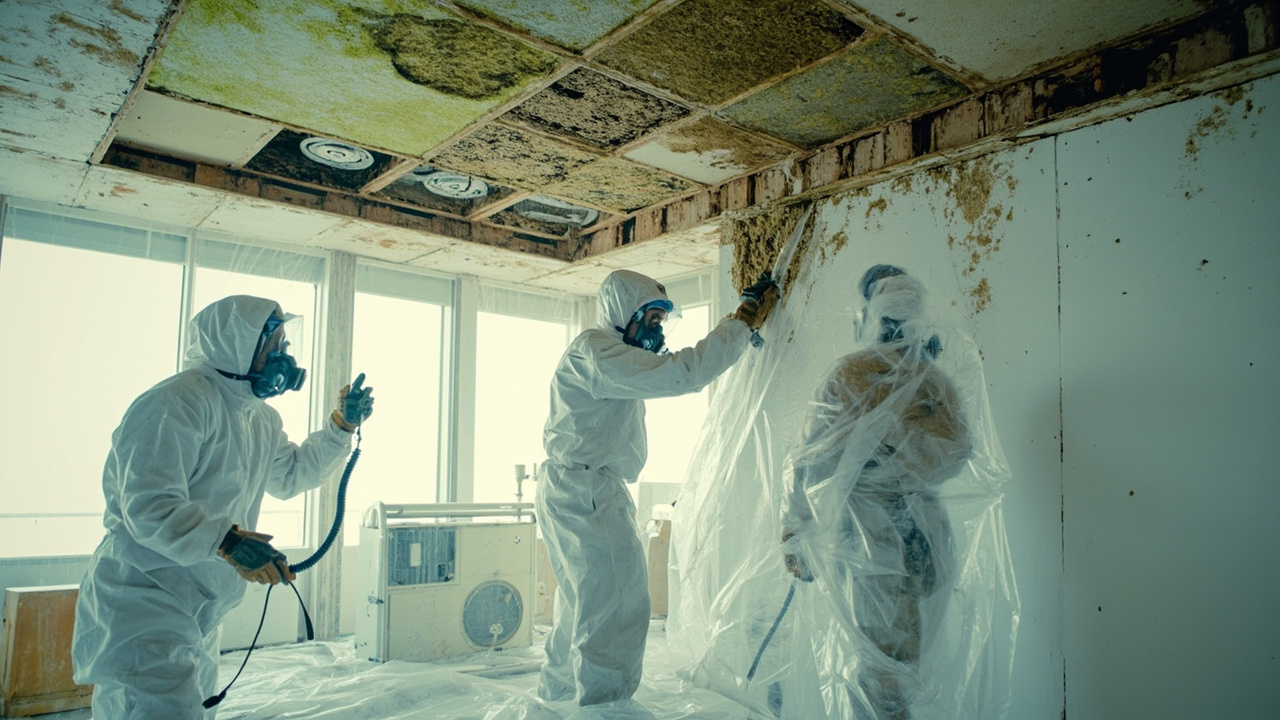
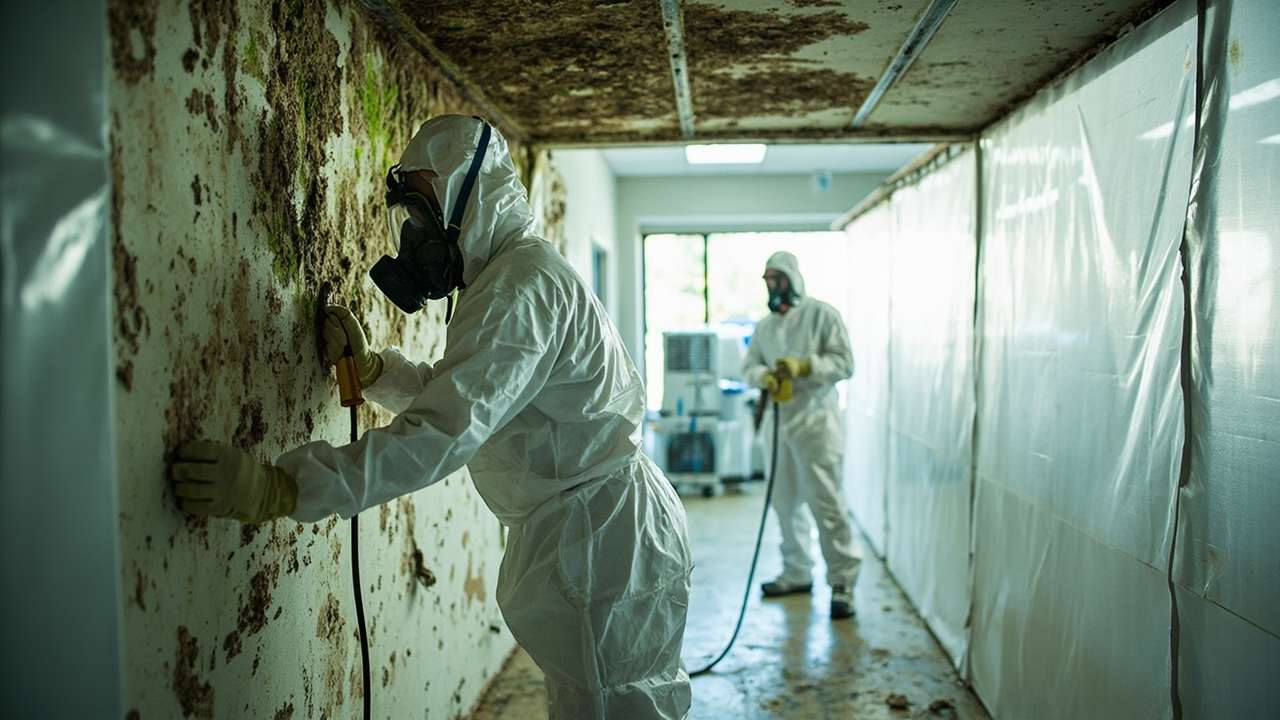
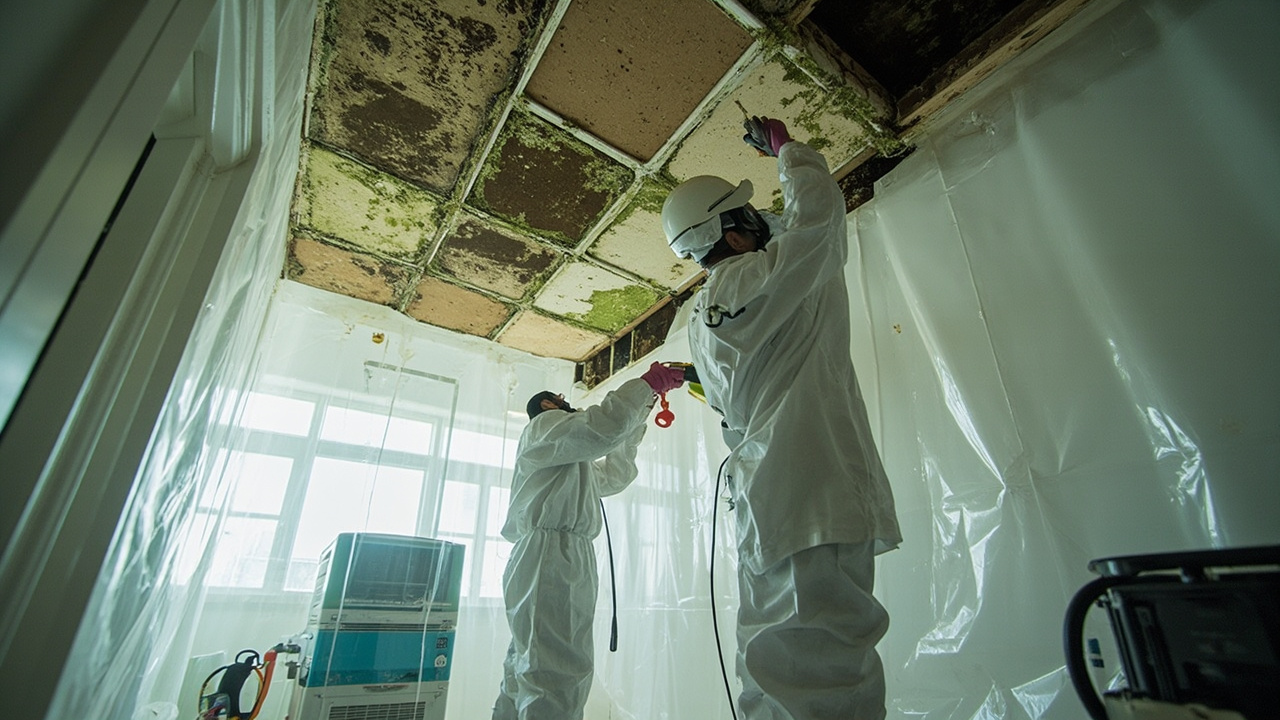
Commercial mold mitigation differs from residential work in scope, containment engineering, and regulatory compliance. Patriot Water Damage Restoration St. Louis uses negative air pressure chambers with HEPA filtration rated at 99.97% particulate capture to isolate contaminated zones. We do not shut down your entire facility. We section off affected areas using polyethylene barriers and airlock entry systems, allowing unaffected departments to operate normally.

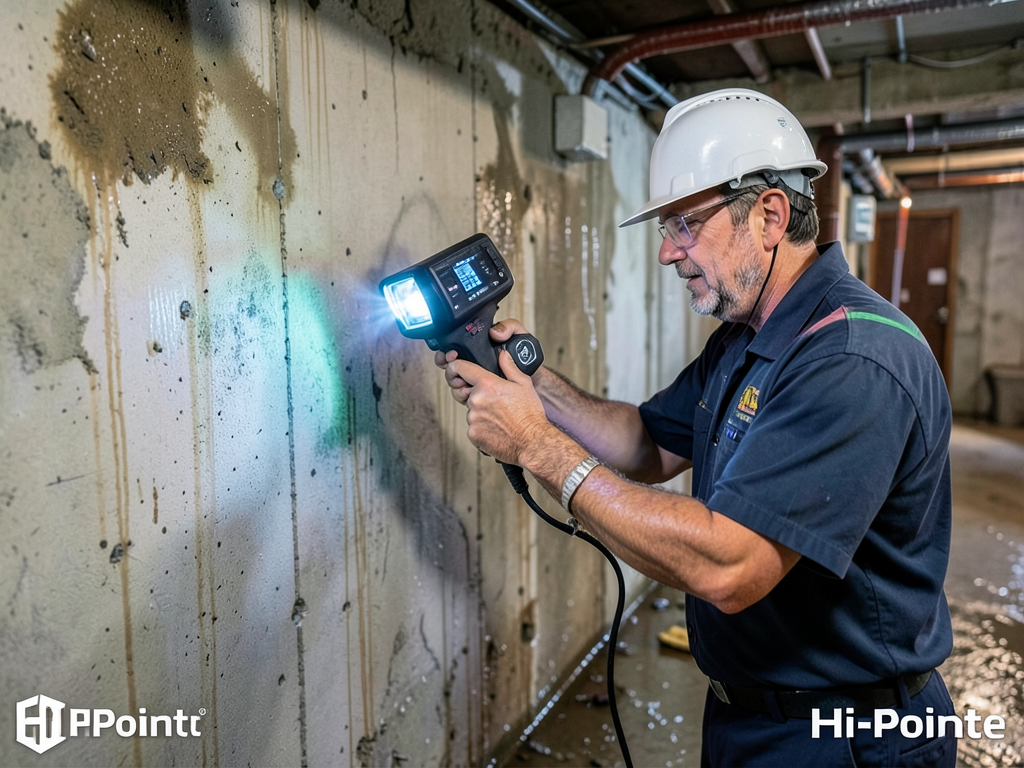
Our commercial mold removal process starts with moisture mapping using infrared thermography and hygrometers. We identify hidden water intrusion behind walls, above drop ceilings, and under flooring. Mold grows where moisture persists. Removing visible colonies without fixing the leak guarantees recurrence within six months.

We apply antimicrobial agents rated for commercial use that meet EPA standards for occupied spaces. Our HEPA vacuums pull spores from HVAC ductwork before they recirculate. For severe infestations, we remove porous materials like ceiling tiles, insulation, and drywall that cannot be salvaged. Non-porous surfaces like concrete, metal studs, and glass get wire-brushed and treated with encapsulants that prevent regrowth.

Business mold remediation also requires documentation. You need chain-of-custody reports for insurance claims, third-party air quality testing results, and photographic evidence of pre-loss conditions. We coordinate with industrial hygienists who perform clearance testing before we remove containment barriers. Your certificate of mold remediation completion satisfies building inspectors and proves due diligence if employees later file health complaints. St. Louis businesses operating in older structures near Midtown or The Hill face stricter scrutiny because historical buildings often contain asbestos-containing materials adjacent to mold colonies.

What Happens During Commercial Mold Cleanup

Commercial Mold Remediation in St. Louis – Minimize Downtime and Protect Business Continuity
01

Emergency Facility Assessment

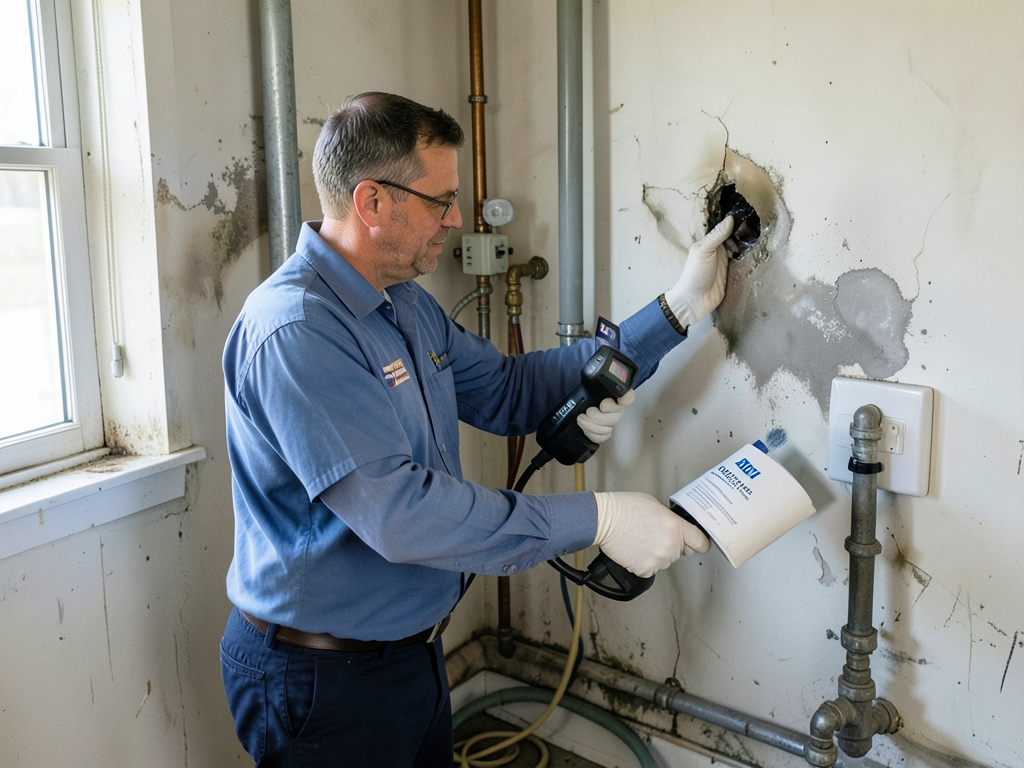
We arrive within two hours of your call to document contamination extent using moisture meters and borescope cameras that inspect wall cavities without demolition. Our team maps affected zones, photographs damage, and develops a containment plan that keeps unaffected areas operational. You receive a written scope of work detailing which spaces require closure, estimated project duration, and interim safety measures for employees working adjacent to containment zones.
02

Containment and Abatement

We install floor-to-ceiling containment barriers with negative air machines exhausting outside your building to prevent spore migration. Technicians wear respirators and disposable suits while removing contaminated materials. We bag debris in six-mil polyethylene before transport to prevent cross-contamination in hallways and elevators. HEPA air scrubbers run continuously during demolition, pulling airborne particulates that could trigger allergic reactions in adjacent workspaces. This phase typically runs during off-hours to minimize disruption.
03

Verification and Clearance

After cleaning treated surfaces and allowing antimicrobial agents to cure, we bring in third-party industrial hygienists who collect air samples and surface swabs. Lab analysis confirms spore counts match outdoor ambient levels, proving successful remediation. We remove containment only after receiving clearance reports. You get certified documentation for insurance carriers, OSHA compliance files, and tenant notifications. The space returns to service with zero fungal contamination and corrected moisture conditions that prevent recurrence.

Why St. Louis Businesses Choose Local Mold Specialists

Commercial property managers in St. Louis face unique challenges that out-of-state franchises do not understand. Our teams know that buildings constructed before 1970 in Clayton and University City often lack proper vapor barriers because building codes did not require them. We recognize that St. Louis's combined sewer system can cause basement backflows during heavy rain events, introducing sewage-contaminated water that requires different treatment protocols than clean water leaks.

Patriot Water Damage Restoration St. Louis maintains relationships with local industrial hygienists certified by the American Council for Accredited Certification. We coordinate with St. Louis City and St. Louis County building inspectors who verify our work meets municipal codes. When your insurance adjuster requests documentation, we provide detailed estimates using Xactimate software that matches regional pricing for labor and materials.

Our proximity matters during emergencies. We stage equipment within fifteen miles of your facility, allowing rapid deployment when a weekend pipe burst floods your office tower or a roof leak saturates ceiling tiles overnight. National chains dispatch teams from Kansas City or Chicago, adding hours to response time while mold colonies expand.

We also understand St. Louis's commercial real estate market. A mold disclosure can kill a tenant lease or property sale. We execute commercial mold abatement discreetly, using unmarked vehicles and scheduling work during low-traffic hours to protect your reputation. Our documentation satisfies due diligence requirements for commercial transactions without creating liability red flags that spook buyers.

Local expertise extends to moisture source diagnosis. We recognize that St. Louis's temperature swings cause HVAC condensation problems in spring and fall. We know which roofing membranes fail first on flat commercial roofs common in industrial parks near Earth City. This knowledge speeds diagnosis and prevents recurring problems that generic mold companies miss.

What to Expect During Your Commercial Remediation Project

Rapid Response Scheduling

We dispatch assessment teams within two hours of your initial call, including nights and weekends. Most commercial mold mitigation projects begin within 24 hours of contract signing. Our project managers develop work schedules that minimize business interruption, often executing demolition and treatment during off-hours. Containment installation typically takes four to six hours. Active remediation runs two to five days depending on contamination extent. Third-party clearance testing adds 48 hours for lab analysis. Total project duration averages one week for moderate infestations affecting 500 to 1,000 square feet.

Comprehensive Damage Assessment

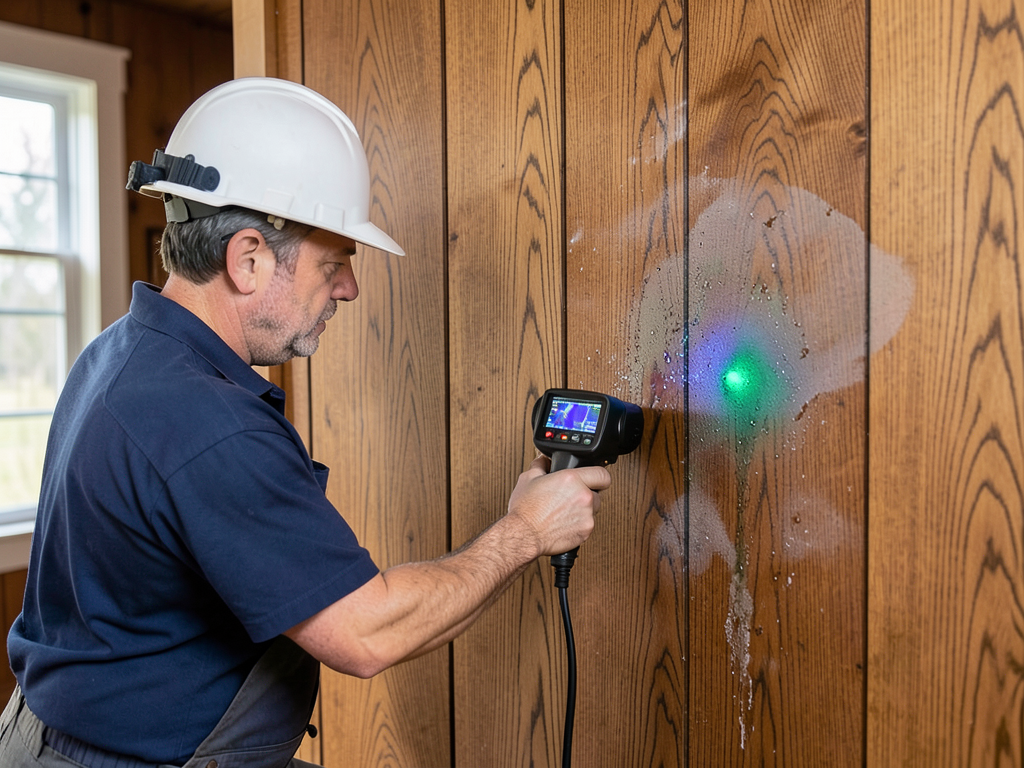
Our initial inspection uses thermal imaging cameras to detect hidden moisture in walls and ceilings without invasive probing. We measure ambient humidity, document visible mold growth, and identify the water source feeding fungal colonies. You receive a written report within four hours detailing affected square footage, recommended containment boundaries, and estimated material removal requirements. We photograph all damage for insurance documentation before beginning work. This assessment includes HVAC system inspection because contaminated ductwork can reintroduce spores after surface cleaning. We test air quality in adjacent spaces to determine if cross-contamination occurred.

Certified Clean Environment

Your facility returns to service only after independent lab testing confirms successful remediation. We do not self-certify completion. Third-party industrial hygienists collect air samples that undergo spore analysis comparing indoor counts to outdoor baseline levels. Surface sampling verifies no viable colonies remain on treated materials. You receive a certificate of mold remediation completion with lab reports attached. This documentation satisfies insurance requirements and protects against future liability claims from employees or tenants. We guarantee all treated areas meet EPA and IICRC S520 standards for safe reoccupation.

Moisture Control Solutions

Removing mold without fixing the moisture source guarantees recurrence. We identify and correct the underlying water intrusion causing fungal growth. This might involve roof repairs, HVAC condensate line rerouting, improved ventilation, or foundation waterproofing. We provide written recommendations for building envelope improvements that prevent future problems. Our moisture control plans include humidity monitoring protocols for property managers. While we do not provide extended warranties due to variables beyond our control, we document all corrective actions taken to eliminate moisture sources. Follow-up inspections at 30 and 90 days verify conditions remain dry.

Frequently Asked Questions

You Have Questions,
We Have Answers

What do professionals use for mold remediation? +

Professionals use HEPA-filtered air scrubbers to capture airborne spores, antimicrobial agents to kill surface mold, and commercial-grade dehumidifiers to control moisture. Containment barriers prevent cross-contamination during removal. In St. Louis commercial facilities, technicians apply EPA-registered fungicides after physical removal of affected materials like drywall or ceiling tiles. Moisture meters identify hidden water sources driving growth. The process includes negative air pressure systems to prevent spore migration into unaffected areas. Documentation with pre and post-remediation air quality testing ensures compliance with IICRC S520 standards, which matters for liability protection and insurance claims in commercial properties.

How much does professional mold removal cost? +

Professional mold removal costs vary based on contamination extent, affected square footage, and material removal requirements. Small isolated areas cost less than widespread infestations requiring structural demolition. In St. Louis commercial buildings, older brick structures with moisture intrusion from the Mississippi River humidity often require more extensive work. Post-remediation verification testing, containment setup, and HVAC cleaning add to total expenses. The scope determines cost, not hourly rates. Commercial projects require air quality clearance testing and documentation for tenant safety and regulatory compliance. Request detailed scope assessments from multiple certified contractors to compare project-specific pricing, not generic estimates.

Is professional mold removal worth it? +

Professional mold removal protects business continuity and reduces liability exposure. DIY approaches miss hidden growth inside walls or HVAC systems, allowing recontamination. In St. Louis commercial properties, failing to address mold professionally creates tenant health complaints and potential lawsuits. Certified remediation includes proper containment to prevent spore spread during removal, which untrained staff cannot execute safely. Documentation from licensed contractors satisfies insurance requirements and provides legal protection if disputes arise. The cost of professional remediation is significantly lower than business interruption from closure, worker compensation claims, or property devaluation from unresolved contamination. It is a risk management investment.

How much does full mold remediation cost? +

Full mold remediation costs depend on building size, contamination severity, and structural damage extent. Projects requiring removal of load-bearing materials, complete HVAC system cleaning, or asbestos abatement during demolition increase costs substantially. St. Louis commercial buildings with basement moisture issues from clay soil settlement often need foundation waterproofing alongside mold removal. Air quality testing before and after remediation adds to the total. Containment barriers, negative air machines, disposal fees, and reconstruction work all factor into final pricing. The only accurate estimate comes from on-site assessment with moisture mapping and material testing. Budget for comprehensive solutions, not surface-level fixes.

What kills mold permanently? +

Nothing kills mold permanently if moisture remains. Mold needs water to grow. Professional remediation removes existing growth and applies antimicrobial coatings, but moisture control prevents recurrence. In St. Louis commercial buildings, high humidity from Mississippi River proximity requires dehumidification systems and proper ventilation. Fix leaks, improve drainage, and maintain HVAC systems to keep relative humidity below 60 percent. Encapsulation products create barriers on porous surfaces, but they fail if water intrusion continues. Address the water source first. Killing visible mold without eliminating moisture is temporary. Proper building envelope maintenance and moisture management are the only permanent solutions.

How do Japanese bathrooms not get mold? +

Japanese bathrooms prevent mold through superior ventilation design and water management. They feature powerful exhaust fans, heated floors that dry surfaces quickly, and sloped drainage systems that eliminate standing water. Materials are non-porous and easy to clean. St. Louis commercial facilities can adopt these principles by installing commercial-grade ventilation with humidity sensors, using mold-resistant building materials during construction or renovation, and ensuring proper grout sealing. Regular maintenance schedules for exhaust systems prevent moisture buildup. The lesson is engineering moisture out of the environment through design, not relying on chemical treatments after mold appears. Prevention through building science beats remediation.

Can you permanently get rid of black mold? +

You can remove black mold completely through professional remediation, but it returns if moisture persists. Black mold requires cellulose and water. Removal involves physical extraction of contaminated materials, HEPA vacuuming, and antimicrobial treatment of affected surfaces. In St. Louis commercial properties, black mold often grows in hidden areas like wall cavities or above ceiling tiles where roof leaks go unnoticed. Professional remediation includes thermal imaging to locate moisture sources. After removal, encapsulation and moisture barriers prevent regrowth. The key is fixing water intrusion points and maintaining humidity control. Black mold is not magically resistant to removal, but it is persistent when conditions remain favorable.

Why is mold remediation so expensive? +

Mold remediation costs reflect containment requirements, safety protocols, and disposal regulations. Professionals must isolate work areas with negative air pressure systems to prevent spore spread. Personal protective equipment, HEPA filtration, and antimicrobial agents are expensive. In St. Louis commercial projects, disposing of contaminated materials requires certified waste handling. Labor costs include certified technicians trained in IICRC protocols, not general laborers. Air quality testing before and after work adds expense but provides liability protection. Insurance requirements and regulatory compliance drive up costs compared to simple cleaning. The price reflects risk management, not just physical labor. Cutting corners creates bigger problems and legal exposure.

What are signs of mold exposure? +

Mold exposure causes respiratory irritation, persistent coughing, sinus congestion, headaches, and fatigue. Employees may report worsening asthma or allergic reactions. Skin rashes and eye irritation occur with direct contact. In St. Louis commercial buildings, symptoms often worsen during humid summer months when mold growth accelerates. Not everyone reacts identically. Some individuals show no symptoms while others experience severe reactions. If multiple employees report similar symptoms that improve away from the building, investigate for hidden mold growth. Document complaints and conduct air quality testing. Ignoring employee health complaints creates liability exposure and potential worker compensation claims. Professional assessment protects your workforce and business.

How hard is it to win a mold lawsuit? +

Winning mold lawsuits requires proving negligence, causation, and damages with expert testimony and medical documentation. You must show the property owner knew or should have known about the mold problem and failed to act. In St. Louis, plaintiffs file in St. Louis County Circuit Court or federal court depending on the claim. Establishing direct medical causation between mold exposure and health problems is difficult. Insurance policies often exclude mold coverage, limiting defendant resources. Success depends on documentation quality, expert witnesses, and proving the defendant ignored known water intrusion. Commercial tenants have stronger cases when lease agreements specify maintenance responsibilities the landlord violated.

How St. Louis River Humidity and Aging Infrastructure Accelerate Commercial Mold Growth

St. Louis's position at the Mississippi River confluence creates ambient humidity levels that remain above 70% for six months annually. This moisture combines with aging commercial infrastructure built before modern building codes required proper vapor barriers. Buildings in Downtown St. Louis, Soulard, and Lafayette Square often feature brick facades with deteriorating mortar joints that allow wind-driven rain to penetrate walls. The region's freeze-thaw cycles crack foundations and roofing membranes, creating entry points for water that triggers mold growth in hidden cavities. Commercial properties near Riverview and Carondelet face additional risk from seasonal flooding that saturates basements and crawl spaces with contaminated water requiring immediate commercial mold cleanup.

Patriot Water Damage Restoration St. Louis understands the regulatory environment governing commercial mold remediation in St. Louis City and County. We maintain current knowledge of municipal codes enforced by the Building Division and Department of Health. Our teams coordinate with local industrial hygienists who understand Missouri's disclosure requirements for commercial property transactions. This local expertise matters when your project requires permits or when insurance adjusters need documentation matching regional standards. Choosing a St. Louis-based commercial mold mitigation specialist ensures compliance with local regulations and access to regional industry networks that out-of-state franchises cannot provide.
Water Damage Restoration Services in The St. Louis Area

We are proud to be the trusted local choice for water damage restoration across the greater St. Louis region. This map highlights our primary service zone, demonstrating our commitment to rapid, localized response across every neighborhood and business district within the area. We invite all users to view our service area and then contact us directly for immediate deployment to your specific address within the St. Louis community.

Address:
Patriot Water Damage Restoration St. Louis, 710 N Tucker Blvd, St. Louis, MO, 63101

Additional Services We Offer

Our news updates

Latest Articles & News from The Blogs

What to Do When Your Water Softener Leaks and Floods Your Affton Utility Room A leaking water softener can release…

What to Do When Your Water Softener Leaks and Floods Your Affton Utility Room

What to Do When Your Water Softener Leaks and Floods Your Affton Utility Room A leaking water softener can release…

Restoring a Water Damaged Mid-Century Modern Home in Warson Woods

Restoring a Water Damaged Mid-Century Modern Home in Warson Woods Water damage in a mid-century modern home requires specialized knowledge…

Why Your Walk-Out Basement in Hi-Pointe is Vulnerable to Heavy Rain Runoff

Why Your Walk-Out Basement in Hi-Pointe is Vulnerable to Heavy Rain Runoff Your walk-out basement in Hi-Pointe faces unique flooding…

Contact Us

Mold contamination threatens your operations, employee health, and property value. Call Patriot Water Damage Restoration St. Louis at (314) 428-9977 for immediate assessment. We respond to commercial properties throughout the St. Louis metro within two hours and begin containment within 24 hours.