menu

24/7 Emergency Water Removal in St. Louis – Crews Dispatched in Under 60 Minutes

When water invades your St. Louis property, every minute counts. Our emergency water extraction services mobilize immediately to stop structural damage, prevent mold growth, and protect your belongings before it's too late.

Slider Image 1
Slider Image 2
Slider Image 3
Slider Image 4
Slider Image 5
Slider Image 7
Slider Image 8
Slider Image 9
Slider Image 10
Slider Image 11

St. Louis Water Damage Doesn't Wait for Business Hours

A burst pipe at 3 AM. A flooded basement after midnight storms. A sewer backup on Sunday morning. Water damage follows no schedule, and neither do we.

St. Louis homes face unique flooding risks. The Mississippi River floodplain creates high groundwater tables across much of the metro area. Add in our extreme weather swings, heavy spring storms, and aging infrastructure in neighborhoods like Shaw and Tower Grove South, and you understand why immediate water removal becomes critical, not optional.

Standing water penetrates subflooring in hours. Drywall wicks moisture two feet vertically overnight. Mold spores activate in 24 to 48 hours. The difference between a manageable cleanup and a total gut-out often comes down to response time.

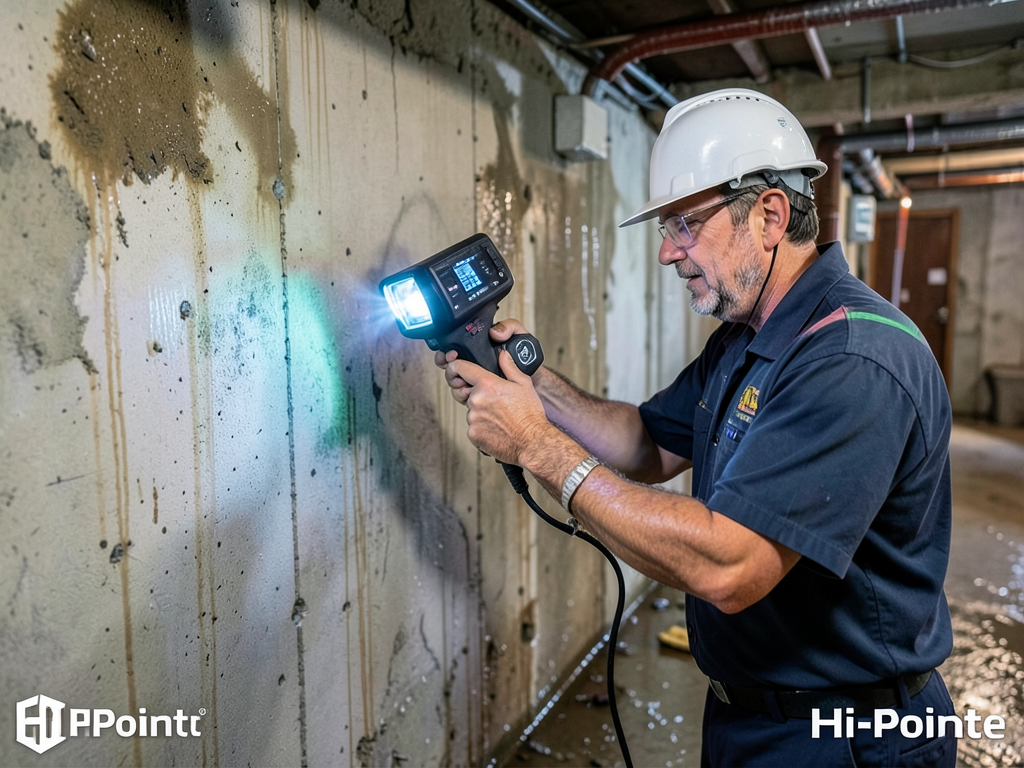
Our 24 hour water damage cleanup teams stay ready around the clock. We dispatch trucks with truck-mounted extraction units, not small portable vacuums. Our technicians carry thermal imaging cameras to find hidden moisture pockets behind walls and under floors. We know how St. Louis's clay soil creates hydrostatic pressure against foundation walls, and we know which basement construction types in your neighborhood are most vulnerable.

When you call for urgent water mitigation, you reach a live technician, not an answering service. We assess the damage over the phone, dispatch the nearest crew, and start water extraction within the hour. Speed stops secondary damage. Speed saves your property. Speed reduces your insurance claim.

You cannot control when disaster strikes. You can control how fast help arrives.

St. Louis Water Damage Doesn't Wait for Business Hours

How Professional Immediate Water Removal Protects Your Property

Emergency water extraction services require more than wet vacuums and fans. Effective immediate water removal follows a systematic approach designed to eliminate moisture at every level of your structure.

We start with source control. If a supply line burst, we locate the shutoff. If a sump pump failed, we assess whether the discharge line froze or the float switch malfunctioned. We stop the water before we start removing it.

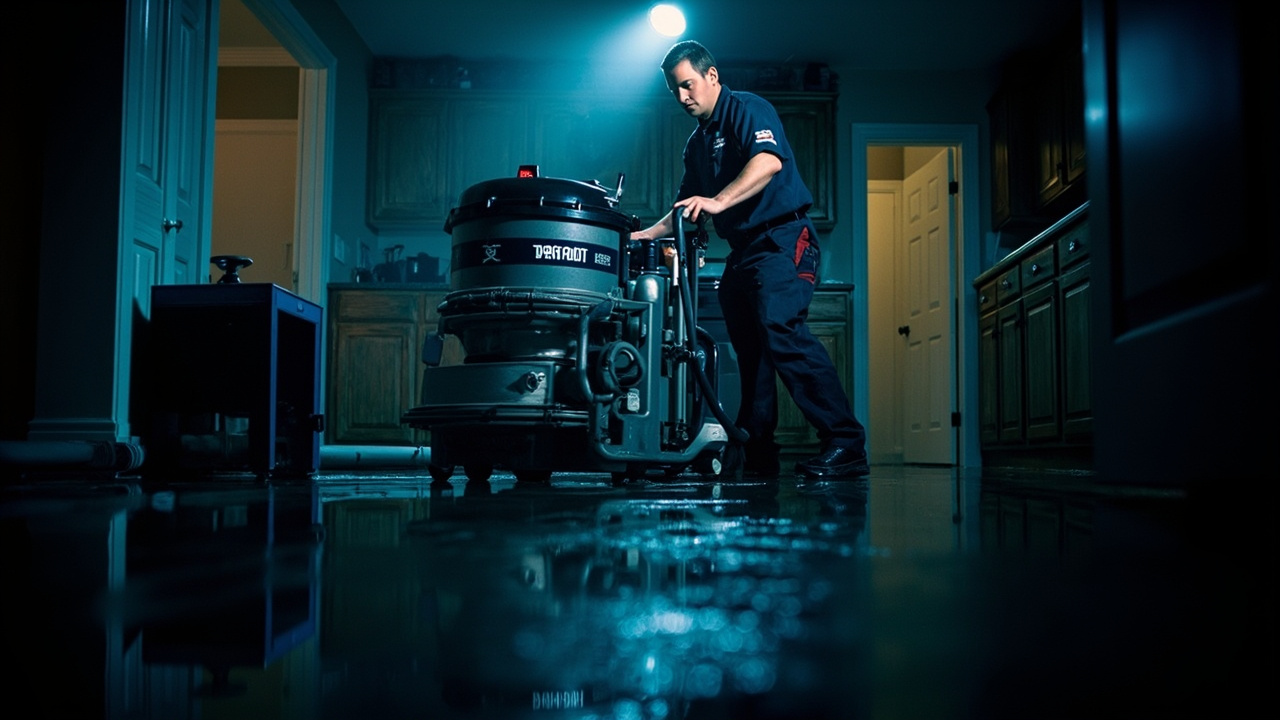
Next comes extraction. Our truck-mounted pumps generate enough vacuum force to pull water from carpet padding, subflooring gaps, and crawl spaces. Portable extractors handle tight areas like closets and bathrooms. We measure moisture content with pin and pinless meters, targeting readings below 15 percent in wood framing and below 1 percent in concrete slabs.

Air movement comes third. We position axial fans to create laminar airflow across wet surfaces. Low-grain refrigerant dehumidifiers pull moisture from the air faster than desiccant units in St. Louis's humid climate. We monitor temperature and humidity every four hours, adjusting equipment placement as conditions change.

Antimicrobial application follows drying. We treat affected surfaces with EPA-registered products that prevent mold colonization without damaging materials. In basements with prior mold history, we apply encapsulants to porous surfaces like concrete block.

Documentation runs throughout the process. We photograph damage, log moisture readings, and track equipment runtime. Your insurance adjuster needs this data to process your claim. We provide it without you asking.

Professional 24/7 flood extraction means using calibrated tools, following IICRC S500 standards, and understanding building science. Anything less leaves moisture behind.

What Happens When You Call for Emergency Water Extraction

24/7 Emergency Water Removal in St. Louis – Crews Dispatched in Under 60 Minutes
01

Immediate Dispatch

You speak directly with a water damage technician who evaluates your situation over the phone. We ask specific questions about water source, affected square footage, and whether electrical hazards exist. Our dispatcher sends the nearest crew with appropriate equipment while you remain on the line. We provide an arrival time window and call you when the truck is five minutes out. No waiting. No callbacks.
02

Onsite Assessment and Extraction

Our crew identifies the water category (clean, gray, or black), establishes containment barriers, and begins extraction immediately. We use thermal imaging to map moisture migration through walls and ceilings. Truck-mounted equipment removes standing water in minutes, not hours. We pull baseboards when needed to access wall cavities and insert drying equipment. You see progress within the first hour, not the first day.
03

Drying and Monitoring

We install commercial dehumidifiers and air movers, then establish a monitoring schedule. Technicians return every 24 hours to check moisture levels, adjust equipment, and document progress. Drying typically takes three to five days depending on materials and saturation levels. We remove equipment only after moisture readings meet industry standards. You receive a completion report with all documentation needed for insurance claims and future property transactions.

Why St. Louis Property Owners Choose Patriot Water Damage Restoration

Local knowledge matters in emergency water removal. We understand how St. Louis's building stock responds to water damage. The brick bungalows in South City retain moisture differently than the wood-frame homes in Webster Groves. Basement apartments near Cherokee Street flood from different mechanisms than split-levels in Affton.

We know which neighborhoods sit in the 100-year floodplain. We know how the River Des Peres overflows during heavy rain and where combined sewer systems back up during peak flow events. This knowledge shapes our response. We bring sump pumps to low-lying areas. We bring backflow prevention equipment to properties near sewer mains.

Our trucks carry enough extraction and drying equipment to handle jobs from 500 to 5,000 square feet without making return trips for more gear. We stock replacement parts for common plumbing failures. We maintain relationships with local plumbers, electricians, and contractors for jobs requiring immediate repairs beyond water removal.

Insurance companies recognize our documentation standards. We photograph damage from multiple angles, measure affected areas accurately, and provide moisture readings that match adjuster expectations. We work with every major carrier active in the St. Louis metro. We know what they require for claim approval.

Our technicians hold IICRC certifications in water damage restoration and applied structural drying. Certification means they understand psychrometrics, building science, and proper drying protocols. They know when to remove materials and when to dry in place. They know which antimicrobials work and which create more problems than they solve.

You need a company that shows up fast, works efficiently, and documents thoroughly. Patriot Water Damage Restoration St. Louis delivers all three.

What to Expect from Our Emergency Response Service

Response Time and Availability

We answer phones 24 hours a day, 365 days a year. No answering services. No callbacks in the morning. You speak with a technician who dispatches a crew immediately. Our average arrival time runs under 60 minutes for most St. Louis metro locations. We serve the city, St. Louis County, St. Charles County, and Jefferson County with equal speed. Night, weekend, and holiday rates remain the same as standard rates. Water damage creates urgency. Our pricing does not exploit that urgency.

Initial Assessment Process

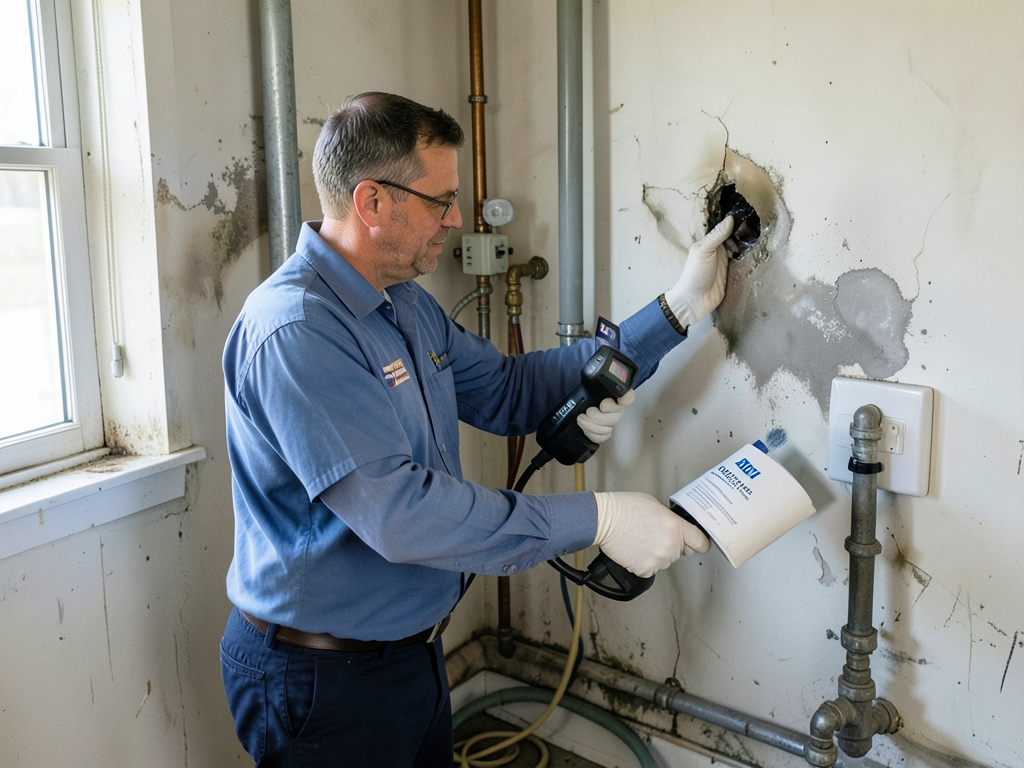
Our technician walks through affected areas with you, explains what they see, and outlines the necessary scope of work before starting. We use moisture meters and thermal cameras to identify damage you cannot see. We classify water category, measure affected square footage, and calculate required equipment. You receive a detailed estimate that breaks down extraction, drying, antimicrobial treatment, and monitoring costs. We explain what insurance typically covers and what falls to the property owner. No surprises. No upsells. No hidden fees.

Drying and Restoration Quality

We remove water until surfaces meet industry-standard moisture content levels, not until they look dry. Wood framing must read below 15 percent. Concrete must read below 1 percent. Carpet and padding must reach equilibrium with ambient conditions. We track these numbers daily and provide written logs. Materials that cannot dry properly get removed and disposed of correctly. We treat all affected surfaces with antimicrobial solutions to prevent mold. You receive photos of every stage from initial damage through final drying.

Follow-Up and Documentation

After equipment removal, we conduct a final walkthrough to verify drying completion. You receive a comprehensive report with before and after photos, daily moisture logs, equipment placement diagrams, and antimicrobial application records. This documentation supports your insurance claim and provides proof of proper remediation if you sell the property. We remain available for questions from your adjuster or contractor. If moisture reappears within 30 days, we return to reassess at no charge. Proper water removal eliminates problems. We do it right the first time.

Frequently Asked Questions

You Have Questions,
We Have Answers

What is emergency water removal? +

Emergency water removal is the immediate extraction of standing water from your property after flooding, burst pipes, or sewage backups. Trained technicians arrive within hours with industrial pumps and wet vacuums to pull water from floors, carpets, and crawl spaces before it spreads. Speed matters. Every hour water sits, it seeps deeper into drywall, subfloors, and insulation. In St. Louis, where summer humidity already stresses materials, fast extraction prevents secondary damage like warping and mold colonization. This service runs 24/7 because water does not wait for business hours.

How much does it cost to get water out of a basement? +

Water removal from a St. Louis basement typically ranges from a few hundred dollars for minor standing water to several thousand for severe flooding with structural damage. Cost depends on water volume, contamination level, and how long it sat. Clean water from a supply line costs less to extract than sewage backups, which require disposal protocols. Most local companies offer free inspections and work directly with your insurance adjuster to document damage. The real cost is waiting. Delayed removal leads to foundation issues and mold, which multiplies your bill exponentially.

What should I do immediately after water damage? +

Stop the water source immediately if safe. Shut off your main water valve or call a plumber for burst pipes. Move electronics and valuables to dry areas. Do not enter standing water if electrical outlets are submerged. Take photos for insurance documentation. Call a 24/7 water removal company right away. In St. Louis, our clay soil and high water tables mean water can wick into foundation walls fast. Do not wait to dry it yourself with fans. Professional extraction and dehumidification within the first 24 hours prevent permanent damage and mold growth.

What would be considered a water emergency? +

A water emergency is any situation where water threatens structural integrity, safety, or health. Burst pipes flooding your home, sewage backups, sump pump failures during storms, or roof leaks pooling in ceilings qualify. In St. Louis, rapid spring thaws and summer flash floods often overwhelm basements. Water becomes an emergency when it spreads beyond containment, contacts electrical systems, or sits longer than 24 hours. Contaminated water from toilets or exterior flooding always requires emergency response. If you question whether it counts, call a professional. Hesitation turns manageable problems into total losses.

How likely is mold after water damage? +

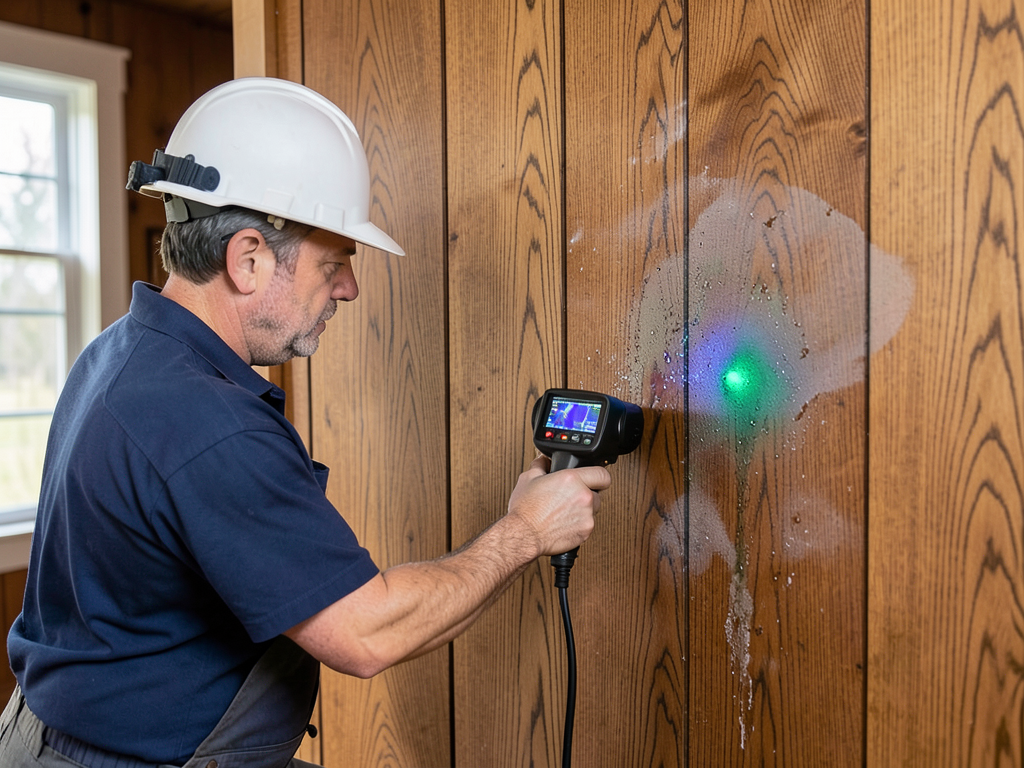
Mold growth after water damage is almost guaranteed if moisture remains longer than 24 to 48 hours. St. Louis humidity accelerates this timeline. Mold spores exist everywhere. They need only moisture and organic material like drywall, wood, or carpet to colonize. You might not see visible mold for days, but microscopic growth starts immediately in hidden cavities. Professional water removal includes moisture mapping with infrared cameras and industrial dehumidifiers to dry areas you cannot see. Surface drying is not enough. Without proper equipment, mold will grow inside walls and under flooring where you cannot treat it.

How to remove a large amount of water from a floor? +

Remove large amounts of floor water with submersible pumps for deep standing water, then follow with wet vacuums for residual moisture. Do not use a shop vac alone on major flooding. It cannot handle the volume and will burn out. Professionals use truck-mounted extractors that pull thousands of gallons per hour while injecting antimicrobial agents. In St. Louis basements with finished flooring, water often hides beneath laminate or tile. Technicians pull samples to check subfloor saturation and remove baseboards to ventilate wall cavities. Speed and thoroughness prevent buckling floors and hidden mold colonies.

Will insurance cover water in a basement? +

Insurance coverage for basement water depends on the source. Standard homeowners policies typically cover sudden internal failures like burst pipes or water heater leaks. They exclude groundwater seepage, sump pump overflow, and exterior flooding unless you carry separate flood insurance or sewer backup endorsements. St. Louis sits in a floodplain near the Mississippi and Missouri Rivers, so many properties require NFIP flood policies. Review your declarations page now. Most water removal companies will inspect your damage, review your policy language, and communicate directly with adjusters to maximize your claim and minimize out-of-pocket costs.

How to quickly remove water from a basement? +

Quickly remove basement water by calling a 24/7 emergency service with commercial-grade pumps and extraction tools. If water is under two inches and you own a wet vac, start removing it yourself while waiting for professionals. Open windows if weather permits to increase airflow. Pull wet rugs and move furniture to dry areas. Do not use standard fans alone. They push moisture into walls. St. Louis basements often have porous limestone or brick foundations that absorb water fast. Professionals use moisture meters to track hidden saturation and place air movers strategically to dry structural cavities you cannot access.

How much does Servpro cost to clean a basement? +

Basement cleaning costs vary widely by company and damage scope. Servpro and similar franchises often charge premium rates due to national branding. Local St. Louis water restoration companies typically offer competitive pricing with the same certifications and equipment. Expect costs to reflect water volume, contamination category, square footage, and required demolition. Most companies provide free estimates and work with insurance. Focus less on comparing brand names and more on response time, local references, and whether they use thermal imaging and moisture tracking. The cheapest bid often means incomplete drying, which guarantees future mold and structural problems.

What kills mold after a water leak? +

Nothing kills mold after a water leak if moisture remains. You must remove the water source and dry the area completely first. Once dry, EPA-registered antimicrobial solutions like quaternary ammonium compounds or hydrogen peroxide-based cleaners kill surface mold on non-porous materials. Porous materials like drywall, insulation, and carpet padding usually require removal because mold roots penetrate deep. Bleach is ineffective on porous surfaces and dangerous in enclosed spaces. Professional remediation in St. Louis includes HEPA air scrubbing, containment barriers, and post-treatment moisture verification. Killing visible mold without addressing hidden moisture guarantees it returns within weeks.

How St. Louis's Clay Soil and River Proximity Increase Water Damage Risk

St. Louis sits on heavy clay soil with low permeability. When rain falls, it does not absorb quickly. Instead, it pools on the surface and creates hydrostatic pressure against foundation walls. Older homes in neighborhoods like The Hill and Dutchtown have limestone or brick foundations that leak under pressure. Newer homes in Oakville and Mehlville have poured concrete walls that crack when backfill settles. The proximity to the Mississippi and Missouri Rivers raises the water table across much of the metro. Sump pumps run constantly during wet seasons. When pumps fail or power goes out, basements flood fast. Emergency water extraction services become essential in this environment, not optional.

St. Louis building codes require proper drainage and sump systems in new construction, but thousands of homes predate these requirements. We know which neighborhoods flood during heavy rain. We know which areas have combined sewer systems that back up during storms. We know how local contractors built homes in different decades and which construction methods hold up under water exposure. This knowledge lets us respond appropriately. We bring the right equipment. We know what to save and what to remove. We understand what your insurance adjuster expects to see in documentation. Local expertise matters when water invades your property.
Water Damage Restoration Services in The St. Louis Area

We are proud to be the trusted local choice for water damage restoration across the greater St. Louis region. This map highlights our primary service zone, demonstrating our commitment to rapid, localized response across every neighborhood and business district within the area. We invite all users to view our service area and then contact us directly for immediate deployment to your specific address within the St. Louis community.

Address:
Patriot Water Damage Restoration St. Louis, 710 N Tucker Blvd, St. Louis, MO, 63101

Additional Services We Offer

Our news updates

Latest Articles & News from The Blogs

What to Do When Your Water Softener Leaks and Floods Your Affton Utility Room A leaking water softener can release…

What to Do When Your Water Softener Leaks and Floods Your Affton Utility Room

What to Do When Your Water Softener Leaks and Floods Your Affton Utility Room A leaking water softener can release…

Restoring a Water Damaged Mid-Century Modern Home in Warson Woods

Restoring a Water Damaged Mid-Century Modern Home in Warson Woods Water damage in a mid-century modern home requires specialized knowledge…

Why Your Walk-Out Basement in Hi-Pointe is Vulnerable to Heavy Rain Runoff

Why Your Walk-Out Basement in Hi-Pointe is Vulnerable to Heavy Rain Runoff Your walk-out basement in Hi-Pointe faces unique flooding…

Contact Us

Water spreads every minute you wait. Our crews stand ready to respond right now. Call (314) 428-9977 to speak with a technician and dispatch emergency water removal equipment to your St. Louis property. We answer 24/7. We arrive fast. We stop the damage.