menu

Frozen Pipe Burst Cleanup in St. Louis – 60-Minute Response to Stop Catastrophic Water Damage

When frozen pipes rupture in your St. Louis property, every minute counts. Our emergency burst pipe water removal teams deploy immediately to extract standing water, stabilize your structure, and prevent mold growth before permanent damage sets in.

Slider Image 1
Slider Image 2
Slider Image 3
Slider Image 4
Slider Image 5
Slider Image 7
Slider Image 8
Slider Image 9
Slider Image 10
Slider Image 11

Why Frozen Pipe Bursts Devastate St. Louis Properties Every Winter

St. Louis winters bring rapid freeze-thaw cycles that wreak havoc on plumbing systems. When temperatures plummet below 20 degrees, water inside your pipes expands with enough force to split copper, PVC, and galvanized steel. The real disaster starts when temperatures rise and ice melts. A single burst pipe releases up to 400 gallons per hour directly into your walls, ceilings, and floors.

The clay-heavy soil throughout St. Louis shifts during freeze-thaw cycles, which stresses underground supply lines and increases rupture risk. Older homes in neighborhoods like Tower Grove and Soulard face additional vulnerability because original plumbing runs through uninsulated crawl spaces and exterior walls. Modern construction in Chesterfield and O'Fallon includes better insulation, but exposed pipes in attics and garages still freeze during cold snaps.

Water from a frozen pipe burst saturates insulation, drywall, and subflooring within minutes. The moisture migrates horizontally through wall cavities and vertically through floor joists. You smell the dampness before you see the stains. By the time water drips through your ceiling or pools on your floor, structural materials have already absorbed gallons of contaminated water. Mold spores activate within 24 hours in St. Louis's humid climate, turning a plumbing failure into a health hazard. Emergency burst pipe water removal must start immediately to salvage your property and protect your family.

Why Frozen Pipe Bursts Devastate St. Louis Properties Every Winter
Our Frozen Pipe Burst Remediation Process Stops Damage Progression

Our Frozen Pipe Burst Remediation Process Stops Damage Progression

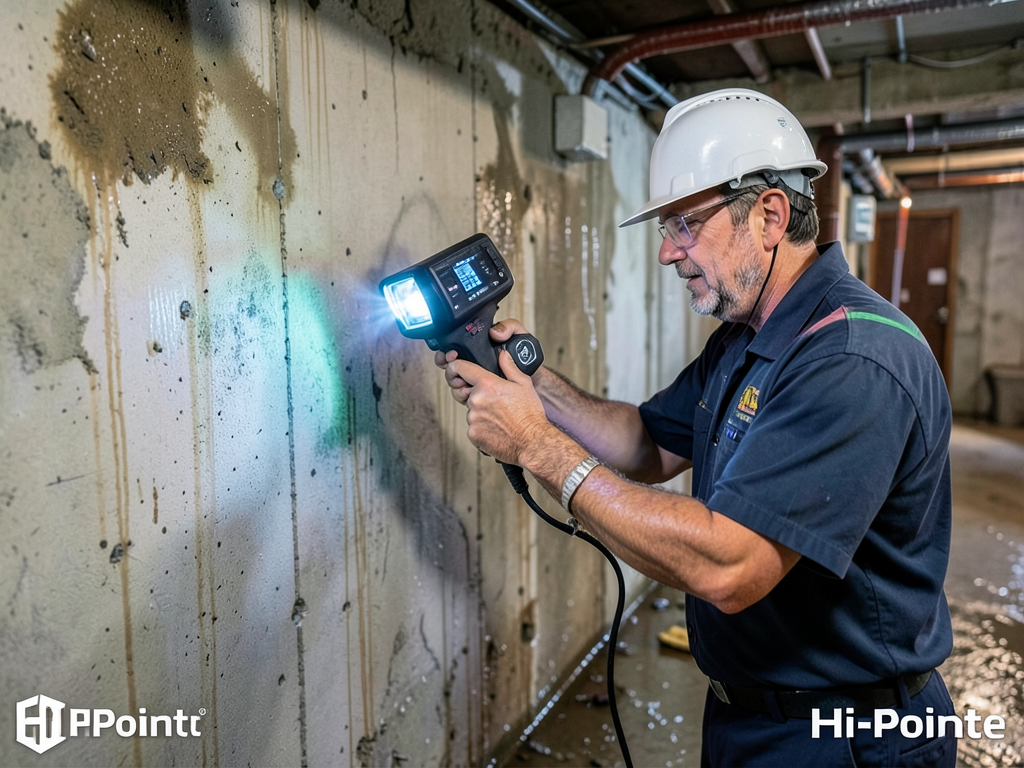
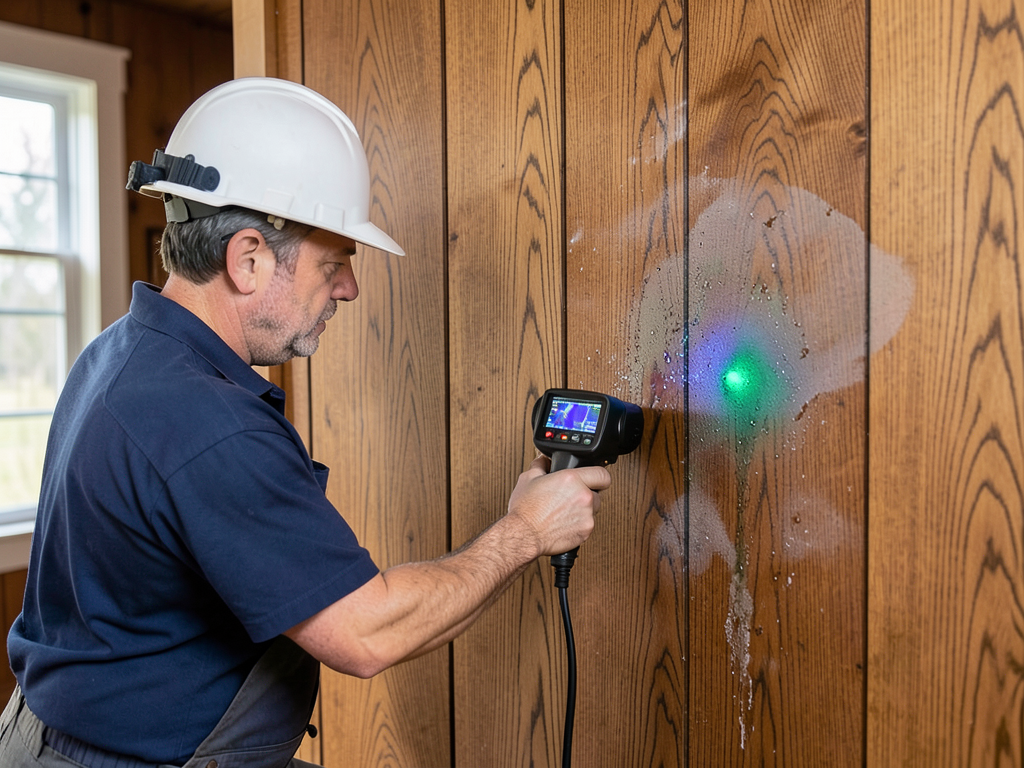
Burst pipe water damage restoration requires surgical precision, not just water extraction. We deploy thermal imaging cameras to map moisture migration through your walls and identify hidden saturation zones. Moisture meters measure water content in lumber, drywall, and insulation to establish drying targets. This diagnostic phase takes 15 minutes but determines whether we save or replace your building materials.

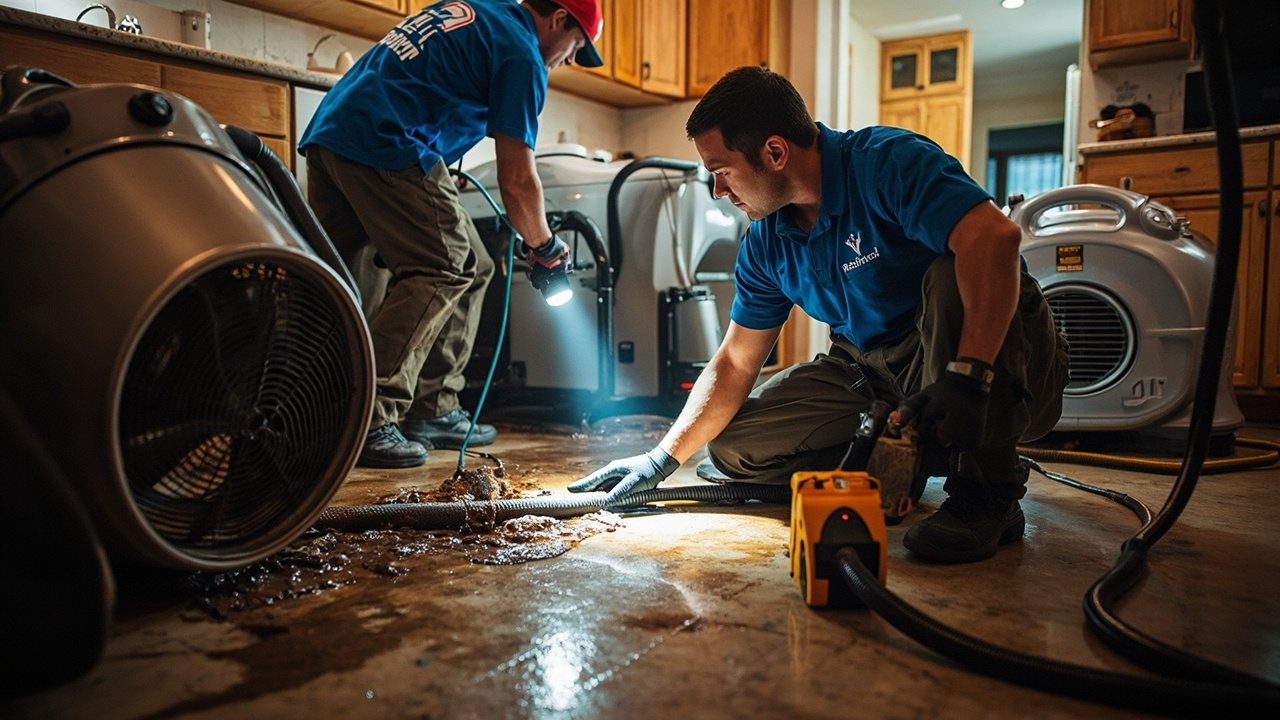
Our truck-mounted extraction units remove standing water at 200 gallons per minute. We use weighted wands to pull water from carpet padding and subflooring before it delaminates your hardwood or buckles your laminate. For wall cavities, we drill weep holes at baseboard level to drain trapped water and insert drying tubes that force heated air into the stud bays. This controlled evaporation prevents secondary moisture damage that standard fans miss.

Commercial-grade dehumidifiers cycle 180 pints per day to drop relative humidity below 40 percent. We position air movers in a vortex pattern to create continuous airflow across all wet surfaces. Temperature control matters because drying efficiency doubles when ambient temps reach 80 degrees. We monitor moisture levels twice daily using pin-type and non-invasive meters, adjusting equipment placement based on real-time readings. Most frozen pipe flood cleanup projects reach dry standard in 3-5 days, depending on the volume released and materials affected.

We document everything for your insurance claim. Photos, moisture logs, and equipment placement diagrams prove we followed IICRC S500 standards for water extraction for frozen pipes. This evidence streamlines your adjuster's approval process and maximizes your reimbursement.

What Happens When You Call for Emergency Pipe Burst Service

Frozen Pipe Burst Cleanup in St. Louis – 60-Minute Response to Stop Catastrophic Water Damage
01

Immediate Dispatch and Containment

Your call triggers an immediate dispatch to our closest crew. We arrive with extraction equipment, moisture detection tools, and containment barriers. The first priority is stopping water flow at the main shutoff valve, then extracting standing water before it spreads to unaffected areas. We establish containment zones using polyethylene sheeting to isolate wet areas from dry spaces, preventing cross-contamination and limiting the scope of damage.
02

Structural Assessment and Drying

03

Monitoring and Restoration Readiness

Drying equipment runs continuously while we monitor moisture levels every 12 hours. When readings drop below 15 percent moisture content in wood and 1 percent in drywall, your structure meets dry standard. We provide a completion certificate that clears your property for reconstruction. This documentation proves your home is safe from mold growth and ready for repairs, which your insurance company requires before authorizing rebuild contractors.

Why St. Louis Property Owners Trust Our Burst Pipe Emergency Response

St. Louis building codes require water damage restoration contractors to follow IICRC guidelines, but compliance varies wildly across providers. We maintain IICRC Water Damage Restoration Technician certification for every crew member, not just supervisors. This training matters because improper drying creates hidden mold colonies inside your walls that surface months after the insurance claim closes.

Our equipment inventory includes redundant backup units, which matters during winter storms when multiple properties suffer frozen pipe bursts simultaneously. Competitors run out of dehumidifiers and subcontract work to undertrained crews. We own our fleet of truck-mounted extractors, LGR dehumidifiers, and thermal imaging cameras, so we control quality at every job site.

We understand St. Louis construction methods because we work here exclusively. Homes built before 1950 use plaster over wood lath, which retains moisture differently than modern drywall. Properties in the Central West End and Lafayette Square feature ornamental plaster that requires specialized drying techniques to prevent cracking. Ranch homes from the 1960s in South County have concrete slab foundations that trap moisture unless we use injectidry systems to force airflow under flooring.

Your insurance adjuster knows our reputation. We provide detailed moisture mapping, equipment logs, and daily progress photos that meet Xactimate documentation standards. This thorough reporting speeds up claim approval and reduces the chance of coverage disputes. We also coordinate directly with your plumber to verify the pipe repair is complete before we begin drying, which prevents re-flooding and protects our work.

Frozen pipe burst remediation requires immediate action and technical precision. We provide both, 24 hours a day, every day of the year.

What to Expect During Emergency Water Extraction Service

Response Time and Availability

We answer emergency calls 24 hours a day, 365 days a year. Our average response time is 60 minutes from your call to boots on the ground in St. Louis city limits and 90 minutes for St. Louis County and St. Charles County. During winter storms with multiple simultaneous frozen pipe bursts, we deploy additional crews to maintain rapid response times. We arrive with a fully equipped truck carrying extraction units, dehumidifiers, air movers, and moisture detection equipment, so we start work immediately without return trips for additional gear. You get a crew chief's direct cell number for updates throughout the project.

Initial Assessment and Scope Determination

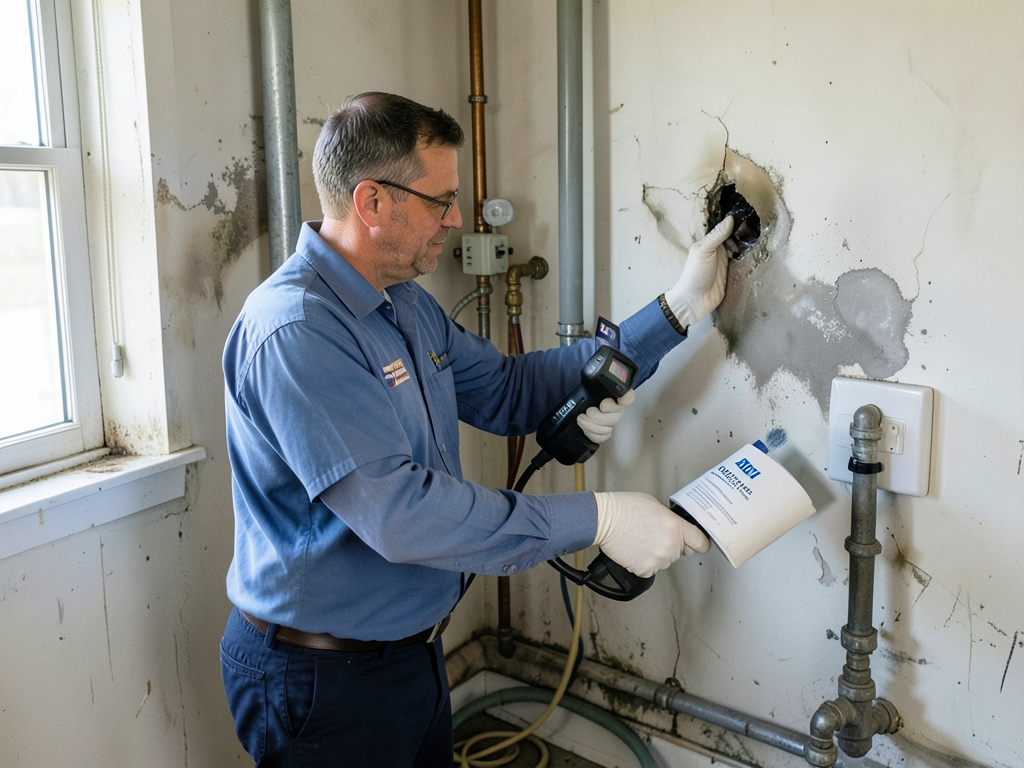
The crew chief conducts a room-by-room inspection using thermal imaging cameras and moisture meters to identify all affected areas, including hidden water in wall cavities and under flooring. We categorize water damage by contamination level, which determines extraction methods and safety protocols. You receive a verbal briefing on findings, estimated drying time, and materials that may require removal. We photograph all damage and create a moisture map before starting work. This documentation becomes the foundation of your insurance claim, and we email you a copy of the assessment report within 4 hours of completing the inspection.

Drying Results and Completion Standards

We dry your property to IICRC S500 standards, which means moisture content in affected materials drops to pre-loss levels. Wood framing must read below 15 percent, drywall below 1 percent, and concrete below 4 percent on our moisture meters. We do not remove equipment until we record three consecutive readings at dry standard, taken 8 hours apart. You receive a completion certificate that documents final moisture readings in every affected area. This certificate proves to your insurance company and future buyers that water damage was properly remediated, protecting your property value and preventing mold liability.

Post-Drying Support and Reconstruction Coordination

After achieving dry standard, we provide referrals to qualified reconstruction contractors who specialize in insurance restoration work. We share our moisture documentation and damage photos with your chosen contractor to streamline the bidding process. If mold growth occurred before we arrived, we coordinate with certified mold remediation specialists and ensure the affected area is properly contained. We remain available for moisture re-checks if your insurance adjuster requests verification before authorizing reconstruction payments. Many clients ask us to inspect the completed repairs to verify contractors properly replaced insulation and vapor barriers, which we do at no additional charge for projects we dried.

Frequently Asked Questions

You Have Questions,
We Have Answers

What to do when a pipe freezes and bursts? +

Shut off your main water supply immediately to stop flooding. Turn off electricity to affected areas to prevent electrocution. Call a professional water damage restoration team right away. St. Louis freeze-thaw cycles cause rapid pipe failures, and standing water can destroy drywall, flooring, and insulation within hours. Open cabinet doors to let warm air reach exposed pipes. Do not try to thaw frozen pipes yourself with open flames. Document all damage with photos for insurance. A 24/7 emergency crew can extract water, dry structural components, and prevent mold growth before major losses occur.

How to clean up after a pipe burst? +

Start by removing standing water with pumps or wet vacuums. Pull up soaked carpets, rugs, and padding immediately. St. Louis humidity accelerates mold growth, so fast drying is critical. Use industrial fans and dehumidifiers to dry walls, floors, and subflooring. Remove damaged drywall and insulation that stayed wet for more than 48 hours. Disinfect all surfaces with antimicrobial solutions to kill bacteria. Check crawl spaces and basements for hidden water pooling. Professional restoration teams use moisture meters to find trapped water behind walls. Insurance often covers cleanup costs, so document everything before you start repairs.

How much do plumbers charge to unfreeze pipes? +

Most St. Louis plumbers charge between $150 and $500 for pipe thawing, depending on accessibility and severity. Emergency calls during freezing nights or weekends cost more. If the pipe already burst, you need water damage restoration services, not just a plumber. Plumbers handle the pipe repair, but they do not extract standing water, dry structural materials, or test for mold. Full burst cleanup runs higher due to drying equipment, demolition, and reconstruction. Get multiple quotes and confirm your insurance deductible before starting work. Many restoration companies work directly with your insurance adjuster to streamline claims.

Should you leave your faucets open if your pipes are frozen? +

Yes. Open faucets slightly to relieve pressure inside frozen pipes. Even a trickle helps prevent bursts. When water freezes, it expands and creates intense pressure. An open faucet gives that pressure an escape route. This strategy works best for exposed pipes in St. Louis basements, crawl spaces, and exterior walls. Let both hot and cold taps drip during extreme cold snaps. If pipes already froze solid, leaving faucets open still helps. When thawing begins, water can flow out instead of building up behind ice blockages. Do not close faucets until water runs freely and temperatures stabilize above freezing.

How St. Louis Freeze-Thaw Cycles Make Pipe Burst Damage More Severe

St. Louis experiences 15-20 freeze-thaw cycles each winter, which distinguishes our climate from areas with sustained freezing temperatures. Pipes freeze overnight when temps drop to 18 degrees, then partially thaw during 40-degree afternoons. This expansion-contraction cycle weakens pipe walls over multiple events before final rupture occurs. The Gateway Arch corridor funnels cold air from the Mississippi River inland, creating temperature variations of 10-15 degrees between riverfront properties and western suburbs. Homes near the river in Soulard and Lafayette Square face higher burst pipe risk because sustained wind chill keeps exterior wall cavities frozen longer, preventing gradual thawing that might spare the pipe.

St. Louis water damage restoration requires familiarity with regional construction methods that affect drying strategy. Homes built before 1940 use balloon framing, where wall studs run uninterrupted from foundation to roof. Water from a second-floor pipe burst travels down these open stud bays directly into first-floor walls and basement, spreading damage across three levels. Post-war ranch homes use platform framing with fire blocking, which contains water to the affected floor but traps moisture in wall cavities. We adjust our drying approach based on your home's construction era because generic equipment placement fails to address these structural differences. Local expertise prevents hidden moisture that becomes mold.
Water Damage Restoration Services in The St. Louis Area

We are proud to be the trusted local choice for water damage restoration across the greater St. Louis region. This map highlights our primary service zone, demonstrating our commitment to rapid, localized response across every neighborhood and business district within the area. We invite all users to view our service area and then contact us directly for immediate deployment to your specific address within the St. Louis community.

Address:
Patriot Water Damage Restoration St. Louis, 710 N Tucker Blvd, St. Louis, MO, 63101

Additional Services We Offer

Our news updates

Latest Articles & News from The Blogs

What to Do When Your Water Softener Leaks and Floods Your Affton Utility Room A leaking water softener can release…

What to Do When Your Water Softener Leaks and Floods Your Affton Utility Room

What to Do When Your Water Softener Leaks and Floods Your Affton Utility Room A leaking water softener can release…

Restoring a Water Damaged Mid-Century Modern Home in Warson Woods

Restoring a Water Damaged Mid-Century Modern Home in Warson Woods Water damage in a mid-century modern home requires specialized knowledge…

Why Your Walk-Out Basement in Hi-Pointe is Vulnerable to Heavy Rain Runoff

Why Your Walk-Out Basement in Hi-Pointe is Vulnerable to Heavy Rain Runoff Your walk-out basement in Hi-Pointe faces unique flooding…

Contact Us

Every minute of delay allows water to spread deeper into your walls and floors. Call (314) 428-9977 now for emergency frozen pipe burst cleanup. Our crews are standing by with extraction equipment ready to deploy. We will stabilize your property, document damage for insurance, and prevent mold growth.