menu

Washing Machine Overflow Cleanup in St. Louis – 24/7 Emergency Response Within 60 Minutes

When your washer floods, every minute counts. Our certified water extraction crews dispatch immediately across St. Louis, from Soulard to Clayton, stopping structural damage before it spreads through your walls and subfloors.

Slider Image 1
Slider Image 2
Slider Image 3
Slider Image 4
Slider Image 5
Slider Image 7
Slider Image 8
Slider Image 9
Slider Image 10
Slider Image 11

Your Washing Machine Just Flooded Your Home. Here's What Happens Next.

A failed washer hose. A defective overflow valve. A clogged drain line. In 15 minutes, your laundry room floor turns into a lake, and water migrates under cabinets, through drywall, and into adjacent rooms. You are standing in an inch of water, watching it spread.

St. Louis's older housing stock, especially in neighborhoods like The Hill and Tower Grove, features hardwood subfloors and plaster-over-lathe walls. These materials act like sponges when exposed to sudden washing machine floods. The city's high humidity, averaging 70 percent in summer months, accelerates mold colonization. You have 24 to 48 hours before spores establish visible growth behind baseboards and inside wall cavities.

Most homeowners underestimate the volume. A burst washing machine supply line releases 500 gallons per hour under full pressure. If you catch it in five minutes, that is still 40 gallons migrating through joist bays and seeping into the basement below. Water follows gravity and finds every crack in your foundation slab, every gap in your subflooring.

Emergency washer flood remediation is not about mopping up surface water. It requires truck-mounted extraction equipment, thermal imaging to map hidden saturation in walls, and commercial dehumidifiers calibrated for St. Louis's moisture load. You need washing machine leak water extraction that removes standing water, then pulls residual moisture from porous materials before secondary damage begins. Every hour you wait compounds the problem and increases the restoration cost.

Your Washing Machine Just Flooded Your Home. Here's What Happens Next.
Our Washing Machine Flood Cleanup Process: Speed, Precision, Documentation

Our Washing Machine Flood Cleanup Process: Speed, Precision, Documentation

Patriot Water Damage Restoration St. Louis operates a 24-hour dispatch system. When you call, we deploy a certified technician with truck-mounted extraction equipment within 60 minutes. No answering service. No callbacks. Direct dispatch.

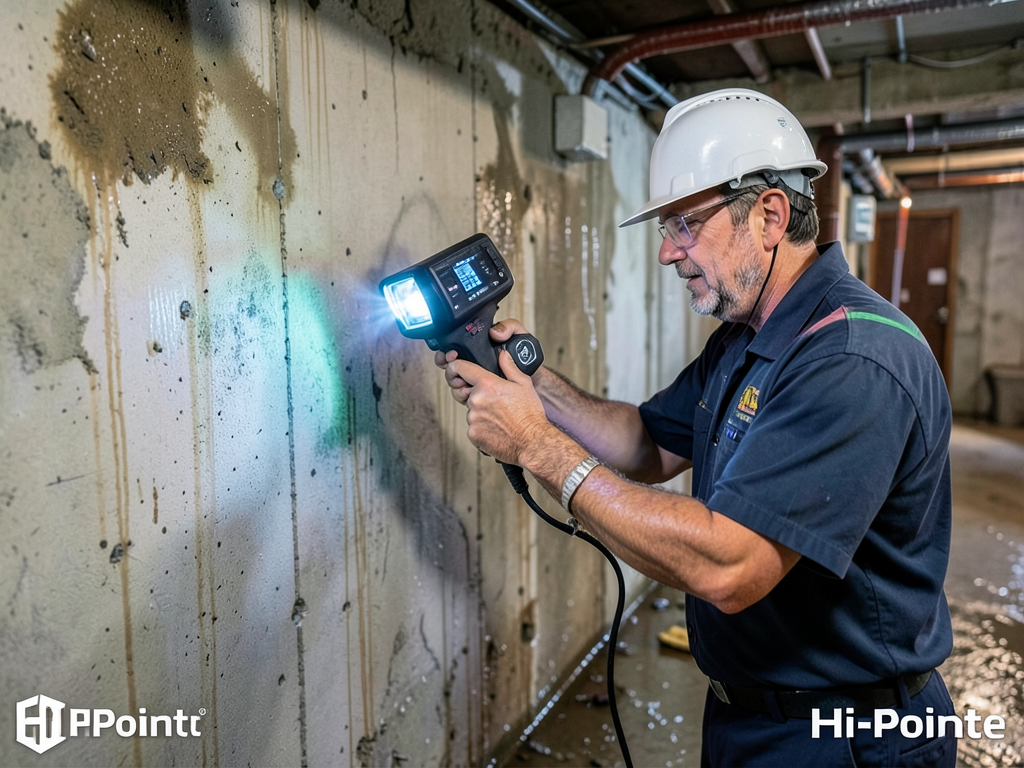
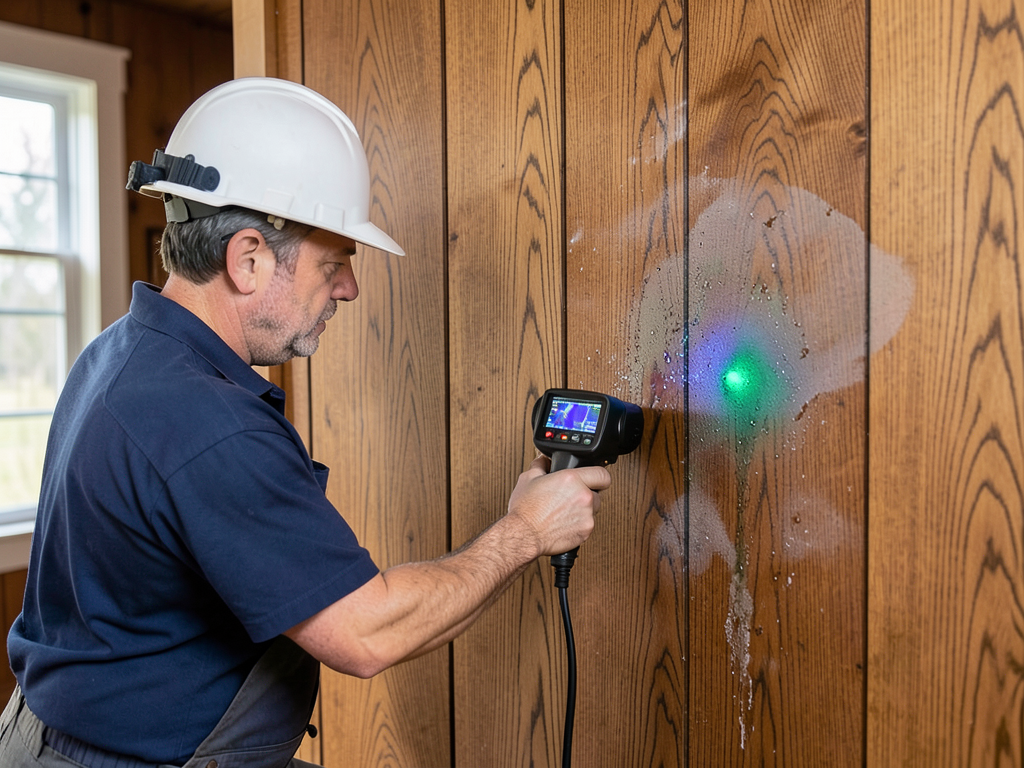
We begin with moisture mapping using infrared thermal cameras. This technology identifies saturation behind walls, under flooring, and in ceiling cavities without invasive demolition. We document baseline moisture content in wood framing, drywall, and concrete using pin-type and non-invasive meters. These readings establish the scope of damage for your insurance adjuster and create a benchmark for drying progress.

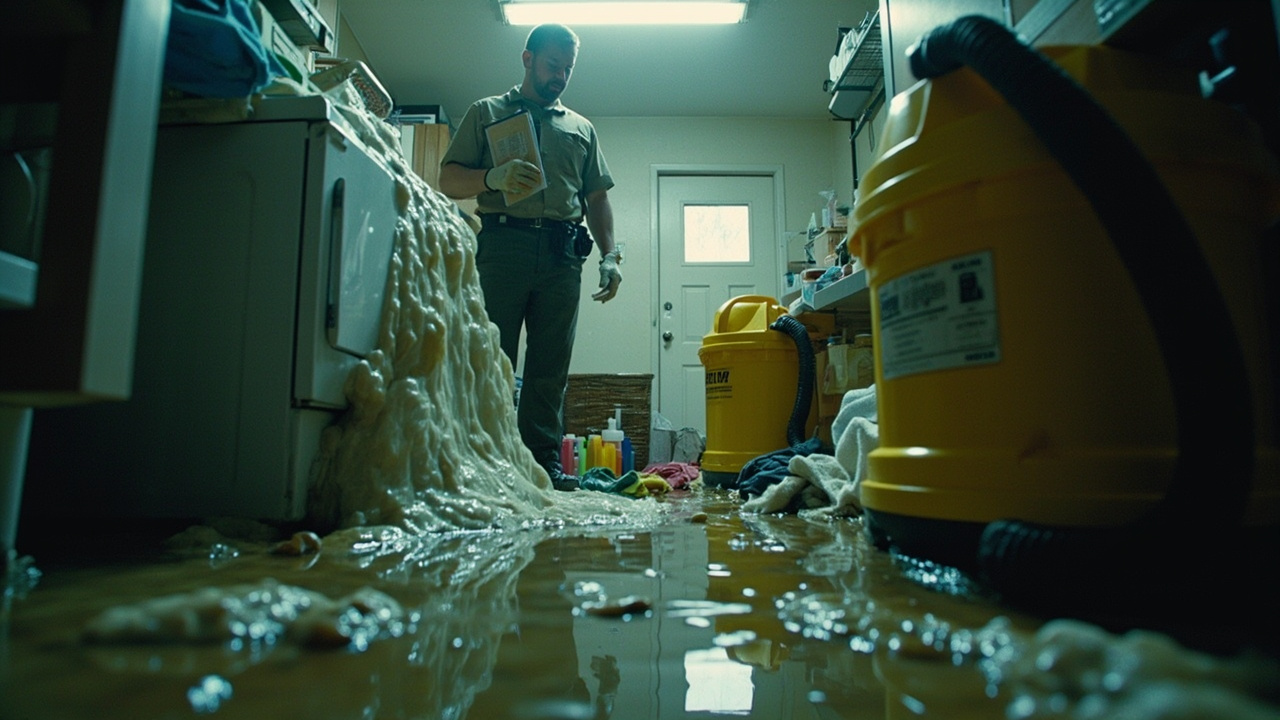
Extraction comes first. We use trailer-mounted pumps capable of removing 100 gallons per minute, paired with weighted wands that extract water trapped in carpet padding and subfloor joints. For hard surface floors, we deploy vacuum heads designed for tile grout lines and hardwood seams where water hides.

Air movement is science, not guesswork. We calculate the grain depression in your space, then position axial fans and low-grain refrigerant dehumidifiers to create controlled evaporation. In St. Louis's humid climate, standard box fans cannot lower relative humidity below 60 percent. Our equipment targets 30 to 40 percent humidity, which halts microbial growth and accelerates structural drying.

We monitor daily. Moisture readings are logged, and equipment is repositioned as materials release trapped water. Most washer water damage restoration projects reach dry standard in three to five days, depending on construction type and saturation depth. You receive a final moisture report documenting that all affected materials returned to pre-loss moisture content, which satisfies insurance requirements and proves the job is complete.

What Happens During Emergency Washer Overflow Response

Washing Machine Overflow Cleanup in St. Louis – 24/7 Emergency Response Within 60 Minutes
01

Immediate Water Extraction

Our technician arrives with truck-mounted extraction equipment and begins removing standing water within minutes of entry. We extract water from carpets, pads, and hard surfaces using weighted vacuum heads that pull moisture from grout lines and subflooring gaps. Source isolation happens first. We shut off the water supply, disconnect the machine, and assess whether the leak originated from supply lines, drain hoses, or the unit itself.
02

Structural Moisture Assessment

After extraction, we map hidden moisture using thermal imaging cameras and moisture meters. Walls, subfloors, and baseboards are tested to identify saturation depth. This step is critical in St. Louis homes with older plaster walls and hardwood flooring, where water migrates quickly through porous materials. We document all readings photographically for your insurance claim. Affected materials are categorized by saturation level to determine whether drying in place is feasible or if removal is required.
03

Controlled Structural Drying

We install commercial air movers and dehumidifiers calibrated to St. Louis's ambient humidity levels. Equipment runs continuously, monitored daily with updated moisture readings. Drying typically takes three to five days depending on material type and saturation extent. Once all readings return to dry standard, we provide a completion certificate with documented proof that your structure is dry, mold-free, and ready for any necessary repairs. This documentation is essential for insurance processing and resale disclosure.

Why St. Louis Homeowners Call Patriot Water Damage Restoration First

St. Louis is not a generic market. The city's housing includes century-old brick bungalows in South City, mid-century ranch homes in West County, and modern construction in suburbs like Chesterfield and Wildwood. Each building type reacts differently to washing machine floods. Older homes have plaster walls and hardwood subfloors that retain moisture. Newer homes have OSB subflooring and drywall, which delaminate if not dried within 72 hours.

We know the difference because we work here. Our technicians understand that homes near the Mississippi River floodplain, particularly in neighborhoods like Carondelet and Lemay, sit on high water tables. Basement slab moisture can complicate drying after a laundry room flood. We adjust our drying protocols based on construction era, foundation type, and local soil conditions.

Insurance coordination is part of our service. St. Louis homeowners deal with carriers like State Farm, Allstate, and Shelter Insurance. We document every step with photos, moisture logs, and equipment placement diagrams. Adjusters require proof that mitigation was necessary and effective. We provide that documentation in a format that satisfies claims requirements, which speeds up your reimbursement and reduces disputes.

Local response time matters. We operate from a central St. Louis location with equipment staged for immediate deployment. When a washing machine overflows at 2 a.m., you do not wait until morning for a callback. You get a technician onsite within the hour, ready to stop the damage before it becomes a full gut-and-rebuild scenario.

Patriot Water Damage Restoration St. Louis is not a franchise. We are a locally operated company with technicians who live in the same neighborhoods we serve. We have cleaned up washer floods in Dogtown, Richmond Heights, and Kirkwood. We know the local building inspectors, the common insurance adjusters, and the contractors who handle reconstruction after we finish drying.

What to Expect During Washing Machine Overflow Cleanup

Response Time and Availability

We dispatch within 60 minutes of your call, 24 hours a day, 365 days a year. When a washing machine floods, delay creates compounding damage. Water spreads laterally through subflooring, wicks up drywall, and saturates insulation in wall cavities. Our technicians carry truck-mounted extraction equipment and moisture detection tools on every emergency call. You will not wait for a second visit to start mitigation. The clock starts ticking the moment water hits your floor, and we respond on that same timeline. Weekend, holiday, or middle of the night, our dispatch system routes your call directly to an available technician, not a voicemail box.

Initial Assessment and Moisture Mapping

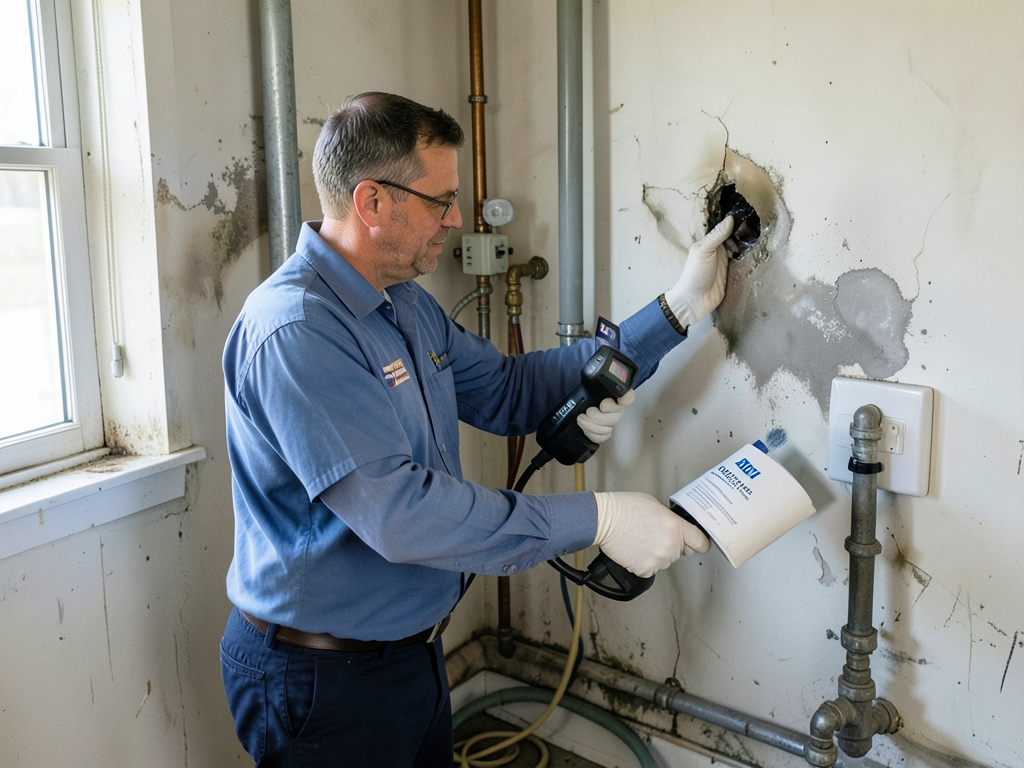
The first onsite step is a complete moisture assessment using thermal imaging cameras and calibrated moisture meters. We test walls, floors, and ceilings to map saturation depth and identify hidden moisture pockets. This is not a visual inspection. Water hides behind baseboards, under vinyl flooring, and inside wall cavities where you cannot see it. Our equipment detects temperature differentials caused by evaporative cooling, which reveals wet areas invisible to the naked eye. You receive a written moisture map with readings for each affected area. This document serves as the baseline for insurance claims and tracks drying progress throughout the restoration process. We explain our findings in plain terms so you understand exactly what is wet, why it matters, and how we will dry it.

Drying Results and Completion Standards

We do not remove equipment until moisture readings confirm your structure is dry. Completion means all tested materials return to baseline moisture content, typically below 12 percent for wood and below 1 percent for drywall and concrete. Anything higher risks mold growth and material degradation. Drying timelines vary based on material type, saturation depth, and ambient conditions, but most laundry machine overflow water removal projects reach dry standard in three to five days. We provide daily progress updates with updated moisture readings so you can track the drying curve. Final documentation includes a completion certificate with before-and-after moisture data, photographs, and a statement confirming the structure is dry and safe for reconstruction. This certificate is required by most insurance carriers and protects you from future liability if moisture issues arise later.

Insurance Coordination and Documentation

We work directly with your insurance adjuster to document the scope of damage and justify mitigation costs. Every step is photographed, logged, and compiled into a detailed claim packet that includes moisture readings, equipment logs, and material removal records if demolition is necessary. Insurance companies require proof that water damage was mitigated promptly and effectively. We provide that proof in a format adjusters recognize and accept. You are not left to translate technical jargon or argue about coverage. We handle the documentation and communicate directly with the adjuster to explain our findings and our drying protocol. Most of our clients receive full reimbursement for emergency mitigation services because the documentation supports the claim from the first phone call to final dry-out.

Frequently Asked Questions

You Have Questions,
We Have Answers

How to clean a washing machine overflow pipe? +

Turn off your washing machine and disconnect the power. Locate the overflow pipe, usually at the back or side of the unit. Remove any visible debris or lint buildup by hand. Use a wet-dry vacuum to suction out standing water and clogs. For stubborn blockages, insert a plumber's snake or flexible brush into the pipe opening. Flush with hot water to clear remaining residue. If the pipe connects to your home's drain system, check the standpipe for clogs. In St. Louis homes with older plumbing, mineral deposits from hard water can narrow pipes over time, requiring professional cleaning.

How do you remove black mold from a washing machine rubber seal? +

Black mold on washing machine seals is dangerous and requires immediate action. Put on gloves and eye protection. Mix one part white vinegar with one part water in a spray bottle. Spray the rubber seal thoroughly and let it sit for 10 minutes. Scrub with a stiff brush, focusing on folds and crevices. Wipe clean with a microfiber cloth. For persistent mold, use a diluted bleach solution (one part bleach to four parts water), but never mix bleach with vinegar. St. Louis humidity makes mold growth worse, so leave your washer door open between loads to promote air circulation.

What do you do when your washing machine overflows? +

Stop the cycle immediately and turn off the water supply valves behind your washing machine. Unplug the unit to prevent electrical hazards. Remove standing water with towels, a wet-dry vacuum, or a mop. Check the drain hose for kinks or clogs. If water is still present, call a professional immediately. Water damage spreads fast in St. Louis homes, especially in finished basements common throughout Webster Groves and Clayton. Do not restart the machine until you identify the cause. Overflows often result from clogged drain lines, faulty pumps, or overfilled loads requiring professional diagnosis.

How to clean up a washing machine flood? +

Act fast to prevent structural damage and mold. First, turn off electricity to the affected area at the circuit breaker. Remove all standing water using a wet-dry vacuum or extraction equipment. Pull up soaked rugs and move furniture to dry areas. Use fans and dehumidifiers to dry floors, walls, and baseboards within 24 hours. In St. Louis, high humidity slows drying and accelerates mold growth. Check beneath flooring and inside walls for hidden moisture. Professional water damage teams use thermal imaging and moisture meters to find trapped water that causes long-term problems you cannot see.

Can I pour bleach down a washing machine drain pipe? +

No. Pouring bleach down a washing machine drain pipe is dangerous and ineffective. Bleach can corrode older pipes, especially in St. Louis homes built before 1980 with galvanized or cast iron plumbing. It does not dissolve clogs caused by lint, soap residue, or debris. Bleach also reacts with other household chemicals in drain lines, creating toxic fumes. Instead, use a plumber's snake to physically remove blockages or call a professional. For routine maintenance, run hot water through the drain after each load and use a mesh lint trap on your standpipe to catch debris.

How to unclog an overflow tube washer? +

First, disconnect power and water to your washing machine. Locate the overflow tube, typically inside the drum or connected to the outer tub. Remove the front or top panel to access it. Use a flashlight to inspect for visible clogs like lint, small clothing items, or detergent buildup. Insert a flexible drain snake or wire brush into the tube opening and work it back and forth to break up blockages. Flush with hot water. If the clog persists or you cannot access the tube, contact a water damage professional. St. Louis hard water accelerates mineral buildup, making regular maintenance critical.

Why St. Louis's Humid Climate Makes Washing Machine Floods More Dangerous

St. Louis experiences average relative humidity between 65 and 75 percent from May through September, which creates a mold-friendly environment when water damage occurs. A washing machine overflow introduces moisture into walls and subfloors, and the ambient humidity slows natural evaporation. Without mechanical dehumidification, materials stay wet longer, giving mold spores time to colonize. The city's older housing stock, especially brick homes with plaster walls built before 1950, retains moisture more aggressively than modern drywall construction. Water migrates through lathe gaps and settles in wall cavities where air circulation is minimal. Emergency washer flood remediation in St. Louis requires equipment that lowers indoor humidity below 40 percent, which is impossible with standard fans and open windows in the summer months.

Patriot Water Damage Restoration St. Louis operates under the drying standards established by the Institute of Inspection, Cleaning and Restoration Certification, the industry authority for water damage mitigation. We staff IICRC-certified technicians trained in psychrometry, the science of moisture movement in building materials. This expertise matters because improper drying leads to hidden mold growth, wood rot, and subfloor delamination. Local contractors who understand St. Louis's construction styles and humidity patterns deliver better outcomes than national franchises deploying generic protocols. We know how water behaves in brick bungalows on Lafayette Square versus vinyl-sided ranch homes in Affton. That local knowledge ensures we dry your home correctly the first time, without callbacks or mold remediation failures six months later.
Water Damage Restoration Services in The St. Louis Area

We are proud to be the trusted local choice for water damage restoration across the greater St. Louis region. This map highlights our primary service zone, demonstrating our commitment to rapid, localized response across every neighborhood and business district within the area. We invite all users to view our service area and then contact us directly for immediate deployment to your specific address within the St. Louis community.

Address:
Patriot Water Damage Restoration St. Louis, 710 N Tucker Blvd, St. Louis, MO, 63101

Additional Services We Offer

Our news updates

Latest Articles & News from The Blogs

What to Do When a Fire Sprinkler Accidentally Floods Your Creve Coeur Office Building A fire sprinkler discharge in your…

What to Do When a Fire Sprinkler Accidentally Floods Your Creve Coeur Office Building

What to Do When a Fire Sprinkler Accidentally Floods Your Creve Coeur Office Building A fire sprinkler discharge in your…

Saving Your Custom Wine Cellar from Basement Seepage in Frontenac

Saving Your Custom Wine Cellar from Basement Seepage in Frontenac Frontenac’s luxury homes feature custom wine cellars that can be…

Dealing with HOA Rules and Shared Wall Leaks in Your Clayton High-Rise Condo

Who Pays for Water Damage in Your Clayton High-Rise Condo? Here's What Missouri Law Says When water starts seeping through…

Contact Us

Every minute your home stays wet, damage spreads. Call (314) 428-9977 now for immediate washing machine flood cleanup. Our emergency crews dispatch within 60 minutes across St. Louis. We extract water, dry your structure, and document everything for your insurance claim. Do not wait.