menu

Water Stains on Drywall in St. Louis – Expert Diagnosis and Permanent Repair Solutions

Patriot Water Damage Restoration St. Louis identifies the hidden moisture source behind your water stains on drywall, then eliminates the problem at its root to prevent mold growth and structural damage.

Slider Image 1
Slider Image 2
Slider Image 3
Slider Image 4
Slider Image 5
Slider Image 7
Slider Image 8
Slider Image 9
Slider Image 10
Slider Image 11

Why Water Stains Appear on St. Louis Drywall

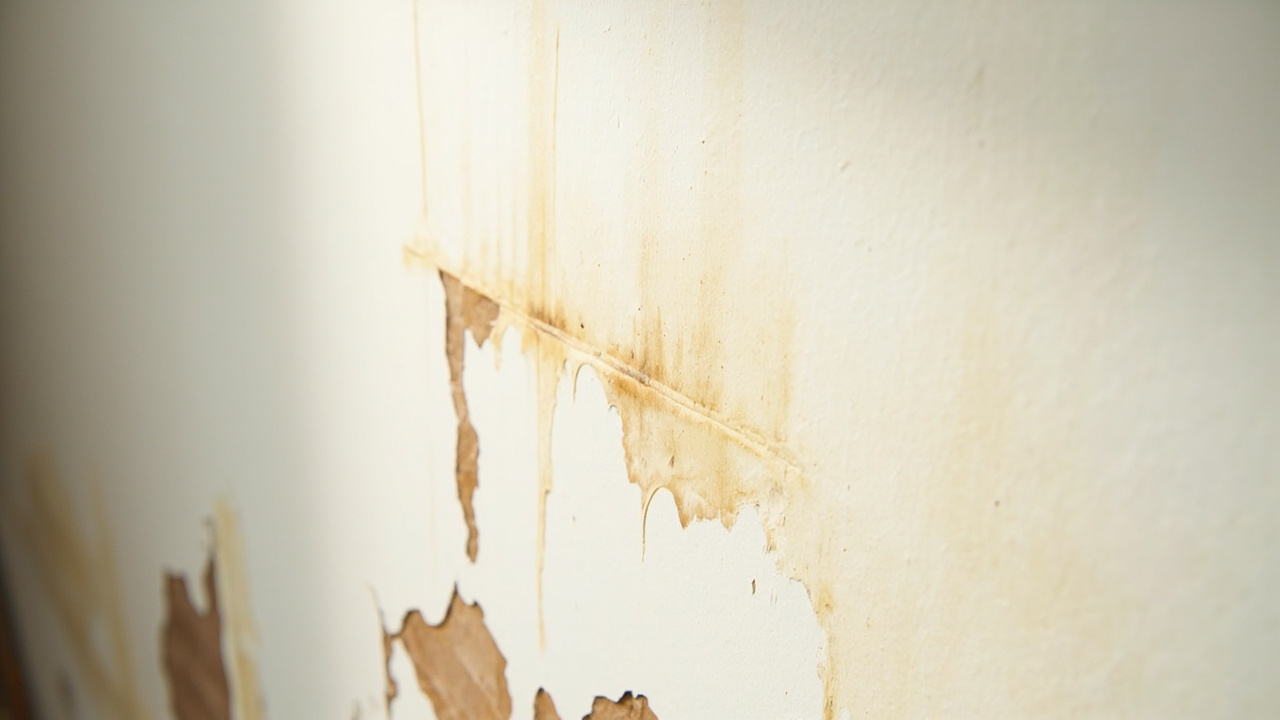
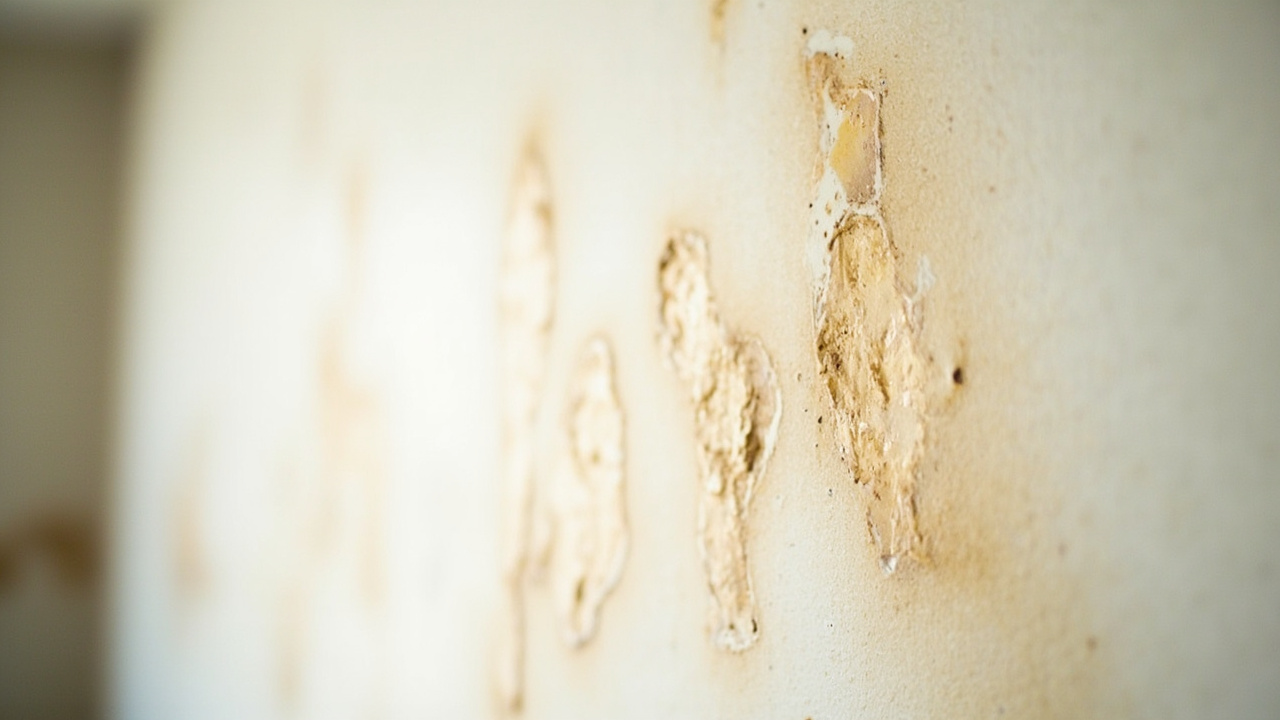
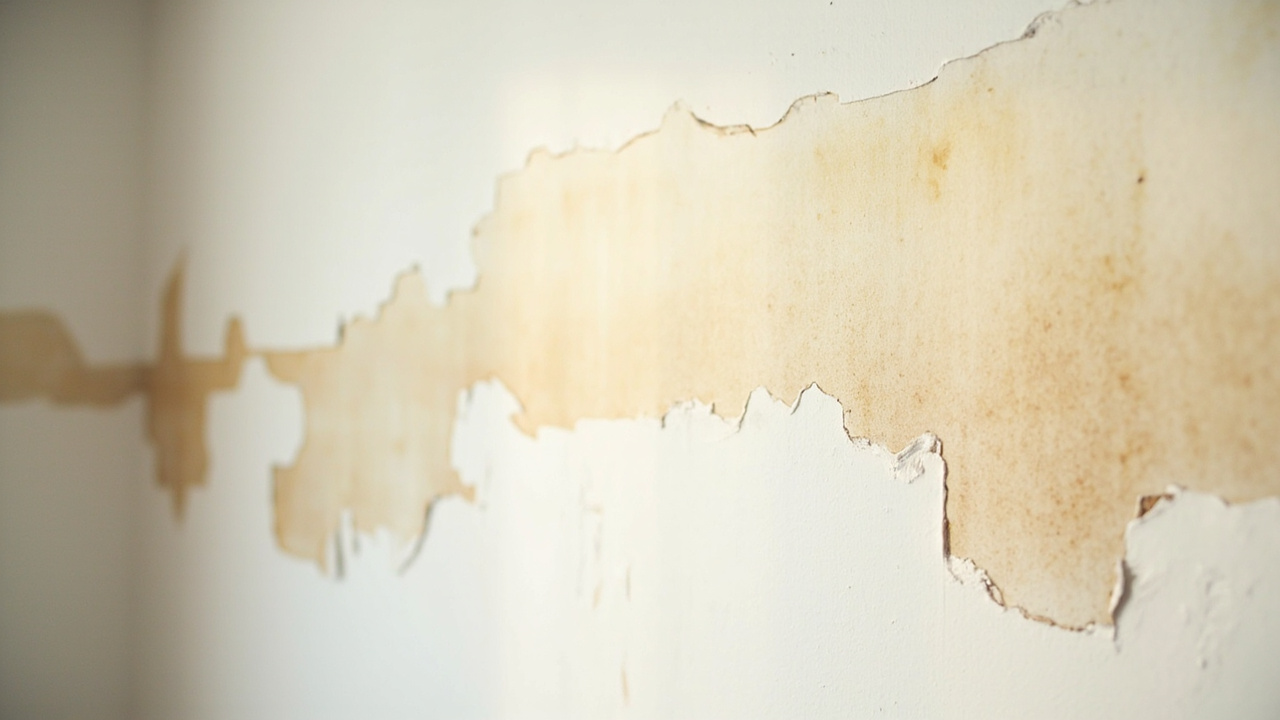
You notice brown water spots on walls in your bedroom. A yellow stain on drywall spreads across your living room ceiling. Moisture discoloration on sheetrock appears after a rainstorm. These are not cosmetic issues. They are symptoms of active water intrusion.

St. Louis's humid summers and freeze-thaw cycles create the perfect conditions for hidden water damage. When temperatures drop below freezing, pipes burst inside walls. When humidity climbs above 60 percent in July and August, condensation forms behind drywall in poorly ventilated spaces. The Gateway Arch sits at the confluence of two major rivers, and that geographic reality means elevated moisture levels throughout the metro area.

Water marks on ceiling surfaces often originate from roof leaks, but they can also signal failed HVAC condensate lines or attic ventilation problems. Wet patches on plasterboard near windows suggest failed flashing or deteriorated caulking. In historic neighborhoods like Soulard and Lafayette Square, older homes built before modern moisture barriers face even greater vulnerability.

The stain you see is the visible evidence. The real problem hides behind the surface. Water travels along studs, soaks insulation, and creates conditions for mold colonies to establish within 24 to 48 hours. Ignoring brown water spots on walls leads to compromised structural integrity, toxic mold exposure, and repair costs that multiply each week you wait.

Understanding where the water originates matters more than covering the stain with paint. You need a diagnostic approach that traces moisture back to its entry point and addresses the failure that allowed it inside your walls.

Why Water Stains Appear on St. Louis Drywall
How We Diagnose and Eliminate Moisture at the Source

How We Diagnose and Eliminate Moisture at the Source

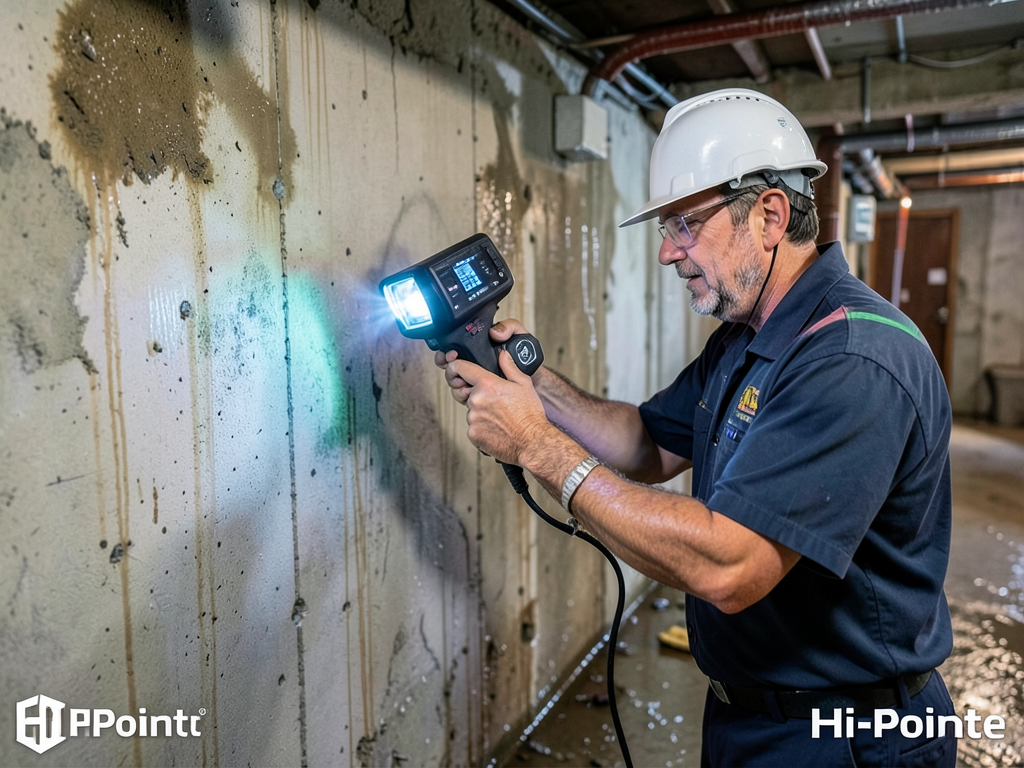
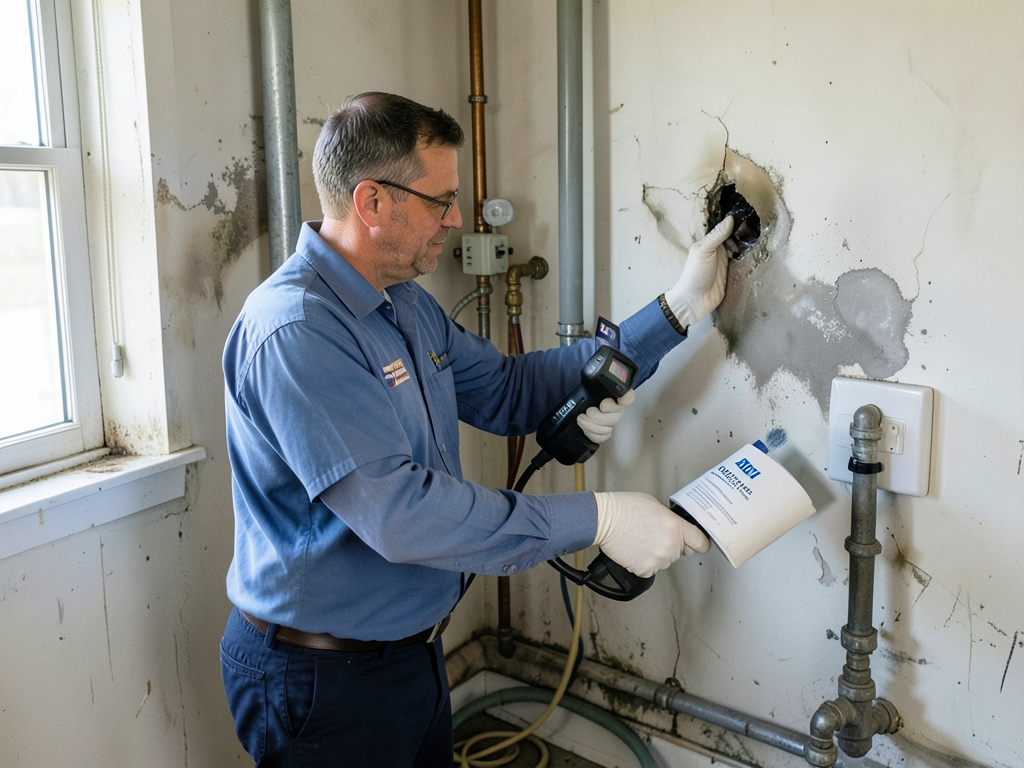
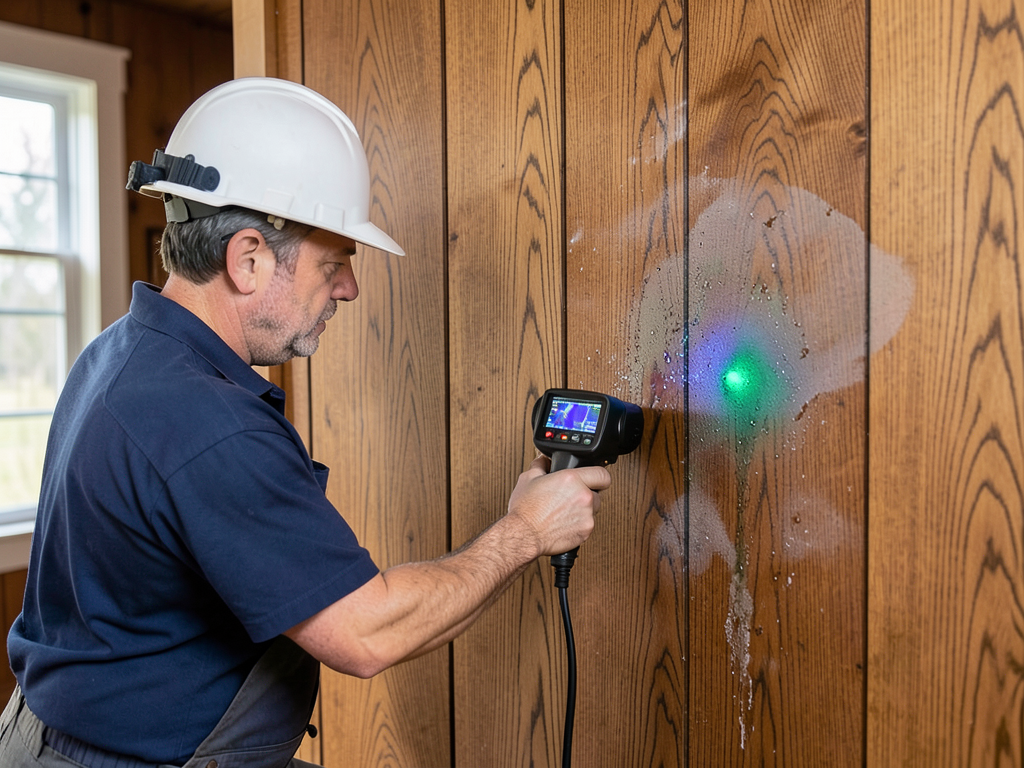
Surface-level fixes fail because they ignore the water source. We use thermal imaging cameras and moisture meters to map the full extent of water intrusion behind your drywall. These tools reveal moisture content percentages in building materials and show us the exact path water traveled from its entry point to the visible stain.

Our technicians check attic spaces for roof penetrations, inspect HVAC drain lines for blockages, and examine plumbing supply lines for pinhole leaks. We test window flashing and examine exterior cladding for failed sealants. In St. Louis homes with brick veneer, we inspect weep holes and through-wall flashing that allows moisture to escape the wall cavity.

Once we identify the source, we stop the water intrusion. This might mean repairing a roof valley, replacing a wax ring under a toilet, or rerouting a condensate line. We document moisture readings before and after source elimination to confirm the problem is resolved.

Then we address the damaged materials. Drywall with moisture content above 17 percent must be removed. Wet insulation loses its R-value and harbors mold spores. We cut out affected sections, treat framing lumber with antimicrobial solutions, and install new moisture-resistant drywall in areas prone to humidity exposure.

We never apply paint over water stains without confirming the underlying material is dry and structurally sound. Our moisture meters confirm readings below 12 percent before we proceed with finish work. This methodical approach prevents callback visits and ensures your repair holds for years, not months.

Patriot Water Damage Restoration St. Louis follows IICRC S500 standards for water damage restoration. We document every step with photos and moisture readings so you have a complete record for insurance claims.

What Happens When You Call About Water Stains

Water Stains on Drywall in St. Louis – Expert Diagnosis and Permanent Repair Solutions
01

Moisture Mapping and Source Identification

We arrive with thermal cameras and pin-type moisture meters to trace water migration patterns through your walls and ceiling cavities. You see exactly where moisture hides behind surfaces and learn what failed to allow water inside. We identify the source within the first hour, whether it's a roof leak, plumbing failure, or condensation issue specific to St. Louis's humidity levels.
02

Water Intrusion Repair

Our crew stops the water at its entry point before touching your drywall. This means sealing roof penetrations, repairing supply lines, or correcting drainage issues that allowed moisture inside. We verify the repair with follow-up moisture readings to confirm no new water enters the wall cavity. Only after we confirm the source is eliminated do we move to structural drying and material removal.
03

Drywall Replacement and Finishing

We remove water-damaged drywall, treat exposed framing with antimicrobial solution, and install new sheetrock matched to your existing wall texture. Joints receive three-coat finishing, and we prime all new surfaces with stain-blocking primer before final paint. You receive documentation showing moisture readings returned to normal levels and confirming mold-free conditions behind your walls.

Why St. Louis Property Owners Trust Patriot for Water Damage Solutions

Generic water damage companies focus on drying out visible moisture. We focus on understanding why moisture entered your structure in the first place. That difference matters in a city where humidity, river proximity, and aging housing stock create unique vulnerabilities.

St. Louis homes built before 1980 often lack vapor barriers between exterior brick and interior framing. This allows moisture migration through porous masonry, especially on north-facing walls that never receive direct sunlight. We understand these construction details because we work in your neighborhoods every day, from the historic districts to newer developments in West County.

Our technicians recognize the signs of foundation settlement common in St. Louis clay soil. When homes shift, plumbing connections stress and fail. Exterior cladding pulls away from window frames. These structural movements create pathways for water intrusion that require more than surface-level repairs.

We work directly with your insurance adjuster to document damage and justify coverage for source repairs, not just cosmetic fixes. Many homeowners discover their policy covers the failed pipe or roof leak that caused water stains, but only when the claim is submitted with proper documentation. We provide that documentation as part of our standard process.

Patriot Water Damage Restoration St. Louis maintains relationships with local roofing contractors, plumbers, and foundation specialists. When your water damage reveals a problem outside our scope, we connect you with trusted professionals who understand St. Louis construction methods and building codes.

You receive transparent pricing before we start work. No surprises, no upselling, no pressure tactics. We explain what must be repaired, what insurance typically covers, and what you can expect during the restoration process.

Our goal is permanent resolution, not temporary cosmetic improvement. We stand behind our diagnostic process and our repairs because we use proven methods and quality materials.

What You Can Expect During Water Stain Restoration

Response Time and Scheduling

We respond to water damage calls within two to four hours during business hours and offer emergency service for active leaks. Our initial assessment takes 60 to 90 minutes and includes moisture mapping, source identification, and a written scope of work. Most water stain repairs from source elimination through final paint require three to five days, depending on drying time and material availability. We coordinate with your schedule and minimize disruption to your daily routine.

Comprehensive Moisture Assessment

Our technicians use non-invasive thermal imaging to identify temperature differentials that indicate hidden moisture without drilling holes in your walls. We follow up with pin-type meters that measure moisture content percentage in drywall, framing lumber, and insulation. You receive a detailed moisture map showing affected areas and readings that confirm when materials return to acceptable dry standards below 12 percent moisture content. This documentation supports insurance claims and proves restoration quality.

Quality of Finished Repairs

We match existing wall textures and use premium joint compound that resists future cracking. All new drywall receives stain-blocking primer before finish paint to prevent tannin bleed-through from previous water damage. When we cut out sections, we follow stud lines and create clean edges that blend seamlessly with existing surfaces. Our finish carpenters ensure paint lines are invisible and textures match adjacent walls. You will not be able to identify where repairs occurred once we complete the work.

Post-Restoration Monitoring and Prevention

We provide written recommendations for preventing future water intrusion based on what we discovered during your repair. This might include gutter maintenance schedules, HVAC condensate line monitoring, or seasonal plumbing inspections. You receive our direct contact information for follow-up questions or concerns. If new stains appear within 90 days of our completed work, we return to reassess at no charge because it suggests the original source was not fully resolved. Our commitment extends beyond project completion.

Frequently Asked Questions

You Have Questions,
We Have Answers

How do you get water stains out of drywall? +

First, fix the moisture source. Water stains do not disappear without addressing the leak. Once the drywall is completely dry, spray the stain with a bleach solution (1 part bleach to 10 parts water) and let it sit for 10 minutes. Wipe clean and allow to dry. Apply a stain-blocking primer like Kilz or BIN before painting. St. Louis homes with older plumbing often have recurring leaks that cause stubborn stains. If the stain bleeds through primer or the drywall feels soft, you need professional water damage restoration to cut out damaged sections and prevent mold growth behind the wall.

How to tell if water is leaking behind drywall? +

Look for discoloration or brown rings on drywall surfaces. Press the wall gently. If it feels spongy, soft, or crumbly, water has compromised the gypsum core. Check for bulging or sagging sections where water pools behind the surface. Peeling paint or bubbling texture indicates moisture trapped underneath. Musty odors are a red flag for hidden leaks. In St. Louis homes with older cast iron plumbing or basement moisture issues, leaks often develop slowly. Use a moisture meter to confirm suspected areas. If you detect these signs, you need immediate inspection to locate the source and assess structural damage before mold colonizes.

Are water stains permanent on walls? +

Water stains are permanent unless you treat them correctly. The brown or yellow tannins from dissolved minerals and rust penetrate porous drywall. Simply painting over stains causes bleed-through within days. You must seal the stain with a shellac-based or oil-based primer that blocks tannins from migrating through new paint. If the drywall stayed wet for more than 48 hours, mold spores likely contaminated the paper backing. St. Louis humidity accelerates mold growth behind walls. Permanent staining also indicates the drywall has lost structural integrity. At that point, you need to replace affected sections rather than attempt cosmetic fixes.

Can I paint over water stained drywall? +

You can paint over water stained drywall only after proper preparation. Painting directly over stains guarantees failure. The tannins will bleed through latex paint within 24 hours. First, ensure the drywall is bone dry and the leak is fixed. Apply a stain-blocking primer designed for water damage. Use shellac-based (BIN) or oil-based (Kilz Original) primer for severe stains. Let it dry completely, then apply two coats of quality paint. St. Louis homes with humidity issues need proper ventilation during drying. If the drywall feels soft or shows mold, replace it instead. Painting over compromised drywall hides problems that worsen over time.

Is drywall ruined once it gets wet? +

Drywall is not always ruined when wet, but timing matters. If you dry it completely within 48 hours, it may survive. Beyond that window, mold colonizes the paper backing and the gypsum core loses strength. Category 1 water (clean supply line) is less damaging than Category 2 or 3 (sewage, flooding). St. Louis humidity slows drying and accelerates microbial growth. Press the dried drywall. If it crumbles, feels soft, or shows mold spots, it must be replaced. Water wicking up from slab leaks or basement seepage often requires cutting drywall two feet above visible damage to remove all contaminated material.

Are water spots on paint permanent? +

Water spots on paint are permanent unless you address them properly. The spots result from minerals, rust, or tannins dissolved in water that penetrate latex paint. Simply repainting causes the stains to reappear within days. You must apply a stain-blocking primer over the affected areas before adding new paint. Use shellac-based or oil-based primer for stubborn spots. If the spots return after priming, moisture is still present behind the surface or the drywall has mold contamination. St. Louis homes with roof leaks or plumbing issues often experience recurring spots. At that point, you need professional assessment to find hidden moisture sources.

How long can drywall be wet before mold? +

Mold begins growing on wet drywall within 24 to 48 hours. St. Louis humidity accelerates this timeline. Mold spores are always present in the air. Once drywall stays wet beyond 48 hours, spores colonize the paper backing and gypsum core. Temperature between 60 and 80 degrees provides ideal growth conditions. Darker, enclosed spaces like wall cavities promote faster colonization. You cannot see mold growing behind drywall until it spreads significantly. This is why immediate drying with commercial dehumidifiers and air movers is critical. If drywall stayed wet for three days or more, assume mold contamination and plan for professional remediation and replacement.

What are the first signs of water damage on walls? +

The first signs of water damage include discoloration on walls or ceilings. Look for yellow, brown, or copper-colored stains that spread outward in rings. Paint may bubble, crack, or peel as moisture pushes from behind. Texture feels soft or spongy when pressed. Baseboards may warp or separate from walls. Musty odors signal hidden moisture and early mold growth. St. Louis homes with basement moisture or aging plumbing show these signs near bathrooms, kitchens, and exterior walls. You may notice increased humidity or condensation on windows. Catching these early signs prevents major structural damage and expensive remediation. Ignoring them allows mold to spread behind walls.

Does homeowners insurance cover water leaks in walls? +

Homeowners insurance covers sudden and accidental water leaks, like burst pipes or appliance malfunctions. Insurance does not cover gradual leaks from poor maintenance, like slow dripping pipes or roof deterioration. If a pipe bursts in your St. Louis home during a freeze, insurance typically covers wall repairs and water damage restoration. Flood damage from external sources requires separate flood insurance. Sewer backups need specific endorsements. Document everything immediately with photos. Insurance adjusters look for proof the leak was sudden, not ongoing. Delayed reporting or evidence of prior water stains may result in claim denial. Review your policy for specific exclusions before filing.

Why do I have water marks on my walls but no leak? +

Water marks without visible leaks often result from condensation or hidden moisture sources. St. Louis humidity causes condensation on cold surfaces like exterior walls with poor insulation or areas near air conditioning ducts. Moisture vapor migrates through drywall from crawl spaces or basements, leaving stains as it evaporates. Roof leaks may drip inside wall cavities without surface evidence. Old plumbing leaks slowly behind walls, staining drywall before water appears. HVAC condensation lines may leak inside walls. Check attics after heavy rain for roof penetrations. Use a moisture meter to scan walls. If marks reappear after painting, you have an active moisture problem requiring professional leak detection.

How St. Louis Humidity and River Proximity Accelerate Drywall Water Damage

St. Louis sits at the confluence of the Mississippi and Missouri Rivers, creating naturally elevated humidity levels that stress building materials year-round. Summer dew points frequently exceed 70 degrees, which means moisture condenses on cool surfaces inside wall cavities whenever air conditioning runs. This creates brown water spots on walls in homes with inadequate vapor barriers or poor attic ventilation. The freeze-thaw cycle compounds the problem when winter temperatures drop below 32 degrees and pipes burst inside exterior walls. These geographic realities make water stains on drywall a persistent issue across the metro area.

St. Louis building codes have evolved significantly over the past 50 years, but thousands of homes predate modern moisture management standards. Patriot Water Damage Restoration St. Louis understands the construction methods used in every era, from the brick row houses in Shaw to the ranch homes in Affton. We know where builders cut corners, which materials fail first, and how to retrofit modern moisture barriers into older structures. This local expertise prevents misdiagnosis and ensures repairs address the actual failure point, not just visible symptoms.
Water Damage Restoration Services in The St. Louis Area

We are proud to be the trusted local choice for water damage restoration across the greater St. Louis region. This map highlights our primary service zone, demonstrating our commitment to rapid, localized response across every neighborhood and business district within the area. We invite all users to view our service area and then contact us directly for immediate deployment to your specific address within the St. Louis community.

Address:
Patriot Water Damage Restoration St. Louis, 710 N Tucker Blvd, St. Louis, MO, 63101

Additional Services We Offer

Our news updates

Latest Articles & News from The Blogs

What to Do When Your Water Softener Leaks and Floods Your Affton Utility Room A leaking water softener can release…

What to Do When Your Water Softener Leaks and Floods Your Affton Utility Room

What to Do When Your Water Softener Leaks and Floods Your Affton Utility Room A leaking water softener can release…

Restoring a Water Damaged Mid-Century Modern Home in Warson Woods

Restoring a Water Damaged Mid-Century Modern Home in Warson Woods Water damage in a mid-century modern home requires specialized knowledge…

Why Your Walk-Out Basement in Hi-Pointe is Vulnerable to Heavy Rain Runoff

Why Your Walk-Out Basement in Hi-Pointe is Vulnerable to Heavy Rain Runoff Your walk-out basement in Hi-Pointe faces unique flooding…

Contact Us

Water damage spreads quickly behind your walls. Call Patriot Water Damage Restoration St. Louis now at (314) 428-9977 for same-day moisture assessment and source identification. We provide transparent pricing and permanent solutions that protect your home and your investment.